

P0172 on 2016-2020 Buick Envision: Rich Fuel System Causes and Fixes
On 2016-2020 Buick Envisions, P0172 is frequently caused by fuel contaminating the engine oil, often due to short-trip driving habits. The primary fix involves an oil and filter change, and for some models, replacing the PCV valve and reprogramming the ECM. This is a known issue covered by GM Technical Service Bulletins.
- For a 2016-2020 Buick Envision, P0172 is most often caused by fuel contaminating the engine oil, not faulty sensors.
- Check the oil level and smell for gasoline before replacing any parts. An overfull dipstick is a major clue.
- The simplest and most common fix is an engine oil and filter change.
- Refer to GM TSBs #18-NA-246 and #22-NA-056, as a revised PCV valve and/or ECM update may be required.
- If you frequently take short trips, you may need to change your oil more often than the oil life monitor suggests to prevent this issue from recurring.
What's Unique About the 2016-2020 Buick ENVISION
Unlike many vehicles where P0172 points to a bad oxygen sensor or MAF sensor, on the 2016-2020 Envision (especially with the 2.0L LTG engine), this code is strongly linked to fuel dilution of the engine oil. This is a characteristic issue with some Gasoline Direct Injection (GDI) engines. GM has issued Technical Service Bulletins (TSBs) acknowledging that frequent short driving trips can cause unburned fuel to seep past the piston rings into the crankcase, particularly before the engine reaches full operating temperature. This fuel-contaminated oil then gets recirculated as vapor through the PCV system, creating a rich mixture that the engine burns. This leads the ECM to incorrectly diagnose a fuel system problem. The issue can be so pronounced that it also triggers oil pressure codes like P06DE and P0521 due to the thinned, diluted oil.
Diagnostic Flowchart
Tap your situation to follow the diagnostic path that matches what you're seeing on this vehicle.
Symptoms You May Notice
- Check Engine Light (MIL) illuminated
- Poor fuel economy
- Rough idle
- Hesitation on acceleration
- Smell of gasoline from the exhaust or oil
- Black smoke from the exhaust
- Engine oil level is overfull and smells strongly of gasoline
- Replacing oxygen sensors or MAF sensor without first checking for fuel-contaminated engine oil.
- Replacing fuel injectors or the high-pressure fuel pump when the root cause is short-trip driving habits, as noted in GM TSBs.
Most Likely Causes
- Fuel Contamination of Engine Oil 🔴 High Probability Direct injection engines on this platform are susceptible to fuel seeping past piston rings during short trips where the engine doesn't reach full operating temperature. GM TSBs #18-NA-246 and #22-NA-056 directly address this widespread issue. Owners on forums for related vehicles confirm this is a common occurrence solved by more frequent oil changes.
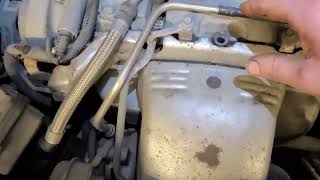
How to confirm: Check the engine oil level on the dipstick. If it is over the full mark and smells strongly of raw gasoline, the oil is contaminated. A scan tool will show large negative long-term fuel trim values, typically between -18% and -30% as the ECM tries to compensate, a key indicator noted in TSB #22-NA-056. A real-world diagnostic video on a 2016 Envision showed the oil level was nearly 3 liters overfull 🎬 Watch: Real-world diagnostic of P0172 and P06DE on a 2016 Envision due to fuel contamination.
Typical fix: Perform an engine oil and filter change to remove the contaminated oil. For 2016-2018 models, the ECM must be reprogrammed to the latest software per TSB #18-NA-246. For engines built before May 7, 2019, an updated PCV valve must also be installed. Advise the owner to ensure the vehicle is driven long enough to reach full operating temperature regularly to prevent recurrence.
Est. part cost: $40-$80 - Faulty or Clogged PCV System 🟡 Medium Probability A revised PCV valve was issued under TSB #18-NA-246 to address issues with the original design allowing excessive fuel vapor into the intake. Engines built prior to May 7, 2019, are likely to have the old style valve. The system can also become clogged or frozen in cold weather, increasing crankcase pressure, a known issue on other GM 4-cylinders.
How to confirm: Inspect the PCV valve and hoses for blockages, cracks, or ice (in cold climates). A simple crankcase pressure test can be performed. The TSB includes a graphic comparing the old and revised valve designs for visual identification.
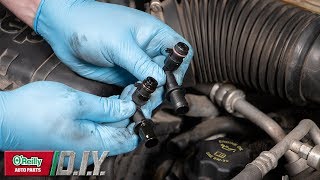
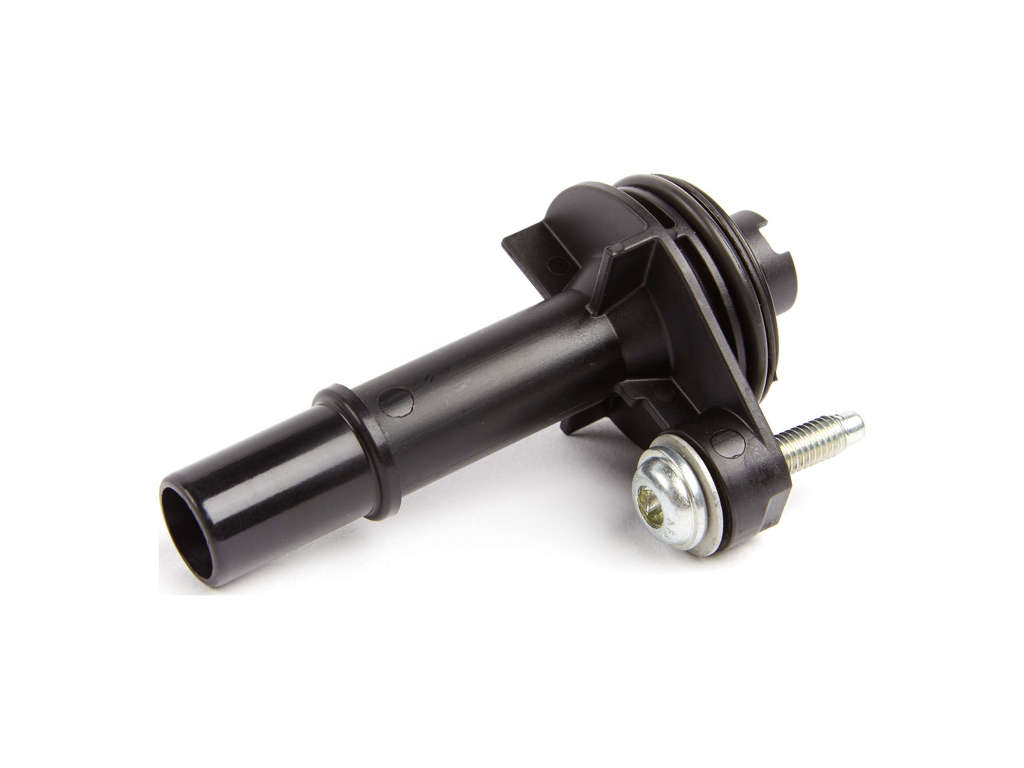
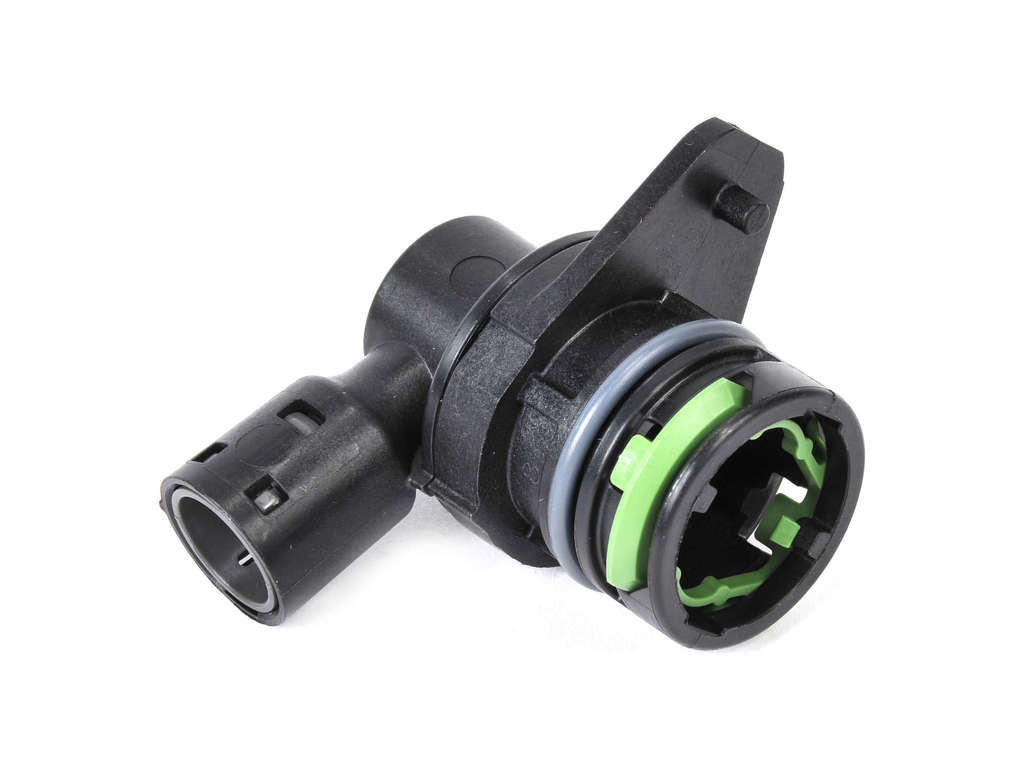
Typical fix: Replace the PCV valve with the updated part number (GM P/N 55596783) as specified in the TSB. Clean or replace any clogged hoses. This often requires removing the camshaft cover. 🎬 See this walkthrough on how to diagnose and replace a PCV valve
Est. part cost: $20-$50 - Leaking Fuel Injector(s) ⚪ Low Probability → Shop Fuel Injector
How to confirm: Perform a fuel injector balance test with a capable scan tool. Alternatively, remove the spark plugs and inspect them; a plug from a cylinder with a leaking injector will be black and sooty compared to the others. A generic guide suggests this as a possible cause for P0172.
Typical fix: Replace the faulty fuel injector(s).
Est. part cost: $70-$200 per injector - Faulty Mass Airflow (MAF) Sensor ⚪ Low Probability → Shop Fuel Injection Air Flow Meter
How to confirm: With a scan tool, monitor the MAF sensor reading at idle and while driving. A key diagnostic step from TSB #22-NA-056 is to unplug the MAF sensor with the engine running; if the long-term fuel trim does NOT move back toward a normal range (-10% to +10%), the cause is likely fuel-in-oil, not the MAF sensor.
Typical fix: First, try cleaning the MAF sensor with a dedicated MAF sensor cleaner. If the problem persists, replace the sensor.
Est. part cost: $80-$150
Rare But Worth Checking
- Leaking High-Pressure Fuel Pump: → Shop Fuel Pump On direct injection engines, the high-pressure fuel pump is mechanically driven by the camshaft. If its internal seal fails, it can leak fuel directly into the crankcase, causing severe oil dilution. A diagnostic check involves monitoring fuel rail pressure after shutdown; a rapid drop in pressure can indicate a leak. However, in a diagnostic video for a 2016 Envision, the pressure actually rose after shutdown due to heat soak, making this specific failure less likely in that case.
- Faulty Oxygen (O2) Sensor: → Shop Oxygen Sensor While a common cause on many cars, it's less likely here given the known TSBs. An O2 sensor stuck in a 'lean' reading state can trick the ECM into adding too much fuel, causing a rich condition. It should be considered only after ruling out oil contamination and PCV issues.
Diagnosis Steps
- Scan for all DTCs. If P06DE or P0521 are present with P0172, immediately suspect fuel in the oil.
- Check the engine oil level and smell. If the level is high and it smells of gasoline, this is the most likely cause.
- Using a scan tool, observe Long Term Fuel Trim (LTFT) for Bank 1. Values more negative than -15%, and especially in the -18% to -30% range, strongly indicate a rich condition caused by fuel contamination per TSB #22-NA-056.
- To rule out the MAF sensor, unplug it while monitoring fuel trims. If the LTFT value does not return to a more normal range (e.g., -10% to +10%), the problem is almost certainly fuel vapor from the crankcase.
- If oil contamination is confirmed, perform an engine oil and filter change.
- Consult TSB #18-NA-246 (for 2016-2019 models) and #22-NA-056. Determine if the vehicle requires the updated PCV valve (P/N 55596783) and/or an ECM reprogram (required for 2016-2018 models).
- If oil is not contaminated, proceed with traditional diagnostics: inspect the air intake system for restrictions, test for leaking fuel injectors, and test the Bank 1 Sensor 1 oxygen sensor.
Parts You'll Likely Need
- Engine Oil and Filter — This is the primary and mandatory first step to remove fuel-contaminated oil from the crankcase, as specified by GM TSBs.
Trusted brands: ACDelco
OEM price range: $40-$70
Aftermarket price range: $30-$60 - PCV Valve
(OEM #55596783)— A revised PCV valve is part of the official GM fix under TSB #18-NA-246 for vehicles built before May 7, 2019, to help prevent fuel vapor issues.
Trusted brands: ACDelco
OEM price range: $20-$40
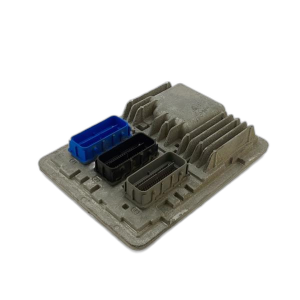
Aftermarket price range: $15-$30 - Engine Control Module (ECM) Reprogramming — For 2016-2018 models, TSB #18-NA-246 specifies that the ECM must be programmed with the latest software to fully correct the condition. This is a dealer or equipped independent shop service.
Trusted brands: GM Service Programming System (SPS)
OEM price range: $100-$200
Related Codes That Often Appear With This One
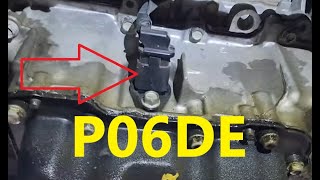
- P06DE — Engine Oil Pressure Control Solenoid Valve Stuck On. This code often appears with P0172 because fuel-diluted oil is thinner than specified, affecting the performance and pressure readings of the variable displacement oil pump system. 🎬 Watch: Understanding the causes and fixes for the P06DE oil pressure code The TSBs directly link these codes.
- P0521 — Engine Oil Pressure Sensor Performance. Similar to P06DE, this code is triggered because the thinned, fuel-contaminated oil does not provide the expected pressure reading. The TSBs directly link these codes.
Technical Service Bulletins (TSBs) & Recalls
- 22-NA-056: Malfunction Indicator Lamp (MIL) Illuminated - DTC P0172, P06DE and/or P0521 Set.
- 18-NA-246: Malfunction Indicator Lamp (MIL) Illuminated - DTC P0172 Set.
Platform-Specific Known Issues
- TSB #18-NA-246: Issued for 2016-2019 models, this bulletin addresses P0172 (often with P06DE/P0521) caused by fuel-enriched oil from short trips. The fix for 2016-2018 models involves an ECM reprogram, installing a revised PCV valve, and an oil change. For 2019 models (or any with an engine built after May 7, 2019), it may only require the PCV valve and oil change.
- TSB #22-NA-056: This bulletin covers 2020-2022 models and simplifies the fix to primarily an oil and filter change. It provides key diagnostic criteria, such as expecting long-term fuel trims of -18% to -30% and a method to rule out the MAF sensor.
Mechanic-Grade Diagnostic Values
- Low-Side Fuel Pressure (from in-tank pump) — expected: Regulated to approx. 40-70 PSI (275-482 kPa). A PWM-controlled pump is used.. Failure: Pressure outside of this range can indicate a failing low-pressure pump or regulator.
- High-Side Fuel Pressure (engine-driven pump) — expected: Up to 3000 PSI (20,684 kPa), controlled by the ECM based on engine demand.. Failure: Pressure that rapidly bleeds down after engine shutoff can indicate a leaking injector or a high-pressure pump leaking into the crankcase.
- Upstream Oxygen (O2) Sensor Voltage — expected: Fluctuating between 0.1 and 0.9 volts during closed-loop operation.. Failure: A sensor that is stuck high (e.g., >0.8V) may indicate a rich condition, while a sensor stuck low may be faulty and tricking the ECM into adding fuel.
Scan Tool Commands That Help
- GDS2 / GM SPS (Service Programming System): Engine Control Module Reprogramming — This is a required step for 2016-2018 models after addressing the fuel-in-oil condition, as specified by TSB #18-NA-246. It updates the ECM software to prevent recurrence.
- Professional Scan Tool (e.g., GDS2): Fuel Injector Balance Test — If fuel-in-oil contamination is ruled out, this test can be used to command each injector individually to check for leaks or flow inconsistencies that could cause a rich condition.
Wiring & Ground Locations
- G101 / G106 — G101 is located at the front of the engine on the lower block; it jumpers to G106 at the center of the frame cross rail under the crank pulley.. This ground serves the Engine Control Module (ECM), Transmission Control Module (TCM), and the Mass Air Flow (MAF) sensor. A poor connection here could cause incorrect sensor readings, potentially affecting fuel calculations.
- G103 — Located at the left rear of the engine compartment on the cowl, above the brake booster.. This is a major ground point for the Body Control Module (BCM) and the Data Link Connector (DLC). A fault here can cause various communication and diagnostic issues.
Real Owner Repair Stories
- YouTube channel 'Phillip Bailey' (2016 Buick Envision with 84,763 km) — Check Engine Light with codes P0172 and P06DE (Engine Oil Pressure Control Solenoid Valve Stuck On).
❌ Tried (didn't work) The technician immediately suspected fuel in the oil based on the combination of codes and the known TSB.
✅ What actually fixed it The technician confirmed the oil level was extremely high and smelled of gasoline. The fix was to perform an oil and filter change. The TSB #18-NA-246 was referenced, which also calls for a PCV valve replacement and ECM reprogram for this model year to prevent recurrence.
OEM Part Supersession History
Unknown (original PCV valve)→55596783— The original PCV valve design was found to contribute to the fuel vapor issue. The revised part is specified in TSB #18-NA-246 to correct the condition.
Model Year Variations Within This Range
- 2016-2018: These model years with the 2.0L LTG engine were equipped with a 6-speed automatic transmission. The official fix for P0172 per TSB #18-NA-246 requires an oil change, a revised PCV valve, AND an ECM reprogram.
- 2019-2020: The 2019 model year received a refresh that paired the 2.0L LTG engine with a new 9-speed automatic transmission and increased torque. For these models, TSB #18-NA-246 indicates that an ECM reprogram may not be necessary if the engine was built after May 7, 2019, as the updated PCV valve and software calibrations may already be present. The 2020 model carries over from 2019.
Helpful Videos
Used OEM Parts in Stock
New Aftermarket Parts Available


The information in this article is provided for general reference and educational purposes only. Vehicle specifications, procedures, and part compatibility can vary by production date, trim level, and region. Always consult your vehicle's factory service manual and verify part numbers before purchasing or performing repairs. Safety-critical components such as airbags, seat belts, and braking systems should be installed by a qualified professional.
- Buick ENVISION:
- 🧭 Diagnostic Flowchart
- 🎬 Helpful Videos
- 🛍️ Shop This Part
- What's Unique About the 2016-2020 Buick ENVISION
- Symptoms You May Notice
- Most Likely Causes
- Rare But Worth Checking
- Diagnosis Steps
- Parts You'll Likely Need
- Related Codes That Often Appear With This One
- Technical Service Bulletins (TSBs) & Recalls
- Platform-Specific Known Issues
- Mechanic-Grade Diagnostic Values
- Scan Tool Commands That Help
- Wiring & Ground Locations
- Real Owner Repair Stories
- OEM Part Supersession History
- Model Year Variations Within This Range
- 🎟️ Get 5% Off