

P0172 on 2018-2023 Cadillac Escalade ESV: System Too Rich Causes & Fixes
On 2018-2023 Escalades, P0172 (System Too Rich) is most often caused by a leaking high-pressure fuel pump (HPFP) that contaminates the engine oil with gasoline. Faulty fuel injectors are another strong possibility. Less common causes include intake manifold leaks (noted in a TSB for 2022 models) or a dirty MAF sensor. Diagnosis often involves checking the oil for a fuel smell. An HPFP replacement can cost over $1,000.
- P0172 means the engine is running too rich on the driver's side bank.
- The most likely cause on a 2018-2023 Escalade is a failing high-pressure fuel pump (HPFP) leaking fuel into the oil. Check the oil for a fuel smell.
- Other common causes include leaking fuel injectors and, per a TSB, intake manifold leaks.
- Do not replace the oxygen sensor first; it is almost always reporting the problem correctly.
- Driving with this code for an extended period can lead to costly damage to the catalytic converter.
What's Unique About the 2018-2023 Cadillac ESCALADE ESV
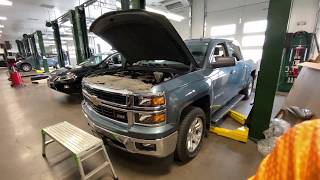
The 2018-2023 Escalade ESV uses sophisticated direct-injected 6.2L V8 engines (L86/L87) with sensitive fuel control systems. A very common and well-documented failure point on these GM direct-injection engines is the high-pressure fuel pump (HPFP), which can leak fuel internally into the crankcase. This raw fuel contaminates the engine oil and its vapors are pulled into the intake through the PCV system, creating a rich condition that the ECM cannot compensate for. Additionally, a GM Technical Service Bulletin (TSB #22-NA-128) for the 2022 model year points specifically to potential intake manifold leaks 🎬 Watch: Diagnostic breakdown of the GM rich condition TSB as a cause for P0172, requiring a specific test procedure.
Diagnostic Flowchart
Tap your situation to follow the diagnostic path that matches what you're seeing on this vehicle.
Generation note: This range covers two Escalade generations. The 4th Gen (2018-2020) uses the 6.2L L86 V8, and the 5th Gen (2021-2023) uses the updated 6.2L L87 V8. While the engines are very similar, the high-pressure fuel pump (HPFP) is a widely reported issue on both, often leading to P0172 and P0175. A TSB for intake leaks (#22-NA-128) was issued for 2022 models with the L87 engine, but the issue could potentially affect other years.
Symptoms You May Notice
- Check Engine Light is on
- Poor fuel economy
- Rough or unstable idle
- Engine stalling or hesitation, particularly after idling for a long time
- Strong smell of gasoline from the exhaust or engine bay
- Black smoke from the exhaust in severe cases
- Longer than normal engine cranking time to start
- Oil level on dipstick is higher than normal and smells strongly of fuel
- Replacing the oxygen sensor first. The O2 sensor is usually just the messenger, accurately reporting the rich condition caused by another component like the HPFP or a leaking injector. Always diagnose the fuel system (especially for fuel in oil) and air intake first.
Most Likely Causes
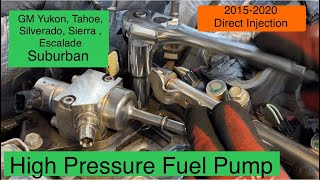
- Leaking High-Pressure Fuel Pump (HPFP) 🔴 High Probability → Shop Fuel Pump The camshaft-driven HPFP on the L86 and L87 engines is a notorious failure point across all GM trucks and SUVs using this platform. The pump's internal seals fail, allowing high-pressure fuel to leak directly into the engine crankcase. These fuel vapors are then drawn into the intake manifold via the PCV system, creating a rich mixture that affects both engine banks.
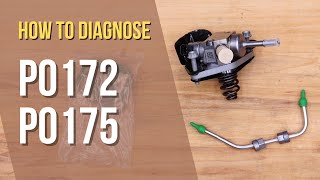
How to confirm: The most definitive sign is checking the engine oil dipstick. If the oil level is overfull and smells strongly of gasoline, the HPFP is almost certainly the culprit. A diagnostic technique involves disconnecting the PCV hose from the intake and plugging the intake port; if the fuel trims start to return toward zero, it confirms unmetered fuel vapor from the crankcase is the cause.
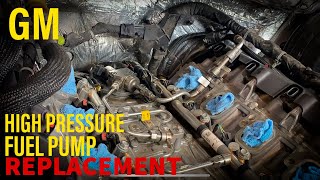
Typical fix: Replace the high-pressure fuel pump and its associated fuel lines, which are often one-time use. An oil and filter change is mandatory to remove the fuel-contaminated oil. The engine must be set to a specific position before removing the old pump to avoid damaging the new one during installation. 🎬 See this complete guide for replacing the high-pressure fuel pump
Est. part cost: $350-$600 - Leaking Fuel Injector(s) 🟡 Medium Probability → Shop Fuel Injector Direct injectors operate under extremely high pressure and can fail by leaking fuel into a cylinder after the engine is shut off or by delivering too much fuel while running. This can cause a rich condition isolated to one bank (P0172) or even a single cylinder misfire.
How to confirm: A professional can perform a fuel injector balance test with a high-level scan tool. Another method is to monitor fuel rail pressure after the engine is shut off; a rapid drop in pressure can indicate a leaking injector. Pulling the spark plugs on the affected bank (Bank 1) may reveal one that is black, sooty, and wet with fuel.
Typical fix: Replace the faulty fuel injector(s). It is often recommended to replace them as a set on the affected bank, especially on higher mileage vehicles. This is an involved job that requires removing the intake manifold.
Est. part cost: $80-$200 per injector - Intake Manifold Leak 🟡 Medium Probability → Shop Engine Intake Manifold TSB #22-NA-128 was issued for 2022 models specifically to address P0172 (and other codes) caused by intake manifold leaks, indicating a potential manufacturing or design issue with the manifold itself, not just the gaskets. While a vacuum leak typically causes a lean code (P0171/P0174), a leak in a specific location can disrupt airflow in a way that causes a rich condition on one bank.
How to confirm: A smoke test of the intake system is the standard procedure. The TSB directs technicians to use the 'Component/System Leak Test' in the service information (SI) or to follow bulletin PIP5684 to find the leak.
Typical fix: Replace the intake manifold assembly. The TSB specifies replacing the manifold, not just the gaskets, suggesting the leak may be from a crack or warp in the manifold body itself.
Est. part cost: $50-$150 for gaskets, $200-$600 for a new manifold assembly. - Faulty Upstream Oxygen (O2) Sensor ⚪ Low Probability → Shop Oxygen Sensor While O2 sensors can fail, they are more likely to report a rich condition correctly than to cause one. A sensor that is contaminated, slow to respond, or biased may send incorrect data (e.g., stuck reading high voltage) to the ECM, causing it to incorrectly pull fuel.
How to confirm: Use a scan tool to monitor the live data from the Bank 1 Sensor 1 O2 sensor. A healthy sensor will switch rapidly between high and low voltage (approx. 0.1V to 0.9V). A sensor that is stuck on a high voltage reading (e.g., >0.75V) after all other causes are ruled out may be faulty.
Typical fix: Replace the Bank 1, Sensor 1 (upstream) oxygen sensor.
Est. part cost: $50-$150 - Dirty or Faulty Mass Air Flow (MAF) Sensor ⚪ Low Probability → Shop Fuel Injection Air Flow Meter A MAF sensor contaminated with dirt, oil, or debris can under-report the amount of air entering the engine. The ECM then calculates a fuel mixture based on this faulty low airflow reading, resulting in a rich condition that typically affects both banks (P0172 and P0175).
How to confirm: Inspect the MAF sensor's sensing wires for any contamination. You can try cleaning it with a dedicated MAF sensor cleaner as a first step. Monitor MAF readings on a scan tool to see if they are plausible for the given engine speed and load. Unplugging the MAF sensor forces the engine into a speed-density calculation; if the fuel trims improve dramatically, 🎬 Watch: How to troubleshoot GM rich codes with a scan tool the MAF is likely the culprit.
Est. part cost: $15-$20 for cleaner, $100-$250 for a new sensor
Rare But Worth Checking
- Leaking EVAP Purge Valve: → Shop Vapor Canister An EVAP purge valve stuck open can allow un-commanded fuel vapors from the charcoal canister to enter the intake manifold at idle, creating a rich condition that often affects both banks. This can be diagnosed by monitoring fuel trims while commanding the valve closed or by disconnecting the vapor line and checking for vacuum when none should be present.
Diagnosis Steps
- Scan for all DTCs. Note any other codes present (especially P0175, P0300) and check freeze frame data for P0172 to see the conditions when the code was set.
- Inspect the engine oil. This is the most critical first step for this platform. Check the dipstick for an oil level that is overfull and has a strong smell of raw gasoline. This is a classic symptom of a failed high-pressure fuel pump.
- Visually inspect the air intake system for any blockages or a severely dirty air filter.
- Inspect the MAF sensor for contamination. If dirty, clean it with dedicated MAF sensor cleaner and re-evaluate.
- Use a scan tool to monitor live data. Watch the Short-Term Fuel Trim (STFT) and Long-Term Fuel Trim (LTFT) for Bank 1. For P0172, the combined trim will be highly negative (e.g., -20% or more). Observe if Bank 2 (P0175) is also rich, which points to a systemic issue like the HPFP or MAF sensor.
- Perform a diagnostic test for a leaking HPFP. With the engine running, disconnect the PCV fresh air tube from the intake and plug the port on the intake. If the negative fuel trims begin to rise towards 0%, it confirms that fuel vapor from the crankcase is the source of the rich condition.
- Test the fuel system. Check fuel rail pressure to ensure it's within spec. Perform a leak-down test after shutting the engine off to check for leaking injectors.
Parts You'll Likely Need
- High-Pressure Fuel Pump
(OEM #12697966 (may be superseded by 12744840))— This is the most common failure point on GM's direct-injected V8s that directly causes a rich condition by leaking fuel into the oil.
Trusted brands: ACDelco, Bosch, Delphi
OEM price range: $450-$600
Aftermarket price range: $350-$500 - Fuel Injector
(OEM #12684133 (L86/L87))— A leaking direct injector is a primary cause of a rich condition on a specific bank. They are high-wear items operating under intense pressure.
Trusted brands: ACDelco, Bosch
OEM price range: $150-$250
Aftermarket price range: $80-$150 - Intake Manifold Assembly
(OEM #55511544 (per TSB 22-NA-128))— Required to fix an intake manifold leak, which is a documented cause of P0172 on these vehicles per a TSB. The bulletin advises replacing the entire manifold.
Trusted brands: ACDelco
OEM price range: $250-$400
Aftermarket price range: $200-$350
Related Codes That Often Appear With This One
- P0175 — System Too Rich (Bank 2). This code often appears with P0172 when the cause, such as a faulty HPFP leaking fuel into the crankcase or a bad MAF sensor, affects the entire engine, not just one bank.
- P0300 — Random/Multiple Cylinder Misfire. An excessively rich mixture can foul spark plugs and prevent proper combustion, leading to misfires across one or more cylinders.
- P0087 — Fuel Rail/System Pressure - Too Low. While P0172 is a rich code, a failing HPFP can sometimes trigger low-pressure codes during high-demand situations before it begins leaking internally.
Technical Service Bulletins (TSBs) & Recalls
- TSB #22-NA-128: Addresses P0172 caused by a leaking intake manifold on 2022 models. Recommends smoke testing and replacing the entire intake manifold assembly if a leak is found.
- TSB #18-NA-246: Notes that on some direct injection engines, frequent short trips without the engine fully warming up can lead to fuel accumulation in the crankcase, potentially causing a P0172 code.
Platform-Specific Known Issues
- Technical Service Bulletin #22-NA-128 specifically identifies a procedure to test the intake manifold for leaks that can cause a P0172 code on 2022 models. [⭐ MANUFACTURER TSB — highest authority]
Mechanic-Grade Diagnostic Values
- Mass Air Flow (MAF) Sensor Reading at Idle — expected: A 6.2L engine should read approximately 6.0-7.0 g/s at a stable, warm idle with no loads.. Failure: A significantly lower reading (e.g., 3-4 g/s) can indicate a vacuum leak downstream of the sensor. A reading that is stuck or doesn't change with RPM is a sign of a failed sensor.
- Low-Side Fuel Pressure (In-Tank Pump) — expected: Typically 50-70 PSI with key-on, engine-off. This pressure feeds the high-pressure pump.. Failure: Pressure below this range could indicate a weak in-tank pump, preventing the HPFP from functioning correctly, although this would more commonly set a low-pressure code.
- High-Side Fuel Pressure (HPFP Output) at Idle — expected: Approximately 300-750 PSI at idle.. Failure: While a rich code is less about pressure and more about leakage, erratic pressure readings on a scan tool can indicate a failing HPFP.
Scan Tool Commands That Help
- GM GDS2 (Global Diagnostic System 2): Fuel Injector Balance Test — To identify a leaking or malfunctioning fuel injector. This function allows a technician to individually command each injector off and measure the corresponding drop in fuel pressure, isolating a faulty injector without disassembly.
- GM GDS2 (Global Diagnostic System 2): Fuel Trim Reset — After a repair is completed (like replacing an HPFP or injectors), the learned long-term fuel trim values must be reset to zero. This forces the ECM to relearn the fuel strategy with the new components, preventing the code from immediately returning.
- GM GDS2 (Global Diagnostic System 2): EVAP Purge/Seal — To test the EVAP purge valve. A technician can command the valve closed and monitor fuel trims. If the rich condition improves, it indicates the valve was stuck open, allowing unmetered fuel vapor into the intake.
Wiring & Ground Locations
- G103 / G104 — Located on the rear of the cylinder heads, near the firewall. G104 is often on the driver's side head, connecting via a ground strap to the firewall.. These are primary engine-to-chassis grounds. A poor connection here can cause erratic behavior from sensors grounded to the engine block, including the crankshaft position sensor and potentially the O2 sensors, leading to incorrect data being sent to the ECM.
- G102 — Located at the left rear of the engine, providing a ground for the 8 ignition coils.. While less likely to cause a rich code directly, a poor ground here can lead to weak spark and incomplete combustion, which can be misinterpreted by the O2 sensors as a rich condition or lead to misfire codes alongside P0172.
- ECM/PCM Main Connector — The Engine Control Module is typically located in the engine bay. The connectors (often labeled J1, J2) are multi-pin plugs that connect the main wiring harness to the module.. Corrosion or a loose pin at the O2 sensor signal, heater circuit, or injector control terminals can cause faulty readings or performance, directly leading to fuel trim issues and the P0172 code.
Real Owner Repair Stories
- Tahoe Yukon Forum (2015 Chevrolet Silverado 6.2L (K2 platform, similar to Escalade)) — Check engine light with codes P0172 and P0175 would appear specifically after idling for an extended period (e.g., waiting at a practice). No noticeable performance issues otherwise, and the light would sometimes go off on its own after a day or two.
❌ Tried (didn't work) Initial checks of the air filter.
✅ What actually fixed it The owner did not post the final resolution, but the symptoms (rich codes appearing at idle) strongly point to either a leaking high-pressure fuel pump causing fuel to contaminate the oil (vapors are pulled in by PCV at idle) or a stuck-open EVAP purge valve allowing fuel tank vapors into the intake at idle. Both are common causes for this specific symptom pattern.
OEM Part Supersession History
GM 12625817, 12669519→GM 12680255, ACDelco HPM1081— Internal design revisions to improve durability and prevent internal fuel leakage into the crankcase.
Heads up: While physically interchangeable, using an older part number is not recommended due to the known failure pattern. Always use the latest superseded part number for replacement.
Model Year Variations Within This Range
- 2018-2020 (L86 Engine): These models use the 6.2L L86 V8 with Active Fuel Management (AFM), which deactivates four cylinders under light load. The core causes for P0172, like the HPFP, are largely the same as later models.
- 2021-2023 (L87 Engine): These models use the updated 6.2L L87 V8 with Dynamic Fuel Management (DFM), a more advanced system that can deactivate cylinders in up to 17 different patterns. These engines were subject to a recall (N252494000) for potential connecting rod/crankshaft defects. The remedy for vehicles that pass inspection involves changing the engine oil from 0W-20 to a higher viscosity 0W-40 oil to provide better bearing protection, which is an unusual but notable factor for this engine.
Helpful Videos
Used OEM Parts in Stock
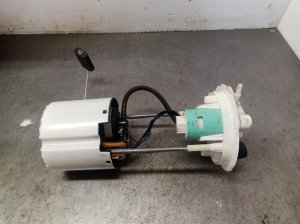
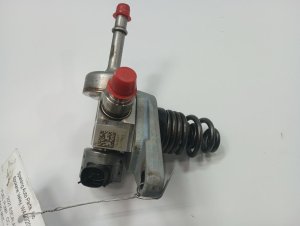
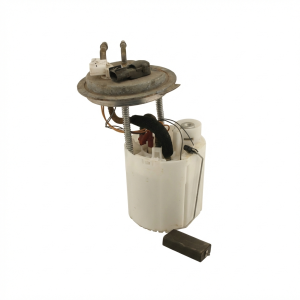
New Aftermarket Parts Available
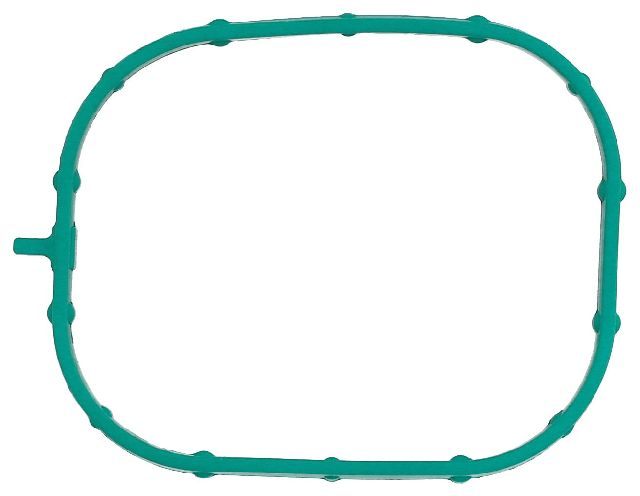


The information in this article is provided for general reference and educational purposes only. Vehicle specifications, procedures, and part compatibility can vary by production date, trim level, and region. Always consult your vehicle's factory service manual and verify part numbers before purchasing or performing repairs. Safety-critical components such as airbags, seat belts, and braking systems should be installed by a qualified professional.
- Cadillac ESCALADE ESV:
- 🧭 Diagnostic Flowchart
- 🎬 Helpful Videos
- 🛍️ Shop This Part
- What's Unique About the 2018-2023 Cadillac ESCALADE ESV
- Symptoms You May Notice
- Most Likely Causes
- Rare But Worth Checking
- Diagnosis Steps
- Parts You'll Likely Need
- Related Codes That Often Appear With This One
- Technical Service Bulletins (TSBs) & Recalls
- Platform-Specific Known Issues
- Mechanic-Grade Diagnostic Values
- Scan Tool Commands That Help
- Wiring & Ground Locations
- Real Owner Repair Stories
- OEM Part Supersession History
- Model Year Variations Within This Range
- 🎟️ Get 5% Off