

P0172 on 2005-2013 Chevrolet Corvette: Causes and Fixes for Rich Fuel Condition
On a C6 Corvette, P0172 (System Too Rich, Bank 1) is often caused by a dirty Mass Airflow (MAF) sensor or a faulty upstream oxygen sensor. Cleaning the MAF sensor with a dedicated cleaner is a simple, inexpensive first step. If that fails, an O2 sensor replacement is the next likely fix. On 2010+ models, a dislodged hydrocarbon pad in the airbox is a known, specific cause.
- Start with the simplest fix: clean the Mass Airflow (MAF) sensor with dedicated cleaner.
- If cleaning the MAF doesn't work, the next most likely culprit is a faulty upstream O2 sensor on the driver's side (Bank 1).
- If you smell raw fuel, a leaking fuel injector is a strong possibility. Check the spark plugs on Bank 1 for black, sooty deposits.
- If you have both P0172 and P0175 codes, the problem is likely something that affects the whole engine, like the MAF sensor or fuel pressure.
- For 2010+ models, check inside the air intake box to ensure the hydrocarbon filter pad hasn't come loose and isn't blocking the MAF sensor.
What's Unique About the 2005-2013 Chevrolet Corvette
The C6 Corvette platform, with its LS2, LS3, and LS7 engines, is generally reliable, but this code can pop up due to specific issues. A notable problem on some 2010 and later models is a hydrocarbon pad inside the air intake housing coming loose and partially blocking the MAF sensor, causing a rich condition. This has been documented by owners on CorvetteForum. Additionally, aftermarket modifications like non-stock cold air intakes or aggressive tunes without proper MAF scaling and injector timing adjustments can easily trigger this code.
Symptoms You May Notice
- Check Engine Light is on
- Strong smell of gasoline from the exhaust
- Black smoke from the exhaust, especially on startup
- Reduced fuel economy
- Rough idle
- Engine hesitation or stumbling on acceleration
- Engine may continue to sputter for a moment after being turned off ('dieseling' or 'run-on')
- Immediately replacing the O2 sensor without checking the MAF sensor first. A dirty MAF is a very common cause and cleaning it is much cheaper and easier.
- Replacing the catalytic converter. A P0172 code indicates a problem with the air-fuel mixture *before* it reaches the converter. A persistent rich condition can damage the converter, but the converter itself is not the cause of the code.
Most Likely Causes
- Dirty or Faulty Mass Airflow (MAF) Sensor 🔴 High Probability → Shop Fuel Injection Air Flow Meter The MAF sensor is highly sensitive to contamination from dirt, debris, or oil, especially if an oiled aftermarket air filter is used. A dirty sensor under-reports the amount of air entering the engine, causing the ECM to command an overly rich fuel mixture.
How to confirm: Inspect the MAF sensor wires for any visible contamination. Monitor MAF readings with a scan tool; they should increase smoothly with engine RPM. A common and effective DIY step is to clean it with a dedicated MAF sensor cleaner spray, ensuring not to touch the delicate sensor elements.
Typical fix: Clean the sensor with MAF cleaner. If cleaning doesn't work, or if the issue returns quickly, replace the sensor.
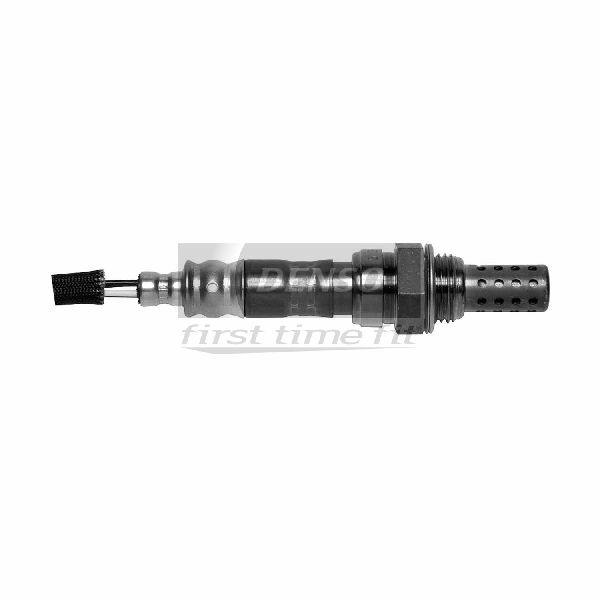
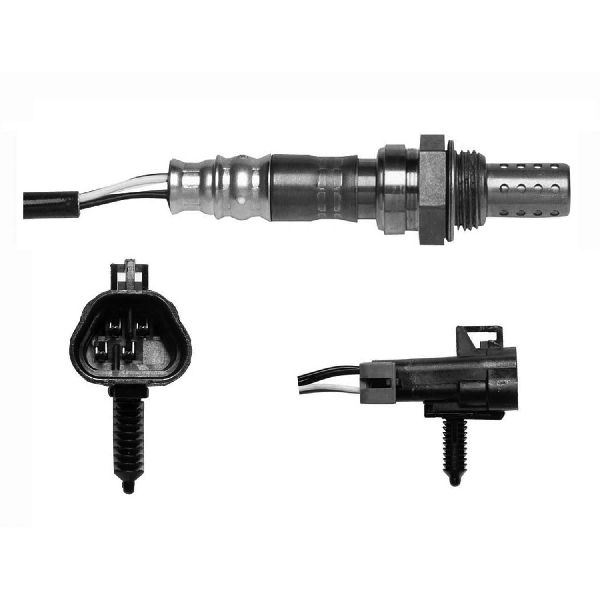
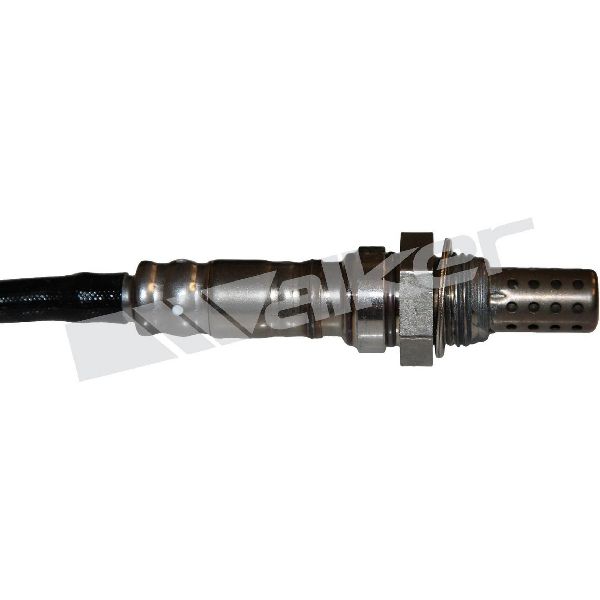
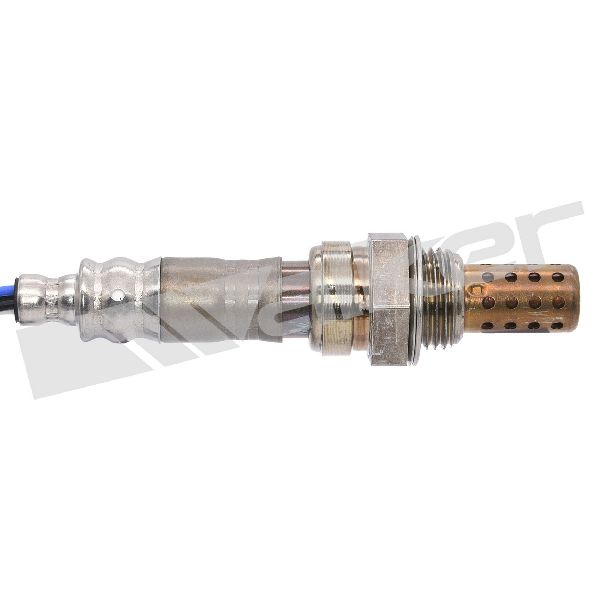
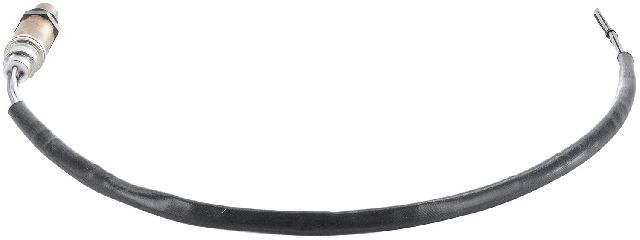
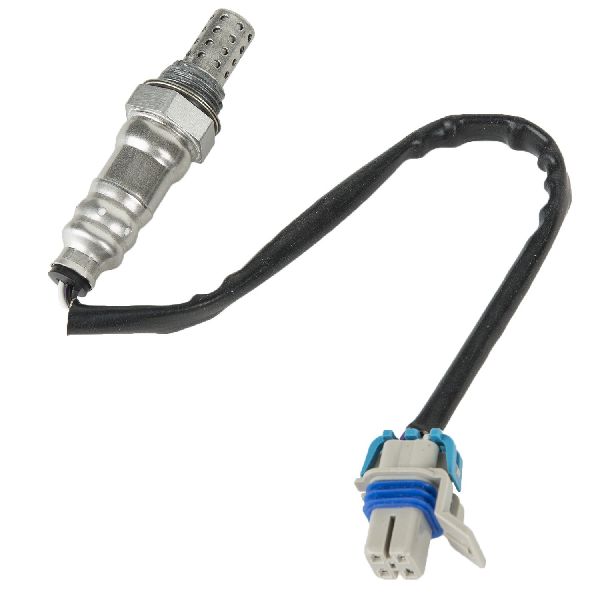
Est. part cost: $70-$150 - Faulty Upstream Oxygen Sensor (Bank 1, Sensor 1) 🟡 Medium Probability → Shop Oxygen Sensor O2 sensors are wear items that degrade over time. They can become 'lazy' or biased, sending slow or incorrect voltage signals to the ECM. A sensor that incorrectly reads a lean condition (low voltage) will cause the ECM to add excess fuel, resulting in a P0172 code.
How to confirm: Use a scan tool to graph the live voltage of the Bank 1, Sensor 1 O2 sensor. A healthy sensor should fluctuate rapidly and consistently between approximately 0.1 and 0.9 volts. A sensor that is stuck high (e.g., >0.8V) or responds very slowly compared to the Bank 2 sensor is likely faulty.
Typical fix: Replace the Bank 1 (driver's side) upstream (pre-catalytic converter) oxygen sensor.
Est. part cost: $50-$150 - Leaking Fuel Injector(s) 🟡 Medium Probability → Shop Fuel Injector An injector can become stuck partially open due to internal failure or debris, allowing un-commanded fuel to drip into a cylinder on Bank 1.
How to confirm: Perform a fuel pressure leak-down test. After priming the system and shutting the engine off, the fuel rail pressure should hold steady. A rapid drop in pressure suggests a leak. Another method is to pull the spark plugs on Bank 1; a plug that is black, sooty, and smells strongly of raw fuel points to the leaking cylinder.
Typical fix: Replace the faulty fuel injector(s). It is often recommended to replace them as a set on the affected bank or all eight for consistency. 🎬 Watch: How to replace fuel injectors on an LS engine.
Est. part cost: $50-$100 per injector - High Fuel Pressure ⚪ Low Probability The LS2/LS3/LS7 engines use a returnless fuel system with an in-tank regulator. While robust, a failing fuel pressure regulator (which is part of the fuel pump module) can cause excessive pressure in the fuel rail, overpowering the injectors.
How to confirm: Connect a mechanical fuel pressure gauge to the Schrader valve on the fuel rail. At idle, the pressure should be stable at approximately 58-62 PSI. Significantly higher pressure indicates a problem with the regulator.
Typical fix: Replacement of the fuel pump module, which contains the integrated regulator. This is a labor-intensive job as it requires dropping the driver's side fuel tank.
Est. part cost: $300-$600
Rare But Worth Checking
- Loose Hydrocarbon Pad in Air Intake: On 2010 and later models, a charcoal-impregnated pad glued inside the top of the airbox can detach and fall onto the MAF sensor screen. This obstructs airflow and causes erratic readings, triggering P0172 and P0175. Owners on CorvetteForum have documented this specific failure. The fix is to remove the pad or re-secure it.
- Incorrect Fuel Alcohol Content Reading: Though more common on Flex Fuel trucks, the Corvette's ECM can sometimes incorrectly 'learn' a high ethanol content, especially after a battery disconnect or if E85 was used previously. This causes the ECM to command a richer mixture. This can be diagnosed with a GM-specific scan tool and resolved by performing a 'Fuel Alcohol Content Reset'.
- EVAP Purge Valve Stuck Open: → Shop Vapor Canister If the EVAP canister purge valve sticks open, it can allow un-metered fuel vapors from the gas tank to be drawn into the intake manifold at the wrong time (like at idle), creating a rich condition. This would typically affect both banks, also setting a P0175.
Diagnosis Steps
- Read Freeze Frame Data: Use a scan tool to check the freeze frame data. This shows the engine conditions (RPM, speed, temperature) when the code was set, which can help replicate the issue.
- Check Fuel Trims: Observe Short-Term Fuel Trim (STFT) and Long-Term Fuel Trim (LTFT) for Bank 1. With a P0172, you will see highly negative numbers (e.g., -15% to -30%) as the ECM tries to remove fuel. If both banks are negative, suspect a common cause like the MAF sensor.
- Visual Inspection: Inspect the engine bay for obvious issues like disconnected vacuum hoses, a dislodged air intake tube, or visible damage to wiring.
- Inspect and Clean MAF Sensor: Remove the MAF sensor and inspect the sensitive wires for contamination. Clean it thoroughly with a dedicated MAF sensor cleaner spray and allow it to dry completely before reinstalling.
- Inspect Air Intake System (2010+): Check inside the airbox for the hydrocarbon pad to ensure it is secure and not obstructing the MAF sensor screen.
- Test Oxygen Sensor: With the engine warm, graph the Bank 1, Sensor 1 voltage. It should switch rapidly between ~0.1V and ~0.9V. If it's stuck high, low, or switches very slowly compared to Bank 2, it is suspect.
- Check Fuel Pressure: Connect a fuel pressure gauge to the fuel rail. With the engine running, verify that the fuel pressure is stable and within the 58-62 PSI specification.
- Test for Leaking Injectors: Perform a fuel pressure leak-down test. Turn the key to 'On' to prime the system, then turn it off. Watch the pressure gauge. If it drops quickly, a leaking injector is likely. Isolate the bank by checking individual spark plugs for signs of being fuel-fouled (black and sooty).
Parts You'll Likely Need
- Mass Airflow (MAF) Sensor Cleaner — This is the first and cheapest diagnostic and repair step. A dirty MAF is a very common cause for this code on LS engines and cleaning is often all that is needed.
Trusted brands: CRC, WD-40 Specialist, Liqui Moly
Aftermarket price range: $10-$20 - Upstream Oxygen Sensor (Bank 1, Sensor 1)
(OEM #ACDelco AFS162 (GM 12589321) for LS2/LS3. Check VIN for specific application.)— This sensor provides the primary data for fuel mixture on the driver's side. If it fails and reads lean, it will cause this rich code. It is a common failure item due to age and heat cycles.
Trusted brands: ACDelco (OEM), Denso, Bosch
OEM price range: $80-$150
Aftermarket price range: $50-$100 - Mass Airflow Sensor
(OEM #ACDelco 213-4222 (GM 15865791) for many LS3/LS7 applications. Verify by VIN.)— If cleaning the MAF sensor doesn't resolve the issue, the sensor itself may have failed. There are differences between model years, so ensure the correct part is sourced.
Trusted brands: ACDelco (OEM), Standard Motor Products, Denso
OEM price range: $150-$250
Aftermarket price range: $70-$150
Related Codes That Often Appear With This One
- P0175 — This is the code for 'System Too Rich' on Bank 2 (passenger side). If both P0172 and P0175 are present, it strongly points to a problem affecting both engine banks, such as the MAF sensor, fuel pressure regulator, EVAP purge valve, or a skewed fuel alcohol reading.
- P0300-P0308 — Misfire codes (P0300 for random, P0301-P0308 for specific cylinders) can accompany a rich code. This can happen if a leaking injector is fouling a spark plug or if the air-fuel mixture is so rich that it fails to ignite properly.
Technical Service Bulletins (TSBs) & Recalls
- PIP4783B: A GM bulletin mentions that on some direct-injection engines, a leaking high-pressure fuel pump can cause fuel to contaminate the crankcase, leading to a P0172. While the C6 Corvette is not direct-injected, it highlights fuel contamination as a possible, though less likely, cause.
Platform-Specific Known Issues
- On 2010-2013 models, a known issue is the hydrocarbon pad in the airbox coming loose and obstructing the MAF sensor, directly causing P0172/P0175 codes. This was discussed in detail on CorvetteForum by an owner of a 2010 Grand Sport.
Mechanic-Grade Diagnostic Values
- Fuel Pressure at Idle (LS2/LS3/LS7) — expected: 58-62 PSI. Failure: Significantly higher pressure suggests a failed in-tank regulator; lower pressure suggests a weak pump.
- LS2 MAF Sensor Range — expected: Scaled from 1000 Hz to 12200 Hz, corresponding to 2.95 g/sec up to a maximum of 511.99 g/sec.. Failure: Readings that are stuck, erratic, or do not correlate smoothly with RPM under load.
- LS3/LS7 MAF Sensor Range — expected: Has a higher frequency range up to 15000 Hz and can read significantly higher airflows (up to 4000+ g/sec).. Failure: Readings that are stuck, erratic, or do not correlate smoothly with RPM under load. Often fails due to contamination.
Scan Tool Commands That Help
- GM Tech 2 / GDS2: Fuel Trim Reset — After a repair that affects the air-fuel ratio (e.g., replacing a MAF sensor, O2 sensor, or fixing a vacuum leak), this command resets the long-term fuel trim adaptations to zero, forcing the ECM to relearn immediately.
- GM Tech 2 / GDS2: Fuel Alcohol Content Reset — If the ECM has incorrectly learned a high ethanol percentage, causing a persistent rich condition across both banks. This resets the learned value, forcing it to re-evaluate the fuel composition.
- GM Tech 2 / GDS2: Fuel Injector Balance Test — To identify a leaking or malfunctioning injector. The tool can individually fire each injector while monitoring fuel pressure drop, allowing a technician to pinpoint an injector that is flowing more or less fuel than the others.
Wiring & Ground Locations
- G101 / G102 — Located on the frame rails in the front of the engine bay, behind each headlight assembly.. These are major chassis grounds. While not directly for the ECM, poor grounding here can introduce electrical noise that affects various systems. They are known to sometimes be loose from the factory.
- G105 / G106 / G107 — These are the primary engine block grounds. G105 and G107 are typically found on the engine block or cylinder heads. G106 is the main battery negative pole ground.. The ECM and its sensors (O2, ECT, etc.) rely on a solid engine ground reference. A loose or corroded engine-to-chassis ground strap can cause floating ground references, leading to incorrect sensor readings and phantom codes like P0172.
- ECM C2 Connector — The middle connector on the Engine Control Module, located in the front passenger-side wheel well area.. This connector contains the wiring for the fuel injectors and oxygen sensors. Probing for voltage or continuity at these pins is a key step in advanced diagnosis if a sensor or wiring fault is suspected.
Real Owner Repair Stories
- CorvetteForum user 'funymuny' (2010 Corvette Grand Sport, 11,500 miles) — Check Engine Light with codes P0172 and P0175 (both banks rich).
❌ Tried (didn't work) Clearing the codes (they returned), Cleaning the MAF sensor
✅ What actually fixed it The hydrocarbon pad inside the air intake housing had detached and was physically blocking the MAF sensor. Securing the pad resolved the issue. - CorvetteForum user 'Vettenuts' (Modded C6 Corvette (tuned)) — Persistent P0172 and P0175 codes after modifications.
❌ Tried (didn't work) Cleaning MAF sensor, Replacing a leaking EVAP vacuum line (this helped but did not fully solve the problem)
✅ What actually fixed it The final fix was having the tuner correct the MAF calibration in the tune. The car was originally tuned with a pollen-clogged air filter, which skewed the initial MAF readings and caused the rich condition once the filter was clean.
OEM Part Supersession History
GM 5-wire integrated MAF (2005 LS2 only)→GM 15865791 / ACDelco 213-4222 (LS3/LS7 card-style MAF)— The card-style MAF used from 2006-onward is faster, more accurate, and can measure a greater volume of air, making it a popular performance upgrade for 2005 models.
Heads up: To use the newer LS3/LS7 MAF on a 2005 LS2, a wiring harness adapter is required, and the ECM must be re-tuned with the correct MAF calibration tables. It is not a plug-and-play swap.LS2 style fuel injectors (~53mm length)→LS3/LS7 style fuel injectors (~34mm-38mm 'shorty' length)— The LS3 intake manifold design requires a much shorter injector body.
Heads up: LS2 and LS3 injectors are not physically interchangeable without significant modification. Using longer injectors in an LS3 manifold requires fuel rail spacers, which can cause hood clearance issues. Using shorter LS3 injectors in an LS2 manifold requires adapter hats. Incorrect installation will cause massive fuel or vacuum leaks.
Model Year Variations Within This Range
- 2005 only: Uses the E40 ECM and a unique 5-wire integrated MAF sensor in a housing. This MAF is different from all later C6 models.
- 2006-2007 (LS2): Switched to the E38 ECM and the 5-wire card-style MAF sensor that is shared with the later LS3/LS7 engines.
- 2008-2013 (LS3/LS7): Uses shorter (34-38mm) fuel injectors compared to the LS2. The MAF sensor is the same card-style as the 2006-2007 models, but the tuning and airflow capacity are different.
- 2010-2013: These models include a hydrocarbon filter pad in the airbox lid which is known to become dislodged with age, fall onto the MAF screen, and cause P0172/P0175 codes.
Diagnostic Flowchart
Other Known Issues on This Vehicle
Issues unrelated to this code that are worth knowing about as an owner of this generation:
- Harmonic Balancer Wobble / Failure 🔴 High — A very common issue across all C6 model years (2005-2013). The rubber elastomer bonding the inner and outer rings of the balancer degrades, causing a visible wobble and a 'chirping' sound from the belt. If it fails completely, it can cause damage to the steering rack and oil pan. (Ref: TSB 05-06-01-001 (for 2005 models with a loosening bolt).)
- LS7 Valve Guide Wear 🔴 High — Specific to the 7.0L LS7 engine in the Z06. Premature and excessive wear of the valve guides was a known issue, attributed to machining errors from a supplier. This can lead to a dropped valve and catastrophic engine failure. Many owners perform a 'wiggle test' or have the heads rebuilt with bronze guides as a preventative measure. (Ref: GM acknowledged the issue and released service information (e.g., Bulletin 13-06-01-001A) but no formal recall.)
- Fuel Level Sending Unit Failure 🟠 Medium — Common across many C6 models, particularly 2007-2008. The contact fingers on the sender's rheostat wear out, causing an erratic or inoperative fuel gauge and codes like P2066. The fix requires dropping one of the fuel tanks, making it a labor-intensive job. (Ref: TSB 08-06-04-001 is related to this issue.)
- Roof Panel Delamination ('Flying Roof Syndrome') 🔴 High — Primarily affected early models (2005-2007). The adhesive bonding the roof panel to its frame would fail, causing the panel to separate from the car, sometimes at speed. (Ref: NHTSA Campaign ID: 06V313000 (Recall for 2005-2006 models). GM later expanded the fix.)
- Automatic Transmission Shifter Cable / Stuck in Park 🟡 Low — A common annoyance on cars with the 6-speed automatic transmission. A microswitch in the shifter assembly can fail, preventing the car from recognizing it's in Park and not allowing the key to be removed or the car to be shut off properly. A common DIY fix involves tying back the problematic lever.
Used vs. New Parts: Buying Guide for This Vehicle
When a used part is the smart pick: For this code, used parts are generally not recommended for sensors or fuel system components. A used stock airbox assembly or fuel rail could be a safe purchase if inspected for damage.
Donor-vehicle mileage cap: roughly under 50000 miles for the part to have meaningful remaining life.
What to inspect on the donor part:
- For an airbox, check for cracks, broken mounting tabs, and ensure the lid seals properly.
- For a fuel rail, check for any signs of damage, corrosion, or stripped threads on the Schrader valve.
OEM-only on this vehicle (don't cheap out):
- Fuel Pump Module: The C6 is known for fuel pump and fuel level sender issues. Aftermarket modules have a poor reputation in the Corvette community; ACDelco is the strongly recommended replacement.
- Mass Airflow Sensor: While some aftermarket brands are acceptable, cheap, unbranded sensors are a common source of problems. Stick with OEM/ACDelco or reputable brands like Denso or Standard Motor Products.
Aftermarket brands forum-validated for this vehicle:
- Oxygen Sensors: Denso, NTK (NGK)
- MAF Sensor Cleaner: CRC
Brands owners have reported issues with on this vehicle:
- Unbranded 'eBay' Fuel Injectors: These are notoriously unreliable, with many documented cases of them leaking, sticking open, and causing catastrophic engine damage (hydrolocking).
Real Owner Stories
Aggregated from forums and TSBs cited above. Mileages and costs reflect what owners reported in those sources.
2010 Chevrolet Corvette Grand Sport
Symptoms: The owner experienced P0172 and P0175 fault codes simultaneously.
What fixed it: The hydrocarbon pad in the air intake housing had come loose and was blocking the MAF sensor; securing or removing the obstruction resolved the issue.
Source hint: CorvetteForum: Fault codes P0172, P0175 - Hydrocarbon Pad Issue
Chevrolet Corvette C6 Z06
Symptoms: Fuel rich code P0172 appeared on a modified vehicle that had an aftermarket intake and tune installed years prior.
What fixed it: Troubleshooting focused on the complexity of the aftermarket intake and the MAF sensor's reporting accuracy over time.
Source hint: CorvetteForum: Z06 P0172 Fuel Rich Code - Aftermarket Intake/Tune
Chevrolet Corvette C6
Symptoms: Rich codes P0172 and P0175 occurred after the owner used Seafoam treatment.
What fixed it: The discussion suggested the codes were related to fouled spark plugs resulting from the treatment.
Source hint: CorvetteForum: Help with codes p0172,0175 - Seafoam Use
Related OBD-II Codes
Frequently Asked Questions
I have a 2010 Grand Sport and I'm getting P0172 and P0175. Is there a common physical obstruction I should check?
Can using Seafoam in my LS engine cause a P0172 code?
Does GM TSB PIP4783B regarding leaking high-pressure fuel pumps apply to my C6 Corvette?
How can I tell if my Bank 1 Sensor 1 O2 sensor is 'lazy' or faulty on my Corvette?
What is the correct fuel pressure for an LS2, LS3, or LS7 engine at idle?
If I have an aftermarket intake and tune on my Z06, could that cause P0172 years later?
Helpful Videos
![How to Clean The Air Intake System on a C5/C6/C7 Corvette [1997-2019]](https://img.youtube.com/vi/GW0azAu17LU/mqdefault.jpg)

Used OEM Parts in Stock
New Aftermarket Parts Available

The information in this article is provided for general reference and educational purposes only. Vehicle specifications, procedures, and part compatibility can vary by production date, trim level, and region. Always consult your vehicle's factory service manual and verify part numbers before purchasing or performing repairs. Safety-critical components such as airbags, seat belts, and braking systems should be installed by a qualified professional.
- Chevrolet Corvette:
- 🧭 Diagnostic Flowchart
- 🎬 Helpful Videos
- 🛍️ Shop This Part
- What's Unique About the 2005-2013 Chevrolet Corvette
- Symptoms You May Notice
- Most Likely Causes
- Rare But Worth Checking
- Diagnosis Steps
- Parts You'll Likely Need
- Related Codes That Often Appear With This One
- Technical Service Bulletins (TSBs) & Recalls
- Platform-Specific Known Issues
- Mechanic-Grade Diagnostic Values
- Scan Tool Commands That Help
- Wiring & Ground Locations
- Real Owner Repair Stories
- OEM Part Supersession History
- Model Year Variations Within This Range
- Other Known Issues on This Vehicle
- Used vs. New Parts: Buying Guide for This Vehicle
- Real Owner Stories
- 2010 Chevrolet Corvette Grand Sport
- Chevrolet Corvette C6 Z06
- Chevrolet Corvette C6
- Related OBD-II Codes
- Frequently Asked Questions
- 🎟️ Get 5% Off