

P0172 on 2011-2023 Chrysler 300 5.7L HEMI: Causes and Fixes for Rich Condition
P0172 on a 5.7L HEMI Chrysler 300 means the driver's side of the engine is running too rich. The most common causes are a faulty upstream O2 sensor or a cracked exhaust manifold, which is a known HEMI issue that paradoxically causes a rich code. A leaking fuel injector is also a strong possibility.
- P0172 means the driver's side of your 5.7L HEMI engine is running with too much fuel.
- Before replacing any parts, listen for a 'ticking' noise when the engine is cold. This is a classic sign of a cracked exhaust manifold, a very common cause of this code on HEMI engines.
- The most likely parts-based failures are a faulty upstream O2 sensor on the driver's side or a leaking fuel injector.
- This engine uses a MAP sensor, not a MAF sensor. Do not waste time or money on MAF-related diagnostics.
- Ignoring this code will lead to poor fuel mileage and can cause expensive damage to your catalytic converter over time.
What's Unique About the 2011-2023 Chrysler 300
While P0172 is a generic code, its causes on the 5.7L HEMI are often platform-specific. A very common issue is a cracked exhaust manifold or broken manifold bolts, which creates a 'ticking' noise when cold. This leak allows fresh air into the exhaust stream ahead of the O2 sensor. The sensor sees this extra oxygen and incorrectly reports a lean condition to the PCM. The PCM then compensates by adding fuel (enriching the mixture), but it does so for the entire bank, leading to an actual rich condition that it can't correct, thus setting the P0172 code. Additionally, these engines use a Manifold Absolute Pressure (MAP) sensor, not a Mass Airflow (MAF) sensor, so a 'dirty MAF' is never the cause.
Generation note: The 2011-2023 model years all fall within the second generation (LD) of the Chrysler 300. While the core engine and platform are consistent, part numbers for components like fuel injectors and sensors have been superseded over the years. A key change occurred in 2015 when the PCM was updated from the GPEC2 to the GPEC2A, which is locked from the factory and requires special procedures to unlock for tuning or replacement. Always confirm parts with your vehicle's VIN before purchasing.
Symptoms You May Notice
- Check Engine Light is on
- Poor fuel economy
- Rough or unstable idle
- Black smoke from the exhaust
- Strong smell of gasoline or unburnt fuel from the exhaust
- Audible 'ticking' noise from the engine bay, especially when cold, that fades as the engine warms up. This strongly indicates an exhaust manifold leak.
- A persistent ticking noise that does not go away when warm may indicate a more serious lifter issue, which is also common on this engine but a separate problem.
- Replacing the catalytic converter. The converter can be damaged by a long-term rich condition, but it is almost never the cause of the P0172 code itself.
- Looking for a Mass Airflow (MAF) sensor to clean or replace. This engine does not use a MAF sensor for its primary load calculations.
Most Likely Causes
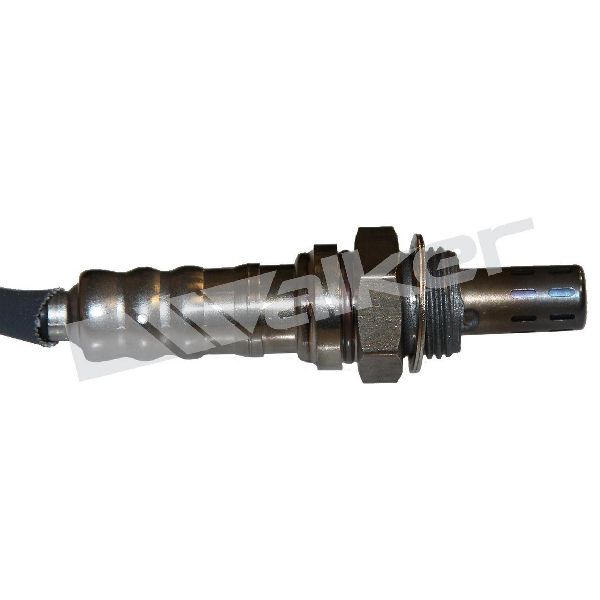
- Faulty Upstream Oxygen (O2) Sensor 🔴 High Probability → Shop Oxygen Sensor O2 sensors are wear-and-tear items exposed to extreme exhaust heat. On Chrysler vehicles, a short in the sensor's heater circuit can also blow a fuse (often in the under-hood fuse box), causing the sensor to send a false, steady high-voltage (rich) signal to the PCM.
How to confirm: Use an OBD-II scanner to monitor the live data for the Bank 1, Sensor 1 O2 sensor. A healthy sensor's voltage should fluctuate rapidly between approximately 0.1V and 0.9V. If it's stuck high (above 0.8V) or is very slow to respond, it is likely faulty. A specific Chrysler test is to check the sensor connector with the key on, engine off; the signal wire should have a 5.0V bias from the PCM.
Typical fix: Replace the Bank 1, Sensor 1 (upstream, driver's side) oxygen sensor. Always check the associated fuse before replacement. Use of NTK or Denso brands is highly recommended over Bosch for this application.
Est. part cost: $50-$150 - Cracked Exhaust Manifold or Broken Manifold Bolts 🔴 High Probability This is a well-documented and very common issue on 5.7L HEMI engines, often called the 'HEMI tick'. The factory manifold bolts, especially the rear-most ones, are prone to snapping due to constant heat cycles. This creates a leak that allows unmetered air into the exhaust, confusing the O2 sensor and causing the PCM to incorrectly enrich the fuel mixture, triggering P0172.
How to confirm: Listen for a distinct 'ticking' sound from the driver's side of the engine, most noticeable during a cold start, which often quiets down as the engine warms up and the metal expands. A visual inspection may reveal black soot trails around the manifold-to-head mating surface or visibly broken bolt heads.
Typical fix: Replace the cracked exhaust manifold and/or the broken bolts, along with a new manifold gasket. This can be a labor-intensive job, as extracting broken bolts may be required. TSB 09-019-23 details the repair.
Est. part cost: $120-$400 for an aftermarket or OEM manifold kit - Leaking Fuel Injector(s) 🟡 Medium Probability → Shop Fuel Injector Injectors can fail internally, getting stuck partially open or leaking fuel into a cylinder after the engine is shut off. This directly dumps excess fuel into the cylinder, causing a rich condition on that bank.
How to confirm: Pull the spark plugs on Bank 1 (driver's side cylinders 1, 3, 5, 7). If one plug is significantly more black, wet, and sooty than the others, it points to a leaking injector in that cylinder. Another sign is smelling gasoline in the engine oil dipstick, as excess fuel can wash past the piston rings. An injector balance test can be performed with a professional scan tool to confirm.
Typical fix: Replace the faulty fuel injector. It is often recommended to replace all injectors on the same bank or all eight at the same time for balanced performance.
Est. part cost: $50-$100 per injector - Stuck Open EVAP Purge Valve ⚪ Low Probability → Shop Vapor Canister The EVAP purge valve can get stuck open, allowing unmetered fuel vapor from the gas tank to be drawn into the intake manifold at idle, when it should be closed. This introduces extra fuel that the PCM doesn't account for, creating a rich condition.
How to confirm: With the engine idling, disconnect the vapor line from the purge valve and feel for suction. There should be no vacuum at idle. The valve can also be removed and tested to see if air can be blown through it when de-energized (it should be sealed).
Typical fix: Replace the EVAP purge valve solenoid.
Est. part cost: $25-$75
Rare But Worth Checking
- Faulty MAP Sensor: → Shop Manifold Absolute Pressure Sensor A Manifold Absolute Pressure (MAP) sensor that is reading incorrectly (e.g., reporting higher pressure/load than actual) can cause the PCM to calculate the wrong engine load, leading to improper fueling. If both P0172 (Bank 1) and P0175 (Bank 2) are present, the MAP sensor is a more likely suspect.
- High Fuel Pressure: A failing fuel pressure regulator or a restriction in the fuel return line (if equipped) can cause system-wide high fuel pressure, leading to rich codes on both banks. This is uncommon to see on only one bank. The target fuel pressure for this platform is approximately 58 psi +/- 5 psi.
Diagnosis Steps
- Connect an OBD-II scanner and check for any other codes that may be present. Note if P0175 is also present.
- Observe live data, specifically the Short-Term (STFT) and Long-Term Fuel Trim (LTFT) values for Bank 1. For P0172, you will see highly negative numbers (e.g., -20% or more), indicating the PCM is aggressively removing fuel.
- On a cold start, listen for an audible 'ticking' noise from the driver's side exhaust manifold. If the tick diminishes or disappears as the engine warms up, an exhaust leak is highly probable. Visually inspect the manifold for cracks or broken bolts, especially the rearmost one.
- Monitor the Bank 1, Sensor 1 (upstream) O2 sensor voltage. It should fluctuate rapidly between ~0.1V and ~0.9V. If it's stuck high (above 0.8v) or is slow to respond, the sensor is a primary suspect. Before replacing, check for a blown O2 heater fuse in the fuse box.
- Inspect the spark plugs on Bank 1 (driver's side). Black, sooty plugs are a clear sign of a rich condition. If one is much worse than the others, it points to a leaking injector in that cylinder.
- Check the engine oil dipstick for a strong smell of gasoline, which indicates fuel dilution from a severely leaking injector.
- Test the fuel pressure to ensure it is within the manufacturer's specification, which is approximately 58 psi for this platform.
- Test the EVAP purge valve to ensure it is not stuck open and allowing unmetered fuel vapors into the intake at idle.
Parts You'll Likely Need
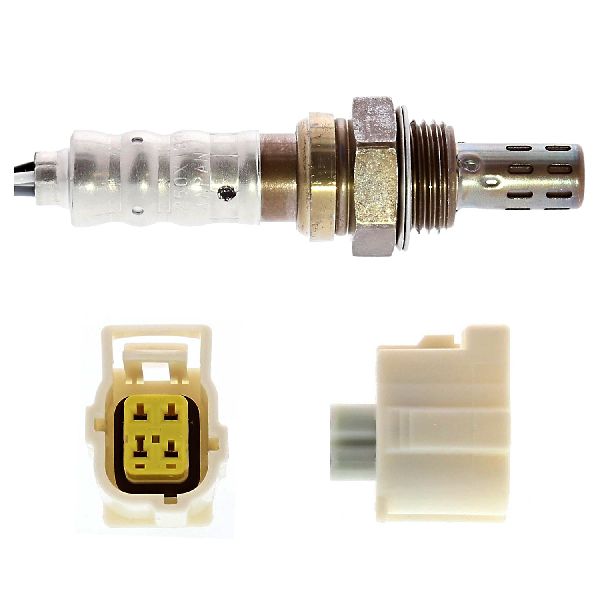
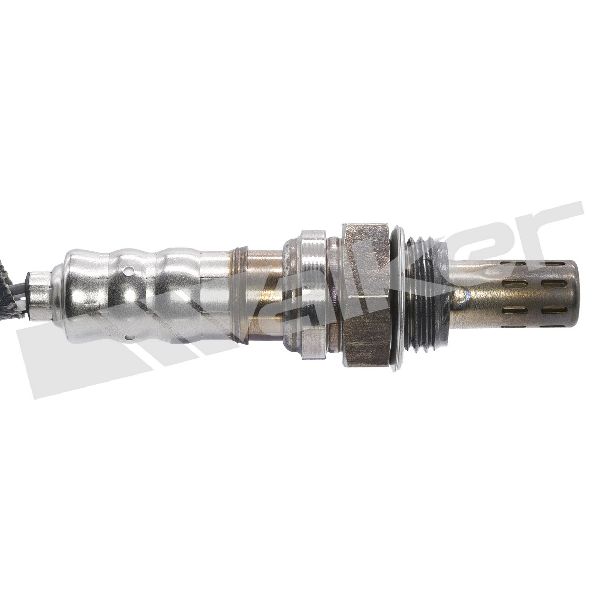
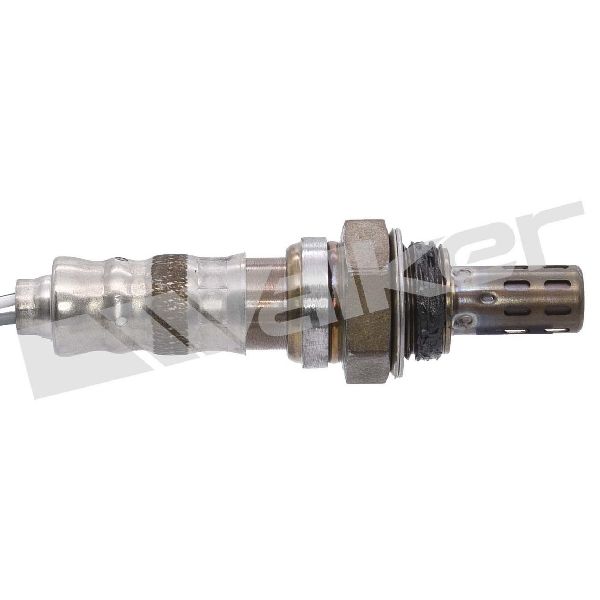
- Upstream Oxygen Sensor (Bank 1, Sensor 1)
(OEM #5149171AB)— This is a common part to fail and directly cause a P0172 code. It is a primary input for air-fuel ratio control and is a known wear item. This part number supersedes 5149171AA and 68066160AA.
Trusted brands: Mopar, NTK, Denso
OEM price range: $80-$150
Aftermarket price range: $50-$120 - Exhaust Manifold Gasket
(OEM #5045496AA)— This gasket must be replaced anytime the exhaust manifold is removed to fix a crack or replace broken bolts, a common HEMI issue that causes P0172.
Trusted brands: Mopar, Fel-Pro
OEM price range: $20-$40
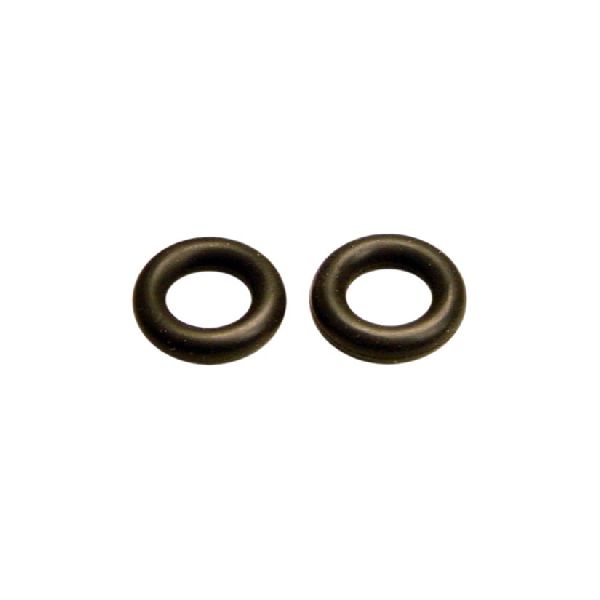
Aftermarket price range: $10-$25 - Fuel Injector
(OEM #05037479AA)— A leaking fuel injector is a direct cause of a rich condition on a single bank. This part number is for later model year 5.7L engines.
Trusted brands: Mopar, Standard Motor Products
OEM price range: $70-$120
Aftermarket price range: $40-$90
Related Codes That Often Appear With This One
- P0175 — System Too Rich (Bank 2). If both codes are present, it points to a problem affecting the entire engine, like a faulty MAP sensor, high fuel pressure, or a stuck open EVAP purge valve, rather than a component specific to one bank.
- P0300, P0301, P0303, P0305, P0307 — Cylinder misfire codes for Bank 1. A severe rich condition from a leaking injector can foul the spark plug with fuel and carbon, causing a misfire in that specific cylinder. A code like P0301 strongly points to the injector in cylinder 1.
- P0132 — O2 Sensor Circuit High Voltage (Bank 1, Sensor 1). This code can appear with P0172 because the high voltage signal is what the PCM interprets as a 'rich' condition. They can both be triggered by the same fault, such as a truly rich mixture or a shorted sensor sending a false rich signal.
Technical Service Bulletins (TSBs) & Recalls
- number: 09-019-23 | title: Cold Engine Ticking Noise From Exhaust Manifold Area | summary: Applies to 2019-2022 models with 5.7L HEMI. Describes the diagnosis and replacement procedure for cracked exhaust manifolds that cause a ticking noise when cold. This is a primary cause of confusing O2 sensor readings.
- number: 09-011-22 | title: Cold Engine Ticking Noise From Exhaust Manifold Area | summary: An earlier version of the TSB for 2019-2021 Ram 1500s, also detailing the replacement of exhaust manifolds due to cold start ticking. The fix involves an updated manifold kit with new bolts.
- number: S2108000130 (NHTSA ID 10223465) | title: Uconnect Radio Display Delaminating or Bubbling | summary: This is a Stellantis internal 'Star Case', not a recall or TSB. It instructs dealers on how to handle customer complaints of Uconnect screen delamination. The official procedure is to replace the entire radio unit if delamination is confirmed.
Platform-Specific Known Issues
- Cracked exhaust manifolds or broken manifold bolts are a very common problem on the 5.7L HEMI engine, causing an exhaust leak known as the 'HEMI tick'. This leak can paradoxically lead to a P0172 rich code.
Mechanic-Grade Diagnostic Values
- Fuel Pressure (at fuel rail, idle) — expected: 58 psi +/- 5 psi (400 kPa +/- 34 kPa). Failure: Pressure significantly above 63 psi suggests a faulty fuel pressure regulator/pump module.
- Fuel Injector Coil Resistance — expected: 12.0 - 14.5 Ohms. Failure: A reading of 'OL' (Open Loop) or a value significantly outside this range indicates a failed injector coil.
- Fuel Injector Pulse Width (at warm idle) — expected: 2.0 - 4.0 milliseconds (ms). Failure: A value of 0 ms or an erratic reading suggests a control circuit or PCM driver issue.
- Upstream O2 Sensor Voltage (B1S1, warm engine, closed loop) — expected: Rapidly fluctuating between ~0.1V and ~0.9V. Failure: Voltage is stuck consistently high (above 0.8V) or switches very slowly.
- O2 Sensor Signal Circuit Bias Voltage (KOEO, sensor disconnected) — expected: ~5.0 Volts. Failure: No voltage or significantly lower voltage suggests a problem with the PCM or the wiring.
- MAP Sensor Voltage (Key On, Engine Off) — expected: ~4.5V DC. Failure: Voltage is significantly lower or does not match the BARO sensor reading.
- MAP Sensor Voltage (Engine at Idle) — expected: 1.0V - 2.0V DC. Failure: Voltage remains high (near 4.5V), indicating no response to engine vacuum.
- Long-Term Fuel Trim (LTFT) Bank 1 — expected: -10% to +10%. Failure: A value more negative than -20% (e.g., -25%) is the trigger condition for P0172.
Scan Tool Commands That Help
- wiTECH or equivalent professional scanner: Fuel Injector Kill Test / Balance Test — To isolate a single leaking or over-fueling injector. By deactivating one injector at a time, you can watch fuel trims to see which cylinder is causing the rich condition. This is highly effective when a single spark plug is found to be fuel-fouled.
- wiTECH or equivalent professional scanner: Reset Fuel Adaptives / Clear Adaptive Memory — This is a critical step AFTER replacing a component like a fuel injector, MAP sensor, or O2 sensor. It forces the PCM to erase its learned long-term fuel trim values and start fresh, preventing the old incorrect values from causing issues with the new part.
- wiTECH or equivalent professional scanner: O2 Sensor Heater Test — To command the O2 sensor's internal heater on and monitor the sensor's voltage response. This helps verify the integrity of the heater circuit and the sensor's ability to warm up correctly, which is crucial for accurate readings.
Wiring & Ground Locations
- G305 — On RWD models, located at the base of the right 'C' pillar; on AWD models, it's in the right side of the luggage compartment (trunk).. This is a major rear body ground point. While not a direct engine sensor ground, poor grounding here can cause a cascade of electrical issues and noise that can affect various modules, including those that communicate with the PCM.
- G101 — Located at the right front of the engine compartment.. This is a primary engine bay ground. A loose or corroded connection at this point can directly impact the reference ground for engine sensors like the O2 sensors and MAP sensor, leading to incorrect readings and fuel trim issues.
- Bank 1 Sensor 1 O2 Sensor Connector (C103) — Connects to the upstream O2 sensor on the driver's side exhaust manifold. It is a 4-pin connector.. This is the primary connection point for all voltage and resistance tests for the Bank 1 upstream O2 sensor and its circuit. Damage or corrosion here is a direct cause of sensor-related codes.
Real Owner Repair Stories
- RamForum.com user report (2014 Ram 2500 with 6.4L HEMI (similar architecture)) — P0172 and P0175 (rich on both banks)
❌ Tried (didn't work) Replaced MAF sensor (vehicle doesn't have one), PCM update, Replaced throttle body
✅ What actually fixed it The issue was a bad MAP sensor. A call to Chrysler engineering confirmed this was the likely cause when other diagnostics failed. Replacing the MAP sensor resolved the codes.
"I Checked Everything" — The Actual Cause
- A common scenario where a smoke test finds no vacuum leaks is when the root cause is fuel-contaminated engine oil. A severely leaking fuel injector can allow gasoline to seep past the piston rings and dilute the crankcase oil. The PCV system then draws these fuel-rich vapors from the crankcase and feeds them into the intake manifold. This introduces a significant amount of unmetered fuel, causing the PCM to register a rich condition (P0172) that a smoke test for vacuum leaks would never find.
OEM Part Supersession History
5149171AA, 68066160AA→05149171AB— Part consolidation and potential design updates for reliability or manufacturing efficiency.
Heads up: The part 5149171AB is a widely used O2 sensor across many Chrysler/Dodge/Jeep vehicles and positions. While it is the correct supersession, always verify fitment for the specific position (Bank 1, Sensor 1) using the vehicle's VIN.
Model Year Variations Within This Range
- 2015-2023: The Powertrain Control Module (PCM) was changed from the GPEC2 (2011-2014) to the GPEC2A (2015+). The GPEC2A is encrypted and locked from the factory. This means it cannot be tuned or easily swapped with a used unit without a specialized service to physically unlock it. The main harness connectors also changed from a brown/gray combination to a tan/gray combination, which are not physically interchangeable without modification.
Diagnostic Flowchart
Other Known Issues on This Vehicle
Issues unrelated to this code that are worth knowing about as an owner of this generation:
- HEMI Lifter / Camshaft Failure 🔴 High → Shop Engine Camshaft — Affects an estimated 5% of 2009+ 5.7L HEMI engines, often appearing after 80,000 miles. The 'HEMI tick' from a lifter is different from an exhaust tick; it is more constant when warm and may be accompanied by misfire codes (e.g., P0300).
- Cracked Exhaust Manifolds / Broken Bolts ('HEMI Tick') 🟠 Medium — Extremely common across all 5.7L HEMI platforms. Often presents as a ticking noise on cold start that fades as the engine warms and the metal expands to seal the leak. (Ref: TSB 09-019-23, TSB 09-011-22)
- Uconnect 8.4-inch Screen Delamination 🟠 Medium — Widespread on 2017 and newer models. The screen's top layer bubbles and separates, leading to 'ghost touches', random function activation, and eventual non-responsiveness. (Ref: NHTSA ID 10223465 (Star Case S2108000130))
- Trunk Water Leak 🟡 Low — Commonly reported issue where water leaks into the trunk, often due to a failed seal around the third brake light (CHMSL) or taillight gaskets, potentially damaging electronics stored in the trunk.
Used vs. New Parts: Buying Guide for This Vehicle
When a used part is the smart pick: A used exhaust manifold from a low-mileage, non-corroded donor vehicle is a perfectly acceptable and cost-effective option, as it is a simple cast iron part with no electronic components. A used PCM can be an option for pre-2015 models, but the part number must match exactly.
Donor-vehicle mileage cap: roughly under 80000 miles for the part to have meaningful remaining life.
What to inspect on the donor part:
- For an exhaust manifold, inspect for any hairline cracks, especially around the collector and bolt flanges. Ensure all mounting surfaces are flat and not severely warped.
- For a PCM, verify the part number sticker is intact and matches your original unit precisely. Check for any signs of water intrusion, corrosion on the pins, or physical damage to the case.
- Avoid any electronic parts from vehicles with flood or fire damage history.
OEM-only on this vehicle (don't cheap out):
- Powertrain Control Module (PCM): Due to security (SKIM) and complex programming, using anything other than a correctly programmed OEM unit is highly likely to fail. For 2015+ models, a used PCM requires a specialized unlock service.
Aftermarket brands forum-validated for this vehicle:
- O2 Sensors: NTK and Denso are the highly recommended OE suppliers. Mopar parts are often rebranded NTK or Denso sensors.
- Exhaust Gaskets: Fel-Pro is a widely trusted brand for sealing solutions.
Brands owners have reported issues with on this vehicle:
- O2 Sensors: There is a strong consensus in owner forums to avoid using Bosch-branded oxygen sensors on Chrysler/Dodge platforms, as they are frequently reported to cause compatibility issues, incorrect readings, or premature failure.
Real Owner Stories
Aggregated from forums and TSBs cited above. Mileages and costs reflect what owners reported in those sources.
2018 Chrysler 300 5.7L HEMI
Symptoms: The owner experienced 'ghost touches' and issues with the Uconnect radio display delaminating or bubbling.
What fixed it: Replacement of the entire radio unit as per the Stellantis internal 'Star Case' procedure.
Source hint: 300CForums.com thread titled '2018 Chrysler 300 Screen Delamination'
2019-2022 Ram 1500 5.7L HEMI
Symptoms: A distinct ticking sound from the engine bay during a cold start that quiets down as the engine warms up.
What fixed it: Replacement of the cracked exhaust manifold and broken bolts using an updated manifold kit with new bolts.
Source hint: TSB 09-019-23 'Cold Engine Ticking Noise From Exhaust Manifold Area'
2011-2023 Ram 1500 5.7L HEMI
Symptoms: A persistent P0172 code, potential fuel smell in the oil, and concerns about fuel injector leaks.
What fixed it: The discussion suggests checking for leaking injectors and the adaptive nature of Chrysler fuel maps.
Source hint: RamForum.com thread titled 'P0172 will just not go away'
Related OBD-II Codes
Frequently Asked Questions
Does TSB 09-019-23 apply to my Chrysler 300 with the 5.7L HEMI?
Why is my Chrysler 300 making a ticking noise that goes away after the engine warms up?
Which brand of oxygen sensor should I use for my 5.7L HEMI to fix a P0172?
Can a bad fuse cause a P0172 rich code on a Chrysler 300?
How can I tell if a fuel injector is causing the rich condition on Bank 1?
What is the correct fuel pressure for a 2011-2023 Chrysler 300 5.7L?
Helpful Videos

We Have This Part in Stock

The information in this article is provided for general reference and educational purposes only. Vehicle specifications, procedures, and part compatibility can vary by production date, trim level, and region. Always consult your vehicle's factory service manual and verify part numbers before purchasing or performing repairs. Safety-critical components such as airbags, seat belts, and braking systems should be installed by a qualified professional.
- Chrysler 300:
- 🧭 Diagnostic Flowchart
- 🎬 Helpful Videos
- 🛍️ Shop This Part
- What's Unique About the 2011-2023 Chrysler 300
- Symptoms You May Notice
- Most Likely Causes
- Rare But Worth Checking
- Diagnosis Steps
- Parts You'll Likely Need
- Related Codes That Often Appear With This One
- Technical Service Bulletins (TSBs) & Recalls
- Platform-Specific Known Issues
- Mechanic-Grade Diagnostic Values
- Scan Tool Commands That Help
- Wiring & Ground Locations
- Real Owner Repair Stories
- "I Checked Everything" — The Actual Cause
- OEM Part Supersession History
- Model Year Variations Within This Range
- Other Known Issues on This Vehicle
- Used vs. New Parts: Buying Guide for This Vehicle
- Real Owner Stories
- 2018 Chrysler 300 5.7L HEMI
- 2019-2022 Ram 1500 5.7L HEMI
- 2011-2023 Ram 1500 5.7L HEMI
- Related OBD-II Codes
- Frequently Asked Questions
- 🎟️ Get 5% Off