

P0172 on 2000-2004 Ford Focus 2.0L Zetec: Rich Condition Causes and Fixes
On a 2000-2004 Ford Focus with the 2.0L Zetec engine, a P0172 code is most often caused by a vacuum leak, especially from a collapsed or torn PCV hose located under the intake manifold. Other common causes include a dirty MAF sensor, a failing upstream oxygen sensor, or high fuel pressure.
- The P0172 code on a 2000-2004 Focus Zetec means the engine is running too rich.
- The most likely cause is a vacuum leak from a deteriorated PCV hose under the intake manifold.
- Always check for vacuum leaks with a smoke test before replacing expensive parts like oxygen sensors.
- Other common causes include a dirty MAF sensor or a faulty upstream O2 sensor.
- Ignoring this code can lead to reduced fuel efficiency and costly damage to the catalytic converter.
What's Unique About the 2000-2004 Ford Focus
The 2.0L DOHC Zetec engine in the first-generation Ford Focus is well-known for a specific failure that leads to fuel control problems: the PCV (Positive Crankcase Ventilation) hoses become oil-soaked, soften, and collapse or tear. This is due to the rubber material degrading from constant exposure to oil vapor and heat from the nearby exhaust manifold. This creates a significant vacuum leak that the engine's computer cannot always compensate for, leading to lean codes (P0171) or, as the computer over-corrects, rich codes (P0172). This PCV hose issue is so common that it should be one of the first items checked. Aftermarket suppliers even offer hoses made of superior materials like aramid-reinforced silicone to provide a more permanent solution.
Symptoms You May Notice
- Check Engine Light is on
- Poor fuel economy
- Rough or unstable idle
- Engine hesitation or stalling
- Black smoke from the exhaust
- A strong smell of gasoline from the exhaust
- Failed emissions test
- Replacing the oxygen sensor without first checking for vacuum leaks. A vacuum leak from the PCV system is the most common cause of fuel trim issues on this specific engine, and a new O2 sensor will not fix it.
- Replacing fuel injectors when the actual problem is high fuel pressure from a faulty regulator or a skewed MAF sensor reading.
Most Likely Causes
- Leaking/Collapsed PCV Hoses 🔴 High Probability The rubber hoses used in the PCV system on the Zetec engine are known to degrade from oil vapor and heat, causing them to soften, collapse under vacuum, or tear. The primary culprit is often the S-shaped hose running from the PCV valve to the oil separator and the hose from the separator to the underside of the intake manifold.
How to confirm: Visually inspect the PCV hoses, especially the one connecting to the back of the intake manifold. A smoke test is the most effective way to confirm a leak in this hard-to-see area. The hose may be visibly torn, feel soft and mushy, or be completely collapsed on itself.
Typical fix: Replace the faulty PCV hoses and the PCV valve itself. Access is difficult and often requires removing the intake manifold, or at least loosening it, for clearance. Some owners have successfully replaced it from underneath the vehicle.
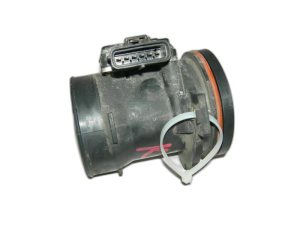
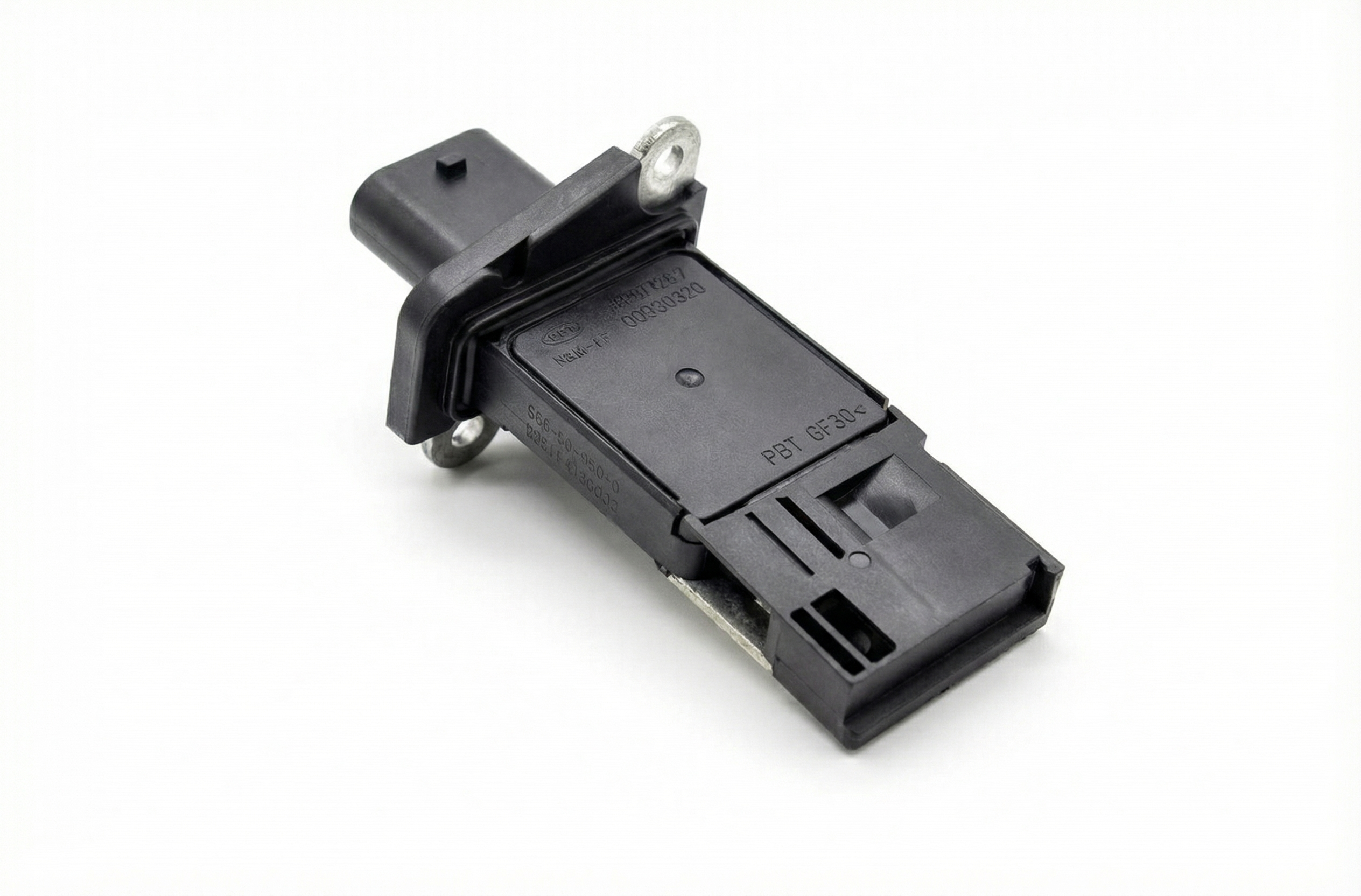
Est. part cost: $20-$60 - Dirty or Faulty Mass Airflow (MAF) Sensor 🟡 Medium Probability → Shop Fuel Injection Air Flow Meter Over-oiled aftermarket air filters or simple accumulation of dirt can contaminate the MAF sensor's delicate wire, causing it to under-report airflow and leading the PCM to inject less fuel than needed, which can paradoxically be overcorrected into a rich condition as the system tries to balance itself.
How to confirm: A dirty MAF sensor can misread the amount of air entering the engine. First, try cleaning the sensor with a dedicated MAF sensor cleaner spray 🎬 Watch: Two quick DIY methods to clear a P0172 code.; never touch the sensing elements. Unplugging the MAF sensor may cause the engine to run better (in a default mode), suggesting the sensor is providing faulty data. A scan tool can monitor MAF readings at idle; they should be around 2-4 grams/second for this 2.0L engine. Readings significantly higher or lower at idle indicate a problem.
Typical fix: Clean the MAF sensor with a specialized cleaner. If cleaning doesn't work, replace the sensor. Always reset the PCM by disconnecting the battery for 15 minutes after cleaning or replacement to allow the fuel trims to relearn.
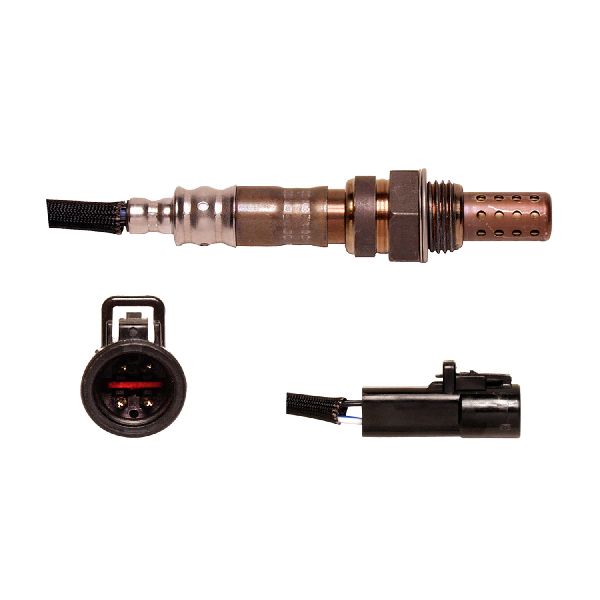
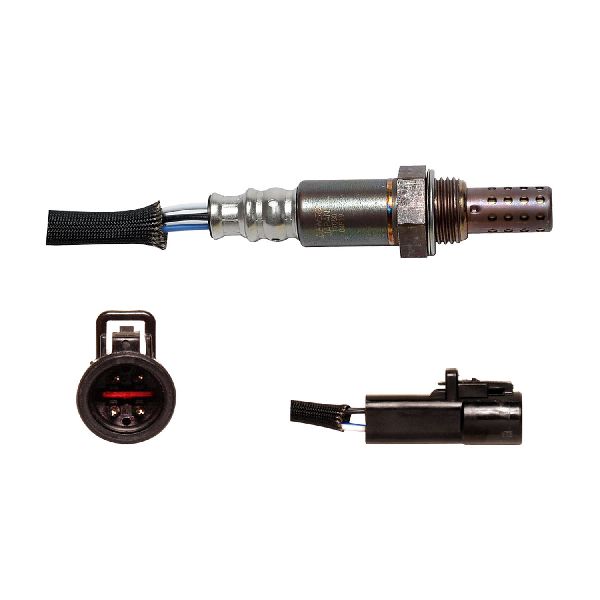
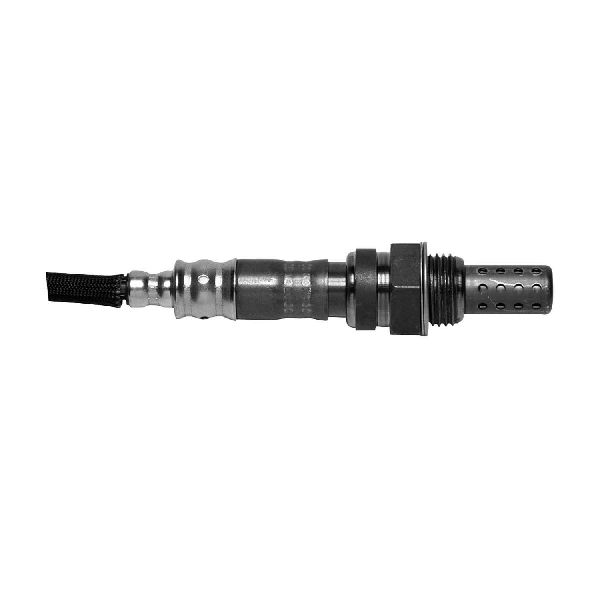
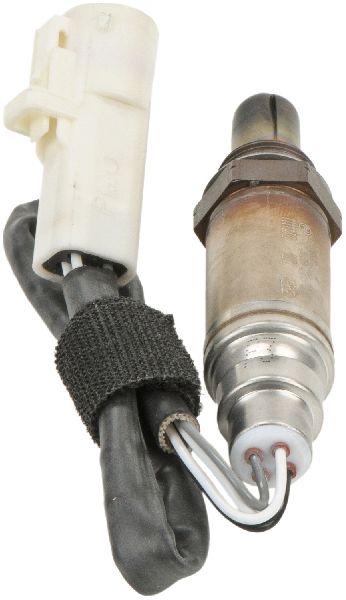
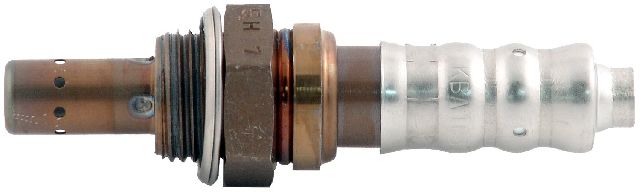
Est. part cost: $5-$15 (cleaner), $50-$150 (new sensor) - Faulty Upstream Oxygen (O2) Sensor 🟡 Medium Probability → Shop Oxygen Sensor O2 sensors are wear items and have a finite lifespan. Contamination from a rich condition or oil burning can cause them to fail.
How to confirm: A lazy or biased O2 sensor can get stuck reading lean (low voltage), causing the PCM to add more fuel until it creates a rich condition. Use a scan tool to watch the live data for the upstream O2 sensor (Bank 1, Sensor 1). It should fluctuate rapidly between approximately 0.1 and 0.9 volts. If it's stuck high (above 0.8V), low (below 0.2V), or switching very slowly, it is likely faulty.
Typical fix: Replace the upstream (pre-catalytic converter) oxygen sensor. Using an OEM Motorcraft sensor is highly recommended as these vehicles can be sensitive to aftermarket electronics.
Est. part cost: $50-$100 - High Fuel Pressure ⚪ Low Probability
How to confirm: A faulty fuel pressure regulator can cause excessive pressure in the fuel rail, leading to too much fuel being injected. Connect a fuel pressure gauge to the fuel rail's test port (Schrader valve). Compare the reading to the manufacturer's specification, which is 38-42 PSI for this model. If pressure is too high, the regulator is likely bad. Pulling the vacuum line off the regulator and smelling gas is another sign of a ruptured diaphragm.
Typical fix: Replace the fuel pressure regulator, which is located on the fuel rail.
Est. part cost: $30-$70
Rare But Worth Checking
- Leaking Fuel Injectors: → Shop Fuel Injector An injector can get stuck partially open or have a bad seal, allowing excess fuel to drip into a cylinder. This can sometimes be identified by checking the spark plugs; a wet or dark black, sooty plug can indicate which cylinder has the leaking injector.
- Faulty Engine Coolant Temperature (ECT) Sensor: If the ECT sensor is stuck reading cold, the PCM will continuously command a richer fuel mixture, as if the engine is always in its warm-up phase. This can be verified by comparing the ECT reading on a scan tool to the actual engine temperature.
- Restricted Exhaust / Clogged Catalytic Converter: A clogged catalytic converter or crushed exhaust pipe can trap exhaust gases. This prevents the oxygen sensor from getting a correct reading of the fresh exhaust stream, potentially causing it to read lean and command a rich mixture in response. You might notice a significant loss of power, especially at higher RPMs.
- Environmental Contamination: Manufacturer service bulletin #TSB 19-2091 notes that undesired water entry into the engine compartment can lead to an illuminated MIL and codes like P0172.
Diagnosis Steps
- Read the code and check freeze frame data with an OBD-II scanner. Note the Long Term Fuel Trim (LTFT) value; for P0172, it will be a large negative number (e.g., -10% or more).
- Visually inspect the engine bay for any obvious vacuum leaks, especially cracked or disconnected hoses. Pay close attention to the PCV system hoses under and around the intake manifold.
- Perform a smoke test to definitively identify any vacuum leaks, particularly around the intake manifold and the hard-to-see PCV hoses underneath it. This is the most reliable method.
- If no vacuum leaks are found, inspect and clean the Mass Airflow (MAF) sensor using a dedicated MAF sensor cleaner. Reset the PCM and re-evaluate.
- Use a scan tool to monitor the upstream oxygen sensor (Bank 1, Sensor 1) voltage. It should switch rapidly. If it's slow or stuck, it may need replacement.
- Check fuel pressure using a mechanical gauge at the fuel rail test port. If it is above the specified range (38-42 PSI), suspect a faulty fuel pressure regulator.
- If all else fails, investigate less common causes like leaking fuel injectors (check spark plugs for evidence) or a faulty ECT sensor (check scan tool data).
Parts You'll Likely Need
- PCV Breather Hose
(OEM #YS4Z-6N664-BA (Hose to Intake Manifold, for early models before 6/03/00) or YS4Z-6758-BA (Tube Assembly, from 10/25/99))— This specific hose system under the intake manifold is the most common failure point leading to vacuum leaks and fuel trim codes on the 2.0L Zetec engine.
Trusted brands: Motorcraft, Dorman
OEM price range: $25-$80
Aftermarket price range: $15-$50 - PCV Valve
(OEM #YS4Z-6A666-BA)— It is inexpensive and good practice to replace the PCV valve whenever servicing the PCV hoses, as it can become clogged.
Trusted brands: Motorcraft, Standard Motor Products
OEM price range: $10-$20
Aftermarket price range: $5-$15 - Upstream Oxygen Sensor
(OEM #Motorcraft W0133-2322396)— A failing O2 sensor can send incorrect data to the PCM, directly causing a rich condition.
Trusted brands: Motorcraft, Bosch, Denso
OEM price range: $60-$100
Aftermarket price range: $40-$80 - Mass Airflow Sensor — If cleaning does not resolve the issue, a faulty MAF sensor will need to be replaced to restore correct air measurement.
Trusted brands: Motorcraft, Hitachi
OEM price range: $120-$180
Aftermarket price range: $50-$100
Related Codes That Often Appear With This One
- P0171 — This code for 'System Too Lean' is the opposite of P0172. A large vacuum leak can initially cause a P0171, but as the PCM tries to compensate by adding massive amounts of fuel (positive fuel trim), it can overshoot and create a rich condition, triggering a P0172 instead. It's common to see one code while the other is pending.
Technical Service Bulletins (TSBs) & Recalls
- TSB 03-16-1: While this TSB is officially for lean codes P0171/P0174 on some Ford engines, it is highly relevant because it addresses the root causes of vacuum leaks around the intake manifold gaskets and PCV system, which are the primary culprits for fuel trim codes (both lean and rich) on the Focus Zetec.
- Bulletin #21L04: A manufacturer bulletin notes that the use of E85 fuel in vehicles not rated for it may cause a P0172 code along with drivability symptoms including hard starting, rough idle, stalling, and hesitation.
- Bulletin #SSM 49050: This record indicates that P0172 can be caused by incorrect flex fuel learning, often triggered by refueling habits such as adding only small amounts of fuel.
- Bulletin #TSB 22-2393: This bulletin reports that an illuminated MIL with code P0172 may be stored in the powertrain control module (PCM) on certain Ford engines.
- Bulletin #TSB 20-2324: A manufacturer service bulletin suggests that P0172 may be due to software in the powertrain control module (PCM) or direct injection fuel issues.
Platform-Specific Known Issues
- The PCV hose routing under the intake manifold makes it susceptible to oil contamination and heat from the exhaust manifold, leading to premature failure. Replacement is a common maintenance item on high-mileage Zetec engines.
- Increased crankcase pressure from a clogged PCV system can also cause oil leaks, most notably from the valve cover gasket.
- The difficult access to the PCV hoses leads many to attempt shortcuts. However, removing or at least loosening the intake manifold is often the most effective way to ensure all connections are secure.
Mechanic-Grade Diagnostic Values
- Mass Airflow (MAF) Sensor Reading at Idle — expected: 2.0 to 4.0 grams/second (g/s). Failure: A reading significantly lower than 2.0 g/s can indicate a dirty or faulty sensor, causing the PCM to underestimate airflow and create a rich condition. A reading significantly higher can also indicate a fault.
- Fuel Pressure (Key On, Engine Off or Idling) — expected: 38-42 PSI. Failure: Pressure significantly above 42 PSI indicates a faulty fuel pressure regulator or a restriction in the fuel return line.
- Fuel Injector Resistance — expected: 13.8 to 16.4 ohms. Failure: An injector with resistance significantly outside this range may be failing. However, resistance tests do not check for mechanical issues like leaking.
- Fuel Pressure Regulator Vacuum Test — expected: Fuel pressure should drop by about 5 PSI when engine vacuum is applied to the regulator.. Failure: If there is no change in pressure when vacuum is applied, the regulator's diaphragm is likely not responding. If fuel is present in the vacuum line, the diaphragm is ruptured and must be replaced.
Scan Tool Commands That Help
- Ford IDS (or advanced bidirectional scanner): EVAP Purge Solenoid On/Off or Duty Cycle Control — If a smoke test passes and no vacuum leaks are found, a leaking EVAP purge valve can introduce un-metered fuel vapors, causing a P0172. A technician can command the valve closed and introduce smoke into the EVAP line; if smoke exits the purge valve, it is leaking and must be replaced. Conversely, commanding it open should cause a change in idle.
- Ford IDS (or advanced bidirectional scanner): Power Balance Test — To identify a leaking fuel injector. This test deactivates one cylinder at a time and measures the RPM drop. A cylinder with a leaking injector may show a smaller RPM drop because the excess fuel is still contributing to combustion, helping to pinpoint the faulty injector without removing the fuel rail initially.
Wiring & Ground Locations
- Upstream O2 Sensor Signal Wire — On a universal Bosch-type replacement sensor, the signal wire is typically black.. When testing the O2 sensor circuit, knowing the signal wire is crucial. On Fords of this era without a bias voltage, a technician can unplug the sensor and apply a small voltage to the signal wire on the harness side; a corresponding change on the scan tool confirms wiring integrity to the PCM.
- G104 — On the inner fender apron, near the battery.. This is a primary engine and PCM ground point. A corroded or loose connection at G104 can cause erratic behavior from multiple sensors, including the MAF and O2 sensors, leading to incorrect fuel trim adjustments and codes like P0172.
Real Owner Repair Stories
- Shaners Mechanic Life on YouTube (Chevrolet vehicle (demonstrates a universal principle applicable to the Focus)) — P0172 and P0175 (System Too Rich Bank 1 & 2), plus EVAP codes P0442 and P0455.
❌ Tried (didn't work) New MAF sensor, New O2 sensors, New intake manifold gaskets, New throttle body, New brake booster and hoses
✅ What actually fixed it The EVAP purge solenoid was intermittently sticking open, creating a massive vacuum leak of fuel vapors that caused the rich condition. The valve tested good initially but would fail after being cycled a few times with a scan tool. Replacing the $40 purge solenoid resolved all codes.
"I Checked Everything" — The Actual Cause
- A common scenario is a ruptured fuel pressure regulator diaphragm. A smoke test for vacuum leaks will come back clean because it's a sealed system. However, the ruptured diaphragm allows raw fuel to be sucked directly into the intake manifold through the regulator's vacuum hose, causing a severe rich condition that the PCM cannot correct. This is confirmed by pulling the vacuum line off the regulator and finding liquid fuel or a strong fuel smell.
OEM Part Supersession History
YS4Z-6758-AA, YS4Z-6758-BA→YS4Z-6758-A— Part consolidation and potential minor material/design improvements over the production run.
Heads up: The earlier and later PCV hose assemblies for the Zetec may have slight differences in fitment. It is critical to order based on the vehicle's production date. YS4Z-6758-BA is specified for models built from 10/25/99.
Model Year Variations Within This Range
- 2000 - early 2001: Early Zetec engines had a different PCV hose assembly (Part # YS4Z-6N664-BA for the hose to the intake manifold) and an engine management system that did not include a post-catalyst oxygen sensor.
- Late 2001 - 2004: Around March 2001, Ford revised the PCM and added a downstream (post-catalyst) oxygen sensor to meet stricter emissions standards during warm-up. While this doesn't directly cause P0172 (an upstream code), the PCM software and diagnostic strategies are different.
- 2003-2004 (some models): While most used the Zetec, a 2.3L Duratec engine became available in some PZEV (Partial Zero Emission Vehicle) states like California. This is a completely different engine family (Mazda L engine) and the causes/fixes for P0172 would not be the same. The 8th digit of the VIN can identify the engine: '3' for Zetec, 'Z' for the 2.3L Duratec.
Diagnostic Flowchart
Real Owner Stories
Aggregated from forums and TSBs cited above. Mileages and costs reflect what owners reported in those sources.
2004 Ford Focus
Symptoms: Check engine light with a P0172 code and live data showing an extreme -30.5% long-term fuel trim.
What fixed it: Checked for and addressed a soft/collapsed PCV pipe located under the intake manifold.
Source hint: Ford Owners Club - 'P0172 code'
2001 Ford Focus
Symptoms: P0172 code with drivability issues.
What fixed it: Monitored live data for the O2 sensors and MAF to pinpoint how the vacuum leak presented at idle versus under load.
Source hint: ScannerDanner Forum - 'P0172 code 2001 focus'
2000 Ford Focus Zetec
Symptoms: PCV system failure due to heat degradation from its proximity to the hot exhaust header.
What fixed it: Replaced the PCV hose using the updated part (XS4Z-6N664-BA), which includes a heat shield to protect it from the exhaust heat.
Source hint: BobIsTheOilGuy.com - 'PCV Valve problem'
Ford Focus
Symptoms: Check engine light illuminated with codes P0172 and P0175 (though P0175 is incorrect for a 4-cylinder engine).
What fixed it: Cleaned the MAF sensor and replaced the upstream O2 sensor to resolve the rich condition.
Source hint: Reddit r/FordFocus - 'P0172 and P0175'
Related OBD-II Codes
Frequently Asked Questions
Why is the PCV hose so prone to failure on my 2.0L Zetec engine?
Does TSB 03-16-1 apply to my P0172 code?
What should the MAF sensor read at idle on my 2000-2004 Focus?
What is the correct fuel pressure specification for this vehicle?
Which oxygen sensor causes the P0172 code, and what brand should I use?
How hard is it to replace the collapsed PCV hose on the Zetec engine?
Helpful Videos
![How to Fix P0172 Engine Code in 2 Minutes [2 DIY Methods / Only $8.77]](https://img.youtube.com/vi/PpFuGHxnD0g/mqdefault.jpg)
Used OEM Parts in Stock
New Aftermarket Parts Available


The information in this article is provided for general reference and educational purposes only. Vehicle specifications, procedures, and part compatibility can vary by production date, trim level, and region. Always consult your vehicle's factory service manual and verify part numbers before purchasing or performing repairs. Safety-critical components such as airbags, seat belts, and braking systems should be installed by a qualified professional.
- Ford Focus:
- 🧭 Diagnostic Flowchart
- 🎬 Helpful Videos
- 🛍️ Shop This Part
- What's Unique About the 2000-2004 Ford Focus
- Symptoms You May Notice
- Most Likely Causes
- Rare But Worth Checking
- Diagnosis Steps
- Parts You'll Likely Need
- Related Codes That Often Appear With This One
- Technical Service Bulletins (TSBs) & Recalls
- Platform-Specific Known Issues
- Mechanic-Grade Diagnostic Values
- Scan Tool Commands That Help
- Wiring & Ground Locations
- Real Owner Repair Stories
- "I Checked Everything" — The Actual Cause
- OEM Part Supersession History
- Model Year Variations Within This Range
- Real Owner Stories
- 2004 Ford Focus
- 2001 Ford Focus
- 2000 Ford Focus Zetec
- Ford Focus
- Related OBD-II Codes
- Frequently Asked Questions
- 🎟️ Get 5% Off