

P0172 on 2020-2021 Ford Transit: Causes for System Too Rich (Bank 1)
For a 2020-2021 Ford Transit, code P0172 is most often caused by using E85 fuel in a non-flex-fuel vehicle, as stated in Ford TSB #21L04. This TSB explains that E85 use can cause a lean condition which the PCM overcorrects, resulting in a rich code. Before replacing parts, confirm the correct fuel type is being used. Other likely causes include a dirty MAF sensor, a faulty upstream oxygen sensor, or a leaking fuel injector.
- First, confirm the correct fuel is being used. TSB #21L04 specifically links P0172 to using E85 in a non-flex-fuel Transit.
- The most common mechanical causes are a dirty MAF sensor or a failing upstream (Bank 1, Sensor 1) O2 sensor.
- Do not replace the O2 sensor without testing it first; it is often just doing its job by reporting a rich condition caused by something else.
- If both P0172 (Bank 1) and P0175 (Bank 2) are present, focus on causes that affect the whole engine, like the MAF sensor or fuel pressure.
What's Unique About the 2020-2021 Ford TRANSIT
A unique and well-documented issue for some Ford vehicles, including the 2020-2021 Transit, is the accidental use of E85 fuel in vehicles not designed for it. Ford issued a Technical Service Bulletin (TSB #21L04) specifically stating that using E85 can cause a lean condition that the PCM overcorrects for, leading to a P0172 code along with drivability problems. This should be the first suspicion, especially if the check engine light appeared shortly after refueling. While older Transits were prone to water intrusion affecting sensors, this is less documented for the 2020-2021 models but still worth considering.
Diagnostic Flowchart
Tap your situation to follow the diagnostic path that matches what you're seeing on this vehicle.
Symptoms You May Notice
- Check Engine Light is on
- Hard to start
- Rough idle
- Stalling or hesitation
- Poor fuel economy
- Strong smell of fuel or exhaust fumes
- Black smoke from the exhaust
- Engine misfires
- Replacing the oxygen sensor without testing it. The O2 sensor is often correctly reporting a rich condition caused by another component, so replacing it won't fix the root cause.
- Using an aftermarket MAF sensor. Forum users have reported that some aftermarket MAF sensors give incorrect readings (sometimes causing a lean code, sometimes still rich), leading to confusion. Using an OEM part is often the solution.
Most Likely Causes
- Incorrect Fuel (E85) 🔴 High Probability This is a known issue documented by Ford in TSB #21L04 for 2020-2021 models. Non-flex-fuel engines cannot properly compensate for the different properties of E85 fuel, causing the PCM to over-enrich the mixture to combat a perceived lean state.
How to confirm: Ask the driver what type of fuel was last put in the vehicle. If E85 was used, this is the likely cause. The issue will typically appear shortly after refueling.
Typical fix: Drain the fuel tank and refill with standard gasoline (87 octane or higher). The code may need to be cleared with a scan tool, and the vehicle may need to be driven for several cycles for the fuel trims to relearn.
Est. part cost: $0 (if draining is not required) - Dirty or Faulty Mass Airflow (MAF) Sensor 🟡 Medium Probability → Shop Fuel Injection Air Flow Meter The MAF sensor measures the amount of air entering the engine. If it's dirty, it can under-report airflow, causing the PCM to inject too much fuel. While water intrusion was a bigger issue on older Transits, any moisture or dirt in the intake can contaminate the sensor.
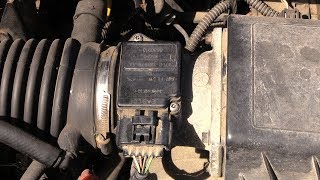
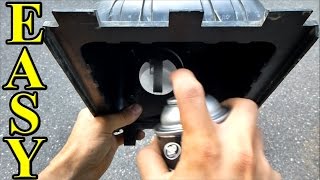
How to confirm: Inspect the sensor for dirt or contamination. Use a scan tool to monitor MAF readings (g/s) at idle. For a 3.5L engine, the reading should be approximately 3.0-4.0 g/s at a stable, warm idle. A significantly lower reading suggests a fault. Clean the sensor with dedicated MAF sensor cleaner. 🎬 Watch: How to clean the MAF sensor on Ford vehicles
Typical fix: Clean the MAF sensor with a specialized cleaner. If cleaning doesn't work, the sensor must be replaced. Using an OEM Motorcraft sensor is highly recommended, as some aftermarket sensors can provide incorrect readings and fail to solve the issue.
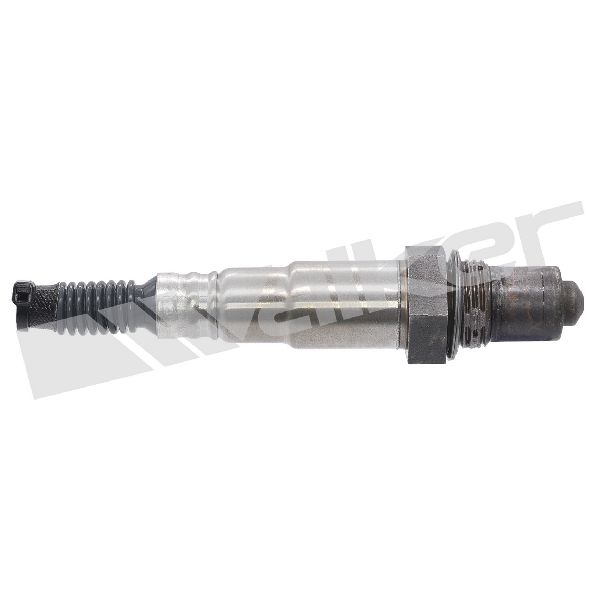
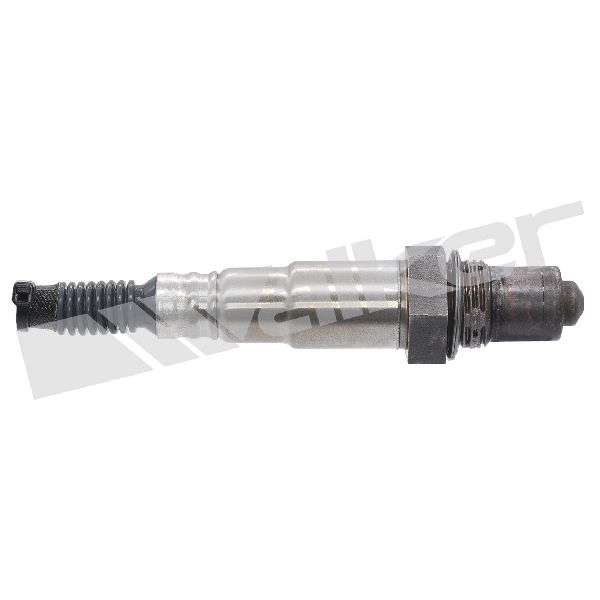
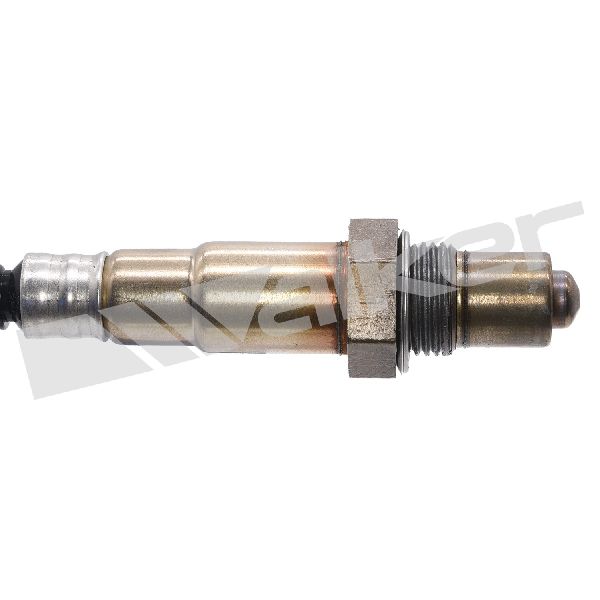
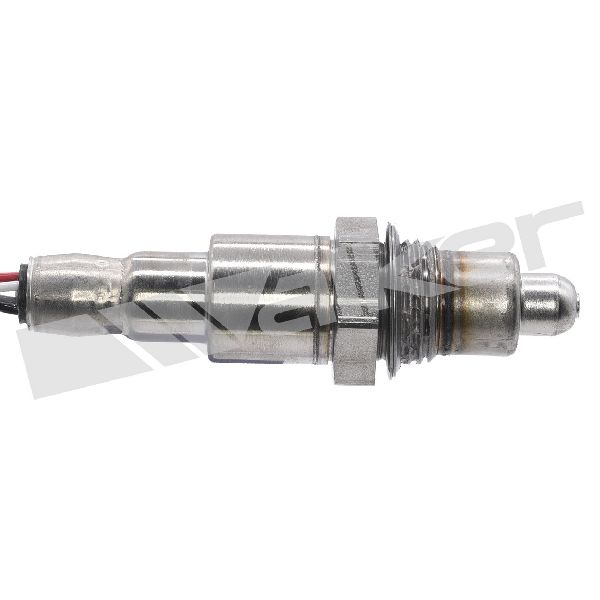
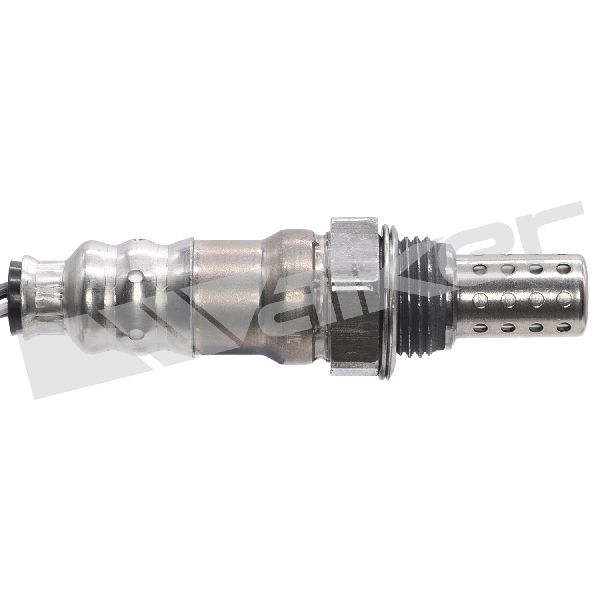
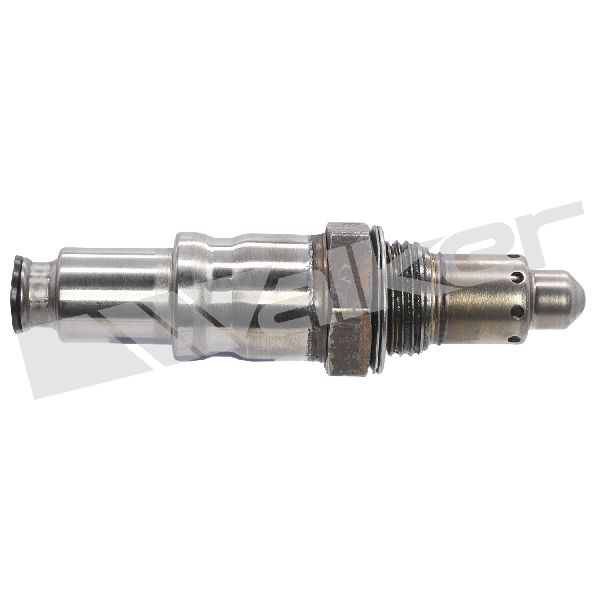
Est. part cost: $10-$15 (cleaner), $80-$200 (sensor) - Faulty Upstream Oxygen (O2) Sensor 🟡 Medium Probability → Shop Oxygen Sensor
How to confirm: Use a scan tool to graph the voltage of the Bank 1, Sensor 1 O2 sensor. It should fluctuate rapidly between approximately 0.1 and 0.9 volts. If it is slow, stuck, or biased high, it is likely faulty. However, remember the O2 sensor is often correctly reporting a rich condition, so rule out other causes first.
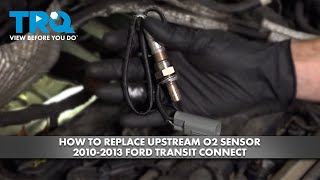
Typical fix: Replace the Bank 1, Sensor 1 (upstream) oxygen sensor. This sensor is located on the passenger side exhaust manifold, before the catalytic converter. 🎬 Watch this walkthrough on replacing the Transit O2 sensor
Est. part cost: $50-$150 - Leaking Fuel Injector(s) ⚪ Low Probability → Shop Fuel Injector
How to confirm: This is more difficult to diagnose. A fuel pressure leak-down test can be performed; after shutting off the engine, the fuel rail pressure should hold steady. A rapid drop indicates a leak, possibly from an injector. Another method is to swap injectors from Bank 1 to Bank 2 and see if the code changes to P0175. Symptoms can include a strong fuel smell and difficulty starting.
Typical fix: Replace the leaking fuel injector(s). It is often recommended to replace them as a set on the affected bank.
Est. part cost: $70-$250 per injector - High Fuel Pressure ⚪ Low Probability
How to confirm: Test the fuel pressure with a mechanical gauge to ensure it is within the manufacturer's specified range. This can be caused by a faulty fuel pressure regulator or a restriction in the fuel return line (if equipped). On models with a fuel rail pressure sensor, its reading can be checked with a scan tool.
Typical fix: Replace the faulty fuel pressure regulator or address any restrictions in the fuel return line. If the regulator is vacuum-operated, check the vacuum hose for the presence of raw fuel, which indicates a ruptured diaphragm.
Est. part cost: $50-$200
Rare But Worth Checking
- Stuck Open EVAP Purge Valve: → Shop Vapor Canister An EVAP purge valve stuck open can allow unmetered fuel vapors to enter the engine at idle, creating a rich condition. This is a simple component to test by applying vacuum and checking if it holds.
- Fuel-Contaminated Engine Oil: If the engine has been running rich for a long time from another cause, fuel can dilute the engine oil. These fuel vapors are then recirculated through the PCV system, worsening the rich condition. If the oil on the dipstick smells strongly of gasoline, it should be changed after the primary fault is repaired.
- Faulty PCV System Component: A cracked PCV hose or a stuck-open PCV valve can create a vacuum leak or allow excess crankcase vapors (potentially with fuel) into the intake, disrupting the air-fuel ratio. There are forum reports of PCV valve internals breaking apart on Transits, which warrants inspection. 🎬 See how to replace the PCV valve and hose
Diagnosis Steps
- Verify the fuel type. Ask the driver if E85 was recently used. If so, address this first as per TSB #21L04.
- Scan the computer for any other trouble codes that may provide more clues.
- Using a scan tool, view the live data for Short-Term (STFT) and Long-Term (LTFT) fuel trims for Bank 1. For P0172, you will see highly negative values (e.g., -10% or more, often approaching -25%) as the PCM tries to reduce fuel.
- Inspect the engine air filter for dirt or blockages.
- Inspect the Mass Airflow (MAF) sensor for contamination. Clean it with dedicated MAF sensor cleaner and re-evaluate fuel trims. Check the MAF g/s reading at idle; for a 3.5L engine, it should be around 3.0-4.0 g/s.
- Test the fuel pressure using a mechanical gauge or scan tool (if equipped with a sensor) to ensure it's within Ford's specifications.
- Graph the Bank 1 Sensor 1 (upstream) oxygen sensor voltage. It should switch rapidly between ~0.1V and ~0.9V. If it's slow or stuck high, it may be faulty.
- Test the EVAP purge valve to ensure it is not stuck open at idle.
- Inspect PCV hoses for cracks or leaks and check the PCV valve for proper operation.
- If other tests are inconclusive, consider professional testing for leaking fuel injectors, such as a fuel pressure leak-down test.
Parts You'll Likely Need
- Mass Air Flow (MAF) Sensor Cleaner — Cleaning a contaminated MAF sensor is a common, low-cost first step before replacing parts.
Trusted brands: CRC, Liqui Moly
Aftermarket price range: $10-$15 - Upstream Oxygen Sensor (Bank 1, Sensor 1)
(OEM #Motorcraft DY-1348 (Varies by engine, confirm fitment))— This sensor is critical for measuring the air-fuel ratio and can fail, leading to incorrect fuel adjustments. It is often replaced, but should be tested first.
Trusted brands: Motorcraft, Bosch, Denso, NTK
OEM price range: $100-$180
Aftermarket price range: $50-$120 - Mass Air Flow (MAF) Sensor — If cleaning the MAF sensor does not resolve the issue, replacement is the next step. Using an OEM part is highly recommended to avoid compatibility issues.
Trusted brands: Motorcraft, Cardone, Carquest Premium
OEM price range: $140-$230
Aftermarket price range: $70-$150
Related Codes That Often Appear With This One
- P0175 — This is the code for 'System Too Rich' on Bank 2. If both P0172 and P0175 are present, it points to a problem affecting the entire engine, such as the MAF sensor, fuel pressure, incorrect fuel type, or a faulty EVAP purge valve.
- P2196 — This code means 'O2 Sensor Signal Stuck Rich (Bank 1 Sensor 1)'. It directly indicates what the sensor is seeing and often appears with P0172, confirming the PCM's rich reading.
- P0300-P0306 — Misfire codes (P0300 for random, P0301-P0306 for specific cylinders) can occur alongside P0172. A leaking fuel injector on a specific cylinder can foul the spark plug and cause a misfire on that cylinder, helping to pinpoint the faulty component.
Technical Service Bulletins (TSBs) & Recalls
- 21L04 - Use of E85 fuel in vehicles not rated for it may cause a lean condition which the computer overcorrects, resulting in a rich condition and setting a P0172 DTC. [NHTSA TSB #21L04]
- 21-2443 - While for the F-150 5.0L engine, this TSB shows that Ford has addressed P0171/P0172/P0174/P0175 codes with a PCM software update, indicating that software logic can be a cause for these codes on similar-era Ford trucks.
Platform-Specific Known Issues
- A Technical Service Bulletin (TSB #21L04) was issued by Ford for 2020-2021 models, explicitly warning that the use of E85 fuel in a non-flex-fuel vehicle can cause a lean condition which the PCM overcorrects, setting a P0172 DTC. [NHTSA TSB #21L04]
- Owners on Reddit have reported issues with the internal components of the PCV valve failing or disappearing, leading to oil consumption and potential crankcase pressure issues that could affect the air-fuel mixture.
Mechanic-Grade Diagnostic Values
- Fuel Pressure (Low-Side) at Idle - 3.5L Engine — expected: 40-60 PSI. Failure: Pressure significantly above this range can indicate a faulty fuel pressure regulator or a return line restriction.
- Fuel Pressure (High-Side) during Cranking - 3.5L EcoBoost — expected: ~500 PSI. Failure: Excessively high pressure could point to a faulty high-pressure fuel pump (HPFP) or sensor.
- Fuel Pressure (High-Side) under Load - 3.5L EcoBoost — expected: Up to 2,000+ PSI. Failure: Values that are drastically different or erratic under load may indicate a pump or sensor issue.
- Long-Term Fuel Trim (LTFT) for Bank 1 — expected: Close to 0%. Failure: Consistently negative values, often -10% or lower, show the PCM is trying to correct a rich condition.
- Upstream O2 Sensor (Bank 1, Sensor 1) Voltage — expected: Rapidly fluctuating between ~0.1V and ~0.9V. Failure: A continual high voltage reading, or a slow/stuck signal, indicates a rich mixture or a faulty sensor.
- Mode $06, TID $53 - Cylinder Specific Misfire Rate — expected: Value of 0. Failure: A non-zero value indicates misfires on a specific cylinder, which can help pinpoint a leaking injector. The raw value should be multiplied by 0.0015 to convert to a percentage.
Hidden / Shadow Codes Worth Checking
- Mode $06, TID $53: Provides cylinder-specific misfire rates over a 1000-revolution period. This allows a technician to see if a specific cylinder's leaking injector is causing the rich condition, even before a P030x misfire code is set. (see via A professional scan tool with Mode $06 viewing capabilities (e.g., Ford IDS, FORScan, high-end OBD-II scanners).)
- Mode $06, TID $54: Shows the highest catalyst-damaging misfire rate calculated. Comparing this to freeze frame data can help identify the engine load conditions under which the rich condition is most severe. (see via A professional scan tool with Mode $06 viewing capabilities.)
Scan Tool Commands That Help
- Ford IDS (Integrated Diagnostic System): Relative Injector Flow Test — Use this bidirectional test to check for significant variations in fuel flow between injectors, which can identify a leaking or mechanically stuck injector causing the P0172 code.
- Ford IDS or FORScan: Fuel Injector Balance Test — Similar to the flow test, this command helps identify if a specific injector on Bank 1 is delivering more fuel than the others, confirming it as the source of the rich mixture.
Wiring & Ground Locations
- PCM Connector Pin 60 — At the main Powertrain Control Module (PCM).. This pin carries the signal from the Bank 1, Sensor 1 (upstream) oxygen sensor. The wire is typically Gray with a Light Blue stripe. It can be back-probed here to verify the O2 sensor signal without having to access the sensor directly.
- PCM Connector Pin 36 — At the main Powertrain Control Module (PCM).. This is the signal return (ground) for the Mass Airflow (MAF) sensor. A poor connection at this pin could cause incorrect MAF readings, leading to a rich condition. The wire is typically Tan with a Light Blue stripe.
- Main Engine/Chassis Grounds — Typically multiple points on the engine block, firewall, and near the B-pillar inside the van.. Forum discussions note that main grounds for the PCM and related sensors often splice into just a couple of primary grounding points. A compromised main ground can introduce electrical noise, potentially affecting sensor readings and causing erratic fuel control.
Real Owner Repair Stories
- Ford Transit USA Forum user (2016 Ford Transit 3.5L EcoBoost (engine is an option on 2020-2021 models)) — Check Engine Light with P0172 and P0175 (both banks rich).
❌ Tried (didn't work) Replacing MAF sensor, Replacing MAP sensors, Smoke testing for vacuum leaks (none found)
✅ What actually fixed it The user found a small, hard-to-see crack in the plastic PCV hose elbow where it connects to the intake manifold. Replacing the PCV tube assembly resolved the codes.
"I Checked Everything" — The Actual Cause
- In a documented case on a Ford Transit forum, a user with both P0172 and P0175 performed multiple smoke tests which revealed no leaks. The actual cause was a small crack in the plastic PCV hose elbow at the intake manifold connection. This type of leak can be difficult to detect with a low-pressure smoke test but can allow unmetered air under specific vacuum conditions, which the PCM misinterprets, leading to a rich condition over time.
Model Year Variations Within This Range
- 2020+: For the 2020 model year, Ford replaced the base 3.7L V6 engine with a new 3.5L PFDI (Port Fuel and Direct Injection) V6. The optional 3.5L EcoBoost V6 remained available. Diagnostic procedures may differ slightly depending on which 3.5L engine is equipped.
Helpful Videos

We Have This Part in Stock

The information in this article is provided for general reference and educational purposes only. Vehicle specifications, procedures, and part compatibility can vary by production date, trim level, and region. Always consult your vehicle's factory service manual and verify part numbers before purchasing or performing repairs. Safety-critical components such as airbags, seat belts, and braking systems should be installed by a qualified professional.
- Ford TRANSIT:
- 🧭 Diagnostic Flowchart
- 🎬 Helpful Videos
- 🛍️ Shop This Part
- What's Unique About the 2020-2021 Ford TRANSIT
- Symptoms You May Notice
- Most Likely Causes
- Rare But Worth Checking
- Diagnosis Steps
- Parts You'll Likely Need
- Related Codes That Often Appear With This One
- Technical Service Bulletins (TSBs) & Recalls
- Platform-Specific Known Issues
- Mechanic-Grade Diagnostic Values
- Hidden / Shadow Codes Worth Checking
- Scan Tool Commands That Help
- Wiring & Ground Locations
- Real Owner Repair Stories
- "I Checked Everything" — The Actual Cause
- Model Year Variations Within This Range
- 🎟️ Get 5% Off