

P0172 on 2012-2018 Mazda 3 SKYACTIV: Causes for System Too Rich and Fixes
On a 2012-2018 Mazda 3 with a SKYACTIV engine, P0172 is most often caused by a leaking direct fuel injector or a dirty Mass Airflow (MAF) sensor. If the code appears with a misfire (like P0301-P0304), suspect a leaking injector. Otherwise, start by cleaning the MAF sensor. Also, consider your driving habits; frequent short trips can cause fuel to contaminate the oil, which is addressed by Mazda TSB SA-026/18 and fixed with an oil change.
- P0172 means your Mazda 3's engine is running too rich (too much fuel or not enough air).
- Before buying parts, check your engine oil for a fuel smell and check for any TSBs related to your VIN.
- If P0172 is paired with a misfire code (P0301-P0304), the most likely cause is a leaking fuel injector in that cylinder.
- If there is no misfire code, the easiest and cheapest first step is to clean the Mass Airflow (MAF) sensor.
- Ignoring this code can lead to fouled spark plugs, poor gas mileage, and eventual damage to the catalytic converter.
What's Unique About the 2012-2018 Mazda 3
Mazda's SKYACTIV-G direct injection engines have a couple of unique tendencies that can lead to a P0172 code. A well-documented issue is fuel injectors leaking internally, dripping excess fuel into a cylinder, which is a very common cause for this code, often paired with a misfire code. Additionally, Mazda issued a Technical Service Bulletin (TSB SA-026/18) explaining that a pattern of frequent short trips can cause fuel to contaminate the engine oil. When the car is finally taken on a longer drive, this accumulated fuel vaporizes and gets pulled through the PCV system, creating a temporary rich condition that can set the P0172 code. This TSB applies to the Mazda 3, CX-5, Mazda 6, and other models.
Generation note: This guide covers the 2012-2018 Mazda 3, which includes two generations: the end of the second generation (BL, 2012-2013) and the entire third generation (BM/BN, 2014-2018). Both generations in this range use the SKYACTIV-G engine architecture, so the causes and fixes for P0172 are largely the same. However, the 2012-2013 models were a partial implementation of Skyactiv technology (engine and transmission only), while the 2014+ models are full Skyactiv platforms with a different chassis and electronics.
Symptoms You May Notice
- Check Engine Light is on
- Poor fuel economy
- Rough idle or stalling
- Black smoke from the exhaust
- Smell of raw fuel from the exhaust
- Fouled spark plugs
- Engine oil level is high and smells of gasoline
- Replacing spark plugs or ignition coils first. While a misfire can be related, P0172 is often the cause of the misfire (due to a fuel-fouled plug), not the other way around. Diagnose the rich condition first.
- Replacing the downstream O2 sensor. The downstream sensor (Bank 1, Sensor 2) only monitors catalytic converter efficiency and has minimal impact on fuel trim adjustments. The upstream A/F sensor is the one related to this code. 🎬 Watch: Why you shouldn't just throw parts at a P0172
Most Likely Causes
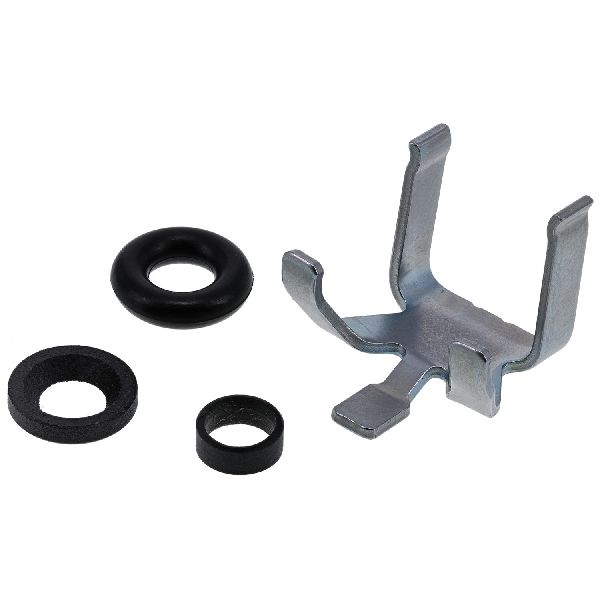
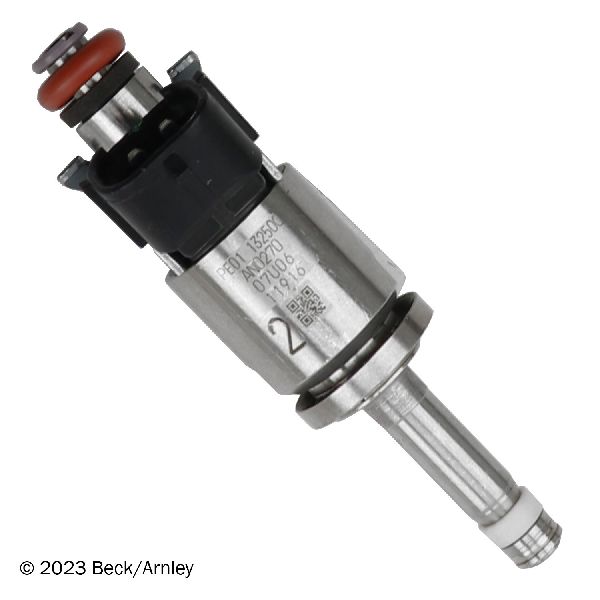
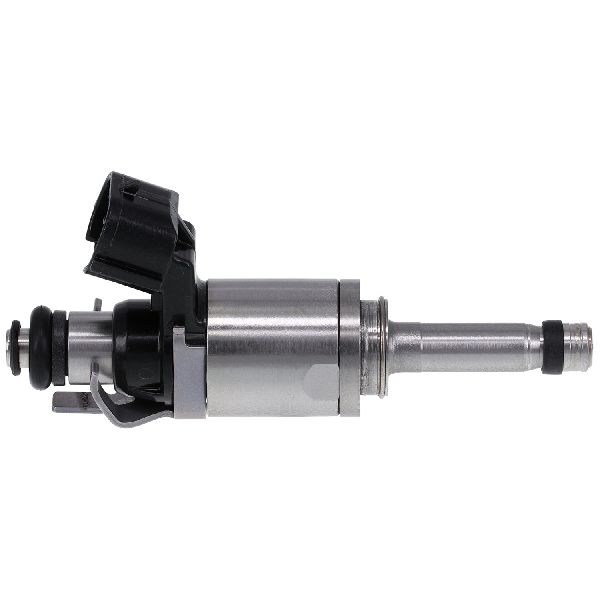
- Leaking Fuel Injector(s) 🔴 High Probability → Shop Fuel Injector This is a well-documented issue on SKYACTIV-G direct injection engines. The high-pressure injectors can fail and leak fuel directly into the cylinder when closed.
How to confirm: This is almost always accompanied by a cylinder-specific misfire code (e.g., P0301, P0302, P0303, P0304). Inspect the spark plug for the corresponding cylinder; it will likely be black, sooty, and wet with fuel. A professional can perform an injector balance test, but swapping the suspect injector to another cylinder and seeing if the misfire code follows is a common DIY diagnostic method.
Typical fix: Replace the faulty fuel injector and its seals. It is often recommended to replace all four injectors at the same time, especially on higher mileage vehicles. Using a bottle of quality fuel injector cleaner like Techron has been reported in forums to sometimes resolve the issue, suggesting minor deposit buildup can cause leaks.
Est. part cost: $50-$150 per injector (aftermarket), $180-$270 per injector (OEM) - Dirty or Faulty Mass Airflow (MAF) Sensor 🟡 Medium Probability → Shop Fuel Injection Air Flow Meter The MAF sensor measures the amount of air entering the engine. If it's dirty from oil vapor or debris, it can under-report airflow, causing the PCM to inject too much fuel.
How to confirm: With the engine off, unplug and inspect the sensor. It can be cleaned using a dedicated MAF sensor cleaner spray. A scan tool can monitor the MAF reading in grams/second to see if it's within the expected range at idle and under load. A faulty aftermarket MAF sensor has been reported to cause a P0172 immediately after installation.
Typical fix: Clean the MAF sensor with a specific MAF sensor cleaner. 🎬 Watch: How to safely clean your MAF sensor If cleaning doesn't resolve the issue, the sensor needs to be replaced. Ensure the air filter housing is properly sealed after inspection.
Est. part cost: $10 for cleaner, $70-$200 for a new sensor - Fuel-Contaminated Engine Oil 🟡 Medium Probability As per Mazda TSB SA-026/18, frequent short trips prevent the engine from reaching full operating temperature, allowing fuel to seep past the piston rings and dilute the oil. This is a known characteristic of some direct injection engines. When a long trip is finally taken, the fuel vapor is pulled through the PCV system, creating a rich condition.
How to confirm: Check the oil level on the dipstick. If it's over the full mark and smells strongly of gasoline, the oil is likely contaminated. This is the first check to perform before replacing parts.
Typical fix: Perform an oil and filter change. Adjust driving habits to include longer trips (20-30 minutes) that allow the engine to fully warm up and burn off fuel contaminants.
Est. part cost: $40-$80 for oil and filter - Faulty Upstream Oxygen (A/F) Sensor ⚪ Low Probability → Shop Oxygen Sensor
How to confirm: A failing A/F sensor might get 'stuck' reading lean, tricking the PCM into adding more fuel and creating a rich condition. A scan tool can be used to graph the O2 sensor's voltage; it should switch rapidly between approximately 0.1 and 0.9 volts. A slow or stuck reading indicates a problem. Forum users strongly recommend using the OEM brand (Denso) for replacement, as other brands like Bosch have been reported to cause issues.
Typical fix: Replace the upstream oxygen sensor (Bank 1, Sensor 1).
Est. part cost: $80-$180
Rare But Worth Checking
- High Fuel Pressure: A failing high-pressure fuel pump (HPFP) or fuel pressure sensor could cause excessive fuel pressure. This is less common and would likely be accompanied by other codes, such as P0191 or P0192.
- Stuck Open EVAP Purge Solenoid Valve: → Shop Vapor Canister If the purge valve sticks open, it can allow unmetered fuel vapor from the charcoal canister to enter the intake manifold, causing a rich mixture, especially at idle. This can be tested by applying vacuum to the valve to see if it holds or by using a smoke machine.
- Intake Valve Carbon Buildup: While Mazda claimed SKYACTIV engines would resist carbon buildup, it is still a known long-term issue for these GDI engines. Severe buildup can affect airflow and cylinder efficiency, potentially contributing to rich or lean conditions or misfires. This typically occurs at higher mileage (over 60,000 miles) and may require manual cleaning (walnut blasting).
Diagnosis Steps
- Check for other stored DTCs. A misfire code (P030x) is a major clue pointing towards a leaking injector.
- Inspect the engine oil. Pull the dipstick and smell the oil. If it smells strongly of gasoline and the level is high, perform an oil change first, as per TSB SA-026/18.
- Inspect and clean the Mass Airflow (MAF) sensor. Use a dedicated MAF sensor cleaner and let it dry completely before reinstalling. Ensure the airbox is properly sealed.
- Analyze live data with a scan tool. Look at Short Term Fuel Trim (STFT) and Long Term Fuel Trim (LTFT). For P0172, you will see highly negative numbers (e.g., -15% or more) as the PCM tries to pull fuel.
- Inspect the spark plugs. Remove the plugs and check their condition. A plug that is black, sooty, or wet with fuel indicates a rich condition in that cylinder and points towards a leaking injector.
- Test the upstream O2 (A/F) sensor. Use a scan tool to graph its voltage to ensure it is switching correctly and not stuck. If replacing, use a Denso sensor.
- Test for a leaking fuel injector. If a specific cylinder's spark plug was fouled, that injector is the prime suspect. You can swap injectors between cylinders to see if the misfire code follows the injector. 🎬 See how a leaking injector causes these specific codes As a first step, some owners have had success clearing the code by using a high-quality fuel system cleaner.
- Check fuel pressure. This requires a specialized gauge for the high-pressure direct injection system and is best left to a professional if other steps don't identify the issue.
Parts You'll Likely Need
- Direct Fuel Injector
(OEM #PE01-13-250D (for 2.0L, may supersede to other numbers), L501-13-250 (for 2.5L))— A leaking fuel injector is a very common cause of P0172 on SKYACTIV-G engines, especially when paired with a misfire code.
Trusted brands: Mazda OE, Bosch, Standard Motor Products, GB Remanufacturing
OEM price range: $185-$265
Aftermarket price range: $50-$160 - Mass Airflow (MAF) Sensor
(OEM #PE01-13-215 or PYFS-13-215)— A dirty MAF sensor is a common cause of incorrect fuel trim readings. Cleaning is often the first step, but replacement may be necessary.
Trusted brands: Denso, Hitachi, Mazda OE
OEM price range: $150-$250
Aftermarket price range: $30-$150
Related Codes That Often Appear With This One
- P0300-P0304 — A cylinder-specific misfire code (e.g., P0304 for cylinder 4) appearing with P0172 is a strong indicator of a leaking fuel injector in that specific cylinder.
- P0421 — A persistent rich condition can overwhelm and eventually damage the catalytic converter, leading to a 'Catalyst Efficiency Below Threshold' code.
- U-series codes (e.g., U3003, U0428, U0140) — In some cases, a P0172 code can be accompanied by various communication (U-prefix) codes, potentially indicating an underlying electrical issue or a failing PCM, though this is rare.
Technical Service Bulletins (TSBs) & Recalls
- SA-026/18: 'ENGINE OIL DILUTED WITH FUEL CAUSES P0172:00'. Addresses how frequent short trips cause fuel to contaminate oil, leading to a rich code. Affects Mazda3, Mazda6, CX-3, CX-5, and others.
- Bulletin #01-019-18-3525: Notes that P0172:00 may be stored in the PCM memory, normally occurring during the fast idle immediately after starting the engine or after the fast idle lowers to normal.
- 05-004/16: Addresses harsh upshifts in the automatic transmission for some 2012-2015 models.
- SSP B6 / CSP13: Warranty extensions for infotainment 'ghost touch' issues.
Platform-Specific Known Issues
- TSB SA-026/18: Addresses P0172 caused by fuel dilution of engine oil due to frequent short-trip driving patterns. The recommended fix is an oil change and advising the customer on driving habits.
- TSB 01-019/18: For some early models, this TSB addresses improper PCM logic that could cause a rich condition at startup. The fix is a PCM software update.
- Bulletin #SA-026-18: Specifically mentions that after many short trips, when the vehicle is finally driven on a longer trip where the engine reaches normal operating temperature, the Check Engine Light may turn ON with DTC P0172:00.
Mechanic-Grade Diagnostic Values
- Long Term Fuel Trim (LTFT) — expected: Close to 0%, within +/- 10%. Failure: Consistently more negative than -12.5% to -25% will trigger the P0172 code.
- High-Pressure Fuel Pump (HPFP) Pressure — expected: Can range from 2,000 to 2,800 PSI, depending on engine load.. Failure: Pressure significantly above or below the PCM's target value may indicate a failing pump or sensor.
- Upstream Oxygen (A/F) Sensor Voltage — expected: Should fluctuate rapidly between approximately 0.1V and 0.9V in closed loop.. Failure: A sensor that is stuck high (e.g., >0.8V) or switches very slowly indicates a fault.
Scan Tool Commands That Help
- Mazda IDS (or equivalent high-level scanner): Fuel Injector Balance Test — To electronically measure the pressure drop from each injector to identify a leaking or clogged one without physically removing them first.
- Mazda IDS (or equivalent high-level scanner): EVAP Purge Solenoid On/Off Command — To command the purge valve open and closed while monitoring fuel trims or using a smoke machine to confirm if it is sealing correctly.
Wiring & Ground Locations
- G01 — Near the left (driver's side in US) headlight.. This is a primary chassis ground point. A corroded or loose connection here can affect various systems, including the DSC HU/CM and lighting, potentially creating electrical noise that could interfere with sensor readings.
- G02 — Left side of the engine compartment.. This is a key engine-area ground. A poor connection could affect the PCM and other critical engine sensors that rely on a solid ground reference for accurate readings.
- G08 — Left rear of the engine.. Another critical engine ground. Problems here could lead to erratic behavior from components like ignition coils or injectors, potentially contributing to a rich condition.
- G10 — Behind the left side of the dash.. This is an important interior ground point. A fault here could affect the instrument cluster, data link connector, and PCM, leading to communication errors or incorrect data.
Real Owner Repair Stories
- YouTube channel 'Pine Hollow Auto Diagnostics' (2012 Mazda 3) — Check engine light with P0172, rough/weak idle when warm.
❌ Tried (didn't work) Owner replaced the upstream O2 sensor (mechanic said it was bad)., Owner cleaned the MAF sensor.
✅ What actually fixed it The aftermarket MAF sensor the owner had installed was faulty out of the box. Replacing it with a different, new MAF sensor resolved the highly negative fuel trims and fixed the P0172 code. - YouTube channel 'The Auto Guide' (2018 Mazda 3) — P0172 code, customer complained of a misfire-like feeling.
❌ Tried (didn't work) Blocking off the EVAP purge valve line had no effect on fuel trims, ruling it out.
✅ What actually fixed it The technician noted the customer had a very short commute. After checking the oil and finding no strong fuel smell, he suspected a dirty MAF sensor. Cleaning the MAF sensor with dedicated cleaner and clearing the codes resolved the negative fuel trims. - NHTSA ODI #11244384 — An owner reported a check engine light with P0172 and P013A (downstream O2 slow switch). Two days later, the vehicle stalled twice, both times immediately after starting.
OEM Part Supersession History
PE01-13-250B, PE01-13-250C, PEAR-13-250→PE01-13-250D— Standard revision and consolidation of part numbers for the 2.0L SKYACTIV-G fuel injector.
Model Year Variations Within This Range
- 2012-2013: These models were the first to introduce the SKYACTIV-G engine and transmission but were built on the older Ford C1 platform (shared with the Ford Focus). They are considered a 'partial' Skyactiv vehicle. The engine bay packaging, including the lack of space for the tuned 4-2-1 exhaust header found on later models, is a key difference.
- 2014-2018: These models are 'full' Skyactiv vehicles, using Mazda's own chassis, body, and electronics. They feature a more complete implementation of the technology, including the 4-2-1 exhaust header, a different body structure, and updated infotainment and safety systems. While the P0172 causes are similar, part numbers for sensors and modules may differ from the 2012-2013 generation.
Diagnostic Flowchart
Other Known Issues on This Vehicle
Issues unrelated to this code that are worth knowing about as an owner of this generation:
- Infotainment 'Ghost Touch' and Malfunctions 🟠 Medium — Very common on 2014-2018 models. The screen registers phantom touches, making it unusable. Often worsens in heat. (Ref: Mazda issued a warranty extension (not a TSB or recall) under Special Service Program (SSP) B6 for 2014-2016 models and CSP13 for later models, covering replacement of the display or Connectivity Master Unit (CMU) for this specific issue.)
- Intake Valve Carbon Buildup 🟠 Medium — An inherent characteristic of all direct injection (GDI) engines, including SKYACTIV-G. Buildup becomes notable after 50,000-60,000 miles and can eventually cause misfires (e.g., P0302). Not all engines will have performance issues, but it is a known long-term maintenance item.
- Automatic Transmission Issues (Mainly 2012-2014) 🟠 Medium — More prevalent on early SKYACTIV models (2012-2014). Owners report harsh shifting, delayed engagement from a stop, and sometimes outright failure. Later models in this range appear less affected. (Ref: Mazda USA issued TSB 05-004/16 for some 2012-2015 models for harsh 3-4 and 4-5 upshifts, addressed with a PCM reflash.)
- Leaking Accessory Belt Tensioner 🟡 Low — A commonly reported failure point on the 3rd generation (2014-2018). The hydraulic tensioner leaks fluid, leading to a rattling noise and eventual failure to maintain belt tension.
Used vs. New Parts: Buying Guide for This Vehicle
When a used part is the smart pick: For this vehicle and code, used parts are generally not recommended for the primary electronic and fuel system components that cause P0172. The risk of getting a part with the same or a different fault is high. A used EVAP purge valve or engine cover might be acceptable, but not the core diagnostic parts.
Donor-vehicle mileage cap: roughly under 50000 miles for the part to have meaningful remaining life.
What to inspect on the donor part:
- For any used part, verify the donor car was not involved in a front-end collision.
- Check for signs of corrosion, especially on electrical connectors.
- Ask for the VIN of the donor car to check its service history if possible.
OEM-only on this vehicle (don't cheap out):
- Mass Airflow (MAF) Sensor: Aftermarket MAF sensors are notoriously problematic for this platform and can cause P0172 codes right out of the box. Sticking with OEM (Denso or Mazda branded) is strongly advised.
- Upstream Oxygen (A/F) Sensor: Similar to the MAF, these engines are very sensitive to the A/F sensor's accuracy. Using a non-OEM brand like Bosch has been reported to cause persistent issues. Use Denso or NTK.
Aftermarket brands forum-validated for this vehicle:
- Denso (for MAF and O2 Sensors - often the OEM supplier)
- Hitachi (for MAF sensors)
- NTK (for O2 sensors)
Brands owners have reported issues with on this vehicle:
- Unbranded/generic eBay or Amazon MAF sensors.
- Bosch (for Oxygen/AF sensors on this specific platform, based on forum reports of incompatibility).
Real Owner Stories
Aggregated from forums and TSBs cited above. Mileages and costs reflect what owners reported in those sources.
2014 Mazda CX-5 SKYACTIV-G — 130000 miles
Symptoms: First check engine light (P0172) appeared at high mileage.
What fixed it: The owner resolved the issue by using a strong fuel injector cleaner (Berryman B12) to address dirty or leaky injectors.
Source hint: https://www.mazdas247.com/forum/index.php?threads/130k-miles-on-a-2014-cx-5-first-check-engine-light-p0172.123873506/
2012-2018 Mazda 3 SKYACTIV-G
Symptoms: Engine oil level is over the full mark on the dipstick and smells strongly of gasoline; P0172 code present.
What fixed it: Performed an oil and filter change and adjusted driving habits to include longer trips (20-30 minutes) to burn off fuel contaminants as per manufacturer guidance.
Source hint: TSB SA-026/18: 'ENGINE OIL DILUTED WITH FUEL CAUSES P0172:00'
2017 Mazda 3
Symptoms: Infotainment system experiencing 'ghost touch' issues where the screen operates on its own.
What fixed it: The owner sought a warranty extension repair, though they noted frustration that their specific model year was not initially covered by the SSP B6 / CSP13 extension.
Source hint: https://www.reddit.com/r/mazda3/comments/r35g15/mazda_will_not_replacefix_touchscreens_with_the/
Related OBD-II Codes
Frequently Asked Questions
Does Mazda TSB SA-026/18 apply to my 2012-2018 Mazda 3?
My Mazda 3 has a P0172 and a P0301 code; are they related?
Can I use a Bosch oxygen sensor to fix the P0172 on my Mazda?
Is there a software update for the rich condition on early Mazda 3 SKYACTIV models?
Why does my oil smell like gas and the level is above the full mark?
Will cleaning the MAF sensor fix my P0172 code?
Helpful Videos

We Have This Part in Stock



The information in this article is provided for general reference and educational purposes only. Vehicle specifications, procedures, and part compatibility can vary by production date, trim level, and region. Always consult your vehicle's factory service manual and verify part numbers before purchasing or performing repairs. Safety-critical components such as airbags, seat belts, and braking systems should be installed by a qualified professional.
- Mazda 3:
- 🧭 Diagnostic Flowchart
- 🎬 Helpful Videos
- 🛍️ Shop This Part
- What's Unique About the 2012-2018 Mazda 3
- Symptoms You May Notice
- Most Likely Causes
- Rare But Worth Checking
- Diagnosis Steps
- Parts You'll Likely Need
- Related Codes That Often Appear With This One
- Technical Service Bulletins (TSBs) & Recalls
- Platform-Specific Known Issues
- Mechanic-Grade Diagnostic Values
- Scan Tool Commands That Help
- Wiring & Ground Locations
- Real Owner Repair Stories
- OEM Part Supersession History
- Model Year Variations Within This Range
- Other Known Issues on This Vehicle
- Used vs. New Parts: Buying Guide for This Vehicle
- Real Owner Stories
- 2014 Mazda CX-5 SKYACTIV-G — 130000 miles
- 2012-2018 Mazda 3 SKYACTIV-G
- 2017 Mazda 3
- Related OBD-II Codes
- Frequently Asked Questions
- 🎟️ Get 5% Off