

P0174 on 2016-2020 Acura MDX: System Too Lean (Bank 2) Causes and Fixes
P0174 on a 2016-2020 MDX indicates the front cylinder bank (Bank 2) is running lean. While vacuum leaks are a possible cause, this platform is subject to Acura Service Bulletin 22-013, which identifies faulty fuel injectors as a very common root cause. Diagnosis often involves checking for related codes like P0171, P030x, and P219B, which strongly point towards the injector issue detailed in the TSB.
- P0174 on a 2016-2020 MDX means the front cylinder bank is getting too much air or not enough fuel.
- While vacuum leaks are a possible cause, pay special attention to the fuel injectors, as Acura TSBs identify them as a known problem area for this code.
- The code is often seen with P0171 (the other bank), misfire codes (P030x), and fuel balance codes (P219B).
- Diagnosis should start with the basics (visual inspection, smoke test for vacuum leaks) before moving to more complex components like the A/F sensor or fuel injectors.
- Do not ignore this code, as it can lead to more severe engine or catalytic converter damage over time.
What's Unique About the 2016-2020 Acura MDX
The 2016-2020 MDX uses a direct-injected 3.5L J35Y5 V6 engine. While common lean code causes like vacuum leaks apply, this specific platform and its relatives (Acura TLX, RLX, and Honda Pilot) are subject to Acura Technical Service Bulletin (TSB) 22-013. This bulletin directly addresses a known issue where debris from the manufacturing process of the high-pressure fuel pump or injectors can cause the fuel injectors to clog or fail. This failure leads to lean codes (P0171/P0174), misfire codes (P030x), and air-fuel ratio imbalance codes (P219A/B), making the fuel injectors a primary suspect over more common causes.
Diagnostic Flowchart
Tap your situation to follow the diagnostic path that matches what you're seeing on this vehicle.
Symptoms You May Notice
- Check Engine Light (Malfunction Indicator Lamp) is on
- A "Check Emission System" message on the dashboard display
- Rough or unstable idle
- Engine hesitation or stumbling during acceleration
- Reduced fuel economy
- Engine running rougher than usual, especially when cold
- Replacing the oxygen sensor (A/F sensor) without first checking for vacuum leaks or considering the fuel injector TSB. An A/F sensor is more likely to be correctly reporting a lean condition than to be the cause of it.
- Replacing only one fuel injector. The issue described in TSB 22-013 affects all original injectors, and replacing only the one that has failed completely will likely lead to another failure soon after.
Most Likely Causes
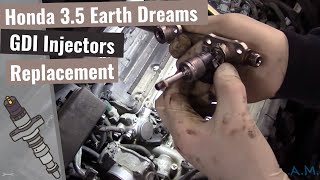
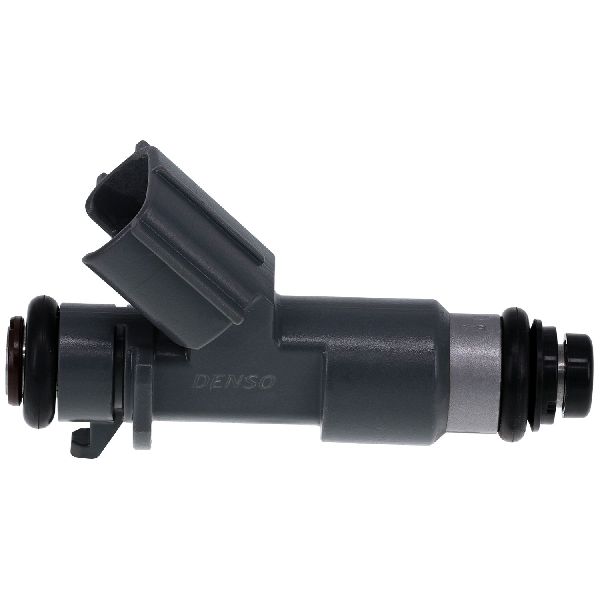
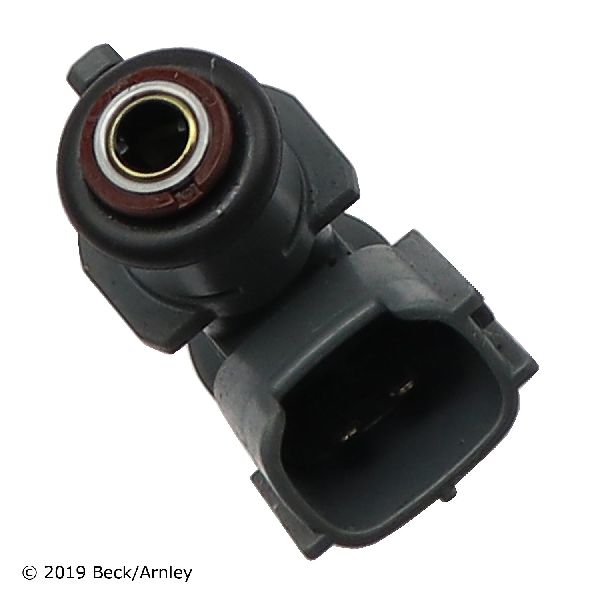
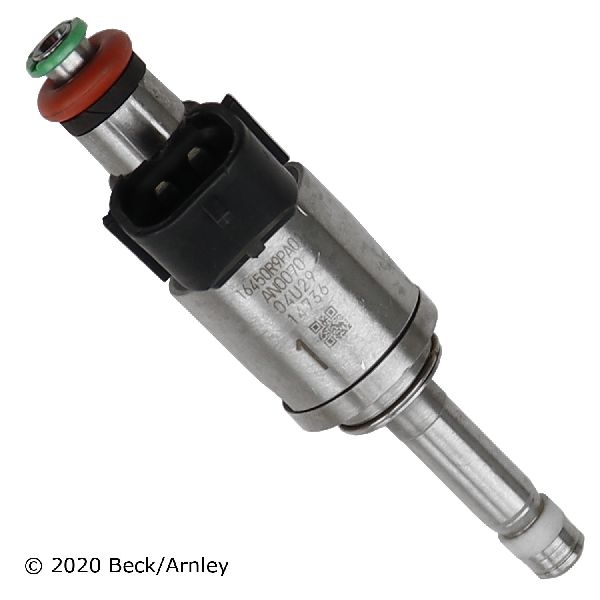
- Faulty Fuel Injectors 🔴 High Probability → Shop Fuel Injector Acura issued Service Bulletin 22-013 specifically for this issue on 2016-2020 MDX models (among others). It states that debris from the high-pressure pump or original injector manufacturing can cause injectors to clog or fail, leading to lean conditions and misfires. This is the most well-documented, vehicle-specific cause.
How to confirm: A professional diagnosis following TSB 22-013 is the best method. This involves checking for the specific combination of codes (P0171/P0174, P030x, P219A/B), and potentially performing a fuel injector balance test. High positive fuel trims on one or both banks that do not change with RPM often point to an injector issue rather than a vacuum leak.
Typical fix: Replace all six fuel injectors with the updated part number kit. TSB 22-013 recommends replacing the entire set to ensure balanced fuel delivery and prevent future failures of the other original injectors.
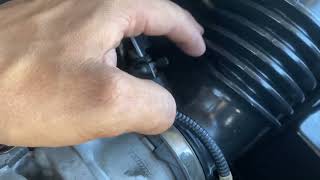
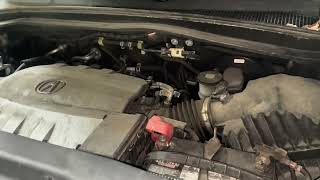
Est. part cost: $1200-$1800 for the OEM injector kit - Vacuum Leak 🟡 Medium Probability A common issue on all vehicles. The rubber air intake tube (Part No. 17228-5J6-A00 for 2014-2015 models, check VIN for 2016+ fitment) between the air filter box and the throttle body 🎬 Watch: How to find and fix a common intake hose leak. can crack, allowing unmetered air into the engine. PCV hoses and intake manifold gaskets can also degrade and leak.
How to confirm: Perform a visual inspection of all intake and vacuum hoses for cracks or disconnections. The most effective method is to use a smoke machine to introduce smoke into the intake system and watch for where it leaks out. A DIY method involves carefully spraying brake cleaner or a propane torch (unlit) near suspected leak points; a change in engine idle indicates a leak.
Typical fix: Replace the cracked hose or faulty gasket.
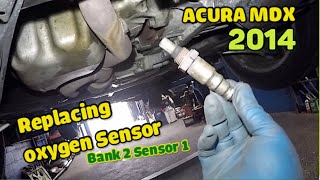
Est. part cost: $30-$100 - Faulty Air/Fuel Ratio Sensor ⚪ Low Probability → Shop Oxygen Sensor
How to confirm: Monitor the sensor's voltage readings with an OBD-II scan tool. A lazy or non-responsive sensor will not fluctuate correctly. This sensor is Bank 2, Sensor 1 (the upstream sensor on the front cylinder bank). This is less likely if both P0171 and P0174 are present, as it's uncommon for both sensors to fail simultaneously.
Typical fix: Replace the Bank 2, Sensor 1 Air/Fuel Ratio sensor.
Est. part cost: $100-$200 - Dirty or Faulty Mass Airflow (MAF) Sensor ⚪ Low Probability → Shop Fuel Injection Air Flow Meter
How to confirm: The MAF sensor can be carefully removed and cleaned with a dedicated MAF sensor cleaner. If fuel trims are high on both banks and cleaning doesn't help (with no vacuum leaks found), the sensor may be faulty. A Reddit user with a 2016 MDX reported fixing P0171/P0174 by replacing the MAF sensor.
Typical fix: Clean the MAF sensor. If cleaning fails, replace the sensor.
Est. part cost: $10-$20 for cleaner, $150-$250 for a new sensor
Rare But Worth Checking
- Low Fuel Pressure: A weak high-pressure fuel pump or clogged fuel filter can cause a lean condition on both banks (P0171 and P0174). If only P0174 is present, this is less likely but still possible. The TSB notes that debris can come from the high-pressure pump.
- Exhaust Leak: A crack or leak in the exhaust manifold or pipe before the Bank 2 A/F sensor can draw in outside air, causing a false lean reading.
- Clogged EGR Valve: One owner of a 2015 MDX reported chasing lean codes and eventually replacing a heavily caked EGR valve as a potential solution after trying other common fixes.
Diagnosis Steps
- Read all stored fault codes with an OBD-II scanner. Note if other codes like P0171, P030x, or P219A/B are present, as this combination strongly suggests the fuel injector issue outlined in TSB 22-013.
- Check live data for Long Term Fuel Trim (LTFT) and Short Term Fuel Trim (STFT) for both Bank 1 and Bank 2. High positive numbers (e.g., >15%) on Bank 2 confirm the lean condition. If both banks are high, the cause is likely systemic.
- Thoroughly inspect the air intake hose between the air filter and throttle body for cracks or loose connections. This is a common failure point for vacuum leaks.
- Inspect all accessible vacuum hoses for cracks, brittleness, or disconnection.
- For a definitive diagnosis of vacuum leaks, perform a smoke test on the intake manifold and vacuum system.
- If no vacuum leaks are found, inspect and clean the Mass Airflow (MAF) sensor using a dedicated cleaner.
- If the issue persists, especially with the combination of codes from Step 1, the problem is highly likely to be the fuel injectors. The repair involves replacing all six injectors according to the procedure in TSB 22-013. This is best performed by a professional.
- While less likely, you can also test fuel pressure to rule out a pump issue and test the Bank 2, Sensor 1 (Air/Fuel Ratio) sensor's operation using a scan tool to check for proper voltage fluctuation.
Parts You'll Likely Need
- Fuel Injector Set
(OEM #06160-5J6-A00 (Injector Kit))— Acura Service Bulletin 22-013 identifies faulty fuel injectors as the primary cause of P0174 and related codes. The fix requires replacing all six with an updated part set.
Trusted brands: Acura OE
OEM price range: $1500-$1800
Aftermarket price range: $500-$900 - Air/Fuel Ratio Sensor (Bank 2, Sensor 1)
(OEM #36531-5J6-A01)— This is the primary sensor that detects the lean condition. If it becomes slow or fails, it can send incorrect data, causing the code. Bank 2 Sensor 1 is the upstream sensor on the front (radiator side) bank.
Trusted brands: Denso, NTK
OEM price range: $200-$280
Aftermarket price range: $100-$200 - Intake Air Duct / Hose
(OEM #17228-5J6-A00)— The flexible rubber hose can crack with age and heat, creating a significant vacuum leak which is a classic cause for lean codes. Note: This part number is confirmed for 2014-2015 models; verify fitment for 2016+ with VIN.
Trusted brands: Acura OE
OEM price range: $50-$80
Aftermarket price range: $30-$60
Related Codes That Often Appear With This One
- P0171 — System Too Lean (Bank 1). This code for the rear bank often appears with P0174. When both are present, it points to a systemic issue like a large vacuum leak, MAF sensor problem, or, most notably for this vehicle, the faulty fuel injectors described in TSB 22-013.
- P0300-P0306 — Cylinder Misfire Detected. A severe lean condition prevents proper combustion, leading to misfires. Acura TSB 22-013 explicitly groups these misfire codes with the lean codes as the primary symptoms of the injector problem.
- P219B — Air-Fuel Ratio Variation of Cylinder (Bank 2). This code indicates an imbalance between the cylinders on Bank 2 and is often caused by a faulty fuel injector, directly supporting the TSB findings. P219A is the equivalent for Bank 1.
Technical Service Bulletins (TSBs) & Recalls
- Acura Service Bulletin 22-013: Addresses MIL on with DTCs P0300, P0301-P0306, P0171, P0174, P219A, or P219B. It identifies the cause as faulty fuel injectors and prescribes replacing all six. This supersedes earlier parts investigation requests like BTI&05102022901.
Platform-Specific Known Issues
- Acura Service Bulletin 22-013: Fuel Injector Failure: → Shop Fuel Injector Acura released TSB 22-013 for 2016-2020 MDX, 2015-2020 TLX, and 2016-2020 RLX models. It addresses a condition where the MIL comes on with codes P0171/P0174, P030x, and/or P219A/B. The cause is identified as potential debris from the high-pressure fuel pump or original injector manufacturing process causing injectors to fail. The official repair is to replace all six fuel injectors with an updated part kit (06160-5J6-A00). This is the most critical vehicle-specific issue for this code.
Mechanic-Grade Diagnostic Values
- High-Pressure Fuel System Pressure — expected: Approximately 2,000-3,000 psi. Failure: Significantly lower pressure readings under load, which may indicate a failing High-Pressure Fuel Pump (HPFP).
- Long-Term Fuel Trim (LTFT) Live Data — expected: Ideally close to 0%, within +/- 10%.. Failure: Sustained positive values greater than +20% to +25% indicate the ECM is adding a large amount of fuel to compensate for a lean condition, triggering the code.
Scan Tool Commands That Help
- Acura HDS (Honda Diagnostic System) or equivalent professional scanner: CKP (Crank Pattern) Learn — After major engine work, such as replacing the engine, to allow the ECU to sync with the new rotating assembly.
- Acura HDS (Honda Diagnostic System) or equivalent professional scanner: Clear VCM Adaptation Values / Reset Fuel Trims — After replacing fuel system components like injectors, to force the ECU to relearn the fuel delivery strategy from a baseline, preventing rough running or performance issues.
Wiring & Ground Locations
- G201 — Left front of the engine compartment.. A poor ground at this location can affect various engine sensors and control units, potentially leading to incorrect readings and phantom codes. This ground is shared by multiple components in the engine bay.
- G202 / G203 — Right front of the engine compartment.. Similar to G201, these grounds are critical for the proper functioning of components on the right side of the engine bay. Ensuring a clean, tight connection is a key step in diagnosing complex electrical issues.
- G402 — Located in the left kick panel area, inside the cabin.. This interior ground point serves various control modules. While less likely to be the primary cause for a lean code, a fault here could cause communication issues between modules that interpret engine data.
"I Checked Everything" — The Actual Cause
- In situations where a smoke test finds no vacuum leaks, the root cause may be related to fuel delivery. On other vehicles, owners have reported chasing P0171/P0174 codes with no vacuum leaks present, only to find the final culprit was a weak fuel pump unable to provide adequate pressure under load. This highlights the importance of performing a fuel pressure test if no air leaks are evident.
OEM Part Supersession History
16790-5J6-A01, 16790-R9P-A01, 16790-R9S-A01→16790-5J6-305— Part revision and consolidation by the manufacturer for the High Pressure Fuel Pump Assembly.
Model Year Variations Within This Range
- 2017-2020: The 2017 model year introduced a major refresh, including a new grille, a 9-speed automatic transmission (replacing the previous 6-speed), and the AcuraWatch safety suite as standard. However, the standard non-hybrid powertrain remained the 3.5L J35Y5 V6, meaning the causes and fixes for P0174 are consistent across the 2016-2020 range for non-hybrid models.
Helpful Videos
We Have This Part in Stock


The information in this article is provided for general reference and educational purposes only. Vehicle specifications, procedures, and part compatibility can vary by production date, trim level, and region. Always consult your vehicle's factory service manual and verify part numbers before purchasing or performing repairs. Safety-critical components such as airbags, seat belts, and braking systems should be installed by a qualified professional.
- Acura MDX:
- 🧭 Diagnostic Flowchart
- 🎬 Helpful Videos
- 🛍️ Shop This Part
- What's Unique About the 2016-2020 Acura MDX
- Symptoms You May Notice
- Most Likely Causes
- Rare But Worth Checking
- Diagnosis Steps
- Parts You'll Likely Need
- Related Codes That Often Appear With This One
- Technical Service Bulletins (TSBs) & Recalls
- Platform-Specific Known Issues
- Mechanic-Grade Diagnostic Values
- Scan Tool Commands That Help
- Wiring & Ground Locations
- "I Checked Everything" — The Actual Cause
- OEM Part Supersession History
- Model Year Variations Within This Range
- 🎟️ Get 5% Off