

P0174 on 2004-2008 Acura TL: System Too Lean Bank 2 Causes and Fixes
On a 2004-2008 Acura TL, code P0174 is most often caused by a vacuum leak from cracked hoses, a torn intake air duct, or a faulty PCV valve. A failing Bank 2 Air/Fuel Ratio sensor is also common. A smoke test is the best way to find leaks. For 2007-2008 Type-S models, an ECU software update (TSB 08-043) may be required. Expect to spend $10-$60 on hoses or up to $180 for a new sensor.
- P0174 on a 2004-2008 TL means the front bank of the engine (Bank 2) is running lean.
- The most likely cause is a vacuum leak from an old, cracked rubber hose or a bad PCV valve.
- If no vacuum leaks are found, the next most likely culprit is a failing Bank 2 Air/Fuel Ratio (O2) sensor.
- For 2007-2008 Type-S models, an ECU software update (TSB 08-043) may be required if no physical fault is found.
- Do not ignore this code, as it can lead to poor fuel economy and expensive catalytic converter damage.
What's Unique About the 2004-2008 Acura TL
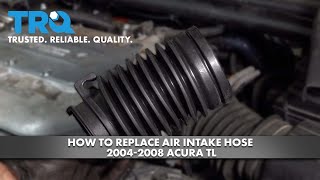
The J-series V6 engines in the third-generation TL are generally very reliable, but like many engines of this era, they are susceptible to vacuum leaks as rubber and plastic components age. Forum discussions among 2004-2008 TL owners frequently point to simple vacuum hoses, the PCV valve, or a lazy Air/Fuel Ratio sensor as the primary culprits. A cracked intake air boot is another extremely common cause. 🎬 Watch: How to replace a cracked air intake hose. These issues are more prevalent than more complex problems like fuel injectors, which became a known problem on later direct-injection Acura V6s. Additionally, for the 2007-2008 TL Type-S, Acura released a Technical Service Bulletin (TSB 08-043) for an ECU software update to address erroneous P0171/P0174 codes set by a sensitive PCM, which should be considered if no physical faults are found.
Symptoms You May Notice
- Check Engine Light is on
- Rough or unstable idle
- Hesitation or stumbling during acceleration
- Reduced fuel economy
- In some cases, an 'Check Emissions System' message may appear on the multi-information display
- A faint hissing sound from the engine bay at idle, indicating a vacuum leak.
- Replacing the O2 sensor without confirming it's faulty. The sensor is often correctly reporting a lean condition caused by a vacuum leak. Always perform a smoke test first.
- Replacing fuel injectors when the actual cause is a simple and cheap vacuum leak from a cracked hose or intake boot.
- Cleaning the wrong sensor. These vehicles have a MAP sensor, not a MAF sensor. Cleaning the MAP sensor is sometimes attempted but is less likely to resolve a lean issue than finding a vacuum leak.
Most Likely Causes
- Vacuum Leak (Cracked Hoses, PCV Valve, Intake Boot) 🔴 High Probability Rubber hoses and plastic fittings become brittle with age and heat cycles, leading to cracks. The PCV valve is a common failure point that creates a significant vacuum leak. The ribbed intake air duct is notorious for developing cracks in its folds, allowing unmetered air to enter past the MAP sensor.
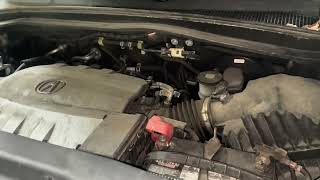
How to confirm: Visually inspect all vacuum lines, especially the PCV hose and intake air duct, for cracks. Perform a smoke test to find leaks that are not visible. 🎬 Watch: How to find vacuum leaks using an air compressor. You can also carefully spray brake cleaner or a propane torch (unlit) around suspected areas while the engine is idling; a change in engine RPM indicates a leak. Pay close attention to the intake manifold gaskets, which can leak when the engine is cold and seal up when warm.
Typical fix: Replace the cracked hose(s), faulty PCV valve, or torn intake air duct.
Est. part cost: $10-$60 - Faulty Bank 2 Air/Fuel Ratio Sensor (Sensor 1) 🟡 Medium Probability → Shop Oxygen Sensor Air/Fuel Ratio sensors (a type of wideband oxygen sensor) have a finite lifespan of around 100k-150k miles. They can become 'lazy' or biased with age, sending inaccurate lean readings to the ECU even when the air/fuel mixture is correct.
How to confirm: Use a scan tool to monitor the live data stream for the Bank 2, Sensor 1 voltage. A healthy sensor will show rapidly fluctuating voltage. A sensor that is stuck, slow to respond, or has a consistently low voltage reading is likely faulty. Swapping the Bank 1 and Bank 2 sensors can also confirm the diagnosis; if the code switches to P0171 (Bank 1 Lean), the sensor is bad.
Typical fix: Replace the Bank 2, Sensor 1 Air/Fuel Ratio sensor. It is located on the front exhaust manifold (near the radiator), making it the easier of the two upstream sensors to access.
Est. part cost: $80-$180 - Dirty or Clogged Fuel Injectors ⚪ Low Probability → Shop Fuel Injector While less common on this generation than on later direct-injection models, fuel injectors can become restricted over time from fuel deposits. This can lead to poor fuel delivery on one or more cylinders in Bank 2, causing a localized lean condition.
How to confirm: This is more difficult to confirm without professional tools. A scan tool with advanced capabilities may show fuel trim data per cylinder. An injector balance test is the definitive method. As a preliminary step, using a high-quality fuel system cleaner (like Techron or Seafoam) and observing if the code disappears temporarily can suggest this is the issue.
Typical fix: Professionally clean the fuel injectors or replace the faulty ones. It is often recommended to replace them as a set if one fails.
Est. part cost: $50-$150 per injector - ECU Software Update Needed (2007-2008 Type-S) ⚪ Low Probability Acura issued TSB 08-043 because the original PCM software on some Type-S models was overly sensitive and could misinterpret sensor inputs, incorrectly setting P0171 and P0174 codes when no mechanical fault existed.
How to confirm: An Acura dealership or a shop with a Honda Diagnostic System (HDS) can check your vehicle's VIN to see if the software update has been performed. This should be the last resort after all physical causes like vacuum leaks and sensor faults have been ruled out. Some owners report the code returning even after the update, suggesting an underlying physical issue was missed.
Typical fix: The dealership or a qualified independent shop will re-flash the ECU with updated PGM-FI software.
Est. part cost: $150-$250
Rare But Worth Checking
- Weak Fuel Pump or Clogged Fuel Filter: → Shop Fuel Pump This would typically cause a lean condition on BOTH banks (P0171 and P0174). If only P0174 is present, this is less likely but still possible. A fuel pressure test at the fuel rail is needed for confirmation.
- Exhaust Leak: A crack or leak in the exhaust manifold or piping *before* the Bank 2 A/F sensor can draw in outside air, causing a false lean reading. This can be detected by a ticking noise from the exhaust manifold area, especially when the engine is cold.
- Faulty MAP Sensor: The TL uses a Manifold Absolute Pressure (MAP) sensor instead of a MAF sensor. A MAP sensor that is dirty or failing can send incorrect engine load data to the ECU, affecting fuel calculations for both banks. While it usually triggers both P0171 and P0174, a skewed reading could potentially affect one bank more than the other.
Diagnosis Steps
- Check for other stored DTCs. If P0171 is also present, focus on causes that affect both banks (fuel pressure, MAP sensor, large vacuum leak post-throttle body).
- Visually inspect the engine bay for obvious signs of cracked or disconnected vacuum hoses, especially the air intake duct between the air filter and throttle body. Flex the ribbed sections of the duct to reveal hidden cracks.
- Listen for a hissing sound at idle, which can indicate a vacuum leak.
- Using a scan tool, observe short-term (STFT) and long-term (LTFT) fuel trims for Bank 2 at idle and at 2500 RPM. High positive numbers (e.g., LTFT > +15%) confirm the lean condition. If STFT is high at idle but normalizes at higher RPM, a vacuum leak is highly likely.
- Perform a smoke test. This is the most effective way to pinpoint the location of a vacuum leak in the intake manifold, gaskets, or vacuum lines.
- If no vacuum leaks are found, inspect the Bank 2, Sensor 1 Air/Fuel Ratio sensor's operation via the scan tool's live data. Look for a lazy, non-responsive, or biased sensor reading.
- Check fuel pressure at the fuel rail using a fuel pressure gauge to rule out a weak pump or faulty regulator.
- If all else fails, especially on a 2007-2008 Type-S, contact an Acura dealer to investigate the status of TSB 08-043 for your VIN.
Parts You'll Likely Need
- PCV Valve and Hose
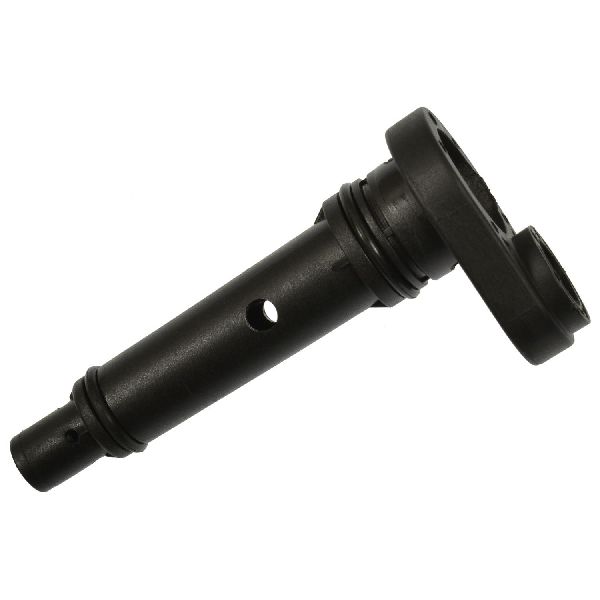
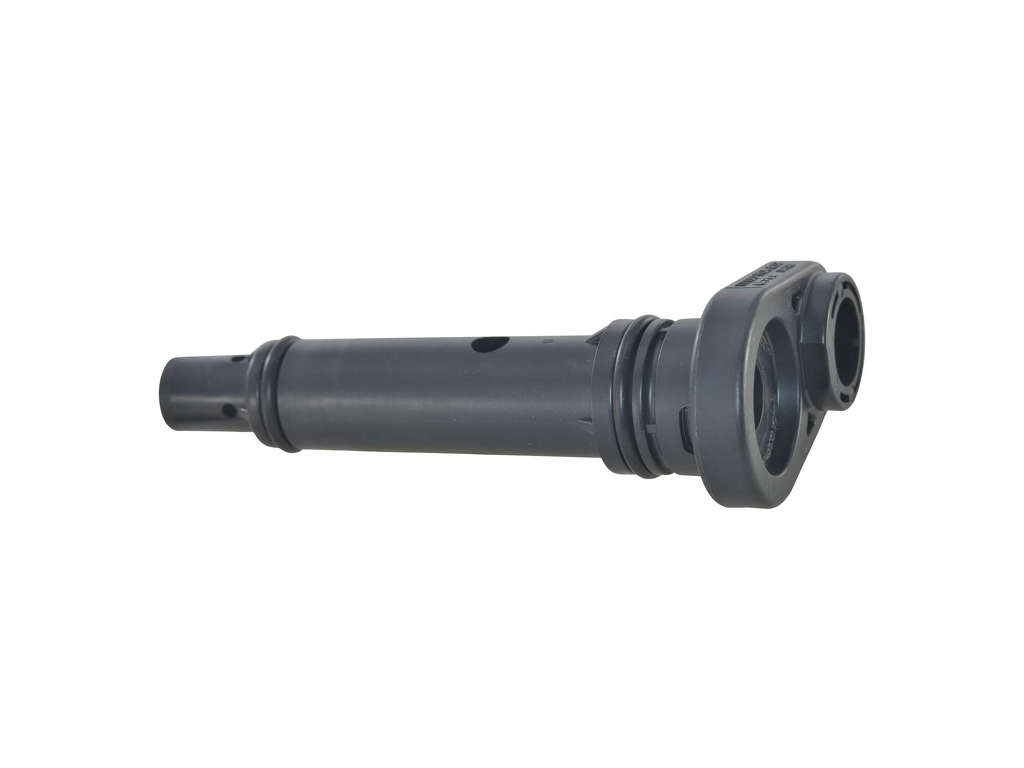
(OEM #17130-RCA-A02 (Valve), 17131-RCA-A00 (Hose))— The PCV valve and its hose are common failure points for vacuum leaks due to heat and age.
Trusted brands: Acura (OEM), Standard Motor Products
OEM price range: $20-$40
Aftermarket price range: $10-$25 - Bank 2, Sensor 1 Air/Fuel Ratio Sensor
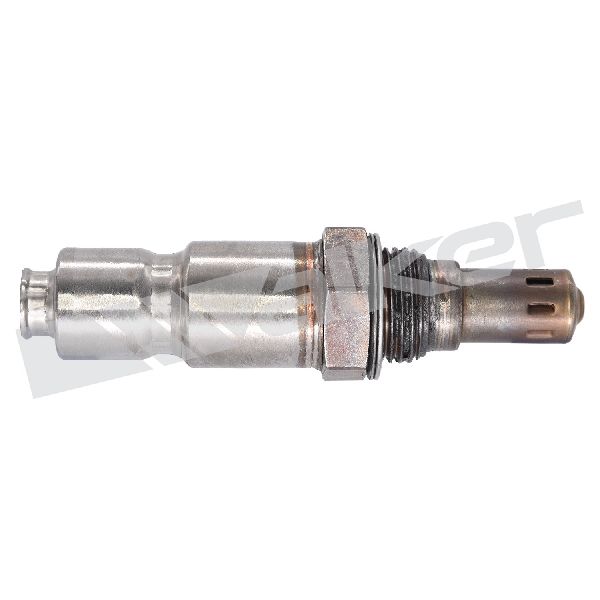
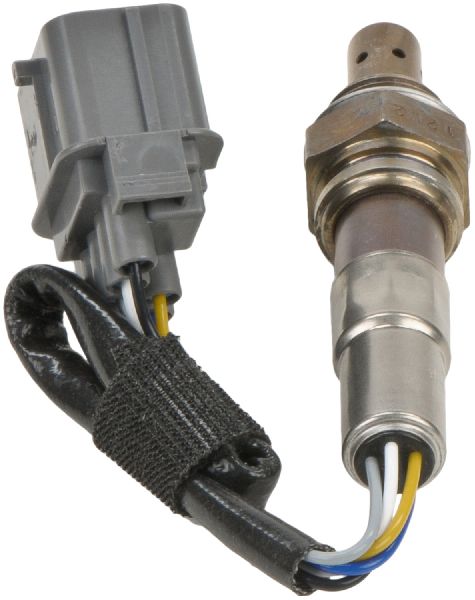
(OEM #36531-RDM-A01 (for Bank 2). Note: 36531-RCA-A02 is for Bank 1.)— This sensor provides the primary air/fuel reading for Bank 2. If it fails, it can send false lean signals. Denso is the OEM supplier.
Trusted brands: Denso (OEM supplier, Part # 234-9040), NGK/NTK
OEM price range: $180-$250
Aftermarket price range: $100-$160
Related Codes That Often Appear With This One
- P0171 — System Too Lean (Bank 1). If both P0171 and P0174 are present, it points to a problem affecting the entire engine, such as a large vacuum leak (e.g., intake manifold gasket, torn intake boot), a weak fuel pump, or a faulty MAP sensor.
- P0304, P0305, P0306 — Cylinder misfire on Bank 2 (Cylinders 4, 5, or 6). A severe lean condition can prevent proper combustion, leading to misfires on the cylinders of the affected bank.
Technical Service Bulletins (TSBs) & Recalls
- Acura TSB 08-043: Addresses MIL on with codes P0171/P0174 on 2007-2008 TL Type-S models, fixed by a PCM software update.
- Manufacturer Service Bulletin #BTI&04132022901: Notes that on various Acura models, P0171 and P0174 (Rear/Front Bank Fuel System Too Lean) may be stored alongside P030X cylinder misfire codes.
- Manufacturer Service Bulletin #BTI&05102022901: Describes a similar condition where the Malfunction Indicator Light (MIL) is triggered by P0171, P0174, or Air-Fuel Ratio Variation codes (P219A&B).
Platform-Specific Known Issues
- On 2007-2008 TL Type-S models, Acura TSB 08-043 was released to update the ECU software, which could incorrectly trigger P0171 and P0174 codes without a physical fault present. The TSB states the PCM may misinterpret inputs and the fix is a PGM-FI software update.
- The accordion-style intake air duct (Part # 17228-RCA-L00) is a very frequent point of failure. Cracks develop in the folds and are not always visible without flexing the tube, leading to a significant vacuum leak that is a primary cause of lean codes on this platform.
Mechanic-Grade Diagnostic Values
- Fuel Pressure at Fuel Rail — expected: 47-54 psi (This is a general Honda/Acura spec; a more specific source suggests 55-65 psi for similar platforms, which should be considered a strong indicator).. Failure: Pressure significantly below 47 psi indicates a weak fuel pump, clogged filter, or faulty regulator.
- Long Term Fuel Trim (LTFT) — expected: Ideally close to 0%, but up to +/- 8% is acceptable.. Failure: A code like P0174 is typically set when LTFT for Bank 2 exceeds +20% to +25%. Consistently high positive values (e.g., > +15%) confirm a persistent lean condition requiring investigation.
- Short Term Fuel Trim (STFT) at Idle vs. 2500 RPM — expected: STFT should fluctuate near 0%.. Failure: If STFT is high positive at idle (e.g., > +10%) but returns to near 0% at 2500 RPM, this is a classic symptom of a vacuum leak. The leak has a large effect at low RPM/low airflow but becomes insignificant at higher RPM/airflow.
Scan Tool Commands That Help
- Honda Diagnostic System (HDS) or equivalent professional scan tool: A/F Sensor Test — To directly test the response rate and accuracy of the Air/Fuel ratio sensor. The HDS can command fuel mixture changes and graph the sensor's reaction, definitively confirming if the sensor is lazy or biased.
- Honda Diagnostic System (HDS): Check TSB Status / PGM-FI Software Update — For 2007-2008 TL Type-S models, this is used to check if TSB 08-043 has been performed. If not, the tool is used to re-flash the ECU with the updated software that corrects for an overly sensitive P0171/P0174 trigger logic.
Wiring & Ground Locations
- Engine to Chassis Ground Strap — Located at the side motor mount (passenger side).. This is a primary engine ground. Corrosion or looseness here can cause a floating ground, leading to erratic sensor readings, including from the A/F ratio sensors, which can cause false lean codes.
- Transmission Mount Ground — Located near the transmission mount, behind and under the battery tray area.. Another critical ground point for the engine and transmission assembly. A corroded or loose connection here can affect sensor signals and PCM operation.
- Battery Negative to Chassis Ground — A short cable from the battery's negative terminal to the chassis, typically on the driver's side shock tower.. The main ground for the entire vehicle's electrical system. While less likely to cause a single-bank code, ensuring it's clean and tight is a fundamental step in any electrical diagnosis.
Real Owner Repair Stories
- YouTube user comment (2008 Acura TL Type-S, 143,000 miles) — Persistent P0171 and P0174 codes, sluggish performance.
❌ Tried (didn't work) Replaced spark plugs, Replaced PCV valve, Replaced MAP sensor, Checked for vacuum leaks, Replaced all four oxygen sensors
✅ What actually fixed it A valve adjustment performed by an Acura dealership. The owner also had the PCM updated and codes erased from the navigation system at the same time. The valve adjustment was the final repair that resolved the check engine light. - Reddit user r/AskAMechanic (2005 Acura TL) — P0171 and P0174 codes present.
❌ Tried (didn't work) Smoke test (passed), Replaced MAP sensor, Replaced purge valve, Replaced vacuum hoses
✅ What actually fixed it The thread suggests two high-probability next steps when a smoke test is clean: 1) Leaking lower intake manifold gaskets that only leak when the engine is cold and seal up when warm. 2) Low fuel pressure, with a target of 55-65 psi expected at the rail. The user did not post a final resolution, but these were the expert-recommended next steps. - NHTSA ODI #10303277 — An owner reported that after a previous repair fixed their issue for a short time, the vehicle developed P0171 and P0174 codes. The vehicle's message center indicated these codes were related to the emission system.
"I Checked Everything" — The Actual Cause
- In a case involving both P0171 and P0174 on a 2008 TL Type-S, the owner had replaced numerous parts including all O2 sensors and performed vacuum leak checks without success. The final solution was a valve adjustment, which suggests that incorrect valve clearances (likely too tight) were causing intake/exhaust gases to flow improperly, leading to the lean condition that the PCM could not correct.
- On Acurazine forums, a service manual diagnostic flow for P0171/P0174 when a smoke test passes is: 1) Check fuel pressure. 2) Check valve clearance. 3) Replace fuel injectors. This indicates that after vacuum leaks are ruled out, the official procedure shifts to fuel delivery and mechanical engine condition.
OEM Part Supersession History
36531-RDJ-A01→36531-RDM-A01— Standard part number update and consolidation for multiple vehicle applications.
Heads up: The new part number (36531-RDM-A01) is the correct and direct replacement for the Bank 2 (Front) A/F sensor on the 2004-2008 TL.
Model Year Variations Within This Range
- 2004-2006: These models used a 270hp (later re-rated to 258hp due to SAE changes) 3.2L J32A3 engine. The P0174 issue is almost always related to physical causes like vacuum leaks or sensors.
- 2007-2008 (Base): Received a minor refresh. The base model continued with the 3.2L J32A3 engine. Causes for P0174 are the same as the 2004-2006 models.
- 2007-2008 (Type-S): Introduced the 3.5L J35A8 engine (286 hp), Brembo brakes, and other performance enhancements. This model is subject to TSB 08-043, which requires a PCM software update for overly sensitive P0171/P0174 logic. This should be checked after physical causes are ruled out.
Diagnostic Flowchart
Used vs. New Parts: Buying Guide for This Vehicle
When a used part is the smart pick: For this repair, used parts are generally not recommended for the primary failure components like sensors or the PCV system due to their low cost when new and their wear-and-tear nature. A used intake air duct from a low-mileage donor could be a viable option if it is inspected carefully for cracks.
Donor-vehicle mileage cap: roughly under 80000 miles for the part to have meaningful remaining life.
What to inspect on the donor part:
- For an intake duct, check for flexibility; avoid any that are hard or brittle.
- Flex the ribbed sections of the intake duct aggressively to expose any hidden cracks.
- Ensure all mounting points and hise connection nipples are intact and not broken.
OEM-only on this vehicle (don't cheap out):
- PCV Valve: While aftermarket is available, the OEM valve is inexpensive and known to function correctly; a faulty aftermarket PCV can cause oil consumption issues.
- PGM-FI Main Relay: If electrical issues are suspected, always use an OEM relay as aftermarket versions are known for premature failure on Honda/Acura platforms.
Aftermarket brands forum-validated for this vehicle:
- Denso (for Air/Fuel Ratio Sensor - they are the OEM supplier)
- NTK (for Air/Fuel Ratio Sensor - also an OEM supplier and highly regarded)
Brands owners have reported issues with on this vehicle:
- Bosch sensors are sometimes reported by forum users to have a higher failure rate or cause compatibility issues on Honda/Acura platforms compared to Denso or NTK.
- Generic, unbranded oxygen sensors from online marketplaces should be avoided as they often fail quickly or provide inaccurate readings.
Real Owner Stories
Aggregated from forums and TSBs cited above. Mileages and costs reflect what owners reported in those sources.
2008 Acura TL Type-S
Symptoms: Intermittent Check Engine Light with P0171 and P0174 codes.
What fixed it: The owner had the TSB 08-043 ECU update performed at the dealership, but the code returned the next day, indicating the software was not the root cause and an underlying physical problem still existed.
Source hint: Acurazine: P0174/ P0171 Fuel system too lean (2008 Type-S)
2005 Acura TL
Symptoms: Check Engine Light with codes P0171 and P0174 persisted after replacing the MAP sensor, purge valve, and various hoses.
What fixed it: The owner was advised by a mechanic to check for an intake manifold gasket leak that may only be present when the engine is cold, and to verify fuel pressure was within the correct 55-65 psi range.
Source hint: Reddit r/AskAMechanic: 2005 Acura TL Codes P0171 and P0174
2004-2008 Acura TL — ~125000 miles
Symptoms: Check Engine Light with lean codes, rough idle, and a hissing sound from the engine bay.
What fixed it: Replacing the cracked accordion-style intake air duct (Part # 17228-RCA-L00), which is a very common failure point on this platform.
Source hint: Vehicle Specific Issue: Accordion-style intake air duct failure
Related OBD-II Codes
Frequently Asked Questions
Where is Bank 2 on my 2004-2008 Acura TL's V6 engine?
I have a 2008 TL Type-S with code P0174. Is there a TSB or recall for this?
I'm getting both P0174 and P0171 codes at the same time. What does that mean?
What is the most common part that fails and causes a vacuum leak on this specific Acura TL?
I had the TSB 08-043 software update done on my Type-S, but the P0174 code came back. What now?
Does my 3G Acura TL have a MAF sensor that could cause P0174?
Helpful Videos
We Have This Part in Stock


The information in this article is provided for general reference and educational purposes only. Vehicle specifications, procedures, and part compatibility can vary by production date, trim level, and region. Always consult your vehicle's factory service manual and verify part numbers before purchasing or performing repairs. Safety-critical components such as airbags, seat belts, and braking systems should be installed by a qualified professional.
- Acura TL:
- 🧭 Diagnostic Flowchart
- 🎬 Helpful Videos
- 🛍️ Shop This Part
- What's Unique About the 2004-2008 Acura TL
- Symptoms You May Notice
- Most Likely Causes
- Rare But Worth Checking
- Diagnosis Steps
- Parts You'll Likely Need
- Related Codes That Often Appear With This One
- Technical Service Bulletins (TSBs) & Recalls
- Platform-Specific Known Issues
- Mechanic-Grade Diagnostic Values
- Scan Tool Commands That Help
- Wiring & Ground Locations
- Real Owner Repair Stories
- "I Checked Everything" — The Actual Cause
- OEM Part Supersession History
- Model Year Variations Within This Range
- Used vs. New Parts: Buying Guide for This Vehicle
- Real Owner Stories
- 2008 Acura TL Type-S
- 2005 Acura TL
- 2004-2008 Acura TL — ~125000 miles
- Related OBD-II Codes
- Frequently Asked Questions
- 🎟️ Get 5% Off