

P0174 on 2016-2020 Acura TLX 3.5L V6: Lean Code Causes and Fixes
On a 2016-2020 Acura TLX with the 3.5L V6, a P0174 code is most often caused by failing fuel injectors, a known issue for this engine confirmed by Acura TSB 21-010. This is especially true if accompanied by misfire codes (P030x) or a P0171 code. The official fix is to replace the entire set of six injectors with the updated kit.
- P0174 on a 2016-2020 Acura TLX V6 means the front bank of the engine is running too lean.
- The most likely cause, especially if paired with misfire codes, is a set of failing fuel injectors, a known issue acknowledged by Acura.
- While vacuum leaks and bad A/F sensors are possible causes, they are less probable than injectors on this specific vehicle.
- The recommended repair is to replace all six fuel injectors as a complete set to ensure long-term reliability.
- Ignoring this code can lead to poor drivability and costly damage to the catalytic converter.
What's Unique About the 2016-2020 Acura TLX
While a lean code can have many causes, on the Acura J35Y6 direct-injection V6 engine, the combination of P0174 (Bank 2 Lean) and/or P0171 (Bank 1 Lean) with cylinder misfire codes (P0300-P0306) is a well-documented pattern pointing directly to failing fuel injectors. Acura has issued Technical Service Bulletin 21-010 acknowledging this specific cluster of codes, making injectors a primary suspect over more common causes like vacuum leaks. This issue is common across several Honda and Acura models using this engine.
Diagnostic Flowchart
Tap your situation to follow the diagnostic path that matches what you're seeing on this vehicle.
Symptoms You May Notice
- Check Engine Light is on
- Rough or unstable idle
- Hesitation or stumbling during acceleration
- Reduced fuel economy
- Engine misfires, which may be felt as a shudder or vibration
- In some cases, an 'Emissions System Problem' message may appear on the dashboard.
- Replacing only the Air/Fuel Ratio (oxygen) sensor without confirming it's faulty. The sensor is often correctly reporting a lean condition caused by another component, like a bad injector or vacuum leak.
- Focusing on a vacuum leak when multiple misfire codes are also present. The combination of lean codes and misfires on this platform strongly points to the TSB-documented fuel injector issue.
Most Likely Causes
- Failing Fuel Injectors 🔴 High Probability → Shop Fuel Injector Acura Service Bulletin 21-010 directly addresses this. It states that debris from the high-pressure fuel pump or the original injector machining process can cause internal wear or clogging. This leads to poor fuel atomization and a lean condition that the PCM cannot correct. This is the most likely cause if P0174 is paired with misfire codes (P030x) and/or P0171.
How to confirm: The most definitive method is an injector balance test performed with a professional scan tool. A mechanic can also observe fuel trim data; high positive long-term fuel trims on Bank 2 (often +20% or more) strongly suggest a fueling issue. The presence of accompanying misfire codes on Bank 2 cylinders (P0302, P0304, P0306) is a very strong indicator.
Typical fix: Replace all six fuel injectors as a set using the official OEM kit. It is highly recommended to replace them all at once, as they have aged under the same conditions and the TSB requires it for a complete repair.
Est. part cost: $600-$1755 - Vacuum Leak 🟡 Medium Probability All engines are susceptible to vacuum leaks. On many Honda/Acura vehicles, a very common failure point is the large rubber air intake tube located between the air filter box and the throttle body. Over time, it develops cracks, especially in the ribbed sections, allowing unmetered air to enter the system.
How to confirm: Visually inspect the air intake tube thoroughly, bending it to reveal any hidden cracks. Also check all other vacuum lines and the PCV system. A professional smoke test is the best way to find less obvious leaks from places like intake manifold gaskets.
Typical fix: Replace the cracked hose or faulty gasket. The air intake tube is a frequent and relatively simple DIY replacement. 🎬 Watch this video for an easy fix for common intake leaks.
Est. part cost: $20-$150 - Faulty Air/Fuel Ratio Sensor (Bank 2, Sensor 1) ⚪ Low Probability → Shop Oxygen Sensor
How to confirm: The sensor itself can fail and send incorrect 'lean' signals to the computer. A technician can graph the sensor's voltage readings on a scan tool. A lazy, biased, or non-responsive sensor needs replacement. However, this is often misdiagnosed; the sensor is usually correctly reporting a lean condition caused by injectors or a vacuum leak.
Typical fix: Replace the Bank 2, Sensor 1 Air/Fuel Ratio sensor. This is the upstream sensor located on the front exhaust manifold (radiator side) before the catalytic converter.
Est. part cost: $100-$250
Rare But Worth Checking
- Low Fuel Pressure: A weak high-pressure fuel pump or clogged in-tank fuel filter can cause lean conditions on both banks (P0171 and P0174). If only P0174 is present, this is less likely but still possible.
- Exhaust Leak: A crack or leak in the exhaust manifold or piping before the Bank 2 Air/Fuel sensor can allow outside air to be pulled into the exhaust stream, tricking the sensor into reading a lean condition.
- PCV System Fault: A stuck-open PCV valve or a cracked PCV hose can create a significant vacuum leak, leading to a lean code.
Diagnosis Steps
- Scan for all DTCs. Note if P0174 appears alone or with other codes like P0171, P030x, or P219B. The combination of codes is key.
- Using a scan tool, monitor Long Term Fuel Trim (LTFT) for Bank 1 and Bank 2 at idle and while driving. A high positive percentage on Bank 2 (e.g., +15% or higher, sometimes maxing out over 30%) confirms the lean condition. A code is generally set when fuel trims exceed +25%. 🎬 Watch: Understanding fuel trim and what these lean codes mean.
- Perform a thorough visual inspection of the engine bay. Pay close attention to the rubber air intake tube between the air filter and throttle body for cracks. Inspect all visible vacuum and PCV hoses.
- If no visual leaks are found, perform a smoke test to check for hidden vacuum leaks in the intake manifold gaskets or other sealed areas.
- If no vacuum leaks are present AND the code is accompanied by misfires (P030x) and/or P0171, the fuel injectors are the primary suspect per TSB 21-010. An injector balance test is the definitive diagnostic, but many shops proceed with replacement based on the TSB and code pattern alone.
- If injectors and vacuum are ruled out, test the Bank 2, Sensor 1 Air/Fuel Ratio sensor by observing its live data on a scan tool. Compare its readings to the Bank 1 sensor for consistency.
- As a final check, test fuel pressure to rule out a weak fuel pump or clogged filter, though this is less common for a single-bank lean code.
Parts You'll Likely Need
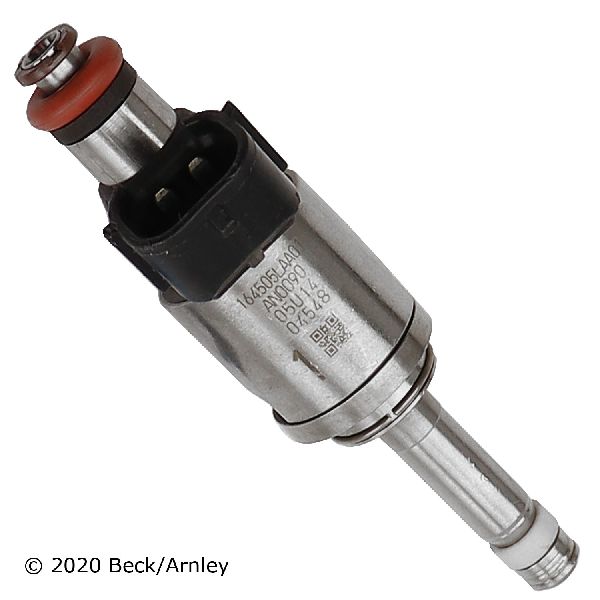
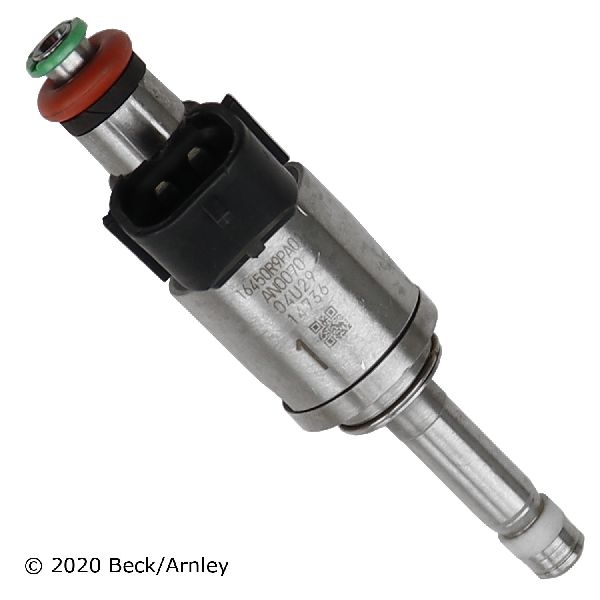
- Fuel Injector Set (6)
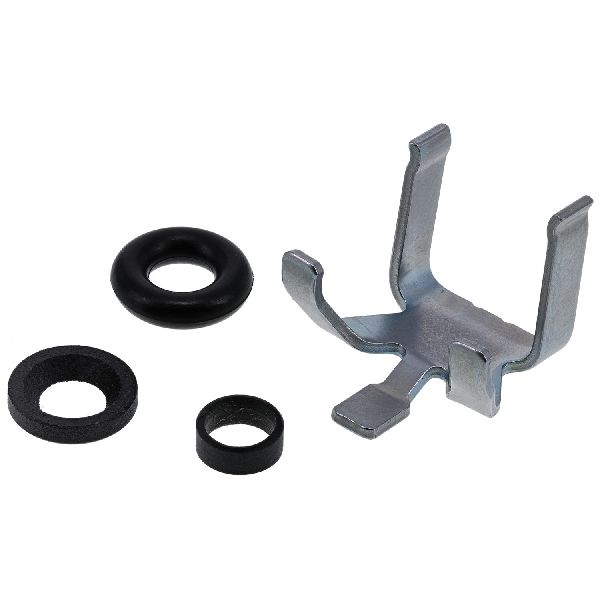
(OEM #16010-R9P-305)— This is the most probable cause on the TLX V6, especially when other codes like P030x are present. This part number is a kit that includes all 6 injectors, seals, and O-rings required for the TSB repair.
Trusted brands: Acura (OEM)
OEM price range: $1600-$1755 for a set of 6.
Aftermarket price range: $60-$100 per injector (use with caution, OEM is strongly recommended for this issue). - Air/Fuel Ratio Sensor (Bank 2, Sensor 1)
(OEM #36531-5J6-A01)— This is the primary upstream sensor that detects the lean condition. It can fail and provide false readings, though it's less common than injectors or vacuum leaks for this specific code pattern.
Trusted brands: Denso (OEM supplier), NTK, Bosch
OEM price range: $200-$300
Aftermarket price range: $100-$180 - Intake Manifold Gasket Set
(OEM #17146-5J2-A01 (Lower), 17125-R70-A01 (Upper))— If a vacuum leak is diagnosed via a smoke test, leaking intake gaskets are a potential cause. They must also be replaced if the intake manifold is removed to access the fuel injectors.
Trusted brands: Acura (OEM), Fel-Pro, Mahle
OEM price range: $50-$80
Aftermarket price range: $25-$50
Related Codes That Often Appear With This One
- P0171 — System Too Lean (Bank 1). When both codes appear, it points to a problem affecting the entire engine. On this vehicle, it strengthens the diagnosis of failing fuel injectors as per TSB 21-010.
- P0300, P0302, P0304, P0306 — Random or specific cylinder misfire codes on Bank 2. This combination, along with P0174, is the classic signature of the fuel injector issue described in Acura's TSB 21-010.
- P219B — Air-Fuel Ratio Variation of Cylinder (Bank 2). This code is also mentioned in TSB 21-010 alongside P0174 and points directly to an inconsistent fuel delivery problem, reinforcing the likelihood of a faulty injector.
Technical Service Bulletins (TSBs) & Recalls
- Acura Service Bulletin 21-010 (Replaces 18-025 and 19-073): Titled 'Warranty Extension: MIL Comes On with DTC P0420/P0430, P030x, and/or P219A/B'. It details the issue of clogged/worn fuel injectors and provides the procedure for replacing all six. It also extends the warranty for this specific issue to 10 years or 150,000 miles.
Platform-Specific Known Issues
- Acura Service Bulletin 21-010 was issued for 2016-2020 TLX models (among others) with the V6 engine. It specifically addresses customer complaints of the check engine light with P0174 (and/or P0171), P030X (misfires), and P219A/B (air-fuel variation) codes. The bulletin identifies faulty fuel injectors as the cause and instructs technicians to replace all six as the remedy.
- Owner experiences on forums confirm that dealerships often move directly to injector replacement when this specific combination of codes is present, sometimes after a brief check for vacuum leaks. The repair is consistently reported to solve the problem.
Mechanic-Grade Diagnostic Values
- Long Term Fuel Trim (LTFT) — expected: Ideally close to 0%, but up to +/- 8% is generally acceptable.. Failure: When LTFT exceeds +10%, it indicates a problem that needs investigation. A DTC like P0174 is typically set when the trim value reaches about +25%.
- Low-Pressure Fuel System — expected: Approximately 57-64 PSI for similar Honda/Acura V6 platforms.. Failure: Pressure significantly below the specified range indicates a potential issue with the in-tank fuel pump or regulator. Note that this engine also has a high-pressure direct injection pump.
Hidden / Shadow Codes Worth Checking
- Mode $06 Data: Mode $06 provides results for non-continuously monitored systems, like oxygen sensor performance, misfire counts per cylinder, and catalyst efficiency tests. It can show a component that is performing poorly or close to failing its test parameters before it's bad enough to trigger a standard DTC. (see via Most advanced OBD2 scan tools can access Mode $06 data. The data is presented with a Monitor ID (MID) and Component ID (CID), which requires a vehicle-specific chart to translate into specific components.)
Scan Tool Commands That Help
- Honda HDS (i-HDS): Actuation Tests / Management of executive devices — The official dealer software can command specific components to operate, such as individual fuel injectors or the EVAP purge valve. This allows a technician to test a component's function directly without removing it.
- Honda HDS (i-HDS): Clear/Reset Adaptive Strategies — After replacing components like fuel injectors or A/F sensors, the PCM's learned fuel trim values should be reset using Mode $04. This forces the computer to relearn the fuel strategy with the new parts immediately.
Wiring & Ground Locations
- G203 — Potentially located in the front engine bay area.. A Reddit user identified G203 as a ground point for several front-end components, including the A/C condenser fan and left front lighting. While not directly tied to the engine sensors for P0174, a poor ground in this area could introduce electrical noise or issues with components on the front of the engine (Bank 2).
- ECM/PCM Grounds — The Powertrain Control Module (PCM) has multiple dedicated ground wires integrated into its main wiring harness connectors.. A compromised ground connection for the PCM or its sensors (like the A/F ratio sensor) can cause incorrect readings, leading to false lean or rich codes. These grounds are typically found at specific pins on the PCM connectors, not as a single chassis ground point.
Real Owner Repair Stories
- Acurazine Forum (2016 Acura TLX 3.5L V6 with ~80,000 miles) — Check engine light with codes P0171 and P0174, plus misfire codes.
❌ Tried (didn't work) The user took the vehicle directly to the dealer based on the combination of codes.
✅ What actually fixed it The dealership diagnosed faulty fuel injectors, which was a known issue covered under an extended warranty (TSB 21-010). All six fuel injectors were replaced, which resolved all the codes and symptoms.
"I Checked Everything" — The Actual Cause
- In cases where P0171 and P0174 are present with misfire codes (P030x) on this specific vehicle, a clean smoke test (indicating no vacuum leaks) is a strong pointer towards the TSB-documented fuel injector failure. Technicians familiar with this platform will often suspect injectors as the primary cause even if no vacuum leak is found.
OEM Part Supersession History
Unknown early part numbers→16010-R9P-305— This part number is a complete kit containing 6 updated injectors, O-rings, and seals, designed to address the failure pattern described in TSB 21-010.
Heads up: It is critical to replace all six injectors as a matched set from this kit. Mixing old and new injectors can lead to fuel trim imbalances between cylinders.
Model Year Variations Within This Range
- 2018-2020: Acura performed a mid-cycle refresh (facelift) for the 2018 model year. While this changed the exterior styling and some interior features, the 3.5L J35Y6 V6 engine and its direct injection fuel system remained fundamentally the same. Therefore, the fuel injector issue and P0174 diagnosis are consistent across the entire 2016-2020 V6 range.
Helpful Videos
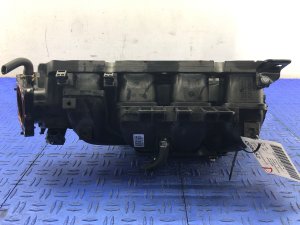
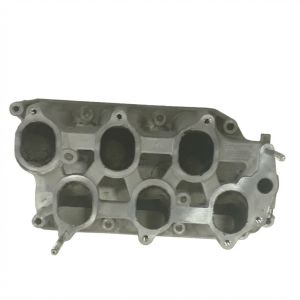
Used OEM Parts in Stock
New Aftermarket Parts Available



The information in this article is provided for general reference and educational purposes only. Vehicle specifications, procedures, and part compatibility can vary by production date, trim level, and region. Always consult your vehicle's factory service manual and verify part numbers before purchasing or performing repairs. Safety-critical components such as airbags, seat belts, and braking systems should be installed by a qualified professional.
- Acura TLX:
- 🧭 Diagnostic Flowchart
- 🎬 Helpful Videos
- 🛍️ Shop This Part
- What's Unique About the 2016-2020 Acura TLX
- Symptoms You May Notice
- Most Likely Causes
- Rare But Worth Checking
- Diagnosis Steps
- Parts You'll Likely Need
- Related Codes That Often Appear With This One
- Technical Service Bulletins (TSBs) & Recalls
- Platform-Specific Known Issues
- Mechanic-Grade Diagnostic Values
- Hidden / Shadow Codes Worth Checking
- Scan Tool Commands That Help
- Wiring & Ground Locations
- Real Owner Repair Stories
- "I Checked Everything" — The Actual Cause
- OEM Part Supersession History
- Model Year Variations Within This Range
- 🎟️ Get 5% Off