

P0174 on 2012-2017 Buick Enclave: System Too Lean (Bank 2) Causes and Fixes
P0174 on a 3.6L Enclave indicates the engine is running lean on Bank 2. This is most often caused by a dirty Mass Airflow (MAF) sensor, a vacuum leak from a cracked intake boot, or a failed PCV system integrated into the valve cover. Cleaning the MAF sensor is a good first step, but if it's oily, the root cause is likely the PCV system requiring valve cover replacement.
- P0174 on a 2012-2017 Enclave means Bank 2 (front side, by the radiator) is getting too much air or not enough fuel.
- Before buying any parts, inspect the intake boot for cracks and clean the Mass Airflow (MAF) sensor with dedicated cleaner.
- The most common causes are a dirty MAF sensor or a vacuum leak, often related to the PCV system.
- If the MAF sensor has an oily film on it, the root cause is likely a clogged PCV orifice, which requires replacing the Bank 2 valve cover.
- If P0171 is also present, the problem is almost certainly a faulty MAF sensor or a large vacuum leak affecting the whole engine.
What's Unique About the 2012-2017 Buick Enclave
The 3.6L V6 engine (LLT/LFX) in the Enclave and its platform mates is notorious for a specific PCV (Positive Crankcase Ventilation) system design that directly leads to this code. A small, fixed orifice within the Bank 2 (front) valve cover is prone to clogging. This clog causes excessive crankcase vacuum, which then pulls oil vapor and unmetered air into the intake tract, often through the main crankshaft seal. This oil-laden vapor travels through the intake and contaminates the delicate wires of the Mass Airflow (MAF) sensor. The contaminated MAF sensor then provides incorrect airflow readings to the ECM, causing the lean condition. Therefore, an oily MAF sensor is a key indicator that the valve cover's PCV orifice is the true root cause.
Symptoms You May Notice
- Check Engine Light is on
- Rough or unstable idle
- Hesitation or surging during acceleration
- Reduced engine power
- Poor fuel economy
- A hissing or whistling sound from the engine bay, indicating a vacuum leak
- A rattling or stuck PCV valve if it's an external type (less common on this specific engine)
- Replacing the oxygen sensor first. While it can be the cause, it's often misdiagnosed. The O2 sensor is usually just accurately reporting the lean condition caused by a vacuum leak or MAF issue. Always check for vacuum leaks and clean the MAF sensor before replacing O2 sensors.
- Repeatedly cleaning or replacing the MAF sensor without addressing the underlying PCV issue. If the MAF sensor is found to be oily, the problem will return until the Bank 2 valve cover is replaced.
Most Likely Causes
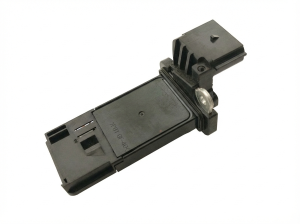
- Dirty or Faulty Mass Airflow (MAF) Sensor 🔴 High Probability → Shop Fuel Injection Air Flow Meter Often contaminated by oil vapor due to the PCV system design flaw. If the sensor is oily, the PCV system is the root cause, and simply cleaning the MAF will only be a temporary fix.
How to confirm: Remove the MAF sensor from the intake tube and inspect the delicate sensor wires for dirt, debris, or an oily film. A scan tool may also show a P0101 code.
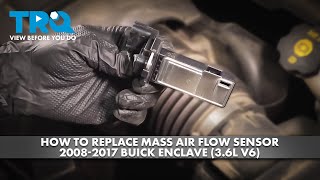
Typical fix: Clean the sensor with a dedicated MAF sensor cleaner. 🎬 See this detailed guide on cleaning your MAF sensor If cleaning doesn't work, the sensor is damaged, or if it is oily, it must be replaced AFTER addressing the root cause (likely the PCV system).
Est. part cost: $10-$20 for cleaner, $70-$150 for a new sensor. - Vacuum Leak (PCV System, Intake Boot, Gaskets) 🔴 High Probability The PCV system has a known issue where a fixed orifice in the Bank 2 valve cover clogs, creating a vacuum leak internal to the crankcase. Additionally, the large rubber intake air duct (boot) can crack with age, allowing unmetered air to enter after the MAF sensor.
How to confirm: Visually inspect all vacuum hoses and the main intake boot for cracks or loose connections. The most effective method is to perform a smoke test, which will reveal hard-to-see leaks from gaskets, hoses, or the PCV system.
Typical fix: Replace the cracked hose, boot, or gasket. If the PCV orifice is clogged, the entire Bank 2 (front) valve cover must be replaced with an updated part.
Est. part cost: $20-$75 for a hose/boot, $70-$150 for a valve cover. - Leaking Intake Manifold Gaskets 🟡 Medium Probability → Shop Engine Intake Manifold
How to confirm: A smoke test is the most reliable way to confirm a leak at the intake manifold gaskets. Sometimes, spraying brake cleaner or a flammable liquid near the gasket area with the engine running will cause a noticeable change in idle speed, indicating a leak.
Typical fix: Replacement of the upper and lower intake manifold gaskets. This is a more labor-intensive repair.
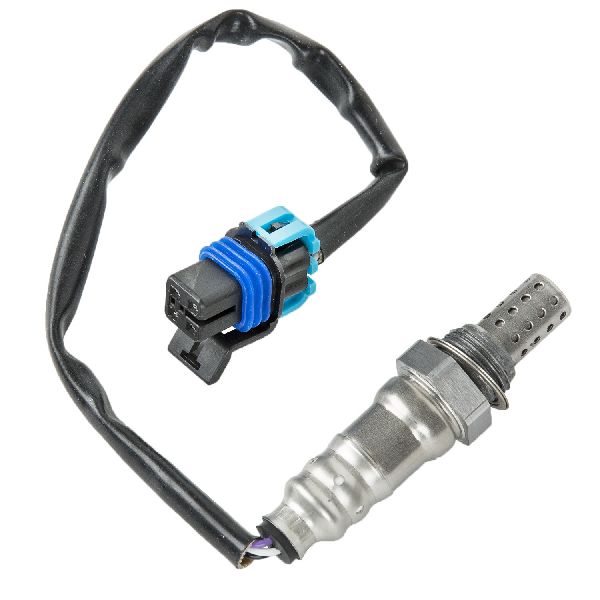
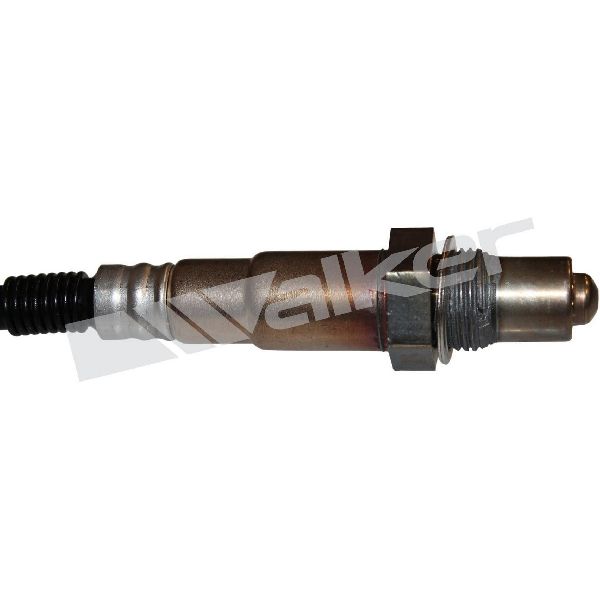
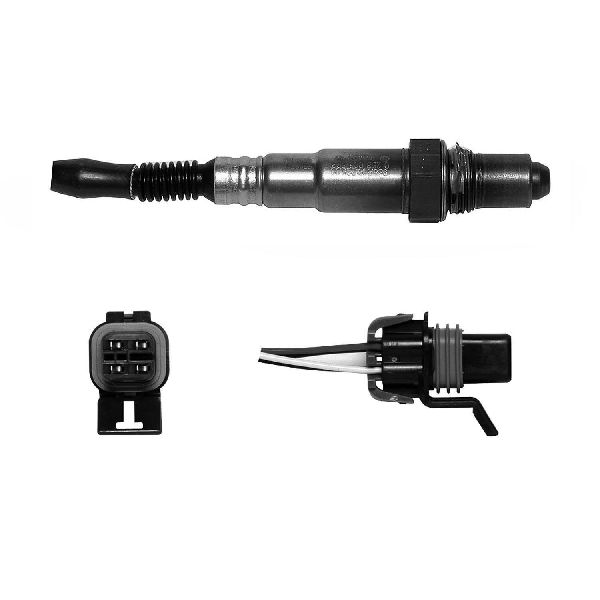
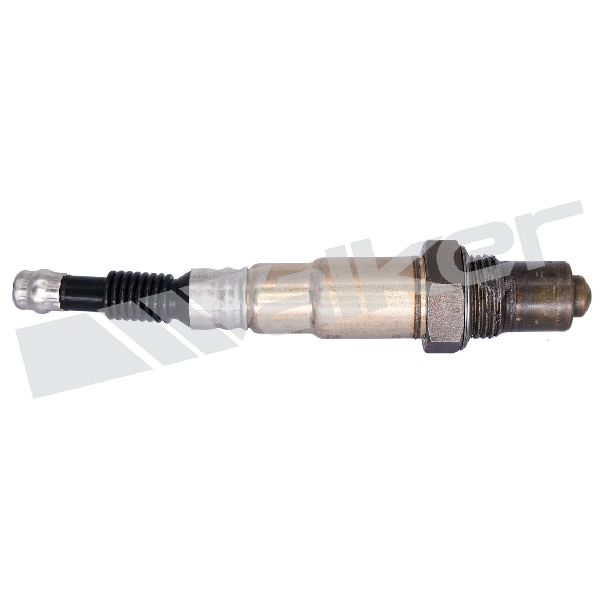
Est. part cost: $50-$100 for gaskets. - Faulty Upstream Oxygen (O2) Sensor ⚪ Low Probability → Shop Oxygen Sensor
How to confirm: Use a scan tool to monitor the voltage of the Bank 2, Sensor 1 O2 sensor. A healthy sensor will show rapidly fluctuating voltage between approximately 0.1V and 0.9V. A sensor that is slow to respond or has a fixed low voltage reading may be faulty.
Typical fix: Replace the Bank 2, Sensor 1 (upstream) oxygen sensor.
Est. part cost: $50-$120.
Rare But Worth Checking
- Low Fuel Pressure: While less common than vacuum leaks, a weak fuel pump or clogged fuel filter can cause lean conditions. This would typically affect both banks, likely triggering P0171 as well.
- Clogged Fuel Injectors: → Shop Fuel Injector A clogged injector on a Bank 2 cylinder could cause a lean condition isolated to that bank, but it's more likely to also cause a specific cylinder misfire code (P030x).
Diagnosis Steps
- Check for other stored trouble codes. If P0171 is also present, focus on causes common to both banks like the MAF sensor or a large vacuum leak before the intake manifold splits.
- Using a scan tool, observe Long-Term Fuel Trim (LTFT) for Bank 2 (and Bank 1). A value significantly above +10% at idle confirms the lean condition. If trims return to normal at higher RPMs, a vacuum leak is highly likely.
- Thoroughly inspect the air intake tube between the MAF sensor and the throttle body for any cracks, tears, or loose clamps.
- Inspect all accessible vacuum and PCV hoses for cracks or disconnections.
- Remove and inspect the MAF sensor. If it appears dirty, clean it with dedicated MAF sensor cleaner and let it dry completely. If it is covered in an oily film, suspect the PCV orifice in the valve cover is clogged and plan to replace the valve cover.
- If leaks are not obvious, perform a smoke test to definitively locate any unmetered air leaks from gaskets, hoses, or the PCV system.
- If no vacuum leaks are found and the MAF is clean and functioning, test the Bank 2, Sensor 1 (upstream) O2 sensor for proper operation using a scan tool's live data graph.
- As a final step, if all else fails, check fuel pressure to rule out a weak fuel pump or clogged filter.
Parts You'll Likely Need
- Mass Airflow (MAF) Sensor Cleaner — This is the cheapest and easiest first step. A dirty MAF sensor is a very common cause of P0174 on this engine.
Trusted brands: CRC, WD-40 Specialist
OEM price range: N/A
Aftermarket price range: $10-$20 - Bank 2 (Front) Valve Cover
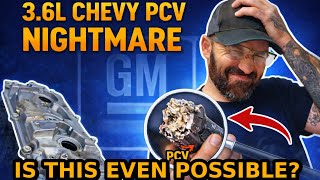
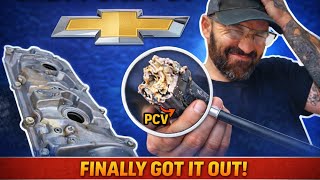
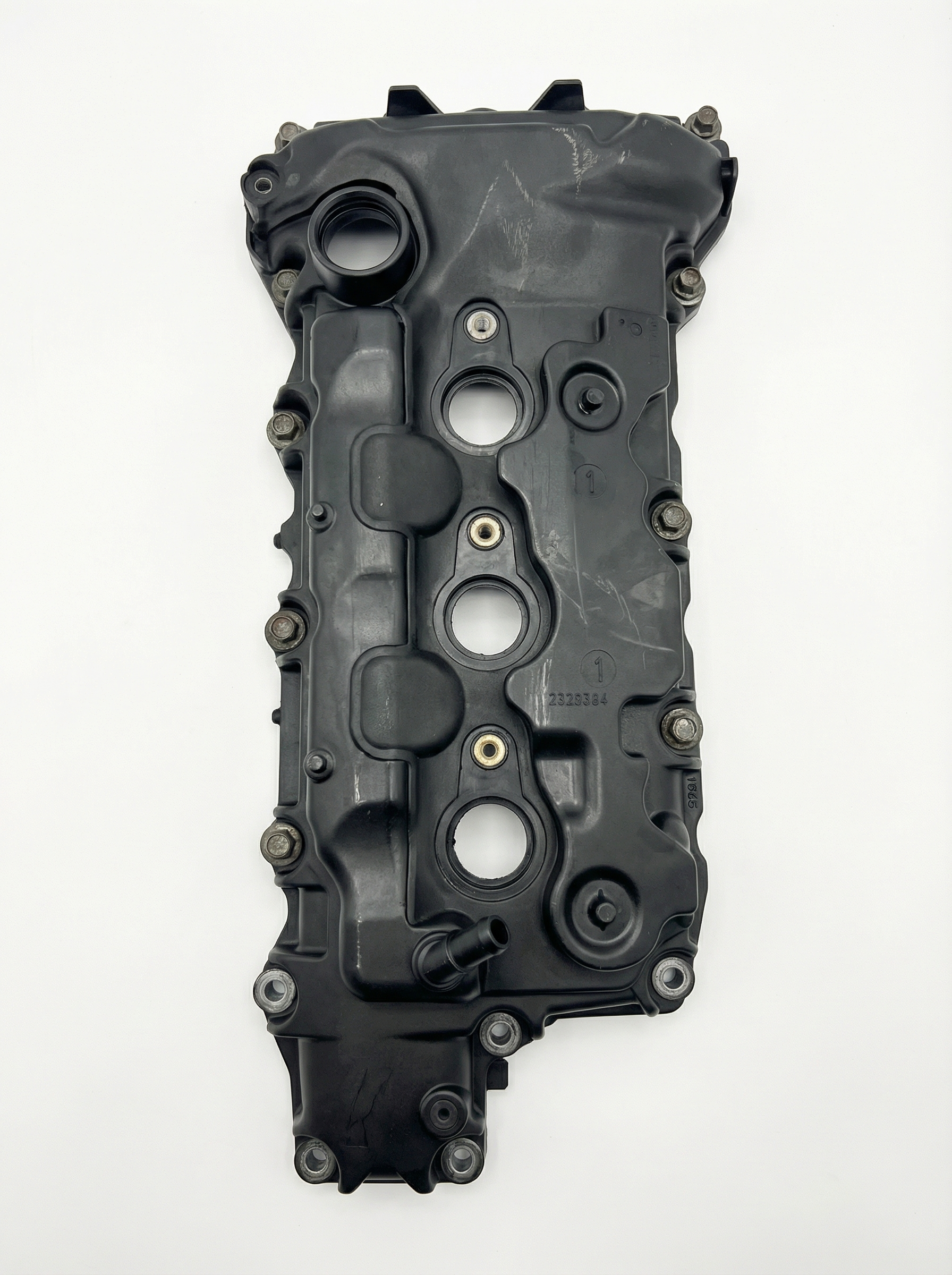
(OEM #12673343)— The integrated PCV orifice can clog, 🎬 Watch: The common PCV valve issue on GM 3.6L engines causing a vacuum leak and MAF contamination. The PCV components are not serviced separately, requiring replacement of the entire valve cover.
Trusted brands: ACDelco (OEM), Dorman
OEM price range: $100-$150
Aftermarket price range: $70-$120 - Intake Air Duct (Boot)
(OEM #20885923)— The rubber boot can crack with age, creating a significant vacuum leak after the MAF sensor.
Trusted brands: ACDelco (OEM), Dorman, Mishimoto
OEM price range: $75-$125
Aftermarket price range: $40-$80 - Upstream Oxygen Sensor (Bank 2, Sensor 1)
(OEM #12666621)— If vacuum leaks and the MAF sensor are ruled out, a lazy or failed O2 sensor can be the culprit.
Trusted brands: ACDelco (OEM), Denso, Bosch
OEM price range: $90-$150
Aftermarket price range: $50-$120
Related Codes That Often Appear With This One
- P0171 — This is the lean code for Bank 1. If both P0171 and P0174 are present, it strongly indicates a large vacuum leak common to both banks (like the intake boot or a faulty PCV system) or a faulty MAF sensor that is affecting the entire engine's air calculation.
- P0300 — This indicates a random/multiple cylinder misfire. A severe lean condition starves the cylinders of fuel, leading to incomplete combustion and misfires.
- P0101 — This is a MAF sensor performance code. It often appears with lean codes when the MAF sensor is heavily contaminated or failing, directly pointing to it as the problem.
Technical Service Bulletins (TSBs) & Recalls
- EI-4081898 - Engineering Information – Malfunction Indicator Lamp On, DTC P0171 and/or P0174 Set
- 15-06-01-002A - A TSB for other GM engines but relevant in its diagnostic approach to misfires (P0300) th
- Bulletin #PIE-0433A - Engineering Information regarding the Malfunction Indicator Lamp (MIL) being on with DTCs P0171 and/or P0174 set.
- Bulletin #PIE0433A - A manufacturer bulletin noting the condition where the MIL is on specifically due to Fuel Trim System Lean Bank 1 (P0171) and/or Bank 2 (P0174).
Platform-Specific Known Issues
- A GM Engineering Information bulletin (EI-4081898) was issued to gather data on P0171 and P0174 codes on these engines, specifically asking technicians to investigate leaks at the PCV tube-to-manifold connection before making repairs. This highlights it as a key area of concern for the manufacturer.
- The root cause is so frequently the clogged PCV orifice in the front valve cover that many experienced technicians and owners on forums consider replacing the Bank 2 valve cover and cleaning/replacing the MAF sensor as the standard, definitive repair for P0171/P0174 on the 3.6L engine.
Mechanic-Grade Diagnostic Values
- Mass Airflow (MAF) Sensor Reading at Idle — expected: Approximately 3.5 to 6.0 grams/second (g/s) at warm idle. A common rule of thumb is that g/s should roughly equal engine displacement in liters (e.g., ~3.6 g/s for the 3.6L).. Failure: A reading significantly lower than expected (e.g., <3.0 g/s) strongly suggests a vacuum leak, as unmetered air is entering after the sensor. A wildly fluctuating or unresponsive reading points to a faulty sensor.
- Long-Term Fuel Trim (LTFT) for Bank 2 — expected: Ideally between -10% and +10% at idle.. Failure: A sustained positive value above +20% indicates the ECM is adding excessive fuel to compensate for a lean condition, which is the trigger for code P0174.
- Low-Pressure Fuel System Pressure — expected: 50-60 PSI with Key On, Engine Off (KOEO).. Failure: Pressure significantly below 50 PSI points to a weak in-tank fuel pump or clogged filter, though this would typically cause lean codes on both banks (P0171 and P0174).
- High-Pressure Fuel System Pressure (Direct Injection) — expected: Approximately 290-725 PSI (2.0-5.0 MPa) at idle.. Failure: Pressure below this range could indicate a failing high-pressure fuel pump (HPFP). This is a less common cause for a single-bank lean code.
- Upstream O2 Sensor (Bank 2, Sensor 1) Voltage — expected: Rapidly fluctuating between approximately 100mV (0.1V) and 900mV (0.9V).. Failure: A sensor that is 'stuck' low (e.g., consistently below 200mV) is either correctly reporting a lean condition or is faulty and biased lean.
Scan Tool Commands That Help
- GM GDS2 / Tech2 or equivalent professional scanner: Fuel Trim Reset — After performing a repair such as fixing a vacuum leak or replacing a MAF sensor, this command erases the long-term learned values. This forces the ECM to start relearning immediately, allowing you to quickly verify if the repair was successful by watching the short-term and long-term fuel trims return to normal.
Wiring & Ground Locations
- G107 — On the left side (Bank 2 side) of the engine block, near the starter motor.. This is a primary engine-to-chassis ground. A loose or corroded G107 can cause unstable voltage and noisy signals for various engine sensors, including the MAF and O2 sensors, potentially leading to incorrect readings and phantom lean codes.
- MAF Sensor Connector — On the MAF sensor, located in the intake tube between the air filter box and the throttle body.. Testing at the 5-pin connector is crucial. With key-on, engine-off, you should verify a 12V power supply, a 5V reference voltage, and a solid ground. A loss of any of these due to wire damage or corrosion will cause the MAF to malfunction and trigger lean codes.
Real Owner Repair Stories
- traverseforum.com user (2012 Chevrolet Traverse 3.6L (platform mate)) — P0171 and P0174 codes present, high positive fuel trims.
❌ Tried (didn't work) Cleaning the MAF sensor (temporary fix), Replacing the MAF sensor (temporary fix)
✅ What actually fixed it Replacing the Bank 2 (front) valve cover due to a clogged internal PCV orifice. The user noted that after replacement, the fuel trims immediately began to correct themselves back towards 0%. - YouTube Channel 'New Level Auto' (2012 Chevrolet Traverse 3.6L (platform mate)) — P0171 and P0174 codes, extremely high LTFTs (+36% and +40%).
❌ Tried (didn't work) The mechanic correctly suspected a large vacuum leak and did not replace other parts first.
✅ What actually fixed it The EVAP purge solenoid was stuck open. The mechanic confirmed this by feeling for vacuum on the valve's port while the engine was running (it should be sealed). Replacing the EVAP purge solenoid resolved the lean codes.
"I Checked Everything" — The Actual Cause
- The most common scenario is a clogged internal PCV orifice inside the Bank 2 valve cover. A standard smoke test pressurizes the intake and cannot detect this issue, which causes excessive vacuum *within* the crankcase, pulling in unmetered air through engine seals and fouling the MAF sensor with oil.
- A small crack or pinhole leak in the exhaust manifold or the exhaust pipe flange gasket *before* the primary O2 sensor. This allows outside oxygen to be sucked into the exhaust stream, fooling the O2 sensor into reporting a false lean condition. This is often missed as diagnosis focuses on intake-side vacuum leaks.
OEM Part Supersession History
12641262, 12658223 (and others)→12673343— The original valve cover designs for the Bank 2 (front) position were prone to the internal PCV orifice clogging. The updated part number features a revised design to mitigate this issue.20787043, 23118170→23262343— Updates to the MAF sensor design for improved accuracy and reliability across various GM models using the 3.6L engine.
Heads up: While physically similar, using an older or incorrect MAF sensor can lead to improper fuel calculations. It is critical to match the part number to the vehicle's VIN.
Model Year Variations Within This Range
- 2012-2013 (Transition): The engine transitioned from the LLT to the LFX V6 around 2012-2013. The LFX features integrated exhaust manifolds (no separate headers), a composite intake manifold instead of aluminum, and uses a different ECM (Delphi instead of Bosch). While the P0174 causes are nearly identical (especially the PCV issue), accessing components like the intake manifold gaskets or ECM may involve slightly different procedures.
Diagnostic Flowchart
Other Known Issues on This Vehicle
Issues unrelated to this code that are worth knowing about as an owner of this generation:
- Premature Timing Chain Stretch 🔴 High — Common, can occur as early as 40,000 miles but more typical around 80,000-120,000 miles. Caused by long oil change intervals and potential oil consumption. (Ref: Multiple TSBs exist for the 3.6L engine family, like #PIP3423P and #12-06-01-009F, guiding diagnosis. Earlier special coverage programs for 2009 models do not apply to the 2012-2017 range.)
- Cracked 3-5-R Transmission Wave Plate 🔴 High — Primarily affects earlier models in this generation (especially 2012). Results in sudden loss of 3rd, 5th, and Reverse gears. GM offered a special coverage adjustment (14404B) for 10 years/120,000 miles on some earlier model years, which may include the 2012 Enclave. (Ref: Special Coverage 14404B)
- Power Steering Fluid Leaks 🟠 Medium — Common across the first generation. Leaks can develop from the power steering pump, hoses, or the steering rack itself, leading to a whining noise and difficult steering. (Ref: TSB 07-02-32-002L addresses diagnosis of fluid leaks.)
- Carbon Buildup on Intake Valves 🟠 Medium — A known issue with all direct-injection (DI) engines like the LLT and LFX. Fuel is injected directly into the cylinder, so it doesn't wash over and clean the intake valves. Over 60,000-100,000 miles, buildup can cause rough idle, misfires, and reduced performance.
Used vs. New Parts: Buying Guide for This Vehicle
When a used part is the smart pick: For purely mechanical, non-wear items like an intake manifold, throttle body, or specific brackets from a low-mileage, accident-damaged donor vehicle can be a cost-effective choice.
Donor-vehicle mileage cap: roughly under 75000 miles for the part to have meaningful remaining life.
What to inspect on the donor part:
- Check for a clean, oil-free intake tract on the donor part.
- Inspect plastic components for brittleness or heat-related cracking.
- For electronic parts, ensure connectors are free of corrosion or damage.
- Verify the donor vehicle was not in a front-end collision that could have damaged the part.
OEM-only on this vehicle (don't cheap out):
- Mass Airflow (MAF) Sensor: Many forum users report issues with cheap aftermarket MAF sensors being improperly calibrated, causing persistent fuel trim problems. Stick with ACDelco (OEM) or a direct OE supplier like Hitachi.
- Oxygen (O2) Sensors: Similar to the MAF, cheap O2 sensors are a common point of failure. Use ACDelco, Denso, or Bosch for reliable performance.
- Valve Cover: Given that the primary failure is an internal clogged passage, buying a used valve cover is a significant risk. A new, updated ACDelco or reputable aftermarket part is strongly recommended to ensure a lasting repair.
Aftermarket brands forum-validated for this vehicle:
- Denso, Bosch (for O2 Sensors)
- Dorman OE Solutions (for valve covers and intake boots; often cited as a reliable alternative to OEM)
Brands owners have reported issues with on this vehicle:
- Unbranded, 'white-box' electronic sensors (MAF, O2) from online marketplaces are frequently reported by owners to be dead-on-arrival or fail prematurely.
Real Owner Stories
Aggregated from forums and TSBs cited above. Mileages and costs reflect what owners reported in those sources.
2012 Buick Enclave 3.6L
Symptoms: Rattling on startup and a high dealer quote for repairs.
What fixed it: The owner decided to perform a complex timing chain repair themselves after a failure.
Source hint: Reddit r/MechanicAdvice - 3.6L Timing Chain Story
2012-2017 Chevrolet Traverse 3.6L LFX
Symptoms: Lean codes P0171 and P0174 appearing together.
What fixed it: Replacing the valve cover to fix the integrated PCV system and cleaning the MAF sensor.
Source hint: traverseforum.com - PCV and P0174 discussion
2012-2017 Buick Enclave 3.6L
Symptoms: Check engine light with P0171 and P0174 codes stored simultaneously.
What fixed it: Tracing the root cause to the PCV system within the valve cover, a cracked intake boot, or a dirty MAF sensor.
Source hint: enclaveforum.net - Discussions on P0171/P0174
Related OBD-II Codes
Frequently Asked Questions
Does Engineering Information bulletin EI-4081898 apply to my Buick Enclave's P0174 code?
Why is my MAF sensor oily, and will cleaning it fix the P0174 code permanently?
I hear a whistling sound from the engine bay of my 2012 Enclave; is this related to P0174?
Is there a specific valve cover I should replace to fix the PCV issue on the 3.6L LFX engine?
Could my P0174 code be related to the timing chain issues common on the 2012 Enclave?
Helpful Videos

Used OEM Parts in Stock
New Aftermarket Parts Available


The information in this article is provided for general reference and educational purposes only. Vehicle specifications, procedures, and part compatibility can vary by production date, trim level, and region. Always consult your vehicle's factory service manual and verify part numbers before purchasing or performing repairs. Safety-critical components such as airbags, seat belts, and braking systems should be installed by a qualified professional.
- Buick Enclave:
- 🧭 Diagnostic Flowchart
- 🎬 Helpful Videos
- 🛍️ Shop This Part
- What's Unique About the 2012-2017 Buick Enclave
- Symptoms You May Notice
- Most Likely Causes
- Rare But Worth Checking
- Diagnosis Steps
- Parts You'll Likely Need
- Related Codes That Often Appear With This One
- Technical Service Bulletins (TSBs) & Recalls
- Platform-Specific Known Issues
- Mechanic-Grade Diagnostic Values
- Scan Tool Commands That Help
- Wiring & Ground Locations
- Real Owner Repair Stories
- "I Checked Everything" — The Actual Cause
- OEM Part Supersession History
- Model Year Variations Within This Range
- Other Known Issues on This Vehicle
- Used vs. New Parts: Buying Guide for This Vehicle
- Real Owner Stories
- 2012 Buick Enclave 3.6L
- 2012-2017 Chevrolet Traverse 3.6L LFX
- 2012-2017 Buick Enclave 3.6L
- Related OBD-II Codes
- Frequently Asked Questions
- 🎟️ Get 5% Off