

P0174 on 2010-2017 Chevrolet Equinox: V6 Lean Code Causes and Fixes
On 2010-2017 Equinox models with a V6 engine, code P0174 (System Too Lean, Bank 2) is most often caused by a vacuum leak from a cracked air intake component or a faulty PCV system. Inspect the air intake tube and resonator for cracks first. A dirty MAF sensor is another common culprit.
- P0174 on a 2010-2017 Equinox only applies to the 3.0L or 3.6L V6 engines.
- The most likely cause is unmetered air entering the engine from a vacuum leak. Start by inspecting the plastic air intake tube and resonator for cracks.
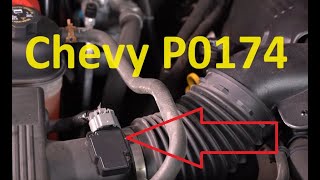
- A dirty Mass Airflow (MAF) sensor is another frequent cause; cleaning it is a cost-effective diagnostic step.
- Do not immediately replace the O2 sensor; it is usually just doing its job by reporting the lean condition.
- If both P0171 and P0174 are present, the cause is almost certainly a vacuum leak or MAF issue affecting the entire engine.
What's Unique About the 2010-2017 Chevrolet EQUINOX
🎬 Watch: A complete review of the second-generation Equinox platform.For the second-generation Equinox with the 3.0L or 3.6L V6, a common and platform-specific cause for P0174 (often paired with P0171 for the other bank) is a cracked plastic air intake resonator. This component, located between the air filter box and the throttle body, becomes brittle from constant exposure to engine heat and vibration, leading to cracks. This allows unmetered air to enter the engine after the MAF sensor, disrupting the air-fuel ratio. GM has also issued bulletins like PIE0433A to investigate lean codes caused by PCV system issues on these engines, specifically leaks where the foul air tube connects to the intake manifold.
Diagnostic Flowchart
Tap your situation to follow the diagnostic path that matches what you're seeing on this vehicle.
Symptoms You May Notice
- Check Engine Light is on
- Rough or fluctuating idle
- Hesitation or bogging during acceleration
- Reduced engine power
- Poor fuel economy
- Hissing or sucking noise from the engine bay, indicating a vacuum leak
- Replacing the oxygen (O2) sensor. The O2 sensor is what detects the lean condition and sets the code. While it can fail, it's more often accurately reporting a problem caused by something else, like a vacuum leak. Replacing the sensor without diagnosing the root cause will not fix the issue.
Most Likely Causes
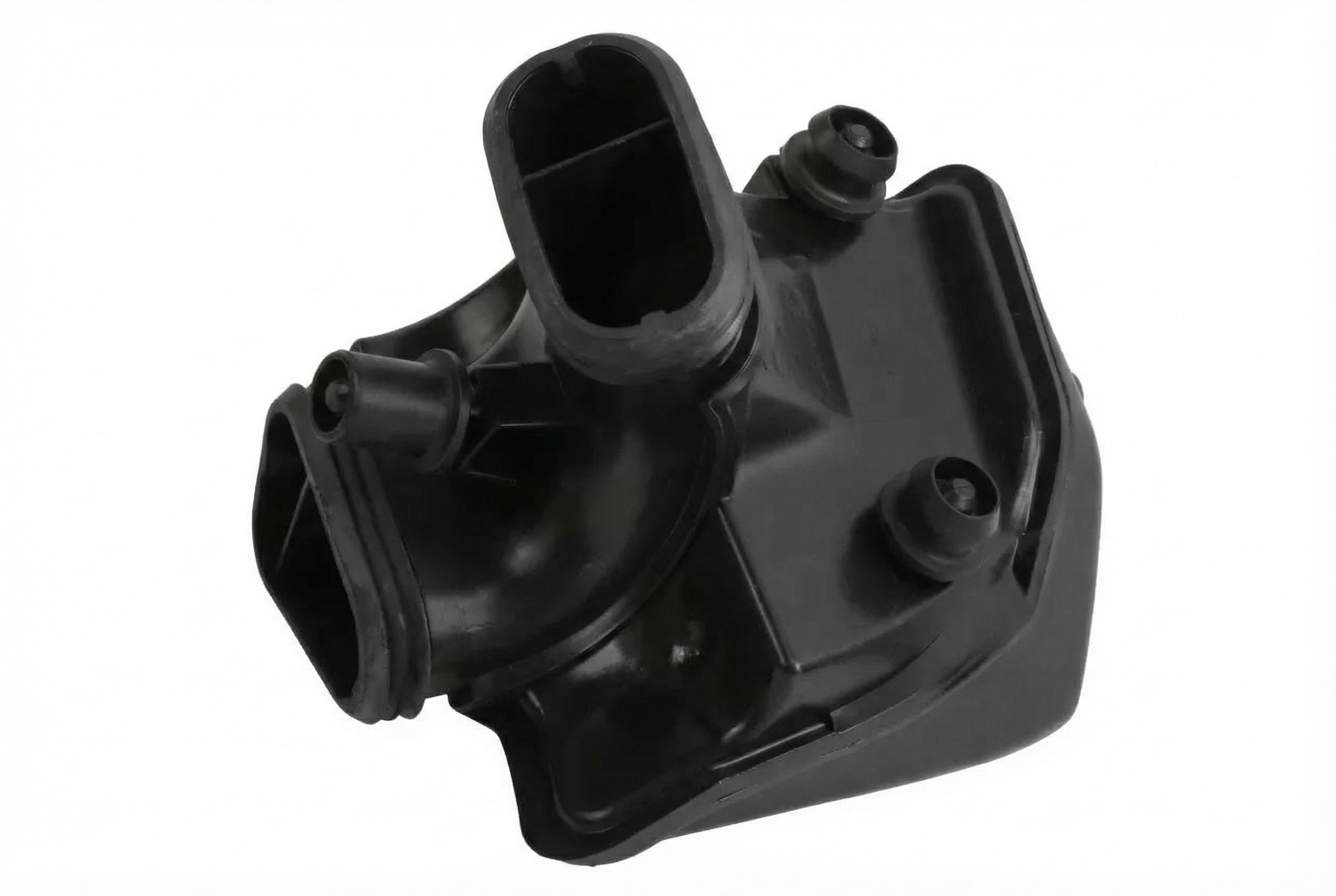
- Cracked Air Intake Duct or Resonator 🔴 High Probability → Shop Engine Air Intake Resonator The plastic components in the air intake system, particularly the resonator chamber on the V6 engines, are known to become brittle from engine heat cycles and vibration, leading to cracks. This is a widely documented failure on the Equinox and its platform mates.
How to confirm: Visually inspect the entire air intake path from the MAF sensor to the throttle body for cracks or loose connections. With the engine running, you may hear a hissing sound. Wiggling the intake tube may change the engine idle. A smoke test is the most effective way to confirm an intake leak.
Typical fix: Replace the cracked air intake duct or resonator assembly. This is a straightforward repair with basic hand tools.
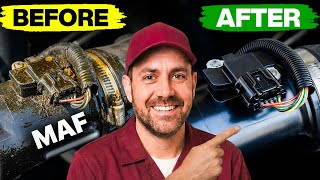
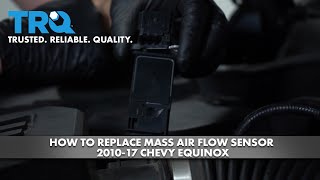
Est. part cost: $60-$120 for an aftermarket assembly, $100-$265 for OEM. - Dirty or Faulty Mass Airflow (MAF) Sensor 🟡 Medium Probability → Shop Fuel Injection Air Flow Meter The MAF sensor measures the air entering the engine. If it's dirty from oil vapors or debris, it will under-report the amount of air, causing the computer to inject too little fuel and leading to a lean condition.
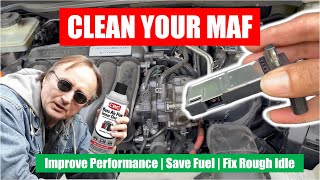
How to confirm: Remove and inspect the sensor. If the delicate wires are contaminated, cleaning it with a dedicated MAF sensor cleaner may resolve the issue. Monitor MAF readings on a scan tool; they should increase smoothly with RPM.
Typical fix: Clean the MAF sensor with a specialized cleaner. If the problem persists, replace the sensor.
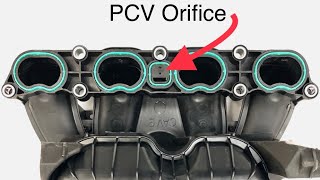
Est. part cost: $10 for cleaner, $70-$150 for a new sensor. - PCV System Vacuum Leak 🟡 Medium Probability GM issued bulletin PIE0433A to investigate lean codes (P0171/P0174) related to leaks at the PCV foul air tube connection to the intake manifold on 3.6L engines. The plastic tubes and rubber elbows can crack or become loose. A stuck-open PCV valve can also create a significant vacuum leak.
How to confirm: Inspect the PCV hoses and their connection points, especially where the tube enters the intake manifold, for leaks or looseness. A smoke test can pinpoint the source. Some owners on forums report a shop diagnosing this leak.
Typical fix: Replace the faulty PCV tube, valve, or grommet. The PCV tube for the 3.0L/3.6L engine is often sold as an assembly.
Est. part cost: $20-$60 - Vacuum Leak (Other Hoses/Gaskets) ⚪ Low Probability
How to confirm: Perform a smoke test or carefully spray carburetor cleaner around vacuum lines and intake manifold gaskets with the engine running, listening for a change in engine idle. Check for loose intake manifold bolts, as reported by some owners on other GM V-engines.
Typical fix: Replace the leaking hose or gasket.
Est. part cost: $10-$100 depending on the part. - Low Fuel Pressure ⚪ Low Probability
How to confirm: Connect a fuel pressure gauge to the fuel rail's service port. Check that the pressure is within the manufacturer's specified range. Low pressure could indicate a weak fuel pump or a clogged fuel filter.
Typical fix: Replace the weak fuel pump or clogged fuel filter.
Est. part cost: $20-$50 for a filter, $200-$400+ for a fuel pump assembly.
Rare But Worth Checking
- Exhaust Leak Before the Oxygen Sensor: → Shop Oxygen Sensor A crack in the exhaust manifold or a bad gasket can allow outside air to be drawn into the exhaust stream. The Bank 2 upstream O2 sensor will detect this extra oxygen and incorrectly report a lean condition to the ECM.
- Faulty Fuel Injectors: → Shop Fuel Injector A clogged or failing fuel injector on one of the Bank 2 cylinders can prevent enough fuel from being delivered, causing a lean condition on that bank. This is mentioned in TSB #PIP5187 in the context of post-repair issues where injectors installed in a replacement cylinder head were incorrect.
Diagnosis Steps
- Use an OBD-II scanner to confirm the P0174 code and check for any other pending or active codes, like P0171 or P0300.
- Analyze freeze-frame data to see the engine conditions (RPM, load, etc.) when the code was set. Note fuel trim values (Short Term FT and Long Term FT). High positive numbers (e.g., >10%) confirm the ECM is adding fuel to correct a lean condition.
- Visually inspect the entire air intake system between the MAF sensor and the engine. Pay extremely close attention to the plastic resonator box and flexible boots for obvious cracks. Wiggle the assembly to see if it is loose or if the idle changes.
- Inspect all vacuum hoses and PCV lines for cracks, disconnection, or signs of deterioration. Pay special attention to the PCV tube connection at the back of the intake manifold.
- If no obvious leaks are found, perform a smoke test to pressurize the intake system. Smoke will escape from any cracks or bad gaskets, revealing the source of the vacuum leak.
- If no vacuum leaks are present, remove and inspect the Mass Airflow (MAF) sensor. Clean it using a dedicated MAF sensor cleaner and allow it to dry completely before reinstalling.
- Check fuel pressure using a fuel pressure gauge to rule out a weak fuel pump or clogged filter.
- Inspect the exhaust manifold and downpipe for any signs of cracks or black soot, which would indicate an exhaust leak before the O2 sensor.
- As a final step, if all else fails, you can test the Bank 2 fuel injectors and the upstream O2 sensor itself.
Parts You'll Likely Need
- Air Intake Duct / Resonator
(OEM #22880664 (for 3.6L V6, 2013-2017))— This is a very common failure point on the 3.6L V6 engine, where the plastic cracks from heat and age, causing a significant vacuum leak.
Trusted brands: ACDelco, Dorman
OEM price range: $100-$265
Aftermarket price range: $60-$120 - Mass Airflow (MAF) Sensor Cleaner — Often, the sensor is just dirty and cleaning it is a cheap and effective first step before considering replacement.
Trusted brands: CRC, WD-40 Specialist
OEM price range: $10-$15
Aftermarket price range: $10-$15 - PCV Valve or Hose
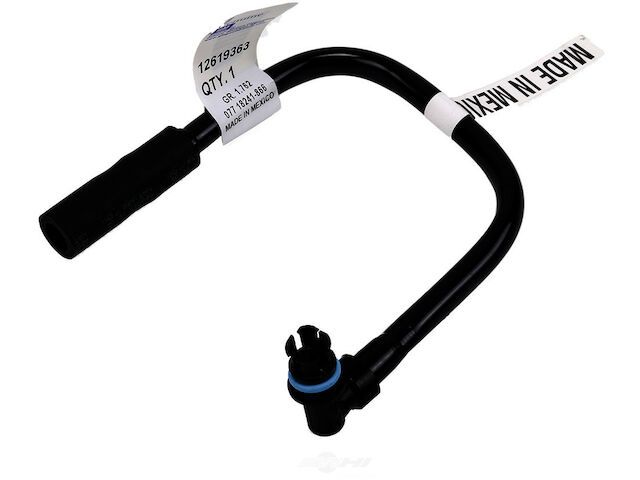
(OEM #12602539 (PCV Fresh Air Tube for some 3.0L/3.6L models))— A stuck PCV valve or a leaking hose/grommet at the intake manifold connection is a known issue that creates a vacuum leak.
Trusted brands: ACDelco, GM Genuine
OEM price range: $30-$60
Aftermarket price range: $15-$40
Related Codes That Often Appear With This One
- P0171 — This is the identical 'System Too Lean' code but for Bank 1. When both P0171 and P0174 appear together, it strongly suggests a problem that affects the entire engine, such as a faulty MAF sensor or a major vacuum leak in the intake system before the manifold splits to the cylinder banks.
- P0300 — This code indicates a random or multiple cylinder misfire. A severe lean condition can cause misfires because the air-fuel mixture fails to ignite properly.
Technical Service Bulletins (TSBs) & Recalls
- PIE0433A / 21-NA-105: Investigates MIL on with DTCs P0171 and/or P0174. Points to potential software anomalies or leaks at the PCV foul air tube connection to the intake manifold.
- PIP5187: Discusses finding P0174 after a cylinder head replacement, advising to reuse the original fuel rail if the replacement head came with injectors, suggesting a potential injector mismatch issue.
Platform-Specific Known Issues
- A known issue on the 3.6L LFX V6 is a cracked air intake resonator, which is a primary cause of P0171 and P0174 codes. Owners on forums like chevyequinox.net frequently discuss this specific failure.
- A Reddit user with a 2011 3.0L Equinox reported being advised by a shop that a leak near the PCV valve, requiring plenum remov
Mechanic-Grade Diagnostic Values
- Long Term Fuel Trim (LTFT) at Idle — expected: Close to 0%, within +/- 10%.. Failure: Sustained positive values greater than +10%, with values approaching or maxing out at +20% or higher, indicate the ECM is compensating for a significant lean condition.
- Fuel Trim Response to Increased RPM — expected: If a vacuum leak is present, high positive fuel trims at idle will decrease and move closer to 0% as RPMs are held steady at 1500 or 2000 RPM.. Failure: If fuel trims remain high or get worse with increased RPM, the issue is more likely related to fuel delivery (weak pump, clogged injectors) rather than a vacuum leak.
- Mass Airflow (MAF) Sensor Reading at Idle — expected: Approximately the same grams per second (g/s) as the engine's displacement in liters. For the 3.6L V6, this is around 3.6-4.0 g/s at warm idle.. Failure: A reading significantly lower than the engine's displacement suggests the sensor is dirty or failing, causing it to under-report airflow and lead to a lean condition. A significantly higher reading can also indicate a fault.
- Fuel Pressure (Key On, Engine Off) — expected: For GM direct injection systems of this era, pressure should jump to approximately 55-60 PSI.. Failure: Failure to reach this pressure indicates a weak fuel pump. The pressure should also hold steady after the pump primes; a rapid drop suggests a bad check valve in the fuel pump assembly.
Wiring & Ground Locations
- G109 — On the 3.6L V6, this ground is located on the right front of the engine.. The Engine Control Module (ECM) and multiple sensors rely on clean ground connections. A corroded or loose G109 can cause erratic sensor readings, potentially contributing to incorrect fuel calculations.
- G112 — On the 3.6L V6, this ground is on the left rear of the engine.. Similar to other primary engine grounds, a fault at G112 can introduce electrical noise and resistance, affecting sensor data sent to the ECM.
- General Engine Grounds — Key ground points for the 3.6L V6 include a location near the alternator, one on the back of the cylinder head (above the thermostat housing), and the main block-to-battery ground under the lower radiator hose.. During engine work or due to corrosion, these main grounds can be left loose or become resistive. This can cause a host of unpredictable issues, including codes like P0174, as the ECM and its sensors may not have a stable reference.
- Heated Oxygen Sensor (Bank 2, Sensor 1) Location — Located in the left exhaust manifold (the bank of cylinders closer to the radiator).. This is the primary sensor that detects the lean condition for Bank 2. Checking its wiring harness for damage or proximity to hot exhaust components is a crucial diagnostic step.
Real Owner Repair Stories
- YouTube channel 'Flat Rate Mechanic' (GMC Yukon with a V8, but demonstrating a universal diagnostic process for GM P0174.) — Check Engine Light with code P0174. Scan tool showed high positive long-term fuel trims on both banks (+21% and +23%).
❌ Tried (didn't work) Straightening a crinkled air intake boot (this improved fuel trims slightly, but did not fix the issue)., Performing a smoke test, which showed no vacuum leaks., Blocking off the vacuum line to the brake booster, which resulted in no change to fuel trims., Testing fuel pressure, which was slightly low while running but met spec (55-60 PSI) with key-on-engine-off and held pressure correctly.
✅ What actually fixed it Replacing the Mass Airflow (MAF) sensor. After replacement, the long-term fuel trims remained high, but the short-term trims immediately went strongly negative, indicating the computer was now correcting an overly rich mixture caused by the new, accurate MAF reading. This confirmed the old MAF was under-reporting air and was the root cause.
"I Checked Everything" — The Actual Cause
- A common scenario for this code on GM V6 engines is passing a smoke test, leading mechanics to rule out vacuum leaks, yet the lean condition persists. The actual cause is often a contaminated or failing Mass Airflow (MAF) sensor that is not leaking but is under-reporting the amount of air entering the engine. The ECM injects too little fuel based on this bad data, creating a lean condition that mimics a vacuum leak. The fix is to clean or, more often, replace the MAF sensor.
When the Usual Fixes Don't Work
- While the most common cause of P0174 on these vehicles is a vacuum leak from the intake boot, a significant number of real-world cases are resolved by replacing the MAF sensor, even when no vacuum leak can be detected with a smoke machine. In one documented case, fuel pressure was also borderline low, but correcting the MAF sensor reading was the fix that brought fuel trims back into specification. This indicates that a skewed MAF sensor should be considered a primary suspect alongside vacuum leaks, not just a secondary one.
Model Year Variations Within This Range
- 2010-2012: These models used the 3.0L V6 engine (RPO codes LF1, LFW). While many causes are similar, parts like the intake manifold and some hoses are specific to this engine.
- 2013-2017: These models used the 3.6L V6 engine (RPO code LFX). This engine is more commonly associated with the cracked air intake resonator (Part No. 22880664) as a primary cause for P0171/P0174. The PCV system on the 3.6L is also known for issues leading to oil consumption, which can contaminate sensors over time.
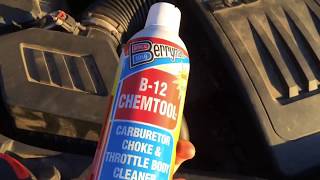
Helpful Videos

Used OEM Parts in Stock
New Aftermarket Parts Available

The information in this article is provided for general reference and educational purposes only. Vehicle specifications, procedures, and part compatibility can vary by production date, trim level, and region. Always consult your vehicle's factory service manual and verify part numbers before purchasing or performing repairs. Safety-critical components such as airbags, seat belts, and braking systems should be installed by a qualified professional.
- Chevrolet EQUINOX:
- 🧭 Diagnostic Flowchart
- 🎬 Helpful Videos
- 🛍️ Shop This Part
- What's Unique About the 2010-2017 Chevrolet EQUINOX
- Symptoms You May Notice
- Most Likely Causes
- Rare But Worth Checking
- Diagnosis Steps
- Parts You'll Likely Need
- Related Codes That Often Appear With This One
- Technical Service Bulletins (TSBs) & Recalls
- Platform-Specific Known Issues
- Mechanic-Grade Diagnostic Values
- Wiring & Ground Locations
- Real Owner Repair Stories
- "I Checked Everything" — The Actual Cause
- When the Usual Fixes Don't Work
- Model Year Variations Within This Range
- 🎟️ Get 5% Off