

P0174 on 2012-2020 Chevrolet Impala 3.6L: Causes and Fixes for Lean Bank 2
On the 3.6L LFX Impala, code P0174 is most often caused by unmetered air entering the engine. The top suspects are a cracked air intake boot or a faulty EVAP purge valve that is stuck open. Both are relatively inexpensive parts and simple to replace for a DIYer. A smoke test is the best way to confirm the leak source.
- P0174 on a 2012-2020 Impala 3.6L almost always means there is a vacuum leak.
- Before buying any parts, thoroughly inspect the rubber air intake boot for cracks and test the EVAP purge valve for leaks.
- If both P0171 and P0174 are present, the cause is definitely something that affects the whole engine, like the intake boot, MAF sensor, or purge valve.
- Do not replace the O2 sensor as a first step; it is likely just reporting the problem correctly.
- For 2020 models, check with a GM dealer about Special Coverage N222369620 if a faulty EVAP purge valve is diagnosed.
What's Unique About the 2012-2020 Chevrolet Impala
The 3.6L LFX V6 engine, used across both the ninth and tenth generation Impala, is well-known for developing vacuum leaks that lead to lean codes like P0174. Two particularly common failure points are the flexible air intake boot cracking with age and the EVAP purge valve sticking open. While many vehicles can have lean codes, these specific components are frequent first points of failure on this platform and should be inspected before suspecting more complex issues like oxygen sensors or fuel pumps.
Generation note: This guide covers the ninth generation Impala (2012-2013) and the tenth generation Impala (2014-2020). Both generations used the 3.6L LFX V6 engine, and the common causes and fixes for code P0174 are largely identical between them. A Special Coverage program (N222369620) for a faulty EVAP purge valve specifically mentions the 2020 model year Impala, but the part is a common failure on all years.
Symptoms You May Notice
- Check Engine Light is on
- Rough or unstable idle
- Engine hesitation or stumbling on acceleration
- Reduced engine power
- Engine stalling, especially when coming to a stop
- Reduced fuel economy
- Hissing noise from the engine bay
- Replacing the oxygen sensor first. The O2 sensor is often doing its job correctly by reporting the lean condition. The root cause is almost always unmetered air from a leak, which must be fixed first.
- Replacing fuel injectors. While a faulty injector can cause issues, it's more likely to cause a rich condition or a specific cylinder misfire code rather than a bank-wide lean code. This should be considered only after ruling out all sources of unmetered air.
Most Likely Causes
- Cracked Air Intake Boot/Duct 🔴 High Probability → Shop Engine Air Intake Resonator The flexible, ribbed rubber section of the air intake duct between the MAF sensor and the throttle body is a very common failure point. Over time, engine heat and vibration cause cracks to form, especially on the underside or in the folds of the accordion section, allowing unmetered air to be sucked into the engine.
How to confirm: Visually inspect the entire air duct, removing it if necessary. Flex the ribbed sections by hand to reveal any hidden cracks or tears. A forum user confirmed a dealer found a tear this way. A smoke test will definitively show a leak from this component if it's not visually apparent.
Typical fix: Replace the entire air cleaner intake duct hose. It is secured by two hose clamps.
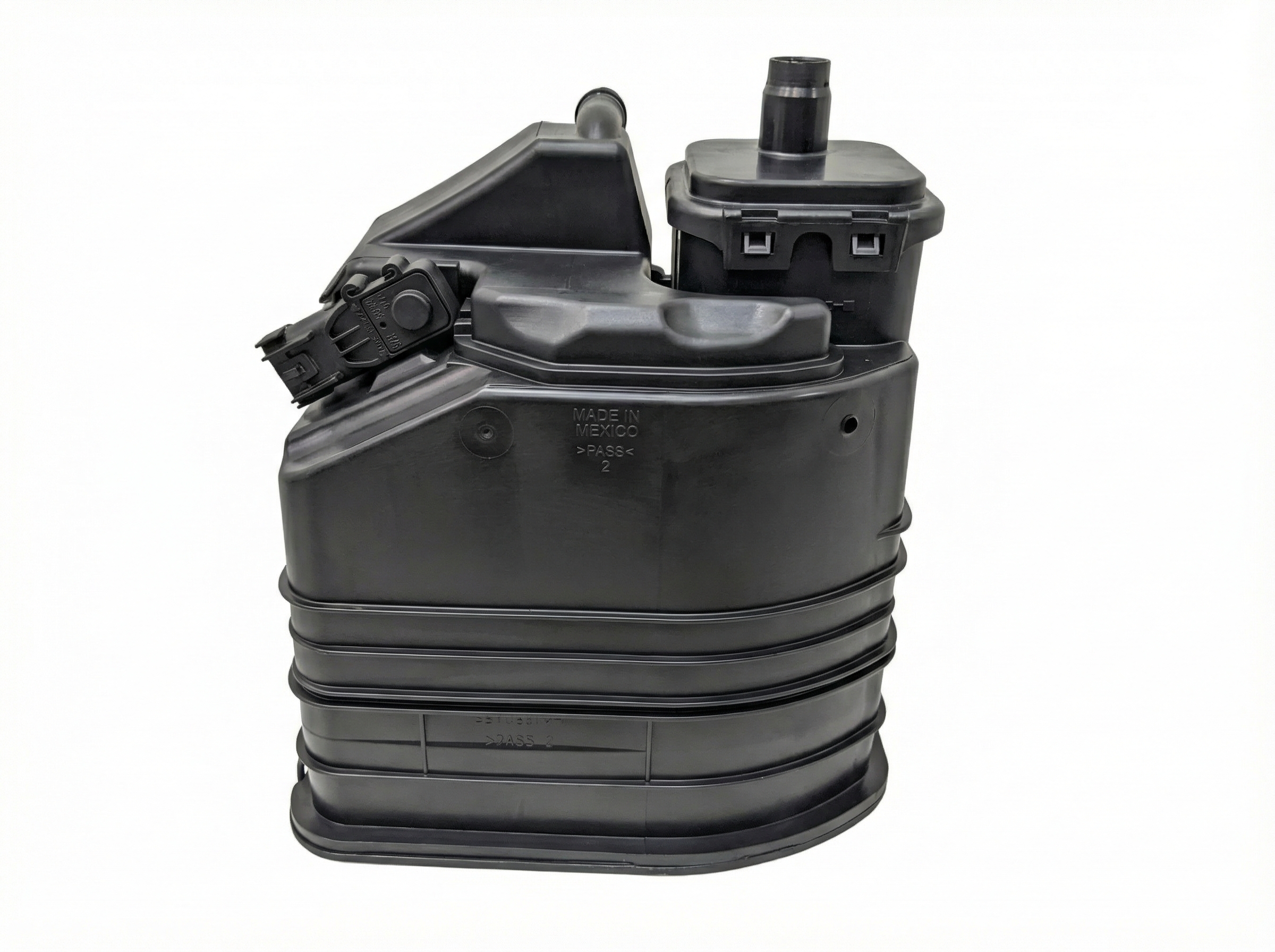
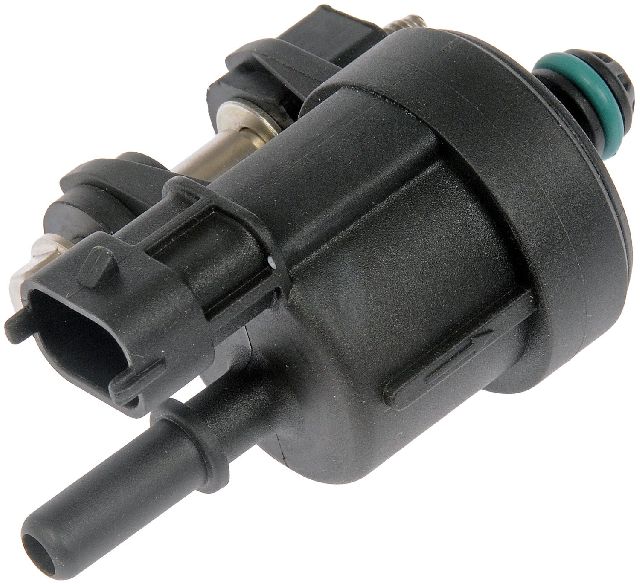
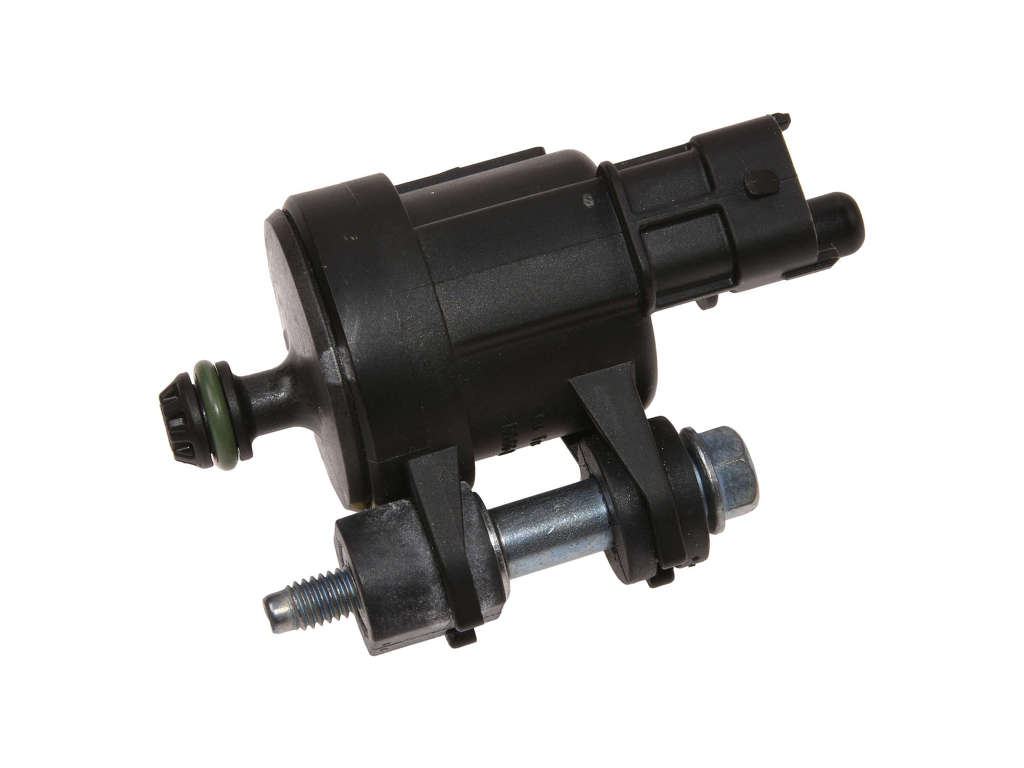
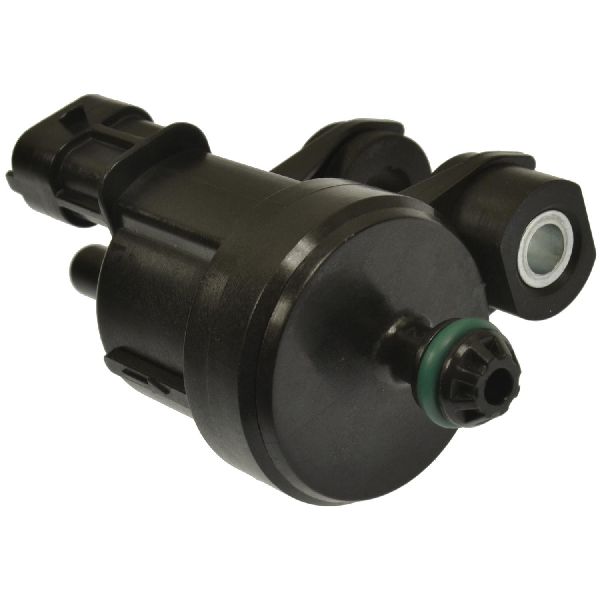
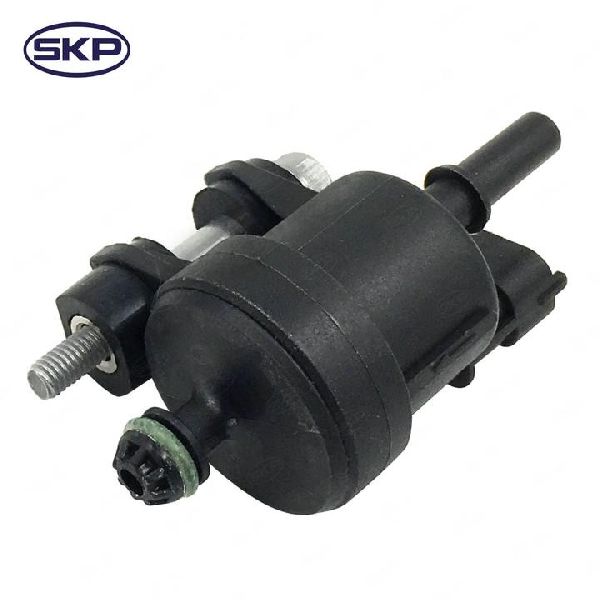
Est. part cost: $50-$100 - Faulty EVAP Purge Valve Solenoid 🔴 High Probability → Shop Vapor Canister The EVAP purge valve is a known high-failure item on many GM 3.6L engines. It can get stuck open, creating a constant vacuum leak as it pulls fuel vapor from the charcoal canister into the intake manifold at the wrong time. GM issued a special coverage adjustment (N222369620) for this part on 2020 Impalas, extending the warranty to 15 years/150,000 miles.
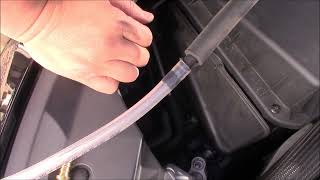
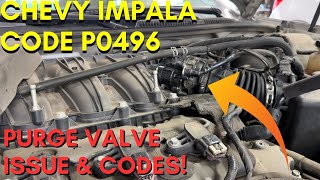
How to confirm: With the engine running at idle, disconnect the vapor line from the purge valve. There should be no vacuum felt at the valve's port. If suction is present (you can feel it with your finger or hear it), the valve is stuck open. This often appears with code P0496.
Typical fix: Replace the EVAP purge valve solenoid. It is typically mounted on the intake manifold and held by a single 10mm bolt, making it a very easy DIY repair.
Est. part cost: $25-$60 - Dirty or Faulty Mass Airflow (MAF) Sensor 🟡 Medium Probability → Shop Fuel Injection Air Flow Meter
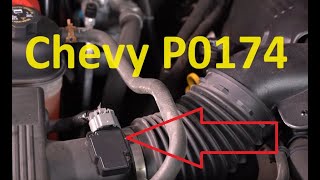
How to confirm: A dirty MAF sensor under-reports the amount of air entering the engine, causing the ECM to command too little fuel. Inspect the sensor wires for contamination. Cleaning with a dedicated MAF sensor cleaner is a good first step. If cleaning doesn't help and fuel trims remain high with no vacuum leaks, the sensor may be faulty. Manufacturer Bulletin #PIP5446A notes that cast flashing near the MAF sensor can also cause rough idle and P0174.
Typical fix: Clean the sensor with MAF sensor cleaner. If cleaning doesn't resolve the issue and fuel trims are still high with no vacuum leaks present, the sensor may need to be replaced.
Est. part cost: $10 for cleaner, $70-$150 for a new sensor - Vacuum Leak (PCV System) 🟡 Medium Probability The PCV system's plastic tubes and rubber connections can become brittle and crack from engine heat. Specifically, the 'foul' or 'dirty' air tube connecting the valve cover to the intake manifold is a known weak point. GM issued bulletin PIE0433A to investigate this specific leak source on the 3.6L engine family. Manufacturer Bulletin #PIP5686A also highlights that an incorrectly installed or damaged foul air PCV tube can cause air leak noise and P0174.
How to confirm: The most effective method is to use a smoke machine to feed smoke into the intake system and watch for where it escapes. Pay close attention to all PCV hoses and their connection points at the valve covers and intake manifold. Manufacturer Bulletin #N192273400 suggests ensuring the PCV tube to the rocker is fully seated and secure.
Typical fix: Replace the specific hose or gasket that is found to be leaking.
Est. part cost: $20-$150
Rare But Worth Checking
- Failing Upstream Oxygen (O2) Sensor: → Shop Oxygen Sensor A lazy or failing Bank 2, Sensor 1 O2 sensor can send incorrect, low-voltage signals to the ECM, falsely indicating a lean condition. This should be considered only after all potential vacuum leaks and MAF issues are ruled out, as replacing an O2 sensor will not fix a lean condition caused by unmetered air.
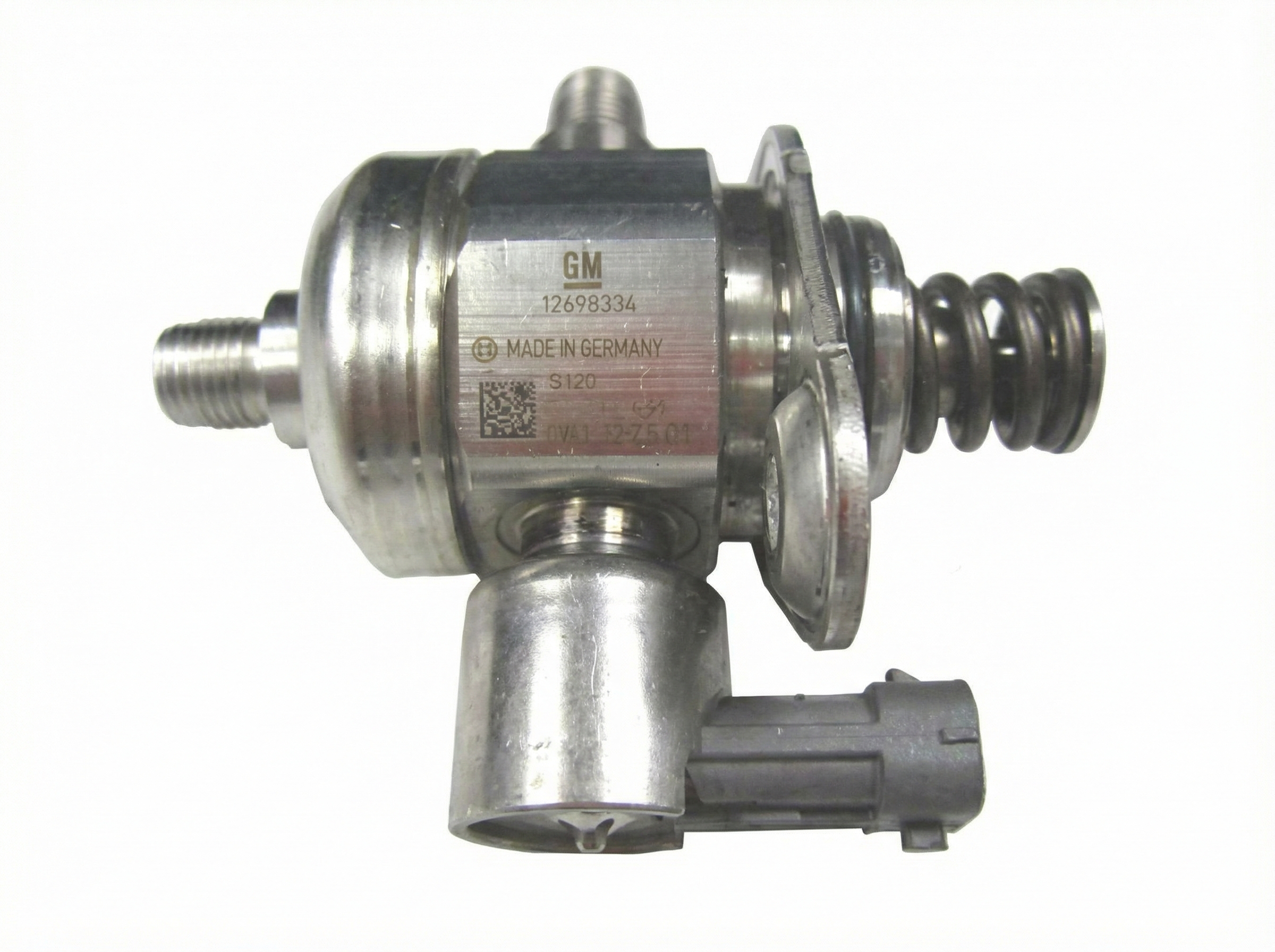
- Low Fuel Pressure: A weak fuel pump or clogged fuel filter can cause a lean condition, but this typically affects both engine banks, triggering P0171 and P0174 simultaneously. If only P0174 is present, this is a less likely cause. The LFX is a direct injection engine, so issues could also stem from the high-pressure fuel pump (HPFP).
- Clogged PCV Orifice (in Valve Cover): → Shop PCV Valve On the 3.6L LFX engine, the PCV orifice is integrated into the valve cover and is not a separate, serviceable valve. Over time, this orifice can clog with sludge, altering crankcase pressure and potentially leading to unmetered air being drawn in through seals, causing lean codes. This is a known issue on the broader 3.6L engine family. The fix is to replace the entire valve cover.
Diagnosis Steps
- Check for other stored trouble codes. Codes like P0171, P0496, or P0300 can provide valuable clues.
- Visually inspect the entire air intake system, especially the flexible rubber boot between the air filter box and the throttle body. Remove it and flex the boot by hand to expose any hidden cracks.
- Test the EVAP purge solenoid. With the engine at idle, disconnect the hose running from the canister to the valve. Place your finger over the valve's port; there should be no suction. If there is, the valve is stuck open and needs replacement.
- Use a scan tool to observe Long Term Fuel Trim (LTFT) data for Bank 2. A value significantly higher than +10% confirms the lean condition. If both banks are high, the issue is systemic (MAF, main intake boot, EVAP purge valve).
- If no obvious leaks are found, remove and clean the Mass Airflow (MAF) sensor using a dedicated MAF sensor cleaner. Let it dry completely before reinstalling.
- If a leak is still suspected but not found, perform a smoke test. This involves feeding pressurized smoke into the intake manifold to visually identify the source of any unmetered air leaks from PCV hoses, intake gaskets, or other connections.
- Carefully inspect PCV hoses for cracks, especially the 'foul' air tube connecting to the intake manifold, as noted in GM engineering bulletins.
Parts You'll Likely Need
- EVAP Canister Purge Valve Solenoid
(OEM #12690512)— This is a very common failure point on the 3.6L LFX engine that causes a vacuum leak when it sticks open, triggering lean codes. It is covered by a Special Coverage program on some models.
Trusted brands: ACDelco, Bosch, Dorman
OEM price range: $35-$60
Aftermarket price range: $25-$50 - Engine Air Cleaner Intake Hose/Duct
(OEM #20885923 (Replaces: 22887315, 22935937))— The flexible portion of this duct is prone to cracking from heat and age, creating a large source of unmetered air after the MAF sensor. Confirmed in owner forums as a common fix.
Trusted brands: GM Genuine, Dorman
OEM price range: $70-$100
Aftermarket price range: $40-$70 - Mass Airflow (MAF) Sensor
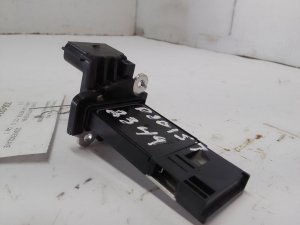
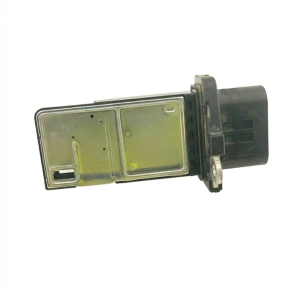
(OEM #23262343 (Replaces: 20787043, 23118170))— If cleaning the original sensor does not resolve the lean condition and no vacuum leaks are present, the sensor itself may have failed.
Trusted brands: ACDelco, Delphi
OEM price range: $90-$150
Aftermarket price range: $60-$120
Related Codes That Often Appear With This One
- P0171 — This is the lean code for Bank 1. When both P0171 and P0174 are present, it strongly points to a single issue affecting the entire engine, such as a dirty MAF sensor or a large vacuum leak from the intake boot or EVAP purge valve.
- P0496 — This code for 'EVAP System High Purge Flow' is commonly caused by a stuck-open EVAP purge valve. Since this creates a vacuum leak, it is a direct cause of the P0174/P0171 codes.
- P0300 — This code indicates random or multiple cylinder misfires. A severe lean condition can starve the cylinders of enough fuel to combust properly, leading to misfires.
Technical Service Bulletins (TSBs) & Recalls
- N222369620: Special Coverage for EVAP Purge Valve. Covers the part for 15 years/150,000 miles on 2020 Impalas.
- PIE0413A / PIE0433A: Engineering Information bulletins where GM requested field data on P0171/P0174 codes for the 3.6L engine family, indicating it was a known issue being tracked. PIE0433A specifically asked technicians to check for leaks at the 'foul' PCV tube connection.
- 12-06-01-009F: Discusses updated timing chain kits for the 3.6L engine to address stretch issues that cause codes like P0008, P0017, etc.
- 18-NA-358: Addresses transmission shudder concerns on various GM models including the Impala, pointing towards issues within the valve body.
- Bulletin #22-NA-171: Provides service information to correct concerns where the Malfunction Indicator Lamp is illuminated with DTCs P0171 and P0174.
- Bulletin #21NA105: Provides repair information regarding Engine Control Module Calibration for instances where P0171 and P0174 are set.
- Bulletin #N192273400: Notes that in worst-case scenarios, customers may experience a check engine light with DTC codes P0171 and/or P0174, requiring inspection of the PCV tube to ensure it is fully seated.
- Bulletin #PIP5686A: Describes a condition where an incorrectly installed or damaged foul air PCV tube may cause an air leak noise and illuminate the SES lamp with P0171 and/or P0174.
- Bulletin #PIP5446A: Advises technicians to inspect for cast flashing near the Mass Air Flow sensor which can lead to rough idle and codes including P0171 and P0174.
Platform-Specific Known Issues
- Special Coverage Adjustment N222369620: GM issued this program for the 2020 Chevrolet Impala (and other models) which extends the warranty for a faulty evaporative emissions purge valve to 15 years or 150,000 miles. This valve sticking open is a direct cause of P0174.
Mechanic-Grade Diagnostic Values
- Long Term Fuel Trim (LTFT) at Idle — expected: Close to 0%, ideally within +/- 5%.. Failure: Sustained positive values above +10% indicate the ECM is adding fuel to compensate for a lean condition. The code often sets when LTFT exceeds +20% or +25%.
- Mass Airflow (MAF) Sensor Reading at Idle — expected: Approximately 3.6 to 4.5 g/s on a warm, stable engine. A rule of thumb is the g/s value should roughly match the engine displacement in liters.. Failure: A reading significantly lower than 3.6 g/s suggests unmetered air (vacuum leak) is entering after the sensor. A significantly higher reading can indicate a faulty sensor.
- EVAP Purge Valve Solenoid Coil Resistance — expected: 20 - 30 Ohms.. Failure: A reading significantly outside this range, or an Open Loop (OL) / short circuit reading, indicates a failed coil.
- Upstream Oxygen Sensor (Bank 2, Sensor 1) Voltage — expected: Fluctuating rapidly between approximately 0.1V and 0.9V on a warm engine.. Failure: A sensor that is stuck low (e.g., < 0.2V) is reading a lean condition. This could be accurate (due to a vacuum leak) or indicate a failed sensor if no other cause is found.
- Low-Side Fuel Pressure (at fuel rail test port) — expected: 43-58 psi (300-400 kPa) with the key on, engine off.. Failure: Pressure below this range indicates a weak fuel pump or clogged filter, which would typically cause lean codes on both banks (P0171 and P0174).
Scan Tool Commands That Help
- GDS2 / Tech2 (or capable aftermarket scanner): EVAP Purge/Seal — This function allows the technician to command the EVAP purge valve open and closed while monitoring fuel trims. Commanding it closed should result in fuel trims returning to normal if the valve was stuck open. This is a definitive way to test the valve's function without removing it.
- GDS2 / Tech2 (or capable aftermarket scanner): Fuel Trim Reset — After a repair is completed (e.g., replacing a cracked intake boot or faulty sensor), resetting the fuel trims will force the ECM to relearn the air/fuel mixture strategy immediately. This provides instant feedback on whether the repair was successful, as Short Term Fuel Trim (STFT) should stabilize near 0%.
Wiring & Ground Locations
- G115 — On the front of the left cylinder bank (Bank 2, the one near the firewall).. This is a primary engine ground. A loose or corroded G115 can cause erratic behavior from sensors grounded to the engine block, including the oxygen sensors, potentially leading to false lean or rich codes.
- G100 — Behind the right headlight assembly.. This is a major chassis ground point in the engine bay. While less direct than an engine ground, poor connections here can affect the Engine Control Module (ECM) and other related systems.
- ECM Connector — The Engine Control Module (ECM) is located inside the air cleaner assembly on the 2014 Impala Limited.. When diagnosing a sensor that is suspected to be bad, performing a continuity or voltage drop test from the sensor connector back to the corresponding pin at the ECM connector is the definitive way to rule out a wiring harness issue.
Real Owner Repair Stories
- YouTube Channel 'Mac Certified' (2015 Chevrolet Impala 3.6L V6 with 98,000 miles) — Check engine light with lean codes P0171 and P0174.
❌ Tried (didn't work) A smoke test was performed and showed no vacuum leaks.
✅ What actually fixed it Using a scan tool, the technician saw that the 'Calculated Air Flow' was 4.5 g/s at idle, but the 'Actual Air Flow' from the MAF sensor was only 2.5 g/s. This proved the MAF sensor was faulty and under-reporting airflow. Replacing the MAF sensor fixed the issue. - YouTube Video on a similar GM 3.6L platform (2015 Chevy Traverse 3.6L V6) — Check Engine Light with codes P0171, P0174, P0446, and P0496.
❌ Tried (didn't work) The diagnosis immediately pointed to the purge valve due to the combination of lean and EVAP codes.
✅ What actually fixed it Replacing the EVAP Purge Valve Solenoid. The stuck-open valve created a vacuum leak that was the single root cause for all the codes.
"I Checked Everything" — The Actual Cause
- A common scenario for P0174 on the 3.6L V6 is for a smoke test to show no leaks, yet the lean condition persists. The cause is often a contaminated or failing Mass Airflow (MAF) sensor that is not leaking but is under-reporting the amount of air entering the engine. The ECM injects too little fuel based on this bad data, creating a lean condition that mimics a vacuum leak. The fix is to replace the MAF sensor.
OEM Part Supersession History
22887315, 22935937→20885923— Part revision by manufacturer.20787043, 23118170→23262343— Part revision by manufacturer.
Model Year Variations Within This Range
- 2012-2014 (approx.): Some earlier LFX engines reportedly had undersized PCV orifices in the valve cover baffles, making them more prone to clogging with sludge and oil deposits. This can lead to improper crankcase pressure and contribute to lean codes. Some owners have modified them by drilling the holes to a larger size (e.g., 7/64" and 5/64"), though the official repair is replacing the valve cover with an updated part.
Diagnostic Flowchart
Other Known Issues on This Vehicle
Issues unrelated to this code that are worth knowing about as an owner of this generation:
- Premature Timing Chain Stretch 🔴 High — Common on 3.6L LFX engines, especially those with extended oil change intervals. Often manifests between 70,000 and 150,000 miles. Symptoms include a rattle on startup and codes P0008, P0017, P0018, etc. (Ref: TSB #12-06-01-009F)
- Torque Converter Shudder 🟠 Medium — A shudder or vibration felt during light acceleration, often described as driving over rumble strips. Can occur at various mileages. (Ref: TSB #18-NA-358)
- Carbon Buildup on Intake Valves 🟠 Medium — An inherent issue with Gasoline Direct Injection (GDI) engines like the LFX. Fuel is not sprayed over the intake valves, so carbon deposits can build up over 80,000+ miles, causing misfires, rough idle, and reduced performance.
- Water Pump Failure 🟠 Medium — The water pump on the 3.6L LFX is driven by the timing chain and is located behind the timing cover. It is a known failure point, and due to the high labor cost to access it, it is often replaced preventatively during a timing chain service.
- High Oil Consumption 🟠 Medium — Some 3.6L engines can consume oil between changes. This is often attributed to the PCV system and piston ring design. Failure to keep the oil level topped off can accelerate timing chain wear.
Used vs. New Parts: Buying Guide for This Vehicle
When a used part is the smart pick: For structural components like the 'Engine Air Cleaner Intake Hose/Duct', a used part from a reputable auto recycler is a reasonable choice. These parts fail from age and heat, so a part from a newer, lower-mileage donor vehicle can be a cost-effective solution.
Donor-vehicle mileage cap: roughly under 80000 miles for the part to have meaningful remaining life.
What to inspect on the donor part:
- For an Intake Hose: Inspect thoroughly for any signs of cracking, especially in the flexible accordion sections. The rubber should still be pliable, not hard or brittle.
- For an EVAP Purge Valve: Check the plastic housing for cracks. Ensure the electrical connector pins are clean and not corroded.
- For a MAF Sensor: Visually inspect the sensor wires through the bore. They should be clean and free of oil, debris, or any physical damage.
OEM-only on this vehicle (don't cheap out):
- Mass Airflow (MAF) Sensor: It is strongly recommended to use a genuine GM/ACDelco sensor (new or used) or a top-tier OEM supplier like Delphi. Cheaper aftermarket MAF sensors are often poorly calibrated and can cause persistent performance issues or fail to resolve the lean code.
Aftermarket brands forum-validated for this vehicle:
- EVAP Purge Valve: Bosch, ACDelco (OEM), Dorman
- Intake Hose: Dorman, GM Genuine (OEM)
Brands owners have reported issues with on this vehicle:
- No-name or unbranded 'white box' electronic sensors, particularly Mass Airflow Sensors, from online marketplaces.
Real Owner Stories
Aggregated from forums and TSBs cited above. Mileages and costs reflect what owners reported in those sources.
2014 Impala 2LTZ 3.6L LFX
Symptoms: The owner reported getting both P0171 and P0174 codes simultaneously.
What fixed it: A dealer diagnosis identified a cracked/torn air intake hose (part #20885923) as the source of the unmetered air leak.
Source hint: chevroletforum.com thread titled '2014 Impala 2LTZ - P0171 & P0174'
2012 Impala 3.6L LFX
Symptoms: The vehicle initially had a torn intake boot. After that was fixed, lean codes returned along with a P0496 code.
What fixed it: The technician diagnosed and replaced a stuck-open EVAP purge valve which was causing a secondary vacuum leak.
Source hint: YouTube video 'Chevy P0174 & P0496'
2012 Impala 3.6L LFX
Symptoms: The car presented with a combination of P0174, P0300, P0443, and P0496.
What fixed it: The technician confirmed the purge valve was stuck open by feeling for suction at the port during idle and replaced the valve to resolve all codes.
Source hint: YouTube video 'Chevy Impala 3.6L V6 Purge Valve Replacement P0496, P0443'
Related OBD-II Codes
Frequently Asked Questions
Is there a special warranty extension for the EVAP purge valve on my 2020 Chevrolet Impala?
I have a P0174 on my 2014 Impala 2LTZ; what is the most likely physical part to check first?
What does GM bulletin PIE0433A say about the P0174 code on the 3.6L engine?
Can a faulty EVAP purge valve cause other codes besides P0174 on my 2012 Impala?
How can I tell if my Impala's P0174 is caused by the MAF sensor or a vacuum leak?
Is the P0174 code related to the timing chain issues mentioned in TSB 12-06-01-009F?
Helpful Videos

Used OEM Parts in Stock

New Aftermarket Parts Available


The information in this article is provided for general reference and educational purposes only. Vehicle specifications, procedures, and part compatibility can vary by production date, trim level, and region. Always consult your vehicle's factory service manual and verify part numbers before purchasing or performing repairs. Safety-critical components such as airbags, seat belts, and braking systems should be installed by a qualified professional.
- Chevrolet Impala:
- 🧭 Diagnostic Flowchart
- 🎬 Helpful Videos
- 🛍️ Shop This Part
- What's Unique About the 2012-2020 Chevrolet Impala
- Symptoms You May Notice
- Most Likely Causes
- Rare But Worth Checking
- Diagnosis Steps
- Parts You'll Likely Need
- Related Codes That Often Appear With This One
- Technical Service Bulletins (TSBs) & Recalls
- Platform-Specific Known Issues
- Mechanic-Grade Diagnostic Values
- Scan Tool Commands That Help
- Wiring & Ground Locations
- Real Owner Repair Stories
- "I Checked Everything" — The Actual Cause
- OEM Part Supersession History
- Model Year Variations Within This Range
- Other Known Issues on This Vehicle
- Used vs. New Parts: Buying Guide for This Vehicle
- Real Owner Stories
- 2014 Impala 2LTZ 3.6L LFX
- 2012 Impala 3.6L LFX
- 2012 Impala 3.6L LFX
- Related OBD-II Codes
- Frequently Asked Questions
- 🎟️ Get 5% Off