

P0174 on 2011-2019 Ford Explorer 3.5L: Causes and Fixes for System Too Lean (Bank 2)
On a 2011-2019 Explorer with the 3.5L V6, code P0174 almost always means there is a vacuum leak. The most common cause is a small, brittle plastic nipple on the main air intake tube that breaks off. Check this part first before buying any sensors. Other common causes include a stuck-open EVAP purge valve or cracked PCV hoses. A smoke test is the best way to confirm the leak.
- Assume you have a vacuum leak first. This is the most probable cause for P0174 on this engine.
- Specifically check the air intake tube for a broken plastic nipple before spending money on parts or diagnostic tests.
- If both P0174 (Bank 2) and P0171 (Bank 1) are present, the cause is a leak that affects the whole engine, like the intake tube or purge valve.
- Do not replace the oxygen sensor as a first step. It is almost always correctly reporting a lean condition caused by something else.
- A smoke test is the most effective tool for finding hard-to-see vacuum leaks from hoses or gaskets.
What's Unique About the 2011-2019 Ford Explorer
While P0174 is a generic code, the 3.5L Cyclone V6 platform has specific, well-documented weak points that commonly cause it. A frequently cited issue is a small plastic nipple on the main air intake duct that connects to a PCV hose; this nipple is notoriously brittle and easy to break when servicing the air filter, creating a significant vacuum leak. Additionally, the EVAP purge valve and various PCV crankcase breather hoses are known to fail by sticking open or cracking, causing unmetered air to enter the engine. These few items account for a vast majority of P0174 cases on this specific vehicle.
Symptoms You May Notice
- Check Engine Light is on
- Rough or unstable idle
- Hesitation or stumbling during acceleration
- Reduced fuel economy
- Engine misfires (in severe cases), which may feel like a shudder
- A whistling or hissing noise from the engine bay, indicating a vacuum leak
- Replacing the oxygen (O2) sensor first. The O2 sensor is almost always doing its job correctly by reporting the lean condition. The fault usually lies with unmetered air or a fuel delivery problem, not the sensor itself.
Most Likely Causes
- Broken Nipple on Air Intake Tube 🔴 High Probability → Shop Engine Air Intake Resonator The plastic nipple for the PCV hose connection on the main air intake tube becomes very brittle from engine heat and age. It frequently breaks during routine air filter changes, creating a large vacuum leak. This is the most common point of failure for this code on this engine.
How to confirm: Visually inspect the large black plastic air intake tube between the air filter box and the throttle body. Pay close attention to the small port on the side where a smaller hose connects. Check if it is cracked, has a hairline fracture, or has snapped off completely. The break is often very obvious.
Typical fix: Replace the entire engine air intake hose assembly. The nipple is part of the molded assembly and cannot be repaired reliably with glue or epoxy due to engine bay heat and vibration. The replacement is straightforward, requiring only the loosening of two hose clamps and disconnecting the associated hose.
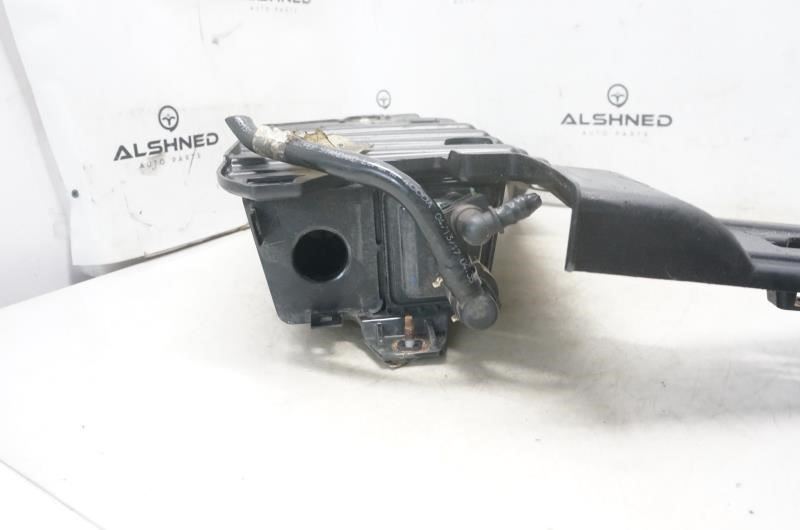
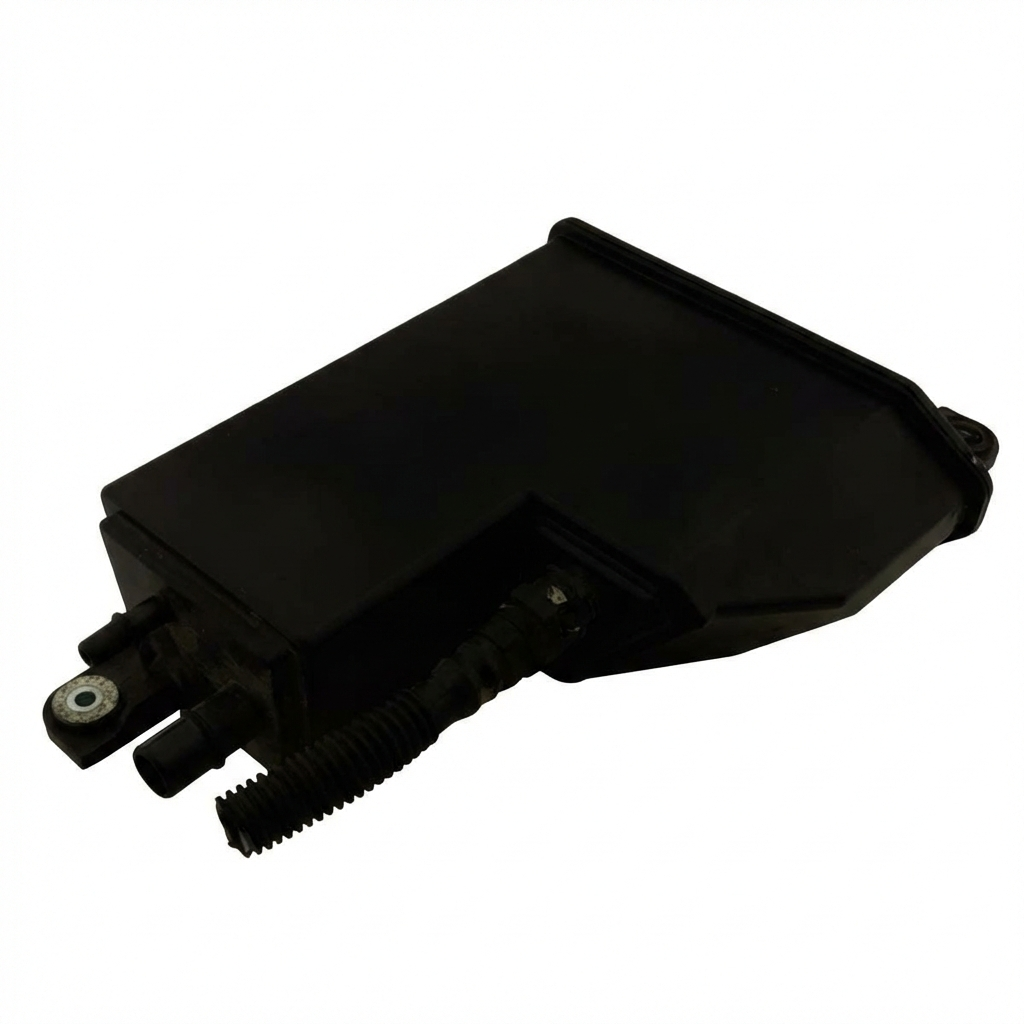
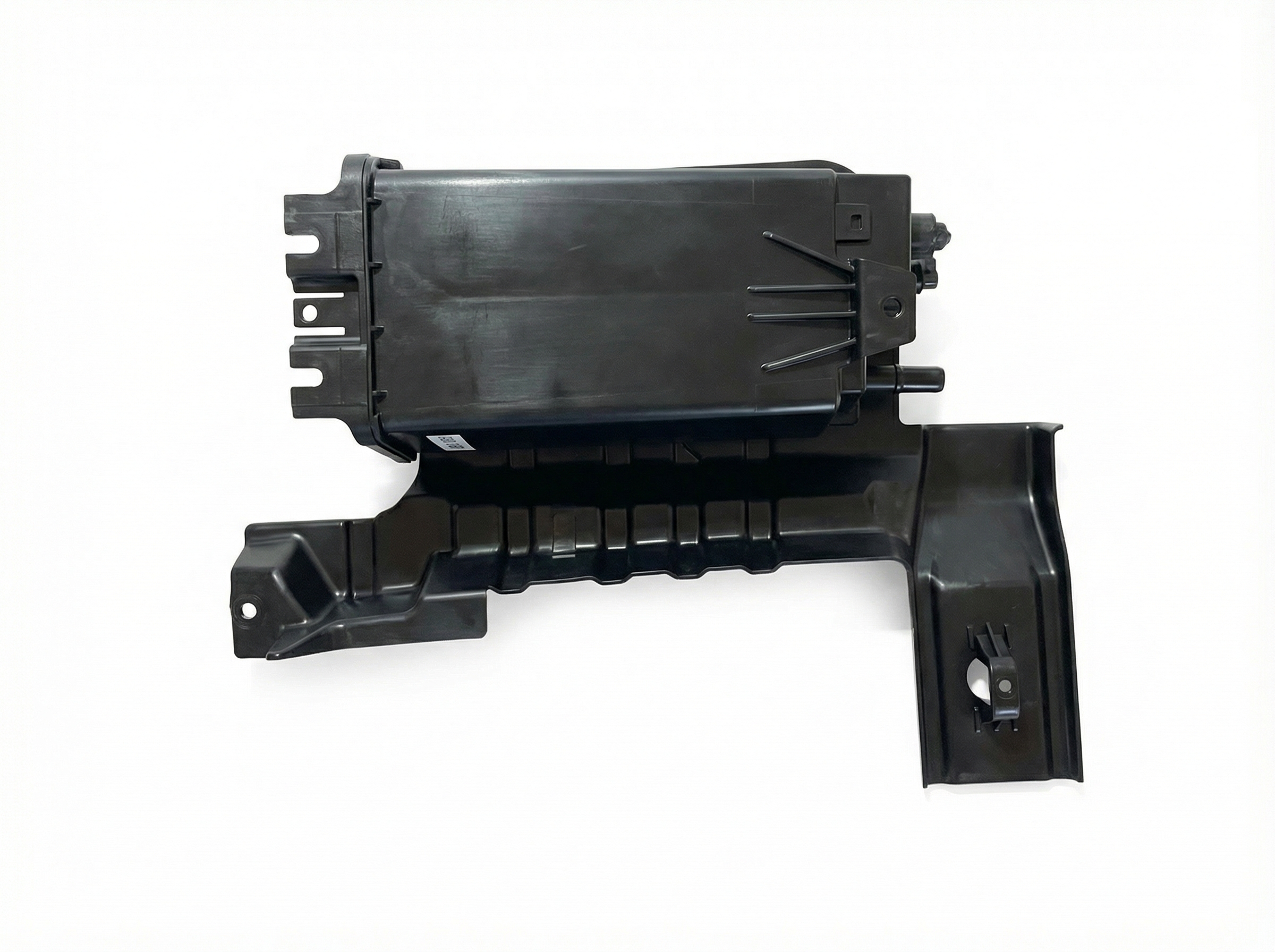
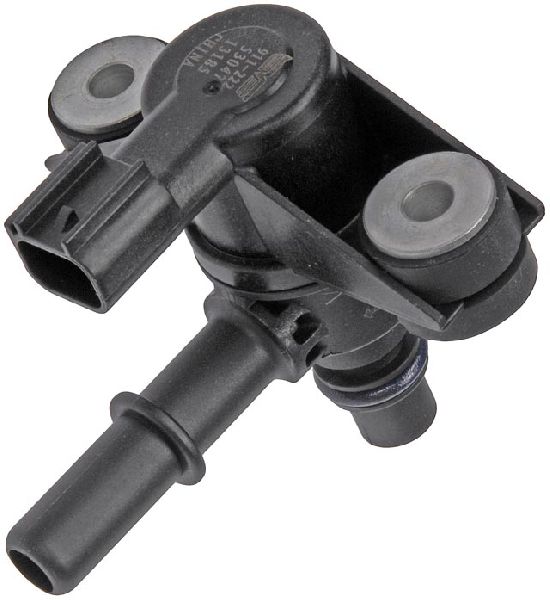
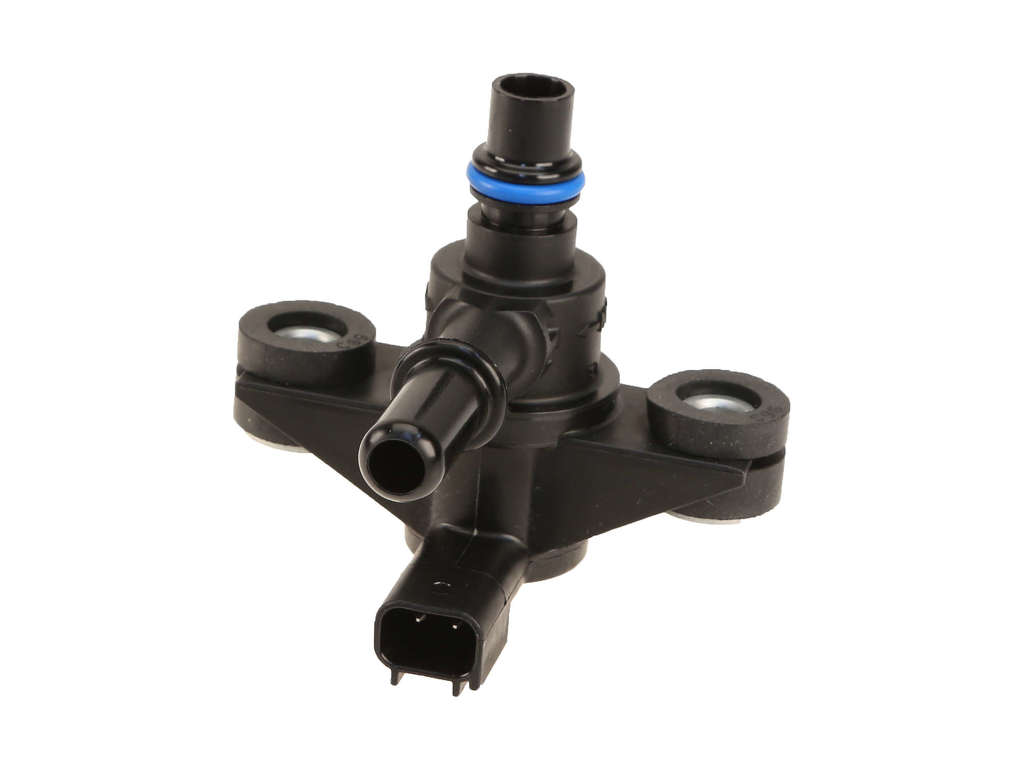
Est. part cost: $80-$150 - Faulty EVAP Canister Purge Valve 🟡 Medium Probability → Shop Vapor Canister This is a widely documented failure point on many Ford vehicles from this era. The valve sticks open, allowing a constant, unmetered flow of fuel vapors and air into the intake manifold, which the PCM interprets as a lean condition because the air is unmetered.
How to confirm: With the engine idling, disconnect the electrical connector from the purge valve. Then, disconnect the vapor line running from the valve to the intake manifold and place your finger over the port on the valve itself. If you feel any suction, the valve is stuck open and must be replaced. There should be zero vacuum present when the valve is electrically disconnected.
Typical fix: Replace the canister purge valve. It is typically mounted near the intake manifold and is an easy repair, often held by a single bolt and two hose connections.
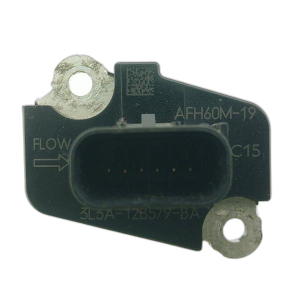
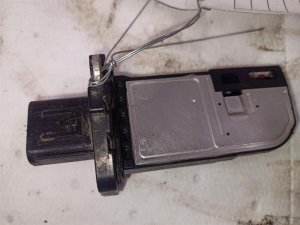
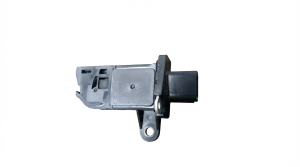
Est. part cost: $30-$60 - Dirty or Faulty Mass Airflow (MAF) Sensor 🟡 Medium Probability → Shop Fuel Injection Air Flow Meter Dirt and oil vapor from the PCV system can coat the delicate sensor wire, causing it to under-report the amount of air entering the engine. The PCM then injects too little fuel, leading to a lean condition across both banks (P0171 and P0174).
How to confirm: Remove the MAF sensor from the air intake housing. Visually inspect the small wires inside. If they appear dirty, clean them ONLY with dedicated MAF sensor cleaner spray. Do not touch the wires or use other chemicals like brake cleaner, which will destroy the sensor.
Typical fix: Clean the sensor with MAF cleaner spray. Let it air dry completely for at least 30 minutes before reinstalling. If cleaning does not resolve the issue, replace the sensor assembly. Using an OEM Motorcraft part is highly recommended for accuracy.
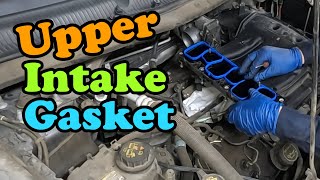
Est. part cost: $10-$15 for cleaner, $70-$150 for a new sensor - Leaking Intake Manifold Gaskets ⚪ Low Probability → Shop Engine Intake Manifold Over time, the gaskets between the upper and lower intake manifold sections can degrade, shrink, or crack, allowing unmetered air to leak into the intake ports. This is less common than the above causes but becomes more likely on higher-mileage vehicles.
How to confirm: The most definitive method is a smoke test. A mechanic can fill the intake manifold with smoke under light pressure and look for smoke leaking from the gasket mating surfaces. A less precise DIY method is to spray short bursts of brake cleaner or a water mist around the gasket area with the engine idling; a noticeable change in engine RPM or sound indicates a leak.
Typical fix: Replace the upper and lower intake manifold gaskets. This is a more labor-intensive job that requires removal of the upper intake manifold.
Est. part cost: $40-$80 for gaskets
Rare But Worth Checking
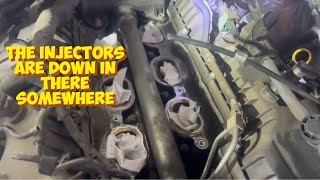
- Clogged or Failing Fuel Injectors: → Shop Fuel Injector While less common than vacuum leaks, if the code is isolated to Bank 2 and no vacuum leaks are found, a clogged injector on one of the rear cylinders (4, 5, or 6) could be restricting fuel flow. This was noted by some owners after ruling out all other causes.
- Weak Fuel Pump: → Shop Fuel Pump If you have both P0174 and P0171 (both banks lean), and you've ruled out large vacuum leaks, the issue could be systemic low fuel pressure from a failing pump. A fuel pressure test would be required to confirm.
- Cracked or Disconnected PCV Hoses: → Shop PCV Valve Hose Beyond the main intake tube nipple, other smaller vacuum and PCV hoses can become brittle and crack over time. A thorough visual inspection of all rubber lines connected to the intake manifold is warranted.
Diagnosis Steps
- Check for other codes. Use an OBD-II scanner to see if P0171 or any other codes are present, which can help narrow down the cause. The presence of P0171 strongly suggests a large vacuum leak affecting the whole engine.
- Visually inspect the air intake system. Carefully check the entire air intake tube between the air filter box and the throttle body. Pay extremely close attention to the small plastic nipple for the PCV hose; check if it's cracked or broken off completely. This is the number one cause.
- Inspect all vacuum and PCV hoses. Look for any cracked, disconnected, or mushy rubber hoses connected to the intake manifold and valve covers.
- Test the EVAP Purge Valve. With the engine idling, disconnect the electrical plug and the intake-side hose from the valve. Check for any vacuum suction at the valve's port. There should be none. If suction is felt, the valve is stuck open and is the cause of the leak.
- Clean the Mass Airflow (MAF) Sensor. Remove the sensor and spray the internal wires with dedicated MAF sensor cleaner. Let it dry completely before reinstalling. Do not touch the wires.
- Monitor Fuel Trims. Use a scan tool to observe Short-Term (STFT) and Long-Term Fuel Trim (LTFT) values at idle and at 2,500 RPM. High positive fuel trims (e.g., LTFT >15-20%) at idle that decrease significantly as RPMs increase strongly suggest a vacuum leak. If trims remain high at RPM, it could point to a MAF or fuel delivery issue.
- Perform a Smoke Test. If a vacuum leak is suspected but not visible, a smoke test is the most effective way to find it. This involves injecting smoke into the intake system and watching where it escapes.
Parts You'll Likely Need
- Engine Air Intake Hose
(OEM #BB5Z-9B659-D)— This is the most common point of failure. The integrated plastic nipple for a PCV hose becomes brittle and breaks, causing a major vacuum leak.
Trusted brands: Motorcraft, Dorman
OEM price range: $100-$150
Aftermarket price range: $80-$120 - Vapor Canister Purge Valve
(OEM #CX-2349 (Motorcraft))— A very common failure on Ford vehicles where the valve sticks open, creating a constant vacuum leak from the fuel tank vapor system.
Trusted brands: Motorcraft, Bosch, Dorman
OEM price range: $40-$60
Aftermarket price range: $25-$50 - Mass Airflow (MAF) Sensor
(OEM #AFLS-165 (Motorcraft))— Often gets contaminated with oil and dirt, causing it to under-report airflow and trigger lean codes. Cleaning is often sufficient, but replacement may be necessary.
Trusted brands: Motorcraft, Hitachi, Bosch
OEM price range: $120-$190
Aftermarket price range: $70-$150
Related Codes That Often Appear With This One
- P0171 — System Too Lean (Bank 1). This code often appears with P0174 because a large vacuum leak (like the intake tube or purge valve) affects the entire engine, causing both banks to run lean.
- P1450 — Unable to Bleed Up Fuel Tank Vacuum. This code is strongly associated with a faulty or stuck EVAP purge valve, which is also a common cause of lean codes.
- P0300, P0304, P0305, P0306 — Cylinder Misfire. A severe lean condition on Bank 2 can prevent proper combustion, leading to misfires on one or more cylinders of that bank (Cylinders 4, 5, and 6 are on Bank 2).
Technical Service Bulletins (TSBs) & Recalls
- Exhaust Odor In Vehicle: Addresses customer complaints of an exhaust or sulfur smell in the cabin, particularly with the auxiliary climate control on or during heavy acceleration. The procedure involves sealing body seams and air extractors. This is a well-known issue separate from the P0174 code.
- MIL Illuminated with DTCs P013A and/or P013C: While not for P0174, this TSB for the same engine addresses other powertrain diagnostic codes, indicating ongoing manufacturer support and documentation for engine management issues on this platform.
Platform-Specific Known Issues
- A widespread issue on the 3.5L Cyclone engine is the brittleness of the PCV nipple on the air intake duct, which often breaks during air filter service, immediately causing lean codes P0171 and P0174.
Mechanic-Grade Diagnostic Values
- Long-Term + Short-Term Fuel Trim (LTFT + STFT) — expected: Combined total between -10% and +10% at idle and steady RPM.. Failure: A sustained combined value greater than +25% will trigger the P0174 code.
- Mass Airflow (MAF) Sensor Reading at Idle — expected: Approximately 3.5 g/s for a warmed-up 3.5L engine with no load.. Failure: A reading significantly lower than expected (e.g., <3.0 g/s) while fuel trims are high suggests a vacuum leak (unmetered air). A reading that doesn't increase smoothly with RPM suggests a faulty sensor.
- Low-Side Fuel Pressure (Key On, Engine Off) — expected: 55-65 PSI for the naturally aspirated 3.5L engine.. Failure: Pressure below 55 PSI indicates a weak in-tank fuel pump, clogged filter, or failing Fuel Pump Driver Module (FPDM).
- Upstream O2 Sensor (B2S1) Voltage — expected: Rapidly fluctuating between 0.1V and 0.9V once the engine is in closed-loop operation.. Failure: A sensor that is stuck low (e.g., <0.2V) is correctly detecting a lean condition. A sensor that is lazy, biased, or stuck high is faulty, but this is not the typical cause of a P0174 code.
Scan Tool Commands That Help
- Ford IDS / FORScan: Reset All Adaptations / Clear Transmission Adaptive Tables / Reset KAM — After performing a repair for a P0174 code, especially after fixing a vacuum leak or replacing a MAF sensor, it is critical to reset the Keep Alive Memory (KAM). This clears the old, learned long-term fuel trim adjustments. Failing to do so can cause the vehicle to run poorly as the PCM tries to apply the old, incorrect fuel corrections to a now-repaired system.
- Ford IDS / FORScan: Power Balance Test — If a lean condition is severe enough to cause misfires (P0304, P0305, P0306), this bidirectional test can help identify which specific cylinder is weakest. This is useful for pinpointing a single clogged fuel injector on Bank 2 after vacuum leaks have been ruled out.
Wiring & Ground Locations
- G108 / G109 — G108 is often located on the right rear of the engine compartment. G109 is at the front of the engine.. These are common engine compartment ground points. A corroded or loose ground at these locations can cause erratic voltage and signal readings for various sensors, including the MAF and O2 sensors, potentially leading to incorrect fuel trim calculations.
- MAF Sensor Connector (C134) — On the air intake tube, immediately after the air filter housing.. This is the primary connection for the MAF/IAT sensor. Damaged wires, spread pins, or corrosion in this 5 or 6-pin connector can cause incorrect airflow readings, leading to lean codes. Wiggling the harness here while watching live data can identify intermittent connections.
Real Owner Repair Stories
- Vertex AI Search Result Snippet (2018 Ford Explorer Sport) — P0171 and P0174 codes present, fuel trims at +29%.
❌ Tried (didn't work) Multiple vacuum leak tests (smoke, water spray, propane) all came back clean, Replaced intake manifold gaskets
✅ What actually fixed it The final fix was replacing all fuel injectors and the fuel rail pressure sensor, which immediately corrected the fuel trims.
"I Checked Everything" — The Actual Cause
- In at least one documented case for a 2018 Explorer, multiple smoke tests and other vacuum leak detection methods found no issues. The persistent P0171/P0174 codes were ultimately resolved by replacing clogged fuel injectors and a faulty fuel rail pressure sensor, indicating a fuel delivery problem, not an unmetered air issue.
OEM Part Supersession History
BB5Z-9B659-A→BB5Z-9B659-D— Part revision by Ford. The updated part may use a more durable material for the nipple or have other minor design improvements to prevent the common breakage issue.
Model Year Variations Within This Range
- 2011-2019: The core cause of P0174 on the 3.5L NA V6 remains consistent across the entire 5th generation. The primary engine itself did not undergo significant changes that would alter the diagnosis of this code. A mid-cycle refresh occurred in 2016, but it was primarily cosmetic and did not change the common failure points like the intake tube or purge valve.
- 2011-2019: A known weak point on the 3.5L V6 across this generation is the internal water pump. While not a direct cause of P0174, a failing water pump can lead to coolant leaking into the oil, causing major engine problems. Some sources suggest the 2019 model year, being the last of the generation, had quiet corrections for some known issues, but the water pump design remained a concern.
Diagnostic Flowchart
Other Known Issues on This Vehicle
Issues unrelated to this code that are worth knowing about as an owner of this generation:
- Internal Water Pump Failure 🔴 High — Commonly occurs between 80,000 and 150,000 miles. Failure can be catastrophic.
- Power Transfer Unit (PTU) Failure 🔴 High — Common on AWD models, especially if the fluid is not changed. Ford called the fluid 'lifetime,' which was inaccurate.
- Exhaust Fumes in Cabin 🟠 Medium — Widespread on 2011-2017 models, leading to a NHTSA investigation and multiple TSBs. (Ref: TSB 16-0166)
- Electronic Throttle Body Failure 🟠 Medium — A common failure point across many Ford models of this era, including the Explorer. (Ref: TSB 16-0139 (covers related platforms))
Used vs. New Parts: Buying Guide for This Vehicle
When a used part is the smart pick: For a broken air intake tube (the most common fix), a used part from a low-mileage donor vehicle is a very reasonable and cost-effective choice. It is a simple plastic/rubber component that is not a high-wear item, provided the nipple is intact.
Donor-vehicle mileage cap: roughly under 60000 miles for the part to have meaningful remaining life.
What to inspect on the donor part:
- Inspect the critical PCV nipple to ensure it is not cracked, brittle, or showing stress marks.
- Check the flexible rubber sections for any signs of dry rot, cracking, or mushiness.
- Ensure all mounting points and clamp areas are intact.
OEM-only on this vehicle (don't cheap out):
- Mass Airflow (MAF) Sensor: While some aftermarket brands are reputable, cheap, unbranded online sensors are notorious for being poorly calibrated out of the box, leading to persistent performance issues and codes. It is highly recommended to use an OEM Motorcraft part or a top-tier aftermarket brand like Bosch or Hitachi.
- Fuel Injectors: If injectors are determined to be the cause, using OEM or a reputable remanufacturer is critical for proper flow rates and spray patterns.
Aftermarket brands forum-validated for this vehicle:
- Dorman (for Air Intake Hose)
- Bosch (for EVAP Purge Valve, MAF Sensor)
- Motorcraft (OEM for all parts)
Brands owners have reported issues with on this vehicle:
- Unbranded, no-name MAF sensors and fuel injectors sold on marketplaces like eBay or Amazon are frequently cited in forums as being defective on arrival or failing shortly after installation.
Real Owner Stories
Aggregated from forums and TSBs cited above. Mileages and costs reflect what owners reported in those sources.
2011-2019 Ford Explorer 3.5L V6
Symptoms: Check engine light with P0171 and P0174 lean codes; the community noted this often happens after routine maintenance.
What fixed it: Replacement of the air intake hose assembly due to a broken PCV nipple.
Source hint: ExplorerForum.com - P0171 & P0174 Lean Codes
Ford 3.5L Cyclone V6
Symptoms: Lean codes P0171/P0174; visual inspection showed a snapped plastic port on the intake duct.
What fixed it: Replacing the broken air intake nipple/duct and testing the purge valve for suction.
Source hint: YouTube - Ford 3.5L/3.7L P0171/P0174 Common Causes
Related OBD-II Codes
Frequently Asked Questions
I heard there is a TSB for exhaust smells in the 2011-2019 Explorer; is this related to my P0174 code?
Can I just glue the broken plastic nipple back onto my air intake tube to fix the P0174?
Why did my Explorer throw both P0171 and P0174 at the same time after I changed my air filter?
Is there a specific TSB for the 3.5L engine regarding oxygen sensor codes?
Should I replace my MAF sensor immediately to fix this code?
How can I tell if my EVAP Purge Valve is causing the lean condition?
Helpful Videos
Used OEM Parts in Stock
New Aftermarket Parts Available


The information in this article is provided for general reference and educational purposes only. Vehicle specifications, procedures, and part compatibility can vary by production date, trim level, and region. Always consult your vehicle's factory service manual and verify part numbers before purchasing or performing repairs. Safety-critical components such as airbags, seat belts, and braking systems should be installed by a qualified professional.
- Ford Explorer:
- 🧭 Diagnostic Flowchart
- 🎬 Helpful Videos
- 🛍️ Shop This Part
- What's Unique About the 2011-2019 Ford Explorer
- Symptoms You May Notice
- Most Likely Causes
- Rare But Worth Checking
- Diagnosis Steps
- Parts You'll Likely Need
- Related Codes That Often Appear With This One
- Technical Service Bulletins (TSBs) & Recalls
- Platform-Specific Known Issues
- Mechanic-Grade Diagnostic Values
- Scan Tool Commands That Help
- Wiring & Ground Locations
- Real Owner Repair Stories
- "I Checked Everything" — The Actual Cause
- OEM Part Supersession History
- Model Year Variations Within This Range
- Other Known Issues on This Vehicle
- Used vs. New Parts: Buying Guide for This Vehicle
- Real Owner Stories
- 2011-2019 Ford Explorer 3.5L V6
- Ford 3.5L Cyclone V6
- Related OBD-II Codes
- Frequently Asked Questions
- 🎟️ Get 5% Off