

P0174 on 2015-2019 Ford Transit 3.7L V6: Causes and Fixes for Lean Bank 2
P0174 on a 2015-2019 Ford Transit 3.7L means the driver's side of the engine is running lean. The most common causes are vacuum leaks from failed intake manifold gaskets or a dirty Mass Airflow (MAF) sensor. Also, check for vehicle-specific TSBs related to water intrusion into the air filter box (TSB 19-2091) and kinked EVAP hoses (TSB 21-2106), as these are well-documented issues for this platform.
- P0174 on your Transit means the driver's side of the engine has too much air or not enough fuel.
- Before buying parts, check for Transit-specific issues: look for a water-soaked air filter and inspect the EVAP vent hose for kinks.
- The most common general causes are vacuum leaks from aged intake manifold gaskets and a dirty MAF sensor.
- Do not replace the oxygen sensor first; it is almost always doing its job correctly by reporting the problem.
- If both P0171 and P0174 are present, focus on causes that affect the whole engine, like the MAF sensor or a major vacuum leak.
What's Unique About the 2015-2019 Ford Transit
While a lean code is a common issue on many vehicles, the 2015-2019 Ford Transit has specific vulnerabilities documented in Ford's Technical Service Bulletins (TSBs). Water leaking from the cowl panel area directly into the engine bay can saturate the air filter, leading to incorrect MAF sensor readings and lean codes (TSB 19-2091, which supersedes 18-2321 and 17-0014). Additionally, another TSB (21-2106) points to a kinked evaporative emissions (EVAP) hose near the carbon canister as a direct cause, often accompanied by code P1450. These known issues make it crucial to investigate these platform-specific problems before defaulting to more general lean code causes like intake gasket leaks, which are also common on the 3.7L engine.
Symptoms You May Notice
- Check Engine Light is on
- Rough or high idle
- Hesitation or stumbling during acceleration
- Reduced engine power
- Engine misfires, which may or may not trigger additional misfire codes (P0300, P0302, etc.)
- Reduced fuel economy
- Hissing sound from the engine bay, indicating a vacuum leak.
- Replacing the Bank 2, Sensor 1 oxygen sensor. The O2 sensor is usually just the messenger, correctly reporting the lean condition. The actual problem is typically unmetered air or insufficient fuel. 🎬 Watch: A mechanic explains how to diagnose Ford lean codes.
Most Likely Causes
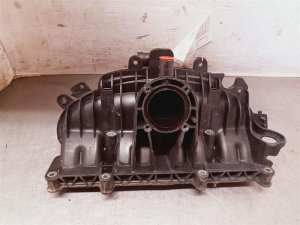
- Vacuum Leak (Intake Manifold Gaskets) 🔴 High Probability The intake manifold gaskets on the 3.7L V6 are a known failure point across multiple Ford platforms, including the F-150. They can become hard and brittle over time, failing to seal properly, especially in cold weather, allowing unmetered air to enter the intake. The leak is often more pronounced at idle when engine vacuum is highest.
How to confirm: With the engine running, spray short bursts of brake cleaner or a propane torch (unlit) around the intake manifold sealing area. A change in engine idle (a rise in RPM) indicates the combustible spray is being sucked into the engine, confirming a leak. A professional smoke test is the most definitive method. Monitoring fuel trims with a scan tool will show high positive numbers at idle that decrease as RPMs increase.
Typical fix: Replace the upper and lower intake manifold gaskets. This is a moderately involved DIY job. The OEM part number for the upper intake manifold gasket is AT4Z-9H486-A. A full kit including upper and lower gaskets is also available from various manufacturers.
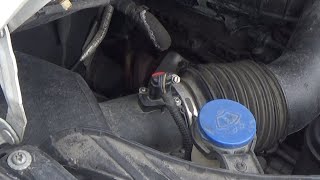
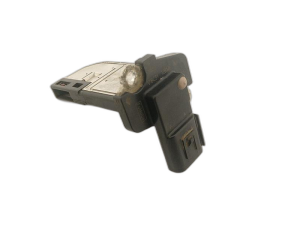
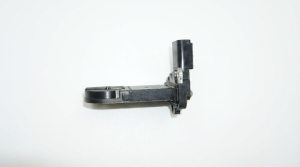
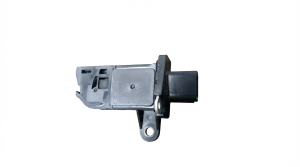
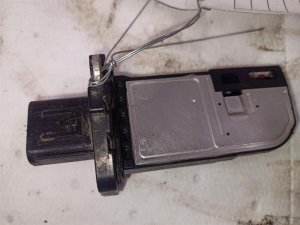
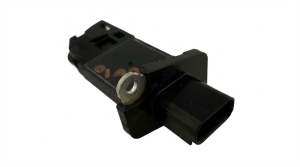
Est. part cost: $40-$90 - Dirty or Faulty Mass Airflow (MAF) Sensor 🔴 High Probability → Shop Fuel Injection Air Flow Meter The MAF sensor is sensitive to dirt, oil, and moisture. If the air filter is not seated correctly, is an over-oiled aftermarket type, or if water intrusion occurs (a known Transit issue), the sensor can become contaminated. This contamination causes it to under-report the amount of air entering the engine, leading the PCM to inject too little fuel.
How to confirm: Remove the MAF sensor from the intake tube and inspect the small wires. If they appear dirty, cleaning them is a good first step. A scan tool can be used to monitor the MAF reading at idle (should be around 4-7 g/s for this engine) and to check for skewed voltage readings.
Typical fix: Clean the sensor using a dedicated MAF sensor cleaner spray. Do not touch the wires. If cleaning doesn't resolve the issue or if the sensor is damaged, replace it. The Motorcraft part is often cited as 8V2Z-12B579-A, though it's best to verify by VIN.
Est. part cost: $10-$20 (cleaner), $80-$140 (new sensor) - Water Intrusion into Engine Bay / Air Filter 🟡 Medium Probability → Shop Air Cleaner Assembly Per Ford TSB 19-2091 (superseding 17-0014), the cowl panel design on Transits built before July 24, 2018, can allow water to leak into the engine compartment, saturating the air filter. A wet air filter restricts airflow, causing the MAF sensor to give inaccurate readings, which can lead to a host of codes including P0174.
How to confirm: Open the air filter housing and inspect the air filter for signs of water damage, such as staining, dampness, mold, or disintegration. Check for water trails or corrosion around the air filter housing and on top of the engine.
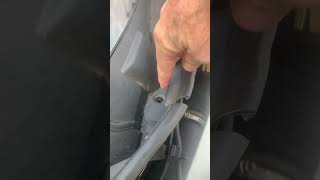
Typical fix: Replace the wet air filter (Motorcraft P/N: CK4Z-9601-A). To prevent recurrence, install the updated water management hardware specified in TSB 19-2091. This includes applying a mastic patch (P/N: 4L3Z-18203A16-AA) and installing an updated water deflector (P/N: CK4Z-6102408-AA). 🎬 Watch: How to fix the water intrusion and wet filter issue.
Est. part cost: $25-$50 (filter), $75-$150 (deflector kit and seals) - Kinked EVAP Fresh Air Vent Line 🟡 Medium Probability Ford TSB 21-2106 notes that the EVAP fresh air line near the carbon canister can become kinked, restricting vapor flow. This creates an unmetered vacuum source when the purge valve opens, triggering lean codes, often alongside EVAP system code P1450.
How to confirm: Visually inspect the EVAP vent line for kinks or sharp bends, particularly near the charcoal canister. The presence of EVAP codes like P1450 makes this cause highly likely.
Typical fix: Reroute the hose to remove the kink and secure it with a zip tie as described in the TSB. This is a very simple and low-cost repair.
Est. part cost: $0-$5
Rare But Worth Checking
- Leaking PCV Hoses or Valve: → Shop PCV Valve Hose The Positive Crankcase Ventilation (PCV) system is a common source of vacuum leaks. Hoses can crack with age, or the valve itself can fail. This should be inspected along with other vacuum lines.
- Weak Fuel Pump or Clogged Fuel Filter: → Shop Fuel Pump If the engine is not receiving enough fuel, it can cause a lean condition. This is less common than vacuum leaks but should be considered if other checks don't solve the problem. A fuel pressure test is required for diagnosis; pressure should be around 55 PSI.
- Faulty Upstream Oxygen (O2) Sensor: → Shop Oxygen Sensor While an O2 sensor can fail, it is far more likely that it is accurately reporting a lean condition caused by something else. Do not replace the O2 sensor unless all other potential causes have been ruled out. It is the 'messenger,' not the cause.
- Exhaust Leak: An exhaust leak upstream of or near the Bank 2 oxygen sensor can draw in outside air, causing the sensor to incorrectly read a lean condition. This can sometimes be identified by an audible ticking noise from the exhaust manifold area.
Diagnosis Steps
- Check for other codes: Use an OBD-II scanner to check for any other stored codes. Codes like P0171 or EVAP codes (P1450) can help narrow down the cause.
- Inspect for TSB-related issues: Open the air filter box and check the air filter for any signs of water saturation or mold. Inspect the EVAP fresh air vent line near the charcoal canister for any kinks or damage.
- Inspect for Vacuum Leaks: Perform a thorough visual inspection of all vacuum hoses, the PCV system, and the intake air tube for cracks or loose connections, especially at the fittings.
- Analyze Live Data: Use a scan tool to monitor Long Term Fuel Trim (LTFT) and Short Term Fuel Trim (STFT) at idle and at 2500 RPM. High positive trims at idle that improve at higher RPM strongly suggest a vacuum leak. If trims are high across all RPMs, suspect a MAF or fuel delivery issue.
- Clean the MAF Sensor: Remove the MAF sensor and clean it with a dedicated MAF sensor cleaner. Allow it to dry completely before reinstalling. Do not touch the sensor wires.
- Test for Intake Gasket Leaks: With the engine running, carefully spray a flammable substance like brake cleaner in short bursts around the intake manifold gaskets. If the engine RPM changes, you have found a leak.
- Smoke Test: If a vacuum leak is suspected but cannot be found visually, a smoke test is the most effective method. This involves injecting smoke into the intake system and watching for where it escapes.
- Check Fuel Pressure: If the above steps do not reveal the cause, use a fuel pressure gauge to test the fuel pressure at the fuel rail. It should be approximately 55 PSI for the 3.7L engine. Low pressure could indicate a failing fuel pump or clogged filter.
Parts You'll Likely Need
- Intake Manifold Gasket Set (Upper & Lower)
(OEM #Upper Gasket: AT4Z-9H486-A)— This is a very common failure point on the Ford 3.7L V6, leading to vacuum leaks that cause lean codes. The upper gasket is often sold separately or as part of a larger kit.
Trusted brands: Motorcraft, Fel-Pro, Victor Reinz
OEM price range: $60-$90
Aftermarket price range: $40-$60 - Mass Airflow (MAF) Sensor
(OEM #8V2Z-12B579-A (Verify by VIN))— Often gets dirty or fails, leading to incorrect air readings. Cleaning is the first step, but replacement is common if cleaning doesn't work or if the sensor is damaged by water intrusion.
Trusted brands: Motorcraft, Hitachi, Walker
OEM price range: $120-$150
Aftermarket price range: $50-$100 - Engine Air Filter
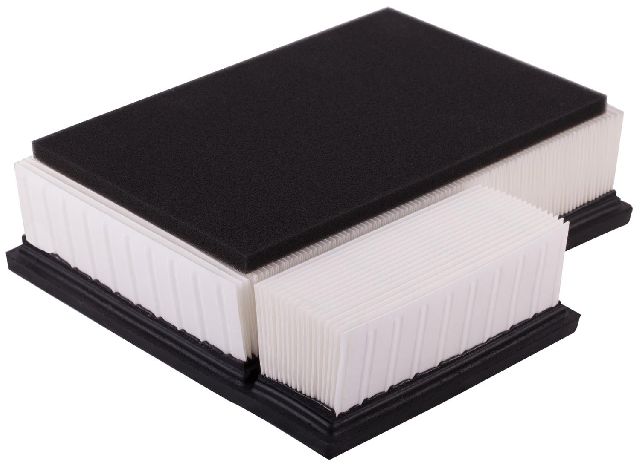
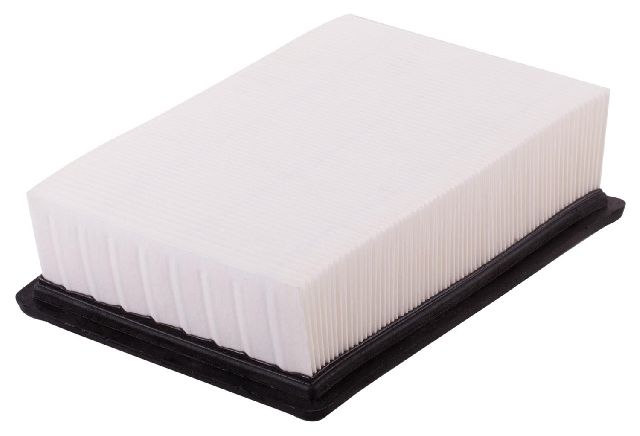
(OEM #CK4Z-9601-A)— Must be replaced if it has been saturated with water due to the cowl leak issue, which is a primary cause of air metering problems on this vehicle.
Trusted brands: Motorcraft, WIX, Fram
OEM price range: $30-$45
Aftermarket price range: $20-$35 - Cowl Water Deflector Kit
(OEM #CK4Z-6102408-AA (Deflector), 4L3Z-18203A16-AA (Mastic Patch))— These are the parts specified in TSB 19-2091 to permanently fix the water intrusion issue that wets the air filter.
Trusted brands: Motorcraft
OEM price range: $75-$150
Related Codes That Often Appear With This One
- P0171 — System Too Lean (Bank 1). If both P0171 and P0174 are present, it points to a problem affecting the entire engine, like a dirty MAF sensor, a large vacuum leak before the intake splits (e.g., intake gaskets, PCV hose), or a fuel delivery issue.
- P1450 — Unable to Bleed Up Fuel Tank Vacuum. The presence of this EVAP code strongly suggests the kinked EVAP vent line issue described in TSB 21-2106 is the root cause.
- P0300, P0302, P0304, P0306 — Misfire codes (Random or on Bank 2 cylinders). A severe lean condition can prevent proper combustion, leading to misfires on the affected bank.
Technical Service Bulletins (TSBs) & Recalls
- TSB 19-2091: Addresses water intrusion into the engine bay from the cowl area on 2015-2018 Transits, causing a wet air filter and numerous drivability codes, including P0174. Supersedes TSB 18-2321 and 17-0014.
- TSB 21-2106: Identifies a kinked EVAP fresh air vent line on 2017-2021 Transits that can cause lean codes P0171/P0174, often accompanied by EVAP code P1450.
- TSB 21-2408: Notes that some 2015-2019 Transits with the 3.7L engine can have coolant leaks from the thermostat housing, which requires removal of the intake manifold for service, providing an opportunity to replace gaskets.
Platform-Specific Known Issues
- Cowl Water Leak: The most unique and well-documented issue for the Transit is the tendency for water to leak from the cowl panel onto the air filter housing. This saturates the filter, restricting air and causing skewed MAF readings. Ford issued TSB 19-2091 with a specific hardware kit to fix this. Inspecting the air filter for moisture should be the first step for any lean code on this vehicle.
- Kinked EVAP Hose: A manufacturing/routing issue covered by TSB 21-2106 can cause the EVAP fresh air line to become kinked. This acts as a vacuum leak when the purge valve opens, leading directly to lean codes. The presence of code P1450 alongside P0174 is a strong indicator of this specific problem.
Mechanic-Grade Diagnostic Values
- Mass Airflow (MAF) Sensor Reading at Idle — expected: Approximately 4-7 g/s. Failure: Significantly lower readings can indicate a dirty sensor or a vacuum leak downstream of the sensor. Readings that do not increase smoothly with RPM can indicate a faulty sensor.
- Fuel Pressure (Key On, Engine Running) — expected: Approximately 55 PSI +/- 5 PSI. Failure: Pressure significantly below 50 PSI suggests a weak fuel pump, clogged fuel filter, or failing fuel pressure regulator.
- Long Term Fuel Trim (LTFT) Pattern — expected: Near 0% at idle and under load.. Failure: High positive trims at idle (e.g., > +15%) that decrease as RPMs increase strongly indicate a vacuum leak. High positive trims that persist or worsen with increased RPM point towards a fuel delivery issue or a skewed MAF sensor.
- Upstream O2 Sensor (Bank 2, Sensor 1) Voltage — expected: Fluctuating rapidly between approximately 0.1V and 0.9V in closed loop.. Failure: Voltage that is consistently biased or stuck low (e.g., below 0.45V) is what the PCM interprets as a lean condition. While this may indicate a failed sensor, it more often means the sensor is correctly reporting a true lean state caused by another component.
Wiring & Ground Locations
- C175B — One of the main electrical connectors at the Powertrain Control Module (PCM), typically located in the engine bay near the firewall or battery.. The wiring for the Bank 2, Sensor 1 O2 sensor (signal, ground, and heater circuits) terminates at this connector. Technicians can perform continuity and voltage checks at specific pins on this connector to rule out a wiring fault between the PCM and the O2 sensor without having to access the sensor directly.
- HO2S Wire Harness Chafe Point — On 2015 models built on or before 6/11/2015, the Heated Oxygen Sensor (HO2S) wire harness may chafe near the transmission heat shield at the right rear of the transmission.. A short in this harness can cause an open in fuse F36 in the underhood fuse box and trigger multiple DTCs, including those related to O2 sensor circuits (P0131, P0155, etc.), which can be related to a P0174 investigation. This is documented in TSB 15-0160.
- B-Pillar Ground Point — Located at the base of the B-pillar (the vertical support behind the front doors), often near the seatbelt or cargo D-ring anchor points.. While not a primary engine ground, ensuring all chassis grounds are clean and tight is a crucial step in resolving persistent, hard-to-diagnose electrical issues. A poor chassis ground can cause erratic sensor readings that may lead to false lean codes.
Real Owner Repair Stories
- Tahoe Yukon Forum user (Chevrolet Tahoe (similar V-engine architecture)) — P0171 and P0174 codes appeared after temperatures dropped into the teens for the first time in the season.
❌ Tried (didn't work) No other diagnostics were performed as the symptoms pointed directly to the common cold-weather failure pattern.
✅ What actually fixed it Replacing the intake manifold gaskets resolved the codes. The user reported the vehicle was 'running great since replacing the gaskets.'
"I Checked Everything" — The Actual Cause
- In one documented case on a similar vehicle, a user with persistent P0171/P0174 codes performed a smoke test after replacing the intake gaskets, and the system was found to be 'completely air tight' with no leaks. Despite this, the lean code would intermittently return, highlighting that even when a vacuum leak is the most likely cause, a passed smoke test can lead to a diagnostic dead-end where the root cause may be more elusive, such as a fuel delivery issue or skewed sensor.
OEM Part Supersession History
N/A (Original Cowl/Airbox Design)→CK4Z-6102408-AA (Water Deflector), 4L3Z-18203A16-AA (Mastic Patch), CK4Z-9601-A (Air Filter)— To address water intrusion into the engine bay and air filter housing, which caused skewed MAF readings and various DTCs, including P0174.
Heads up: This kit is specified in TSB 19-2091 for vehicles built on or before July 24, 2018. Later vehicles have the updated design from the factory.
Model Year Variations Within This Range
- 2015-2018 (built on or before July 24, 2018): These models are susceptible to water intrusion from the cowl panel into the air filter box, as documented in TSB 19-2091. Vehicles built after this date have an updated water management design.
- 2015 (built on or before June 11, 2015): These early-build models are subject to TSB 15-0160, which identifies a potential for the O2 sensor wiring harness to chafe near the transmission, causing an electrical short, a blown fuse (F36), and multiple DTCs.
- 2015-2017 vs 2018-2019: General reliability ratings suggest the 2018-2019 models benefited from improvements to engines and electronic systems compared to the earlier 2015-2017 models, which had more owner complaints regarding the transmission.
Diagnostic Flowchart
Real Owner Stories
Aggregated from forums and TSBs cited above. Mileages and costs reflect what owners reported in those sources.
2013 Ford F-150 3.7L V6
Symptoms: Experiencing lean codes P0171 and P0174 on the 3.7L engine.
What fixed it: Mechanics suspected vacuum leaks, purge valve, or MAF issues, which are all common shared causes for the 3.7L engine.
Source hint: Reddit r/AskAMechanic - '2013 Ford F150 3.7L V6... lean codes P0171/P0174'
Ford Transit
Symptoms: Discovered a moldy, wet engine air filter causing drivability issues.
What fixed it: Cleaning the cowl drains to prevent water from leaking onto the air filter housing.
Source hint: YouTube - 'Transit van - wet engine air filter fix'
Ford Truck (3.7L V6)
Symptoms: Check engine light illuminated with codes P0171 and P0174.
What fixed it: Identified bad PCV fittings and bad intake gaskets as the top causes for these codes.
Source hint: Reddit r/MechanicAdvice - 'How do I fix check engine light codes P0171 & P0174?'
Related OBD-II Codes
Frequently Asked Questions
Does TSB 19-2091 apply to my 2019 Transit for code P0174?
I have codes P0174 and P1450 on my 2017 Transit. What does this mean?
Why is my Transit's air filter wet and moldy?
Should I replace my intake manifold gaskets to fix P0174 on my 3.7L V6?
I need to replace my thermostat housing (TSB 21-2408). Should I address P0174 at the same time?
What should the fuel pressure be on my 2015-2019 Transit 3.7L?
Helpful Videos
Used OEM Parts in Stock
New Aftermarket Parts Available


The information in this article is provided for general reference and educational purposes only. Vehicle specifications, procedures, and part compatibility can vary by production date, trim level, and region. Always consult your vehicle's factory service manual and verify part numbers before purchasing or performing repairs. Safety-critical components such as airbags, seat belts, and braking systems should be installed by a qualified professional.
- Ford Transit:
- 🧭 Diagnostic Flowchart
- 🎬 Helpful Videos
- 🛍️ Shop This Part
- What's Unique About the 2015-2019 Ford Transit
- Symptoms You May Notice
- Most Likely Causes
- Rare But Worth Checking
- Diagnosis Steps
- Parts You'll Likely Need
- Related Codes That Often Appear With This One
- Technical Service Bulletins (TSBs) & Recalls
- Platform-Specific Known Issues
- Mechanic-Grade Diagnostic Values
- Wiring & Ground Locations
- Real Owner Repair Stories
- "I Checked Everything" — The Actual Cause
- OEM Part Supersession History
- Model Year Variations Within This Range
- Real Owner Stories
- 2013 Ford F-150 3.7L V6
- Ford Transit
- Ford Truck (3.7L V6)
- Related OBD-II Codes
- Frequently Asked Questions
- 🎟️ Get 5% Off