

P0174 on 2017-2020 Genesis G80: System Too Lean (Bank 2) Causes and Fixes
Code P0174 on a Genesis G80 means the engine is running lean on Bank 2. This is most often caused by a vacuum leak from a cracked plastic air intake component, like the air intake resonator, or a dirty/faulty Mass Airflow (MAF) sensor. A thorough inspection for leaks, including a smoke test, is the first and most critical step before replacing any parts.
- P0174 means your Genesis G80's engine is running with too much air and not enough fuel on Bank 2.
- The most likely cause is a vacuum leak from a cracked plastic intake part or a dirty MAF sensor.
- Do not immediately replace the oxygen sensor. It is usually just reporting the problem. A proper diagnosis is needed.
- A smoke test is the most effective way to find a hard-to-see vacuum leak.
- If you also have a P0171 code, the problem is likely something that affects the whole engine, like the MAF sensor or a fuel delivery issue.
What's Unique About the 2017-2020 Genesis G80
On the Genesis G80, both the naturally aspirated 3.8L V6 and the 3.3L Twin-Turbo V6 are susceptible to vacuum leaks that cause P0174. These leaks often originate from plastic components in the air intake system, such as the air intake resonator, which can become brittle from heat cycles and vibration and crack. For the 3.3T engine, the complex network of turbocharger plumbing, including intercoolers and various hoses, provides additional potential leak points that can trigger this code. While the cause is often a simple leak, it requires careful diagnosis to pinpoint the source, with a smoke test being the most effective method.
Symptoms You May Notice
- Check Engine Light is on
- Rough or unstable idle
- Engine hesitation or stumbling during acceleration
- Reduced engine power
- Decreased fuel economy
- Hissing, whistling, or sucking sound from the engine bay, especially on acceleration
- Engine judder or knocking
- Replacing the oxygen sensor as the first step. The O2 sensor is often just the messenger reporting the lean condition. The root cause is more frequently a vacuum leak or MAF sensor issue, and replacing the O2 sensor will not fix it. Always perform a smoke test to rule out leaks first.
Most Likely Causes
- Vacuum Leak (Cracked Intake Hoses/Gaskets) 🔴 High Probability Plastic components in the intake system, like the air intake resonator and connecting hoses, are known to become brittle and crack from engine heat and vibration. This allows unmetered air to enter the engine after the MAF sensor, causing a lean condition. This is a widely reported issue for triggering P0171 and P0174 codes.
How to confirm: Visually inspect all intake ducting between the MAF sensor and the throttle body for obvious cracks or loose connections. Listen for a hissing sound with the engine running. The most effective method is to perform a smoke test, which forces smoke into the intake system and makes any leaks easy to see.
Typical fix: Replace the cracked hose, gasket, or plastic component. The air intake resonator is a common failure point. For the 3.8L V6, the air intake tube hose is often part number 28130-B1200.
Est. part cost: $35-$150 - Dirty or Faulty Mass Air Flow (MAF) Sensor 🟡 Medium Probability → Shop Fuel Injection Air Flow Meter The MAF sensor measures the air entering the engine. If its delicate wire becomes contaminated with dirt, oil, or pollen, it can under-report the amount of air, causing the ECM to command less fuel than necessary. This results in a lean condition, often affecting both banks (P0171 and P0174).
How to confirm: Remove the MAF sensor and inspect it. It can be cleaned using a dedicated MAF sensor cleaner spray. Never touch the sensor wires with your hands or a brush. If cleaning doesn't resolve the issue, the sensor's output can be checked with a scan tool for proper voltage response, but often replacement is the next step.
Typical fix: Clean the MAF sensor with a specialized spray cleaner. Allow it to dry completely for at least 10-20 minutes before reinstalling. If the problem persists, replace the sensor.
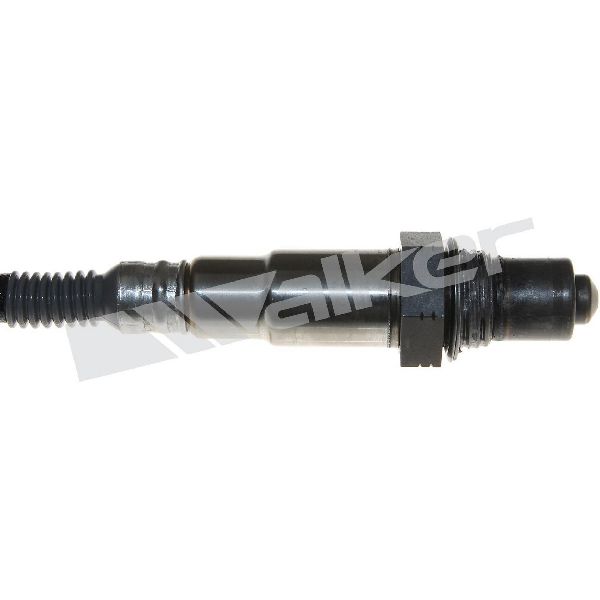
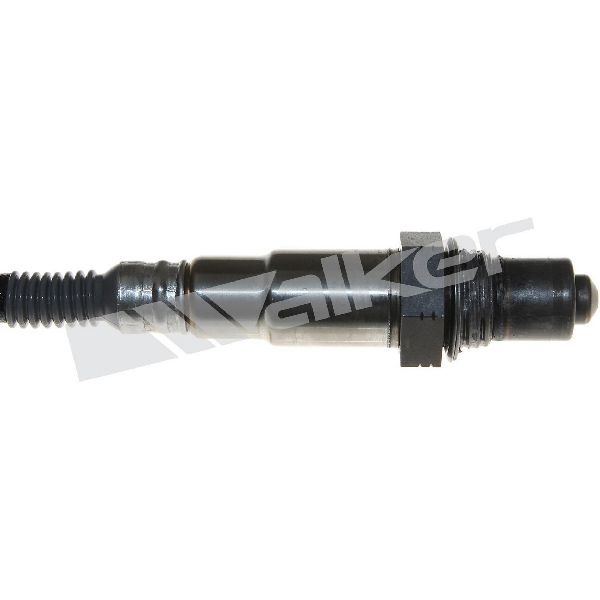
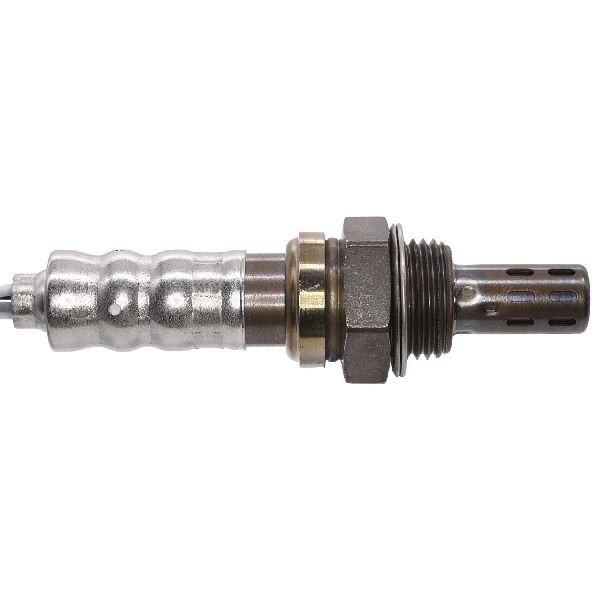
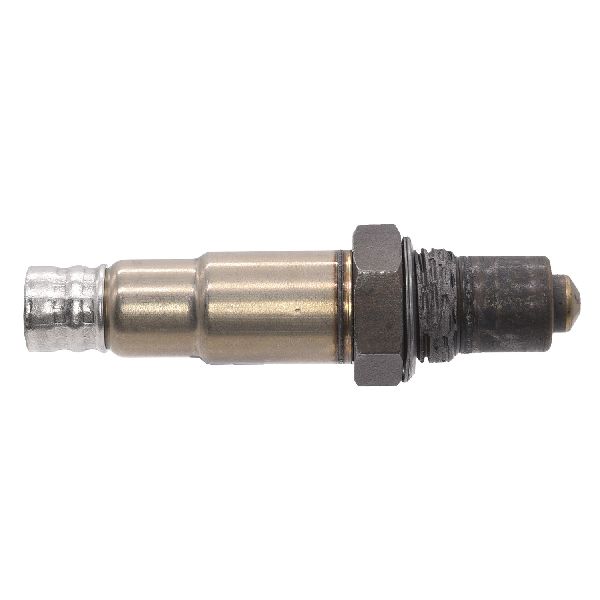
Est. part cost: $15-$25 (cleaner), $100-$250 (sensor) - Faulty Upstream Oxygen (O2) / Air-Fuel Ratio Sensor ⚪ Low Probability → Shop Oxygen Sensor The O2 sensor is what detects the lean condition. While it can fail, it's more common for it to be accurately reporting a problem caused by something else (like a vacuum leak). A sensor that is old, slow, or biased can send incorrect lean readings to the ECM. It should only be replaced after ruling out all other potential causes.
How to confirm: A scan tool can be used to monitor the O2 sensor's voltage readings in real-time. A healthy upstream sensor will show voltage fluctuating rapidly between approximately 0.1V and 0.9V. If the readings are slow to change or stuck low, the sensor is likely faulty. This is best diagnosed after ruling out vacuum leaks and MAF issues.
Typical fix: Replace the Bank 2, Sensor 1 (upstream) Oxygen Sensor.
Est. part cost: $50-$180
Rare But Worth Checking
- Low Fuel Pressure: A weak fuel pump or clogged fuel filter can restrict fuel flow, causing a lean condition across both engine banks (often triggering P0171 as well). While there are recalls for fuel pumps on newer G80s (2021-2022), some owners of the 2018 3.3T have reported fuel pump failures near 100k miles. A fuel pressure test is needed for diagnosis.
- Clogged Fuel Injectors: → Shop Fuel Injector If one or more injectors on Bank 2 are clogged or dirty, they won't deliver the commanded amount of fuel, leading to a localized lean mixture on that side of the engine.
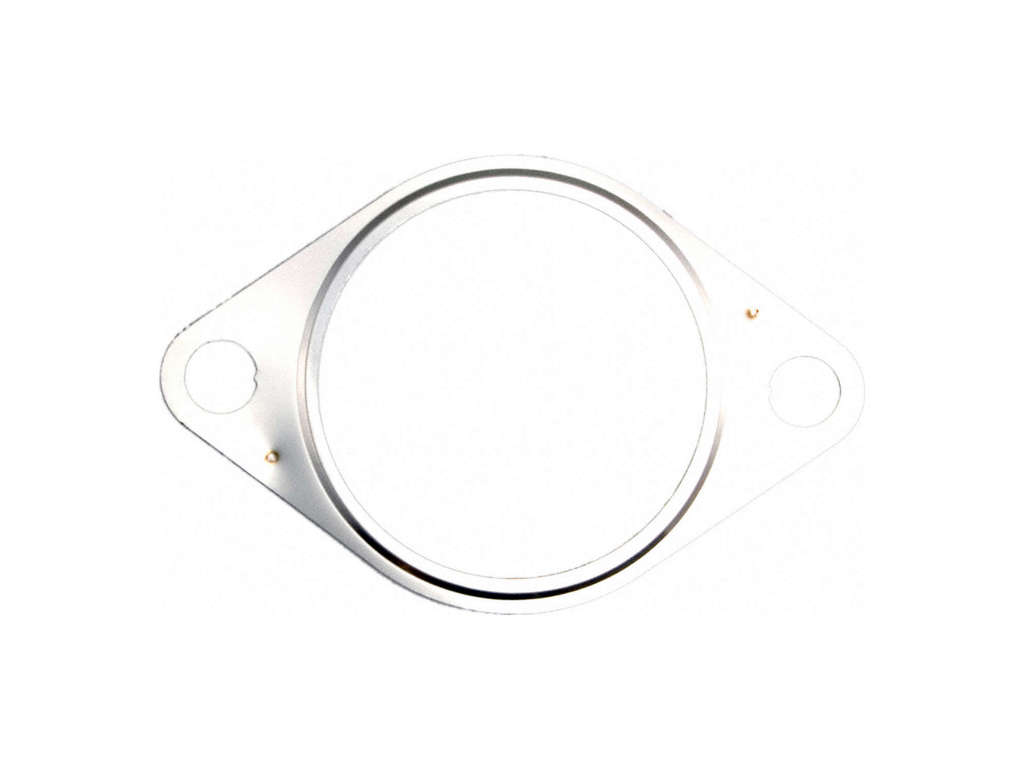
- Exhaust Leak: A leak in the exhaust manifold or pipe before the upstream O2 sensor can allow outside oxygen to be sucked into the exhaust stream. This fools the O2 sensor into thinking the engine is running lean and causes the ECM to add unnecessary fuel.
- PCV System Fault: A stuck-open PCV (Positive Crankcase Ventilation) valve or a cracked PCV hose can create a significant unmetered vacuum leak, leading to lean codes. The PCV hose assembly (e.g., part 28912-3L010 for the 3.8L) can become brittle and fail.
Diagnosis Steps
- Read the codes: Use an OBD-II scanner to confirm P0174 and check for any other codes, like P0171, which would indicate a problem affecting both banks.
- Check Freeze Frame Data: Note the engine conditions (RPM, load, temperature) when the code was set. If it sets at idle, it's more likely a vacuum leak. If it sets under load, it could be fuel delivery or MAF related.
- Visual Inspection: Pop the hood and carefully inspect the entire air intake system from the air filter box to the engine for any obvious cracks, disconnected hoses, or loose clamps. Pay close attention to the plastic resonator box and all rubber/plastic connections. Listen for any hissing sounds with the engine running.
- Check Fuel Trims: Use a scan tool to view live data for Short Term Fuel Trim (STFT) and Long Term Fuel Trim (LTFT) for Bank 2. High positive numbers (e.g., LTFT > 15%) confirm the ECM is adding significant fuel to correct a lean condition.
- Perform a Smoke Test: This is the most reliable way to find a vacuum leak. A mechanic will pump non-toxic smoke into the intake system, and any leaks will be revealed by smoke escaping from cracks or bad seals.
- Clean the MAF Sensor: If no leaks are found, purchase a can of dedicated MAF sensor cleaner and carefully clean the sensor's delicate wires without touching them. Allow it to dry completely before reinstalling.
- Test Fuel Pressure: If no vacuum leaks are found and cleaning the MAF has no effect, check the fuel pressure to ensure the fuel pump and filter are functioning correctly.
- Test the Oxygen Sensor: If all other possibilities have been ruled out, test the Bank 2 upstream oxygen sensor for proper operation using a scan tool to observe its voltage switching behavior.
Parts You'll Likely Need
- Mass Air Flow (MAF) Sensor Cleaner — Often, the MAF sensor is just dirty and cleaning it is a cheap and easy first diagnostic step that can solve the problem.
Trusted brands: CRC, Liqui Moly, Gumout
Aftermarket price range: $15-$25 - Air Intake Hose / Resonator
(OEM #28130-B1200 (Example for 2015-2018 3.8L))— These plastic parts are a very common source of vacuum leaks on Genesis vehicles as they can crack from age and heat, triggering P0171/P0174.
Trusted brands: Hyundai/Genesis Genuine
OEM price range: $75-$200
Aftermarket price range: $50-$120 - Upstream Oxygen Sensor (Bank 2, Sensor 1)
(OEM #39210-3L210 (For 3.8L))— If vacuum leaks and MAF issues are ruled out, a faulty or 'lazy' oxygen sensor is the next likely electrical component to fail. It is the sensor that reports the lean condition.
Trusted brands: Denso, Bosch, NGK/NTK
OEM price range: $150-$250
Aftermarket price range: $50-$180
Related Codes That Often Appear With This One
- P0171 — System Too Lean (Bank 1). If both P0171 and P0174 are present, it strongly suggests a problem common to both engine banks, such as a large vacuum leak near the throttle body, a faulty MAF sensor, or a fuel delivery issue (weak pump, clogged filter).
- P0106 — Manifold Absolute Pressure (MAP) Sensor Performance. A vacuum leak that causes P0174 can also cause the MAP sensor readings to be irrational compared to other sensor inputs, triggering P0106.
Technical Service Bulletins (TSBs) & Recalls
- TSB #21-01-014HG: Describes a Transmission Control Unit (TCU) update to revise OBD communication logic, but is not directly related to fixing a P0174 fault.
- TSB for EVAP System: A TSB exists for 2017-2020 G80s that may exceed evaporative emissions standards, requiring the installation of an auxiliary canister assembly. While not a direct cause of P0174, it relates to the fuel vapor system.
Platform-Specific Known Issues
- A recall was issued for the left turbocharger oil feed pipe on 2018-2020 G80 models with the 3.3L V6 engine (NHTSA 24V191000 / Genesis Recall 019G). An oil leak could cause a fire. While not directly causing P0174, it's a critical engine bay issue to be
Mechanic-Grade Diagnostic Values
- Long-Term (LTFT) + Short-Term (STFT) Fuel Trim — expected: The sum should be between -10% and +10%.. Failure: A sustained total fuel trim value greater than +10% confirms the ECM is adding fuel to compensate for a lean condition. If LTFT is high at idle but normalizes at higher RPM, it strongly suggests a vacuum leak.
- Upstream Oxygen Sensor (Bank 2, Sensor 1) Voltage — expected: Rapidly fluctuating between 0.1V and 0.9V on a healthy, warm engine at steady RPM.. Failure: Voltage is stuck low (below 0.3V), response is slow, or it does not fluctuate. This indicates either a true lean condition or a failed sensor.
- Mass Airflow (MAF) Sensor Voltage — expected: Key-On-Engine-Off: ~1.0V. Idle: 0.5V - 1.5V. 3000 RPM: 2.0V - 2.5V.. Failure: Voltage is out of spec, does not increase smoothly with RPM, or does not spike to ~4.0V on a sharp throttle snap. This suggests a dirty or faulty sensor.
Scan Tool Commands That Help
- GDS-M / Professional Bidirectional Scanner: Actuation Test: Purge Control Solenoid Valve (PCSV) — To diagnose a potential edge-case cause of P0174. A technician can command the PCSV to open and close while monitoring fuel trims or using a smoke machine on the EVAP port to see if the valve is leaking or stuck, which would introduce unmetered fuel vapor and affect the air/fuel mixture.
Wiring & Ground Locations
- Engine Compartment Fuse Box — Located in the engine bay, typically on the driver's side.. Contains fuses critical for the fuel system sensors. A blown fuse here can cause a sensor to stop reporting, leading to a fault code. Check the 'SENSOR 2' (10A) fuse, which protects the O2 sensors, and the 'SENSOR 1' (10A) fuse, which protects the Purge Control Solenoid Valve (PCSV) and other components.
Diagnostic Flowchart
Other Known Issues on This Vehicle
Issues unrelated to this code that are worth knowing about as an owner of this generation:
- ABS Module Fire Risk 🔴 High — Common enough to trigger a major safety recall for 2017-2020 models. (Ref: Hyundai/Genesis Recall 205 / NHTSA 21V358000. Remedy involves replacing a fuse in the ABS module circuit. Owners were advised to park outdoors.)
- Cracked Turbocharger Oil Feed Pipe (3.3T Engine) 🔴 High — Widespread issue on 3.3T engines, leading to an expanded recall. (Ref: Genesis Recall 019G / NHTSA 24V191000. The original rubber pipe deteriorates, leaks oil onto the hot exhaust manifold, and poses a fire risk. The fix is a revised stainless steel pipe.)
- Electrical System and Infotainment Glitches 🟡 Low — Numerous owner complaints regarding freezing head units, faulty sensors, and issues with Genesis Connected Services, particularly on earlier models (2017-2019).
- Water Entry into Starter Solenoid 🟠 Medium — Affected 2017-2019 G80 models, leading to a recall. (Ref: Recall for potential water intrusion that can cause an electrical short and engine compartment fire.)
- Excessive Oil Consumption / Engine Stalls 🟠 Medium — Reported by some owners of 2017-2018 models, though less common than other issues. Can be a significant safety risk.
Used vs. New Parts: Buying Guide for This Vehicle
When a used part is the smart pick: For purely mechanical, non-electronic plastic components like the air intake resonator or sections of intake ducting. A used OEM part from a reputable salvage yard can offer a perfect fit at a significant discount compared to a new OEM part.
Donor-vehicle mileage cap: roughly under 80000 miles for the part to have meaningful remaining life.
What to inspect on the donor part:
- For plastic intake parts, inspect thoroughly for hairline cracks, especially at the seams and mounting points.
- Ensure all mounting tabs are intact and not brittle.
- Check that any integrated rubber or foam gaskets are still pliable and not flattened or cracked.
- Verify the part is from a vehicle that did not have a front-end collision, which could have caused unseen stress fractures.
OEM-only on this vehicle (don't cheap out):
- Air Intake Resonator: While aftermarket hoses exist, the complex shape and sound-dampening properties of the resonator box are best matched by an OEM or used OEM part to ensure proper fit and avoid unwanted intake noise.
Aftermarket brands forum-validated for this vehicle:
- O2 / Air-Fuel Sensors: Denso, NTK, Bosch
- MAF Sensor: Bosch, Delphi, Hitachi
Brands owners have reported issues with on this vehicle:
- Unbranded, 'white-box' electronic sensors (O2, MAF) from online marketplaces. These often have high failure rates, incorrect calibration leading to persistent codes, or short service lives.
Real Owner Stories
Aggregated from forums and TSBs cited above. Mileages and costs reflect what owners reported in those sources.
2018-2020 Genesis G80 3.3L Twin-Turbo V6
Symptoms: Lean codes P0171/P0174 occurring, potentially linked to intake plumbing issues shared with the Kia Stinger platform.
What fixed it: Inspection and replacement of cracked plastic turbo inlet pipes or addressing issues with aftermarket blow-off valve installations.
Source hint: Stingerforum.org
2015-2016 Hyundai Genesis Sedan 3.8L V6
Symptoms: P0174 code triggered by unmetered air entering the engine after the MAF sensor.
What fixed it: Replacing the cracked air intake resonator or intake tube hose (Part #28130-B1200).
Source hint: Reddit r/automobil
Related OBD-II Codes
Frequently Asked Questions
Is there a specific part number for the intake hose on my 3.8L V6 Genesis G80 that often causes P0174?
Does TSB #21-01-014HG provide a fix for the P0174 lean condition?
Could the recall for the turbocharger oil feed pipe on my 3.3T G80 be causing my P0174 code?
I have a P0174 on my 2017 G80; should I replace the Oxygen Sensor first?
Is there an EVAP system TSB for the 2017-2020 Genesis G80 that I should know about?
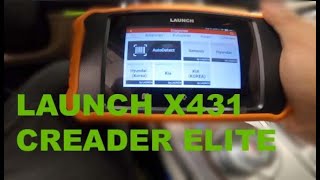
Helpful Videos
We Have This Part in Stock


The information in this article is provided for general reference and educational purposes only. Vehicle specifications, procedures, and part compatibility can vary by production date, trim level, and region. Always consult your vehicle's factory service manual and verify part numbers before purchasing or performing repairs. Safety-critical components such as airbags, seat belts, and braking systems should be installed by a qualified professional.
- Genesis G80:
- 🧭 Diagnostic Flowchart
- 🎬 Helpful Videos
- 🛍️ Shop This Part
- What's Unique About the 2017-2020 Genesis G80
- Symptoms You May Notice
- Most Likely Causes
- Rare But Worth Checking
- Diagnosis Steps
- Parts You'll Likely Need
- Related Codes That Often Appear With This One
- Technical Service Bulletins (TSBs) & Recalls
- Platform-Specific Known Issues
- Mechanic-Grade Diagnostic Values
- Scan Tool Commands That Help
- Wiring & Ground Locations
- Other Known Issues on This Vehicle
- Used vs. New Parts: Buying Guide for This Vehicle
- Real Owner Stories
- 2018-2020 Genesis G80 3.3L Twin-Turbo V6
- 2015-2016 Hyundai Genesis Sedan 3.8L V6
- Related OBD-II Codes
- Frequently Asked Questions
- 🎟️ Get 5% Off