

P0174 on 2007-2014 GMC Yukon: Causes for System Too Lean (Bank 2) and Fixes
On a 2007-2014 GMC Yukon, P0174 is most often caused by a dirty Mass Airflow (MAF) sensor, a cracked PCV tube on the driver's side valve cover, or leaking intake manifold gaskets. Start by cleaning the MAF sensor for under $15 and inspecting all vacuum hoses, especially the PCV tube, before moving to the common intake gasket replacement.
- P0174 means your Yukon's engine is running lean (too much air, not enough fuel) on the driver's side bank.
- Do not immediately replace the O2 sensor; it is likely doing its job correctly.
- The most probable causes are a dirty MAF sensor, a cracked PCV tube (as per TSB #PIP5341), or failed intake manifold gaskets.
- Start diagnosis with the cheapest and easiest fixes: inspect for vacuum leaks and clean the MAF sensor.
- If P0171 is also present, the cause is almost certainly something that affects the whole engine, like the MAF sensor or fuel pressure.
What's Unique About the 2007-2014 Gmc YUKON
The GMT900 platform Yukons, particularly with the 5.3L and 6.2L V8 engines, have well-documented weak points that lead to this code. The original intake manifold gaskets use a plastic carrier that becomes brittle from heat cycles and exposure to ethanol in fuel, leading to cracks and vacuum leaks. This failure is so common that it's often exacerbated by cold weather snaps, causing a rough idle that may clear up as the engine warms. Additionally, a specific PCV tube is prone to cracking where it can be rubbed by the engine cover, a fault so common that GM issued a Technical Service Bulletin (TSB PIP5341) for it. These two issues, combined with a sensitive MAF sensor, make P0174 a frequent and often misdiagnosed code for Yukon owners.
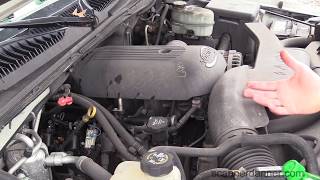
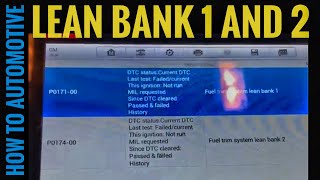
🎬 Watch: Common causes of P0171 and P0174 on GM 5.3L engines.Diagnostic Flowchart
Tap your situation to follow the diagnostic path that matches what you're seeing on this vehicle.
Symptoms You May Notice
- Check Engine Light is on
- Rough or unstable idle, especially when cold
- Hesitation or stumbling during acceleration
- Reduced engine power
- Engine misfires (may be accompanied by a flashing Check Engine Light or P0300 code)
- Poor fuel economy
- Audible hissing or sucking noise from the engine bay
- Replacing the oxygen sensor first. The O2 sensor is usually just the messenger reporting the lean condition. Unless it's been tested and confirmed faulty (e.g., by swapping sides), look for the source of the lean condition (vacuum leaks or fuel delivery issues) first.
Most Likely Causes
- Dirty Mass Airflow (MAF) Sensor 🔴 High Probability → Shop Fuel Injection Air Flow Meter The MAF sensor can become contaminated with dirt, oil, or debris, causing it to under-report the amount of air entering the engine. This leads the computer to inject too little fuel, creating a lean condition.
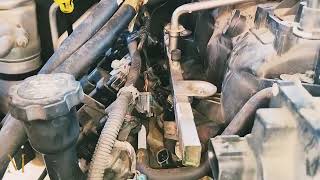
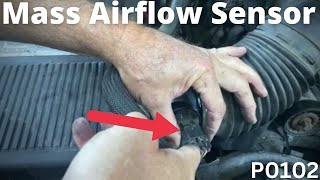
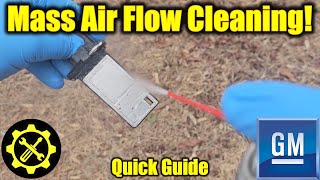
How to confirm: Visually inspect the MAF sensor wires for contamination. A scan tool can show MAF readings that are unusually low at idle (a healthy 5.3L should be around 5-7 g/s when warm). Often, cleaning is the first and easiest diagnostic step before suspecting a faulty sensor. 🎬 See how to clean or replace your Yukon's MAF sensor.
Typical fix: Remove the sensor and clean it carefully with a dedicated MAF sensor cleaner spray. Do not touch the sensor wires or use other chemicals like brake or carb cleaner. Allow it to air dry completely before reinstalling.
Est. part cost: $10-$20 for cleaner spray. - Leaking Intake Manifold Gaskets 🔴 High Probability → Shop Engine Intake Manifold The original plastic-carrier intake manifold gaskets on these V8 engines are a notorious failure point. They become hard and brittle with age and temperature cycles, causing them to leak unmetered air. The problem is often most apparent on a cold start in cold weather, sometimes improving as the engine warms up and the parts expand.
How to confirm: With the engine running, spray short bursts of brake cleaner, starting fluid, or an unlit propane torch around the edges of the intake manifold where it meets the cylinder heads. A sudden change in engine idle (stumbling or speeding up) indicates a leak. A smoke test is a more definitive and safer method.
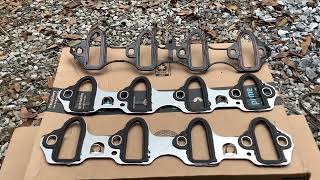
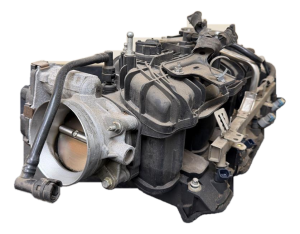
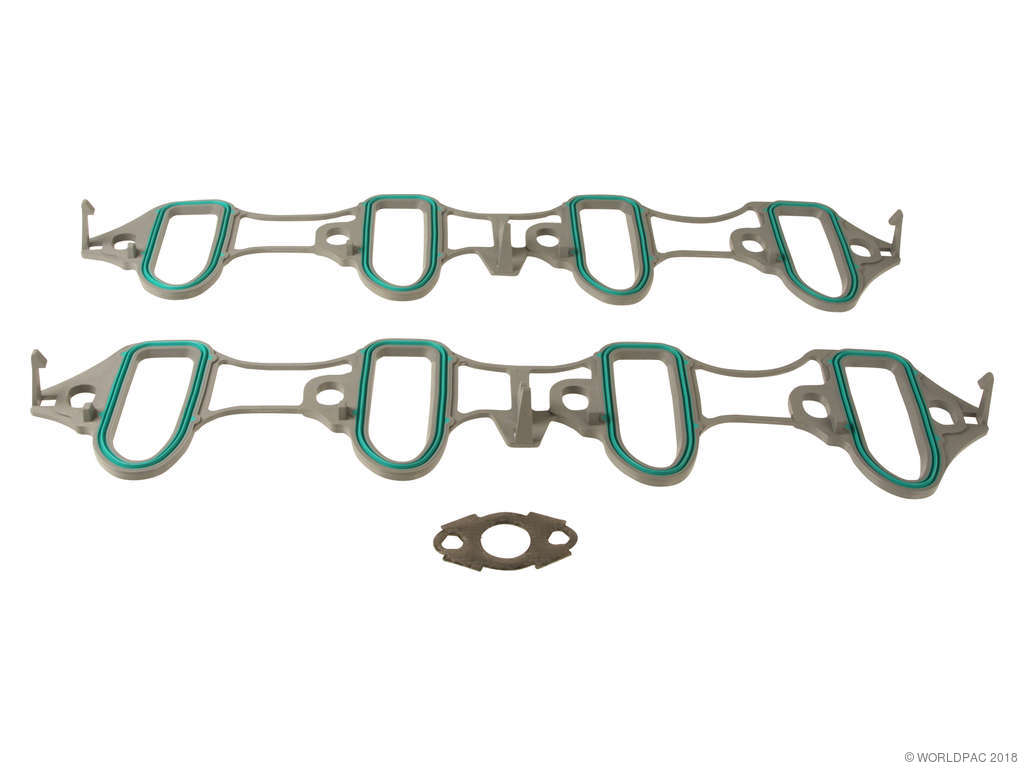
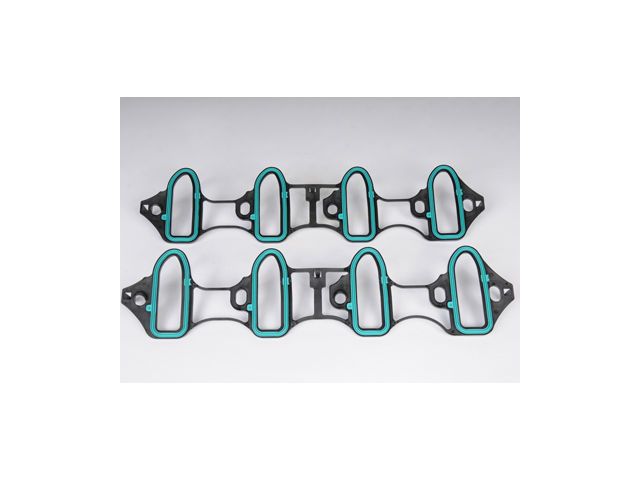
Typical fix: Replace the intake manifold gaskets. This is a very common DIY or shop job. Most owners upgrade to the newer, improved gasket design which uses a metal carrier instead of plastic, such as the Fel-Pro MS98016T. 🎬 Watch this step-by-step guide to replacing your intake manifold gaskets.
Est. part cost: $50-$100 for an upgraded gasket set. - Cracked or Disconnected PCV Tube/Hose 🔴 High Probability → Shop PCV Valve Hose A specific PCV tube on the driver's side valve cover is known to crack, collapse, or become disconnected, creating a significant vacuum leak. TSB #PIP5341 specifically notes that the engine cover can rub a hole in this tube.
How to confirm: Visually inspect the PCV tube that connects the driver's side valve cover to the intake manifold. Check for cracks, soft/spongy spots, or loose connections at either end. The crack is often on the underside or in a bend.
Typical fix: Replace the faulty PCV tube. The OEM part is ACDelco 12590632. Aftermarket options from Dorman are also available.
Est. part cost: $20-$50 for an OEM or aftermarket replacement tube. - Weak Fuel Pump or Clogged Fuel Filter 🟡 Medium Probability → Shop Fuel Pump A failing fuel pump or clogged in-tank filter sock cannot supply adequate fuel pressure to the engine, leading to a lean condition. This often presents with both P0171 and P0174 codes.
How to confirm: Connect a fuel pressure gauge to the fuel rail's Schrader valve. For a 5.3L engine, pressure should be around 55-62 PSI at idle. If pressure is low, the pump or filter is suspect. Note that a failing Fuel Pump Driver Module (FPDM) can also cause low pressure.
Typical fix: Replace the fuel pump module, which is located inside the fuel tank. The fuel filter is part of the pump assembly and not separately serviceable on these models.
Est. part cost: $200-$500 for a quality fuel pump assembly.
Rare But Worth Checking
- Exhaust Leak Before the Oxygen Sensor: → Shop Oxygen Sensor A crack in the exhaust manifold or a leaking exhaust gasket before the upstream O2 sensor can draw in outside air. This fools the O2 sensor into thinking the engine is running lean, causing the ECM to incorrectly add fuel.
- Faulty Upstream Oxygen Sensor: → Shop Oxygen Sensor While O2 sensors are often replaced, they are more likely to be correctly reporting a problem than to be the cause itself. However, a slow, biased, or failing sensor can send incorrect lean readings. A good diagnostic step is to swap the Bank 1 and Bank 2 upstream sensors and see if the code follows to P0171.
- Faulty Fuel Pump Driver Module (FPDM): → Shop Fuel Pump These trucks use an FPDM to regulate voltage to the fuel pump. If the module fails or provides insufficient voltage, the fuel pump cannot deliver the required pressure, leading to lean conditions. This can mimic a weak fuel pump. It's often located on a frame rail and susceptible to corrosion.
Diagnosis Steps
- Read the codes with an OBD-II scanner and note any other codes present. Freeze frame data can show engine conditions when the code was set.
- Visually inspect the engine bay for obvious issues: disconnected vacuum hoses, cracked air intake tube, or a loose oil filler cap.
- Specifically inspect the PCV tube on the driver's side valve cover for cracks or damage, as noted in TSB #PIP5341. The TSB mentions the engine cover can rub through the tube.
- Remove and clean the Mass Airflow (MAF) sensor using dedicated MAF cleaner. Allow it to dry completely before reinstalling.
- With the engine running, carefully spray short bursts of brake cleaner or use an unlit propane torch around the intake manifold gaskets. Listen for any change in engine RPM, which would indicate a vacuum leak. A professional smoke test is the most reliable method.
- If you have a scan tool with live data, monitor short-term (STFT) and long-term (LTFT) fuel trims for Bank 2. High positive numbers (e.g., LTFT consistently above +15%) confirm the lean condition and that the ECM is trying to compensate.
- Perform a fuel pressure test. Connect a gauge to the fuel rail and check that the pressure is within the manufacturer's specification (typically 55-62 PSI for a 5.3L).
- If no vacuum leaks or fuel pressure issues are found, consider testing the Bank 2, Sensor 1 oxygen sensor. A simple test is to swap the upstream O2 sensors from Bank 1 and Bank 2 to see if the code changes to P0171.
Parts You'll Likely Need
- Mass Airflow Sensor Cleaner — This is the cheapest and easiest first step, as a dirty MAF sensor is a very common cause of lean codes on these trucks.
Trusted brands: CRC, Liqui Moly
Aftermarket price range: $10-$20 - Intake Manifold Gasket Set (Upgraded Design)
(OEM #89060436 (Original Style))— The original plastic gaskets are a known failure point. Replacing them with the upgraded metal-carrier design is a common and often permanent fix for vacuum leaks causing P0174.
Trusted brands: Fel-Pro (P/N: MS98016T), ACDelco
OEM price range: $60-$100
Aftermarket price range: $50-$90 - PCV Tube (Driver Side)
(OEM #12590632)— This specific PCV tube is called out in a TSB for cracking and causing vacuum leaks. It's a cheap and easy part to replace during diagnosis.
Trusted brands: ACDelco, Dorman
OEM price range: $30-$50
Aftermarket price range: $20-$40
Related Codes That Often Appear With This One
- P0171 — P0171 is the same 'System Too Lean' code but for Bank 1 (passenger side). When both appear, it strongly suggests a problem affecting the entire engine, such as a dirty MAF sensor, low fuel pressure, or a large vacuum leak from the intake gaskets.
- P0101 — This code relates to a MAF sensor performance issue. It often appears with P0171/P0174 because a major vacuum leak (like a bad intake gasket) allows a large amount of unmetered air into the engine, creating a conflict between what the MAF sensor reports and what the O2 sensors detect.
- P0300 — This code indicates a random/multiple cylinder misfire. A lean condition can cause misfires across multiple cylinders, especially on the affected bank, leading to this code being set alongside P0174.
Technical Service Bulletins (TSBs) & Recalls
- TSB #PIP5341: Addresses P0171 and/or P0174 with a rough idle. Instructs technicians to inspect the PCV tube on the left side of the engine for a vacuum leak, noting the engine cover can cause a rub-through on the tube. Recommends replacing the tube and covering it with conduit to prevent repeat damage.
Platform-Specific Known Issues
- Cold Weather Gasket Failure: Many owners report that the P0171/P0174 codes first appear during the first cold spell of the season. A user on TahoeYukonForum noted, 'I went on the road to travel for work last week and as soon as I left my wife said we have an engine light on... The temps had dropped into the teens for the first time this year.' This is a strong indicator that the plastic intake gaskets have hardened and are no longer sealing properly in the cold.
- Upgraded Gasket is Key: The aftermarket has responded to the OEM gasket's weakness. Fel-Pro's MS98016T gasket set is frequently cited by owners as the go-to replacement. It uses an aluminized steel carrier that won't crack like the OE plastic and features improved sealing beads. A YouTube review highlights the visible difference in quality, showing the 'beefiness' of the metal gasket compared to the flimsy original plastic one.
- PCV Tube Rub-Through: → Shop PCV Valve Hose TSB PIP5341 is very specific, pointing out that the engine cover itself can be the cause of the PCV vacuum leak. It can rub against the PCV tube located at the left rear of the intake manifold, creating a hole. The official GM fix includes covering the new tube with protective conduit to prevent it from happening again.
Mechanic-Grade Diagnostic Values
- Long Term Fuel Trim (LTFT) at Idle — expected: -10% to +10%. Failure: Consistently greater than +20%. The code typically sets when trims exceed +25%. Technicians have reported seeing values of +21% to +23% when the code is active.
- Fuel Pressure (Key On, Engine Running) — expected: 55-62 PSI. Failure: Pressure below 55 PSI indicates a potential issue with the fuel pump, clogged filter, or Fuel Pump Driver Module (FPDM).
- Mass Airflow (MAF) Sensor Reading at Idle (Engine Warm) — expected: 5.0 - 7.0 g/s for a 5.3L V8. Failure: Significantly lower readings suggest a dirty or failing MAF sensor. Significantly higher readings can indicate a vacuum leak downstream of the sensor.
Scan Tool Commands That Help
- GDS2 / Tech2 or equivalent professional scan tool: Fuel Trim Reset — After repairing a vacuum leak or fuel delivery problem, the ECM has 'learned' high fuel trim values. A reset forces the ECM to relearn the fuel strategy immediately with the new parts, preventing it from running rich after the fix.
- GDS2 / Tech2 or equivalent professional scan tool: Throttle Position Relearn — After cleaning a dirty throttle body, which can be a contributing factor or done during related service. A relearn procedure ensures the ECM knows the correct closed-throttle position, preventing idle issues.
- GDS2 / Tech2 or equivalent professional scan tool: EVAP Purge/Seal — To diagnose a faulty EVAP purge solenoid. This command allows the technician to manually command the valve open and closed to see if it is functioning correctly or sticking, which can cause a lean code.
Wiring & Ground Locations
- G103 — On the front of the right (passenger side) cylinder head.. Provides a ground path for multiple components. A poor connection here can cause erratic sensor readings, contributing to incorrect fuel calculations.
- G104 — On the front of the left (driver side) cylinder head.. Similar to G103, this ground is critical for engine electronics on Bank 2. A loose or corroded G104 is a potential cause for isolated Bank 2 codes like P0174.
- G101 — Located at the lower front of the engine block.. This ground is used by the Engine Control Module (ECM) and the Mass Air Flow (MAF) sensor. A faulty ground here can directly impact the MAF sensor's accuracy, leading to lean codes.
Real Owner Repair Stories
- Tahoe Yukon Forum (Vehicle exhibiting P0171 and P0174 after a cold snap.) — Check Engine Light with P0171 and P0174. Engine ran fine once temperatures warmed back up.
❌ Tried (didn't work) No other steps mentioned, owner went straight for the likely cause.
✅ What actually fixed it Replacing the intake manifold gaskets. The owner also replaced the oil pressure sensor and knock sensors at the same time since the intake manifold was already removed. The lean codes were resolved. - YouTube - GerardBurke (Holden Commodore (platform relative with similar engine controls)) — Check Engine Light with P0171 and P0174, particularly when idling for long periods.
❌ Tried (didn't work) The diagnosis pointed directly to the faulty part.
✅ What actually fixed it The EVAP purge solenoid was removed and bench-tested, revealing it was stuck open. Replacing the faulty purge solenoid resolved the lean codes. - Tahoe Yukon Forum (2007 Tahoe 5.3L) — P0171 and P0174 lean codes.
❌ Tried (didn't work) Initially fixing vacuum leaks caused the engine to run rich (LTFTs of -14% to -18%) because the computer had learned to compensate for the leaks.
✅ What actually fixed it The root cause was two vacuum leaks found with a smoke test. The key takeaway was that after the repair, the fuel trims went highly negative, and an ECM reset was necessary for the computer to relearn the correct air/fuel mixture.
"I Checked Everything" — The Actual Cause
- A stuck-open EVAP purge solenoid can cause lean codes P0171/P0174. This will not be found with a traditional smoke test of the intake manifold because the valve is located between the intake and the charcoal canister. The unmetered air (fuel vapor) is introduced only when the valve is commanded open by the ECM, or if it's mechanically stuck open. A technician must specifically test the valve itself, often with a hand-held vacuum pump or by using a scan tool to command it open and closed.
- A vacuum leak in the brake booster diaphragm can cause lean codes. This leak is often missed by a smoke test because the air path is from within the booster, and it may not be audible or detectable by spraying fluid around the engine bay. Symptoms may include a hard brake pedal or hissing after the engine is shut off, but not always.
OEM Part Supersession History
GM 89060436 (and similar plastic carrier designs)→Fel-Pro MS98016T (Upgraded metal carrier design)— The original equipment plastic carrier for the intake manifold gaskets becomes brittle from engine heat cycles and exposure to ethanol in modern fuels, leading to cracking and vacuum leaks.
Heads up: The Fel-Pro MS98016T is a direct-fit upgrade and is widely considered superior to the OEM plastic design for long-term durability.
Model Year Variations Within This Range
- 2007-2014: Not all 5.3L/6.2L engines in this range are Flex Fuel (E85) compatible. Using E85 fuel in a non-compatible vehicle is a documented cause for P0171 and P0174, as the ECM cannot compensate for the different air/fuel ratio requirement. Conversely, on Flex Fuel models, a failing fuel composition sensor can also cause incorrect fueling and lead to these codes. Check the RPO code sticker in the glove box for 'LMG' (5.3L Flex Fuel) or check the fuel filler door for an E85 label.
Helpful Videos
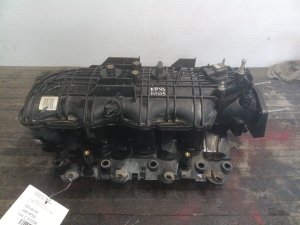
Used OEM Parts in Stock
New Aftermarket Parts Available



The information in this article is provided for general reference and educational purposes only. Vehicle specifications, procedures, and part compatibility can vary by production date, trim level, and region. Always consult your vehicle's factory service manual and verify part numbers before purchasing or performing repairs. Safety-critical components such as airbags, seat belts, and braking systems should be installed by a qualified professional.
- Gmc YUKON:
- 🧭 Diagnostic Flowchart
- 🎬 Helpful Videos
- 🛍️ Shop This Part
- What's Unique About the 2007-2014 Gmc YUKON
- Symptoms You May Notice
- Most Likely Causes
- Rare But Worth Checking
- Diagnosis Steps
- Parts You'll Likely Need
- Related Codes That Often Appear With This One
- Technical Service Bulletins (TSBs) & Recalls
- Platform-Specific Known Issues
- Mechanic-Grade Diagnostic Values
- Scan Tool Commands That Help
- Wiring & Ground Locations
- Real Owner Repair Stories
- "I Checked Everything" — The Actual Cause
- OEM Part Supersession History
- Model Year Variations Within This Range
- 🎟️ Get 5% Off