

P0174 on 2007-2009 Hyundai Entourage 3.8L: System Too Lean Causes and Fixes
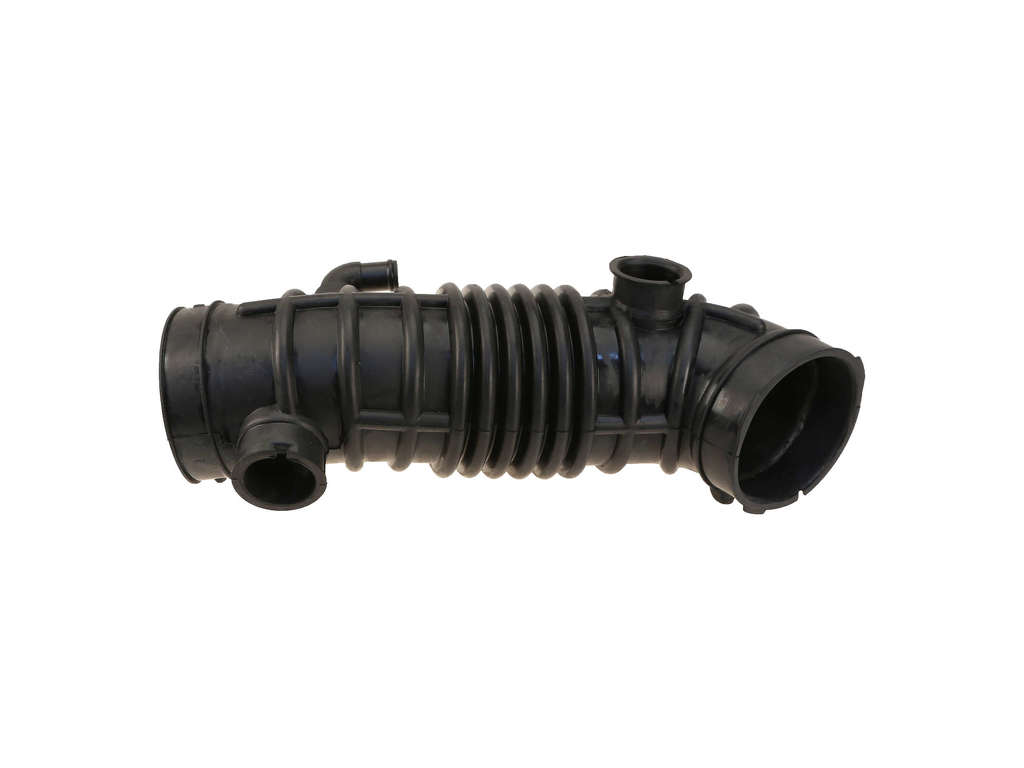
On the 2007-2009 Hyundai Entourage, the P0174 code is most often caused by a cracked or torn air intake hose located between the air filter box and the throttle body. Inspect this hose carefully for rips, especially in the flexible, ribbed sections, before replacing any sensors. A new hose costs approximately $60-$80. If the hose is intact, other potential causes include a dirty MAF sensor or other vacuum leaks.
- For a P0174 code on a 2007-2009 Entourage, immediately and thoroughly inspect the large rubber air intake hose for cracks before buying any parts.
- If both P0171 and P0174 are present, it makes a leak in the intake hose even more likely.
- Do not replace the oxygen sensor unless you have definitively ruled out all possible air leaks and fuel delivery issues.
- Cleaning the MAF sensor is a low-cost, easy step to take if the intake hose appears to be in good condition.
- A temporary tape repair on a cracked hose is not a reliable fix and will fail again quickly.
What's Unique About the 2007-2009 Hyundai Entourage
The Hyundai Entourage and its sibling, the Kia Sedona, are well-documented to have a specific weak point that causes this code: the rubber/plastic air intake hose. This hose, particularly the flexible bellows section, is prone to cracking and tearing over time due to engine movement and heat. This creates a large unmetered air leak after the Mass Airflow (MAF) sensor, which is the primary cause for lean codes like P0174 and P0171 on this platform. One owner on a forum noted this is a "very common problem with the Entourage and the Kia Sedona."
Symptoms You May Notice
- Check Engine Light is on
- Rough idle or stalling, especially at low speeds
- Hesitation or lack of power during acceleration
- Increased fuel consumption
- Engine misfires or coughing sounds
- Engine running louder or with a whistling/hissing sound from the engine bay
- Replacing the Bank 2 oxygen sensor. The O2 sensor is often just the messenger, accurately reporting the lean condition caused by unmetered air from a cracked intake hose or other vacuum leak. Always diagnose for air leaks first.
- Replacing the Mass Airflow (MAF) sensor without first inspecting the air intake hose. A large tear in the hose is a much more common cause of this code on the Entourage.
Most Likely Causes
- Cracked or Torn Air Intake Hose 🔴 High Probability → Shop Engine Air Intake Resonator The flexible, ribbed material of the original air intake hose between the MAF sensor and throttle body becomes brittle and cracks with age and heat cycles. This is a very common failure on the Entourage/Sedona platform, creating a large, unmetered air leak.
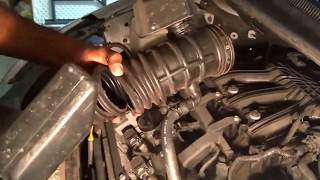
How to confirm: Visually inspect the entire length of the air intake hose, especially in the accordion-like flexible sections. Bend and squeeze the hose to reveal hidden cracks. A YouTube video on a 2007 Entourage shows a large, obvious tear in this hose causing a P0174. 🎬 Watch this walkthrough of the common intake hose tear fix. A smoke test will definitively show a leak here.
Typical fix: Replace the entire air intake hose assembly. Temporary repairs with tape are not recommended for a long-term solution. The OEM part number is 28138-4D200.
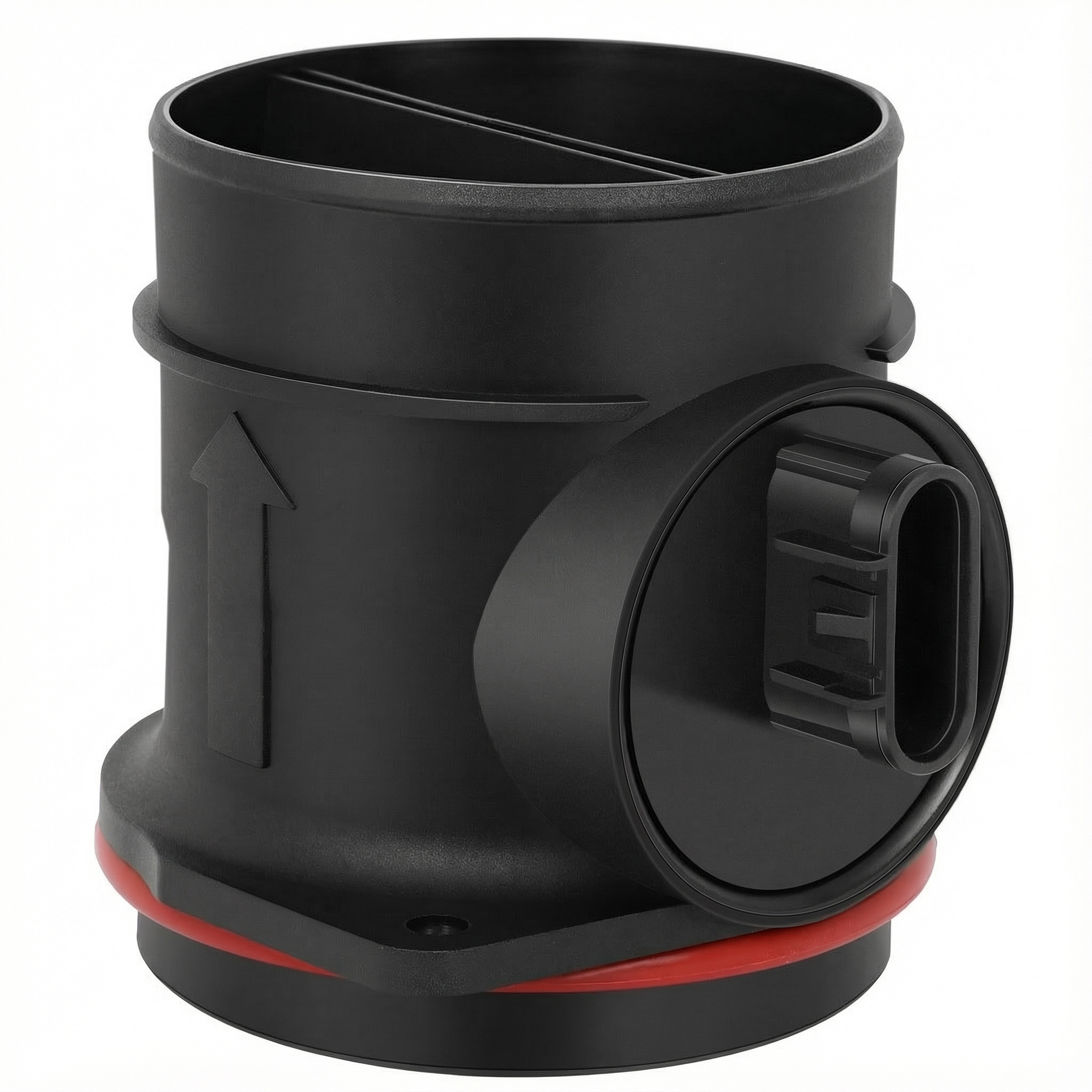
Est. part cost: $60-$80 for OEM, $40-$60 for aftermarket - Dirty or Faulty Mass Airflow (MAF) Sensor 🟡 Medium Probability → Shop Fuel Injection Air Flow Meter Oil from aftermarket air filters can contaminate the sensor, or it can simply get dirty over time, causing it to under-report the amount of air entering the engine.
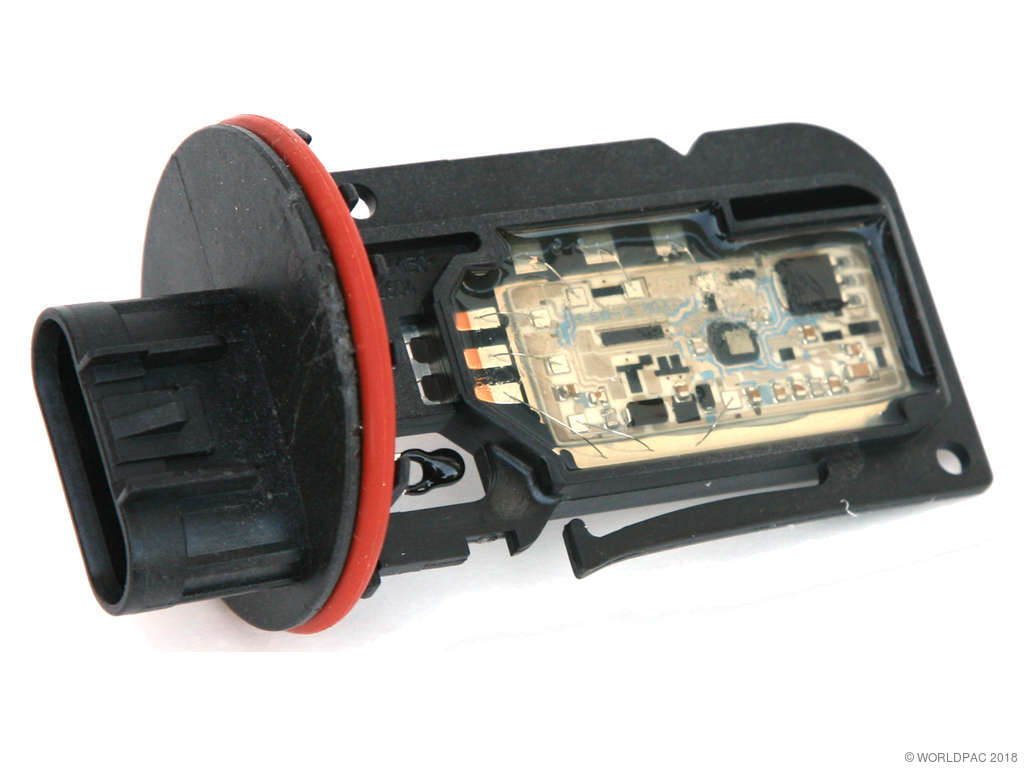
How to confirm: With the engine off, unplug and remove the MAF sensor. Inspect the small sensor wires for dirt or oil. Cleaning it with a dedicated MAF sensor cleaner is a good first step. If cleaning doesn't work, it may need replacement.
Typical fix: Clean the sensor with MAF sensor cleaner. If the problem persists, replace the MAF sensor.
Est. part cost: $5-$10 for cleaner, $70-$150 for a new sensor - Vacuum Leak (Other than Intake Hose) ⚪ Low Probability Vacuum hoses, PCV hoses, and intake manifold gaskets can dry out and crack over time, creating smaller air leaks. A leaking oil pressure switch, a common issue on this engine, can sometimes compromise seals and create a vacuum leak in the engine valley.
How to confirm: A smoke test is the most effective way to find small vacuum leaks. You can also carefully spray short bursts of carburetor cleaner around vacuum lines and gaskets with the engine running; a change in engine idle indicates a leak. 🎬 Watch this simple trick to find vacuum leaks without tools. Specifically check the PCV valve and its hoses.
Typical fix: Replace the specific leaking hose or gasket. The PCV valve for the 3.8L V6 is part number 26740-3C200.
Est. part cost: $10-$50 for hoses, $25-$40 for a PCV valve
Rare But Worth Checking
- Low Fuel Pressure: A weak fuel pump or clogged fuel filter can restrict fuel flow, affecting both engine banks. If you also have a P0171 code, this becomes more likely. Diagnosis requires a fuel pressure test.
- Faulty Upstream Oxygen (O2) Sensor: → Shop Oxygen Sensor The O2 sensor itself can fail, sending incorrect lean signals to the computer. However, it's more common for the sensor to be correctly reporting a problem caused by something else. It is often misdiagnosed and replaced unnecessarily.
- Clogged Fuel Injectors: → Shop Fuel Injector If one or more injectors on Bank 2 are dirty or failing, they may not deliver enough fuel to their respective cylinders. This is less common than vacuum leaks or MAF issues.
- Leaking Intake Manifold Gasket: → Shop Engine Intake Manifold A failure in the intake manifold gasket specific to a cylinder runner on Bank 2 can cause a lean code for only that bank. This is more difficult to diagnose and typically requires a smoke test to confirm.
Diagnosis Steps
- Read Codes & View Live Data: Use an OBD-II scanner to confirm P0174 and check for any other codes, especially P0171. Look at the Long-Term Fuel Trim (LTFT) for Bank 2. A value significantly higher than 15-20% confirms the lean condition.
- Inspect the Air Intake Hose: This is the most critical step for this vehicle. Thoroughly inspect the large hose between the air filter box and the engine throttle body. Pay close attention to the ribbed, flexible sections for cracks or tears. Squeeze and manipulate the hose to expose hidden splits.
- Check for Other Vacuum Leaks: Listen for hissing sounds around the engine. Visually inspect all visible vacuum and PCV hoses for cracks or disconnection. The PCV hose is a known weak point on this engine family.
- Clean the MAF Sensor: If the intake hose is intact, the next step is to clean the Mass Airflow sensor. Unplug it, remove it from the housing, spray it generously with dedicated MAF sensor cleaner, and let it dry completely before reinstalling. Do not touch the delicate sensor wires.
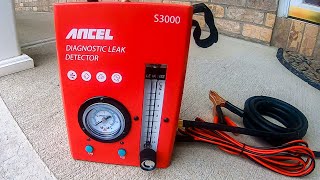
- Perform a Smoke Test: If no obvious leaks are found, a smoke test is the best way to find hairline cracks in hoses or leaking intake manifold gaskets that are not easily visible.
- Check Fuel Pressure: If no air leaks are found, connect a fuel pressure gauge to the fuel rail to rule out a weak fuel pump or clogged filter. The specified fuel pressure for the 3.8L MPI engine is 47-52 psi at idle.
- Test the Oxygen Sensor: Only after confirming there are no air leaks and fuel pressure is good should you consider testing the Bank 2, Sensor 1 (upstream) O2 sensor for proper operation by observing its voltage fluctuations on a scanner.
Parts You'll Likely Need
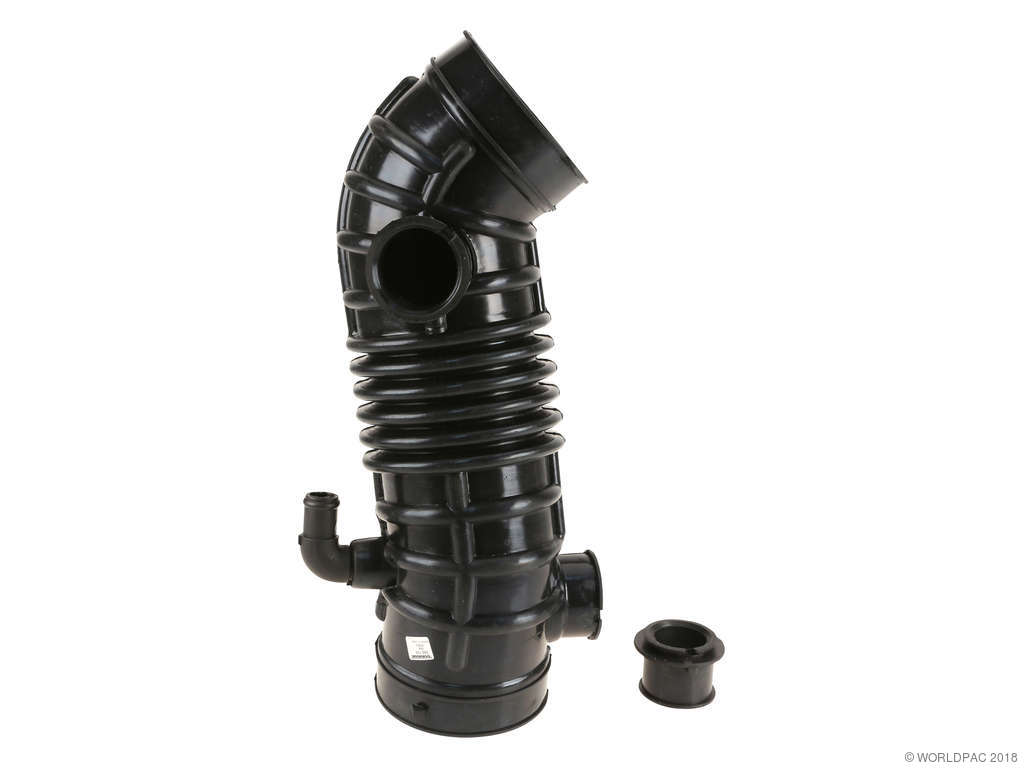
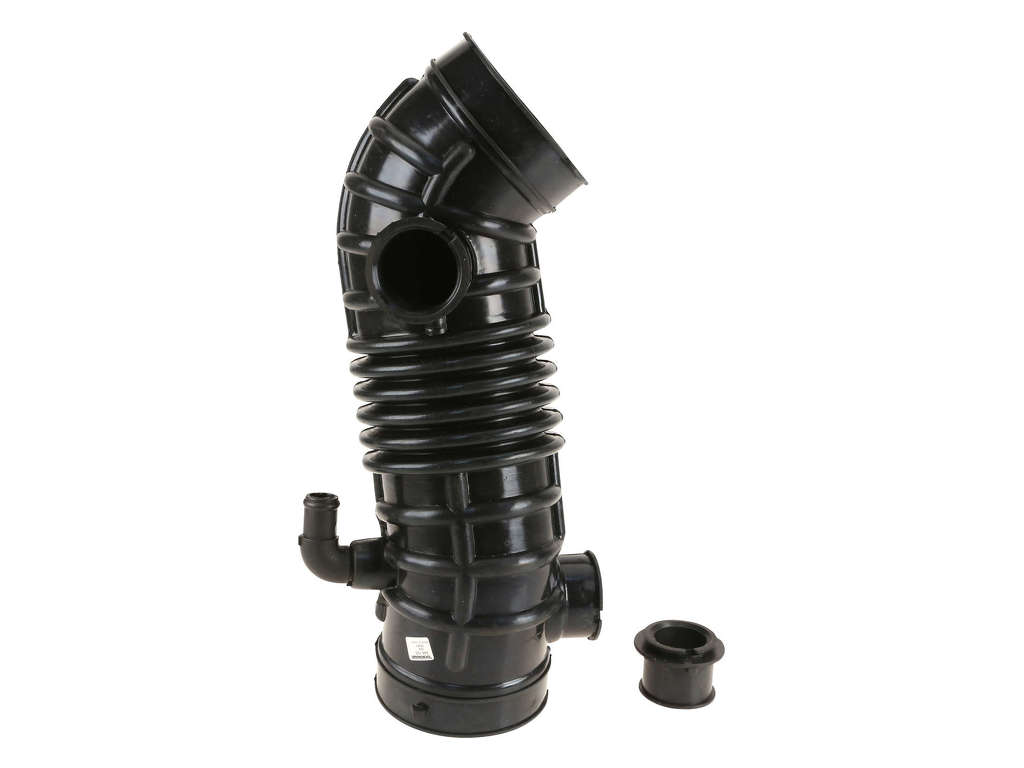
- Air Intake Hose / Air Duct
(OEM #28138-4D200)— This is the most frequent cause of P0174 on the 2007-2009 Entourage due to its tendency to crack and cause a large vacuum leak.
Trusted brands: Hyundai (Genuine), Kia (Genuine), Dorman (696-735)
OEM price range: $60-$115
Aftermarket price range: $40-$60 - Mass Airflow (MAF) Sensor Cleaner — A cheap and effective diagnostic step to rule out a dirty sensor before replacing expensive parts.
Trusted brands: CRC, WD-40
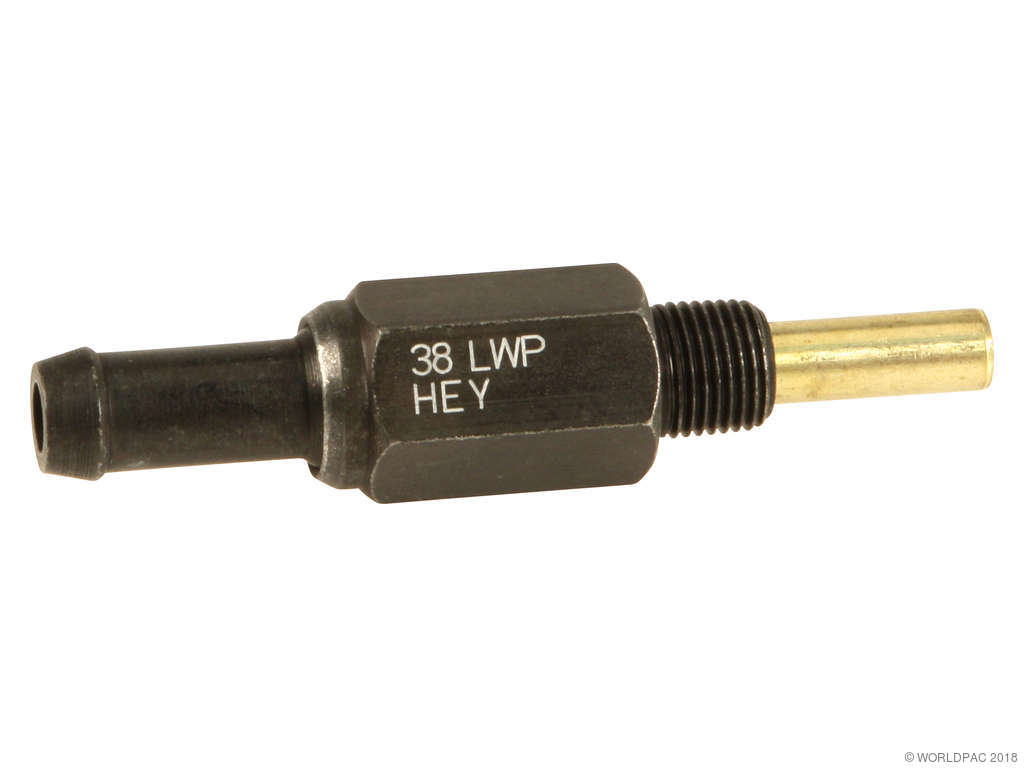
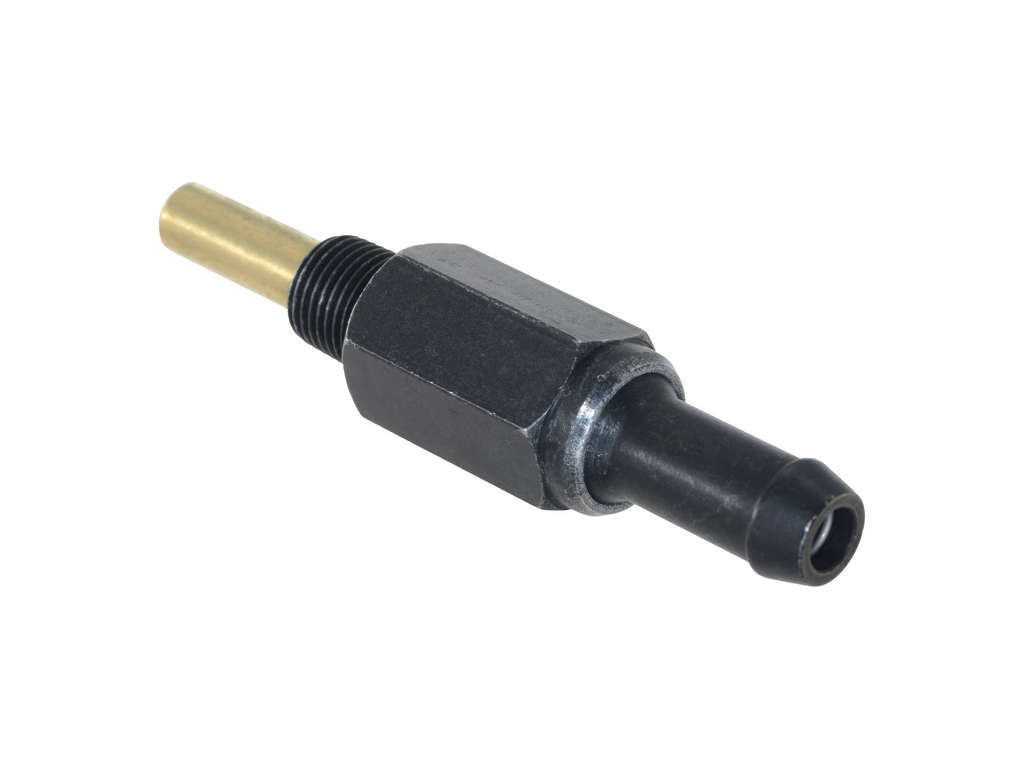
Aftermarket price range: $5-$10 - PCV Valve
(OEM #26740-3C200)— A stuck-open PCV valve can be a source of an unmetered vacuum leak, and is a common failure point on this engine family.
Trusted brands: Hyundai (Genuine)
OEM price range: $25-$40
Aftermarket price range: $15-$25
Related Codes That Often Appear With This One
- P0171 — P0171 is the same 'System Too Lean' code but for Bank 1. When both P0171 and P0174 appear together, it strongly points to a cause that affects the entire engine, such as a major crack in the air intake hose, a faulty MAF sensor, or low fuel pressure.
Technical Service Bulletins (TSBs) & Recalls
- TSB 10-EM-006: Details a revised service procedure for replacing timing chain tensioners on the 3.3L/3.8L Lambda engines without removing the engine, relevant for high-mileage vehicles where timing components might be considered.
- TSB 15-01-031 / Hyundai Campaign 936: Addresses an oil leak from the front valve cover gasket dripping onto the alternator for related 3
Platform-Specific Known Issues
- The air intake hose (28138-4D200) is a known high-failure part on both the Hyundai Entourage and the mechanically identical Kia Sedona (2006-2014) with the 3.8L engine, making it the first place to look for lean codes.
- A leaking oil pressure switch, located in the engine valley, is a very common oil leak source for this engine. While it primarily causes an oil leak, the repair requires removing the intake manifold, and if the gaskets are not replaced properly, it can introduce a vacuum leak causing P0174/P0171.
Mechanic-Grade Diagnostic Values
- Long-Term Fuel Trim (LTFT) at idle — expected: Ideally between -10% and +10%. Normal compensation is around 1-2%.. Failure: A sustained value of +15% to +35% indicates the ECM is adding significant fuel to combat a lean condition, triggering the code.
- Fuel Pressure at fuel rail (engine idling) — expected: 47-52 psi. Failure: Pressure significantly below 47 psi indicates a fuel delivery problem (pump, filter).
- Fuel Injector Resistance — expected: 10.0 - 15.0 Ohms. Failure: A reading of infinite resistance (open circuit) or near-zero (short circuit) indicates a failed injector.
- Fuel Trim behavior with increased RPM — expected: If high positive fuel trims at idle improve (move closer to 0%) when RPM is raised to 1500-2000 RPM, a vacuum leak is strongly indicated.. Failure: If fuel trims remain high or worsen at higher RPM, the issue is more likely related to fuel delivery (pump/filter) or a faulty MAF sensor.
Wiring & Ground Locations
- G11 — Left front corner of the engine compartment.. This is a primary engine compartment ground. A poor connection here can affect various sensors, including the MAF and O2 sensors, leading to incorrect readings and lean codes.
- G29 / G30 — Left side of the engine compartment.. These grounds are associated with the Powertrain Control Module (PCM) and its related sensors. Corrosion or looseness can cause erratic sensor behavior.
- G19 / G20 — Left rear corner of the engine compartment, near the ABS module.. Grounds for various control modules. While primarily for ABS/ESC, shared grounding paths can sometimes cause cross-system issues.
- Mass Air Flow Sensor Connector — Located on the air duct just after the air filter box.. This 5-pin connector provides power, ground, and signal lines for the MAF sensor. Checking for voltage and signal integrity at these pins is a key diagnostic step if the sensor is suspected to be faulty.
Real Owner Repair Stories
- AutoZone Reviewer 'muel' (2007 Hyundai Entourage) — Check Engine Light with lean code (P0174 implied).
✅ What actually fixed it Replaced the cracked original air intake hose with a Dorman 696-735 aftermarket hose. The reviewer noted that after replacement, the 'Long term fuel trim returned to 0'. - YouTube channel 'melniks automotive' (2007 Hyundai Entourage 3.8L) — Check Engine Light with code P0174.
❌ Tried (didn't work) The owner was told by an auto parts store to replace the Mass Airflow sensor.
✅ What actually fixed it A mechanic inspected the vehicle before parts were replaced and found a 'giant hole' in the flexible air intake hose. Replacing the hose (OEM part quoted at $68-$80) resolved the issue. - NHTSA ODI #10548755 — An owner of a similar Hyundai model reported that "Bank 1 and Bank 2 System Too Lean" (P0171 and P0174) is a very common problem without an exact solution, even after mechanics and dealers checked various possible causes.
OEM Part Supersession History
28138-4D200→28138-4D250, 28130-4D200, 28130-4D250— Part number consolidation and minor revisions across Hyundai and Kia brands for the same component.
Heads up: The Dorman aftermarket replacement, 696-735, is a widely used alternative that fits both Hyundai and Kia models and sometimes requires an included adapter bushing for one of the vacuum ports.
Model Year Variations Within This Range
- 2007-2009: The Hyundai Entourage was a single-generation vehicle with a very short production run. The 3.8L Lambda (G6DA) MPI engine was used throughout. The SE trim level was dropped after 2007, and some option packages were shuffled for 2008 and 2009, but there are no significant mechanical differences reported that would alter the diagnosis or common causes for a P0174 code within this model range.
Diagnostic Flowchart
Other Known Issues on This Vehicle
Issues unrelated to this code that are worth knowing about as an owner of this generation:
- Oil Leak from Front Valve Cover Gasket 🟠 Medium → Shop Engine Valve Cover — Common, especially over 80,000 miles. Oil drips onto the alternator, causing it to fail. (Ref: Hyundai Service Campaign 936 / TSB 15-01-031 (for related Santa Fe 3.3L) and Recall 197 (for Veracruz 3.8L) address this issue.)
- Leaking Oil Pressure Switch 🟠 Medium — Very common. The switch is located in the engine valley and leaks oil down the back of the engine, often being misdiagnosed as a rear main seal leak.
- ABS Module Electrical Short / Fire Risk 🔴 High — Affects 2006-2010 Kia Sedona (Entourage platform mate). A recall was issued because moisture can enter the ABS module, creating a short circuit and potential fire risk, even when the vehicle is off. (Ref: NHTSA Campaign 20V088000 (for Kia Sedona).)
- Timing Chain Tensioner Wear 🟠 Medium — Can occur at higher mileage (100,000+ miles), causing a rattling noise on startup. If ignored, it can lead to timing chain failure. (Ref: TSB 10-EM-006 provides an updated repair procedure.)
- Ignition Coil Failure 🟡 Low — A common failure item with age and heat cycles, leading to engine misfires (e.g., P0300, P030x codes).
Used vs. New Parts: Buying Guide for This Vehicle
When a used part is the smart pick: For this specific code, buying a used air intake hose is strongly discouraged, as it is a high-failure part that degrades with age and heat. A used MAF sensor from a low-mileage donor vehicle could be a cost-effective option if cleaning the original does not work. Structural components like the intake manifold or throttle body are generally safe to buy used.
Donor-vehicle mileage cap: roughly under 80000 miles for the part to have meaningful remaining life.
What to inspect on the donor part:
- For a MAF sensor, inspect the donor vehicle's airbox. Avoid parts from cars that used an over-oiled aftermarket air filter (like K&N), as oil contamination is a primary cause of sensor failure.
- Check the sensor's connector for any signs of corrosion, and the sensor element itself for physical damage.
- For any used part, verify the donor vehicle did not have fire or flood damage.
OEM-only on this vehicle (don't cheap out):
- Oxygen (O2) Sensors
- Mass Airflow (MAF) Sensor
Aftermarket brands forum-validated for this vehicle:
- Intake Hose: Dorman (part # 696-735) is a widely available and reviewed aftermarket replacement.
- MAF Sensor: Delphi, NGK (NTK), and Beck Arnley are considered Tier 1 or reliable aftermarket brands for sensors if an OEM replacement is not sourced.
Brands owners have reported issues with on this vehicle:
- Unbranded, no-name electronic sensors (MAF, O2) from online marketplaces are frequently cited as having poor calibration and short lifespans.
Real Owner Stories
Aggregated from forums and TSBs cited above. Mileages and costs reflect what owners reported in those sources.
2007 Hyundai Entourage 3.8L V6
Symptoms: P0174 System too lean bank 2. A parts store suggested the MAF sensor was the problem.
What fixed it: The owner found a large, obvious tear in the flexible air intake hose. Replacing the hose fixed the code.
Source hint: YouTube - 'P0174 System too lean bank 2 Hyundai Entourage FIX!!!' (youtube.com/watch?v=5z4g4wJb-pA)
Hyundai Entourage 3.8L V6
Symptoms: Vehicle reporting both P0171 and P0174 codes simultaneously.
What fixed it: Identification of a leak in the intake hose between the Mass Air Flow sensor and the Throttle Body, which is a very common problem for this platform.
Source hint: Hyundai Forum - 'P0171 and P0174' (hyundai-forums.com/threads/p0171-and-p0174.137778/)
Hyundai Owner Report
Symptoms: The vehicle displayed "Bank 1 and Bank 2 System Too Lean" codes P0171 and P0174.
What fixed it: According to NHTSA ODI #10548755, this is a very common problem on some Hyundai models where mechanics and dealers must check a long list of possible problems to find a solution.
Related OBD-II Codes
Frequently Asked Questions
Is there a specific part number for the air intake hose on my 2007-2009 Hyundai Entourage?
My Entourage has a P0174 code and an oil leak; could they be related?
Does TSB 15-01-031 apply to my Entourage's engine issues?
Can I just use tape to fix the crack in my intake hose to clear the P0174 code?
What is the correct fuel pressure for the 3.8L Lambda V6 engine?
Is there a specific PCV valve part number for the 3.8L Entourage?
Helpful Videos
Used OEM Parts in Stock
New Aftermarket Parts Available

The information in this article is provided for general reference and educational purposes only. Vehicle specifications, procedures, and part compatibility can vary by production date, trim level, and region. Always consult your vehicle's factory service manual and verify part numbers before purchasing or performing repairs. Safety-critical components such as airbags, seat belts, and braking systems should be installed by a qualified professional.
- Hyundai Entourage:
- 🧭 Diagnostic Flowchart
- 🎬 Helpful Videos
- 🛍️ Shop This Part
- What's Unique About the 2007-2009 Hyundai Entourage
- Symptoms You May Notice
- Most Likely Causes
- Rare But Worth Checking
- Diagnosis Steps
- Parts You'll Likely Need
- Related Codes That Often Appear With This One
- Technical Service Bulletins (TSBs) & Recalls
- Platform-Specific Known Issues
- Mechanic-Grade Diagnostic Values
- Wiring & Ground Locations
- Real Owner Repair Stories
- OEM Part Supersession History
- Model Year Variations Within This Range
- Other Known Issues on This Vehicle
- Used vs. New Parts: Buying Guide for This Vehicle
- Real Owner Stories
- 2007 Hyundai Entourage 3.8L V6
- Hyundai Entourage 3.8L V6
- Hyundai Owner Report
- Related OBD-II Codes
- Frequently Asked Questions
- 🎟️ Get 5% Off