

P0174 on 2007-2015 Mazda CX-9: System Too Lean Bank 2 Causes and Fixes
On a 2007-2015 Mazda CX-9, code P0174 is most often caused by a vacuum leak from aged intake manifold gaskets or a cracked PCV hose. A leaking brake booster diaphragm is another common culprit. Cleaning the Mass Airflow (MAF) sensor is an easy first step. Expect to spend $20-$150 on parts for these common repairs.
- P0174 on your CX-9 means the engine is getting too much air or not enough fuel on the cylinder bank near the radiator.
- The most likely cause is a vacuum leak from old, cracked intake manifold gaskets or a PCV hose.
- Before replacing any parts, spend $10 on a can of MAF sensor cleaner and clean the MAF sensor, as this is a very common and cheap fix.
- Do not immediately replace the oxygen sensor. It is often correctly reporting the lean condition caused by another component.
- If you can't find a leak visually, a smoke test is the fastest and most accurate way to diagnose the problem.
What's Unique About the 2007-2015 Mazda CX-9
The 3.5L and 3.7L V6 engines in this generation of CX-9 are part of the Ford Cyclone family, known for being generally reliable. However, with age, the plastic and rubber components in the engine bay become brittle. This makes vacuum leaks from the upper and lower intake manifold gaskets and the PCV (Positive Crankcase Ventilation) system hoses the most frequent culprits for a P0174 code on this specific vehicle. Additionally, the brake booster is a known failure point that can cause a significant vacuum leak. Mazda even issued a Special Service Program (SSP 93) to address the high failure rate of the brake booster.
Symptoms You May Notice
- Check Engine Light is on
- Rough or unstable idle
- Hesitation or stumbling during acceleration
- Reduced engine power
- Decreased fuel economy
- Hissing noise from the engine bay or near the brake pedal
- Replacing the oxygen sensor is a common first step, but the issue is more frequently a vacuum leak from intake gaskets, PCV hoses, or the brake booster. Always diagnose for leaks and clean the MAF before spending money on new sensors.
Most Likely Causes
- Vacuum Leak (Intake Manifold Gaskets, PCV Hose) 🔴 High Probability The intake gaskets and PCV hoses are made of plastic and rubber that become brittle and crack over time due to heat and age, allowing unmetered air to enter the engine. The PCV valve on the 3.7L is often integrated into the valve cover and can fail, causing a large vacuum leak.
How to confirm: The most reliable method is to use a smoke machine to introduce smoke into the intake system and watch for where it escapes. A less precise method involves carefully spraying carburetor cleaner around the intake manifold and vacuum hoses with the engine running; a change in engine RPM indicates a leak.
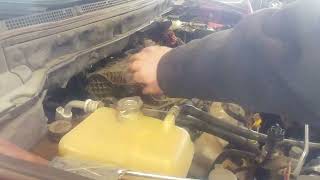
Typical fix: Replace the leaking gaskets or hoses. It is recommended to replace both upper and lower intake manifold gaskets 🎬 Watch: This spark plug guide shows how to remove the intake manifold. at the same time if they are identified as the source.
Est. part cost: $40-$120 for a set of intake gaskets; $15-$50 for a PCV hose. - Leaking Brake Booster 🔴 High Probability The diaphragm inside the brake booster is a known weak point on the CX-9, prone to tearing. This creates a significant vacuum leak. Mazda issued a Special Service Program (SSP 93) to extend the warranty on this part for 2007-2013 models due to the high failure rate.
How to confirm: Listen for a distinct hissing sound from the driver's footwell area, especially when applying or releasing the brake pedal. The brake pedal may also feel unusually hard to press. A smoke test can also confirm a leak from the booster.
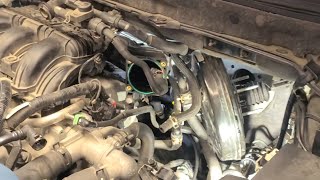
Typical fix: Replace the power brake booster. This is a labor-intensive job, typically taking 2-3 hours. 🎬 See this walkthrough for removing the power brake booster.
Est. part cost: $150-$300 for the part. - Dirty or Faulty Mass Airflow (MAF) Sensor 🟡 Medium Probability → Shop Fuel Injection Air Flow Meter Oil vapors from some aftermarket air filters or fine dust that gets past the stock filter can contaminate the delicate sensor wire, causing it to read airflow inaccurately.
How to confirm: Unplug the MAF sensor and see if the engine runs more smoothly (it will run on default values). A better test is to use a scan tool to monitor fuel trims while cleaning the sensor with a dedicated MAF sensor cleaner. If trims improve dramatically, the sensor was dirty.
Typical fix: Remove the sensor and clean it with a specialized MAF sensor cleaner spray. Do not touch the sensor wires. If cleaning doesn't work, the sensor must be replaced.
Est. part cost: $10 for cleaner; $70-$150 for a new sensor. - Faulty Upstream Oxygen (O2) Sensor 🟡 Medium Probability → Shop Oxygen Sensor O2 sensors are a normal wear item and have a finite lifespan. They can become slow to respond or 'lazy', sending inaccurate information to the PCM.
How to confirm: Use a scan tool to graph the voltage of the Bank 2, Sensor 1 (B2S1) O2 sensor. A healthy sensor's voltage should fluctuate rapidly between approximately 0.1V and 0.9V. A sensor that is slow, stuck, or has a flat voltage reading is likely faulty.
Typical fix: Replace the Bank 2, Sensor 1 oxygen sensor. This sensor is located on the exhaust manifold of the cylinder bank closer to the radiator, before the catalytic converter.
Est. part cost: $50-$120
Rare But Worth Checking
- Failing Fuel Injector on Bank 2: → Shop Fuel Injector A clogged or electrically failing fuel injector on one of the Bank 2 cylinders (2, 4, or 6) can fail to deliver enough fuel, causing a lean condition isolated to that bank. This may also be accompanied by a misfire code (P0302, P0304, P0306) or an injector circuit code.
- Low Fuel Pressure: A weak fuel pump or a clogged fuel filter can reduce fuel flow to the entire engine. While this would typically cause a lean code on both banks (P0171 and P0174), it can sometimes manifest on only one bank initially.
- Exhaust Leak Before O2 Sensor: → Shop Oxygen Sensor A crack in the exhaust manifold or a leaking gasket before the Bank 2 upstream O2 sensor can allow outside air to be drawn into the exhaust stream. This extra oxygen will cause the sensor to read a false lean condition, triggering P0174.
Diagnosis Steps
- Use an OBD-II scanner to confirm the P0174 code and check for any other related codes (like P0171 or misfire codes).
- Using the scanner's live data, observe the Short-Term (STFT) and Long-Term Fuel Trim (LTFT) values for Bank 1 and Bank 2. For P0174, you will see high positive percentages on Bank 2 (typically adding up to over +20%).
- Perform a thorough visual inspection of the engine bay. Look for obviously cracked, disconnected, or broken vacuum hoses, especially around the PCV valve and the air intake snorkel.
- With the engine running, listen for hissing sounds that could indicate a vacuum leak, paying close attention to the brake pedal area for a faulty booster.
- Perform a smoke test on the intake system. This is the most effective way to pinpoint hard-to-see leaks at gaskets, seals, and the brake booster.
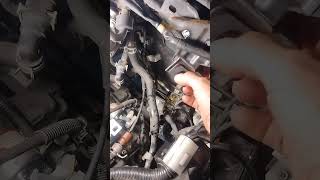
- If no leaks are found, locate the MAF sensor (between the air filter box and the throttle body). Remove and clean it using a dedicated MAF sensor cleaner. 🎬 Watch: A quick guide on how to clean the MAF sensor. Let it dry completely before reinstalling.
- Inspect wiring harnesses near potential leak sources. For example, a known TSB for this platform (SA-004/19) notes that a leaking oil pressure switch can contaminate wiring and cause O2 sensor codes.
- If the code persists, test the Bank 2, Sensor 1 oxygen sensor using your scan tool's live data graph to ensure it is switching correctly.
- As a final step, check the fuel pressure using a fuel pressure gauge to rule out a weak fuel pump or clogged filter.
Parts You'll Likely Need
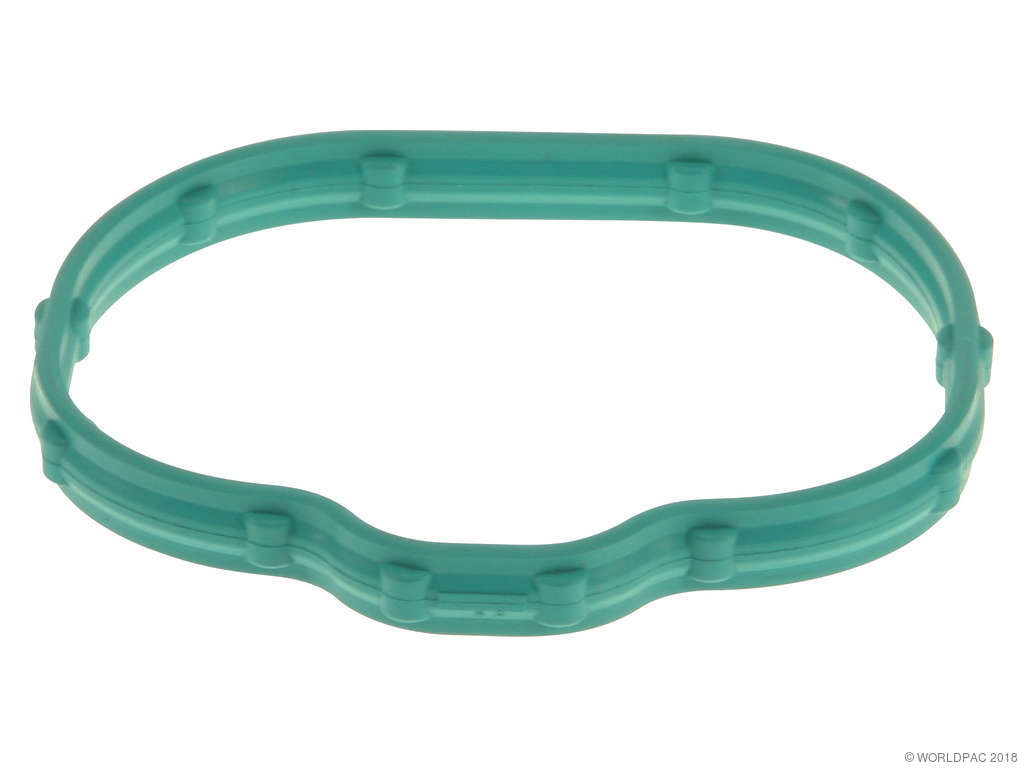
- Intake Manifold Gasket Set (Upper and Lower) — These gaskets are the most common source of vacuum leaks on the 3.5L/3.7L V6 engine as it ages.
Trusted brands: Fel-Pro (MS 97118), Mahle, Victor Reinz
OEM price range: $80-$150
Aftermarket price range: $40-$120 - PCV Valve
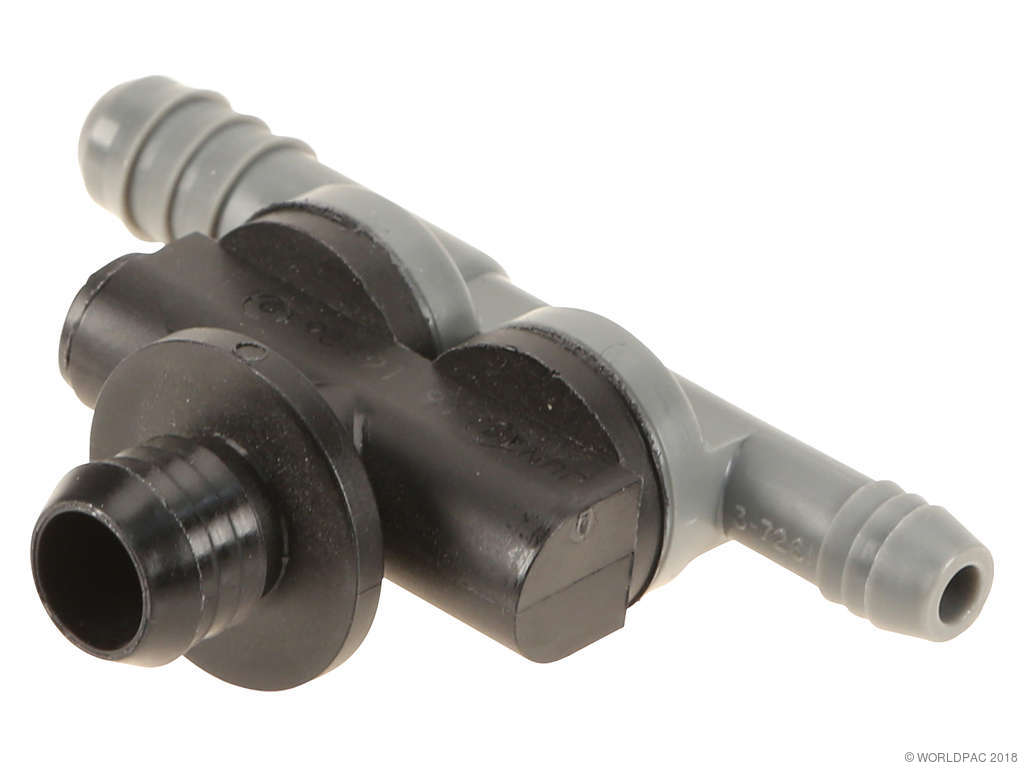
(OEM #AJ95-13-890A)— The PCV valve can get stuck or its connected hose can crack, creating a vacuum leak. On some 3.7L models, this is integrated into the valve cover.
Trusted brands: Mazda (OEM), Motorcraft, Standard Motor Products
OEM price range: $30-$60
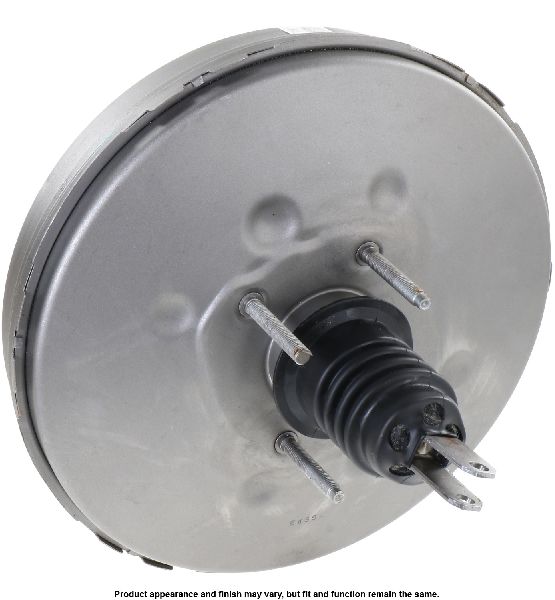
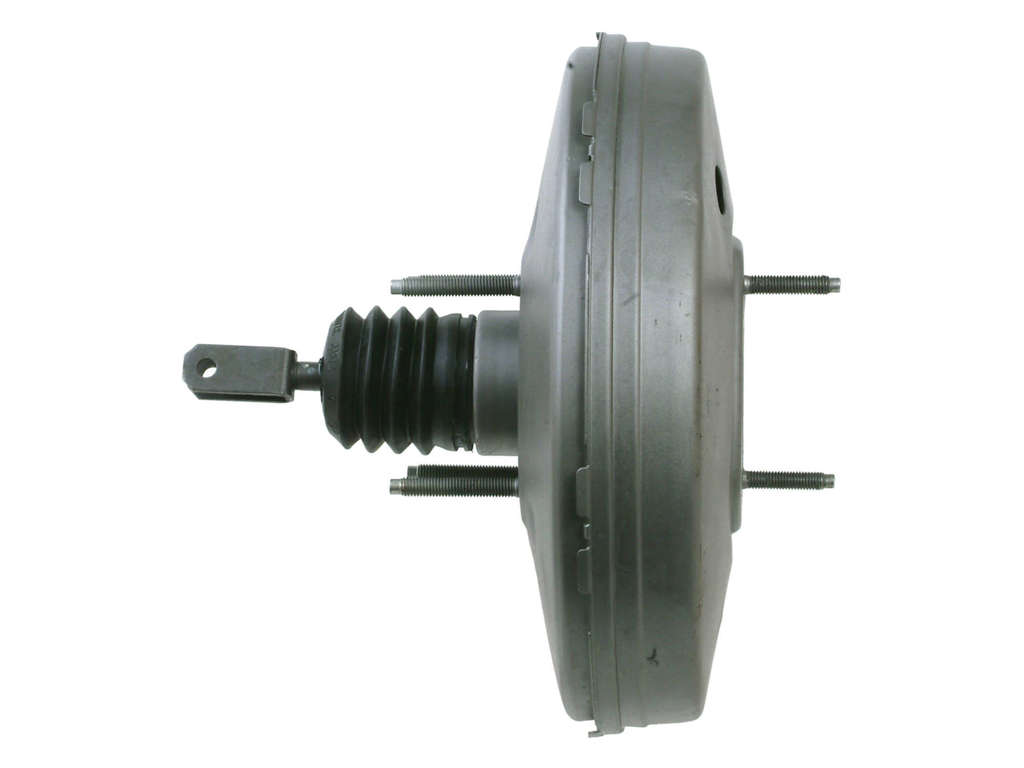
Aftermarket price range: $15-$40 - Power Brake Booster — A very common failure on the CX-9 that creates a large vacuum leak, often accompanied by a hissing noise and hard brake pedal.
Trusted brands: Mazda (OEM), Cardone
OEM price range: $250-$400
Aftermarket price range: $150-$250 - Mass Airflow (MAF) Sensor — A dirty or failed MAF sensor is a very common cause of lean codes and is often misdiagnosed.
Trusted brands: Hitachi, Denso, Bosch
OEM price range: $150-$220
Aftermarket price range: $70-$150 - Upstream Oxygen Sensor (Bank 2, Sensor 1) — A lazy or failed O2 sensor can send incorrect lean readings to the computer, causing the code.
Trusted brands: Denso, Bosch, NGK/NTK
OEM price range: $100-$180
Aftermarket price range: $50-$120
Related Codes That Often Appear With This One
- P0171 — If P0171 (System Too Lean, Bank 1) is also present, the cause is likely something that affects the entire engine, such as a faulty MAF sensor, a large vacuum leak at the main intake boot, a leaking brake booster, or low fuel pressure.
- P0300, P0302, P0304, P0306 — A severe lean condition can cause misfires. P0300 is a random misfire code, while P0302, P0304, and P0306 indicate misfires on the specific cylinders of Bank 2.
Technical Service Bulletins (TSBs) & Recalls
- Mazda Special Service Program (SSP 93): Extended warranty coverage for failing power brake boosters on 2007-2013 CX-9 models, a common cause of vacuum leaks that can trigger P0174.
- Mazda Special Service Program (SSP 92): Extended warranty for transfer case (PTU) failures on AWD models, a separate but critical platform issue.
Platform-Specific Known Issues
- source — A user on Mazdas247.com with a 2011 CX-9 nearing 300k miles reported getting both P0171 and P0174 codes, along with hard starting when the engine was warm and bogging during acceleration. This points to a significant vacuum leak affecting both banks, with likely candidates being the intake gaskets or brake booster.
Mechanic-Grade Diagnostic Values
- Long-Term and Short-Term Fuel Trims (LTFT + STFT) — expected: The combined total should be between -10% and +10%. Near 0% is ideal.. Failure: A sustained combined value of +20% or higher on Bank 2 indicates a significant lean condition and will trigger P0174.
- Mass Airflow (MAF) Sensor Reading at Idle — expected: Approximately 3.5 to 3.7 grams/second (g/s) for a 3.5L/3.7L engine at normal operating temperature with no load. The g/s reading should be roughly equal to the engine's displacement in liters.. Failure: A reading significantly lower than the engine's displacement (e.g., 1-2 g/s) suggests the sensor is under-reporting airflow, which can cause a lean condition. The reading should increase smoothly and proportionally with RPM.
- Upstream O2 Sensor (B2S1) Voltage — expected: Rapidly fluctuating between 0.1V and 0.9V in a closed-loop system.. Failure: A sensor that is slow to switch, is biased low (stuck below 0.45V), or has a flat-line reading indicates a faulty sensor.
- Fuel Pressure (Key On, Engine Off) — expected: Approximately 45-60 PSI. Specific values should be checked against the factory service manual for the exact model year.. Failure: Pressure below the specified range indicates a weak fuel pump, clogged filter, or faulty pressure regulator.
Real Owner Repair Stories
- Mazdas247 Forum User (2012 Mazda CX-9, 160k miles) — Check Engine Light with P0174, hissing noise, hard brake pedal.
❌ Tried (didn't work) Initial diagnosis pointed towards common vacuum leaks or sensor issues.
✅ What actually fixed it The power brake booster was the ultimate cause. The user noted that after replacing the booster around 70k miles under the warranty extension program, the problem did not return even up to 160k miles, confirming the replacement part was an improved design.
"I Checked Everything" — The Actual Cause
- In some cases for the 3.5L/3.7L Cyclone engine family, a smoke test may not reveal a leak if the cause is a failing diaphragm in the power brake booster. The leak can be internal to the booster and only manifest under specific conditions of pedal application, presenting as a hissing sound from the driver's footwell rather than a visible smoke leak in the engine bay.
OEM Part Supersession History
Unknown original part numbers for the brake booster.→TKY8-43-80ZA (example for later models)— The original brake booster diaphragm was prone to tearing due to a wear issue in the manufacturing mold. Replacement boosters supplied under Mazda's Special Service Program (SSP 93) were of a revised, more durable design.
Model Year Variations Within This Range
- 2008-2015 (3.7L V6): On many 3.7L V6 engines, the PCV valve is not a separate, serviceable part. It is integrated into the Bank 2 (front) valve cover. If the PCV valve fails, the entire valve cover assembly must be replaced, making the repair significantly more expensive and labor-intensive than on the 2007 3.5L or other engines where the PCV valve is a simple, inexpensive part.
Diagnostic Flowchart
Other Known Issues on This Vehicle
Issues unrelated to this code that are worth knowing about as an owner of this generation:
- Internal Water Pump Failure 🔴 High — A widely documented failure point, often occurring after 80,000 miles. Failure allows coolant to mix with engine oil, leading to catastrophic engine damage if not caught immediately.
- AWD Transfer Case (PTU) Failure 🔴 High — Common on AWD models, often due to fluid breakdown from high temperatures, leading to leaks and eventual failure. Symptoms include a burning gear oil smell or grinding noises. (Ref: Mazda issued a warranty extension (SSP 92) in the USA for some model years.)
- Brake Booster Failure 🟠 Medium — The internal diaphragm can tear, especially in high-temperature climates, causing a hard brake pedal and a hissing sound. This creates a vacuum leak that can also trigger lean codes. (Ref: Mazda issued a Special Service Program (SSP 93) extending warranty coverage for this part on 2007-2013 models.)
- Transmission Hard Shifts 🟠 Medium — Numerous owner complaints about hard shifting and transmission slips have been reported.
Used vs. New Parts: Buying Guide for This Vehicle
When a used part is the smart pick: For this vehicle, obtaining a used MAF sensor or intake manifold from a low-mileage donor vehicle can be a cost-effective option. These parts are generally durable, and failure is often due to age-related issues on the original car rather than a fundamental design flaw that would also be present on a used part.
Donor-vehicle mileage cap: roughly under 80000 miles for the part to have meaningful remaining life.
What to inspect on the donor part:
- For intake manifolds, check for any visible cracks, especially around bolt holes and seams.
- For MAF sensors, ensure the connector pins are clean and straight, and there is no visible contamination on the sensor element itself.
- Check the vehicle history of the donor car, if possible, to avoid parts from vehicles with a history of engine fires or major front-end collisions.
OEM-only on this vehicle (don't cheap out):
- Power Brake Booster: Given the known high failure rate of the original part and the subsequent warranty extension with an improved design, using a used booster is risky. An aftermarket or new OEM part is strongly recommended to ensure you get the revised, more durable diaphragm.
Aftermarket brands forum-validated for this vehicle:
- O2 Sensors: Denso, Bosch, NGK/NTK are widely regarded as reliable OEM-quality alternatives.
- Intake Gaskets: Fel-Pro and Mahle are reputable brands known for quality sealing products.
Brands owners have reported issues with on this vehicle:
- Unbranded/white-box electronic sensors (MAF, O2): These often have high failure rates, poor calibration, and can cause persistent diagnostic issues. It is better to pay more for a reputable brand or a tested used OEM part.
Real Owner Stories
Aggregated from forums and TSBs cited above. Mileages and costs reflect what owners reported in those sources.
2011 Mazda CX-9 3.7L V6 — ~295000 miles
Symptoms: Check engine light with P0171 and P0174 codes, hard starting when the engine was warm, and bogging/hesitation during acceleration.
What fixed it: The symptoms pointed to a significant vacuum leak affecting both banks, typically requiring replacement of intake gaskets or the brake booster.
Source hint: Mazdas247.com: A 2011 CX-9 owner with high mileage reported P0171 and P0174 codes along with driveability issues
2014 Mazda CX-9 3.7L V6
Symptoms: P0174 code appeared immediately after performing maintenance on the fuel system (LPG filters).
What fixed it: The issue was identified as a potential fuel system fault or a vacuum leak introduced during the filter service.
Source hint: LPG-forum.pl: A Polish forum user with a 2014 CX-9 reported a P0174 code appearing after changing LPG filters
Related OBD-II Codes
Frequently Asked Questions
Is there a warranty extension for the brake booster on my 2010 Mazda CX-9?
I hear a hissing noise near my brake pedal and have a P0174 code; are these related?
Can I just clean the MAF sensor on my 3.7L V6 instead of replacing it?
Where is the Bank 2, Sensor 1 O2 sensor located on the CX-9?
Does the CX-9 share this P0174 issue with the Ford Edge?
Could a leaking oil pressure switch cause my O2 sensor codes?
Helpful Videos
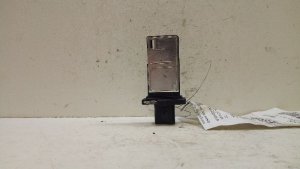
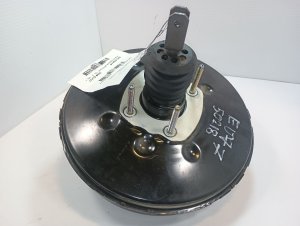
Used OEM Parts in Stock
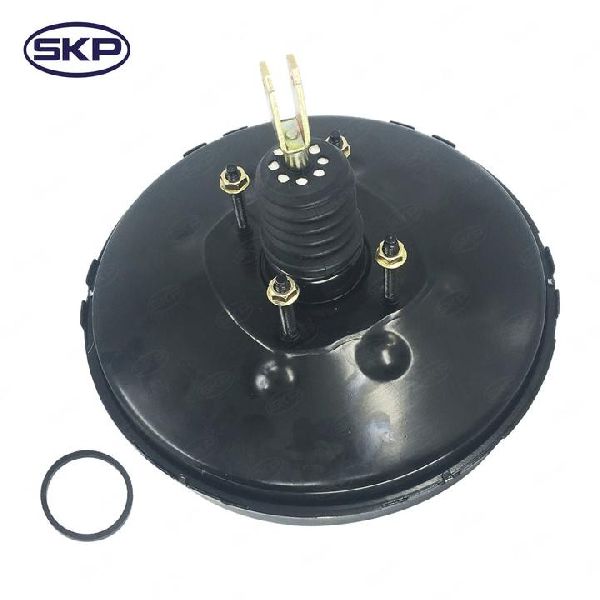
New Aftermarket Parts Available


The information in this article is provided for general reference and educational purposes only. Vehicle specifications, procedures, and part compatibility can vary by production date, trim level, and region. Always consult your vehicle's factory service manual and verify part numbers before purchasing or performing repairs. Safety-critical components such as airbags, seat belts, and braking systems should be installed by a qualified professional.
- Mazda CX-9:
- 🧭 Diagnostic Flowchart
- 🎬 Helpful Videos
- 🛍️ Shop This Part
- What's Unique About the 2007-2015 Mazda CX-9
- Symptoms You May Notice
- Most Likely Causes
- Rare But Worth Checking
- Diagnosis Steps
- Parts You'll Likely Need
- Related Codes That Often Appear With This One
- Technical Service Bulletins (TSBs) & Recalls
- Platform-Specific Known Issues
- Mechanic-Grade Diagnostic Values
- Real Owner Repair Stories
- "I Checked Everything" — The Actual Cause
- OEM Part Supersession History
- Model Year Variations Within This Range
- Other Known Issues on This Vehicle
- Used vs. New Parts: Buying Guide for This Vehicle
- Real Owner Stories
- 2011 Mazda CX-9 3.7L V6 — ~295000 miles
- 2014 Mazda CX-9 3.7L V6
- Related OBD-II Codes
- Frequently Asked Questions
- 🎟️ Get 5% Off