

P0174 on 2005-2010 Pontiac G6 3.5L V6: Causes, Symptoms, and Fixes for Lean Code
P0174 on a Pontiac G6 3.5L V6 is most often caused by a vacuum leak from failed lower intake manifold gaskets. If not the gaskets, the next most likely causes are a dirty MAF sensor or a bad PCV hose. Replacing the gaskets with the upgraded Fel-Pro metal-frame design is a common, permanent fix.
- P0174 means the engine is running lean (too much air) on the cylinder bank near the radiator.
- The most likely cause on a 3.5L G6 is a vacuum leak from failed intake manifold gaskets.
- Always perform a smoke test to confirm a vacuum leak before replacing parts.
- If you replace the intake gaskets, use an upgraded metal-frame set (like Fel-Pro MS 98014 T) to prevent the problem from recurring.
- Cleaning the MAF sensor is a cheap and easy diagnostic step to perform before considering more expensive repairs.
What's Unique About the 2005-2010 Pontiac G6
The GM 3.5L V6 engines (LX9 and LZ4) used in this generation of Pontiac G6 and its platform mates are well-known for a specific failure: the original plastic-frame lower intake manifold gaskets degrade over time from heat and exposure to Dex-Cool antifreeze. This allows unmetered air to leak into the intake, which is the dominant cause for lean codes like P0174 and P0171 on this specific platform. While other causes are possible, this gasket issue is a primary theme in owner and mechanic discussions.
Symptoms You May Notice
- Check Engine Light is on
- Rough or unstable idle
- Hesitation or stumbling during acceleration
- Reduced engine power
- Decreased fuel economy
- A hissing sound from the engine bay (indicating a vacuum leak)
- Increased oil consumption
- Strong oil smell from the engine bay
- Replacing the oxygen sensor first. While an O2 sensor can fail, the most common cause of a lean code is unmetered air from a vacuum leak. Always diagnose for leaks before replacing sensors.
Most Likely Causes
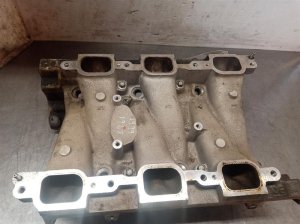
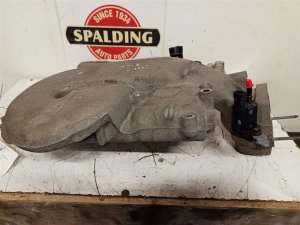
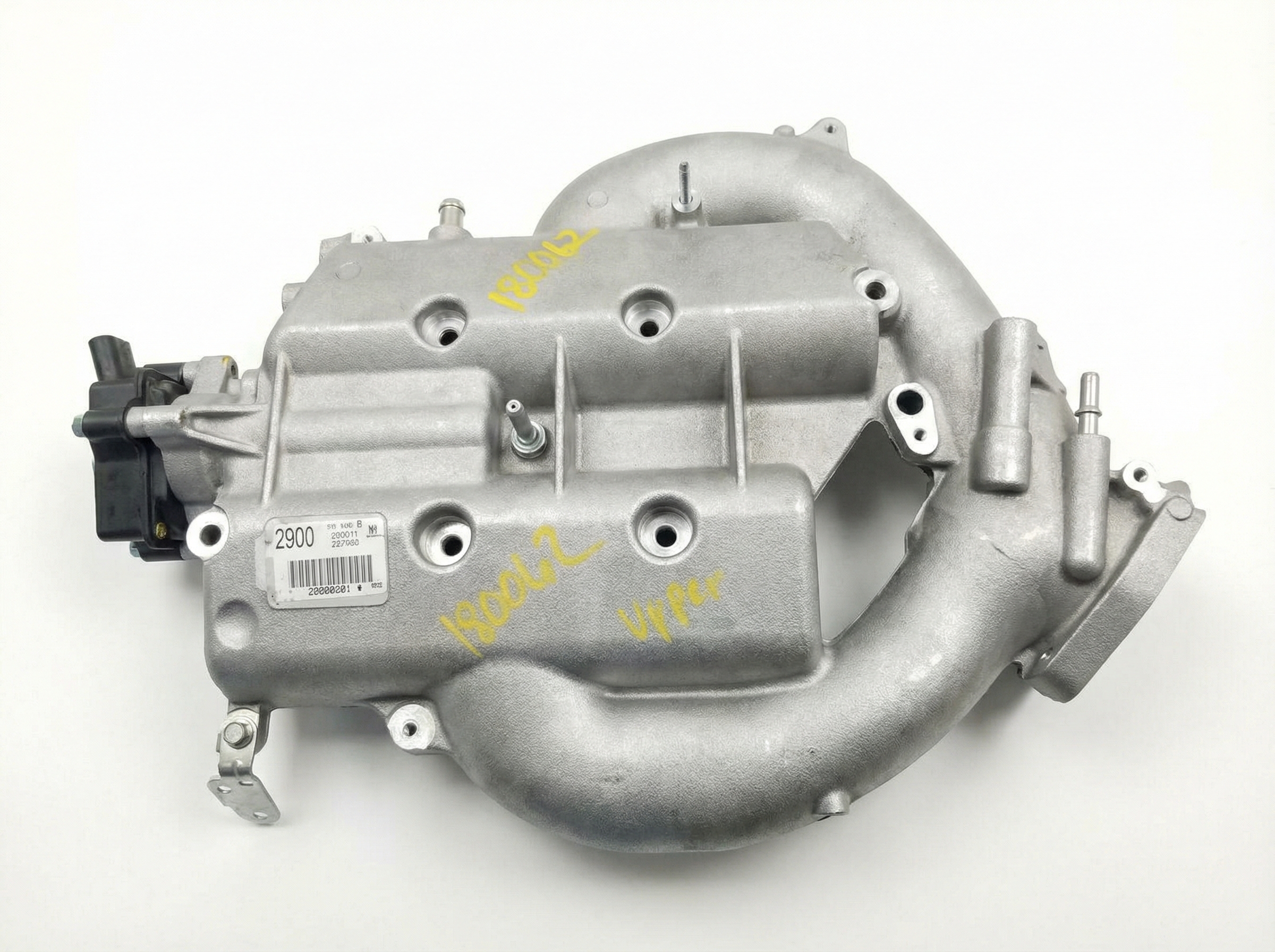
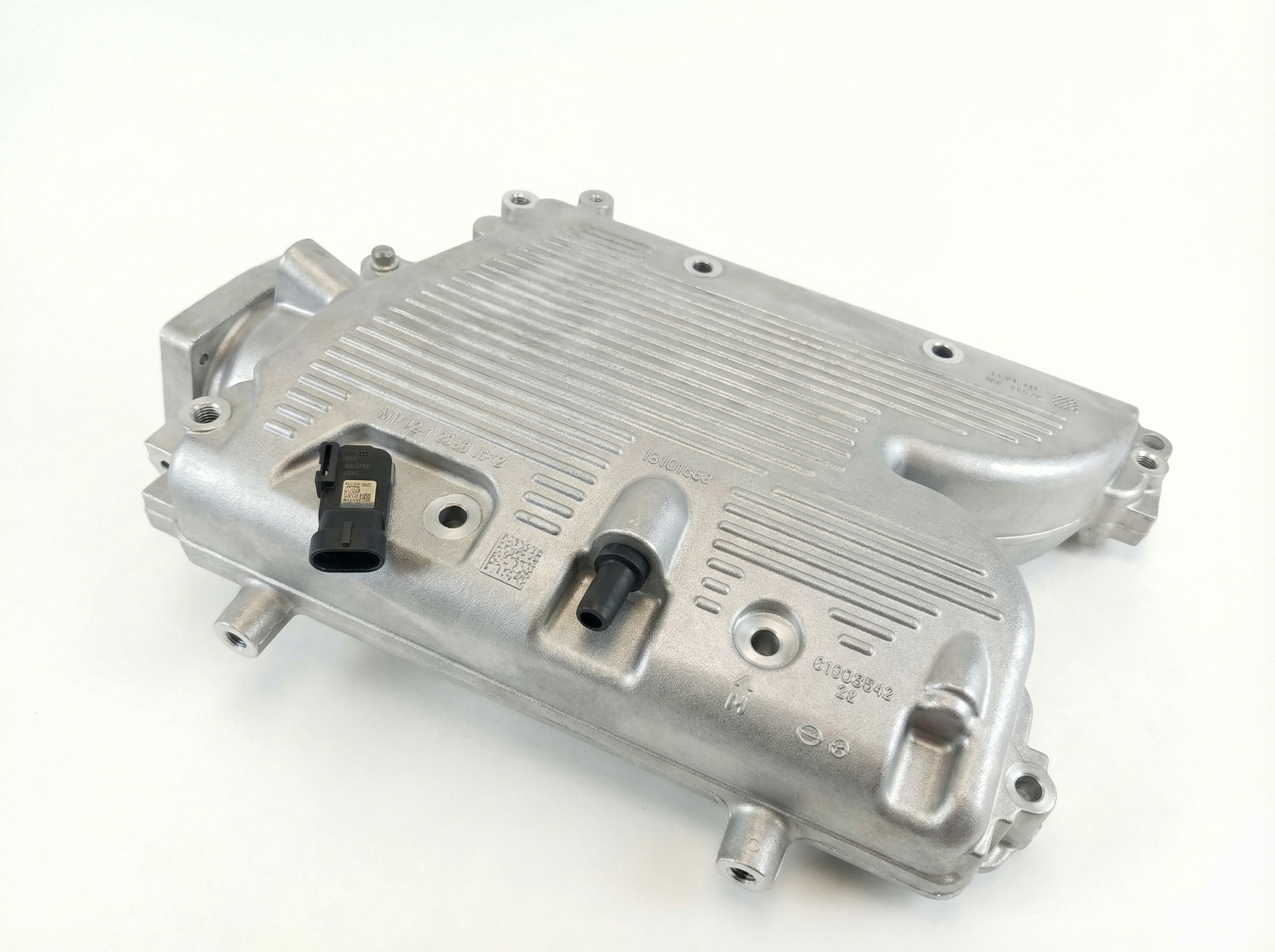
- Leaking Intake Manifold Gaskets 🔴 High Probability → Shop Engine Intake Manifold The original OEM gaskets used a plastic frame that is known to warp and degrade from heat and exposure to fluids, causing significant vacuum leaks. This is a well-documented failure on the GM 3.5L V6.
How to confirm: Perform a smoke test on the intake system; smoke will visibly escape from the gasket area between the lower intake manifold and cylinder heads. Alternatively, with the engine running, carefully spraying brake cleaner or a propane torch (unlit) around the gasket area will cause a change in engine RPM if a leak is present. The leak may be more pronounced in cold weather as the plastic contracts.
Typical fix: Replace the upper and lower intake manifold gaskets. It is strongly recommended to use an updated metal-frame gasket set (e.g., Fel-Pro MS 98014 T) for a more durable repair. The Fel-Pro set features an aluminized steel carrier and torque limiters to prevent overtightening.
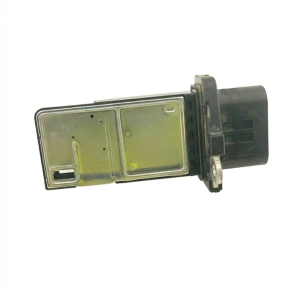
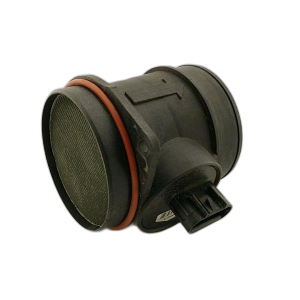
Est. part cost: $50-$100 - Dirty or Faulty Mass Airflow (MAF) Sensor 🟡 Medium Probability → Shop Fuel Injection Air Flow Meter Oil vapors from the PCV system or dust from a poorly sealed air filter box can contaminate the sensor's hot wire, causing it to under-report airflow.
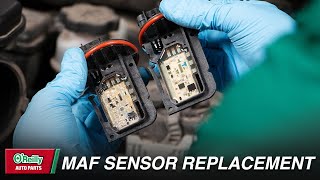
How to confirm: A dirty MAF sensor under-reports the amount of air entering the engine. Inspect the sensor's hot wires for contamination. Clean the sensor using only dedicated MAF sensor cleaner spray. 🎬 Watch: How to clean and replace your MAF sensor properly. A repair shop noted on a 2009 G6 with P0171/P0174 that cleaning the MAF sensor provided some improvement, but only a full replacement solved the issue, confirming the sensor was faulty.
Typical fix: Clean the MAF sensor with a dedicated cleaner. If the problem persists, replace the MAF sensor. The GM Genuine Part number is 19420212.
Est. part cost: $60-$150 - Cracked or Disconnected PCV Hose/System 🟡 Medium Probability → Shop PCV Valve Hose Rubber and plastic hoses become brittle with age and heat cycles, leading to cracks and vacuum leaks. GM issued a Preliminary Information bulletin (PIP4577J) advising technicians to check the PCV system for small leaks when diagnosing P0171/P0174.
How to confirm: Visually inspect the PCV valve and all connected rubber hoses for cracks, softness, or loose connections. Listen for a hissing sound near the PCV system with the engine running. One owner of a 2006 G6 noted symptoms of a failing PCV hose included consuming a quart of oil every 1,000 miles and a strong oil smell.
Typical fix: Replace the faulty PCV valve and/or any cracked hoses.
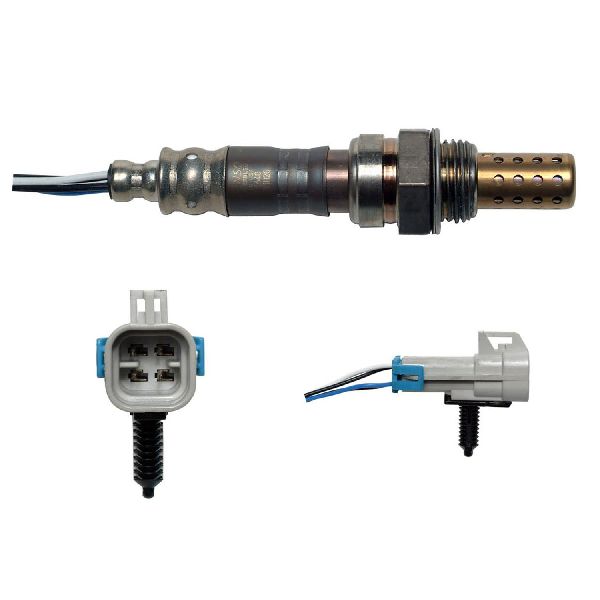
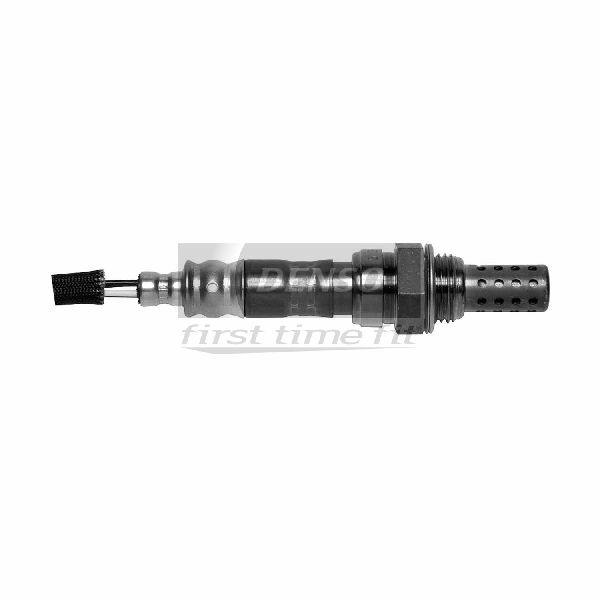
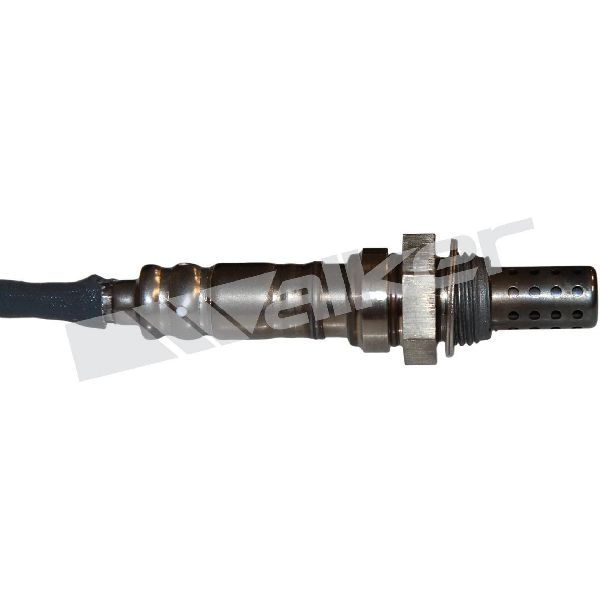
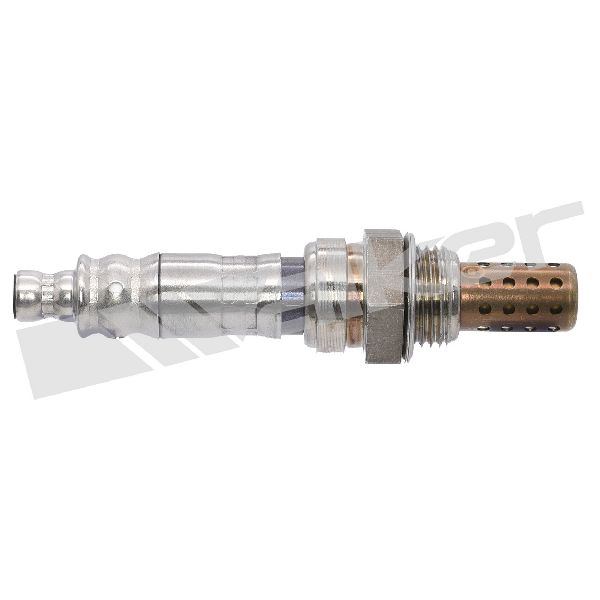
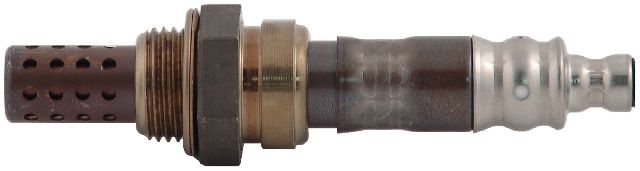
Est. part cost: $15-$40 - Faulty Upstream Oxygen (O2) Sensor ⚪ Low Probability → Shop Oxygen Sensor
How to confirm: A failing O2 sensor can become slow or biased, sending an incorrect lean signal to the ECM. Use a scan tool to graph the Bank 2, Sensor 1 voltage. A healthy sensor will fluctuate rapidly between approximately 0.1V and 0.9V. A sensor that is slow to respond or stuck at a low voltage may be faulty. This should only be considered after ruling out vacuum leaks, as a vacuum leak will cause a correct low voltage reading.
Typical fix: Replace the Bank 2, Sensor 1 (upstream) oxygen sensor.
Est. part cost: $50-$100
Rare But Worth Checking
- Low Fuel Pressure: This would typically cause a lean condition on both banks (P0171 and P0174). If only P0174 is present, this is less likely. It could be caused by a weak fuel pump or a clogged fuel filter.
- Clogged Fuel Injector on Bank 2: → Shop Fuel Injector An injector on one of the Bank 2 cylinders may be restricted, causing that cylinder to be lean and affecting the overall bank reading. This might also be accompanied by a misfire code for a specific cylinder (e.g., P0302, P0304, P0306).
- Exhaust Leak Before O2 Sensor: → Shop Oxygen Sensor A crack in the exhaust manifold or a leaking exhaust gasket on Bank 2 can allow outside oxygen to be drawn into the exhaust stream. The upstream O2 sensor will detect this extra oxygen and report a false lean condition to the ECM.
- Leaking/Broken Air Filter Housing: → Shop Air Cleaner Assembly A specific owner on Reddit with a 2006 G6 reported P0171/P0174 codes and discovered their air filter housing cover was broken and missing a screw, creating a large unmetered air leak between the MAF sensor and the engine.
Diagnosis Steps
- Use an OBD-II scanner to confirm P0174 and check for any other codes, like P0171 or P0300.
- Observe Long-Term Fuel Trim (LTFT) and Short-Term Fuel Trim (STFT) data for Bank 2. Values consistently above +10% confirm the lean condition; values approaching +25% are a strong indicator.
- Visually inspect the entire air intake system, from the air filter box to the throttle body, for cracks or loose clamps. Check the air filter housing itself for damage.
- With the engine running, listen for a distinct hissing sound, which can indicate a vacuum leak. Per GM bulletin PIP4577J, check the PCV hoses, oil filler cap, and dipstick seal.
- Perform a smoke test. This is the most effective way to find vacuum leaks, especially from the intake manifold gaskets.
- If no vacuum leaks are found, remove and clean the Mass Airflow (MAF) sensor using only a dedicated MAF cleaner spray. Let it dry completely before reinstalling.
- If the issue persists, test fuel pressure at the fuel rail to rule out a weak fuel pump or clogged filter.
- If all other possibilities are exhausted, test the Bank 2, Sensor 1 oxygen sensor for proper operation using a scan tool to monitor its voltage fluctuations.
Parts You'll Likely Need
- Intake Manifold Gasket Set (Lower)
(OEM #89017576)— This is the most common failure point on the 3.5L V6 leading to lean codes. The original plastic design is prone to failure.
Trusted brands: Fel-Pro (MS 98014 T is the recommended updated metal-frame design), ACDelco, Mahle
OEM price range: $60-$90
Aftermarket price range: $40-$70 - Mass Airflow (MAF) Sensor
(OEM #19420212)— Can become dirty or fail, leading to incorrect air readings and a lean condition.
Trusted brands: ACDelco (GM Genuine), Delphi, Hitachi
OEM price range: $120-$180
Aftermarket price range: $60-$100 - Oxygen Sensor (Bank 2, Sensor 1) — A potential but less common cause. The sensor provides the reading that triggers the code, but is often not the root cause.
Trusted brands: ACDelco, Denso, NTK
OEM price range: $80-$120
Aftermarket price range: $40-$80
Related Codes That Often Appear With This One
- P0171 — If a vacuum leak (like from the intake manifold gasket) or a faulty MAF sensor is the cause, it will affect both cylinder banks, causing both 'System Too Lean' codes to appear together.
- P0300 — A severe lean condition can lead to engine misfires. If the misfires are not isolated to a single cylinder, a P0300 'Random/Multiple Cylinder Misfire' code may be set. The intake gasket failure is a common cause for both P0171/P0174 and P0300 on this engine.
Technical Service Bulletins (TSBs) & Recalls
- GM Preliminary Information #PIP4577J: SES Light With DTCs P0171 And P0174: This bulletin advises technicians who are diagnosing P0171 and P0174 codes to inspect for
Platform-Specific Known Issues
- The lower intake manifold gaskets on the 3.5L V6 are a well-documented, high-failure item. The original plastic-framed gaskets are known to fail, and an upgraded metal-framed gasket (Fel-Pro MS 98014 T) is the recommended replacement for a long-term solution.
- The lean condition from a failing intake gasket may first appear during cold weather, as the contracting plastic gasket opens up a vacuum leak that might otherwise seal when the engine is warm.
Mechanic-Grade Diagnostic Values
- Fuel Pressure (Key On, Engine Off) — expected: 50-60 PSI. Failure: Pressure below 50 PSI or failure to hold pressure suggests a weak fuel pump, clogged filter, or leak.
- Mass Airflow (MAF) Sensor Reading at Idle — expected: 3-10 g/s (typically 4.2-6 g/s on a warm engine). Failure: A reading significantly lower than the expected range (e.g., 3.4-5.0 g/s) can indicate a dirty or faulty sensor causing the ECM to under-fuel the engine.
- Fuel Injector Resistance — expected: Approximately 6.8 ohms. Failure: A reading that is significantly different, open, or shorted indicates a faulty injector coil.
Scan Tool Commands That Help
- Tech2 / Professional Scan Tool: Idle Learn Reset — After replacing the throttle body, cleaning the throttle body, or disconnecting the battery, the ECM's learned idle airflow values may be incorrect. Performing an 'Idle Learn Reset' forces the ECM to relearn the proper throttle position for a stable idle, which is critical after addressing potential vacuum leak causes.
- Tech2 / Professional Scan Tool: Fuel Trim Reset — After a repair for a lean condition (like fixing a vacuum leak), the Long-Term Fuel Trims will still be at their high compensatory values. Resetting the fuel trims forces the ECM to start from a baseline, allowing for immediate confirmation of the fix by observing Short-Term Fuel Trim behavior.
Wiring & Ground Locations
- G105 — On the left rear side of the engine compartment, on an engine/transmission stud, often below the upper coolant hose.. This is a critical ground point shared by the Engine Control Module (ECM), Mass Air Flow (MAF) sensor, and Transmission Control Module (TCM). A poor connection or broken wire at this stud is a known issue that can cause intermittent and difficult-to-diagnose problems, including false sensor readings that lead to lean codes. Wires are known to break inside the insulation right at the terminal lug.
- G106 — On the front of the engine at a transmission stud, near the Park/Neutral Position (PNP) switch for the 3.5L engine.. This ground serves various engine components. While G105 is more directly implicated with the MAF and ECM, ensuring all major engine and transmission grounds are clean and secure is a crucial step in ruling out electrical causes for sensor-related codes like P0174.
- BCM (Body Control Module) — Located with the fusebox on the passenger side of the center console.. While not a direct cause, the BCM is a central hub for communication on the vehicle's data network. A wiring diagram shows it communicates with the ECM, and a bad ground or connection here can cause widespread, confusing electronic issues.
Real Owner Repair Stories
- Reddit user u/chris808s (2006 Pontiac G6 3.5L V6) — Check Engine Light with codes P0171 and P0174.
❌ Tried (didn't work) Initial inspection and consideration of cleaning the MAF sensor.
✅ What actually fixed it The user discovered the air filter housing cover was broken and missing a screw, creating a large unmetered air leak between the MAF sensor and the throttle body. Fixing the airbox resolved the lean codes. - ScannerDanner YouTube Channel (2007 Pontiac G6 3.5L V6) — No crank, no start, error message on cluster, communication problems with TCM.
❌ Tried (didn't work) Initial diagnosis pointed towards a faulty Park/Neutral switch.
✅ What actually fixed it The root cause was a broken wire at the G105 ground terminal on the transmission stud. Multiple wires, including grounds for the ECM and TCM, were broken inside the insulation at the crimped terminal. Repairing the ground connection restored communication and proper function. This highlights a critical failure point that can cause P0174 indirectly by affecting the ECM and its sensor readings.
Model Year Variations Within This Range
- 2005-2006: These years primarily used the 3.5L LX9 V6 engine, which does NOT have Variable Valve Timing (VVT).
- 2007-2010: These years used the 3.5L LZ4 V6 (and the flex-fuel LZE variant), which includes Variable Valve Timing (VVT). While VVT system faults don't typically cause a P0174 code directly, a malfunctioning VVT system can affect engine vacuum and performance, potentially complicating the diagnosis of a lean condition.
Diagnostic Flowchart
Real Owner Stories
Aggregated from forums and TSBs cited above. Mileages and costs reflect what owners reported in those sources.
2006 Pontiac G6 3.5L V6
Symptoms: Received the car as a gift with a check engine light showing P0171 and P0174 codes.
What fixed it: Discovered the air filter housing cover was broken and missing a screw, which was allowing unmetered air into the intake.
Source hint: Reddit - r/MechanicAdvice: My First Car. 2006 Pontiac G6 3.5L V6 P0171 and P0174 codes
GM Vehicle with 3.5L V6
Symptoms: Triggered P0171 and P0174 codes. Confirmed a vacuum leak by spraying cleaner around the intake and observing an RPM change.
What fixed it: Replaced the faulty intake manifold gaskets with a Fel-Pro gasket set from a local parts store.
Source hint: LS1TECH - P0171 & P0174, Intake gasket?
2006 Pontiac G6 GT 3.5L
Symptoms: Experienced high oil consumption (burning 1 quart every 1,000 miles), a strong oil smell from the engine bay, and a P0171 lean code.
What fixed it: Replaced a failing PCV valve hose pipe tube.
Source hint: AliExpress Product Review - WOLFIGO PCV Valve Hose Pipe Tube
2009 Pontiac G6
Symptoms: Check engine light illuminated with P0171 and P0174 codes. Diagnostics showed a low MAF sensor signal.
What fixed it: Cleaned the MAF sensor which provided some improvement, but ultimately required a full MAF sensor replacement to permanently fix the issue.
Source hint: Advance Auto Care - Service Record for 2009 Pontiac G6
Related OBD-II Codes
Frequently Asked Questions
Is there a GM service bulletin for the P0174 code on my Pontiac G6?
Why does my 3.5L V6 throw a P0174 code more often in cold weather?
What is the recommended replacement part for the intake manifold gasket on the G6 3.5L?
Can a broken air filter box cause a P0174 code on my 2006 G6?
I have a P0174 code and my G6 is burning a quart of oil every 1,000 miles. Are these related?
If cleaning the MAF sensor doesn't clear my P0174 code, what is the correct replacement part number?
Helpful Videos
Used OEM Parts in Stock
New Aftermarket Parts Available


The information in this article is provided for general reference and educational purposes only. Vehicle specifications, procedures, and part compatibility can vary by production date, trim level, and region. Always consult your vehicle's factory service manual and verify part numbers before purchasing or performing repairs. Safety-critical components such as airbags, seat belts, and braking systems should be installed by a qualified professional.
- Pontiac G6:
- 🧭 Diagnostic Flowchart
- 🎬 Helpful Videos
- 🛍️ Shop This Part
- What's Unique About the 2005-2010 Pontiac G6
- Symptoms You May Notice
- Most Likely Causes
- Rare But Worth Checking
- Diagnosis Steps
- Parts You'll Likely Need
- Related Codes That Often Appear With This One
- Technical Service Bulletins (TSBs) & Recalls
- Platform-Specific Known Issues
- Mechanic-Grade Diagnostic Values
- Scan Tool Commands That Help
- Wiring & Ground Locations
- Real Owner Repair Stories
- Model Year Variations Within This Range
- Real Owner Stories
- 2006 Pontiac G6 3.5L V6
- GM Vehicle with 3.5L V6
- 2006 Pontiac G6 GT 3.5L
- 2009 Pontiac G6
- Related OBD-II Codes
- Frequently Asked Questions
- 🎟️ Get 5% Off