

P0174 on 2008-2013 Toyota Highlander 3.5L V6: Causes and Fixes for Lean Condition
For a 2008-2013 Highlander, P0174 is most often caused by a vacuum leak from deteriorated intake manifold gaskets or a dirty Mass Airflow (MAF) sensor. Start by cleaning the MAF sensor ($15) and inspecting for obvious air leaks before replacing any parts. If both P0171 and P0174 are present, the MAF sensor is the primary suspect.
- P0174 means Bank 2 (front of engine) is too lean (too much air or not enough fuel).
- The most likely causes are a vacuum leak from an old intake gasket or a dirty MAF sensor.
- Always start with the cheapest, easiest fixes: inspect for cracked hoses and clean the MAF sensor with dedicated cleaner.
- Do not replace the oxygen (A/F) sensor unless you have ruled out vacuum leaks and MAF issues, or have confirmed the sensor is bad via testing.
- If both P0171 and P0174 are present, the problem is almost certainly a dirty MAF sensor or a major vacuum leak affecting both cylinder banks.
What's Unique About the 2008-2013 Toyota Highlander
The 2GR-FE engine is known for its reliability, but it is highly susceptible to vacuum leaks from the intake manifold gaskets as they age. The original gaskets are made of a material that hardens and flattens over time, losing its seal and allowing unmetered air to enter the engine. This is a very common cause for P0174 on this specific platform. Additionally, a dirty Mass Airflow (MAF) sensor is a frequent culprit, often causing both P0174 (Bank 2) and P0171 (Bank 1) codes to appear together, which strongly points to the MAF as the root cause.
Symptoms You May Notice
- Check Engine Light is on
- Rough or unstable idle
- Hesitation or stumbling during acceleration
- Reduced fuel economy
- A hissing sound from the engine bay, indicating a vacuum leak
- Engine misfires, which may or may not trigger a separate misfire code (e.g., P0302, P0304, P0306)
- Engine stalling, especially at idle
- Replacing the oxygen (A/F) sensor first. The sensor is often just doing its job by reporting the lean condition caused by a vacuum leak or MAF issue. Always diagnose for vacuum leaks and check the MAF sensor before replacing the A/F sensor.
Most Likely Causes
- Vacuum Leak (Intake Manifold Gaskets, Hoses) 🔴 High Probability The intake manifold gaskets on the 2GR-FE engine are a known failure point. They become hard and brittle with age and heat cycles, losing their seal and allowing unmetered air to enter the engine. Cracked or disconnected vacuum hoses, especially the PCV hose, are also common sources of leaks.
How to confirm: Visually inspect all vacuum hoses for cracks or disconnection. With the engine running, carefully spray short bursts of brake cleaner or carburetor cleaner around the intake manifold gasket area. If the engine's idle speed changes or stumbles, you have found the leak. A professional can use a smoke machine to pinpoint the leak precisely. Watching long-term fuel trim (LTFT) data on a scan tool while spraying can also confirm a leak; the LTFT values will drop sharply when the flammable spray is ingested.
Typical fix: Replace the faulty intake manifold gaskets or the cracked vacuum hose. The torque for the lower intake manifold bolts is 15 ft-lbs (21 N-m).
Est. part cost: $5-$30 for hoses, $25-$60 for an intake gasket set. - Dirty or Faulty Mass Airflow (MAF) Sensor 🔴 High Probability → Shop Fuel Injection Air Flow Meter The MAF sensor's delicate wire can become contaminated with dirt, oil, and debris over time, causing it to inaccurately measure the amount of air entering the engine. This is a very common issue on many Toyota models and a prime suspect when both P0171 and P0174 are present.
How to confirm: Remove the MAF sensor (located on the air filter housing) and inspect the small wires inside. If they appear dirty, cleaning is warranted. A scan tool can monitor the MAF reading in grams/second; abnormally low readings at idle or during acceleration can indicate a problem. A definitive, though less common, test is to swap with a known good sensor.
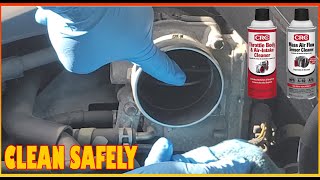
Typical fix: Clean the sensor using only a dedicated MAF sensor cleaner spray. 🎬 Watch: How to clean your MAF sensor and throttle body. Do not touch the wires or use aggressive cleaners like brake cleaner. If cleaning doesn't resolve the issue, the sensor may need to be replaced with an OEM Denso unit.
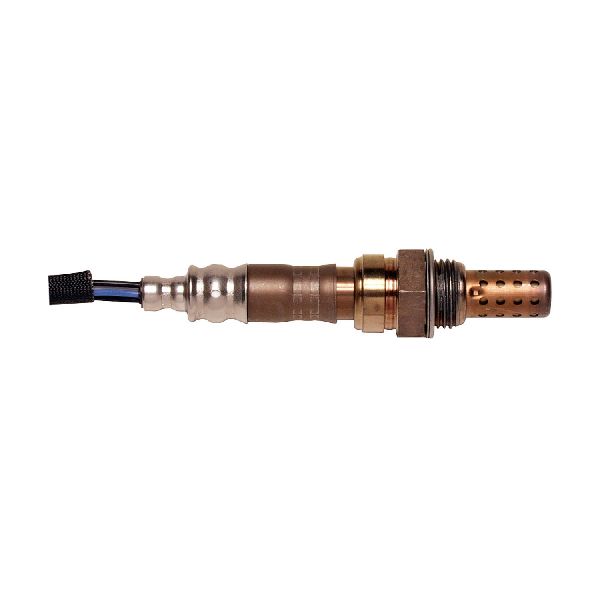
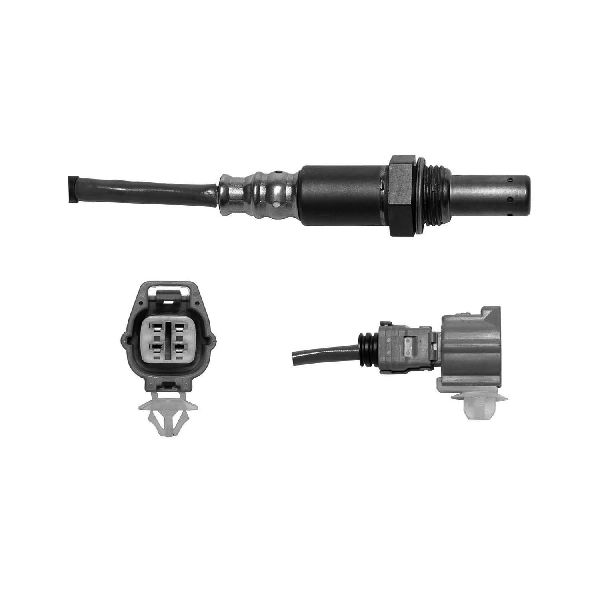
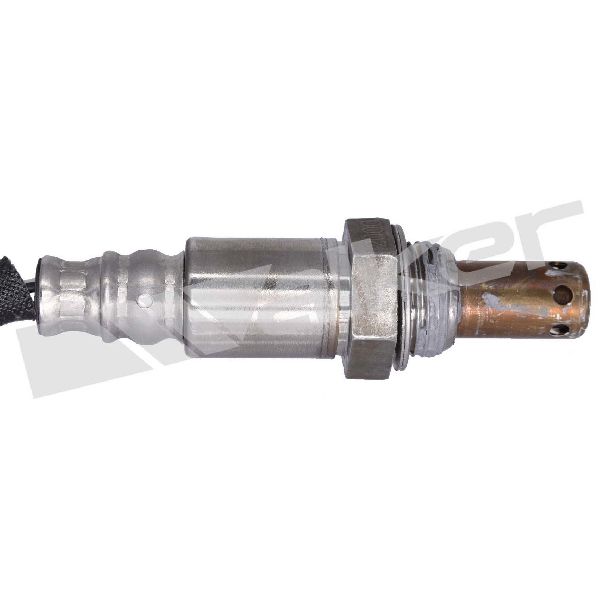
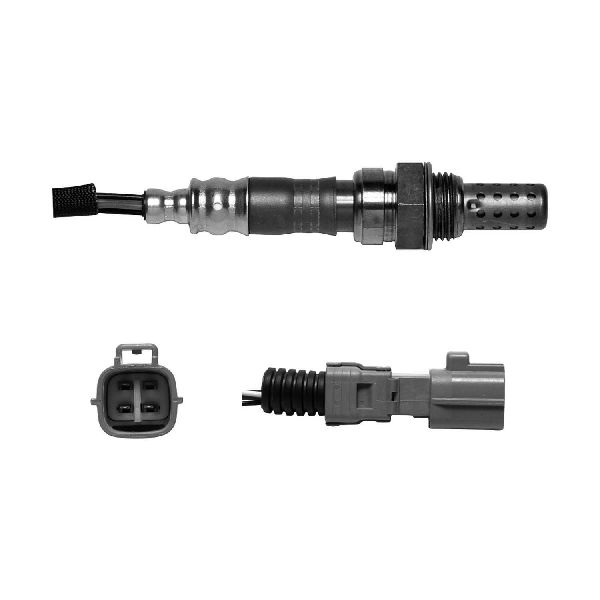
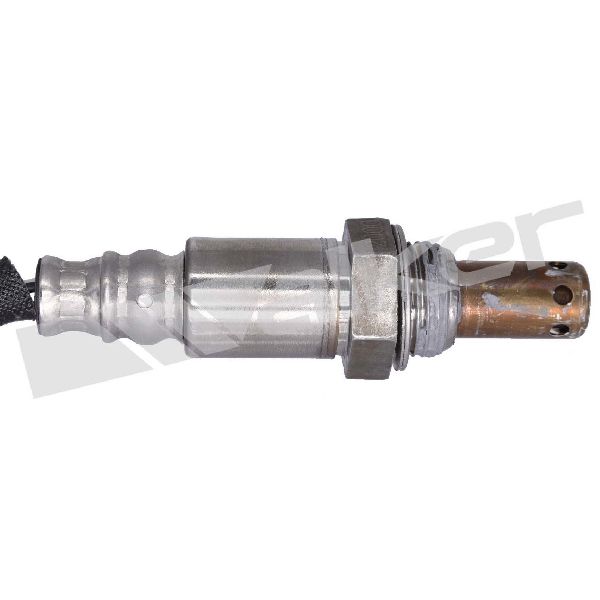
Est. part cost: $10-$20 for cleaner, $70-$150 for a new Denso sensor. - Faulty Air/Fuel Ratio Sensor (Bank 2, Sensor 1) 🟡 Medium Probability → Shop Oxygen Sensor This sensor, also known as the upstream oxygen sensor, can become slow or biased as it ages, sending incorrect lean signals to the ECM. While often replaced unnecessarily, it can be the true cause if vacuum leaks and MAF issues are ruled out.
How to confirm: Diagnosis requires a scan tool capable of reading live sensor data. A healthy sensor will show rapidly fluctuating voltage. A lazy or dead sensor will have slow or no voltage changes. A definitive test is to swap the Bank 1 and Bank 2 A/F sensors; if the code changes from P0174 to P0171, the sensor is confirmed bad.
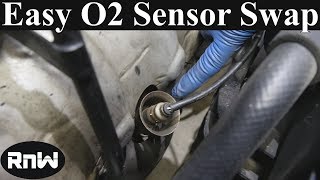
Typical fix: Replace the Bank 2, Sensor 1 Air/Fuel Ratio Sensor. Bank 2 is the front bank, closer to the radiator, making this sensor easier to access than Bank 1's. 🎬 See this guide on sensor locations and replacement steps.
Est. part cost: $70-$140 for a Denso sensor. - Stuck-Open PCV Valve or Leaking PCV Hose ⚪ Low Probability → Shop PCV Valve The PCV (Positive Crankcase Ventilation) valve can get stuck open due to sludge or wear, creating a constant vacuum leak. The hoses connected to it can also crack or become soft and collapse.
How to confirm: Remove the PCV valve (located on the front valve cover, near the firewall) and shake it. If it rattles, it is likely working. If it doesn't rattle or is full of sludge, it should be replaced. Inspect the connected hoses for cracks or softness.
Typical fix: Replace the PCV valve and/or hose. This is a low-cost, easy maintenance item.
Est. part cost: $10-$40
Rare But Worth Checking
- Weak Fuel Pump or Clogged Fuel Filter: → Shop Fuel Pump This is less common, but if both P0171 and P0174 are present and long-term fuel trims are very high (e.g., >35%) along with hesitation under heavy load, it's worth investigating. A fuel pressure test is needed to confirm. Some owners on forums have fixed persistent lean codes by replacing the fuel pump after exhausting all other options.
- Clogged Fuel Injectors on Bank 2: → Shop Fuel Injector If the lean condition is isolated to Bank 2 and all other causes are ruled out, one or more fuel injectors on that bank could be clogged, preventing adequate fuel delivery. This is uncommon on the 2GR-FE but possible with poor fuel quality or high mileage.
- Exhaust Leak Before A/F Sensor: A crack in the exhaust manifold or a leaking gasket before the Bank 2 A/F sensor can allow outside air into the exhaust stream. This fools the sensor into thinking the engine is running lean, causing the ECM to add unnecessary fuel and potentially trigger the P0174 code.
Diagnosis Steps
- Read the codes with an OBD-II scanner. Note if P0171 is also present. Check freeze frame data to see the conditions when the code was set.
- Check Long-Term Fuel Trim (LTFT) values for both Bank 1 and Bank 2. High positive values (e.g., +15% or higher) confirm a lean condition. If both banks are high, suspect a common cause like the MAF sensor.
- Visually inspect the engine bay for any obvious disconnected or cracked vacuum hoses, especially around the air intake boot and PCV system.
- Remove and clean the Mass Airflow (MAF) sensor using dedicated MAF sensor cleaner. Do not touch the internal wires. Clear the codes and drive to see if P0174 returns.
- If the code returns, perform a vacuum leak test. With the engine running, spray carburetor cleaner or brake cleaner in short bursts around the intake manifold gaskets and vacuum hose connections. Listen for a change in engine idle or watch for a sharp drop in LTFT values on your scanner.
- Inspect the PCV valve and its hoses. Remove the valve, shake it to check for a rattle, and ensure it's not stuck open. Replace if in doubt.
- If no vacuum leaks are found, use a scan tool to monitor the live data for the Air/Fuel Ratio sensors (Bank 1 and Bank 2). Compare their voltage readings and response times. If the Bank 2 sensor is behaving differently, is unresponsive, or swapping it with Bank 1 moves the code to P0171, the sensor is faulty.
- If all else fails, consider testing fuel pressure to rule out a weak fuel pump or clogged filter.
Parts You'll Likely Need
- Intake Manifold Gasket Set (Upper/Plenum)
(OEM #17176-0P021 (or 17176-31050))— These gaskets are a very common failure point on the 2GR-FE engine, causing a vacuum leak that triggers P0174. You will need a set of three. 🎬 Watch: Pro tips for removing the intake manifold on this engine.
Trusted brands: Toyota OE, Fel-Pro MS 96911, Mahle
OEM price range: $20-$40
Aftermarket price range: $15-$30 - Mass Airflow (MAF) Sensor
(OEM #22204-31020)— A dirty or failed MAF sensor is a primary cause of lean codes on this vehicle, especially if P0171 is also present. Cleaning is the first step, but replacement is often necessary if cleaning fails.
Trusted brands: Denso (OEM), Hitachi
OEM price range: $120-$180
Aftermarket price range: $50-$100 - Air/Fuel Ratio Sensor (Bank 2, Sensor 1)
(OEM #89467-48160)— If the sensor itself fails, it can send false lean readings. This is the sensor on the front exhaust manifold (closer to the radiator), which is Bank 2.
Trusted brands: Denso (OEM)
OEM price range: $150-$220
Aftermarket price range: $70-$140
Related Codes That Often Appear With This One
- P0171 — System Too Lean (Bank 1). If both codes are present, it strongly points to a problem affecting the entire engine, such as a dirty MAF sensor, a large vacuum leak at the intake plenum common to both banks, or a fuel delivery issue like a weak fuel pump.
Technical Service Bulletins (TSBs) & Recalls
- While no TSB is specifically for P0174 on this model, TSBs for related issues exist. For example, T-SB-0041-11 addresses intermittent MIL ON with lean codes (P0171/P0174) on other Toyota models, often pointing towards MAF sensor logic or vacuum leaks, reinforcing the common diagnostic path.
- Manufacturer Bulletin #TSB000923 notes that some Toyota vehicles may exhibit a hard start or MIL ON condition with DTC P0171 and/or P0174. Techstream data analysis in these cases may reveal positive fuel trims.
Platform-Specific Known Issues
- Owner Experience: Intake Gasket Failure: A user on ToyotaNation with a 2008 Highlander reported chasing P0171 and P0174 for months. After cleaning the MAF and checking for hose leaks with no success, they finally replaced the intake plenum gaskets. They described the old gaskets as 'flat as a pancake and hard as a rock.' The new, pliable gaskets immediately solved the problem, and fuel trims returned to normal. This is a highly typical repair story for this engine.
- Forum Consensus on MAF vs. Gaskets: Across Reddit's r/MechanicAdvice and Toyota forums, the consensus for P0171/P0174 on the 2GR-FE is to always start with cleaning the MAF sensor. If that doesn't work, a smoke test is the next step, which almost invariably reveals a leak at the intake plenum gaskets or, less commonly, the lower intake manifold gaskets.
Mechanic-Grade Diagnostic Values
- Fuel Pressure — expected: 304 to 343 kPa (44 to 50 psi) with engine running.. Failure: Pressure below 44 psi can indicate a weak fuel pump or clogged filter. Pressure should also remain above 147 kPa (21 psi) for 5 minutes after the engine is stopped.
- Mass Airflow (MAF) Sensor Reading — expected: Approximately 4 grams/second at idle, 8 g/s at 1500 RPM, and 13 g/s at 2500 RPM.. Failure: Readings significantly lower than expected for a given RPM suggest a dirty or failing sensor.
- Long-Term Fuel Trim (LTFT) — expected: Between -10% and +10%. Ideally close to 0%.. Failure: A sustained value of +12.5% or higher will typically set the P0174 code. Values approaching +35% indicate a severe lean condition.
- Air/Fuel Ratio Sensor Heater Resistance — expected: 1.8 to 3.4 Ω at 20°C (68°F) between terminals HA1A and +B.. Failure: Resistance outside this range indicates a faulty heater circuit within the sensor, requiring replacement.
- Fuel Injector Resistance — expected: 11.6 to 12.4 Ω at 20°C (68°F).. Failure: Resistance outside this range can indicate a failing injector coil.
Scan Tool Commands That Help
- Toyota Techstream: Active Test: A/F Control — This allows a technician to manually command the ECM to enrich or lean out the fuel mixture (e.g., +12.5%, +25%). By observing the reaction of the A/F and O2 sensors, you can test the system's response and help determine if the sensor is reading correctly or if there's a fuel delivery problem.
- Toyota Techstream: Active Test: Control the Injection Volume for A/F Sensor — Similar to A/F Control, this provides a direct way to test the response of the upstream A/F sensors to commanded changes in fueling, helping to isolate a lazy or biased sensor.
Wiring & Ground Locations
- Engine Harness Ground (Rear Bank) — On the side of the rear cylinder head (Bank 1), located directly underneath the throttle body assembly.. A poor ground connection here can affect sensor readings for the entire engine, including the MAF and A/F sensors, potentially causing false lean codes. This point is often overlooked during engine work.
- Engine Harness Ground (Front Bank) — On a boss on the side of the front cylinder head (Bank 2), near the ignition coils.. This is the primary ground for components on Bank 2. Corrosion or a loose connection can directly impact the Bank 2 A/F sensor signal, leading specifically to a P0174 code.
- Main Chassis Grounds — Two main ground wires run from the valve covers to attachment points near the strut towers on the frame.. These provide the main ground path for the entire engine assembly to the vehicle's body. A compromised connection can cause a host of intermittent and difficult-to-diagnose electrical issues, including erratic sensor behavior.
Real Owner Repair Stories
- Reddit user in r/MechanicAdvice (2008 Toyota Highlander Hybrid) — Rough idle, stalling at low RPMs, codes P0171, P0174, P0101. Short term fuel trims were +20% at idle but near 0% at freeway speeds.
❌ Tried (didn't work) Swapping with a known-good MAF sensor, Replacing visibly dry-rotted vacuum lines
✅ What actually fixed it An intake manifold block-off plate had been installed backwards by a previous mechanic, preventing the gasket from sealing. The leak was confirmed with carb cleaner. The correct orientation is with the smooth side of the plate facing inward toward the engine. - ToyotaNation Forum user (2011 Toyota Highlander 3.5L V6) — Persistent P0171 and P0174 codes, high positive fuel trims at idle.
❌ Tried (didn't work) Cleaning MAF sensor, Replacing intake manifold gaskets, Smoke testing the intake (which passed)
✅ What actually fixed it A hairline crack was found in the plastic intake air resonator (the large black plastic box connected to the main intake tube). This allowed unmetered air to enter the system but was difficult to spot and did not show up on a low-pressure smoke test. - NHTSA ODI #11722818 — An owner reported that the vehicle hesitates and sputters upon acceleration, experiences a loss of power, and stalls during operation. Trouble codes P0171 and P0174 were generated in combination with other codes.
- NHTSA ODI #11526896 — A report describes that after filling with gas, the engine would not start and displayed a "Low brake power" message. Codes P0171 and P0174 were found, indicating the air/fuel mixture was too lean for the ECM to correct.
- NHTSA ODI #11683315 — An owner noted that P0174 (System Too Lean Bank 2) was identified as a high-severity issue where the engine receives too much air or not enough fuel, leading to potential issues with fuel delivery or engine performance.
"I Checked Everything" — The Actual Cause
- A common scenario for the 2GR-FE engine involves a smoke test passing with no visible leaks, yet the lean condition persists. The ultimate cause is often found to be a hairline crack in the plastic intake air plenum or the air resonator box. These cracks may only open up under specific engine temperatures or vibrations and can be missed by a standard, low-pressure smoke test performed on a cold engine.
OEM Part Supersession History
22204-31010, 22204-0P010, 22204-0H010→22204-31020— Standard part consolidation and minor revisions by the manufacturer.
Heads up: The newer part number 22204-31020 is backward compatible with vehicles that used the older numbers.
Diagnostic Flowchart
Other Known Issues on This Vehicle
Issues unrelated to this code that are worth knowing about as an owner of this generation:
- Rupturing VVT-i Oil Line 🔴 High — Common on early 2GR-FE engines (approx. 2007-2010). An original rubber hose section cracks, leading to rapid, catastrophic oil loss and potential engine seizure. (Ref: Toyota issued a Limited Service Campaign (LSC 90K) and later a TSB to replace the rubber line with an all-metal part (15772-31030).)
- Timing Chain Cover Oil Leak 🟠 Medium — A well-documented issue where the sealant (FIPG) on the timing chain cover fails, causing a persistent oil leak. It's a very labor-intensive repair, often costing thousands of dollars as the engine may need to be removed. (Ref: Toyota has TSBs detailing the resealing procedure, but no recall has been issued.)
- Water Pump Failure 🟠 Medium — The water pump on the 2GR-FE is a common failure point, often starting as a slow coolant leak from the weep hole. If not addressed, it can lead to overheating.
- Faulty Ignition Coils 🟡 Low — Failure of one or more ignition coils is a common cause of misfires (P030x codes) and rough running, particularly on higher-mileage vehicles.
- Rupturing Oil Cooler Lines (AWD Models) 🔴 High — Similar to the VVT-i line, some AWD models came with oil cooler lines that have a rubber section prone to rupturing, causing a major oil leak. This primarily affects 2008-2011 models. (Ref: An updated all-metal line is available for replacement.)
Used vs. New Parts: Buying Guide for This Vehicle
When a used part is the smart pick: For this repair, used parts like the intake air resonator box, vacuum hoses from a low-mileage donor, or the upper intake plenum can be a cost-effective choice. These are generally durable plastic or rubber components where age and heat cycles are the primary failure mode, so a part from a newer or lower-mileage vehicle is a good option.
Donor-vehicle mileage cap: roughly under 80000 miles for the part to have meaningful remaining life.
What to inspect on the donor part:
- For plastic parts (resonator, plenum): Check for any discoloration, chalkiness, or visible fine cracks, especially at seams and mounting bosses.
- For hoses: Squeeze the hose to ensure it is still pliable and not hard or brittle. Check the ends for any splits.
- For sensors (MAF, A/F): Buying used is risky as they are electronic wear items. If you must, get one from a vehicle with the lowest possible mileage and a clear return policy.
OEM-only on this vehicle (don't cheap out):
- Mass Airflow (MAF) Sensor
- Air/Fuel Ratio (O2) Sensor
Aftermarket brands forum-validated for this vehicle:
- Denso (for MAF and A/F sensors - they are the Original Equipment Manufacturer)
- Fel-Pro (for intake gaskets)
Brands owners have reported issues with on this vehicle:
- Unnamed, no-brand 'white box' electronic sensors (MAF, A/F sensors) from online marketplaces. Owners frequently report these are poorly calibrated, fail quickly, or are dead on arrival.
Real Owner Stories
Aggregated from forums and TSBs cited above. Mileages and costs reflect what owners reported in those sources.
2008 Toyota Highlander 2GR-FE 3.5L V6
Symptoms: Chasing P0171 and P0174 for months; found the old gaskets were 'flat as a pancake and hard as a rock.'
What fixed it: Replaced the intake plenum gaskets.
Source hint: ToyotaNation Forum
Toyota V6 (2GR-FE platform)
Symptoms: Persistent P0171/P0174 codes with extremely high long-term fuel trims (>35%) and no vacuum leaks found.
What fixed it: Replaced the fuel pump.
Source hint: Reddit - r/MechanicAdvice
NHTSA Reported Incident
Symptoms: Vehicle hesitates and sputters upon acceleration, loss of power, and stalls during operation. Codes P0191, P0171, P0174, and P0107B were found.
What fixed it: Diagnostic records indicate multiple fuel and propulsion system codes occurring simultaneously.
Source hint: NHTSA ODI #11722818
Related OBD-II Codes
Frequently Asked Questions
Is there a specific TSB for the P0174 code on my 2008-2013 Toyota Highlander?
I have a P0174 on my Highlander; which side of the engine is Bank 2?
What is the most common cause for both P0171 and P0174 appearing together on the 2GR-FE engine?
What is the correct torque specification for the intake manifold bolts on the 3.5L V6?
Can I use any cleaner to fix the MAF sensor on my Highlander?
How can I tell if my Highlander's intake gaskets are the cause of the P0174 code?
Helpful Videos
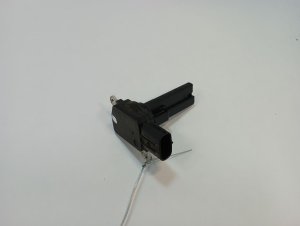
Used OEM Parts in Stock
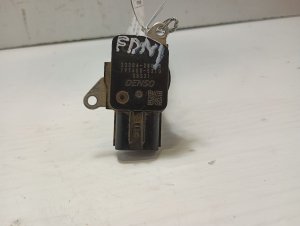
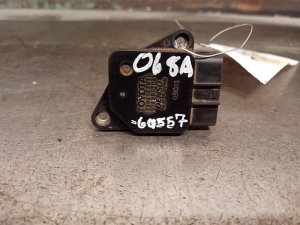
New Aftermarket Parts Available


The information in this article is provided for general reference and educational purposes only. Vehicle specifications, procedures, and part compatibility can vary by production date, trim level, and region. Always consult your vehicle's factory service manual and verify part numbers before purchasing or performing repairs. Safety-critical components such as airbags, seat belts, and braking systems should be installed by a qualified professional.
- Toyota Highlander:
- 🧭 Diagnostic Flowchart
- 🎬 Helpful Videos
- 🛍️ Shop This Part
- What's Unique About the 2008-2013 Toyota Highlander
- Symptoms You May Notice
- Most Likely Causes
- Rare But Worth Checking
- Diagnosis Steps
- Parts You'll Likely Need
- Related Codes That Often Appear With This One
- Technical Service Bulletins (TSBs) & Recalls
- Platform-Specific Known Issues
- Mechanic-Grade Diagnostic Values
- Scan Tool Commands That Help
- Wiring & Ground Locations
- Real Owner Repair Stories
- "I Checked Everything" — The Actual Cause
- OEM Part Supersession History
- Other Known Issues on This Vehicle
- Used vs. New Parts: Buying Guide for This Vehicle
- Real Owner Stories
- 2008 Toyota Highlander 2GR-FE 3.5L V6
- Toyota V6 (2GR-FE platform)
- NHTSA Reported Incident
- Related OBD-II Codes
- Frequently Asked Questions
- 🎟️ Get 5% Off