

P0174 on 2007-2014 Volvo XC90 3.2L: Lean Condition Causes and Fixes
On the Volvo XC90 3.2L, code P0174 is most often caused by a failed PCV oil trap system, creating a large vacuum leak. A whistling noise from the engine is a common symptom. Replacing the PCV breather box assembly is the typical fix, costing around $150-$250 for the part.
- P0174 on this Volvo XC90 almost always points to a vacuum leak, not a fuel or sensor issue.
- The most likely culprit is a failed PCV oil trap assembly, identifiable by a loud whistling noise and strong suction at the oil cap when the engine is running.
- If P0171 is also present, it reinforces the diagnosis of a major vacuum leak affecting the whole engine.
- Always perform a smoke test to confirm the leak source before replacing parts.
- This issue is shared across all vehicles using the Volvo 3.2L (B6324S) engine, including the Land Rover LR2 and other Volvo models.
What's Unique About the 2007-2014 Volvo XC90
The Volvo 3.2L I6 engine (B6324S) is well-known for a specific failure that causes this code: the PCV (Positive Crankcase Ventilation) system, also called the oil trap or breather box. The diaphragm inside this unit frequently tears, creating a significant unmetered vacuum leak that the Mass Airflow sensor cannot account for. This issue is so common that it should be the first suspect, especially if accompanied by a loud whistling or hissing sound from the engine bay. The sound is caused by air being sucked past the torn rubber diaphragm, similar to air passing over a blade of grass. Removing the oil dipstick or oil filler cap will often stop the noise and reveal strong suction, confirming the failure.
Symptoms You May Notice
- Check Engine Light is on
- Rough or unstable idle
- Engine hesitation or stumbling during acceleration
- A distinct whistling, squealing, or hissing sound from the engine bay, especially at idle, that may disappear when the oil cap is removed.
- Reduced fuel economy
- In some cases, the engine may be difficult to start
- Code P0507 (Idle Air Control RPM Higher than expected) may also be present.
- Replacing the oxygen (O2) sensor first. A lean code usually means the O2 sensor is working correctly and reporting a problem that exists elsewhere in the air, fuel, or vacuum systems.
- Replacing parts without confirming the failure. For example, replacing the MAF sensor when the real issue is a vacuum leak. A smoke test is crucial.
Most Likely Causes
- Failed PCV Oil Trap / Breather Box 🔴 High Probability The diaphragm inside the PCV assembly is a known weak point on the B6324S engine; it becomes brittle and tears over time, creating a large vacuum leak. This is the most common cause for P0171 and P0174 codes on this engine.
How to confirm: With the engine running, listen for a loud whistling or sucking noise. Try removing the oil filler cap or dipstick; if the noise stops and you feel strong suction on the cap opening, the PCV diaphragm has failed. A smoke test will also show a major leak from the PCV assembly. The top of the PCV housing may also be covered in oil.
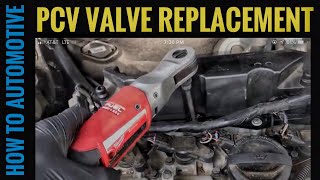
Typical fix: Replace the entire PCV oil trap assembly. 🎬 Watch: Step-by-step guide to replacing the PCV oil trap assembly. It is integrated into a larger plastic housing on top of the engine. While some have attempted to replace just the diaphragm, this is not recommended as a reliable fix. After replacement, the ECU's fuel trim adaptations must be reset or will need time to relearn, as it may temporarily run rich and set P0172/P0175 codes.
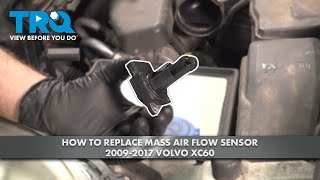
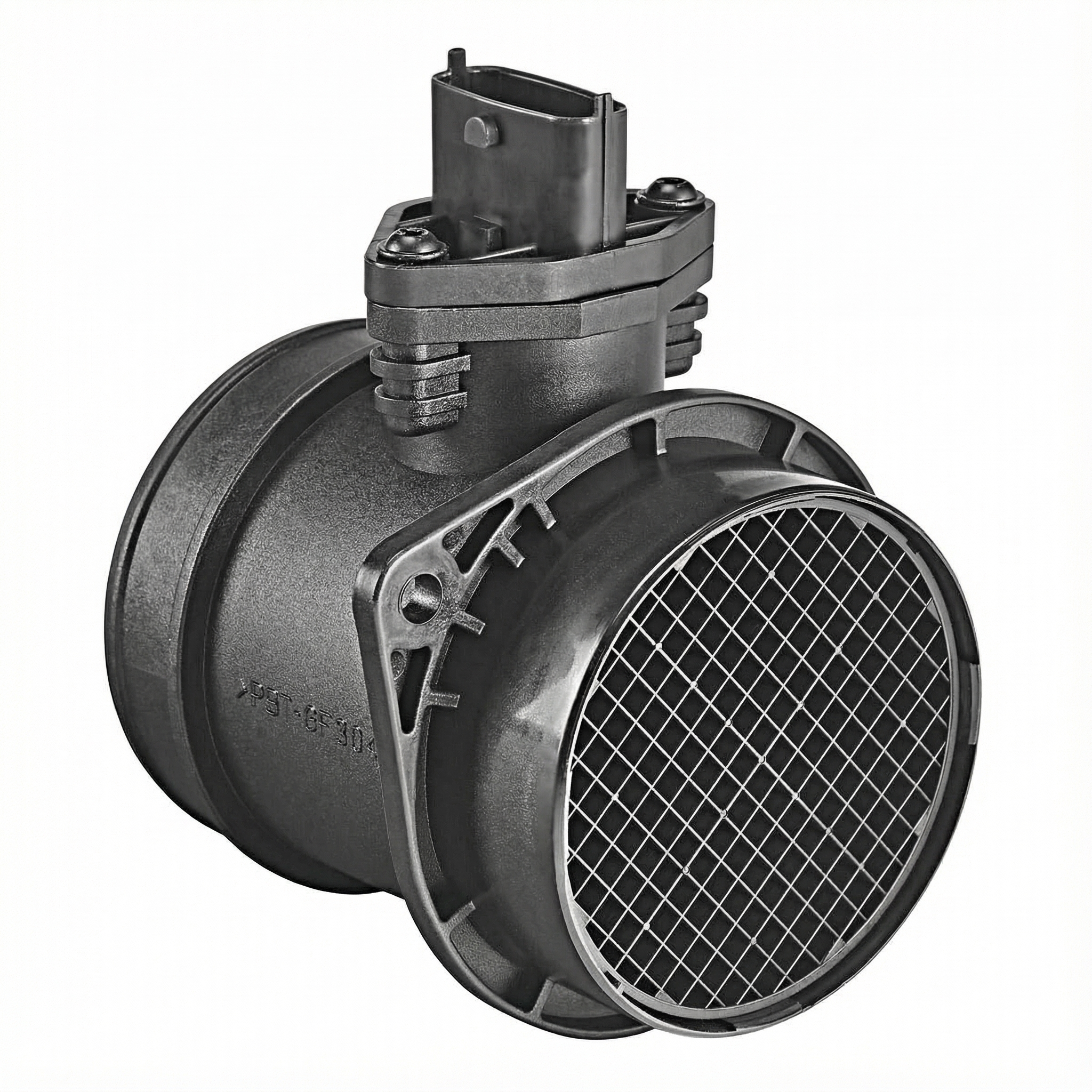
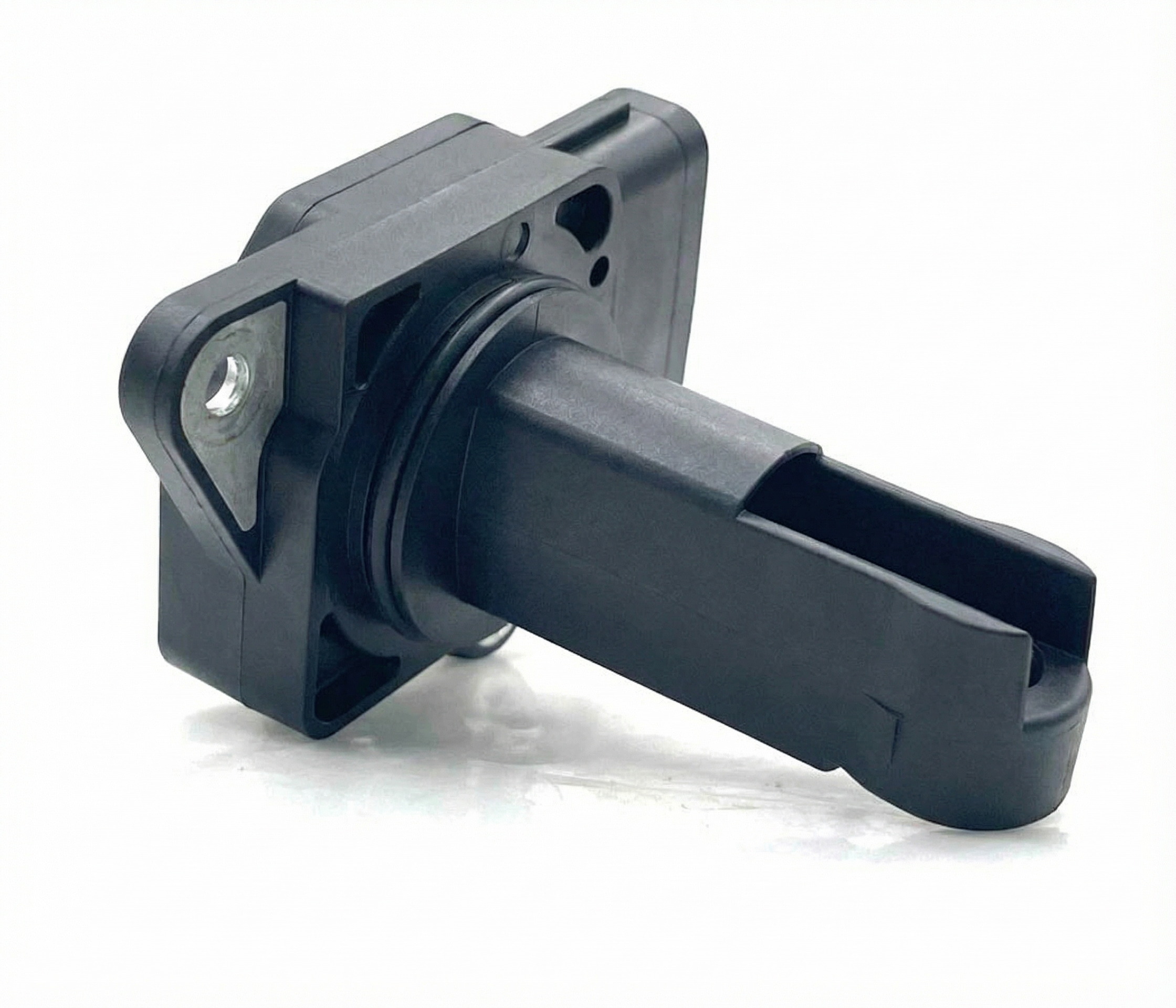
Est. part cost: $150 - $250 - Dirty or Faulty Mass Airflow (MAF) Sensor 🟡 Medium Probability → Shop Fuel Injection Air Flow Meter The MAF sensor can become contaminated with dirt, oil, or even debris like leaves if the air filter is not seated correctly, causing it to inaccurately measure the air entering the engine.
How to confirm: Remove the sensor and inspect it for debris. Clean it carefully using only dedicated MAF sensor cleaner. If cleaning doesn't resolve the issue, monitor its readings with an advanced scan tool or replace it. Do not just replace it without testing.
Typical fix: Clean the sensor with MAF sensor cleaner. If the code returns, replace the MAF sensor. Ensure the air filter is clean and properly seated in its housing to prevent re-contamination.
Est. part cost: $100 - $200 - Other Vacuum Leaks 🟡 Medium Probability
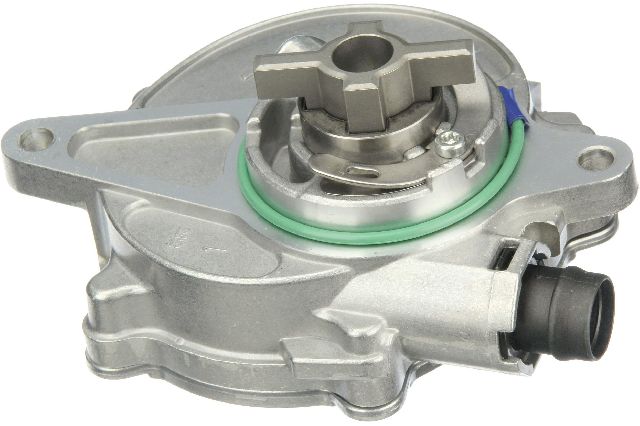
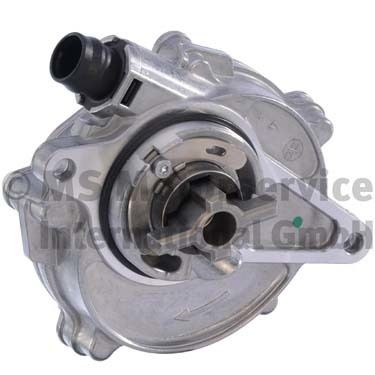
How to confirm: Perform a smoke test to check for leaks from cracked vacuum hoses, intake manifold gaskets, or the brake booster vacuum pump gasket. A common, but smaller, leak source is the gasket on the engine-driven brake vacuum pump, which can also leak oil onto the transmission.
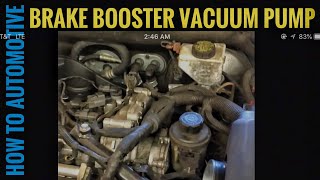
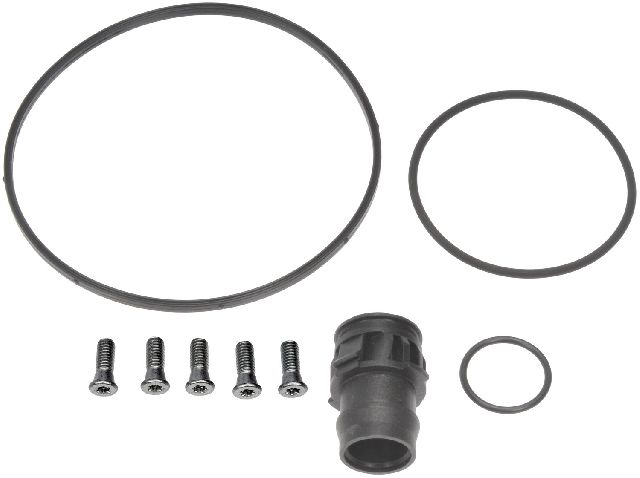
Typical fix: Replace the specific leaking hose or gasket that is identified during the smoke test. For the brake vacuum pump, a reseal kit is available (Volvo P/N 31401556). 🎬 See how to reseal the brake vacuum pump yourself.
Est. part cost: $20 - $150 - Low Fuel Pressure / Weak Fuel Pump ⚪ Low Probability → Shop Fuel Pump
How to confirm: Connect a fuel pressure gauge to the fuel rail and check that the pressure is within OEM specifications. The 3.2L engine should have approximately 50-55 PSI at the rail. Monitor fuel trims while observing pressure.
Typical fix: Replace the fuel pump or clogged fuel filter if pressure is below specification.
Est. part cost: $300 - $600
Rare But Worth Checking
- Clogged Fuel Injectors (Bank 2): → Shop Fuel Injector While less common than vacuum leaks, a clogged injector on one of the cylinders in Bank 2 (4, 5, or 6) can cause a lean condition isolated to that bank.
- Exhaust Leak (before O2 sensor): A crack in the exhaust manifold or a leaking gasket before the upstream O2 sensor can allow outside air into the exhaust stream, fooling the sensor into reporting a false lean condition.
Diagnosis Steps
- Scan for other fault codes. The presence of P0171 and P0507 are major clues pointing to a large vacuum leak.
- With the engine running, listen for a loud whistling or hissing noise. Remove the oil filler cap to see if the noise changes and if there is strong vacuum present, which indicates a failed PCV diaphragm.
- If no obvious noise is present, perform a smoke test on the intake system. This is the most reliable way to identify any vacuum leaks from hoses, gaskets, the intake manifold, or the PCV system.
- Inspect the Mass Airflow (MAF) sensor. Remove it and clean it with dedicated MAF sensor cleaner. Ensure the air intake hose between the MAF and the throttle body is not cracked and that the air filter is seated correctly.
- Using a scan tool, monitor long-term and short-term fuel trims. High positive numbers (e.g., +25%) at idle that decrease with higher RPM confirm a vacuum leak.
- Check fuel pressure at the fuel rail to ensure the fuel pump and filter are functioning correctly. Pressure should be around 50-55 PSI.
- Inspect the brake vacuum pump, located on the driver's side of the engine, for signs of oil leakage, which can indicate a failed gasket and a potential vacuum leak.
- If all else fails, inspect for exhaust leaks before the Bank 2 upstream O2 sensor and consider testing the sensor itself.
Parts You'll Likely Need
- PCV Oil Trap / Breather Box Assembly
(OEM #31319642 (supersedes 30788481, 30757662, 30731234))— This is the most common failure point on the Volvo 3.2L engine that causes lean codes P0171 and P0174.
Trusted brands: Volvo (OEM), Rein, Pro Parts Sweden
OEM price range: $200 - $250
Aftermarket price range: $150 - $200 - Mass Airflow (MAF) Sensor
(OEM #8658471)— A dirty or failed MAF sensor is a frequent cause of incorrect air/fuel mixture calculations, leading to lean codes.
Trusted brands: Bosch, Denso
OEM price range: $180 - $250
Aftermarket price range: $80 - $150 - Brake Vacuum Pump Reseal Kit
(OEM #31401556)— The gasket on the brake vacuum pump is a known secondary source of vacuum leaks and a very common source of oil leaks on the 3.2L engine.
Trusted brands: Volvo (OEM)
OEM price range: $40 - $60
Aftermarket price range: $20 - $30
Related Codes That Often Appear With This One
- P0171 — This is the 'System Too Lean' code for Bank 1. When both P0171 and P0174 appear together, it strongly suggests a large vacuum leak (like the PCV system or a bad MAF sensor) that affects the entire engine, not just one bank.
- P0300 — This code indicates random or multiple cylinder misfires. A lean air/fuel mixture can fail to ignite properly, leading to misfires.
- P0507 — This code for 'Idle Air Control System RPM Higher Than Expected' is often triggered alongside the lean codes because a large vacuum leak (like from the PCV) allows extra air in, causing the idle speed to rise beyond the ECU's control.
Technical Service Bulletins (TSBs) & Recalls
- Volvo TSB TJ 29871: Addresses excessive oil consumption on some earlier 3.2L engines, which can indirectly contribute to other faults if oil levels are not maintained.
Platform-Specific Known Issues
- The PCV breather box integrated into the valve cover is a very common failure item, causing a loud whistle and significant vacuum leak.
- The transversely mounted engine uses a complex Rear End Accessory Drive (READ) system, making service to the timing chain, alternator, and A/C compressor very labor-intensive.
Mechanic-Grade Diagnostic Values
- Fuel Pressure at Fuel Rail — expected: ~50-55 PSI. Failure: Pressure significantly below 50 PSI indicates a weak fuel pump or clogged filter.
- Long Term Fuel Trim (LTFT) at Idle — expected: Close to 0% (ideally +/- 5%). Failure: Sustained high positive values (e.g., +20% to +25%) strongly suggest a vacuum leak. After a repair like a new PCV box, these values will be stored and must be reset or allowed to relearn.
Scan Tool Commands That Help
- Volvo VIDA / Advanced Scanners (Launch, YOUCANIC, etc.): Reset Adaptation of Fuel/Air Mixture (or similar wording) — This is critical after replacing a component that caused a major air/fuel imbalance, such as the PCV oil trap or MAF sensor. The Engine Control Module (ECM) stores long-term fuel trim (LTFT) values to compensate for the old, faulty part. After installing the new part, the engine may run poorly (often rich, setting P0172/P0175) because it's still using the old compensation values. Performing this reset forces the ECM to relearn the fuel map from scratch with the new, correct component data.
Real Owner Repair Stories
- volvoXC.com forum user (2006 Volvo XC90 4.4L (Note: V8, but diagnostic principle is identical)) — Persistent P0171 and P0174 codes returning shortly after clearing.
❌ Tried (didn't work) New vacuum tank, New PCV valve and hoses, New intake manifold gaskets, Cleaning and swapping MAF sensor, Multiple smoke tests which eventually found no leaks
✅ What actually fixed it After all mechanical repairs were made and leaks fixed, the codes still returned. The final fix was performing a hard reset of the ECU by disconnecting the negative battery cable for 30 minutes. The user noted that a standard OBD-II scanner code clear was not sufficient to erase the learned long-term fuel trim 'accumulators', and only the full power-off reset allowed the car to relearn correctly and permanently resolve the codes. - Volvo Forums user 'Turbo_Boss' (2008 Volvo XC90 3.2L AWD) — P0171, P0174, and P0507 codes, whistling noise, oil on top of PCV housing, strong suction at oil cap.
❌ Tried (didn't work) Initial diagnosis and web searches.
✅ What actually fixed it The user replaced the entire PCV Oil Trap assembly (Part No. 31319642). This immediately fixed the lean codes and rough running. However, the car then threw P0172 and P0175 (System Too Rich) codes. This is a classic example of the ECU needing to relearn fuel trims after a major vacuum leak is fixed. After resetting the codes again, the issue resolved as the fuel trims adapted.
When the Usual Fixes Don't Work
- While the PCV oil trap is the cause over 80% of the time, there are confirmed repair stories where the codes persisted after its replacement. In one case involving a V8 model with the same codes, the ultimate fix was a new Mass Airflow (MAF) sensor after multiple other parts (including the PCV system) were replaced without success. In another case, after fixing all vacuum leaks, the codes would not clear until the ECU was hard-reset by disconnecting the battery for 30 minutes, suggesting the stored fuel trim adaptations were too extreme for the scanner's 'clear codes' function to overcome.
OEM Part Supersession History
30731234, 30757662, 30788481→31319642— Progressive design updates to the PCV Oil Trap assembly to improve durability and performance.
Heads up: Always use the latest part number (31319642) when replacing. The Land Rover equivalent part, LR023777, is also reported to be compatible with the 3.2L engine.
Diagnostic Flowchart
Other Known Issues on This Vehicle
Issues unrelated to this code that are worth knowing about as an owner of this generation:
- Rear End Accessory Drive (READ) Wear/Failure 🔴 High — Becomes a concern at higher mileage (100k+ miles). The bearings in the cassette can wear, causing noise or failure of accessories. Service is extremely labor-intensive.
- Alternator Decoupler Pulley / Freewheel Clutch Failure 🟠 Medium — Common failure item around 100k-150k miles. A failing pulley can cause a rattling noise, charging issues, and damage the READ unit if it seizes.
- Brake Vacuum Pump Oil Leak 🟠 Medium — Extremely common. The seals on the pump housing fail, causing a significant oil leak onto the transmission case. It can also cause a minor vacuum leak.
- Upper Engine Mount Failure 🟡 Low — The hydraulic upper engine torque mount is a common wear item, failing every 80k-100k miles, leading to increased vibration at idle.
- Excessive Oil Consumption (Pre-2012 models) 🟠 Medium — Some earlier engines had piston ring issues leading to high oil consumption. This can foul sensors and cause other oil-pressure related codes if the level gets too low. (Ref: Volvo TSB TJ 29871)
Used vs. New Parts: Buying Guide for This Vehicle
When a used part is the smart pick: For this specific P0174 issue, used parts are generally not recommended for the primary failure components. However, if a complex assembly like an intake manifold were cracked, a used part from a low-mileage donor could be a cost-effective option.
Donor-vehicle mileage cap: roughly under 80000 miles for the part to have meaningful remaining life.
What to inspect on the donor part:
- For any plastic or rubber component, check for brittleness, cracking, or heat damage.
- Verify the part number on the donor part matches the required part, especially for sensors.
- Ask for the donor vehicle's VIN to check for accident history or flood damage.
OEM-only on this vehicle (don't cheap out):
- PCV Oil Trap Assembly: The diaphragm fails due to age and heat cycles, making a used part a significant gamble. Aftermarket quality can be inconsistent, with some failing quickly. OEM or high-quality OEM suppliers (like Rein) are strongly recommended.
Aftermarket brands forum-validated for this vehicle:
- Bosch or Denso for MAF sensors.
- Rein for the PCV Oil Trap Assembly.
- IPD (Viton seal kit) for resealing the Brake Vacuum Pump.
Brands owners have reported issues with on this vehicle:
- Unnamed, 'white box' electronic sensors like MAF sensors. Volvos are known to be sensitive to the calibration of electronic parts, and cheap sensors can cause persistent issues or even run worse than the failing original part.
Real Owner Stories
Aggregated from forums and TSBs cited above. Mileages and costs reflect what owners reported in those sources.
2008 Volvo XC90 3.2L
Symptoms: Whistling noise and suction at the oil cap; codes P0171 and P0174 present.
What fixed it: Replacement of the PCV oil trap assembly.
Source hint: volvoforums.com: '2008 XC90 3.2L with codes P0171 and P0174 - Help'
2008-2016 Land Rover LR2 (3.2L B6324S)
Symptoms: Persistent P0171 and P0174 codes over a two-year period.
What fixed it: Replacing the PCV diaphragms after a DIY smoke test pinpointed the leak.
Source hint: landroverforums.com: 'Persistent P0171 and P0174 codes'
Related OBD-II Codes
Frequently Asked Questions
Why is my XC90 3.2L making a loud whistling sound that stops when I remove the oil cap?
Is there a specific TSB for oil issues on the 2007-2014 Volvo XC90 3.2L?
Can I just replace the rubber diaphragm in the PCV breather box to save money?
My XC90 is leaking oil onto the transmission; could this be related to my P0174 code?
What is the Volvo part number for the brake vacuum pump reseal kit?
Why did my car start running rich and throw P0172/P0175 codes immediately after I fixed the PCV leak?
Helpful Videos
Used OEM Parts in Stock
New Aftermarket Parts Available




The information in this article is provided for general reference and educational purposes only. Vehicle specifications, procedures, and part compatibility can vary by production date, trim level, and region. Always consult your vehicle's factory service manual and verify part numbers before purchasing or performing repairs. Safety-critical components such as airbags, seat belts, and braking systems should be installed by a qualified professional.
- Volvo XC90:
- 🧭 Diagnostic Flowchart
- 🎬 Helpful Videos
- 🛍️ Shop This Part
- What's Unique About the 2007-2014 Volvo XC90
- Symptoms You May Notice
- Most Likely Causes
- Rare But Worth Checking
- Diagnosis Steps
- Parts You'll Likely Need
- Related Codes That Often Appear With This One
- Technical Service Bulletins (TSBs) & Recalls
- Platform-Specific Known Issues
- Mechanic-Grade Diagnostic Values
- Scan Tool Commands That Help
- Real Owner Repair Stories
- When the Usual Fixes Don't Work
- OEM Part Supersession History
- Other Known Issues on This Vehicle
- Used vs. New Parts: Buying Guide for This Vehicle
- Real Owner Stories
- 2008 Volvo XC90 3.2L
- 2008-2016 Land Rover LR2 (3.2L B6324S)
- Related OBD-II Codes
- Frequently Asked Questions
- 🎟️ Get 5% Off