

P0175 on 2005-2011 Audi A6 3.2L V6: System Too Rich Bank 2 Causes and Fixes
P0175 on the Audi A6 3.2L FSI most often points to a leaking fuel injector on Bank 2 (driver's side) or a failing PCV system. Less commonly, it can be a faulty upstream oxygen sensor. Expect to pay $70-$150 for a single OEM injector or $150-$250 for a PCV valve assembly. Before replacing parts, inspect spark plugs on Bank 2 for black soot, which strongly indicates a leaking injector in a specific cylinder.
- P0175 on this Audi means the driver's side of the engine is running too rich.
- Don't immediately blame the oxygen sensor; it's likely reporting a real issue.
- The most probable bank-specific causes are a leaking fuel injector or a faulty PCV valve.
- If you have misfire codes (P0304, P0305, P0306) along with P0175, a leaking injector is highly likely.
- Due to the FSI engine design, significant carbon buildup on the intake valves is a common underlying issue that may need to be addressed.
What's Unique About the 2005-2011 Audi A6
The Audi 3.2L FSI is a direct-injection engine, a technology that makes it notoriously prone to specific issues. Unlike port injection, fuel is sprayed directly into the cylinder, meaning gasoline never washes over the intake valves. This allows oil vapors from the PCV system to bake onto the valves, causing significant carbon buildup that disrupts airflow and can lead to various engine problems, including misfires and, less commonly, rich conditions. Therefore, issues that might be rare on other engines, like severe carbon deposits or specific PCV system failures causing rich conditions, are primary suspects on this platform. This engine also uses a MAP sensor instead of a MAF sensor for load calculation.
Symptoms You May Notice
- Check Engine Light is on
- Reduced fuel economy
- Strong smell of gasoline from the exhaust
- Black smoke from the tailpipe, especially during acceleration
- Rough or unstable idle
- Engine hesitation or loss of power
- Failed emissions test
- Engine stalling, particularly when coming to a stop
- Replacing the oxygen sensor first. The O2 sensor is often just the messenger reporting the problem. The actual cause is usually upstream, such as a leaking injector. Always diagnose before replacing the O2 sensor.
- Replacing the Mass Airflow (MAF) sensor. The 3.2L FSI engine in the C6 A6 does not have a MAF sensor; it uses a MAP sensor (speed-density system). Therefore, a MAF sensor cannot be the cause.
Most Likely Causes
- Leaking Fuel Injector(s) on Bank 2 🔴 High Probability → Shop Fuel Injector Direct injectors operate under very high pressure and can develop leaks over time, either from the nozzle dripping fuel into the cylinder or from the seals. This is a well-documented cause of rich conditions on this engine.
How to confirm: A mechanic can perform a fuel injector balance test. A DIY method is to check fuel rail pressure after shutdown; a rapid drop can indicate a leak. The most definitive DIY check is to remove the spark plugs on Bank 2 (cylinders 4, 5, 6) and check for one that is black, sooty, and smells strongly of fuel. This pinpoints the leaking injector to a specific cylinder.
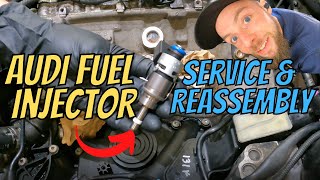
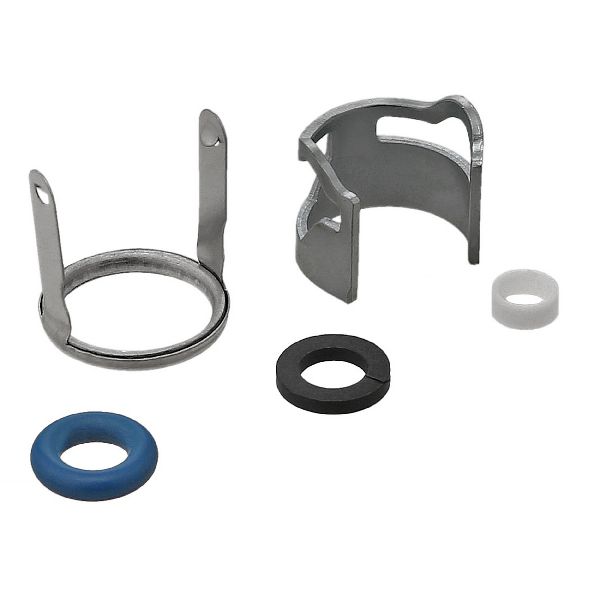
Typical fix: Replace the faulty fuel injector(s) on Bank 2. It is highly recommended to replace the full set on the affected bank for balanced performance and to prevent future failures. Always use new Teflon seals and O-rings 🎬 See how to remove injectors and install new seals. when replacing injectors.
Est. part cost: $70-$150 per injector - Failed PCV Valve / Oil Separator 🟡 Medium Probability The diaphragm inside the PCV (Positive Crankcase Ventilation) valve is a common failure item. While a torn diaphragm usually creates a large vacuum leak and a lean code (P0171/P0174), a clogged or malfunctioning PCV system can also lead to improper crankcase pressure regulation, forcing oil vapor into the intake and disrupting the air-fuel mixture, sometimes causing a rich condition.
How to confirm: Check for a strong suction at the oil filler cap when the engine is running; excessive vacuum indicates a failed PCV diaphragm. Also inspect the PCV hoses for cracks or breaks. A user on AudiWorld noted heavy smoking on startup that was traced back to the PCV system creating too much vacuum.
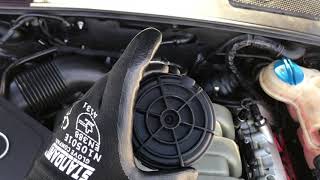
Typical fix: Replace the entire PCV valve and oil separator assembly. It is often sold as a single unit. 🎬 Watch: Step-by-step guide to replacing the PCV breather valve. Ensure all associated hoses are intact.
Est. part cost: $150-$250 - Faulty Upstream Oxygen (O2) Sensor ⚪ Low Probability → Shop Oxygen Sensor The O2 sensor is what reports the rich condition. While it's usually doing its job correctly, it can fail and send inaccurate 'rich' signals to the ECU. This would cause the ECU to incorrectly reduce fuel, leading to a lean running condition that is misreported as rich.
How to confirm: Use an OBD-II scanner with live data capabilities to monitor the Bank 2, Sensor 1 voltage. A healthy upstream sensor should fluctuate rapidly between approximately 0.1V and 0.9V. A sensor that is stuck reading high (e.g., >0.8V) may be faulty. Swapping the Bank 1 and Bank 2 upstream sensors and seeing if the code moves to P0172 (Rich Bank 1) is a reliable way to confirm a bad sensor.
Typical fix: Replace the Bank 2, Sensor 1 (upstream, driver's side) oxygen sensor.
Est. part cost: $80-$180
Rare But Worth Checking
- Severe Carbon Buildup on Intake Valves: This is a very common problem on the 3.2L FSI engine. While it more typically causes misfires (P030x) or airflow-related codes, severe buildup can disrupt airflow and combustion so severely that it may contribute to a rich condition. An Audi TSB acknowledges carbon buildup on secondary air ports, and owner forums are filled with DIY cleaning guides. If you have misfire codes along with P0175, carbon buildup is a prime suspect.
- Faulty High-Pressure Fuel Pump (HPFP) or Fuel Pressure Sensor: → Shop Fuel Pump A failing HPFP or a bad fuel pressure sensor (G247) can cause excessively high fuel pressure, leading to a rich condition. However, this would typically affect both banks and trigger P0172 and P0175 together. If only P0175 is present, this is a less likely cause.
- Stuck Open/Closed Intake Manifold Runner Flaps: The 3.2L FSI has variable intake runners controlled by plastic arms linked to vacuum actuators. These plastic components can wear out or break, causing the flaps to get stuck. This disrupts airflow and can lead to performance issues and, in some cases, contribute to rich or lean conditions. This issue often throws its own codes, like P2006 or P2007.
Diagnosis Steps
- Use an OBD-II scanner (VCDS/VAG-COM is recommended for Audis) to check for any other codes. Pay special attention to misfire codes (P030x) or a corresponding rich code for the other bank (P0172).
- View live data on the scanner. Observe the Short-Term Fuel Trim (STFT) and Long-Term Fuel Trim (LTFT) for Bank 2 (Group 032 in VCDS). High negative numbers (e.g., LTFT at or beyond -20%) confirm the PCM is trying to correct a rich condition.
- Inspect the PCV system. With the engine running, try to remove the oil filler cap. If there is a very strong vacuum holding it down, the PCV diaphragm has likely failed. Inspect all visible breather hoses for cracks or oil saturation.
- Inspect Bank 2 spark plugs (cylinders 4, 5, 6). Remove the plugs and look for signs of one being wet with fuel or covered in black, sooty deposits. This is a strong indicator of a leaking injector in that specific cylinder.
- Test the Bank 2 upstream O2 sensor. Use live data on your scanner to watch its voltage. It should fluctuate rapidly. If it's stuck high (>0.8V), it may be faulty. Consider swapping it with the Bank 1 sensor to see if the fault moves to P0172.
- If a specific cylinder is suspected from the spark plug check, consider swapping the fuel injector from that cylinder with one from another cylinder (e.g., from Bank 1) to see if the rich condition and/or misfire follows the injector.
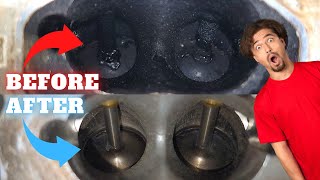
- If all else fails, consider the possibility of heavy carbon buildup, which requires removing the intake manifold 🎬 Watch: How to perform a professional walnut blasting carbon cleaning. for inspection. There are many forum guides on this process.
Parts You'll Likely Need
- Fuel Injector
(OEM #06E906036F)— A leaking fuel injector is the most direct and common cause for a rich condition isolated to a single bank.
Trusted brands: Hitachi, Bosch
OEM price range: $120-$180
Aftermarket price range: $60-$100 - PCV Valve / Oil Separator Assembly
(OEM #06E103547F (or later revisions like P, H, Q))— This is a very common failure point on the 3.2L FSI engine that can lead to various air-fuel mixture and oil consumption problems. The original part number was superseded multiple times.
Trusted brands: Audi (OEM), Vaico, Febi
OEM price range: $200-$275
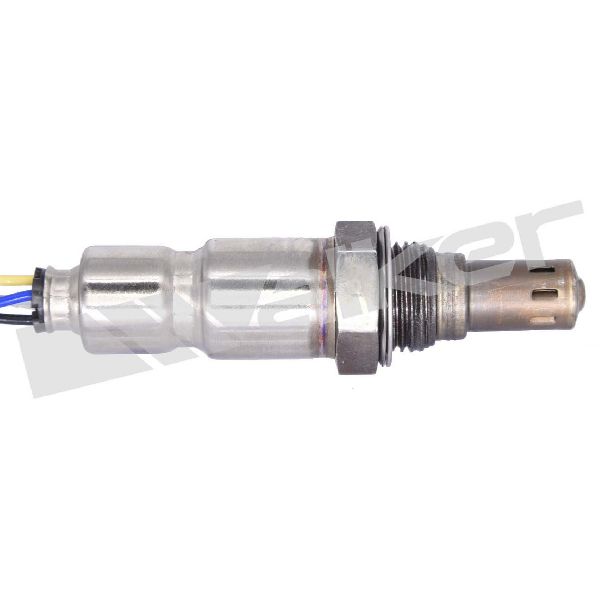
Aftermarket price range: $80-$150 - Upstream Oxygen Sensor (Bank 2)
(OEM #1K0998262D (Bosch 17099))— If the sensor itself has failed, it can send false rich signals to the ECU. This is less common than an actual rich condition but is a possible cause. Bank 2 is the driver's side.
Trusted brands: Bosch, Denso, NGK
Related Codes That Often Appear With This One
- P0172 — System Too Rich (Bank 1). If both P0172 and P0175 are present, it points to a problem affecting the entire engine, like a faulty fuel pressure regulator, MAP sensor, or a major PCV system failure.
- P0304, P0305, P0306 — Cylinder Misfire on Bank 2. A leaking fuel injector can foul the spark plug in its cylinder, causing a misfire code for that specific cylinder alongside the bank-wide rich code.
- P0430 — Catalyst System Efficiency Below Threshold (Bank 2). This code often appears after P0175 has been active for a while. The excess fuel from the rich condition overheats and damages the catalytic converter.
Technical Service Bulletins (TSBs) & Recalls
- Audi TSB 2018123/4 (or similar, e.g., MC-10153120-9999): While for secondary air injection faults (P0491/P0492), this TSB details the official procedure for cleaning carbon buildup from cylinder head ports, acknowledging carbon as a major issue for this engine family.
- An older TSB mentioned in forums changes valve overlap timing via an ECU software update to help prevent future carbon deposits on the intake valves.
Platform-Specific Known Issues
- Carbon Buildup: As a Fuel Stratified Injection (FSI) engine, the 3.2L V6 is guaranteed to have carbon buildup on the intake valves over its life. This restricts airflow, causes misfires, and degrades performance. This service is recommended every 40,000-60,000 miles and can be a contributing factor to many engine codes.
- Timing Chain Tensioner Failure: The plastic guides and hydraulic tensioners for the timing chains are a known weak point. Failure is often preceded by a 'rattle' sound for a few seconds on a cold start. While not a direct cause of P0175, a severely degraded timing system can affect cam timing and lead to combustion issues.
Mechanic-Grade Diagnostic Values
- Low-Pressure Fuel System — expected: ~6 bar (~87 PSI). Failure: Significantly lower pressure suggests a failing in-tank lift pump or clogged filter.
- High-Pressure Fuel System (at idle) — expected: 35 to 50 bar (507 to 725 PSI). Failure: Pressure that is erratic, significantly below, or excessively above this range points to a failing High-Pressure Fuel Pump (HPFP) or a faulty G247 pressure sensor.
- Upstream O2 Sensor Heater Resistance — expected: 2 to 30 Ohms (when cold). Failure: An infinite resistance (open circuit) or zero resistance (short circuit) reading indicates a failed heater element within the sensor.
- Fuel Pressure Sensor (G247) Connector Voltage (Key On, Engine Off) — expected: Terminal 3 to Ground: ~5V (Reference Voltage). Failure: No voltage indicates a wiring or ECM issue. If voltage is present but the sensor signal is incorrect, the sensor itself is likely faulty.
- VCDS Fuel Injector Deviation (Measuring Blocks) — expected: Between -2.8 mg/Str and +2.8 mg/Str at idle. Failure: A value consistently outside this range for an injector on Bank 2 can indicate a leaking or clogged injector.
Hidden / Shadow Codes Worth Checking
- Mode $06 Data: Mode $06 does not show named 'shadow codes' but instead displays the raw results of the ECU's self-tests for emissions-related components, including O2 sensors and fuel system monitors. A test result that is close to its failure threshold, but has not yet failed, can indicate a component that is degrading before it's bad enough to trigger a Check Engine Light. This can be seen as a 'crystal ball' for future faults. (see via An advanced OBD-II scanner or VCDS can access Mode $06 test results. The data is presented as Monitor IDs (MIDs) and Test IDs (TIDs) with a value and min/max limits.)
Scan Tool Commands That Help
- VCDS (VAG-COM): Output Test for Fuel Injectors (N-series) — To individually activate each fuel injector on Bank 2 with the engine off. A clicking sound confirms the injector's solenoid is working. This helps isolate a mechanically or electrically dead injector. The sequence is Engine (01) -> Output Tests (03) -> Select Injector. An ignition cycle may be required between testing each injector.
- VCDS (VAG-COM): Basic Settings - Group 140 (Reduce Fuel High Pressure) — This is a service function used before opening the high-pressure fuel system for repairs (e.g., replacing the HPFP or G247 sensor). It commands the system to reduce fuel pressure from over 35 bar down to the low-pressure system level (~7 bar) to prevent injury or fuel spray.
Wiring & Ground Locations
- Fuel Pressure Sensor (G247) Connector — On the left rear of the engine, it is a 14-pin connector.. This is the primary sensor for the high-pressure fuel system. A bad connection or damaged wire here can cause incorrect fuel pressure readings, leading to rich or lean conditions. Testing at this connector is crucial. Pin 3 is the ~5V reference from the ECM, and continuity can be checked from connector pins 1, 2, and 3 to ECM pins 40, 59, and 29, respectively. Wire resistance should not exceed 1.5 Ohms.
"I Checked Everything" — The Actual Cause
- A smoke test is a primary diagnostic step for lean codes (P0171/P0174) as it finds vacuum leaks (unmetered air). However, for a rich code like P0175, a smoke test will almost always come back clean. This is because the problem is too much fuel being delivered, not unmetered air entering the system. A clean smoke test with a P0175 code is not an endpoint but a starting point, strongly indicating the technician should immediately pivot to diagnosing the fuel delivery system: leaking injectors, fuel pressure regulation (G247 sensor, HPFP), or a faulty PCV system.
OEM Part Supersession History
06E103547F→06E103547Q, then 06E103547AC (and others like H, P)— The PCV (oil separator) assembly on this engine is a known high-failure part. Revisions were released to improve durability and performance, sometimes changing the internal pressure regulation value.
Heads up: Some revisions are for different engines (e.g., 3.0T) or have different pressure ratings (e.g., 30 mbar vs 150 mbar). It is critical to order the correct part number for the specific 3.2L engine to ensure proper crankcase vacuum.06E906036C→06E906036F— Injector design was updated for reliability and performance.
Model Year Variations Within This Range
- 2004-2010: The 3.2L FSI engine was available under several codes, primarily AUK and BKH. For the purpose of diagnosing P0175, these engines are mechanically almost identical, sharing the same direct injection design, PCV system layout, and common failure points like carbon buildup and timing chain issues. Diagnostic procedures are the same for both.
Diagnostic Flowchart
Other Known Issues on This Vehicle
Issues unrelated to this code that are worth knowing about as an owner of this generation:
- Timing Chain Tensioner & Guide Failure 🔴 High — Common between 80,000-150,000 miles. Characterized by a 'rattle' noise from the back of the engine on cold starts. Failure requires engine removal for repair.
- Intake Valve Carbon Buildup 🔴 High — Inevitable on virtually all 3.2L FSI engines. Typically requires manual cleaning (e.g., walnut blasting) every 60,000-80,000 miles to prevent misfires, rough idle, and power loss. (Ref: An ECU software update TSB exists to alter valve timing to slow buildup, but does not prevent it.)
- Intake Manifold Runner Flap Failure 🟠 Medium — The plastic linkage arms for the variable intake runners can break or wear out, causing the flaps to become stuck. This typically triggers codes P2006/P2007 and causes hesitation.
- Thermostat Failure 🟠 Medium — The thermostat can fail, often sticking open, which prevents the engine from reaching full operating temperature and can lead to a persistent Check Engine Light for coolant performance.
- Oil Leaks 🟠 Medium — These engines are known for developing oil leaks from multiple locations as they age, including the valve covers, cam girdles, and various seals.
Used vs. New Parts: Buying Guide for This Vehicle
When a used part is the smart pick: Used parts are a viable option for non-wear, structural, or high-cost electronic components. This includes items like the intake manifold assembly (if the flaps are confirmed to be in good condition) or the main Engine Control Module (ECM), provided it is properly coded to the vehicle. Online parts locators like car-parts.com can be useful for finding specific items from donor vehicles.
Donor-vehicle mileage cap: roughly under 80000 miles for the part to have meaningful remaining life.
What to inspect on the donor part:
- For any used part, request the VIN of the donor car to verify its service history if possible.
- Check for physical damage, corrosion on connectors, or signs of extreme heat.
- When buying an intake manifold, manually actuate the runner flaps to ensure they move freely without binding.
OEM-only on this vehicle (don't cheap out):
- PCV Valve / Oil Separator: This is a high-failure wear item. Aftermarket versions have a poor reputation for premature failure. Given the labor to replace it, using a new OEM or OEM-supplier (Hengst) part with the latest revision is critical.
- Fuel Injectors: Due to the precision required for direct injection, used injectors are a major gamble. Only consider them if they have been professionally cleaned, flow-tested, and come with a warranty. Otherwise, new OEM (Hitachi/Bosch) is the safest choice to avoid repeat labor.
Aftermarket brands forum-validated for this vehicle:
- Oxygen Sensors: Bosch, NGK, Denso (Pass 2 data)
- PCV Assembly: Hengst (OEM Supplier)
Brands owners have reported issues with on this vehicle:
- Unbranded or 'white-box' PCV valve assemblies and fuel injectors from online marketplaces are frequently cited on forums as failing quickly, leading to repeat repairs.
Real Owner Stories
Aggregated from forums and TSBs cited above. Mileages and costs reflect what owners reported in those sources.
2006 Audi A6 C6 3.2 Quattro
Symptoms: Check engine light with P0172 and P0175 codes, accompanied by engine stalling. The owner had already replaced fuel pumps without success.
What fixed it: The community suggested checking fuel pressure and vacuum leaks as potential resolutions for the dual-bank rich condition.
Source hint: AudiWorld Forums - '2006 A6 C6 3.2 Quattro Error Codes & Symptoms'
2006 Audi A6 C6 3.2L FSI
Symptoms: Rich codes on both banks (P0172, P0175) occurring simultaneously with intake runner codes P2006 and P2007.
What fixed it: Diagnostic steps from the repair manual pointed toward fuel injectors and the fuel pressure sensor G247.
Source hint: AudiWorld Forums - 'Audi A6 C6 error code P0172 P0175 P2006 P2007'
Audi A6 (C6/4F) 3.2L FSI
Symptoms: Misfires and rich conditions specifically on Bank 2 that only manifest after the engine has warmed up.
What fixed it: The diagnostic process pointed toward a heat-related component failure or a timing issue specific to Bank 2.
Source hint: Ross-Tech Forums - 'Audi A6 [C6/4F] Misfires in One Bank & Burning Rich'
2005-2011 Audi A6 3.2L FSI — ~50000 miles
Symptoms: Heavy smoking on startup and a rich running condition.
What fixed it: The issue was traced back to the PCV system creating too much vacuum due to a failed diaphragm.
Source hint: AudiWorld Forums user report cited in 'Failed PCV Valve / Oil Separator' section
Related OBD-II Codes
Frequently Asked Questions
Does Audi TSB 2018123/4 apply to the rich condition on my 3.2L FSI engine?
Is there a software update for the 2005-2011 Audi A6 to help with these issues?
How can I tell if my P0175 code is caused by a leaking fuel injector or a bad PCV valve?
I have P0175 on my Audi A6; should I replace the O2 sensor first?
Is the 'rattle' I hear on cold starts related to my P0175 rich code?
Helpful Videos

Used OEM Parts in Stock
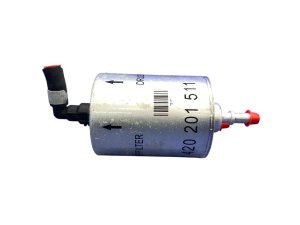
New Aftermarket Parts Available
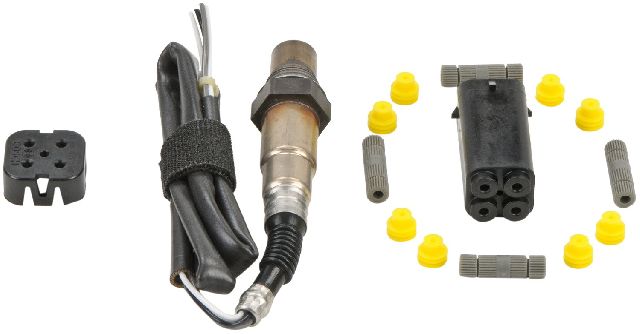
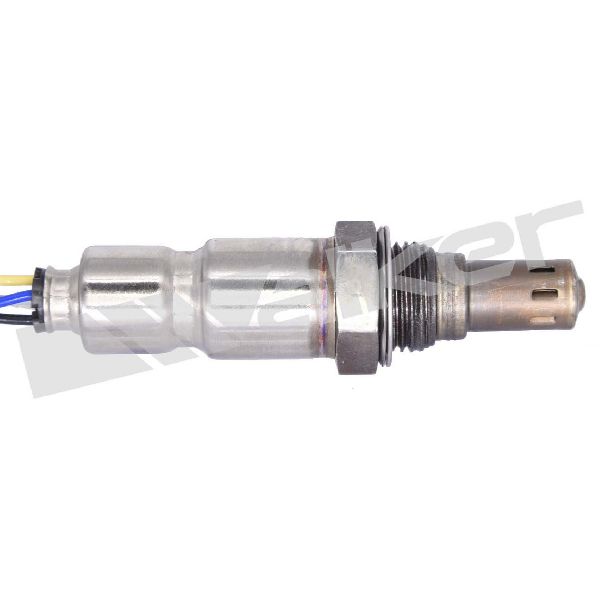


The information in this article is provided for general reference and educational purposes only. Vehicle specifications, procedures, and part compatibility can vary by production date, trim level, and region. Always consult your vehicle's factory service manual and verify part numbers before purchasing or performing repairs. Safety-critical components such as airbags, seat belts, and braking systems should be installed by a qualified professional.
- Audi A6:
- 🧭 Diagnostic Flowchart
- 🎬 Helpful Videos
- 🛍️ Shop This Part
- What's Unique About the 2005-2011 Audi A6
- Symptoms You May Notice
- Most Likely Causes
- Rare But Worth Checking
- Diagnosis Steps
- Parts You'll Likely Need
- Related Codes That Often Appear With This One
- Technical Service Bulletins (TSBs) & Recalls
- Platform-Specific Known Issues
- Mechanic-Grade Diagnostic Values
- Hidden / Shadow Codes Worth Checking
- Scan Tool Commands That Help
- Wiring & Ground Locations
- "I Checked Everything" — The Actual Cause
- OEM Part Supersession History
- Model Year Variations Within This Range
- Other Known Issues on This Vehicle
- Used vs. New Parts: Buying Guide for This Vehicle
- Real Owner Stories
- 2006 Audi A6 C6 3.2 Quattro
- 2006 Audi A6 C6 3.2L FSI
- Audi A6 (C6/4F) 3.2L FSI
- 2005-2011 Audi A6 3.2L FSI — ~50000 miles
- Related OBD-II Codes
- Frequently Asked Questions
- 🎟️ Get 5% Off