

P0175 on 2011-2015 Audi Q7 3.0L TFSI: System Too Rich (Bank 2) Causes and Fixes
On the Audi Q7 3.0T, code P0175 is most often caused by a failing high-pressure fuel pump or a faulty Bank 2 (driver's side) upstream oxygen sensor. A failing high-pressure fuel pump is a serious issue that can lead to fuel mixing with engine oil, which requires immediate attention. Other common causes include leaking fuel injectors or a faulty PCV valve.
- P0175 means your Audi's engine is running too rich on the driver's side bank.
- The most likely causes on the 3.0T engine are a failing high-pressure fuel pump, a bad upstream O2 sensor, or a leaking fuel injector.
- Check your engine oil for a gasoline smell. If present, stop driving and have the high-pressure fuel pump inspected immediately to prevent severe engine damage.
- Do not replace the catalytic converter; it is a victim of the rich condition, not the cause.
- If both P0175 (Bank 2) and P0172 (Bank 1) are present, the issue is likely affecting the entire engine, such as a faulty MAF sensor or fuel pressure regulator.
What's Unique About the 2011-2015 Audi Q7
The Audi 3.0L TFSI is a supercharged, direct-injection engine. This GDI (Gasoline Direct Injection) system operates under very high fuel pressure. Consequently, issues with high-pressure fuel pumps and fuel injectors are more common causes for a rich condition than on port-injected engines. Furthermore, like many direct-injection engines, it is prone to carbon buildup on intake valves, which can affect airflow and contribute to fuel mixture problems. A failing high-pressure fuel pump on this engine can leak fuel directly into the crankcase, mixing with the engine oil, which is a serious condition that requires immediate attention. A strong gasoline smell on the oil dipstick is the key indicator of this failure.
Symptoms You May Notice
- Check Engine Light illuminated
- Poor fuel economy
- Rough or unstable idle
- Hesitation or lack of power during acceleration
- Strong smell of gasoline from the exhaust or engine bay
- Black smoke from the exhaust in severe cases
- Engine oil level is high and smells strongly of gasoline
- Replacing the downstream (post-catalytic converter) O2 sensor, which is used for monitoring catalyst efficiency and does not control the primary air-fuel mixture.
- Replacing the catalytic converter. A rich condition will destroy a catalytic converter, but the converter itself is not the cause of the P0175 code.
Most Likely Causes
- Failing High-Pressure Fuel Pump (HPFP) 🔴 High Probability → Shop Fuel Pump The direct injection system relies on very high fuel pressure. The HPFP is a known failure point on these engines and can leak internally, sending excess fuel to the rail or, more critically, into the engine oil via the pump's mechanical drive. This dilutes the oil and can lead to catastrophic engine failure.
How to confirm: A key indicator is smelling gasoline on the engine oil dipstick. The oil level may also be noticeably high. A mechanic can perform a fuel pressure test to check if pressure is excessively high. In some cases, both P0172 and P0175 will be present.
Typical fix: Replace the high-pressure fuel pump. If fuel has contaminated the oil, an immediate oil and filter change is required. Some owners recommend an engine flush before the oil change to remove as much contaminated oil as possible.
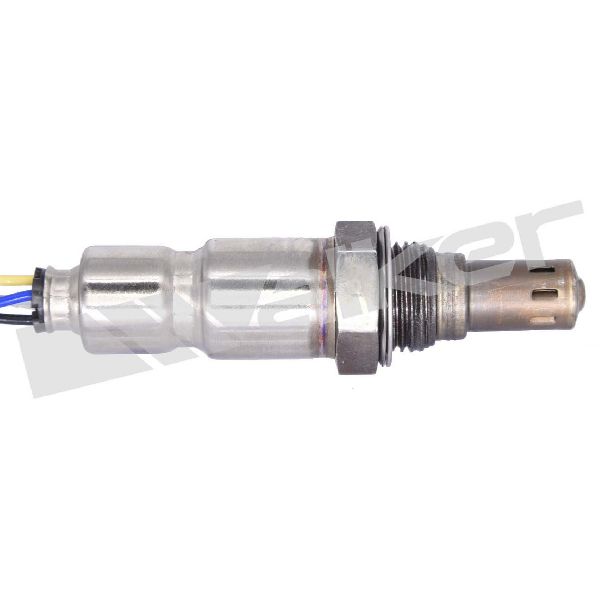
Est. part cost: $300-$500 - Faulty Upstream Oxygen (O2) Sensor 🟡 Medium Probability → Shop Oxygen Sensor O2 sensors degrade over time and can send slow or inaccurate readings to the ECU, causing it to command an incorrect fuel mixture. It can also be a symptom of another problem, like being fouled by a persistent rich condition caused by a leaking injector or HPFP.
How to confirm: Use an OBD-II scanner to monitor the live data from the Bank 2, Sensor 1 O2 sensor. A healthy sensor will show rapidly fluctuating voltage. A lazy or stuck sensor needs replacement. Before replacing, rule out other causes, as the sensor may just be reporting a legitimate rich condition.
Typical fix: Replace the Bank 2 (driver's side) upstream (pre-catalyst) oxygen sensor.
Est. part cost: $80-$200 - Leaking Fuel Injector(s) 🟡 Medium Probability → Shop Fuel Injector Direct injectors operate under high stress and can fail by leaking fuel into a cylinder after the engine is shut off or by not closing properly during operation. While not as common as on the 2.0T engine, injector failures do occur on the 3.0T.
How to confirm: This is more difficult to diagnose as it requires removing the supercharger. A mechanic can perform a fuel pressure leak-down test. Another method is to remove the spark plugs from Bank 2 (cylinders 4, 5, 6) and check for signs of excessive fuel (wetness, strong gas smell, heavy black soot).
Typical fix: Replace the faulty fuel injector(s) on Bank 2. It is often recommended to replace all injectors on that bank, or all six, at the same time due to the labor-intensive nature of the job. New seals are required.
Est. part cost: $100-$250 per injector - Faulty PCV (Crankcase Ventilation) Valve 🟡 Medium Probability The PCV valve, or oil separator, is a very common failure item on the 3.0T engine, typically failing with low mileage (as low as 32k miles). It is located under the supercharger. A torn internal diaphragm can cause unmetered air to be drawn into the intake, leading the ECU to incorrectly adjust fuel trims, sometimes resulting in a rich code.
How to confirm: A common symptom is a loud whistling or honking noise from the engine bay at idle or low RPM. Another test is to try removing the oil filler cap while the engine is running; extreme suction making the cap difficult to remove indicates a failed PCV diaphragm. This failure often throws lean codes (P0171/P0174) but can also cause rich codes.
Typical fix: Replace the PCV valve assembly. Since the supercharger must be removed for access, it is highly recommended to perform other 'while you're in there' services at the same time, such as thermostat replacement, water pump inspection, and intake valve carbon cleaning.
Est. part cost: $150-$250 - Faulty Mass Airflow (MAF) Sensor ⚪ Low Probability → Shop Fuel Injection Air Flow Meter The 3.0T engine in the Q7 does not use a traditional MAF sensor in the intake tube, but instead uses multiple pressure/temperature sensors (MAP/MAT) to calculate air mass. If one of these sensors becomes dirty or fails, it can under-report the amount of air entering the engine. The ECU then injects too much fuel for the actual airflow.
How to confirm: Inspect the various MAP/MAT sensors for contamination. One is located on the rear of the throttle body. Cleaning with a dedicated sensor cleaner may help. Monitoring its readings with a scan tool can confirm if it's faulty.
Typical fix: Clean the MAP/MAT sensors with specialized cleaner. If the problem persists, replace the faulty sensor.
Est. part cost: $20 (cleaner) - $250 (new sensor)
Rare But Worth Checking
- Faulty Fuel Pressure Regulator/Sensor: → Shop Fuel Injection Pressure Regulator The fuel pressure regulator or its associated sensor (G247) can fail, leading to excessively high fuel pressure. This was noted by some owners in forum discussions as the ultimate fix for persistent rich codes.
- Stuck-Open Thermostat or Faulty Coolant Temp Sensor: If the engine's computer believes the engine is running cold when it's not, it will intentionally enrich the fuel mixture. This can be caused by a thermostat that is stuck open or a bad coolant temperature sensor. The thermostat on the 3.0T is a known failure item.
Diagnosis Steps
- Use an OBD-II scanner to confirm the P0175 code and check for any other pending or stored codes. Note the freeze frame data.
- Check the engine oil dipstick for a strong smell of gasoline and an over-full reading. If present, this strongly indicates a leaking high-pressure fuel pump and is a serious condition requiring immediate attention.
- Inspect the air intake system, including the air filter, for any clogs or restrictions.
- Listen for a distinct whistling or honking noise from the engine bay at idle, which points to a failed PCV valve.
- Using a scan tool, monitor long-term and short-term fuel trims for Bank 2. For P0175, you will see highly negative numbers (e.g., -15% or more) as the ECU tries to remove fuel.
- Monitor the live data from the Bank 2, Sensor 1 (upstream) O2 sensor. A healthy sensor's voltage should fluctuate rapidly. If it's stuck high or slow to respond, it may be faulty, but confirm it's not just accurately reading a rich condition from another cause.
- If the above steps do not identify the cause, a fuel pressure test is needed to check for excessively high pressure, which could indicate a faulty regulator or HPFP.
- As a final, more involved step, the supercharger can be removed to inspect the spark plugs and fuel injectors on Bank 2 for signs of excessive fuel, and to access the PCV valve.
Parts You'll Likely Need
- High-Pressure Fuel Pump (HPFP)
(OEM #06E127025S (or later revision))— A common failure on the 3.0T engine that directly causes a rich condition, often severe enough to contaminate engine oil.
Trusted brands: Bosch, Hitachi, Genuine Audi
OEM price range: $400-$600
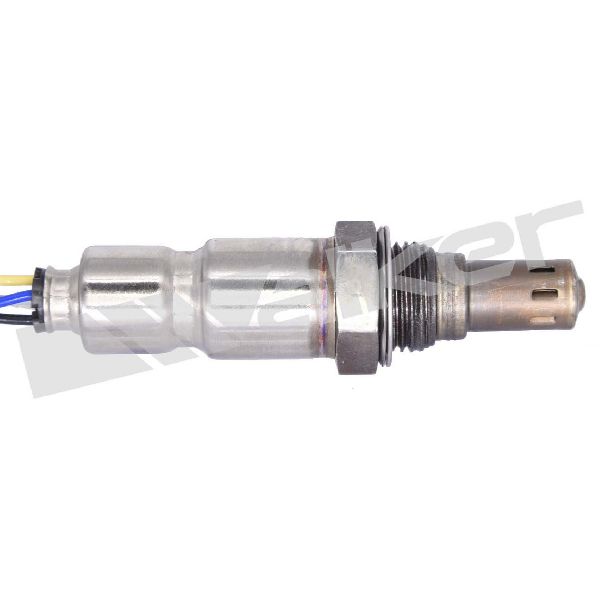
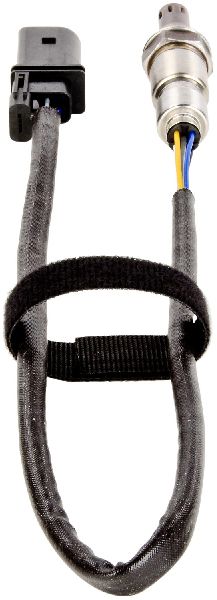
Aftermarket price range: $250-$450 - Upstream Oxygen Sensor (Bank 2, Sensor 1)
(OEM #06E906265S (or similar, verify by VIN))
Related Codes That Often Appear With This One
- P0172 — This is the code for 'System Too Rich' on Bank 1. If both P0172 and P0175 are present, it points to a problem affecting the entire engine, such as the MAP sensors, a fuel pressure issue (HPFP or regulator), or a faulty PCV valve.
- P0304, P0305, P0306 — These are misfire codes for cylinders 4, 5, and 6 (Bank 2). An excessively rich mixture can foul spark plugs and cause misfires in the affected cylinders.
Platform-Specific Known Issues
- A recall was issued for some 2011-2013 models for fuel leaks from the fuel rail/injector area. While not directly causing a P0175 code, it highlights the sensitivity of the fuel system.
- Forum users on AudiWorld have specifically documented P0172 and P0175 codes being resolved by replacing the high-pressure fuel pump after experiencing stalling and rough starts.
- The job of replacing components under the supercharger (PCV, thermostat, injectors) is labor-intensive. Many owners and shops recommend replacing all of these wear items at once to avoid duplicate labor costs in the future.
Mechanic-Grade Diagnostic Values
- Long-Term Fuel Trim (Multiplicative) — expected: Close to 0%, within +/- 5%. Failure: A large negative value (e.g., -15% to -25%) indicates the ECU is consistently removing fuel to counteract a rich condition.
- High-Pressure Fuel Pump (HPFP) Rail Pressure, under load — expected: Up to 200 bar (2900 PSI) on a stock system.. Failure: Pressure significantly lower than requested by the ECU, or excessively high pressure at idle, can indicate a faulty HPFP or regulator.
- Low-Pressure Fuel Pump (LPFP) Feed Pressure — expected: Approximately 4.0 to 6.0 bar (58 to 87 PSI).. Failure: Pressure dropping below this range will starve the HPFP, which typically causes lean codes but can disrupt overall fuel control.
- HPFP Hot Soak Test (Engine Off, Hot) — expected: Pressure should rise and hold steady around 110-120 BAR.. Failure: Pressure climbs very slowly or very fast, or plateaus at a lower pressure (50-90 BAR), indicating a failing HPFP.
Hidden / Shadow Codes Worth Checking
- Mode $06 Misfire Counters: The ECU tracks misfire events for each cylinder (4, 5, and 6 for Bank 2) even before they are frequent enough to set a P030x code. This can help identify if a rich condition is causing intermittent misfires on a specific cylinder. (see via Using an advanced scan tool like VCDS or ODIS, navigate to Engine (01) -> Advanced Measuring Values and select the misfire counters for each cylinder.)
Scan Tool Commands That Help
- VCDS (VAG-COM): Engine -> Measuring Blocks -> Group 032 — This is the primary screen to confirm a rich condition. The second field (multiplicative trim) will show a large negative number when P0175 is active.
- VCDS (VAG-COM): Engine -> Measuring Blocks -> Group 141 — Used to monitor the low-pressure fuel system readings to ensure the HPFP is receiving adequate fuel supply from the in-tank pump.
- VCDS (VAG-COM): Engine -> Advanced Measuring Values — Allows for graphing and logging of specific values like 'Fuel pressure' (high side) and 'Oxygen sensor voltage B2S1' to diagnose component behavior in real-time.
Wiring & Ground Locations
- Bank 2 O2 Sensor Connectors — On the driver's side of the engine bay, near the firewall. The connectors are often color-coded, with rusty-red/brown connectors typically for Bank 2.. These connectors are a key test point for checking O2 sensor wiring integrity. A poor connection or corrosion here can mimic a faulty sensor, leading to incorrect fuel trim adjustments.
- J623 - Engine Control Module (ECM) — Located in the plenum chamber, under the plastic cowl cover at the base of the windshield.. Water ingress into this area is a known issue that can corrode the ECM connectors (like the 94-pin T94 connector) and associated grounds, causing a wide range of erratic sensor readings, including those that would trigger a P0175.
- Main Engine Ground Strap — Typically runs from the engine block to the chassis frame rail on one side of the engine bay.. A corroded or loose main ground can create a floating ground for all engine sensors, including O2 sensors and fuel pressure sensors. This can lead to erratic voltage readings and incorrect fuel calculations by the ECM.
Real Owner Repair Stories
- AudiWorld Forums & YouTube (2012 Audi Q7 3.0T) — Engine starts rough, then dies. Sometimes throws P0172 and P0175 codes together.
❌ Tried (didn't work) Replacing the pressure/temperature sensor.
✅ What actually fixed it The problem worsened and was taken to a dealer. The final diagnosis was a failed high-pressure fuel pump (HPFP). The replacement resolved the stalling and rich codes. - Ross-Tech Forums (2011 Audi Q7 Premium 3.0L) — Hard starting when hot, running rich at idle, P0172, P0175, and multiple O2 sensor codes.
❌ Tried (didn't work) Plugging off and then replacing the EVAP purge valve., Replacing the PCV valve., Performing an intake carbon cleaning.
✅ What actually fixed it The user diagnosed the issue using VCDS and found the G247 fuel rail pressure sensor was intermittently reporting 0 bar to the ECU. Replacing the G247 sensor resolved the stalling and rich codes.
OEM Part Supersession History
06E103547F, 06E103547Q→06E103547AC (and later revisions)— The PCV valve (oil separator) has been revised multiple times to improve the durability of the internal diaphragm and alter crankcase pressure regulation.
Heads up: Some later revisions changed the internal pressure regulation (e.g., from 30 mbar to 150 mbar). Using a PCV with the wrong pressure spec for your engine's software can cause oil consumption or other issues. It is critical to get the correct part for your VIN.06E905115D, 06E905115E, 06E905115F→06E905115G— Internal revisions to ignition coils to improve reliability and prevent premature failure, a common cause of misfires that can result from a rich condition.
Diagnostic Flowchart
Other Known Issues on This Vehicle
Issues unrelated to this code that are worth knowing about as an owner of this generation:
- PCV Valve / Oil Separator Failure 🔴 High — Very common, often occurs between 60,000 and 80,000 miles. Requires supercharger removal to replace.
- Thermostat Failure 🔴 High — The plastic thermostat housing is prone to cracking and causing coolant leaks or overheating. Early models were particularly susceptible. Replacement requires supercharger removal.
- Water Pump Failure 🔴 High — Early models (pre-2013) had a higher rate of water pump failure, leading to coolant leaks and potential overheating. An updated part was later released.
- Intake Valve Carbon Buildup 🟠 Medium — As a direct-injection engine, carbon deposits build up on the intake valves over time, causing misfires, rough idle, and reduced power. A preventative cleaning (walnut blasting) is often recommended every 60k-80k miles.
- Secondary Air Injection Port Clogging 🟡 Low — Carbon can also clog the secondary air injection ports in the cylinder heads, triggering a check engine light for insufficient flow. This does not affect engine performance but is an emissions-related fault. An extended warranty may cover cleaning. (Ref: Audi has an extended warranty for this issue (up to 10 years/110,000 miles on some models).)
Used vs. New Parts: Buying Guide for This Vehicle
When a used part is the smart pick: For this vehicle and code, used parts are generally not recommended for the primary failure components due to high wear rates and critical functions. The only potential exception would be a low-mileage supercharger assembly if needed for other repairs, which would include the intercoolers.
Donor-vehicle mileage cap: roughly under 50000 miles for the part to have meaningful remaining life.
What to inspect on the donor part:
- For a used HPFP: Ask for the VIN of the donor car to check its history. Ensure there are no signs of external damage or corrosion. Strongly discouraged.
- For a used supercharger: Inspect the pulley for smoothness of rotation. Check intercooler ports for any signs of oil or excessive coolant residue.
OEM-only on this vehicle (don't cheap out):
- PCV Valve / Oil Separator: Due to the high failure rate of early designs and critical pressure regulation changes in revisions, using a Genuine Audi part matched to your VIN is critical to avoid further issues.
- High-Pressure Fuel Pump (HPFP): Given the catastrophic potential of a failure (fuel in oil), using a new OEM or OEM-supplier (e.g., Bosch, Hitachi) part is the only safe recommendation.
Aftermarket brands forum-validated for this vehicle:
- Bosch (for sensors and fuel system components)
- Hitachi (for fuel system components)
- NTK/NGK (for Oxygen Sensors)
Brands owners have reported issues with on this vehicle:
- Unnamed, no-brand 'white box' sensors and fuel pumps from online marketplaces. These often fail quickly or are dead-on-arrival, wasting time and labor.
Real Owner Stories
Aggregated from forums and TSBs cited above. Mileages and costs reflect what owners reported in those sources.
2012 Audi Q7 3.0T
Symptoms: The vehicle would start and then immediately die; experienced stalling and rough starts along with P0172 and P0175 codes.
What fixed it: Replacement of the high-pressure fuel pump (HPFP) at the dealer.
Source hint: AudiWorld forum thread '2012 Q7 3.0T starts then dies'
2012 Audi Q7 3.0T
Symptoms: Rough starting and stalling issues accompanied by rich condition codes P0172 and P0175.
What fixed it: Replacement of the High-Pressure Fuel Pump (HPFP).
Source hint: YouTube video by user showing 2012 Q7 3.0T rough start/stall resolution
2011-2015 Audi Q7 3.0T — ~32000 miles
Symptoms: Loud whistling or honking noise from the engine bay at idle; extreme suction making the oil filler cap difficult to remove.
What fixed it: Replacement of the PCV valve assembly (oil separator) located under the supercharger.
Source hint: General 3.0T failure patterns documented in vehicle_specific_issues and AudiWorld
Related OBD-II Codes
Frequently Asked Questions
Is there a recall for fuel issues on my 2011-2013 Audi Q7 3.0T?
Why does my engine oil smell like gasoline and the level is higher than normal?
I hear a loud whistling noise at idle along with the P0175 code; what is that?
Should I replace my oxygen sensor if I have a P0175 code on Bank 2?
The mechanic says the supercharger needs to come off to fix P0175. Is that right?
Can a dirty sensor cause a rich code even if the Q7 doesn't have a MAF sensor?
Helpful Videos

![How to Fix P0175 Engine Code in 2 Minutes [2 DIY Methods / Only $8.99]](https://img.youtube.com/vi/pxuKkkqqvSs/mqdefault.jpg)
We Have This Part in Stock


The information in this article is provided for general reference and educational purposes only. Vehicle specifications, procedures, and part compatibility can vary by production date, trim level, and region. Always consult your vehicle's factory service manual and verify part numbers before purchasing or performing repairs. Safety-critical components such as airbags, seat belts, and braking systems should be installed by a qualified professional.
- Audi Q7:
- 🧭 Diagnostic Flowchart
- 🎬 Helpful Videos
- 🛍️ Shop This Part
- What's Unique About the 2011-2015 Audi Q7
- Symptoms You May Notice
- Most Likely Causes
- Rare But Worth Checking
- Diagnosis Steps
- Parts You'll Likely Need
- Related Codes That Often Appear With This One
- Platform-Specific Known Issues
- Mechanic-Grade Diagnostic Values
- Hidden / Shadow Codes Worth Checking
- Scan Tool Commands That Help
- Wiring & Ground Locations
- Real Owner Repair Stories
- OEM Part Supersession History
- Other Known Issues on This Vehicle
- Used vs. New Parts: Buying Guide for This Vehicle
- Real Owner Stories
- 2012 Audi Q7 3.0T
- 2012 Audi Q7 3.0T
- 2011-2015 Audi Q7 3.0T — ~32000 miles
- Related OBD-II Codes
- Frequently Asked Questions
- 🎟️ Get 5% Off