

P0175 on 2016-2018 Cadillac CTS-V: LT4 System Too Rich (Bank 2) Causes and Fixes
For the 2016-2018 CTS-V with the LT4 engine, code P0175 is most commonly caused by a failing high-pressure fuel pump leaking fuel into the crankcase. Another likely cause is a faulty Bank 2 upstream oxygen sensor. Checking the engine oil for a strong fuel smell is a key first diagnostic step. In some cases, both P0172 and P0175 will be present, pointing to this pump failure.
- P0175 on the LT4-powered CTS-V means the driver's side of the engine is running too rich.
- The most likely cause is a failing high-pressure fuel pump (HPFP) leaking fuel into the engine oil. Check the oil dipstick for a strong gasoline smell.
- If the oil is fine, the next most common causes are a faulty upstream O2 sensor or a leaking fuel injector on Bank 2.
- Do not drive extensively with this code, as it can lead to engine damage from oil dilution or catalytic converter failure.
- When replacing a faulty HPFP, you must also replace the high-pressure fuel line and change the engine oil and filter.
What's Unique About the 2016-2018 Cadillac CTS-V
The 2016-2018 CTS-V uses the LT4 6.2L V8, a supercharged engine with a high-pressure direct injection fuel system. This system introduces a unique and common failure point: the camshaft-driven high-pressure fuel pump (HPFP). A diagnostic guide specifically covering the 2016-2018 CTS-V with the LT4 engine indicates that a leaking HPFP is a primary suspect for rich conditions (P0172/P0175). The pump can fail internally, leaking raw fuel directly into the engine crankcase. This fuel contaminates the oil, and the fuel-laden vapor is then pulled into the intake through the PCV system, causing a severe rich condition across both banks.
Symptoms You May Notice
- Check Engine Light is on
- Strong smell of fuel from the exhaust or in the engine bay
- Black smoke from the exhaust, especially at idle
- Reduced fuel economy
- Rough or unstable idle
- Engine hesitation or lack of power during acceleration
- Engine oil level is higher than normal and smells strongly of gasoline
- Replacing the oxygen sensor without testing it first. The O2 sensor is often correctly reporting a rich condition caused by another component, like a leaking injector or HPFP.
Most Likely Causes
- Failing High-Pressure Fuel Pump (HPFP) 🔴 High Probability → Shop Fuel Pump The LT4's direct injection system relies on a camshaft-driven HPFP. The internal seals on this pump can fail, causing fuel to leak directly into the engine crankcase. This fuel contaminates the oil and the vapors are ingested by the engine via the PCV system, causing a rich condition. This is a well-documented failure mode for this engine.
How to confirm: The most definitive symptom is engine oil that is overfull and smells strongly of gasoline. A diagnostic procedure involves disconnecting the 'dirty' side of the PCV system, plugging the intake port, and observing if fuel trims return to normal on a scan tool. If they do, the HPFP is confirmed to be leaking.
Typical fix: Replace the high-pressure fuel pump and the one-time-use high-pressure fuel line. 🎬 Watch: How to replace the high-pressure fuel pump. An engine oil and filter change is mandatory to remove the fuel-contaminated oil.
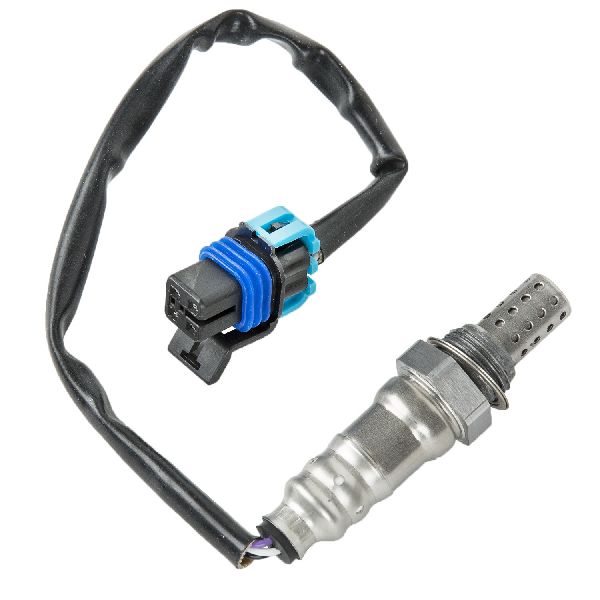
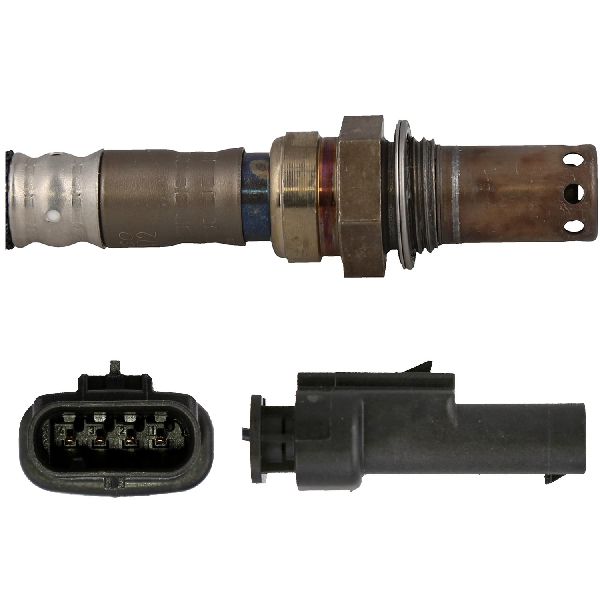
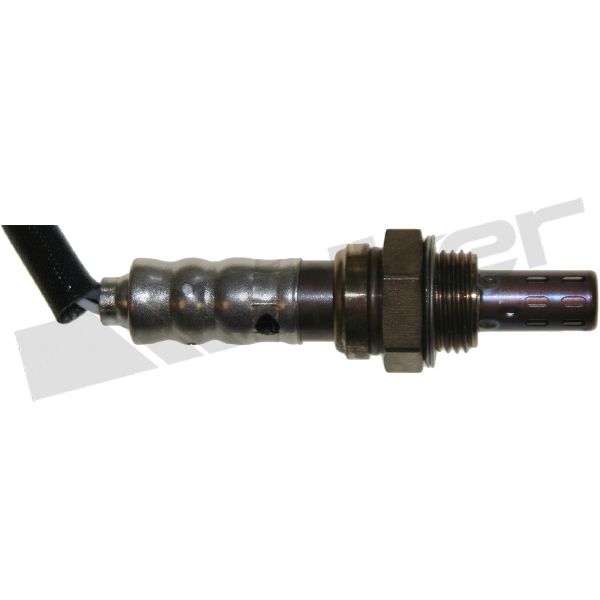
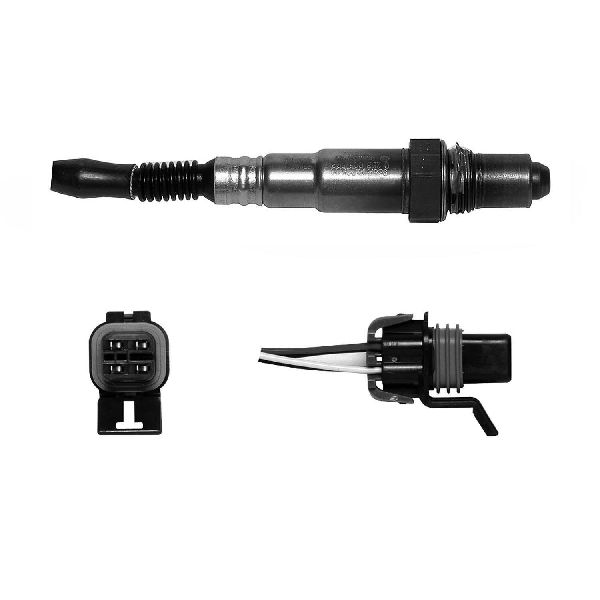
Est. part cost: $400-$700 - Faulty Upstream Oxygen (O2) Sensor 🟡 Medium Probability → Shop Oxygen Sensor The O2 sensor is a primary input for fuel control. If the Bank 2, Sensor 1 (upstream) sensor becomes lazy, biased, or fails, it can send an incorrect 'rich' signal to the ECM, causing it to reduce fuel when it's not needed.
How to confirm: Use a scan tool to graph the voltage of the Bank 2 Sensor 1. A healthy sensor should switch rapidly between approximately 0.1V and 0.9V. A sensor that is slow to respond or is stuck at a specific voltage is faulty.
Typical fix: Replace the Bank 2, Sensor 1 (upstream) oxygen sensor.
Est. part cost: $50-$150 - Leaking Fuel Injector(s) 🟡 Medium Probability → Shop Fuel Injector Direct injectors operate under extremely high pressure. An injector can leak fuel into a cylinder after the engine is shut off or deliver too much fuel while running, leading to a rich condition isolated to that bank.
How to confirm: Perform a fuel injector balance test with a capable scan tool (like a GM GDS2). Alternatively, you can check the fuel rail pressure after shutting off the engine; a rapid drop in pressure can indicate a leak. Pulling the spark plugs on Bank 2 may also reveal one or more plugs that are black and sooty compared to the others.
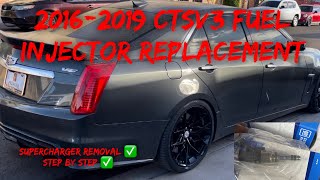
Typical fix: Replace the faulty fuel injector(s) on Bank 2. It's often recommended to replace them as a set on that bank. 🎬 See this LT4 supercharger removal and fuel injector replacement walkthrough.
Est. part cost: $70-$200 per injector - Dirty or Faulty Mass Airflow (MAF) Sensor ⚪ Low Probability → Shop Fuel Injection Air Flow Meter While a dirty MAF sensor more commonly causes lean codes, contamination (especially from over-oiled aftermarket air filters) can cause inaccurate readings that lead to a rich condition. GM also issued TSB PIP5446A for 2016-2017 CTS-Vs regarding plastic flashing in the air filter housing disrupting airflow and causing rich/lean codes.
How to confirm: Inspect the MAF sensor wires for contamination. Inspect the air filter housing for any obstructions or plastic flashing near the sensor, as detailed in TSB PIP5446A. Cleaning the sensor with a dedicated MAF sensor cleaner is an easy first step.
Typical fix: Clean the MAF sensor. If the problem persists, replace the MAF sensor. If flashing is found in the airbox, carefully remove it or replace the air cleaner housing lid.
Est. part cost: $10 (cleaner) - $150 (sensor)
Rare But Worth Checking
- Stuck Open EVAP Purge Valve: → Shop Vapor Canister The EVAP purge valve can get stuck open, allowing un-metered fuel vapor from the charcoal canister to be drawn into the intake manifold, which can create a rich condition. This usually affects both banks, setting a P0172 as well. A user with a platform-mate (Camaro ZL1) suspected this as the cause for their P0172/P0175 codes.
- Incorrect Fuel Alcohol Content: As noted in a cross-manufacturer reference for similar GM fuel systems, TSB Bulletin #PIP4792D, a technician may find P0175 if the Fuel Alcohol Content parameter on a scan tool does not match the actual measured ethanol content of the fuel, which can lead to black exhaust and rich conditions.
Diagnosis Steps
- Use an OBD-II scanner to confirm the P0175 code and check for any other stored codes, like P0172 or P0101.
- Check the engine oil dipstick. If the oil level is high and/or it has a strong smell of gasoline, the high-pressure fuel pump is the most likely culprit. An oil change will be required along with the pump replacement.
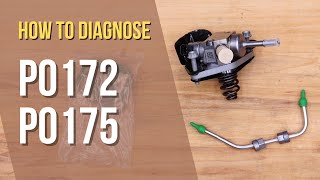
- If the oil is normal, use the scanner to view live data. Monitor the Short-Term (STFT) and Long-Term Fuel Trims (LTFT) for Bank 2 at idle and while driving. For P0175, you will see significant negative numbers (e.g., -20% or lower) as the ECM tries to pull fuel. 🎬 Watch: A professional guide to troubleshooting GM rich codes. Some owners have reported trims as low as -32%.
- Graph the Bank 2, Sensor 1 (upstream) oxygen sensor voltage. It should fluctuate rapidly between ~0.1V and ~0.9V. If it's stuck or slow, the sensor is likely bad.
- Inspect the air intake system from the filter to the throttle body per TSB PIP5446A. Check for a dirty air filter and inspect the MAF sensor for contamination. Carefully check the air filter housing lid for any plastic flashing or obstructions near the MAF sensor location.
- Test the fuel pressure. For the LT4, this involves checking both the low-pressure and high-pressure (fuel rail) sides to ensure they are within specification. High pressure can indicate a faulty regulator or pump issue.
- If other causes are ruled out, test for leaking fuel injectors using a fuel pressure leak-down test or an injector balance test with a capable scan tool.
Parts You'll Likely Need
- High-Pressure Fuel Pump
(OEM #12688607 / 12711668)— This is a primary failure point on the direct-injected LT4 engine that directly causes rich codes by leaking fuel into the crankcase.
Trusted brands: ACDelco
OEM price range: $500-$700
Aftermarket price range: $350-$550 - Upstream Oxygen Sensor (Bank 2, Sensor 1)
(OEM #12663317)— A faulty O2 sensor can send incorrect signals, tricking the computer into creating a rich condition. It's a common cause if the HPFP is not at fault.
Trusted brands: ACDelco, Bosch
OEM price range: $60-$100
Aftermarket price range: $40-$80
Related Codes That Often Appear With This One
- P0172 — System Too Rich (Bank 1). When both P0172 and P0175 are present, it strongly suggests a problem that affects the entire engine, such as a faulty MAF sensor, incorrect fuel pressure, or a leaking high-pressure fuel pump contaminating the crankcase.
- P0300 — Random/Multiple Cylinder Misfire. A severe rich condition can foul spark plugs with carbon and fuel, leading to incomplete combustion and misfires.
- P0101 — Mass Air Flow (MAF) Circuit Range/Performance. This code is specifically mentioned in TSB PIP5446A alongside rich codes, pointing to an airflow disruption issue at the air filter housing.
Technical Service Bulletins (TSBs) & Recalls
- number: PIP5446A | title: Harsh Shift 1/2 and 2/3 and Sputter Applying Throttle Between 0 and 30% Rough idle P0101 P0171 P0172 P0174 P0175
- number: PIP4792D | title: Cold start, black exhaust color, and/or Service Engine Soon Malfunction Indicator Lamp on. Technician may find a Diagnostic Trouble Code P0172 and or P0175.
Platform-Specific Known Issues
- A GM diagnostic guide specifically lists the 2016-2018 Cadillac CTS-V (LT4) as being prone to rich codes (P0172/P0175) caused by a leaking high-pressure fuel pump. The recommended diagnostic step is to check for fuel trim correction after isolating the PCV system.
- A Technical Service Bulletin (TSB PIP5446A) was issued for similar GM platforms/engines regarding excess plastic casting flash in the air filter housing near the MAF sensor, which can disrupt airflow and cause rich or lean codes.
Mechanic-Grade Diagnostic Values
- Low-Side Fuel Pressure (In-tank pump) — expected: Approximately 50 PSI during normal driving, rising to ~72 PSI at Wide Open Throttle (WOT).. Failure: Pressure significantly below or above these targets can indicate a failing in-tank pump or Fuel Pressure Control Module (FPCM) issue.
- High-Side Fuel Pressure (HPFP Output) — expected: Varies with demand, but should be checked against the 'Desired Fuel Rail Pressure' PID on a scan tool. At idle, it can be around 290-725 PSI (2-5 MPa).. Failure: Actual pressure that cannot meet the desired pressure under load points to a weak HPFP. Pressure that is excessively high could indicate a regulator issue.
- Mass Airflow (MAF) Sensor Reading at Idle — expected: For a 6.2L engine, a rule of thumb is approximately 6-8 g/s at a stable, warm idle. Another rule of thumb is 1.7-1.9 g/s per liter of displacement, which for a 6.2L engine would be ~10.5-11.8 g/s. Readings can vary based on conditions.. Failure: Readings significantly lower than expected can indicate unmetered air (vacuum leak), while significantly higher readings could point to a contaminated sensor.
- High-Pressure Fuel Pump Mounting Bolts Torque — expected: 18 lb-ft (25 Nm). Bolts should be tightened alternately, one turn at a time, to seat the pump evenly.. Failure: Improper or uneven torque can damage the pump plunger or cause sealing issues.
- High-Pressure Fuel Feed Pipe to Pump Torque — expected: 21 lb-ft (28 Nm). This pipe is a one-time use part and must be replaced if loosened.. Failure: Re-using the pipe or incorrect torque can lead to dangerous high-pressure fuel leaks.
Scan Tool Commands That Help
- GM GDS2 / Tech 2: Fuel Trim Reset — After performing a repair that affects the air-fuel ratio (e.g., replacing an O2 sensor, fuel injector, or MAF sensor), this function should be used to clear the learned long-term fuel trim values. This forces the ECM to relearn fuel delivery strategy immediately, which can confirm a fix and prevent the old, incorrect values from causing driveability issues.
- GM GDS2 / Tech 2: Fuel Injector Balance Test — This test individually commands each fuel injector to fire for a set duration and measures the corresponding drop in fuel rail pressure. It is used to identify a leaking or clogged injector that may be causing a rich condition on a specific bank.
- GM GDS2 / Tech 2: Cylinder Power Balance — This function helps identify misfiring cylinders by measuring the rotational speed of the crankshaft after each cylinder fires. While not a direct test for a rich condition, it can help pinpoint which cylinder(s) on Bank 2 are affected by fuel fouling from a leaking injector.
- GM GDS2 / Tech 2: PCV System Isolation (Manual Test with Scan Tool Data) — As per a GM diagnostic guide, a technician can disconnect the 'dirty' side of the PCV system and plug the intake port. While observing the fuel trim data on the scan tool, if the trims rapidly return to normal, it confirms that fuel vapor from the crankcase (from a leaking HPFP) was the source of the rich condition.
Wiring & Ground Locations
- G101 — Located at the left front of the engine, on the lower block.. This ground serves the Engine Control Module (ECM) and the Mass Air Flow (MAF) Sensor. A poor connection here can cause erratic signals from the MAF and incorrect calculations by the ECM, potentially leading to fuel trim issues.
- G102 — Located at the left rear of the engine.. This ground serves all 8 ignition coils. While not a direct cause of a rich code, a poor ground here could lead to weak spark and incomplete combustion, which can contribute to misfires (P0300) and affect O2 sensor readings.
- G110 / G112 — Attached to the rear of the left cylinder head (Bank 2).. Cylinder head grounds are critical for the proper operation of sensors located on the engine, including the oxygen sensors. A compromised ground on the same bank as the P0175 code could cause a faulty reading from the Bank 2 O2 sensor.
OEM Part Supersession History
12642287, 12673410, 12679090→12688607— Standard part evolution and design updates by GM.12688607 (also seen as 12694529)→12711668— Latest revision of the LT4 high-pressure fuel pump. This is the current service replacement part.
Heads up: 12711668 is the correct and latest direct replacement for all previous versions on the LT4 engine.
Diagnostic Flowchart
Other Known Issues on This Vehicle
Issues unrelated to this code that are worth knowing about as an owner of this generation:
- A8 (8L90) Transmission Shudder/Harsh Shifting 🔴 High — Very common issue, particularly in 2016-2017 models. Can appear at low mileage. TSB #16-NA-175 was released to address it. (Ref: TSB #16-NA-175)
- CUE Infotainment Screen Delamination/Cracking 🟠 Medium — Extremely common across all 2013-2018 Cadillacs. The screen develops 'spiderweb' cracks and becomes unresponsive to touch due to internal gel failure, not physical impact. (Ref: Multiple service bulletins exist (e.g., one in Dec 2014), but no recall was issued.)
- Supercharger Heat Soak 🟠 Medium — Common during aggressive driving or track use. The stock cooling system can be overwhelmed, leading to reduced engine power as the ECU pulls timing to protect the engine.
- Carbon Buildup on Intake Valves 🟠 Medium — An inherent issue with all direct injection engines, including the LT4. Over time (typically 50k+ miles), buildup can restrict airflow, causing rough idle and reduced performance.
- Electric Power Steering (EPS) Assist Failure 🔴 High — A recall was issued for this problem. The power steering assist can fail intermittently or completely, making the vehicle very difficult to steer. (Ref: NHTSA Recall #19V086000)
- Supercharger Isolator Rattle 🟡 Low — A common noise complaint. The spring-loaded isolator in the supercharger snout can wear over time, creating a rattling sound at idle or low RPMs. It is generally considered a nuisance rather than a critical failure.
Used vs. New Parts: Buying Guide for This Vehicle
When a used part is the smart pick: For this specific fault, used parts are generally not recommended for the primary failure components. However, a used MAF sensor or air filter housing from a low-mileage donor vehicle could be a cost-effective option if TSB PIP5446A is suspected.
Donor-vehicle mileage cap: roughly under 40000 miles for the part to have meaningful remaining life.
What to inspect on the donor part:
- For a MAF sensor, ensure the donor vehicle was not in a front-end collision.
- Check for signs of an over-oiled aftermarket air filter on the donor vehicle, as this can contaminate the MAF.
- Verify the part number on the used component matches the required OEM number.
OEM-only on this vehicle (don't cheap out):
- High-Pressure Fuel Pump (HPFP): Due to the high failure rate and the critical nature of this part, only a new OEM (ACDelco) pump should be used. Used pumps are a significant gamble, as junkyards often refuse to sell them separately from the engine, and their history is unknown.
- High-Pressure Fuel Line: This is a one-time-use, torque-to-yield part and MUST be replaced with a new OEM part anytime it is loosened to prevent catastrophic fuel leaks.
Aftermarket brands forum-validated for this vehicle:
- Oxygen Sensors: Bosch, Denso, and NTK are all reputable OEM suppliers and provide high-quality aftermarket replacements that meet or exceed factory specifications.
Brands owners have reported issues with on this vehicle:
- Unbranded/generic 'white box' oxygen sensors and fuel pumps from online marketplaces should be avoided. They often have high failure rates, do not perform to OE specifications, and can cause persistent diagnostic issues.
Real Owner Stories
Aggregated from forums and TSBs cited above. Mileages and costs reflect what owners reported in those sources.
2017 Chevrolet Camaro ZL1 (6.2L LT4)
Symptoms: No major drivability issues, but long-term fuel trims were as negative as -32% at idle.
What fixed it: The owner's troubleshooting pointed towards a potentially stuck-open EVAP purge valve.
Source hint: Reddit r/camaro thread titled '2017 ZL1 P0172 and P0175'
Chevrolet Camaro (LT engine family)
Symptoms: P0172 and P0175 codes along with hard hot starts.
What fixed it: The owner suspected a leaking injector, but another user in the same thread resolved similar codes by tightening a loose header bolt to fix an exhaust leak.
Source hint: Camaro5 Chevy Camaro Forum thread titled 'P0172 P0175'
Related OBD-II Codes
Frequently Asked Questions
Does TSB PIP5446A apply to my 2016-2018 Cadillac CTS-V?
Why is my CTS-V's oil level higher than normal and smelling like gas along with the P0175 code?
What is the recommended diagnostic test for a suspected leaking HPFP on the LT4?
Which specific oxygen sensor should I check for a P0175 code on my CTS-V?
What is the current replacement part number for the CTS-V high-pressure fuel pump?
Can a dirty air filter housing cause P0175 on this vehicle?
Helpful Videos
Used OEM Parts in Stock
New Aftermarket Parts Available


The information in this article is provided for general reference and educational purposes only. Vehicle specifications, procedures, and part compatibility can vary by production date, trim level, and region. Always consult your vehicle's factory service manual and verify part numbers before purchasing or performing repairs. Safety-critical components such as airbags, seat belts, and braking systems should be installed by a qualified professional.
- Cadillac CTS-V:
- 🧭 Diagnostic Flowchart
- 🎬 Helpful Videos
- 🛍️ Shop This Part
- What's Unique About the 2016-2018 Cadillac CTS-V
- Symptoms You May Notice
- Most Likely Causes
- Rare But Worth Checking
- Diagnosis Steps
- Parts You'll Likely Need
- Related Codes That Often Appear With This One
- Technical Service Bulletins (TSBs) & Recalls
- Platform-Specific Known Issues
- Mechanic-Grade Diagnostic Values
- Scan Tool Commands That Help
- Wiring & Ground Locations
- OEM Part Supersession History
- Other Known Issues on This Vehicle
- Used vs. New Parts: Buying Guide for This Vehicle
- Real Owner Stories
- 2017 Chevrolet Camaro ZL1 (6.2L LT4)
- Chevrolet Camaro (LT engine family)
- Related OBD-II Codes
- Frequently Asked Questions
- 🎟️ Get 5% Off