

P0175 on 2010-2017 Cadillac Escalade ESV: Rich Fuel Causes & Fixes
For a P0175 code on a 2010-2017 Escalade ESV, the two most likely causes are an incorrect fuel alcohol content reading or casting flash in the air filter housing near the MAF sensor. A scan tool is needed to check the alcohol percentage; if it's high but you use regular gas, a reset is required. The air intake requires visual inspection for excess plastic flashing, a known issue covered by a TSB.
- Before buying any parts, use a scan tool to check the 'Fuel Alcohol Content' parameter. This is a very common, no-cost fix if you have the right tool.
- The second most important check is a visual inspection of the air filter housing for plastic casting flash near the MAF sensor, as specified in a GM Technical Service Bulletin.
- P0175 indicates a Bank 2 (passenger side) issue, but if it appears with P0172 (Bank 1), the cause is likely something that affects the whole engine, like the MAF or fuel composition.
- Do not replace oxygen sensors or fuel injectors without first ruling out the two main vehicle-specific issues (fuel alcohol content and MAF casting flash).
What's Unique About the 2010-2017 Cadillac ESCALADE ESV
On this specific generation of Escalade and its platform-mates (Tahoe, Yukon, Silverado), the P0175 code is frequently caused by two well-documented issues that are less common on other vehicles. The first is a software glitch where the engine control module incorrectly 'learns' a high ethanol content in the fuel, even when running on standard gasoline, forcing a rich condition. This is common on Flex Fuel-capable models. The second is a manufacturing defect where excess plastic flashing inside the air filter housing disrupts airflow past the Mass Airflow (MAF) sensor, causing it to send inaccurate readings to the computer, a problem addressed by GM TSB PIP5446A.
Diagnostic Flowchart
Tap your situation to follow the diagnostic path that matches what you're seeing on this vehicle.
Generation note: The 2010-2017 year range covers two generations of the Escalade ESV: the third generation (GMT900 platform, 2007-2014) and the fourth generation (K2XX platform, 2015-2020). Both generations primarily used a 6.2L V8 engine. The TSBs cited apply to models in both generations, indicating these issues are common across the entire 2010-2017 range.
Symptoms You May Notice
- Illuminated Check Engine Light
- Rough idle
- Poor acceleration or engine hesitation
- Strong smell of gasoline from the exhaust
- Black smoke or soot from the tailpipe
- Decreased fuel economy
- Extended cranking time on cold starts
- Hard shifting between gears
- Replacing the downstream (post-catalyst) O2 sensor. The downstream sensor primarily monitors catalyst efficiency and has very little impact on fuel trim adjustments.
- Replacing the fuel pump without checking fuel pressure. While a faulty fuel pressure regulator can cause high pressure, it's less common than the other listed causes and should be confirmed with a gauge first.
- Assuming a vacuum leak. A vacuum leak introduces unmetered air, which typically causes a lean condition (P0171, P0174), not a rich condition.
Most Likely Causes
- Incorrect Fuel Alcohol Content Reading 🔴 High Probability As documented in TSB #PIP4792D, the ECM on these Flex-Fuel capable vehicles can incorrectly learn a high ethanol percentage (e.g., 57%) even when running on standard gasoline, causing it to inject too much fuel. This can happen after running the tank very low on fuel. 🎬 Watch: How to fix a flex fuel rich condition
How to confirm: Use an OBD-II scan tool to view live data. Check the 'Fuel Alcohol Content' or 'Ethanol %' parameter. If the value is significantly above 10-15% (for standard E10/E15 gas) and you have not used E85 fuel, this is the likely cause.
Typical fix: Reset the Fuel Alcohol Content value using a capable bidirectional scan tool (e.g., HP Tuners, Autel, Snap-on, or dealer-level GDS2). The command is often found under 'Special Functions' -> 'Fuel System' -> 'Fuel Composition Reset'. After the reset, clear fuel trims and perform a test drive. TSB PIP4792D also recommends reprogramming the ECM with the latest calibration if the issue persists.
Est. part cost: $0 (if you have a scan tool) or ~$100-$200 shop labor for the reset/reprogram. - Casting Flash in Air Filter Housing 🔴 High Probability → Shop Air Cleaner Assembly TSB #PIP5446 specifically calls out excessive plastic casting flash in the air filter housing near the MAF sensor as a cause for rich (and lean) codes. This flash disrupts and creates turbulence in the airflow, leading to incorrect readings. This TSB applies to 2015-2018 models.
How to confirm: Disconnect the air intake tube from the air filter box lid. Visually and physically inspect the inside of the housing, particularly the area immediately surrounding where the MAF sensor is mounted, for excess plastic ridges or flashing.
Typical fix: If flashing is found, the official fix is to replace the air filter housing lid 🎬 See this TSB walkthrough for rich running GM engines (Part #23192713 for 2015-2016 models). Some owners may opt to carefully remove the flashing with a deburring tool or file, ensuring no debris enters the intake.
Est. part cost: $80-$150 for a new air filter housing lid. - Dirty or Faulty Mass Air Flow (MAF) Sensor 🟡 Medium Probability → Shop Fuel Injection Air Flow Meter The MAF sensor measures the amount of air entering the engine. If it's dirty (often from over-oiled aftermarket air filters) or faulty, it can under-report airflow, causing the ECM to inject too much fuel.
How to confirm: Inspect the sensor for dirt or debris. You can try cleaning it with a dedicated MAF sensor cleaner spray. If cleaning doesn't work, monitor the MAF readings on a scan tool to see if they are logical for the engine RPM. A healthy 6.2L V8 should read approximately 4-8 g/s at warm idle. Unplugging the MAF sensor and seeing if fuel trims improve can also be a diagnostic step.
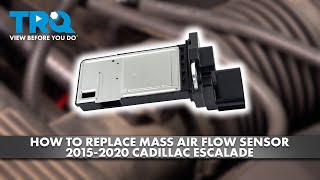
Typical fix: Clean the sensor with a specialized cleaner. If the problem persists, replace the MAF sensor. It is highly recommended to use an OEM or high-quality brand like ACDelco, Delphi, or Hitachi. 🎬 Watch: How to replace the mass air flow sensor
Est. part cost: $10 for cleaner, $70-$150 for a new sensor. - Leaking Fuel Injector(s) 🟡 Medium Probability → Shop Fuel Injector An injector can become stuck open or leak fuel into a cylinder even when it's not supposed to, leading to a rich condition on that bank.
How to confirm: Perform a fuel pressure leak-down test. After pressurizing the fuel rail, turn the engine off and watch the pressure gauge. If the pressure drops quickly, it could indicate a leaking injector. For direct injection models (2015+), watching the rail pressure on a scan tool after shutdown can also show a leak; if pressure rises significantly due to heat soak and then holds steady, the injectors are likely not leaking. Another method is to pull the spark plugs on Bank 2 (driver's side) and look for one that is wet with fuel or excessively black and sooty.
Typical fix: Replace the faulty fuel injector(s). It is often recommended to replace them as a set on the affected bank.
Est. part cost: $50-$120 per injector. - Faulty Upstream Oxygen (O2) Sensor ⚪ Low Probability → Shop Oxygen Sensor The upstream O2 sensor (also called an Air/Fuel Ratio sensor) on Bank 2 provides the primary data for fuel trim. If it becomes lazy or biased, it can incorrectly report a lean condition, causing the ECM to add too much fuel in response.
How to confirm: Use a scan tool to graph the Bank 2 Sensor 1 voltage. It should switch rapidly between high and low values (approx. 0.1V to 0.9V). If it is stuck low (indicating lean) or switching very slowly, it is likely faulty.
Typical fix: Replace the Bank 2, Sensor 1 (upstream) oxygen sensor. Bank 2 is the driver's side.
Est. part cost: $50-$100.
Rare But Worth Checking
- Leaking High-Pressure Fuel Pump: → Shop Fuel Pump On direct-injection versions of the 6.2L engine (2015+ models), the high-pressure fuel pump can leak fuel into the crankcase. This fuel vapor is then drawn into the intake through the PCV system, causing a rich condition on both banks (P0172 and P0175). A key symptom is a strong fuel smell in the engine oil. A diagnostic step is to disconnect and cap the PCV line to the intake and see if fuel trims return to normal.
Diagnosis Steps
- Connect an OBD-II scanner and confirm P0175 is present. Check for any other codes, especially P0172 and P0101.
- View live data on the scanner. Pay close attention to Long Term and Short Term Fuel Trims for both Bank 1 and Bank 2. For P0175, Bank 2 trims will be highly negative (e.g., -20% or more).
- CRITICAL: Check the 'Fuel Alcohol Content' parameter. If it reads high (e.g., >20%) and you are using standard gasoline, this is a primary suspect. A reset is required.
- If fuel alcohol content is normal, turn off the vehicle and inspect the air filter housing. Remove the intake duct and carefully check for casting flash near the MAF sensor mount as described in TSB #PIP5446.
- Inspect the MAF sensor wires for dirt or oil contamination. If dirty, clean it with dedicated MAF sensor cleaner. Consider testing by unplugging it to see if fuel trims change.
- For 2015+ models, check the engine oil for a strong gasoline smell, which could indicate a leaking high-pressure fuel pump.
- Check fuel pressure using a fuel pressure gauge to ensure the fuel pressure regulator is not stuck, causing excessive pressure.
- Graph the Bank 2 Sensor 1 (upstream) O2 sensor voltage. It should fluctuate rapidly. If it's slow, stuck, or biased, it may be faulty.
- If all else fails, perform a fuel injector leak-down test to check for a leaking injector.
Parts You'll Likely Need
- Mass Air Flow (MAF) Sensor
(OEM #ACDelco 23256991 (2010-2014) or ACDelco 23262343 (2015-2017))— Can get dirty or fail, leading to incorrect air measurement. Also a common cause if casting flash isn't the issue.
Trusted brands: ACDelco, Delphi, Hitachi
OEM price range: $95-$180
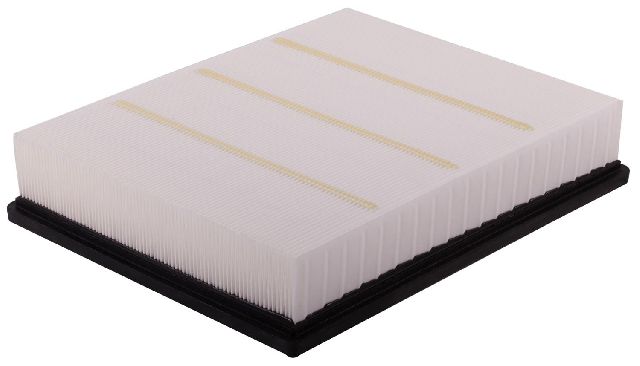
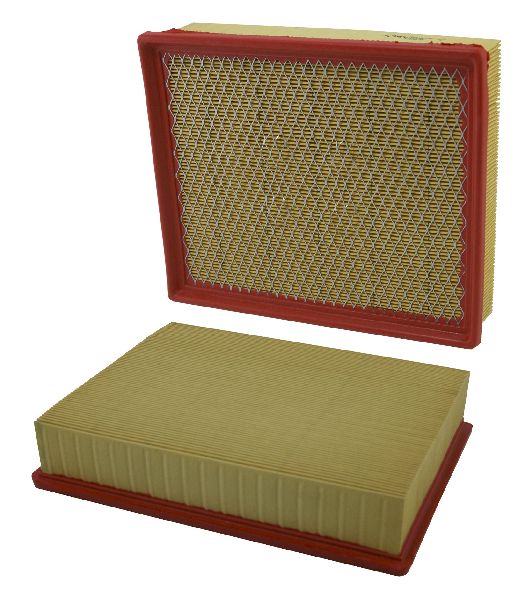
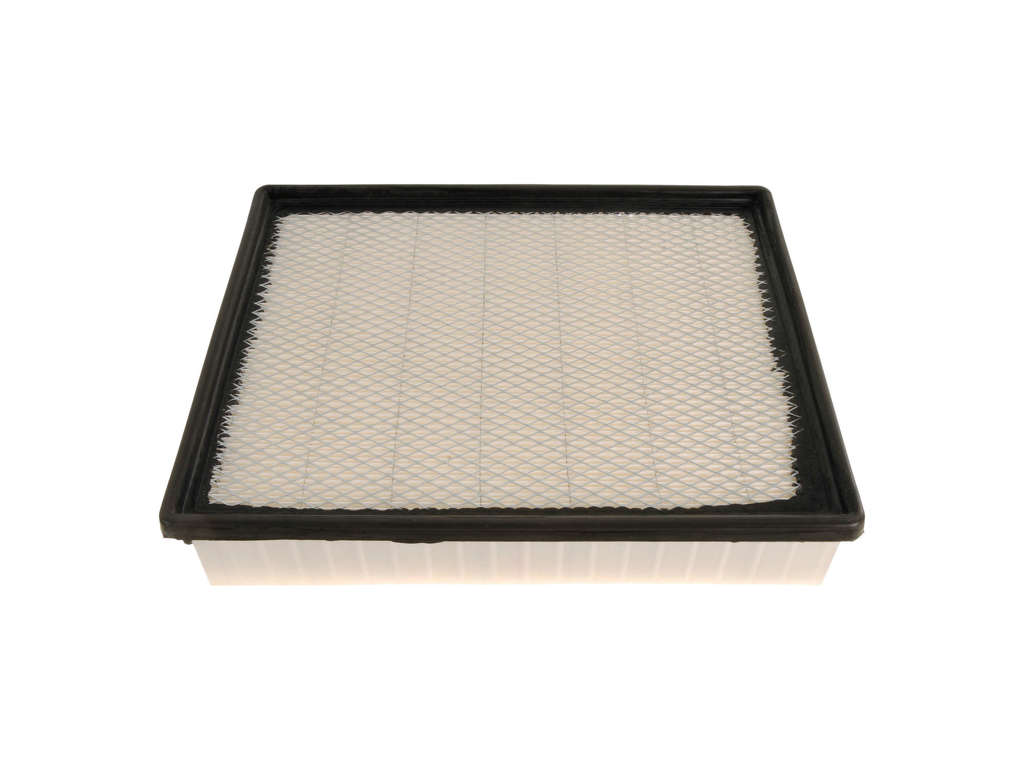
Aftermarket price range: $70-$120 - Air Filter Housing Lid / Air Cleaner Assembly
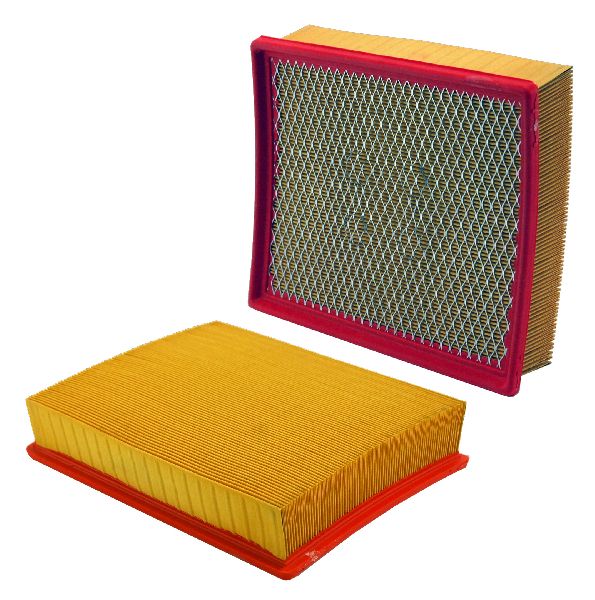
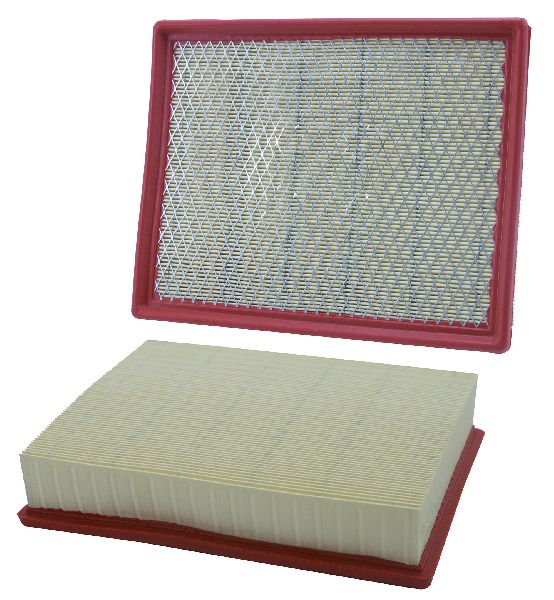
(OEM #GM 23192713 (fits 2015-2016))— Required if excessive casting flash is found, per TSB PIP5446. This part is the official remedy for the manufacturing defect.
Related Codes That Often Appear With This One
- P0172 — System Too Rich Bank 1. This code often appears with P0175 if the cause is global, such as an incorrect fuel alcohol reading, a faulty MAF sensor, or a leaking high-pressure fuel pump affecting both banks.
- P0101 — Mass Air Flow (MAF) Circuit/Performance. This code can be set alongside P0175 if the cause is the casting flash in the air intake, as it directly impacts the MAF sensor's performance.
Technical Service Bulletins (TSBs) & Recalls
- PIP4792D: Cold Extended Crank - Rough Running - And/Or SES Light With DTCs P0172 And/Or P0175 - Check Fuel Alcohol Content.
- PIP5446 / PIP5446A: Harsh Shift 1/2 and 2/3 and Sputter Applying Throttle, Rough idle, P0101 P0171 P0172 P0174 P0175.
Platform-Specific Known Issues
- TSB #PIP4792D: Addresses a condition where the ECM incorrectly learns a high fuel alcohol content, causing rich codes P0172 and P0175, rough running, and hard starts. The fix is to check the value with a scan tool and perform a reset if it's incorrect.
- TSB #PIP5446: Points to excessive casting flash in the air filter housing near the MAF sensor as a cause for rough idle and multiple fuel trim codes, including P0175. The fix is to inspect for and replace the air filter housing lid if flash is present.
Mechanic-Grade Diagnostic Values
- Mass Air Flow (MAF) Sensor Reading at Idle (Warm Engine) — expected: 4.0 to 8.0 grams/second (g/s).. Failure: Readings significantly lower than 4 g/s can indicate an under-reporting sensor, causing a rich condition. Readings should increase smoothly to 15-25 g/s at 2500 RPM.
- Long Term Fuel Trim (LTFT) at Idle — expected: Between -10% and +10%.. Failure: For P0175, the value will be highly negative, often -20% or more, as the ECM tries to remove fuel.
- Low-Side Fuel Pressure (2010-2014 L94 Port Injection) — expected: 50-60 PSI (345-414 kPa) at idle.. Failure: Excessively high pressure could indicate a faulty fuel pressure regulator, though this is less common for a rich code.
- High-Side Fuel Pressure at Idle (2015-2017 L86 Direct Injection) — expected: Approximately 300-750 PSI (2-5 MPa). Desired and actual pressure on a scan tool should match closely.. Failure: Pressure that does not hold after engine shutdown can indicate a leaking injector or high-pressure fuel pump.
- Fuel Injector Coil Resistance (Port Injection Models) — expected: Typically between 11 and 12.5 ohms.. Failure: A reading significantly outside this range indicates a faulty injector coil.
Scan Tool Commands That Help
- GDS2 / Tech2 / Professional Scan Tool: Fuel Composition Reset — Use this function when live data shows an incorrect Fuel Alcohol Content percentage (e.g., >20%) on a vehicle running standard gasoline. This command, often under 'Special Functions' -> 'Fuel System', resets the learned value to a baseline, which can immediately correct a false rich condition.
- GDS2 / Professional Scan Tool: Fuel Injector Balance Test — This bidirectional test individually fires each injector while monitoring fuel pressure drop to identify an injector that is flowing more or less fuel than the others. It is useful for isolating a single leaking or malfunctioning injector when P0175 appears without P0172.
Wiring & Ground Locations
- G101 — Located at the lower front of the engine, on the lower block.. This is a primary ground point for the Engine Control Module (ECM) and the Mass Air Flow (MAF) sensor. A poor connection here can cause erratic MAF sensor readings, leading to incorrect fuel calculations and codes like P0175.
- G103 — Located on the front of the passenger side (right side) cylinder head.. This serves as another critical engine ground. Corrosion or a loose connection here can affect various sensor readings processed by the ECM.
- G104 — Located on the rear of the driver's side (left side) cylinder head, where a ground strap from the firewall connects.. This ground strap provides the main ground path from the engine block to the vehicle's chassis/body. A compromised connection can cause a host of electrical issues, including sensor data problems that may trigger fuel trim codes.
Real Owner Repair Stories
- YouTube user '6.2L Supercharged' (2010 Cadillac Escalade) — Check Engine Light with codes P0172 and P0175 (rich on both banks).
❌ Tried (didn't work) Initial diagnosis showed long-term fuel trims were highly negative (-18%) as the computer was trying to pull fuel.
✅ What actually fixed it The scan tool revealed the 'Fuel Alcohol Content' was at 57%, despite the vehicle being in a location without ethanol fuel. Using HP Tuners, the technician performed a fuel composition reset. The alcohol content immediately dropped to 3% and the fuel trims corrected to near-perfect values, resolving the codes instantly. - YouTube user 'Repairs and Rides' (2014 Chevy Silverado (same engine family and issue)) — Check Engine Light with P0172 and P0175.
❌ Tried (didn't work) Smoke test (no leaks found), Checking spark plugs, Checking MAF sensor
✅ What actually fixed it The technician found the fuel alcohol content was at 78%. Using a scan tool, he performed a 'Fuel Alcohol Content Reset' under the functional tests menu. The value reset to 3%, and the long-term fuel trims, which were at -28%, corrected themselves, fixing the rich condition.
OEM Part Supersession History
22870281→23192713— This is the part number for the Air Cleaner Assembly (Lid) that is often replaced to fix the casting flash issue described in TSB PIP5446. The supersession likely indicates a revision to the mold to correct the defect.
Model Year Variations Within This Range
- 2010-2014: These models use the Gen IV 6.2L V8 (L94), which features port fuel injection. Rich conditions are almost exclusively related to the low-pressure fuel system, MAF sensor, or incorrect alcohol content.
- 2015-2017: These models use the Gen V 6.2L V8 (L86) with direct injection. This introduces a high-pressure fuel system. A leaking high-pressure fuel pump can leak fuel into the crankcase, which gets ingested by the PCV system and causes rich codes on both banks—a diagnostic possibility not present on earlier models.
Helpful Videos
We Have This Part in Stock


The information in this article is provided for general reference and educational purposes only. Vehicle specifications, procedures, and part compatibility can vary by production date, trim level, and region. Always consult your vehicle's factory service manual and verify part numbers before purchasing or performing repairs. Safety-critical components such as airbags, seat belts, and braking systems should be installed by a qualified professional.
- Cadillac ESCALADE ESV:
- 🧭 Diagnostic Flowchart
- 🎬 Helpful Videos
- 🛍️ Shop This Part
- What's Unique About the 2010-2017 Cadillac ESCALADE ESV
- Symptoms You May Notice
- Most Likely Causes
- Rare But Worth Checking
- Diagnosis Steps
- Parts You'll Likely Need
- Related Codes That Often Appear With This One
- Technical Service Bulletins (TSBs) & Recalls
- Platform-Specific Known Issues
- Mechanic-Grade Diagnostic Values
- Scan Tool Commands That Help
- Wiring & Ground Locations
- Real Owner Repair Stories
- OEM Part Supersession History
- Model Year Variations Within This Range
- 🎟️ Get 5% Off