

P0175 on 2011-2024 Dodge Durango 3.6L: System Too Rich Bank 2 Causes and Fixes
P0175 means your Durango's engine is running too rich on the passenger side bank. The most common causes are a faulty upstream O2 sensor, a leaking fuel injector, or a stuck-open EVAP purge valve. Start by checking fuel trims with a scanner; expect to spend $50-$150 on the most likely part.
- P0175 means the passenger side of your engine is getting too much fuel.
- Start your diagnosis by checking fuel trims with a scanner. If both banks are rich (P0172 & P0175), suspect a shared part like the MAP sensor or EVAP purge valve.
- If only P0175 is present, the most likely culprits are the passenger-side upstream O2 sensor or a leaking fuel injector on that bank.
- Don't forget to check for vehicle-specific issues like a stuck-open thermostat, which is a known problem on the 3.6L Pentastar.
- Always verify part numbers for your specific year, as they can differ, especially for fuel injectors.
What's Unique About the 2011-2024 Dodge Durango
While P0175 is a generic code, the 3.6L Pentastar engine in the Durango has specific weak points that can lead to it. The infamous plastic oil filter/cooler housing, located in the engine valley, is prone to cracking and can cause various issues. Cooling system issues, like a faulty thermostat or a leak from its plastic housing, are also common and can cause the engine to run too cool, forcing the computer to maintain a rich fuel mixture. Additionally, issues with the EVAP purge valve or its brittle connecting hoses are frequent and can get stuck open, allowing unmetered fuel vapor to enter the engine and create a rich condition.
Generation note: This guide covers the third generation (WD) of the Dodge Durango, from 2011 to 2024. While it's a single generation, a major facelift occurred in 2014. The 3.6L Pentastar engine also received an update around 2016. Part numbers, particularly for components like fuel injectors and sensors, can vary between early (2011-2015) and later models. Always verify the part number for your specific model year before purchasing.
Symptoms You May Notice
- Check Engine Light is on
- Poor fuel economy
- Rough or uneven idle
- Hesitation or lack of power during acceleration
- Strong smell of gasoline from the exhaust
- Black smoke or soot from the tailpipe in severe cases
- Engine misfires, potentially causing a flashing Check Engine Light
- Replacing the downstream (post-catalytic converter) O2 sensor. The downstream sensor's primary role is to monitor catalyst efficiency, not primary fuel control. The upstream sensor (Bank 2, Sensor 1) is the correct one to inspect for this code.
- Replacing the catalytic converter. A rich condition can damage a converter, but the converter itself does not cause the rich condition. The P0175 code must be fixed first.
- Ignoring a P0172 code. If both banks are rich, the problem is almost certainly a component common to the whole engine (MAP, EVAP, fuel pressure), not an O2 sensor or injector specific to one bank.
Most Likely Causes
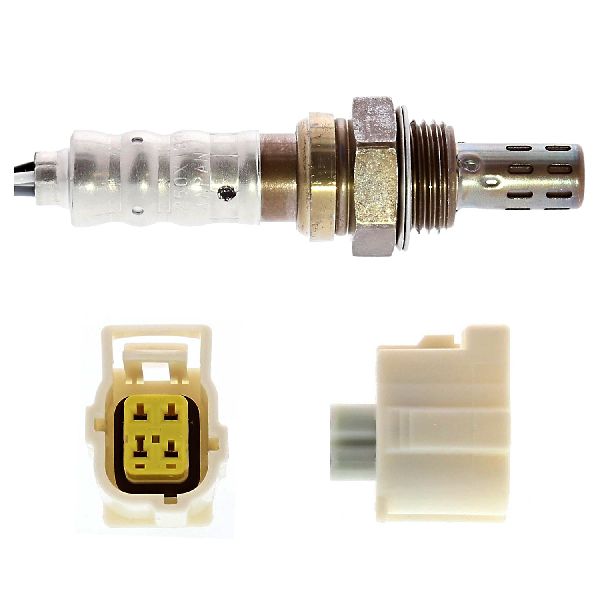
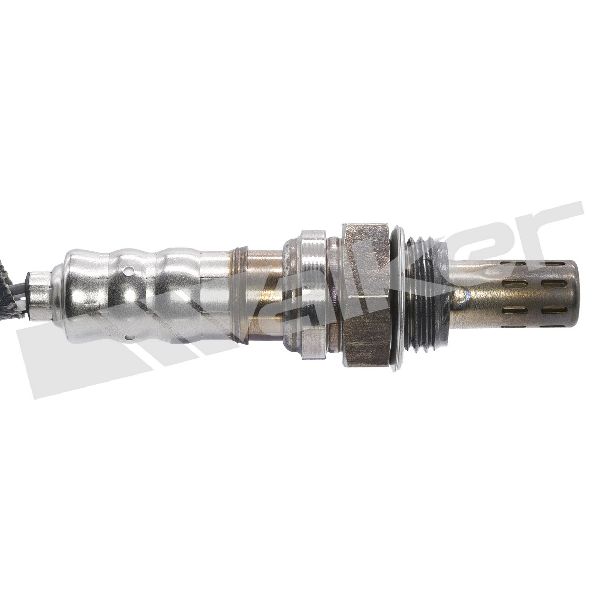
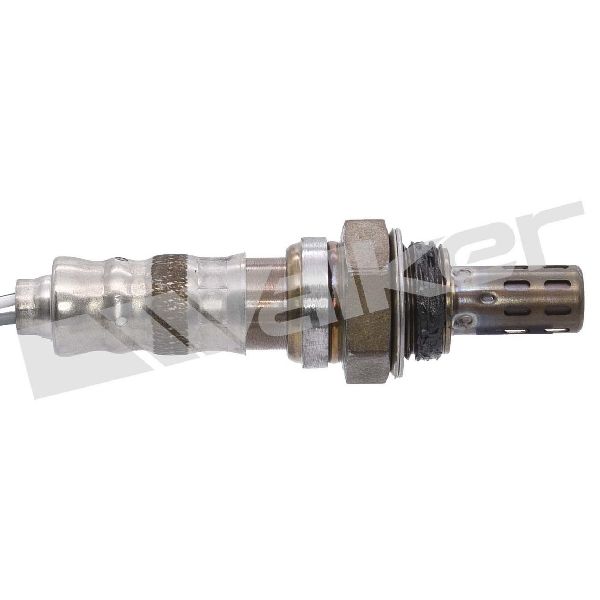
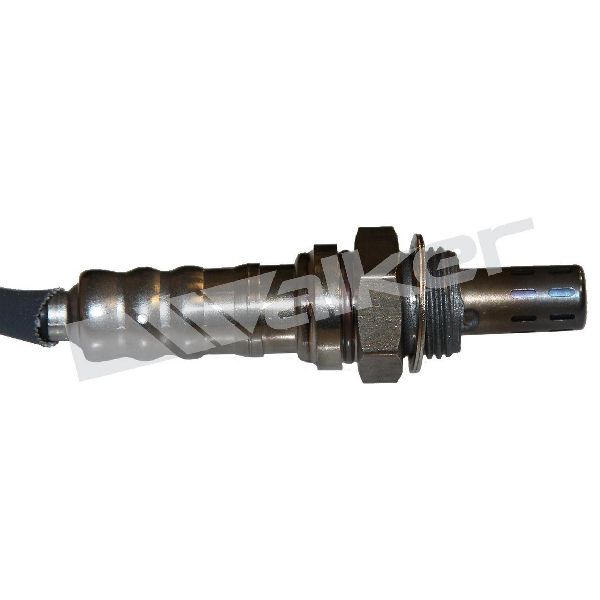
- Faulty Upstream Oxygen Sensor (Bank 2, Sensor 1) 🔴 High Probability → Shop Oxygen Sensor O2 sensors are wear-and-tear items that degrade over time. A lazy or failing sensor can send incorrect voltage signals, tricking the PCM into thinking the engine is lean when it's not, causing it to add too much fuel.
How to confirm: Use an OBD-II scanner to monitor the live voltage data for the 'B2S1' O2 sensor. A healthy upstream sensor should fluctuate rapidly between approximately 0.1 and 0.9 volts. If it's stuck high (e.g., above 0.8v) or is very slow to respond, it's likely faulty.
Typical fix: Replace the Bank 2, Sensor 1 oxygen sensor. This is the upstream sensor located on the passenger-side exhaust manifold, before the catalytic converter. The OEM Mopar part number is often 🎬 Watch: Step-by-step guide to replacing upstream O2 sensors. 5149171AB or a succeeding revision.
Est. part cost: $40-$120 - Leaking Fuel Injector(s) on Bank 2 🟡 Medium Probability → Shop Fuel Injector Fuel injectors can fail internally or become clogged, causing them to leak or 'drip' fuel into a cylinder even when they're supposed to be closed. This adds extra, uncommanded fuel to Bank 2, creating a rich condition. On the 3.6L Pentastar, leaking O-rings are a common failure point between 80,000-120,000 miles, which can also cause a fuel smell during cold starts.
How to confirm: Perform a fuel pressure leak-down test: connect a fuel pressure gauge, prime the system, turn the vehicle off, and watch the gauge. If the pressure drops quickly, it could indicate a leaking injector. Another method is to pull the spark plugs on Bank 2 (cylinders 2, 4, 6) and check for one that is significantly blacker or wetter with fuel than the others.
Typical fix: Replace the faulty fuel injector(s). It is often recommended to replace all three injectors on Bank 2 at the same time for balanced performance and to prevent future failures.
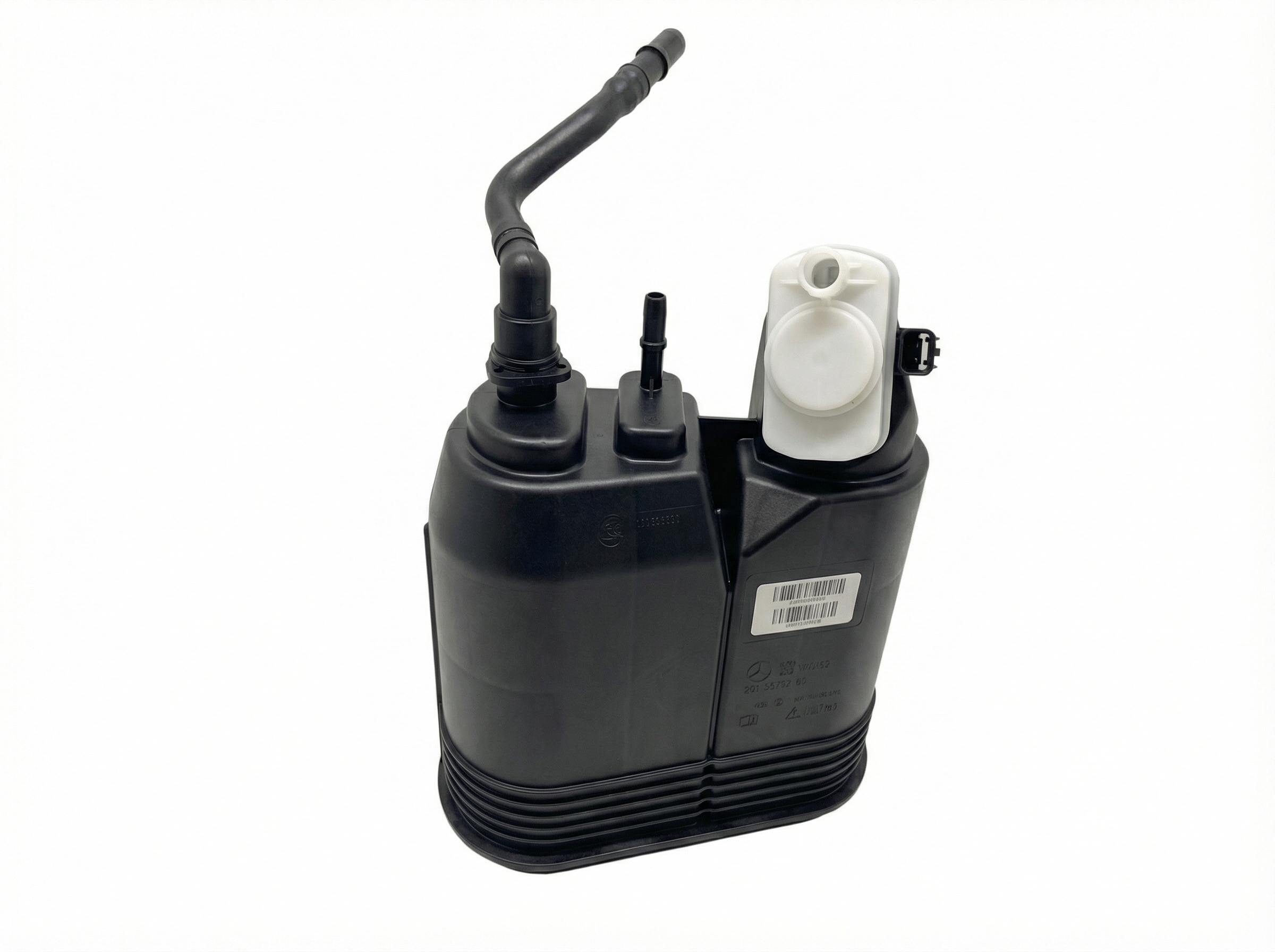
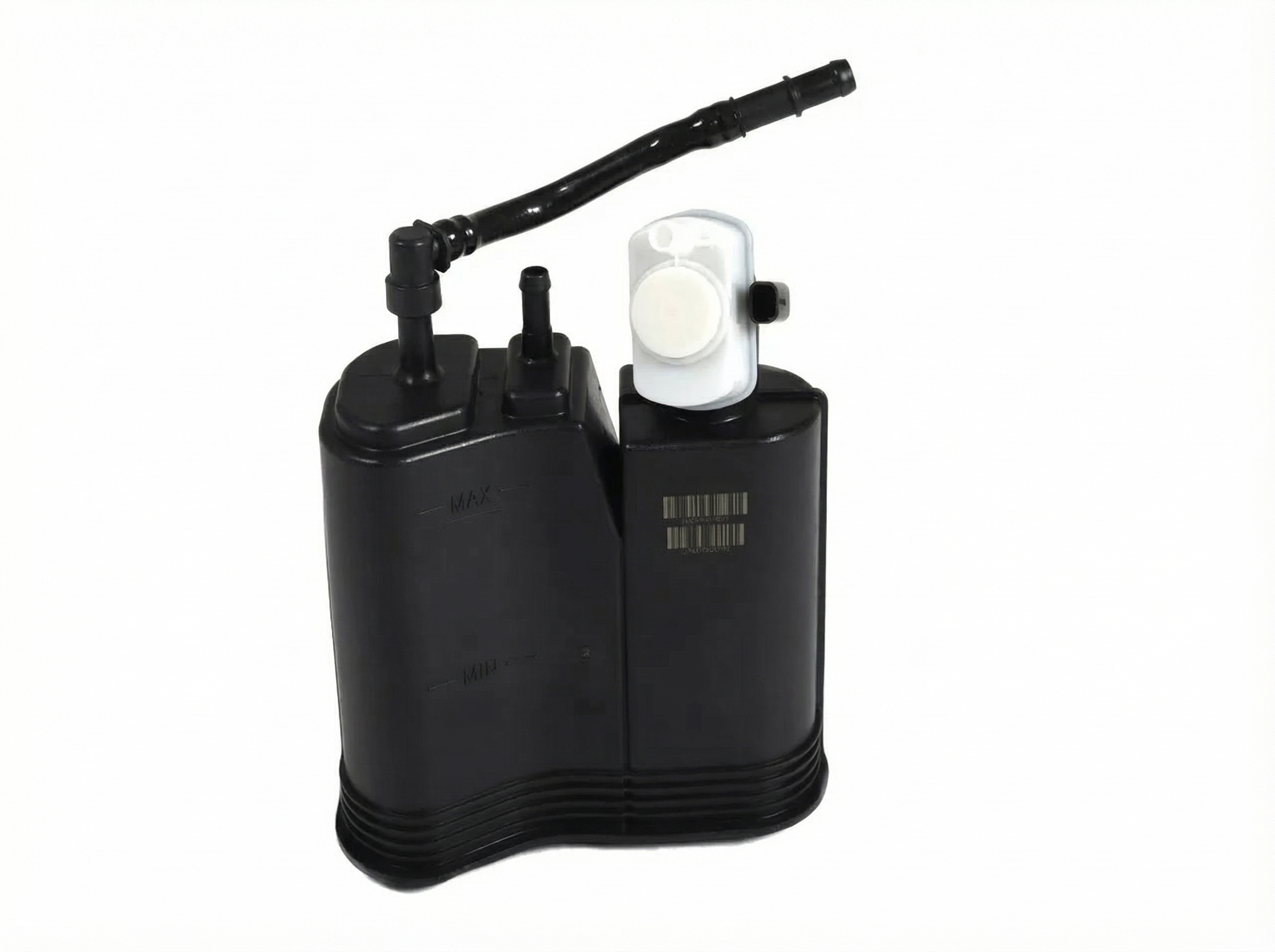
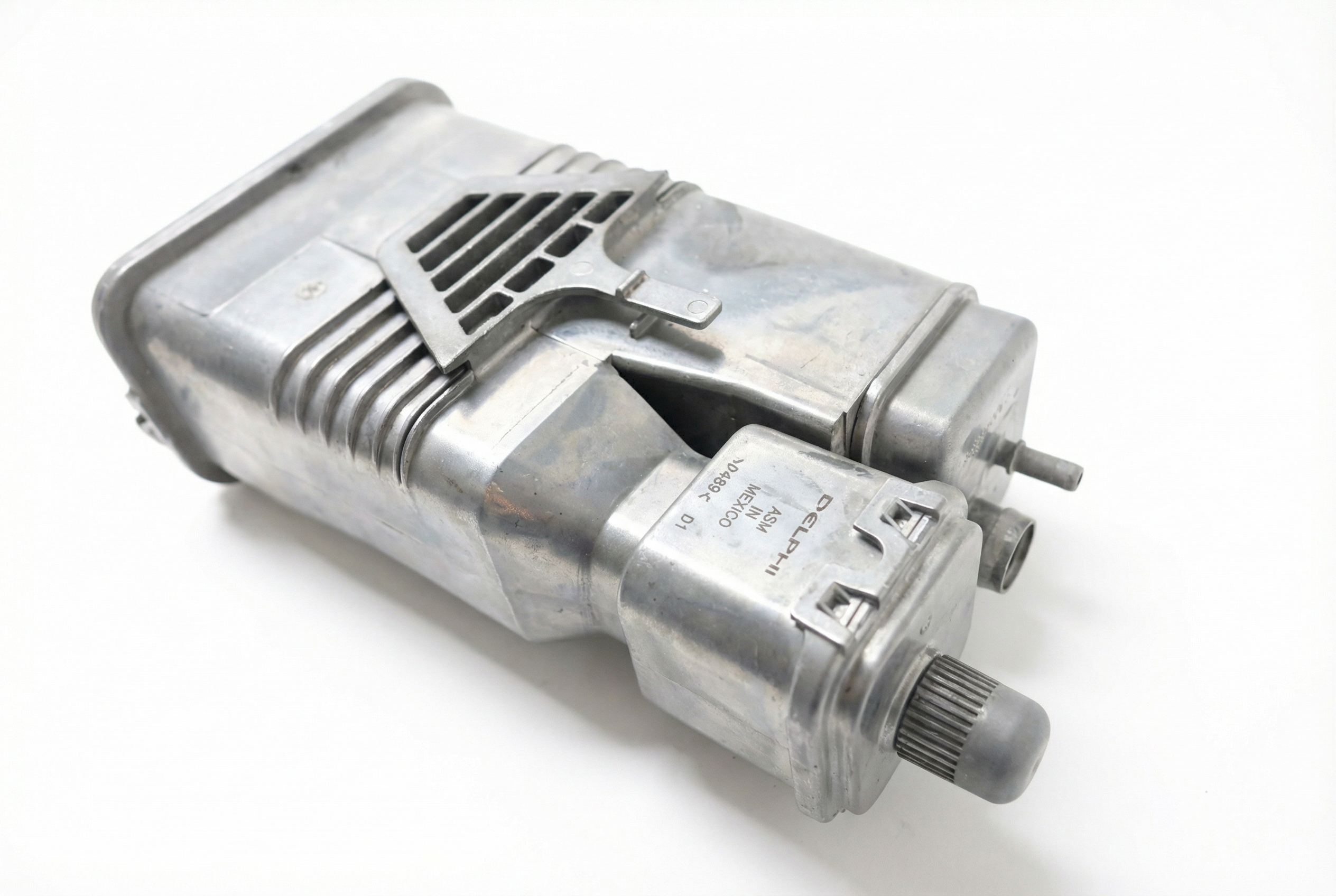
Est. part cost: $40-$120 per injector - Stuck-Open EVAP Purge Solenoid/Valve 🟡 Medium Probability → Shop Vapor Canister The EVAP purge valve controls the flow of fuel vapors from the charcoal canister to the engine. These valves can get stuck open, allowing a constant stream of fuel vapors into the intake manifold, which the PCM doesn't account for, leading to a rich mixture.
How to confirm: With the engine off, disconnect the purge valve and try to blow through it. If air passes through, the valve is stuck open and needs to be replaced. You can also command it with a capable scan tool and listen for a click.
Typical fix: Replace the vapor canister purge solenoid. An example OEM part number is 04862136AD. Also, inspect the plastic 🎬 Watch: How to replace the vapor purge valve and pump. hoses connected to it, as they can become brittle and crack.
Est. part cost: $25-$75 - Faulty MAP Sensor ⚪ Low Probability The Manifold Absolute Pressure (MAP) sensor measures engine load. If it fails and incorrectly reports a high engine load (low vacuum), the PCM will inject more fuel than necessary across both banks.
How to confirm: Use a scan tool to check the MAP sensor reading with the key on, engine off. It should read close to the barometric pressure. Compare its live data reading at idle to a known good specification (typically 17-21 inHg or its kPa equivalent).
Typical fix: Replace the MAP sensor.
Est. part cost: $20-$90 - Cooling System Issue (e.g., Stuck-Open Thermostat) ⚪ Low Probability The 3.6L Pentastar is known for issues with its cooling system components. If the thermostat is stuck open, the engine may not reach its proper operating temperature (around 200-220°F). The PCM will intentionally run a richer fuel mixture (staying in open loop) to compensate, which can eventually trigger a P0175 code.
How to confirm: Monitor the engine coolant temperature on your dashboard or with a scan tool. If the engine takes an unusually long time to warm up or the temperature stays well below the normal operating range, the thermostat is likely stuck open.
Typical fix: Replace the thermostat and housing assembly.
Est. part cost: $50-$150
Rare But Worth Checking
- High Fuel Pressure: Caused by a failing fuel pressure regulator or a clogged fuel return line. This is less common on modern returnless fuel systems but still possible. A fuel pressure test is required to confirm. If pressure is high, it will usually cause rich codes on both banks (P0172 and P0175).
- PCM Software Issue: A Technical Service Bulletin (TSB 18-004-17 for a Jeep Wrangler with the same engine) exists to fix false codes with a software update. It's worth checking with a dealer if any PCM updates are available for your Durango's specific VIN to address fuel trim or sensor performance issues.
- Contaminated or Faulty MAF Sensor: → Shop Fuel Injection Air Flow Meter While the Pentastar relies heavily on the MAP sensor, it also has a Mass Airflow (MAF) sensor. If the MAF sensor is dirty (especially from an over-oiled aftermarket air filter) or faulty, it can send incorrect air volume data to the PCM, leading to an improper fuel mixture.
Diagnosis Steps
- Scan for Codes: Use an OBD-II scanner to confirm P0175 and check for any other codes. Note the freeze frame data to see the engine conditions when the code was set.
- Analyze Fuel Trims: Observe the Short Term (STFT) and Long Term (LTFT) fuel trims for both Bank 1 and Bank 2. For P0175, you will see significantly negative numbers on Bank 2 (e.g., -15% or more), indicating the PCM is removing fuel. Check if Bank 1 is also negative.
- Check for Common Issues (Both Banks Rich?): If both banks are rich (P0172 and P0175), focus on components affecting the whole engine: test the MAP sensor, check fuel pressure, and inspect the EVAP purge valve.
- Inspect Bank 2 Components (P0175 Only): If only Bank 2 is rich, focus on parts specific to that side.
- Test the Upstream O2 Sensor (B2S1): Graph the Bank 2, Sensor 1 voltage. It should switch rapidly between ~0.1V and ~0.9V. If it's stuck high or slow to respond, it's a primary suspect.
- Inspect for Leaking Fuel Injectors: Perform a fuel pressure leak-down test. If pressure drops, pull the spark plugs on Bank 2 (cylinders 2, 4, 6) and inspect for signs of excess fuel (black, sooty, or wet).
- Check Cooling System: Ensure the engine is reaching and maintaining its normal operating temperature (~200-220°F). If it's running cool, investigate the thermostat.
- Visual Inspection: Check for any obvious issues like damaged wiring to sensors on Bank 2, exhaust leaks before the O2 sensor, or cracked vacuum lines.
Parts You'll Likely Need
- Upstream Oxygen Sensor (Bank 2, Sensor 1)
(OEM #5149171AB)— This is the primary sensor for fuel control on Bank 2 and is a common wear item. A faulty sensor is a frequent cause of rich codes.
Trusted brands: Mopar, NTK, Denso, Bosch
OEM price range: $70-$130
Aftermarket price range: $40-$80 - Fuel Injector
(OEM #05184085AC (2011-15), 5281239AA (2016-17), 05281427AA (2018+))— A leaking fuel injector is a common cause of a rich condition isolated to a single bank. Part numbers vary by year, so confirm before ordering.
Trusted brands: Mopar, Bosch
OEM price range: $80-$120
Aftermarket price range: $40-$90 - Vapor Canister Purge Solenoid — A purge valve stuck open allows unmetered fuel vapor into the engine, which can cause rich codes on one or both banks.
Trusted brands: Mopar, Standard Motor Products (SMP)
OEM price range: $50-$90
Aftermarket price range: $25-$75 - MAP Sensor
(OEM #05033310AC)— Though less common, a faulty MAP sensor can provide incorrect engine load data, causing the PCM to enrich the fuel mixture across both banks.
Trusted brands: Mopar, Delphi, NGK/NTK
OEM price range: $90-$140
Aftermarket price range: $20-$70
Related Codes That Often Appear With This One
- P0172 — This is the same 'System Too Rich' code but for Bank 1 (driver's side). If both P0172 and P0175 are present, it points strongly to a cause common to both banks, such as a faulty MAP sensor, high fuel pressure, or a stuck EVAP purge valve.
- P0300, P0302, P0304, P0306 — These are misfire codes for Bank 2 cylinders (P0300 is random misfire). A severe rich condition can foul the spark plugs with fuel and carbon, leading to misfires on that bank. A P0175 paired with a single cylinder misfire (e.g., P0304) is a strong indicator of a leaking injector in that specific cylinder.
Technical Service Bulletins (TSBs) & Recalls
- 18-070-22
- 18-004-17
- S1709000010 RevB
- 9003355
- NHTSA #10223257
Platform-Specific Known Issues
- Fuel Pump Relay Recall: On 2011-2013 models, the fuel pump relay is integrated into the TIPM (fuse box) and is subject to a recall. While failure typically causes a no-start, an intermittent fault could potentially affect fuel pressure.
- Fuel Rail Crossover Tube Recall: A recall was issued for some 2016 models for a fuel rail tube that could be damaged, leading to a fuel leak. This could affect fuel pressure and contribute to rich conditions.
- Cooling System Vulnerabilities: The 3.6L Pentastar engine is known for issues with its thermostat housing and water pump. A failure that causes the engine to run too cool will make the computer command a rich mixture.
Mechanic-Grade Diagnostic Values
- Fuel Pressure (Key On, Engine Off) — expected: 58 psi. Failure: Pressure that drops quickly after the pump primes indicates a potential leak in the system, possibly a leaking fuel injector.
- Oil Pressure at Warm Idle — expected: 26-30 psi. Failure: Significantly lower pressure could indicate internal engine wear, but is not a direct cause of P0175. This is a general health check value.
- Oil Pressure Under Load (Driving) — expected: Varies, can be 60-70 psi. Failure: The 3.6L has a variable displacement oil pump, so pressure changes with RPM. Low pressure under load is a sign of a failing pump or other internal issues.
Scan Tool Commands That Help
- wiTECH (OEM FCA Tool): Fuel Injector Balance Test — This function allows the technician to individually disable each fuel injector on Bank 2. When a leaking injector is disabled, the negative fuel trim for that bank should show a significant move toward 0%, confirming which cylinder is causing the rich condition.
- wiTECH (OEM FCA Tool): O2 Sensor Heater Test — This command directly tests the heater circuit of the Bank 2, Sensor 1 O2 sensor. A failure here will cause the sensor to be slow to respond, especially on cold starts, leading to incorrect fuel trim adjustments and potentially a P0175 code.
Wiring & Ground Locations
- G904 / G905 — Lower left side of the engine block.. These are primary engine block grounds. A corroded or loose connection here can create electrical noise and voltage offsets, affecting sensor readings, including the O2 sensors and fuel injectors, potentially leading to incorrect fuel calculations.
- G907a (3.6L) — Lower right front of the engine compartment.. This ground point is on the same side as Bank 2 (passenger side). Poor grounding here can directly impact the Bank 2 O2 sensor's ability to provide an accurate signal to the PCM, as sensor voltage is measured relative to ground.
- Bank 2 Sensor 1 Connector — On the passenger side of the engine, attached to the exhaust manifold before the catalytic converter. The electrical connector is typically clipped to the engine or a nearby bracket.. This is the direct connection point for the primary O2 sensor controlling Bank 2 fuel trims. It is exposed to high heat and vibration, making it a common point for wire damage, melting, or corrosion that can disrupt the sensor signal and cause a P0175 code.
OEM Part Supersession History
5149171AA, 68066160AA→05149171AB— Part consolidation and potential minor internal revisions for durability.
Heads up: Part 05149171AB is listed for multiple positions and engines, including the 3.6L. Always verify fitment with VIN, but it is the common service replacement for upstream and downstream sensors on many models.5184085AC, RL184085AC→5184085AD— Updates to address potential reliability issues or manufacturing process changes.
Heads up: This injector is used across a wide range of 3.6L Pentastar applications from 2011-2020. The 'AD' revision is the standard replacement for the earlier 'AC' part.
Model Year Variations Within This Range
- 2016-2024: The 3.6L Pentastar engine was significantly updated (Pentastar Upgrade or 'PSU'). Changes included a two-stage variable valve lift (VVL) system, higher compression ratio (11.3:1 vs 10.2:1), new fuel injectors, and new ignition coils. While the fundamental causes of P0175 remain the same, part numbers for injectors and some sensors may differ from the 2011-2015 models. The updated engine also lost its flex-fuel capability in some applications.
- 2011-2015: Early versions of the 3.6L Pentastar were more prone to certain issues like roller rocker arm failures and oil cooler housing cracks, though these don't directly cause P0175, they indicate a different set of common maintenance items to be aware of when diagnosing. These models generally use 5W-20 oil, whereas later models may specify 0W-20.
Diagnostic Flowchart
Other Known Issues on This Vehicle
Issues unrelated to this code that are worth knowing about as an owner of this generation:
- Cracked Oil Filter/Cooler Housing 🔴 High — Extremely common, especially on 2014+ models. The plastic housing sits in the hot engine valley and becomes brittle, leading to significant oil or coolant leaks. (Ref: Multiple TSBs exist, including guidance to avoid unnecessary replacement (NHTSA #10223257). An updated all-aluminum part is a popular aftermarket fix.)
- Rocker Arm and Lifter Failure ('Pentastar Tick') 🔴 High — Widespread issue, particularly on 2011-2016 engines, but can occur at any mileage. Caused by premature wear of the rocker arm's needle bearings. (Ref: Subject of class-action lawsuits. TSB S1709000010 RevB addresses diagnosis. The fix involves replacing the faulty rocker arms and potentially the camshafts if they are scored.)
- Cylinder Head Failure (Left Bank) 🟠 Medium — More common on early (2011-2013) Pentastar engines, particularly in Jeep Wranglers, but has been seen on Durangos. Often presents as a P0302, P0304, or P0306 misfire. (Ref: An extended warranty was offered for the left cylinder head on some models. TSB 9003355 addresses multiple cylinder head replacements.)
- Water Pump and Thermostat Housing Failure 🟠 Medium — The water pump can fail internally, and the plastic thermostat housing is prone to cracking and leaking, leading to overheating conditions.
Used vs. New Parts: Buying Guide for This Vehicle
When a used part is the smart pick: Used parts make the most sense for large, non-wear mechanical components like an intake manifold or a fuel rail if they are damaged. For a code like P0175, most common causes are sensors or injectors which are not ideal to buy used.
Donor-vehicle mileage cap: roughly under 60000 miles for the part to have meaningful remaining life.
What to inspect on the donor part:
- For sensors/injectors, ensure the donor vehicle was not in a front-end collision.
- Check electrical connectors for signs of corrosion, melting, or brittle plastic.
- If possible, check the donor vehicle's history for any recurring check engine lights.
- Avoid parts from vehicles that show signs of overheating (discolored plastics, burnt smells in the engine bay).
OEM-only on this vehicle (don't cheap out):
- PCM/Engine Computer: Used PCMs are often VIN-locked and require dealer programming, making them a poor choice for DIY repair.
- Fuel Injectors: While some aftermarket injectors work, OEM Mopar injectors are recommended for the best compatibility and to avoid flow rate mismatches that can cause persistent fuel trim issues.
Aftermarket brands forum-validated for this vehicle:
- O2 Sensors: NTK and Denso are highly recommended and are often the original equipment manufacturer (OEM) for Mopar. Owners report excellent compatibility with Chrysler electronics.
- EVAP Purge Valve: Standard Motor Products (SMP) is a generally reliable aftermarket choice.
Brands owners have reported issues with on this vehicle:
- O2 Sensors: Some owners of Chrysler/Dodge/Jeep vehicles have reported issues with Bosch O2 sensors causing erratic readings or premature failure, even if they are listed as compatible. It is safer to stick with NTK or Denso.
Real Owner Stories
Aggregated from forums and TSBs cited above. Mileages and costs reflect what owners reported in those sources.
2014 Dodge Durango 3.6L
Symptoms: System too rich Bank 1 and 2; oil cooler leaking.
What fixed it: Addressed oil cooler leak and checked fuel trim issues related to rich condition.
Source hint: https://www.bobistheoilguy.com/forums/threads/2014-dodge-durango-3-6l-oil-cooler-leaking.257436/
2011-2024 Dodge Durango 3.6L — ~100000 miles
Symptoms: Fuel smell during cold starts; rich condition on Bank 2.
What fixed it: Replacement of fuel injector O-rings which commonly fail between 80,000-120,000 miles.
Source hint: Article Context - common_causes
2011-2013 Dodge Durango 3.6L
Symptoms: Intermittent fuel pressure issues and potential rich condition; vehicle subject to TIPM-related fuel pump relay failure.
What fixed it: Fuel pump relay recall service (TIPM repair).
Source hint: Article Context - vehicle_specific_issues
Manufacturer Model Reference — Rich Condition and Shaking
Symptoms: An owner reported the vehicle started shaking on a trip, with codes P0172 and P0175 present for nearly two months despite replacing spark plugs, O2 sensors, and fuel injectors.
What fixed it: Ongoing diagnostic challenge involving multiple component replacements (NHTSA ODI #11534233).
Manufacturer Model Reference — Multiple Codes and Bucking
Symptoms: An owner described the engine bucking and skipping with a series of codes including P0175, P0152, and misfire codes P0302, P0304, and P0306.
What fixed it: The event occurred in a driveway and the vehicle ran fine after driving about a half mile (NHTSA ODI #11415608).
Related OBD-II Codes
Frequently Asked Questions
Is there a recall for the fuel system on my 2011-2013 Dodge Durango that could cause a rich condition?
My 2014 Durango 3.6L is running cool and throwing P0175. Could the thermostat be the cause?
Which oxygen sensor do I need to replace for a P0175 code on my Durango V6?
I have a fuel smell during cold starts on my 100,000-mile Durango. Is this related to P0175?
Can a faulty EVAP purge valve cause P0175 on the 3.6L Pentastar?
Helpful Videos

Used OEM Parts in Stock

New Aftermarket Parts Available


The information in this article is provided for general reference and educational purposes only. Vehicle specifications, procedures, and part compatibility can vary by production date, trim level, and region. Always consult your vehicle's factory service manual and verify part numbers before purchasing or performing repairs. Safety-critical components such as airbags, seat belts, and braking systems should be installed by a qualified professional.
- Dodge Durango:
- 🧭 Diagnostic Flowchart
- 🎬 Helpful Videos
- 🛍️ Shop This Part
- What's Unique About the 2011-2024 Dodge Durango
- Symptoms You May Notice
- Most Likely Causes
- Rare But Worth Checking
- Diagnosis Steps
- Parts You'll Likely Need
- Related Codes That Often Appear With This One
- Technical Service Bulletins (TSBs) & Recalls
- Platform-Specific Known Issues
- Mechanic-Grade Diagnostic Values
- Scan Tool Commands That Help
- Wiring & Ground Locations
- OEM Part Supersession History
- Model Year Variations Within This Range
- Other Known Issues on This Vehicle
- Used vs. New Parts: Buying Guide for This Vehicle
- Real Owner Stories
- 2014 Dodge Durango 3.6L
- 2011-2024 Dodge Durango 3.6L — ~100000 miles
- 2011-2013 Dodge Durango 3.6L
- Manufacturer Model Reference — Rich Condition and Shaking
- Manufacturer Model Reference — Multiple Codes and Bucking
- Related OBD-II Codes
- Frequently Asked Questions
- 🎟️ Get 5% Off