

P0175 on 2014-2018 GMC Sierra 1500: System Too Rich Bank 2 Causes and Fixes
P0175 on a 2014-2018 GMC Sierra means the engine is running too rich on Bank 2. The most common cause for this specific truck generation is a faulty high-pressure fuel pump leaking fuel into the crankcase. Other likely causes include a dirty Mass Air Flow (MAF) sensor, or an incorrect fuel alcohol reading on Flex Fuel models. A diagnostic scan to check fuel trims and other sensor data is crucial before replacing parts.
- P0175 on a 2014-2018 Sierra means Bank 2 is too rich; if P0172 is also present, the problem affects the whole engine.
- The most likely causes specific to this truck are a leaking high-pressure fuel pump, a dirty MAF sensor, or an incorrect fuel alcohol reading (on Flex Fuel models).
- Before replacing any parts, check the oil for a fuel smell and use a scan tool to check fuel trims and fuel alcohol percentage.
- A simple MAF sensor cleaning or a fuel composition reset with a scan tool can be a cheap and easy fix.
- A leaking high-pressure fuel pump is a serious and more expensive repair that should be addressed promptly to avoid engine damage.
What's Unique About the 2014-2018 Gmc SIERRA 1500

For the 2014-2018 GMC Sierra with direct injection EcoTec3 engines (5.3L L83 and 6.2L L86), a very common cause for rich codes like P0175 (often appearing with P0172 for Bank 1) is the high-pressure fuel pump (HPFP) failing and leaking fuel internally into the crankcase. These fuel vapors are then drawn into the intake through the Positive Crankcase Ventilation (PCV) system, creating a rich condition that the MAF sensor cannot account for. 🎬 Watch: Diagnostic walkthrough for rich codes and GM service bulletins. Additionally, if the truck is a Flex Fuel model, an incorrect fuel alcohol composition reading can trick the computer into injecting too much gasoline, a known issue that can sometimes be fixed with a scan tool reset.
Diagnostic Flowchart

Tap your situation to follow the diagnostic path that matches what you're seeing on this vehicle.
Symptoms You May Notice

- Check Engine Light is on
- Rough idle
- Poor fuel economy
- Sputtering or hesitation when accelerating
- Strong smell of fuel from the exhaust
- Black smoke from the exhaust in severe cases
- Hard shifting
- Engine shuttering slightly when turning off
- Replacing oxygen sensors without checking fuel trims and other sensor data first. A rich code is often caused by an issue upstream of the O2 sensor, and the sensor is simply reporting the problem correctly.
- Replacing the MAF sensor without first attempting to clean it or checking for the casting flash issue noted in TSB PIP5446A.
Most Likely Causes

- Leaking High-Pressure Fuel Pump (HPFP) 🔴 High Probability → Shop Fuel Pump The direct-injection engines in this generation of Sierra (4.3L LV3, 5.3L L83, 6.2L L86) have a camshaft-driven high-pressure fuel pump located in the engine valley. It is a widely documented failure point where the pump's internal seals fail, leaking fuel directly into the crankcase. The PCV system then pulls these unmetered fuel vapors into the intake, causing severely negative fuel trims and setting P0172 and P0175.
How to confirm: A strong smell of gasoline on the engine oil dipstick is the most definitive sign. A more technical confirmation involves using a scan tool to monitor fuel trims, then disconnecting the PCV hose from the intake manifold and capping the port. If the long-term fuel trims quickly start to improve (move from -25% towards 0%), it confirms the crankcase vapors are the source of the extra fuel, pointing to a failed HPFP.
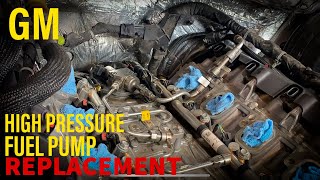
Typical fix: Replacement of the high-pressure fuel pump and an immediate oil and filter change are required to remove the fuel-contaminated oil. This is a labor-intensive job as the intake manifold must be removed to access the pump. The low-pressure and high-pressure fuel lines connected to the pump are often replaced at the same time.
Est. part cost: $250-$500 - Incorrect Fuel Alcohol Content Reading (Flex Fuel Vehicles) 🟡 Medium Probability These trucks do not use a physical sensor to measure ethanol content. Instead, the PCM calculates it based on inputs from the fuel level sensor and oxygen sensors. This algorithm can become skewed, causing the computer to think there is a high percentage of ethanol (e.g., 60-85%) in the fuel even when running on pure gasoline. Since E85 requires a richer mixture, the PCM incorrectly commands more fuel, leading to P0172/P0175 codes.
How to confirm: Use a scan tool to view the "Fuel Alcohol Percentage" or similar PID. If the vehicle has only been run on gasoline, this value should be very low (typically under 10%). If it shows a high value, it is incorrect. One user noted their long-term fuel trims were at -30% and the scanner showed an alcohol content of 40% while using regular gas, pointing to this issue.
Typical fix: A scan tool with bidirectional controls is required to perform a "Fuel Composition Reset" and a "Fuel Trim Reset". This forces the computer to relearn the correct alcohol content. After the reset, the vehicle may need to be driven for a while for the fuel trims to return to normal.
Est. part cost: $0 - Dirty or Faulty Mass Air Flow (MAF) Sensor 🟡 Medium Probability → Shop Fuel Injection Air Flow Meter The MAF sensor can become contaminated with dirt or oil, causing it to under-report the amount of air entering the engine. The PCM then injects the correct amount of fuel for the reported air, which is too much for the actual airflow, creating a rich condition. TSB #PIP5446A also notes that excessive plastic casting flash in the air filter housing near the MAF sensor can disrupt airflow and cause rich or lean codes.
How to confirm: Inspect the sensor for contamination. A technician can monitor the MAF sensor's readings on a scan tool to see if they are plausible for the given engine speed and load. Unplugging the sensor forces the engine into a speed-density mode; if the fuel trims improve, the MAF is suspect. Inspect the air filter housing outlet for the casting flash mentioned in TSB PIP5446A.
Typical fix: First, try cleaning the sensor with a dedicated MAF sensor cleaner. If that doesn't work, or if the TSB's cast flashing issue is present, the sensor may need replacement or the air filter housing lid may need to be replaced.
Est. part cost: $10-$150 - Faulty Bank 2 Upstream Oxygen (O2) Sensor ⚪ Low Probability → Shop Oxygen Sensor An O2 sensor can become slow, biased, or contaminated, sending incorrect signals to the PCM. It might falsely report a lean condition, causing the PCM to add fuel until it creates an actual rich condition which is then reported by the fuel trims. However, it's more common for the O2 sensor to be correctly reporting a problem caused by another component.
How to confirm: A scan tool is used to graph the live data from the Bank 2 Sensor 1 (upstream) oxygen sensor. It should switch rapidly between high (rich, >0.8V) and low (lean, <0.2V) voltage. If it is stuck high or slow to respond, it is likely faulty.
Typical fix: Replace the Bank 2, Sensor 1 (upstream) oxygen sensor.
Est. part cost: $50-$120
Rare But Worth Checking
- Leaking Fuel Injector(s) on Bank 2: → Shop Fuel Injector A fuel injector can get stuck open or leak fuel into a cylinder. This is less common than the HPFP issue but can cause similar symptoms. A fuel pressure leakdown test can help diagnose this; after priming the system, the pressure should not drop significantly.
- Stuck Open EVAP Purge Solenoid: → Shop Vapor Canister If the EVAP purge solenoid sticks open, it can allow unmetered fuel vapors from the charcoal canister to be drawn into the engine at idle, causing a rich condition. This can be tested by disconnecting the purge line to the intake and plugging the port to see if fuel trims improve.
- Short-Trip Driving (Software/PCV Issue): TSB 18-NA-246 suggests that frequent short-trip driving can cause fuel to accumulate in the oil. The fix involves an ECM software update, an oil change, and potentially installing a revised PCV valve for 2016-2019 models.
Diagnosis Steps
- Use an OBD-II scanner to confirm P0175 and check for any other codes, especially P0172.
- View live data on the scanner. Check Long-Term Fuel Trim (LTFT) for Bank 2. For P0175, it will be highly negative (e.g., -20% or more). If P0172 is also present, check Bank 1.
- Inspect the engine oil dipstick. Pull it out and smell it. A strong gasoline odor is a primary indicator of a leaking high-pressure fuel pump.
- If the vehicle is Flex Fuel capable, check the "Fuel Alcohol Percentage" PID on the scan tool. If it's high (e.g., >15%) but you've only used gasoline, perform a "Fuel Composition Reset" using a bidirectional scanner.
- To confirm a leaking HPFP, warm up the engine, note the negative fuel trims, then disconnect the main PCV hose from the intake manifold and securely plug the port on the manifold. If the fuel trims begin to rise toward 0%, the HPFP is confirmed to be leaking fuel into the crankcase.
- Inspect the air intake system for obstructions and check the air filter. Inspect the intake tube near the MAF sensor for any plastic casting flash as described in TSB #PIP5446A.
- Clean the MAF sensor with dedicated MAF sensor cleaner. Do not touch the sensitive wires. Re-evaluate fuel trims after cleaning.
- If the issue persists, more advanced diagnostics are needed, such as testing for a stuck-open EVAP purge valve or performing a fuel pressure leakdown test to check for leaking injectors.
Parts You'll Likely Need
- High-Pressure Fuel Pump
(OEM #ACDelco HPM1014 (or GM 12691963))
Related Codes That Often Appear With This One
- P0172 — System Too Rich (Bank 1). When both P0172 and P0175 are present, it strongly indicates a problem affecting both engine banks, such as the high-pressure fuel pump, skewed fuel alcohol content, or a faulty MAF sensor.
- P0101 — Mass Air Flow (MAF) Circuit Range/Performance. This code often appears with fuel trim codes when the MAF sensor is faulty or there is an airflow obstruction, as noted in TSB #PIP5446A.
- P0300 — Random/Multiple Cylinder Misfire Detected. A very rich mixture can foul spark plugs and cause misfires, especially at idle.
Technical Service Bulletins (TSBs) & Recalls
- PIP5446A: Mentions that casting flash in the air filter housing near the MAF sensor can cause erratic airflow and trigger P0175 among other codes.
- 18-NA-246: Addresses P0172/P0175 codes caused by fuel accumulation in engine oil from frequent short trips. Recommends an ECM software update, oil change, and a revised PCV valve for certain model years.
Platform-Specific Known Issues
- TSB #PIP5446A points to potential cast flashing near the Mass Air Flow sensor in the intake housing, which can disrupt airflow and trigger fuel trim codes including P0175.
- TSB #20-NA-098 notes that installing the incorrect type of fuel injector during a repair can lead to fuel trim codes like P0175. GM uses flow-matched injectors, and using the wrong one can unbalance the system.
- A leaking high-pressure fuel pump is a well-documented issue on GM's direct injection V8s from this era, frequently causing P0172 and P0175 codes simultaneously.
Mechanic-Grade Diagnostic Values
- Low-Pressure Fuel System — expected: 55-62 psi (385-425 kPa) with key on, engine off. May drop to around 45 psi while driving.. Failure: Pressure significantly below 55 psi at KOEO or pressure that drops off quickly after the pump primes.
- High-Pressure Fuel System (Direct Injection) — expected: Around 300-400 psi while cranking, rising significantly once the engine starts. A healthy system requires a low-pressure supply of around 72 psi.. Failure: Low fuel rail pressure during cranking (as noted in TSB PIP5130C) or pressure that doesn't hold.
- Long-Term Fuel Trims (LTFT) at Idle — expected: Close to 0%, typically within +/- 5%.. Failure: Highly negative values, such as -20% to -30%, indicate the PCM is removing a large amount of fuel.
Scan Tool Commands That Help
- GDS2 or similar bidirectional scanner: Fuel Composition Reset — Use when the 'Fuel Alcohol Percentage' PID shows a high value on a vehicle that has only been using gasoline. This resets the learned alcohol content to a baseline, which can correct an erroneously rich command.
- GDS2 or similar bidirectional scanner: Fuel Trim Reset — After performing a repair (like replacing a fuel pump or MAF sensor) or after a Fuel Composition Reset, this command clears the long-term learned values, allowing the PCM to adapt to the new conditions more quickly.
- GDS2 or similar bidirectional scanner: Injector Balance Test — To diagnose a potentially leaking or faulty injector. The tool will pulse individual injectors while monitoring fuel pressure drop, which should be consistent across all cylinders.
- GDS2: Camshaft Position Actuator Solenoid Valve Control — As per TSB PIP5130C, if a crank-no-start condition (P00C6) accompanies rich codes, cycling the cam phaser solenoid can help diagnose if it is stuck, which can affect timing and fuel delivery.
Wiring & Ground Locations
- G218 — Under the passenger side dash, behind the kick panel area.. A poor ground connection at this location is a known issue that can cause various electrical problems and erratic sensor readings for components controlled by the Body Control Module (BCM), which communicates with the ECM.
- G110 / G114 — These are body and engine harness grounds. While a TSB specifically mentions them for 2019+ models, similar frame and body grounds are critical on 2014-2018 models.. The ECM and its sensors (O2, MAF, etc.) rely on clean ground paths. A corroded or loose main engine or body ground can introduce noise and voltage offsets, leading to incorrect sensor readings and faulty fuel trim calculations.
- Battery to Frame Ground — A wire running from the negative battery terminal to a bolt on the vehicle's frame.. This is a primary ground for the entire electrical system. Corrosion or looseness here can cause widespread, hard-to-diagnose issues, including problems with the ECM and fuel system components.
Real Owner Repair Stories
- YouTube channel 'Flying Wrenches' (2015 Chevrolet Silverado 5.3L) — Check engine light with codes P0172 and P0175. Negative fuel trims indicating a rich condition.
❌ Tried (didn't work) Initial diagnosis pointed towards a system-wide rich condition affecting both banks.
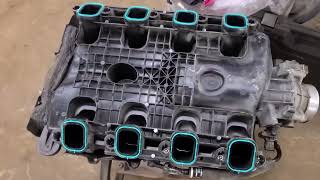
✅ What actually fixed it The high-pressure fuel pump was found to be leaking fuel into the crankcase. Replacing the high-pressure fuel pump, the high-pressure fuel line, and the intake gaskets resolved the issue. An oil change was also performed to remove contaminated oil. - Reddit user in r/MechanicAdvice (2018 GMC Sierra 1500 5.3L) — Rough idle, weak acceleration, poor fuel mileage, codes P0172 and P0175.
❌ Tried (didn't work) Replaced MAF sensor, Replaced PCV valve, Replaced spark plugs, Cleaned throttle body, Changed engine oil
✅ What actually fixed it The user confirmed the vehicle was Flex Fuel capable. A commenter suggested checking the fuel alcohol content percentage with a scan tool and performing a reset, as this is a known cause for these codes when the value is skewed high.
"I Checked Everything" — The Actual Cause
- In many cases involving P0172/P0175 on these trucks, a smoke test for vacuum leaks will come back clean. The root cause is often not unmetered air entering the system, but unmetered *fuel* entering via the PCV system from a leaking high-pressure fuel pump, or the ECM commanding too much fuel due to a skewed alcohol content reading. Both of these issues would not be found with a smoke test.
OEM Part Supersession History
12649902, 12673522→12691963— Standard part evolution for improved reliability or manufacturing changes.
Heads up: GM part 12691963 is the current replacement for the earlier numbers and is specified for this vehicle range.
Model Year Variations Within This Range
- 2014-2019: The primary 5.3L V8 engine is the L83. A variant, the L8B, was used from 2016-2018 with the eAssist mild-hybrid system, which uses a Belt Alternator Starter (BAS3) instead of a traditional alternator but shares most core engine components with the L83.
- 2014-2018: The 6-speed (6L80) automatic transmission was standard initially. The 8-speed (8L90) automatic transmission became more common in later years of this generation, often paired with the 6.2L L86 engine or higher trim 5.3L trucks. Transmission type does not directly affect the P0175 code, but it is a key vehicle variation.
Helpful Videos
Used OEM Parts in Stock
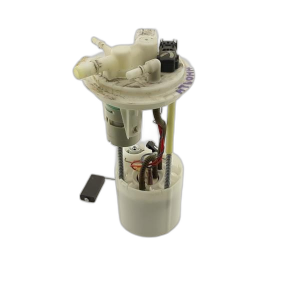
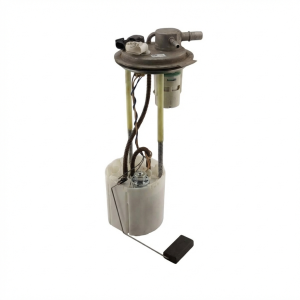
New Aftermarket Parts Available
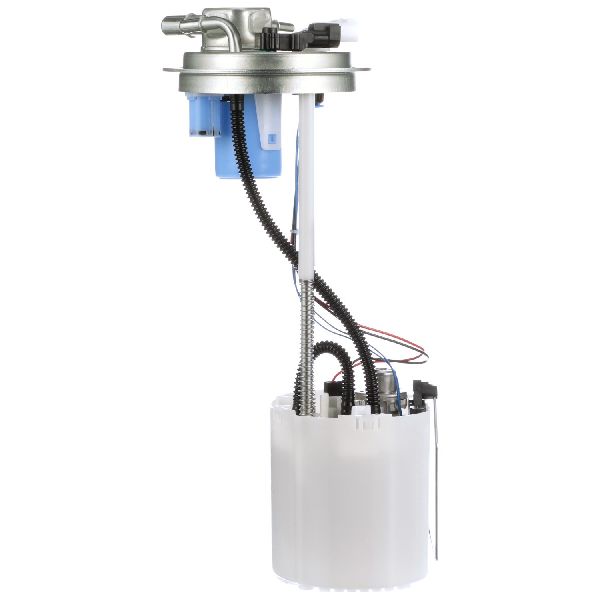
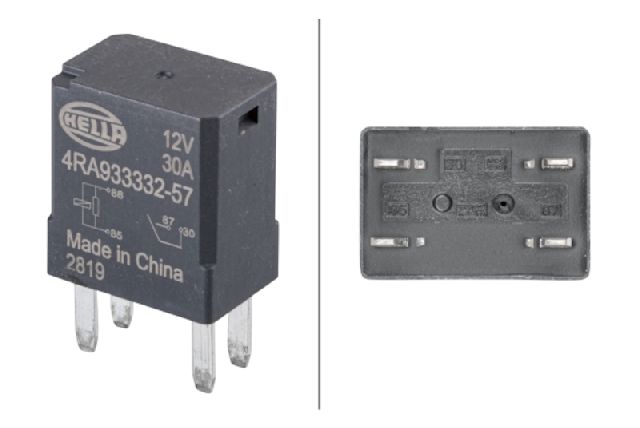




The information in this article is provided for general reference and educational purposes only. Vehicle specifications, procedures, and part compatibility can vary by production date, trim level, and region. Always consult your vehicle's factory service manual and verify part numbers before purchasing or performing repairs. Safety-critical components such as airbags, seat belts, and braking systems should be installed by a qualified professional.
- Gmc SIERRA 1500:
- 🧭 Diagnostic Flowchart
- 🎬 Helpful Videos
- 🛍️ Shop This Part
- What's Unique About the 2014-2018 Gmc SIERRA 1500
- Symptoms You May Notice
- Most Likely Causes
- Rare But Worth Checking
- Diagnosis Steps
- Parts You'll Likely Need
- Related Codes That Often Appear With This One
- Technical Service Bulletins (TSBs) & Recalls
- Platform-Specific Known Issues
- Mechanic-Grade Diagnostic Values
- Scan Tool Commands That Help
- Wiring & Ground Locations
- Real Owner Repair Stories
- "I Checked Everything" — The Actual Cause
- OEM Part Supersession History
- Model Year Variations Within This Range
- 🎟️ Get 5% Off