

P0175 on 2004 Isuzu Rodeo 3.5L V6: System Too Rich Causes and Fixes
This code means your engine is getting too much fuel on Bank 2. The most common cause on the 2004 Isuzu Rodeo 3.5L V6 is a faulty fuel pressure regulator. The second most likely cause is a faulty MAP sensor, as this engine does not use a MAF sensor. Start by checking the regulator's vacuum line for fuel, then investigate the MAP sensor.
- P0175 means the engine's Bank 2 (passenger side) is running too rich.
- Start your diagnosis with the easiest and most common fixes: clean the MAF sensor and inspect the fuel pressure regulator's vacuum line for fuel.
- Do not immediately replace the oxygen sensor; it is often just doing its job of reporting the rich condition caused by another component.
- If both P0172 (Bank 1) and P0175 (Bank 2) are present, focus on parts that affect the whole engine, like the MAF sensor or fuel pressure.
- Driving for an extended period with this code can damage your catalytic converter, leading to a much more expensive repair.
What's Unique About the 2004-2004 Isuzu Rodeo
The 3.5L V6 (6VE1) engine in the 2004 Rodeo was available in both standard port injection and a more complex Gasoline Direct Injection (GDI) version. Both are known for the fuel pressure regulator (FPR) failure causing rich conditions. The vacuum-operated FPR diaphragm fails, leaking raw fuel directly into the intake. It's crucial to note this engine uses a Manifold Absolute Pressure (MAP) sensor, not a Mass Airflow (MAF) sensor, to determine engine load. While there are no specific TSBs for P0175, a recall (NHTSA Campaign ID: 05V466000) was issued for 2002-2004 models for fuel pump feed ports that could leak, especially when exposed to silicon-contaminated fuel in certain regions, underscoring a known sensitivity in the fuel system.
Symptoms You May Notice
- Reduced fuel economy
- Strong smell of gasoline from the exhaust
- Black smoke or soot from the tailpipe
- Rough or unstable idle
- Engine hesitation or sluggish acceleration
- Illuminated Check Engine Light
- Replacing the oxygen sensor without first checking for fuel delivery issues like a bad fuel pressure regulator. The O2 sensor is often correctly reporting the rich condition, not causing it.
- Searching for a Mass Airflow (MAF) sensor to clean or replace. The 2004 Isuzu Rodeo with the 3.5L V6 does not have one; it uses a MAP sensor.
Most Likely Causes
- Faulty Fuel Pressure Regulator 🔴 High Probability → Shop Fuel Injection Pressure Regulator The diaphragm inside the regulator is a well-documented failure point. It ruptures, allowing raw fuel to be sucked directly into the intake manifold through the vacuum line, causing a significant rich condition that the ECM cannot compensate for.
How to confirm: Locate the fuel pressure regulator on the driver's side fuel rail. With the engine off, disconnect the small vacuum hose attached to it. If there is liquid fuel inside the hose or a strong smell of fuel from the port, the regulator is bad and must be replaced. This is the most definitive and common confirmation method.
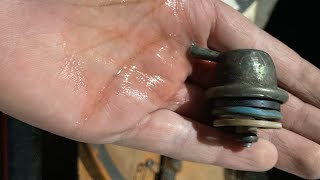
Typical fix: Replace the fuel pressure regulator. After relieving fuel system pressure, the part is held in by a C-clip and can be replaced with basic hand tools. 🎬 Watch this video for a step-by-step fuel pressure regulator replacement. Ensure the new O-rings are properly lubricated and seated.
Est. part cost: $20-$60 - Faulty Manifold Absolute Pressure (MAP) Sensor 🟡 Medium Probability The 3.5L 6VE1 engine uses a MAP sensor, not a MAF sensor. If the MAP sensor incorrectly reports a high engine load (low vacuum), the ECM will command more fuel than necessary, leading to a rich condition across both banks, often setting P0172 and P0175.
How to confirm: Using an OBD-II scanner with live data, check the MAP sensor reading at idle (engine warm, in Park). It should be a low value (e.g., 15-22 inHg or a corresponding low voltage). Compare this to a known good vehicle or specification. If the reading is stuck high, the sensor is likely faulty.
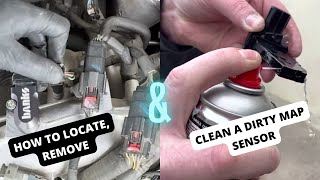
Typical fix: Replace the MAP sensor. It is typically mounted on the intake manifold and is easy to access and replace. 🎬 See how to locate and clean your MAP sensor here.
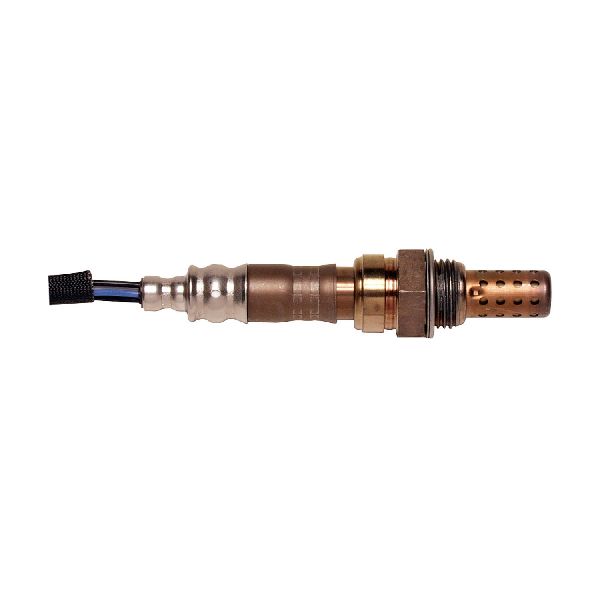
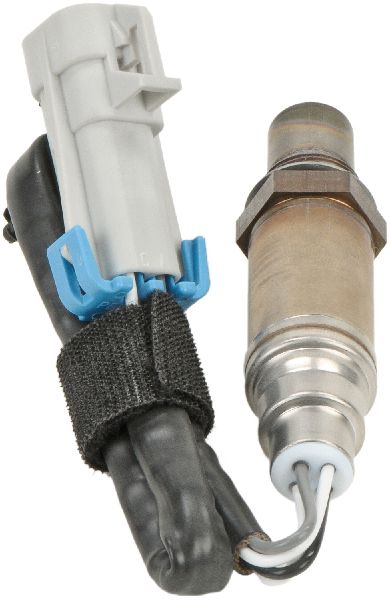
Est. part cost: $40-$100 - Faulty Upstream Oxygen Sensor (Bank 2, Sensor 1) 🟡 Medium Probability → Shop Oxygen Sensor Oxygen sensors degrade over time and can become 'lazy' or biased. A failing sensor might get stuck on a high voltage reading, falsely telling the ECM the mixture is rich, or it may respond too slowly, causing the fuel trim to overcompensate.
How to confirm: Use an OBD-II scanner with live data to monitor the voltage of the Bank 2, Sensor 1 O2 sensor. A healthy sensor's voltage should fluctuate rapidly between approximately 0.1V and 0.9V. If it is stuck high (e.g., >0.8V) or responds very slowly compared to Bank 1's sensor, it has likely failed.
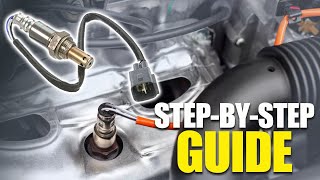
Typical fix: Replace the Bank 2, Sensor 1 oxygen sensor. Bank 2 is the passenger side on the 3.5L V6. The upstream sensor is located on the exhaust manifold before the catalytic converter. 🎬 Follow this guide to learn how to change an oxygen sensor.
Est. part cost: $40-$120 - Leaking Fuel Injector(s) 🟡 Medium Probability → Shop Fuel Injector
How to confirm: Inspect the spark plugs on Bank 2 (passenger side cylinders 2, 4, 6). A plug that is black, sooty, and smells of fuel compared to the others indicates excess fuel in that cylinder. A fuel pressure drop test can also be performed: pressurize the rail and watch for a pressure drop after the pump is off. A drop indicates a leak, possibly from an injector.
Typical fix: Replace the leaking fuel injector and its O-rings. It is often recommended to replace all injectors on that bank or have them all professionally cleaned and tested at the same time.
Est. part cost: $50-$150 per injector
Rare But Worth Checking
- Stuck Open Thermostat or Faulty Engine Coolant Temperature (ECT) Sensor: If the engine doesn't reach its proper operating temperature (typically 180-210°F), the ECM will intentionally keep the fuel mixture rich, similar to a cold-start warm-up cycle. This would usually affect both banks and likely be accompanied by a P0172 code as well, and possibly a P0128 (Coolant Thermostat) code.
- High Fuel Pressure: Beyond the FPR leaking into the vacuum line, the regulator can also fail internally and cause excessively high pressure in the entire fuel rail. This would be confirmed with a fuel pressure gauge and would typically set codes for both banks (P0172 & P0175).
Diagnosis Steps
- Use an OBD-II scanner to confirm P0175 and check for any other codes (especially P0172 or misfire codes). Note the freeze frame data to see the engine conditions when the code was set.
- THE MOST IMPORTANT CHECK: Locate the fuel pressure regulator on the driver's side fuel rail. Disconnect its vacuum hose and check for the presence of raw fuel or a strong fuel smell. If fuel is found, replace the regulator. This is the most common fix.
- If the FPR vacuum line is dry, inspect the engine air filter. A severely clogged filter can restrict airflow and cause a rich condition. Replace if dirty.
- Inspect the air intake tube between the air filter box and the throttle body for any cracks, loose connections, or blockages.
- Using a scan tool with live data, monitor the MAP sensor reading at idle. Compare the reading to specifications to ensure it's not stuck indicating a high load.
- Connect a fuel pressure gauge to the fuel rail. Check that the pressure is within the manufacturer's specifications (typically around 40-50 psi, but confirm for your specific model). Excessively high pressure points to a faulty regulator or a restricted fuel return line.
- Using the scan tool, observe the live data for the Bank 2, Sensor 1 oxygen sensor. If the voltage is stuck high (above 0.8v) or is very slow to change compared to Bank 1, the sensor is likely faulty.
- If other steps have not identified the issue, remove and inspect the spark plugs from Bank 2 (cylinders 2, 4, 6). Plugs that are black and sooty are a strong indicator of a leaking fuel injector in that cylinder.
Parts You'll Likely Need
- Fuel Pressure Regulator
(OEM #8-19245-527-0 (replaces 8-17113-398-0))— This is the most common failure point that directly causes a rich condition by leaking fuel into the intake.
Trusted brands: Standard Motor Products, SKP, Delphi
OEM price range: $70-$110
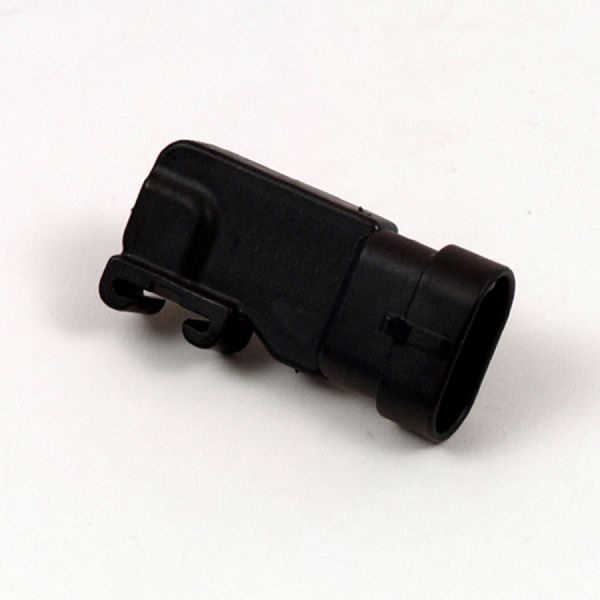
Aftermarket price range: $20-$60 - Manifold Absolute Pressure (MAP) Sensor — This vehicle uses a MAP sensor, not a MAF. A faulty MAP sensor can cause an incorrect air-fuel mixture calculation, leading to this code.
Trusted brands: Delphi, Standard Motor Products
OEM price range: $80-$150
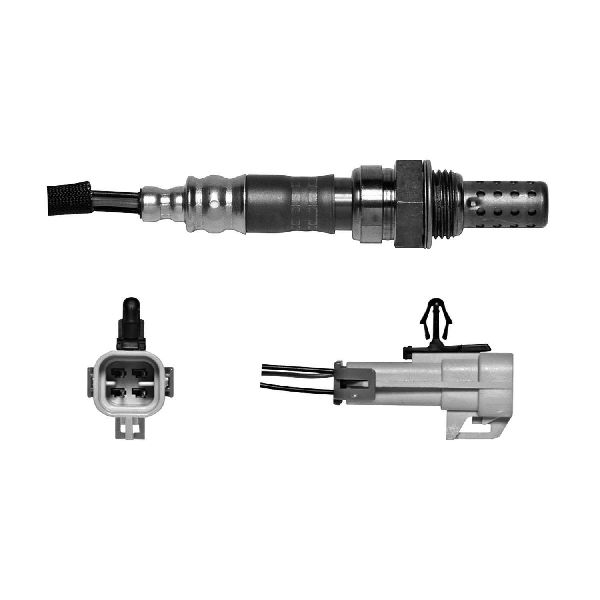
Aftermarket price range: $40-$100 - Upstream Oxygen Sensor (Bank 2, Sensor 1)
(OEM #Denso 234-4650 (cross-references to Bosch 13193, among others))— This sensor provides the primary feedback for the air-fuel mixture on Bank 2. If it fails and reads incorrectly, it can cause the ECM to command an improper fuel mixture.
Related Codes That Often Appear With This One
- P0172 — System Too Rich (Bank 1). If both P0172 and P0175 are present, it points to a problem affecting the entire engine, such as the fuel pressure regulator, MAP sensor, or a clogged air filter, rather than a component specific to one bank.
- P0300, P0302, P0304, P0306 — Random or specific cylinder misfires. An excessively rich mixture can foul spark plugs and cause incomplete combustion, leading to misfires on the affected bank (Bank 2 cylinders are 2, 4, and 6).
Platform-Specific Known Issues
- Recall 05V-466: While not a direct cause of P0175, Isuzu recalled 2002-2004 Rodeos for a fuel pump feed port that could develop leaks, particularly in vehicles operated with silicon-contaminated fuel. This highlights a known sensitivity in the fuel delivery system.
- GDI vs. Port Injection: The 2004 3.5L V6 could be either a standard port-injected engine or a GDI engine. While the P0175 code applies to both, diagnostics on the GDI's high-pressure fuel system can be more complex and may require specialized tools.
Mechanic-Grade Diagnostic Values
- Long-Term Fuel Trim (LTFT) — expected: Around 0%. Failure: The P0175 code sets when the Long Term Fuel Trim reaches its rich limit, which is -15% for the automatic transmission model, and the sum of short and long term trims also exceeds the rich limit.
- MAP Sensor Voltage (Key On, Engine Off) — expected: ~4.7 Volts DC at 0 in. Hg (sea level). Failure: Voltage does not match expected value for barometric pressure, or does not change when vacuum is applied.
- MAP Sensor Voltage vs. Vacuum (Engine Running) — expected: Voltage should decrease as vacuum increases. 5 in. Hg = ~3.9V, 10 in. Hg = ~3.0V, 20 in. Hg = ~1.1V.. Failure: Voltage is static or does not respond correctly to changing intake manifold vacuum.
- Engine Coolant Temperature (ECT) Sensor Resistance — expected: 2000-3000 Ω at 20°C (68°F), 200-300 Ω at 90°C (194°F).. Failure: Resistance is significantly outside the expected range for a given temperature, which can cause the ECM to stay in a rich open-loop mode.
Scan Tool Commands That Help
- Tech 2: Clear Info — This is the OEM-level tool function to clear the P0175 code and its associated Freeze Frame/Failure Records data after a repair has been completed.
- Tech 2: Live Data Monitoring (HO2S1, Fuel Trim, MAP) — The Tech 2 scanner allows for viewing live data streams for oxygen sensors, fuel trims, and other engine parameters to diagnose the root cause of the rich condition.
- Tech 2 (or other advanced bidirectional scanner): EVAP System Test / Purge Solenoid Command — If a stuck EVAP purge solenoid is suspected, a bidirectional scanner can command the valve to open and close to test its functionality, helping to isolate it as a cause for the rich condition.
Wiring & Ground Locations
- ECM Harness Connector — On 3.5L V6 models, the ECM is typically located in the engine compartment. Check for specific location diagrams for the 2004 model year.. A poor connection or damaged terminal at the ECM for the MAP sensor, O2 sensor, or fuel injector circuits can cause incorrect signals, leading to a rich condition. The service manual suggests wiggling related harnesses while watching live data to find intermittent faults.
- Tachometer Signal Wire — At the ignition coil, often a Blue or Black/Red wire.. While not a direct cause, an erratic tachometer signal can sometimes point to broader ignition or electrical system issues that could indirectly affect fuel calculations. Verifying a clean signal here is a deep diagnostic step.
Real Owner Repair Stories
- 2CarPros Forum (2003 Isuzu Rodeo 6 cyl) — Check Engine Light with codes P0172 and P0175.
❌ Tried (didn't work) Using injector cleaner, Cleaning the mass air flow sensor (which the vehicle doesn't have), Searching for vacuum leaks
✅ What actually fixed it The user was advised by a certified technician on the forum that these codes are not likely due to vacuum leaks but are classic symptoms of a faulty fuel pressure regulator. The definitive test was to pull the vacuum line off the regulator and check for the presence of fuel.
OEM Part Supersession History
8-17113-398-0→8-19245-527-0— Standard part revision and update by the manufacturer.
Heads up: The new part number is the correct replacement for the original. Aftermarket brands like ACDelco (214-2159) also cross-reference to these OEM numbers.
Model Year Variations Within This Range
- 2004: The 2004 model year was unique as it offered the 3.5L V6 in both a standard port fuel injection (PFI) version and a Gasoline Direct Injection (GDI) version, which was reportedly in production for the last ten months. The GDI engine has a much more complex high-pressure fuel system and different cylinder heads. While the P0175 code can occur on both, diagnosis for the GDI version requires specialized knowledge of high-pressure fuel systems and its unique components. The common leaking FPR is primarily associated with the PFI version.
Diagnostic Flowchart
Real Owner Stories
Aggregated from forums and TSBs cited above. Mileages and costs reflect what owners reported in those sources.
Isuzu Rodeo 3.5L V6
Symptoms: Triggered both P0172 and P0175 rich codes simultaneously.
What fixed it: Replaced the fuel pressure regulator (FPR) after pulling the vacuum line and finding raw fuel inside it.
Source hint: Planetisuzoo.com / Multiple Threads
Isuzu 3.5L 6VE1 Engine
Symptoms: Persistent rich codes that were difficult to diagnose because technicians were mistakenly looking for a MAF sensor issue.
What fixed it: Replaced a skewed MAP sensor that was incorrectly reporting high engine load to the ECM.
Source hint: iATN (Professional Technician Network)
1998-2002 Honda Passport 3.2L V6
Symptoms: Engine running rich, setting P0172 and P0175 codes.
What fixed it: Replaced faulty fuel pressure regulators and oxygen sensors.
Source hint: Platform mate data / Forum citations
Related OBD-II Codes
Frequently Asked Questions
Why is checking the fuel pressure regulator the most important step for P0175 on my 2004 Rodeo 3.5L?
Should I try cleaning the MAF sensor to fix this code on my 3.5L V6?
Does Recall 05V-466 have anything to do with my P0175 code?
Does it matter if my 2004 Rodeo 3.5L is a GDI engine when diagnosing this code?
How can I tell if a leaking fuel injector is causing P0175 on Bank 2?
Helpful Videos

We Have This Part in Stock


The information in this article is provided for general reference and educational purposes only. Vehicle specifications, procedures, and part compatibility can vary by production date, trim level, and region. Always consult your vehicle's factory service manual and verify part numbers before purchasing or performing repairs. Safety-critical components such as airbags, seat belts, and braking systems should be installed by a qualified professional.
- Isuzu Rodeo:
- 🧭 Diagnostic Flowchart
- 🎬 Helpful Videos
- 🛍️ Shop This Part
- What's Unique About the 2004-2004 Isuzu Rodeo
- Symptoms You May Notice
- Most Likely Causes
- Rare But Worth Checking
- Diagnosis Steps
- Parts You'll Likely Need
- Related Codes That Often Appear With This One
- Platform-Specific Known Issues
- Mechanic-Grade Diagnostic Values
- Scan Tool Commands That Help
- Wiring & Ground Locations
- Real Owner Repair Stories
- OEM Part Supersession History
- Model Year Variations Within This Range
- Real Owner Stories
- Isuzu Rodeo 3.5L V6
- Isuzu 3.5L 6VE1 Engine
- 1998-2002 Honda Passport 3.2L V6
- Related OBD-II Codes
- Frequently Asked Questions
- 🎟️ Get 5% Off