

P0175 on 2010-2015 Lexus RX450h: Causes and Fixes for System Too Rich (Bank 2)
On a 2010-2015 Lexus RX450h, code P0175 most often points to a failing Bank 2 Air/Fuel Ratio sensor (the upstream O2 sensor). A dirty Mass Airflow (MAF) sensor is another common cause and is easy to clean as a first step. Bank 2 is the cylinder bank closer to the radiator, making this sensor easier to access than Bank 1. Expect to pay ~$150-$250 for an OEM-quality Denso A/F sensor.
- P0175 means the engine is running rich (too much fuel, not enough air) on Bank 2 (firewall side).
- The most likely cause is a failing Bank 2 upstream Air/Fuel Ratio sensor.
- Always start by cleaning the Mass Airflow (MAF) sensor, as it's a cheap, easy, and common fix.
- Driving with this code for too long can damage your catalytic converter, a very expensive repair.
- If you have both P0175 and P0172 (Bank 1 rich), look for a cause common to both banks, like the MAF sensor or fuel pressure.
What's Unique About the 2010-2015 Lexus RX450h
The 2GR-FXE engine in the RX450h is known for its reliability, but like many modern Toyota and Lexus vehicles, its fuel control system is sensitive. The primary upstream sensors are Air/Fuel (A/F) ratio sensors, not traditional oxygen sensors, and they are a common failure point as the vehicle ages. While other issues can cause a rich condition, experience from owners and technicians strongly points towards the Bank 2 A/F sensor as the most frequent culprit for a solitary P0175 code. Unlike Bank 1, the Bank 2 sensor is relatively easy to access, located on the front exhaust manifold.
Symptoms You May Notice
- Check Engine Light is on
- Decreased fuel economy
- Rough or unstable idle, especially on cold start
- Hesitation or poor acceleration
- Strong smell of fuel or black smoke from the exhaust
- Replacing the downstream (post-catalytic converter) O2 sensor. The downstream sensor's primary role is to monitor catalyst efficiency and it has very little impact on fuel trim adjustments.
- Confusing Bank 1 and Bank 2. On this transverse engine, Bank 1 is the rear bank (firewall side) and Bank 2 is the front bank (radiator side). Replacing the wrong sensor is a common mistake.
Most Likely Causes
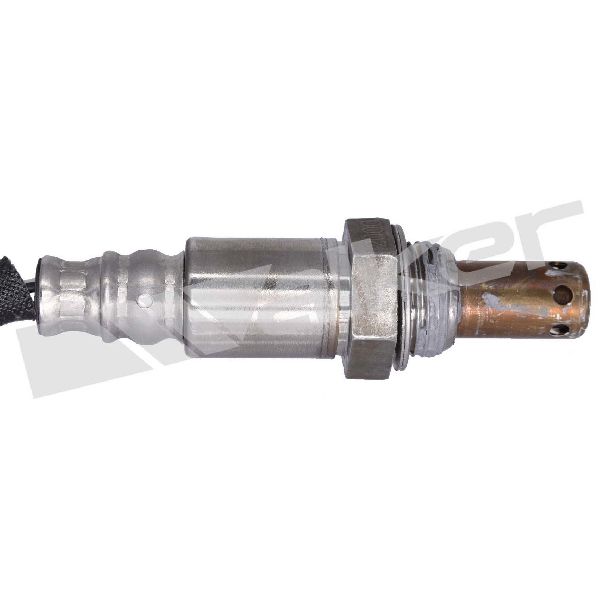
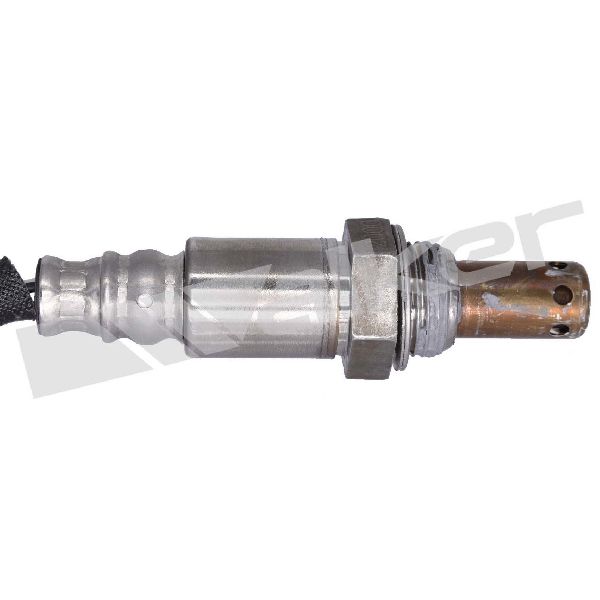
- Faulty Bank 2 Air/Fuel Ratio Sensor (Sensor 1) 🔴 High Probability → Shop Oxygen Sensor The A/F sensors (upstream O2 sensors) are a known wear item on Toyota/Lexus vehicles. They can become slow or biased with age, sending incorrect information to the ECM. Denso is the original equipment manufacturer (OEM).
How to confirm: Use an OBD-II scanner to monitor the live data for the Bank 2, Sensor 1 voltage (parameter ID may be listed as A/F SENSOR B2S1). A healthy sensor will fluctuate rapidly around a 3.3V center point during steady throttle. A lazy or stuck sensor will often read a steady low voltage, falsely telling the ECM the mixture is lean, which causes the ECM to add fuel and create a rich condition.
Typical fix: Replace the Bank 2, Sensor 1 Air/Fuel Ratio sensor. Bank 2 is on the front exhaust manifold, closer to the radiator, making it the easier of the two A/F sensors to replace.
Est. part cost: $150-$250 - Dirty Mass Airflow (MAF) Sensor 🟡 Medium Probability → Shop Fuel Injection Air Flow Meter Oil from aftermarket air filters or fine dust can contaminate the MAF sensor's delicate wires, causing it to under-report the amount of air entering the engine. The ECM then injects too much fuel for the actual amount of air. This is a very common issue across many Toyota/Lexus models when rich codes for both banks (P0172 & P0175) are present.
How to confirm: The MAF sensor is located in the intake tube just after the air filter box. Visually inspect the sensor wires for contamination. Cleaning it is a simple and inexpensive diagnostic step that often resolves the issue.
Typical fix: Carefully remove the MAF sensor and clean it with a dedicated MAF sensor cleaner spray. Do not touch the wires. Allow it to dry completely before reinstalling.
Est. part cost: $10-$15 for cleaner - Leaking Fuel Injector(s) on Bank 2 ⚪ Low Probability → Shop Fuel Injector While less common than sensor issues, an injector can get stuck partially open or develop a poor seal, leaking excess fuel into a cylinder on Bank 2.
How to confirm: Perform a fuel pressure leak-down test. After pressurizing the fuel rail, turn the engine off and monitor the pressure. If it drops quickly, it could indicate a leaking injector. Another method is to remove the spark plugs on Bank 2 and check for one that is black and sooty or smells strongly of fuel.
Typical fix: Replace the leaking fuel injector(s). It is often recommended to replace them as a set on the affected bank.
Est. part cost: $100-$300 per injector
Rare But Worth Checking
- High Fuel Pressure: If you also have a P0172 (System Too Rich Bank 1) code, this becomes more likely. A faulty fuel pressure regulator can cause excessive pressure across the entire fuel rail, forcing too much fuel into all cylinders.
- Faulty Engine Coolant Temperature (ECT) Sensor: If the ECT sensor is stuck reading cold, the ECM will continuously operate in 'open loop' mode, enriching the fuel mixture as if the engine is warming up. This would typically affect both banks.
Diagnosis Steps
- Read the codes with an OBD-II scanner and confirm P0175 is present. Check for any other codes, especially P0172.
- Check long-term and short-term fuel trims for both Bank 1 and Bank 2. For P0175, you will see highly negative numbers for Bank 2 (e.g., -20% or more), indicating the ECM is trying to remove fuel.
- Locate the Mass Airflow (MAF) sensor in the intake tube after the air filter. Disconnect and remove it.
- Clean the MAF sensor using a dedicated MAF sensor cleaner. Let it dry completely and reinstall. Clear the codes and drive the vehicle to see if the code returns. This is a low-cost, high-impact first step.
- If the code returns, the next step is to inspect the Bank 2 Air/Fuel Ratio sensor (Sensor 1). This sensor is located on the exhaust manifold on the radiator side of the engine.
- Using a scan tool with live data, graph the voltage for the Bank 2, Sensor 1 (A/F SENSOR B2S1). It should fluctuate rapidly around 3.3V. If it is stuck at a low voltage or responds very slowly compared to the Bank 1 sensor, it has likely failed and needs replacement.
- If the A/F sensor appears to be working, check for leaking fuel injectors on Bank 2. This can be done via a fuel pressure leak-down test or by inspecting the spark plugs on that bank for signs of excessive fuel (black, sooty deposits).
- As a less common cause, test the fuel pressure to ensure the fuel pressure regulator is not stuck, causing system-wide high pressure. The pressure should be between 304 to 343 kPa (44 to 50 psi).
Parts You'll Likely Need
- Air/Fuel Ratio Sensor (Bank 2, Sensor 1)
(OEM #89467-48240 (Lexus), Denso 234-9002 (OEM equivalent))— This is the most common failure part for a solitary P0175 code on this engine. It is the primary sensor for fuel control on Bank 2. Denso is the original manufacturer.
Trusted brands: Denso, NGK/NTK
OEM price range: $180-$250
Aftermarket price range: $120-$180 - Mass Airflow (MAF) Sensor Cleaner — A dirty MAF sensor is a frequent cause of fuel trim issues and cleaning it is a cheap and easy first diagnostic step.
Trusted brands: CRC, WD-40
Aftermarket price range: $10-$15
Related Codes That Often Appear With This One
- P0172 — System Too Rich (Bank 1). If both P0172 and P0175 are present, it points to a problem common to both engine banks, such as a faulty MAF sensor or a fuel pressure issue, rather than a single A/F sensor or injector.
Technical Service Bulletins (TSBs) & Recalls
- L-SB-0188-09: This TSB provides clear diagrams for identifying Bank 1 vs. Bank 2 on various Lexus engines, including the 2GR-FXE, to prevent misdiagnosis and replacement of the wrong sensor.
Platform-Specific Known Issues
- Access to the Bank 2 (front, radiator side) A/F sensor is relatively easy. However, if you ever need to replace the Bank 1 (rear, firewall side) sensor for a P0172 code, be aware that it is significantly more difficult to access and may require removal of the cowl and other components.
Mechanic-Grade Diagnostic Values
- A/F Sensor (Bank 2, Sensor 1) Voltage — expected: Fluctuates around 3.3V at steady idle/cruise. Drops below 2.8V on hard acceleration. Rises above 4.0V on deceleration (fuel cut).. Failure: Stuck at a steady voltage (often low), or very slow to respond to throttle changes.
- Fuel Pressure — expected: 304 to 343 kPa (44 to 50 psi) at the fuel rail.. Failure: Pressure significantly above this range indicates a faulty regulator, causing a system-wide rich condition.
- Fuel Injector Resistance — expected: 11.6 to 12.4 Ω at 20°C (68°F).. Failure: Resistance outside this range can indicate a failing injector coil.
- Total Fuel Trim (Short Term + Long Term) — expected: Within +/- 25%.. Failure: A value of -30% or more negative indicates the ECM is maxed out trying to remove fuel, triggering the P0175 code.
- Mode $06 Monitor Data — expected: TID $81 (Test ID for O2/AF sensor monitor) value should be within manufacturer specified limits.. Failure: A value approaching or exceeding the maximum limit can indicate a sensor is becoming slow or failing, even before a DTC is set.
Scan Tool Commands That Help
- Toyota Techstream: Active Test: Control the Injection Volume for A/F Sensor — This function allows a technician to manually increase (+25%) or decrease (-12.5%) the fuel injection volume and observe the A/F sensor's voltage response in real-time. A healthy sensor will react immediately; a lazy or failed sensor will not. This is a definitive test to confirm sensor functionality.
Wiring & Ground Locations
- ECM Pins for Bank 2 A/F Sensor — At the main Engine Control Module (ECM).. For diagnosing a suspected wiring issue between the sensor and the computer, you can test for continuity and shorts at specific pins. For the Bank 2 A/F sensor, key pins on some 2GR engine harnesses are A1A+ and A1A- (sensor signal) and HA1A (heater circuit). Always verify with the specific diagram for the vehicle year.
- Engine Compartment Grounds (e.g., EA, EB) — Various points on the engine block, cylinder head, and chassis in the engine bay.. A poor ground connection for the ECM or the sensor circuits can introduce electrical noise or voltage offsets, leading to incorrect sensor readings and false rich codes. Verifying that engine and chassis grounds are clean and tight is a critical step in diagnosing persistent electronic issues.
Real Owner Repair Stories
- ClubLexus Forum User (16-year-old Lexus with 145k miles (likely RX350, same engine family)) — Check Engine Light with codes P0172 and P0175 (both banks rich).
❌ Tried (didn't work) Initial cleaning of the MAF sensor provided only a temporary fix.
✅ What actually fixed it Replacing the Mass Airflow (MAF) sensor with a new OEM Denso part provided a permanent solution. - ALLDATA Tech-Assist Case Study (2012 Lexus IS250 with 139,007 miles (different engine, but identical P0172/P0175 codes and diagnostic logic)) — Intermittent MIL with P0172 and P0175. Fuel trims were -20% at idle.
❌ Tried (didn't work) Checked EVAP purge valve, which was found to be sealing correctly.
✅ What actually fixed it A technician measured crankcase vacuum at the dipstick tube and found it was low (10 in. Hg vs. spec of 17-20 in. Hg). Replacing the PCV valve restored proper crankcase vacuum and resolved the rich codes.
"I Checked Everything" — The Actual Cause
- In a documented repair case for P0172/P0175, standard checks for vacuum leaks (which a smoke test would find) revealed no issues. The actual cause was a faulty PCV valve creating insufficient crankcase vacuum. This is a condition a smoke test of the intake manifold would not identify, leading to misdiagnosis. The fix was confirmed by measuring vacuum at the dipstick tube, which was found to be below specification.
When the Usual Fixes Don't Work
- While the A/F sensor is the most common cause for a solitary P0175, it is not always the culprit. In a documented case involving both rich codes (P0172/P0175), a technician replaced both A/F sensors and cleaned the MAF, but the codes returned. This highlights the importance of following a full diagnostic procedure, including checking for less common causes like a faulty PCV valve or fuel pressure issues, before replacing the most common parts.
OEM Part Supersession History
89467-48240→89467-0E120— Standard part number update by the manufacturer for inventory or minor revision.
Model Year Variations Within This Range
- 2010-2015: There are no significant variations in the 2GR-FXE engine, fuel system, or sensor configuration related to this code within the 2010-2015 (AL10) generation. A later version of the engine with combined injection (D-4S) was introduced in other Lexus models but not in the RX450h during this period.
Diagnostic Flowchart
Other Known Issues on This Vehicle
Issues unrelated to this code that are worth knowing about as an owner of this generation:
- ABS Brake Actuator Failure 🔴 High — Can occur around 100,000 miles. Owners report diagnostic code C1391 and repair estimates from $3,000-$4,500. Failure can present as warning lights after events like a car wash. (Ref: A TSB (L-SB-0011-23) exists for later 2016-2019 models, but the issue is well-documented by owners of the 2010-2015 generation.)
- Hybrid Inverter Failure 🔴 High — Uncommon, but a known catastrophic failure. Often caused by a failure in the inverter's dedicated cooling system (e.g., coolant pump). Triggers a 'Check Hybrid System' warning and can cause the vehicle to stall or not start.
- VVT-i Oil Line Rupture (on related 2GR-FE engines) 🔴 High — A well-known issue on earlier 2GR-FE engines (up to ~2010) where a rubber section of a VVT-i oil line could degrade and burst, leading to rapid oil loss and catastrophic engine failure. While the RX450h uses the 2GR-FXE, this is a critical issue for the engine family that owners should be aware of. Many vehicles have had the line replaced with an all-metal version under a Limited Service Campaign. (Ref: Limited Service Campaign (LSC 90K) was issued for many Toyota/Lexus models with the 2GR-FE engine.)
- 12V Auxiliary Battery Drain 🟡 Low — Commonly reported if the vehicle is left sitting for several weeks. The small 12V battery can discharge, preventing the car from entering 'Ready' mode.
Used vs. New Parts: Buying Guide for This Vehicle
When a used part is the smart pick: For this repair, using a used part is generally not recommended for sensors. However, if a broader issue is found (e.g., a cracked intake manifold), a used component from a low-mileage, accident-damaged donor vehicle can be a cost-effective option.
Donor-vehicle mileage cap: roughly under 75000 miles for the part to have meaningful remaining life.
What to inspect on the donor part:
- Verify the donor vehicle's mileage.
- For electronic parts like a MAF sensor, ensure there is no visible contamination or physical damage.
- For mechanical parts, check for cracks, warping, or signs of extreme heat.
- Ask for a short warranty period (e.g., 30 days) from the salvage yard.
OEM-only on this vehicle (don't cheap out):
- Air/Fuel Ratio Sensor: This is the most critical part. Using non-OEM or cheap aftermarket sensors is a very common reason for the code to return. Stick with the original equipment manufacturer.
- Mass Airflow (MAF) Sensor: If replacement is needed after cleaning fails, a new OEM unit is the most reliable choice to avoid calibration issues.
Aftermarket brands forum-validated for this vehicle:
- Denso (for A/F and MAF sensors - they are the OEM supplier)
- NGK/NTK (for A/F sensors)
- CRC (for MAF sensor cleaner)
Brands owners have reported issues with on this vehicle:
- Unbranded, 'white-box' sensors from online marketplaces like Amazon or eBay. These frequently have incorrect calibration or high failure rates, leading to wasted time and money.
Real Owner Stories
Aggregated from forums and TSBs cited above. Mileages and costs reflect what owners reported in those sources.
2008 Lexus RX350 2GR-FE
Symptoms: The vehicle was throwing both P0172 and P0175 codes simultaneously.
What fixed it: Cleaning the Mass Airflow (MAF) sensor was the primary recommendation as the first diagnostic step for codes affecting both banks.
Source hint: ClubLexus.com - P0172 & p0175 (Thread ID: 994001)
2012 Toyota Highlander 2GR-FXE
Symptoms: Owner experienced rich codes for both banks (P0172, P0175) along with a specific MAF sensor code P0101.
What fixed it: The consensus for this 2GR engine was to start by cleaning or replacing the MAF sensor.
Source hint: Reddit.com/r/ToyotaHighlander - Codes P0172, P0175, P0101 (2012 Highlander)
Lexus RX450h 2GR-FXE — ~100000 miles
Symptoms: Warning lights appeared after a car wash; diagnostic code C1391 was present.
What fixed it: Replacement of the ABS Brake Actuator.
Cost: $3,000-$4,500
Source hint: vehicle_specific_issues - ABS Brake Actuator Failure
Lexus RX350 2GR-FE
Symptoms: P0172 and P0175 codes returned even after both A/F sensors were replaced.
What fixed it: The case highlighted that while sensors are common, technicians should not rule out throttle body issues or catalytic converter problems.
Source hint: ClubLexus.com - Pull codes P0172/P0175, need help diagnoising (Thread ID: 695958)
Related OBD-II Codes
Frequently Asked Questions
Which bank is Bank 2 on my 2010-2015 Lexus RX450h, and is it hard to reach?
Does Lexus TSB L-SB-0188-09 apply to my RX450h's P0175 code?
I have both P0172 and P0175; does this mean both of my A/F sensors failed at once?
Should I be worried about the VVT-i oil line on my 2GR-FXE engine?
Can I use any cleaning spray to fix the P0175 code on my Lexus?
What is the correct fuel pressure for the 2010-2015 RX450h during diagnosis?
Helpful Videos
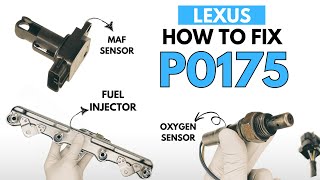
![How to Fix LEXUS P0175 Engine Code in 3 Minutes [2 DIY Methods / Only $8.99]](https://img.youtube.com/vi/Y7wbr5i3N-4/mqdefault.jpg)

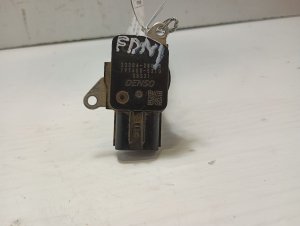
Used OEM Parts in Stock
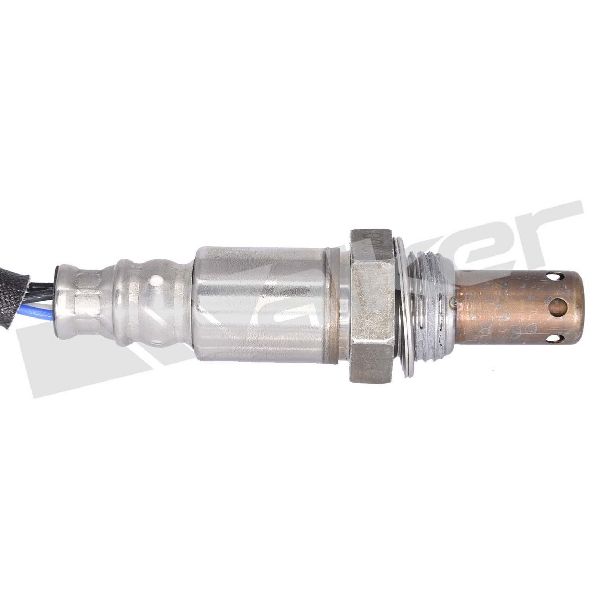
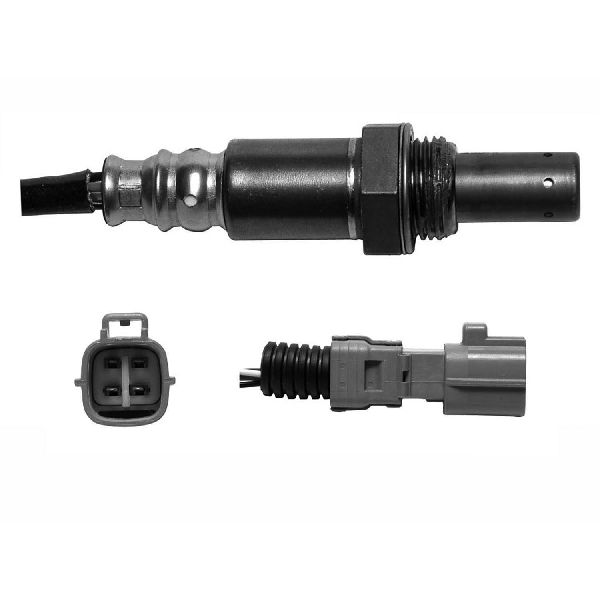
New Aftermarket Parts Available


The information in this article is provided for general reference and educational purposes only. Vehicle specifications, procedures, and part compatibility can vary by production date, trim level, and region. Always consult your vehicle's factory service manual and verify part numbers before purchasing or performing repairs. Safety-critical components such as airbags, seat belts, and braking systems should be installed by a qualified professional.
- Lexus RX450h:
- 🧭 Diagnostic Flowchart
- 🎬 Helpful Videos
- 🛍️ Shop This Part
- What's Unique About the 2010-2015 Lexus RX450h
- Symptoms You May Notice
- Most Likely Causes
- Rare But Worth Checking
- Diagnosis Steps
- Parts You'll Likely Need
- Related Codes That Often Appear With This One
- Technical Service Bulletins (TSBs) & Recalls
- Platform-Specific Known Issues
- Mechanic-Grade Diagnostic Values
- Scan Tool Commands That Help
- Wiring & Ground Locations
- Real Owner Repair Stories
- "I Checked Everything" — The Actual Cause
- When the Usual Fixes Don't Work
- OEM Part Supersession History
- Model Year Variations Within This Range
- Other Known Issues on This Vehicle
- Used vs. New Parts: Buying Guide for This Vehicle
- Real Owner Stories
- 2008 Lexus RX350 2GR-FE
- 2012 Toyota Highlander 2GR-FXE
- Lexus RX450h 2GR-FXE — ~100000 miles
- Lexus RX350 2GR-FE
- Related OBD-II Codes
- Frequently Asked Questions
- 🎟️ Get 5% Off