

P0175 on 2000-2004 Subaru Outback 3.0L H6: System Too Rich Bank 2 Causes and Fixes
P0175 on a Subaru Outback 3.0L H6 means the driver's side of the engine (Bank 2) is running too rich. The most common causes are a leaking fuel injector, a faulty front air/fuel ratio (oxygen) sensor, or a dirty Mass Airflow (MAF) sensor. Start by cleaning the MAF sensor and inspecting for vacuum leaks before replacing parts.
- P0175 means the driver's side of your 3.0L H6 engine is getting too much fuel.
- Start your diagnosis with the easiest and cheapest steps: check the air filter and clean the MAF sensor.
- The most likely parts to fail are the Bank 2 front A/F sensor or a leaking fuel injector on that bank.
- Do not replace the downstream O2 sensor; it will not fix this code.
- Driving for an extended period with this code can damage your catalytic converter, leading to a much more expensive repair.
What's Unique About the 2000-2004 Subaru Outback
The 2000-2004 Outback introduced the EZ30D, Subaru's modern 3.0L flat-six engine. Unlike four-cylinder models, this engine has two separate cylinder banks, each with its own front air/fuel ratio sensor, making it susceptible to single-bank codes like P0175. While the causes are common to many vehicles, the horizontally-opposed ('boxer') engine layout can make accessing components like the Bank 2 (driver's side) fuel injectors and the front air/fuel ratio sensor more challenging than on an inline or V-engine. The Bank 2 A/F sensor, for instance, is located on the driver's side exhaust manifold, and access can be tight.
Symptoms You May Notice
- Illuminated Check Engine Light
- Reduced fuel economy
- Rough or unstable engine idle
- Strong smell of gasoline from the exhaust
- Black smoke or soot coming from the tailpipe
- Engine hesitation or lack of power during acceleration
- Engine misfires, which may be accompanied by codes like P0302, P0304, or P0306
- Difficulty starting the engine
- Replacing the downstream (post-catalyst) oxygen sensor. The downstream sensor's primary role is to monitor catalytic converter efficiency, not to control the primary fuel mixture. The upstream (pre-catalyst) A/F sensor is the one that affects fuel trim.
Most Likely Causes
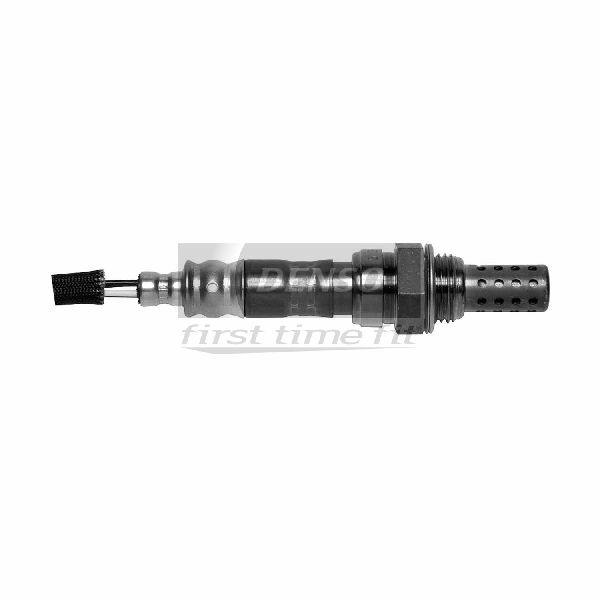
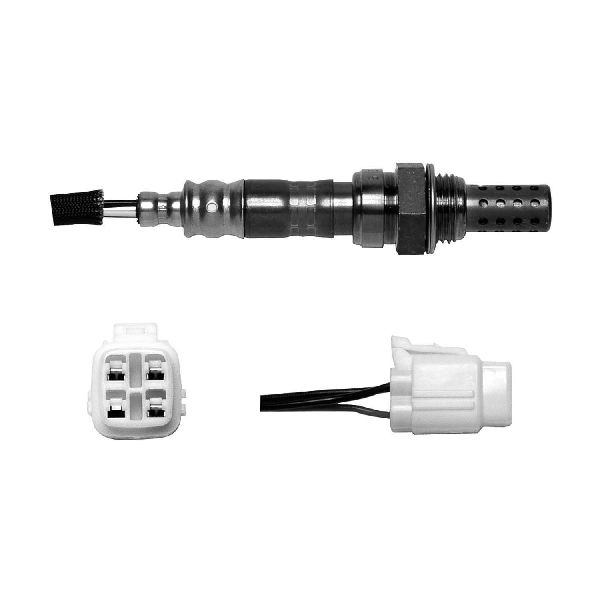
- Faulty Bank 2 Front Air/Fuel Ratio Sensor 🔴 High Probability → Shop Oxygen Sensor This sensor, also called an upstream oxygen sensor, is located in the exhaust manifold and is exposed to extreme temperatures. It can degrade over time, become contaminated, or have a failed internal heater circuit. A faulty sensor can send inaccurate signals to the ECM, often getting 'stuck' reading lean, which causes the computer to add too much fuel in response. For Subarus, using OEM-supplier brands like Denso or NTK is highly recommended for these critical sensors to ensure accurate readings.
How to confirm: Use a capable OBD-II scanner to monitor the live data for the Bank 2 Sensor 1 (A/F Sensor) voltage or current. A sensor that is stuck or slow to respond compared to the Bank 1 sensor is a strong sign of failure. Swapping the Bank 1 and Bank 2 sensors (if they are identical and accessible) and seeing if the code switches to P0172 (Rich Bank 1) can also definitively confirm the sensor is the issue.
Typical fix: Replace the Bank 2 (driver's side) front air/fuel ratio sensor. Applying penetrating oil to the threads before attempting removal can help, as they are often seized from heat cycles.
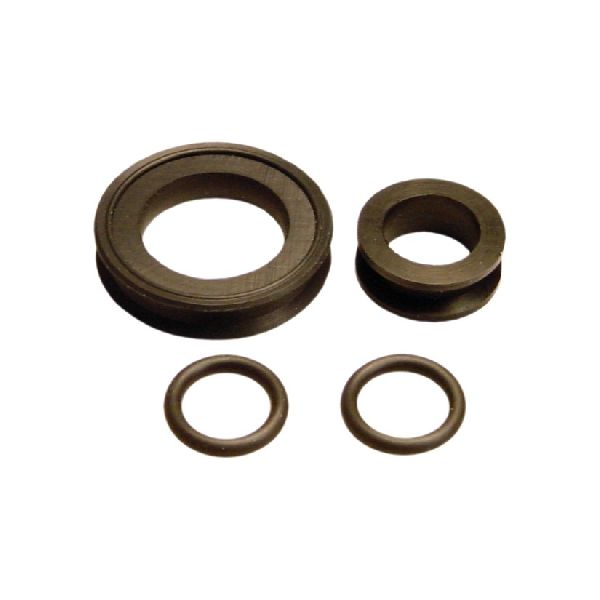
Est. part cost: $80-$200 - Leaking Fuel Injector(s) on Bank 2 🔴 High Probability → Shop Fuel Injector Fuel injectors can wear out over time, becoming stuck partially open, leaking from their seals, or developing a poor spray pattern that allows un-commanded fuel to enter the cylinders. This introduces excess fuel that the ECM cannot account for.
How to confirm: A professional can perform a fuel injector balance test. A DIY method involves attaching a fuel pressure gauge, priming the system, and watching for a pressure drop after the pump shuts off, which would indicate a leak. Another method is to remove the Bank 2 spark plugs (cylinders 2, 4, 6) after the engine has run. A plug that is black, sooty, and wet with fuel points to a leaking injector in that specific cylinder.
Typical fix: Replace the faulty fuel injector(s). It is often recommended to replace them as a set on the affected bank (or all six) to ensure balanced fueling and prevent future failures.
Est. part cost: $40-$150 per injector - Dirty or Faulty Mass Airflow (MAF) Sensor 🟡 Medium Probability → Shop Fuel Injection Air Flow Meter The MAF sensor measures the mass of air entering the engine. If the sensing element gets contaminated (often by over-oiled aftermarket air filters), it can under-report airflow. The ECM then calculates a fuel injection amount for less air than is actually present, causing a rich condition across all cylinders. This can sometimes trigger a code on one bank before the other.
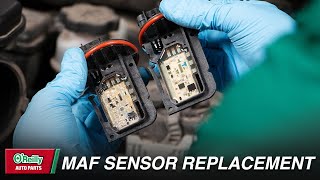
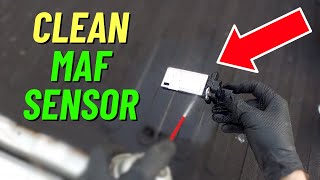
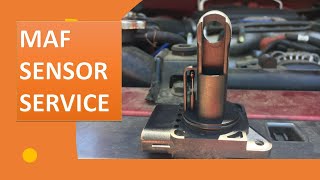
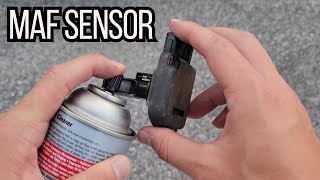
How to confirm: First, try cleaning the MAF sensor with a dedicated MAF sensor cleaner spray. Do not touch the delicate wires inside. 🎬 Watch: A simple DIY walkthrough for cleaning your Subaru MAF sensor. If cleaning doesn't resolve the issue, the sensor may need replacement. Monitoring MAF readings (g/s) with a scan tool at idle and under load can also identify abnormal values when compared to specifications.
Typical fix: Clean the MAF sensor. If the problem persists, replace the MAF sensor.
Est. part cost: $70-$250 - Faulty Fuel Pressure Regulator ⚪ Low Probability → Shop Fuel Injection Pressure Regulator The regulator maintains correct pressure in the fuel rail. If its internal diaphragm ruptures or it gets stuck, fuel pressure can become excessively high, forcing too much fuel past the injectors on both banks.
How to confirm: Connect a fuel pressure gauge to the fuel system and check if the pressure is above the manufacturer's specification (typically around 43 psi for this model). A definitive sign of failure is the presence of raw fuel in the vacuum hose connected to the regulator, which indicates a ruptured diaphragm.
Typical fix: Replace the fuel pressure regulator.
Est. part cost: $100-$170
Rare But Worth Checking
- Clogged Air Filter: → Shop Air Cleaner Assembly A severely clogged air filter can physically restrict airflow enough to cause a rich condition. It's a simple and inexpensive item to check first.
- Faulty Engine Coolant Temperature (ECT) Sensor: If the ECT sensor incorrectly tells the ECM the engine is always cold (by reading a very low temperature), the computer will continuously command a rich fuel mixture intended for cold starts and warm-up, which can trigger the code once the engine is actually warm.
- Exhaust Leak Before the A/F Sensor: An exhaust leak between the cylinder head and the Bank 2 front A/F sensor can draw in outside air. The sensor reads this extra oxygen and interprets it as a lean condition, causing the ECM to add excess fuel to compensate, which ironically creates a genuinely rich condition in the cylinder.
Diagnosis Steps
- Use an OBD-II scanner to confirm P0175 and check for any other pending or active codes. Note the freeze frame data to see the engine conditions when the code was set.
- Inspect the engine air filter. Replace if it is dirty or clogged.
- Carefully remove the Mass Airflow (MAF) sensor and clean it with a dedicated MAF cleaner spray. Allow it to dry completely before reinstalling. Inspect the air intake tube for cracks or loose clamps.
- Inspect the vacuum hose on the fuel pressure regulator for the presence or smell of raw fuel. If fuel is present, the regulator diaphragm has failed and it must be replaced.
- If you have a fuel pressure gauge, test the fuel pressure at the fuel rail to ensure it is within specification. High pressure points to a faulty regulator.
- Using a scan tool, observe the short-term (STFT) and long-term (LTFT) fuel trims for Bank 2. Consistently high negative numbers (e.g., -15% or more) confirm the ECM is trying to correct a rich condition.
- Compare the live data readings of the Bank 1 and Bank 2 front A/F sensors. If the Bank 2 sensor's readings are sluggish, stuck, or behave erratically compared to Bank 1, it is likely faulty.
- Inspect the spark plugs on Bank 2 (cylinders 2, 4, 6). A plug that is black and sooty can help pinpoint a leaking injector in that specific cylinder.
- If all other components check out, the issue is likely one or more leaking fuel injectors on Bank 2.
Parts You'll Likely Need
- Front Air/Fuel Ratio Sensor (Bank 2)
(OEM #22641AA03C)— This sensor provides the primary feedback for fuel control on Bank 2 and is a common failure point due to heat and contamination.
Trusted brands: Denso (OEM) - Part #234-9010, NTK
OEM price range: $170-$250
Aftermarket price range: $80-$150 - Mass Airflow (MAF) Sensor
(OEM #22680AA301)— A dirty or failing MAF sensor is a common cause of incorrect fuel mixture calculations affecting both banks.
Trusted brands: Denso (OEM), Hitachi
OEM price range: $200-$280
Aftermarket price range: $70-$150 - Fuel Injector — Injectors on Bank 2 can leak or become stuck open, directly causing a rich condition on that bank.
Trusted brands: Subaru (OEM), Bosch
OEM price range: $120-$180
Aftermarket price range: $40-$150 - Fuel Pressure Regulator — A failed regulator can cause system-wide high fuel pressure, leading to rich conditions on both banks, but sometimes flagging one before the other.
Trusted brands: Subaru (OEM)
OEM price range: $120-$190
Aftermarket price range: $80-$140
Related Codes That Often Appear With This One
- P0172 — System Too Rich (Bank 1). If both P0172 and P0175 are present, the cause is likely a component that affects both banks, such as the MAF sensor, fuel pressure regulator, or a major vacuum leak.
- P0302, P0304, P0306 — Cylinder Misfire Detected on Bank 2. An excessively rich mixture can foul the spark plugs on cylinders 2, 4, or 6, leading to incomplete combustion and misfires on that bank.
Mechanic-Grade Diagnostic Values
- Mass Airflow (MAF) Sensor Reading at Idle — expected: Approximately 3.0 g/s (A common rule of thumb is 1 g/s per liter of engine displacement).. Failure: A reading significantly lower than 3.0 g/s, such as 2.7 g/s or less, suggests a vacuum leak after the sensor or a failing sensor.
- Front Air/Fuel (O2) Sensor Heater Circuit Voltage — expected: Approximately 12V on the Y/R (Yellow/Red) wire with key on.. Failure: No voltage indicates a fuse or wiring issue to the sensor's heater.
- Front Air/Fuel (O2) Sensor Bias Voltage (Harness Side, Key On) — expected: White wire: ~2.0-2.25V at idle. Red wire: ~1.75-2.0V at idle.. Failure: Voltages significantly outside these ranges suggest a sensor or wiring fault.
- Long Term Fuel Trim (LTFT) for Bank 2 — expected: Within +/- 10% at idle and under load.. Failure: A consistently negative value, such as -15% to -30%, confirms the ECM is compensating for a rich condition.
Scan Tool Commands That Help
- Subaru Select Monitor (SSM) or equivalent professional scanner: A/F Learning Value Reset — After replacing a major fuel system component like an A/F sensor, MAF sensor, or fuel injectors. This command clears the long-term learned fuel trim values, forcing the ECM to create a new fuel map based on the new parts, which can resolve persistent rich/lean issues faster than waiting for the system to adapt on its own.
Wiring & Ground Locations
- Front Oxygen (A/F) Sensor (Left) — Located on the left (driver's) side of the engine, in the exhaust manifold.. This is the primary sensor for Bank 2 fuel control. A fault in its wiring or connector directly causes P0175.
- Engine Control Module (ECM) — Located behind the right side of the dashboard.. The ECM receives all sensor inputs and controls the fuel injectors. All sensor wiring terminates here.
- Main Fuse Box — Located on the left side of the engine compartment, to the rear of the battery.. Contains fuses and relays critical for the fuel system and engine sensors, such as the A/F sensor heater circuit fuse.
- PCV Valve — On the driver's side, located on top of the valve cover body, underneath the windshield washer reservoir.. A clogged PCV valve can lead to excessive crankcase pressure and oil being pushed into the intake, which can contaminate the MAF sensor and affect the air/fuel mixture, potentially leading to a rich condition.
Real Owner Repair Stories
- subaruoutback.org forum user (2001 Subaru Outback H6 3.0 VDC, 180k miles) — Check Engine Light with codes P0172 and P0175 (both banks running rich).
❌ Tried (didn't work) Cleaned MAF sensor, Replaced fuel pressure regulator, Replaced all 6 spark plugs, Replaced PCV valve
✅ What actually fixed it Replacing both front Air/Fuel ratio (O2) sensors. The user noted that after replacement, the fuel trims returned to normal and the codes were resolved.
OEM Part Supersession History
22680-AA301→22680AA380 (or 22680AA38A)— Updated part design for improved accuracy or durability.
Heads up: While later part numbers may physically fit, the calibration can be different. It is critical to use the exact part number specified for the 2000-2004 model year (22680AA301) to ensure correct MAF readings. Using a newer sensor on an older ECU can cause persistent fuel trim issues.
Model Year Variations Within This Range
- 2003-2004: Some models from 2003 onwards may have slight variations in the PCV system design compared to the 2001-2002 models. While the function is the same, the specific valve part number and hose routing might differ slightly.
Diagnostic Flowchart
Real Owner Stories
Aggregated from forums and TSBs cited above. Mileages and costs reflect what owners reported in those sources.
Subaru Outback
Symptoms: Experienced both P0172 and P0175 system too rich codes.
What fixed it: Traced the issue to faulty A/F sensors and replaced them.
Source hint: https://www.subaruoutback.org/threads/p0172-and-p0175-system-too-rich.516313/
Subaru with EZ30 engine
Symptoms: Triggered a P0175 code.
What fixed it: Replaced the Bank 2 front O2 sensor.
Source hint: https://forums.nasioc.com/forums/showthread.php?t=2770230
Subaru Legacy 3.0R
Symptoms: AFR sensor failure with confusion over bank numbering.
What fixed it: Replaced the AFR sensor.
Source hint: https://www.youtube.com/watch?v=5O8nNn-4MQA (Ricer Race)
Related OBD-II Codes
Frequently Asked Questions
Which side of the engine is Bank 2 on my 3.0L H6 Outback?
What brand of air/fuel ratio sensor is recommended for the EZ30D?
How can I confirm if the Bank 2 A/F sensor is causing the P0175 code?
Can a dirty MAF sensor cause a rich code on just one bank?
How do I check the fuel pressure regulator on my 2000-2004 Outback?
Which spark plugs should I inspect to check for a leaking fuel injector?
Helpful Videos
![How to Fix P0175 Engine Code in 2 Minutes [2 DIY Methods / Only $8.99]](https://img.youtube.com/vi/pxuKkkqqvSs/mqdefault.jpg)
We Have This Part in Stock


The information in this article is provided for general reference and educational purposes only. Vehicle specifications, procedures, and part compatibility can vary by production date, trim level, and region. Always consult your vehicle's factory service manual and verify part numbers before purchasing or performing repairs. Safety-critical components such as airbags, seat belts, and braking systems should be installed by a qualified professional.
- Subaru Outback:
- 🧭 Diagnostic Flowchart
- 🎬 Helpful Videos
- 🛍️ Shop This Part
- What's Unique About the 2000-2004 Subaru Outback
- Symptoms You May Notice
- Most Likely Causes
- Rare But Worth Checking
- Diagnosis Steps
- Parts You'll Likely Need
- Related Codes That Often Appear With This One
- Mechanic-Grade Diagnostic Values
- Scan Tool Commands That Help
- Wiring & Ground Locations
- Real Owner Repair Stories
- OEM Part Supersession History
- Model Year Variations Within This Range
- Real Owner Stories
- Subaru Outback
- Subaru with EZ30 engine
- Subaru Legacy 3.0R
- Related OBD-II Codes
- Frequently Asked Questions
- 🎟️ Get 5% Off