

P0175 on 2008-2013 Toyota Highlander Hybrid: System Too Rich Bank 2 Causes and Fixes
P0175 on a Highlander Hybrid most often points to a failing Air/Fuel Ratio sensor on Bank 2 (the front bank, near the radiator) or a dirty Mass Airflow (MAF) sensor. Cleaning the MAF is a simple first step, but replacing the A/F sensor is the most common definitive fix. This code indicates too much fuel is being used, which can harm the catalytic converter if ignored.
- P0175 means your engine's front cylinder bank is running too rich (too much fuel, not enough air).
- The easiest and cheapest first step is to clean the Mass Airflow (MAF) sensor with dedicated cleaner.
- The most common fix, if cleaning the MAF doesn't work, is replacing the Bank 2, Sensor 1 Air/Fuel Ratio sensor (located on the exhaust manifold near the radiator).
- Driving for an extended period with this code can damage your expensive catalytic converter.
- If you have codes for both banks (P0172 and P0175), the MAF sensor is the most likely culprit.
What's Unique About the 2008-2013 Toyota Highlander Hybrid
The 2GR-FXE engine in the Highlander Hybrid, like many modern Toyota V6 engines, is generally very reliable. When a P0175 code appears, it's less likely to be a major internal engine problem and more often related to the sophisticated sensors that manage its fuel and emissions systems. Owners frequently find that either the Mass Airflow (MAF) sensor needs cleaning or the Bank 2 Air/Fuel Ratio sensor (a type of wideband oxygen sensor) has failed. Bank 2 is the front bank, making the sensor much easier to access than Bank 1 near the firewall.
Symptoms You May Notice
- Check Engine Light is on
- TRAC OFF light may also illuminate
- Decreased fuel economy
- Rough or unstable idle
- Hesitation during acceleration
- Possible black smoke from the exhaust (in severe cases)
- A smell of gasoline or rotten eggs (unburned fuel) from the exhaust.
- Replacing the downstream (Sensor 2) oxygen sensor. The downstream sensor's primary role is to monitor catalytic converter efficiency, not to control the primary air-fuel mixture. The upstream (Sensor 1) A/F sensor is the correct one to check for this code.
Most Likely Causes
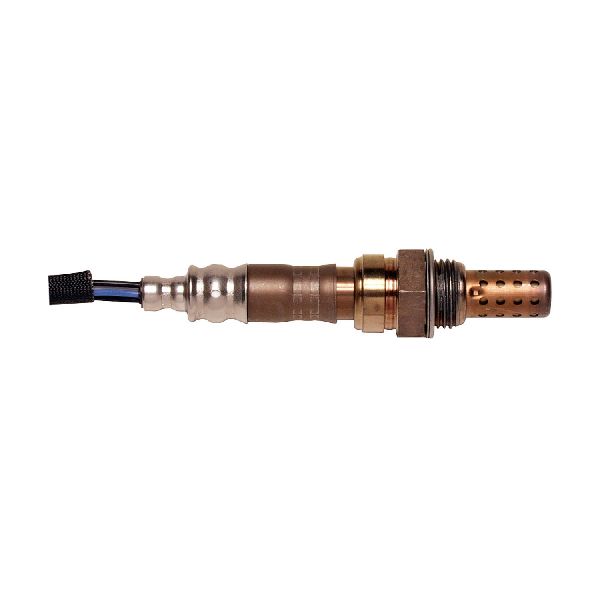
- Faulty Air/Fuel Ratio Sensor (Bank 2, Sensor 1) 🔴 High Probability → Shop Oxygen Sensor A/F sensors are wear items and have a finite lifespan. They become slow to respond or biased over time, sending incorrect data to the ECM. Given the vehicle's age, sensor failure is highly probable.
How to confirm: Use a scan tool to monitor the live data for the Bank 2, Sensor 1 A/F sensor. A healthy sensor will fluctuate rapidly. A failing one may be stuck on a certain voltage or respond very slowly. A definitive test is to swap the Bank 1 and Bank 2 A/F sensors (if accessible); if the code changes to P0172 (Bank 1 Rich), the sensor is confirmed bad.
Typical fix: Replace the Bank 2, Sensor 1 Air/Fuel Ratio sensor. Bank 2 is the cylinder bank closer to the radiator, making it relatively easy to access. 🎬 See this walkthrough for replacing the Bank 2 Sensor 1.
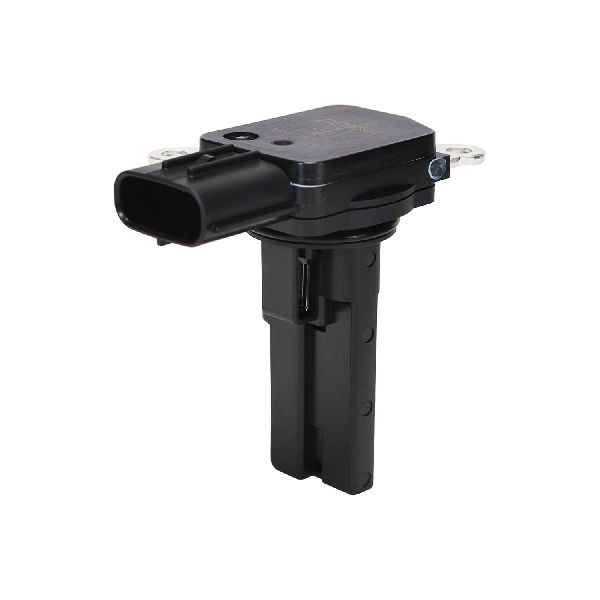
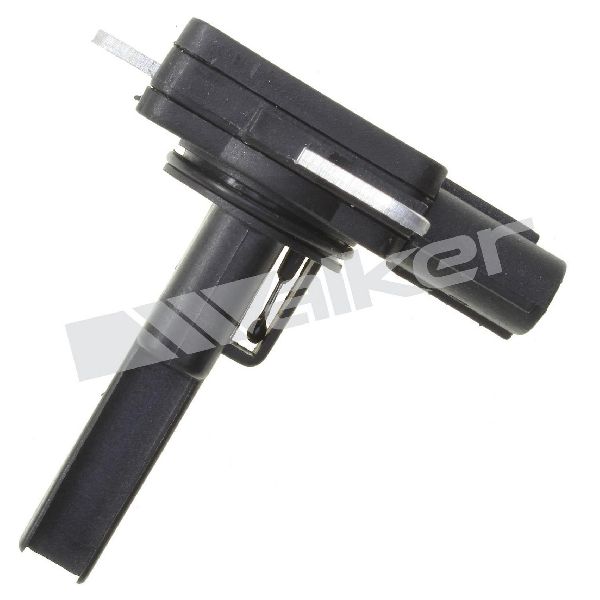
Est. part cost: $90-$220 - Dirty or Faulty Mass Airflow (MAF) Sensor 🟡 Medium Probability → Shop Fuel Injection Air Flow Meter The MAF sensor wire can become contaminated with dirt, oil, and debris over time, causing it to under-report the amount of air entering the engine. This leads the ECM to inject too much fuel.
How to confirm: A visual inspection may show a dirty sensor wire. If codes for both banks (P0172 and P0175) are present, the MAF is a very strong suspect. The first step is always to clean it.
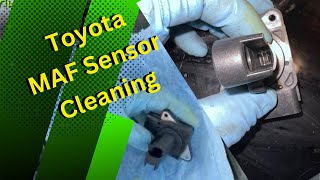
Typical fix: Remove the sensor and clean it carefully using only dedicated MAF sensor cleaner spray. 🎬 Watch: A step-by-step guide to cleaning your Highlander's MAF sensor. Do not touch the sensor wires. Let it dry completely before reinstalling. If cleaning doesn't resolve the issue, the sensor may need to be replaced.
Est. part cost: $10 (for cleaner) or $70-$150 (for a new sensor) - Leaking Fuel Injector(s) ⚪ Low Probability → Shop Fuel Injector Injectors can develop leaks over many miles, either from the nozzle (dripping) or the O-ring seals. This allows un-metered fuel to enter the cylinder, causing a rich condition on a specific bank.
How to confirm: This is more difficult to diagnose. A mechanic can perform a fuel pressure leak-down test or an injector balance test. Another method is to pull the spark plugs on Bank 2 and check for one that is excessively black and sooty compared to the others.
Typical fix: Replace the faulty fuel injector(s) and their seals. It is often recommended to replace all injectors on that bank as a set.
Est. part cost: $50-$150 per injector
Rare But Worth Checking
- High Fuel Pressure: A failing fuel pressure regulator can cause system-wide high pressure, forcing too much fuel through the injectors. This would usually trigger rich codes on both banks (P0172 & P0175) but is worth checking with a fuel pressure gauge if other causes are ruled out.
- Stuck Open Thermostat or Faulty Coolant Temp Sensor: If the engine computer thinks the engine is always cold, it will command a richer fuel mixture. You would likely notice the temperature gauge on the dashboard never reaching the normal operating position or get a specific code for the cooling system.
Diagnosis Steps
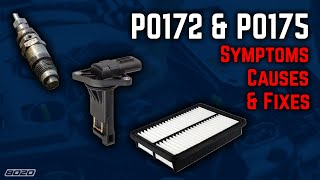
- Scan for Codes: Use an OBD-II scanner to confirm P0175 and check for any other codes that could provide clues (e.g., P0172, P0101). 🎬 Watch: A deep dive into P0172 and P0175 causes and fixes.
- Check Live Data: Observe Long-Term Fuel Trim (LTFT) and Short-Term Fuel Trim (STFT) for both banks. For P0175, Bank 2 LTFT will be highly negative (e.g., -15% or lower), while Bank 1 should be near normal (typically +/- 5%).
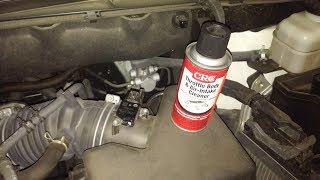
- Inspect and Clean MAF Sensor: Locate the MAF sensor between the air filter box and the throttle body. Unplug it, remove the two screws, and carefully lift it out. Spray the delicate wires inside with dedicated MAF sensor cleaner. Do not touch the wires. Let it dry completely before reinstalling.
- Reset and Retest: Clear the codes and drive the vehicle to see if the code returns. If it does, proceed to the next step.
- Analyze A/F Sensor Performance: Using the live data on your scanner, watch the voltage or current of the Bank 2, Sensor 1 A/F sensor. Compare its behavior to the Bank 1 sensor. If it is lazy, stuck, or biased, it is likely faulty.
- Test for Fuel Pressure: If possible, connect a fuel pressure gauge to the fuel rail to ensure the pressure is within the manufacturer's specifications.
- Inspect for Leaking Injectors: This is an advanced step. Listen for an injector that sounds different, or have a professional perform a balance or leak-down test.
Parts You'll Likely Need
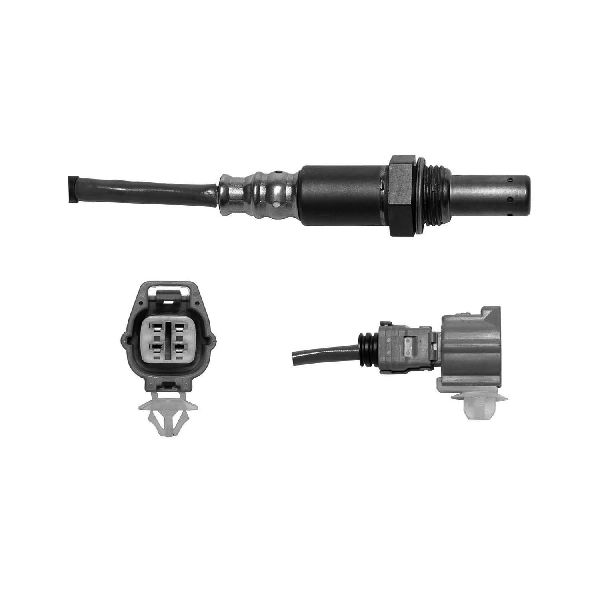
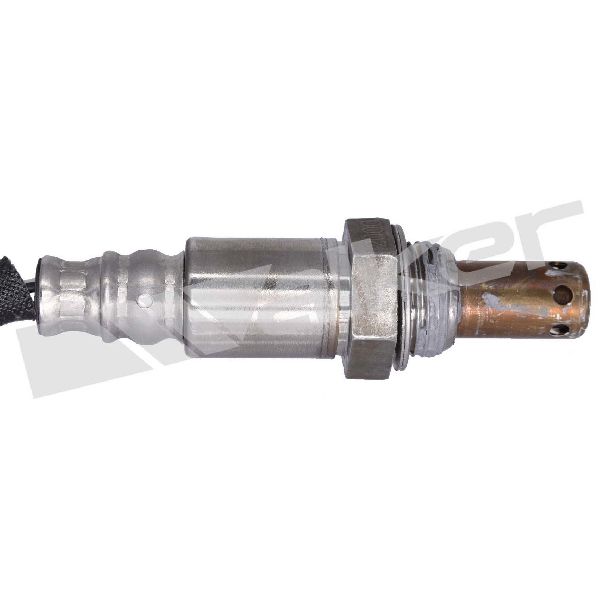
- Air/Fuel Ratio Sensor (Bank 2, Sensor 1)
(OEM #89467-48160)— This is the most common failure point causing a single-bank rich condition. It is the primary sensor for fuel control on Bank 2.
Trusted brands: Denso (OEM Manufacturer), Toyota Genuine Part
OEM price range: $175-$265
Aftermarket price range: $90-$160 - Mass Airflow (MAF) Sensor
(OEM #22204-31020)— A dirty or failing MAF sensor is a common cause for rich conditions, though it often affects both banks. Cleaning is the first step, but replacement is sometimes necessary.
Trusted brands: Denso (OEM Manufacturer), Toyota Genuine Part
OEM price range: $120-$180
Aftermarket price range: $70-$120 - MAF Sensor Cleaner — This is a required tool for the first and easiest diagnostic step: cleaning the MAF sensor.
Trusted brands: CRC, WD-40 Specialist
Aftermarket price range: $10-$15
Related Codes That Often Appear With This One
- P0172 — System Too Rich (Bank 1). If both P0172 and P0175 are present, it strongly suggests a problem common to both cylinder banks, such as a faulty MAF sensor or high fuel pressure.
- P0101 — Mass Air Flow (MAF) Circuit Range/Performance. This code directly points to a problem with the MAF sensor, which is a primary cause of rich conditions.
- P1604 — Startability Malfunction. A manufacturer service bulletin notes that this code can appear alongside P0175 when negative fuel trims are present (TSB Bulletin #T-SB-0166-19).
Technical Service Bulletins (TSBs) & Recalls
- While no TSB is specific to P0175 for the Highlander Hybrid, manufacturer service bulletins for other Toyota models with similar V6 architectures, such as TSB Bulletin #T-SB-0166-19_Rev, note that P0175 can be accompanied by negative fuel trims and startability issues.
- A recall was issued for the 2006-2010 Highlander Hybrid to address potential failure of the Intelligent Power Module (IPM) in the hybrid inverter, which could cause various system warnings and vehicle stalling.
Platform-Specific Known Issues
- Owner Repair Story: A/F Sensor Replacement: A 2011 Highlander Hybrid owner on the Toyota Nation forums (thread: 'P0172 & P0175 Rich Codes - 2011 Highlander Hybrid') experienced both P0172 and P0175 codes. Following common advice, they first cleaned the MAF sensor, which did not resolve the issue. They then replaced the Bank 2 (front) Air/Fuel ratio sensor, which cleared the P0175 code. Subsequently, they replaced the more difficult Bank 1 (rear) sensor, which finally cleared the P0172 code and resolved the problem completely. This highlights that while MAF is a good first check, aged A/F sensors are the definitive cause in many cases.
Mechanic-Grade Diagnostic Values
- A/F Sensor (Bank 2, Sensor 1) Live Data Voltage — expected: Centered around 3.3 volts at idle/light throttle. Should rise above 3.35V when commanded lean and drop below 3.0V when commanded rich.. Failure: Voltage is stuck, slow to respond, or does not change as expected during an active test. A voltage spiking to 4.99V can indicate a lean condition on deceleration, which is normal.
- A/F Sensor Connector Voltage (KOEO) — expected: With the sensor unplugged and key-on-engine-off, the vehicle-side harness connector should have ~3.3V on the AF- wire and ~3.0V on the AF+ wire, measured to ground.. Failure: If these voltages are missing, it indicates a wiring problem or a fault in the Engine Control Module (ECM).
- Fuel Pressure (at fuel rail) — expected: 304 to 343 kPa (44 to 50 psi) for the related 2GR-FE engine.. Failure: Pressure significantly above this range can force too much fuel through the injectors, causing a rich condition.
- Fuel Injector Resistance — expected: 11.6 to 12.4 Ω at 20°C (68°F) for the related 2GR-FE engine.. Failure: Resistance outside this range can indicate a failing injector coil, though this test does not check for mechanical leaks.
- Long Term Fuel Trim (LTFT) Malfunction Threshold — expected: Typically within +/- 10%.. Failure: The ECM may set a rich code like P0175 when the average fuel trim learning value is less than -35%.
Scan Tool Commands That Help
- Toyota Techstream: Active Test: 'Control the Injection Volume for A/F sensor' — This is a critical bidirectional test to confirm A/F sensor functionality. It allows the technician to command the ECM to alter the fuel mixture by +25% (rich) or -12.5% (lean). By observing the A/F sensor's voltage response on the live data screen, a technician can definitively determine if the sensor is lazy, biased, or dead, separating a sensor failure from a true fuel delivery problem.
Wiring & Ground Locations
- Engine Harness Ground (Flywheel Side) — On the side of the cylinder head, located directly underneath the throttle body assembly.. This is a primary grounding point for the engine harness. A poor connection here can introduce electrical noise or voltage offsets, affecting sensor readings, including the A/F sensor and MAF sensor, leading to incorrect fuel calculations.
- Engine Harness Ground (Timing Cover Side) — On the front cylinder head (Bank 2), near the timing cover, just behind and below the attachment point for the VVT-i oil line.. As this ground is on Bank 2, a specific issue here could potentially affect sensors on that bank more than Bank 1, possibly contributing to a single-bank fault code like P0175.
- Valve Cover to Chassis Grounds — Wires that run from bolts on the valve covers to a metal bracket on the strut tower or a dedicated grounding point on the chassis/frame.. Ensures the entire engine block has a solid ground reference to the vehicle's body and battery negative terminal. Corrosion or a loose connection here can cause widespread, intermittent electrical issues.
- ECU Ground (Body) — Often located behind the driver's or passenger's kick panel, where multiple ground wires are bundled and bolted to the chassis.. The Engine Control Module (ECU) itself must be properly grounded. A faulty ECU ground can corrupt all of its calculations and sensor readings, leading to phantom codes and erratic behavior.
Model Year Variations Within This Range
- 2011-2013: The 2011 model year Highlander Hybrid received a significant powertrain update, switching from the previous 3.3L 3MZ-FE V6 to the 3.5L 2GR-FXE V6. The advice, part numbers (like the A/F sensor), and diagnostic values in this article are specific to the 2GR-FXE engine found in these later models.
- 2008-2010: These earlier models used a different engine (3.3L 3MZ-FE) for the hybrid version. While the general causes of a P0175 code are similar, the specific part numbers, sensor locations, and diagnostic values may differ. Owners of 2008-2010 models should verify information for the 3MZ-FE engine.
Diagnostic Flowchart
Other Known Issues on This Vehicle
Issues unrelated to this code that are worth knowing about as an owner of this generation:
- Hybrid Inverter Failure 🔴 High — More common in 2006-2010 models. Can cause sudden stalling or a 'Check Hybrid System' warning. Repair is very expensive, often in the thousands of dollars. (Ref: Recall for 2006-2010 models to replace the Intelligent Power Module (IPM) inside the inverter.)
- Brake Actuator Assembly Failure 🔴 High — Common on 2008-2010 models. Leads to multiple brake-related warning lights (ABS, VSC) and a hard or unresponsive brake pedal. (Ref: Toyota Customer Support Program (ZKC) was issued to cover repairs for a limited time (10 years/150k miles), but has since expired for most vehicles.)
- Rupturing VVT-i Oil Line 🔴 High — Affects earlier 2GR-FE engines (which the 2GR-FXE is based on) up to 2010. A rubber section of the oil line can burst, causing rapid oil loss and catastrophic engine failure. Many have been fixed, but it's critical to check. (Ref: Limited Service Campaign (LSC) was issued to replace the rubber hose with an all-metal line (Part No. 15772-31030).)
- Steering Shaft Clunk 🟡 Low — A common issue where a clunking or popping noise is heard from the steering column when turning at low speeds. It is caused by wear in the intermediate steering shaft.
Used vs. New Parts: Buying Guide for This Vehicle
When a used part is the smart pick: For this repair, sourcing used parts is generally not recommended for the primary components. However, if replacing the entire MAF sensor assembly (not just the element), a used housing from a low-mileage, accident-damaged vehicle could be a cost-effective option if the sensor element itself is being replaced with a new Denso part.
Donor-vehicle mileage cap: roughly under 75000 miles for the part to have meaningful remaining life.
What to inspect on the donor part:
- Check for a clean, intact MAF sensor screen (if applicable).
- Avoid parts from vehicles with signs of engine sludge or poor maintenance.
- Inspect connectors for corrosion, brittleness, or damage.
OEM-only on this vehicle (don't cheap out):
- Air/Fuel Ratio Sensor (Upstream Sensor 1)
- Mass Airflow Sensor (Sensor Element)
Aftermarket brands forum-validated for this vehicle:
- Denso: Denso is the original equipment manufacturer (OEM) for Toyota's A/F and MAF sensors. Buying a Denso-branded part from a reputable supplier is equivalent to buying the genuine Toyota part, often at a lower cost.
Brands owners have reported issues with on this vehicle:
- Bosch: While a quality brand for European vehicles, forum consensus often suggests that Bosch O2/AF sensors can have compatibility or longevity issues in Toyota applications. It is safer to stick with Denso.
- Unbranded/Generic (eBay, Amazon): Avoid extremely cheap A/F or MAF sensors from online marketplaces. These are frequently counterfeit or low-quality parts that may be dead-on-arrival, fail prematurely, or provide inaccurate readings, leading to continued problems.
Real Owner Stories
Aggregated from forums and TSBs cited above. Mileages and costs reflect what owners reported in those sources.
2011 Highlander Hybrid 3.5L V6
Symptoms: The vehicle triggered both P0172 and P0175 rich codes. The owner attempted to clean the MAF sensor first, but the issue persisted.
What fixed it: The owner replaced the Bank 2 (front) Air/Fuel ratio sensor to clear P0175, and then replaced the Bank 1 (rear) sensor to resolve the P0172 code.
Source hint: Toyota Nation Forums - Thread: 'P0172 & P0175 Rich Codes - 2011 Highlander Hybrid'
Related OBD-II Codes
Frequently Asked Questions
Is there a recall for my 2008-2010 Highlander Hybrid that could be related to these warning lights?
My TRAC OFF light came on at the same time as the Check Engine Light for P0175. Is this normal for the Highlander Hybrid?
Can I just clean the MAF sensor on my 2GR-FXE engine instead of replacing it?
Which side of the engine is Bank 2 for the P0175 code?
Should I use aftermarket A/F sensors for my 2008-2013 Highlander Hybrid?
Is the VVT-i oil line issue something I should check while diagnosing engine codes on my 2008-2010 model?
Helpful Videos

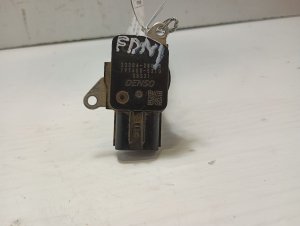
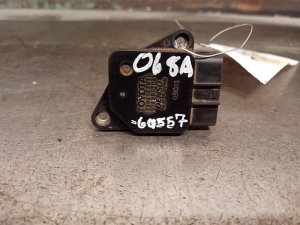
Used OEM Parts in Stock
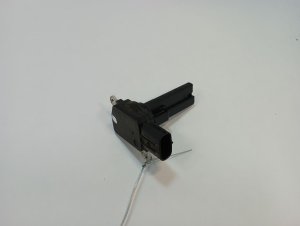
New Aftermarket Parts Available


The information in this article is provided for general reference and educational purposes only. Vehicle specifications, procedures, and part compatibility can vary by production date, trim level, and region. Always consult your vehicle's factory service manual and verify part numbers before purchasing or performing repairs. Safety-critical components such as airbags, seat belts, and braking systems should be installed by a qualified professional.
- Toyota Highlander Hybrid:
- 🧭 Diagnostic Flowchart
- 🎬 Helpful Videos
- 🛍️ Shop This Part
- What's Unique About the 2008-2013 Toyota Highlander Hybrid
- Symptoms You May Notice
- Most Likely Causes
- Rare But Worth Checking
- Diagnosis Steps
- Parts You'll Likely Need
- Related Codes That Often Appear With This One
- Technical Service Bulletins (TSBs) & Recalls
- Platform-Specific Known Issues
- Mechanic-Grade Diagnostic Values
- Scan Tool Commands That Help
- Wiring & Ground Locations
- Model Year Variations Within This Range
- Other Known Issues on This Vehicle
- Used vs. New Parts: Buying Guide for This Vehicle
- Real Owner Stories
- 2011 Highlander Hybrid 3.5L V6
- Related OBD-II Codes
- Frequently Asked Questions
- 🎟️ Get 5% Off