

P0175 on 2009-2016 Toyota Tundra: System Too Rich (Bank 2) Causes and Fixes
On 2009-2016 Tundras with the 5.7L Flex Fuel (3UR-FBE) engine, P0175 is very often caused by an incorrect alcohol density reading in the ECU, which requires a reset. For non-Flex Fuel models, the most common causes are a faulty upstream Air/Fuel (O2) sensor or a dirty Mass Airflow (MAF) sensor.
- P0175 means the engine is running too rich (too much fuel, not enough air) on the driver's side bank.
- For Tundras with the 5.7L Flex Fuel (3UR-FBE) engine, the first step should always be to check the 'Alcohol Density' value with a scan tool. An incorrect high reading is the most likely cause.
- For non-Flex Fuel models, the most probable causes are a bad upstream Air/Fuel Ratio sensor (Bank 2, Sensor 1) or a dirty MAF sensor.
- Driving for too long with this code can cause expensive damage to your catalytic converter.
- A bidirectional scan tool that can perform a 'Fuel Density Learning Value Reset' can be a cost-effective investment for Flex Fuel Tundra owners, potentially saving a trip to the dealer.
What's Unique About the 2009-2016 Toyota TUNDRA
The 2009-2016 Toyota Tundra, particularly models equipped with the 5.7L Flex Fuel V8 (engine code 3UR-FBE), has a well-documented issue with this code. The ECM can incorrectly calculate a high percentage of alcohol in the fuel, even when running on standard gasoline. This false high reading (sometimes as high as 85%) causes the computer to inject excess fuel to compensate, leading directly to P0175 (Rich Bank 2) and often P0172 (Rich Bank 1). This issue is so specific that Toyota has issued Technical Service Bulletins (TSBs), with T-SB-0166-19 superseding earlier versions and outlining a fix that may include an ECM reflash and/or a fuel pump replacement.
Diagnostic Flowchart
Tap your situation to follow the diagnostic path that matches what you're seeing on this vehicle.
Symptoms You May Notice

- Check Engine Light is on
- Reduced fuel economy
- Strong smell of gasoline from the exhaust
- Rough or unstable idle
- Hesitation or lack of power during acceleration
- In rare cases, black smoke from the exhaust
- Extended cranking on startup (Flex Fuel models)
- Replacing the downstream (post-catalyst) O2 sensor instead of the upstream (pre-catalyst) Air/Fuel Ratio sensor. The upstream sensor is the primary input for fuel trim adjustments.
- On Flex Fuel models, immediately replacing sensors without first checking the alcohol density value, which is a very common and vehicle-specific cause that can be fixed with a simple reset.
Most Likely Causes
- Incorrect Alcohol Density Reading (Flex Fuel 3UR-FBE models only) 🔴 High Probability The ECM logic on these specific models can miscalculate the ethanol content of the fuel, leading it to believe it's running on E85. This causes it to command a much richer fuel mixture. This is a known issue addressed by Toyota TSBs T-SB-0058-13 and the superseding T-SB-0166-19. Owners on forums like Tundras.com frequently discuss this exact scenario.
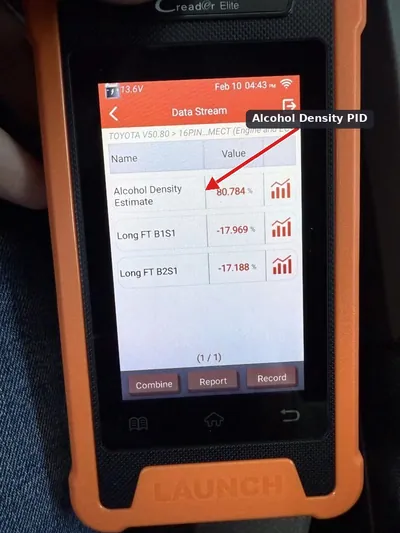
How to confirm: Use a bidirectional scan tool to view the 'Alcohol Density' or 'Alcohol Fuel Density' value. If you have been using regular gasoline (E10/E15) and the value is high (e.g., over 20-30%, often seen at 85%), this is the cause. Long-term fuel trims will also be very negative (e.g., -20% or more).
Typical fix: Reset the 'Fuel Density Learning Value' back to zero using a compatible bidirectional scan tool. 🎬 Watch: How to reset alcohol fuel density with a scan tool. Owners have successfully used tools like the Launch CRP919E and XTOOL D7/D8 for this. In some cases, the ECM may need a software update (reflash) from a Toyota dealership as described in TSB T-SB-0166-19, which may also require a fuel pump replacement.
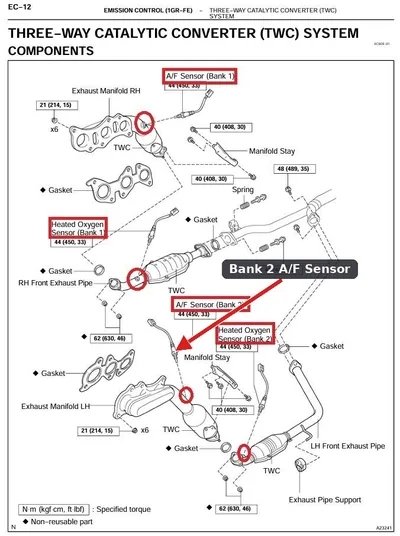
Est. part cost: $0 if performing a reset with an existing tool. A capable scan tool like the Launch CRP919E can be purchased for around $390. - Faulty Air/Fuel Ratio Sensor (Bank 2, Sensor 1) 🔴 High Probability → Shop Oxygen Sensor This is the primary sensor the ECM uses to measure the air-fuel ratio. They are located in the hot exhaust stream and degrade over time. A lazy or failed sensor can send incorrect, rich-biased signals to the ECM, causing it to reduce fuel and trigger the code.
How to confirm: Use a scan tool to graph the voltage of the Bank 2, Sensor 1 A/F sensor. A healthy sensor will fluctuate rapidly. A sensor that is stuck high or responds slowly is likely faulty.
Typical fix: Replace the Bank 2, Sensor 1 Air/Fuel Ratio sensor. This is the upstream sensor, located before the catalytic converter on the driver's side.
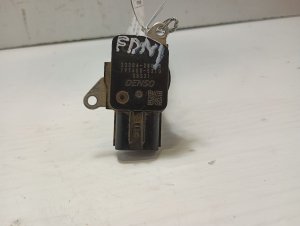
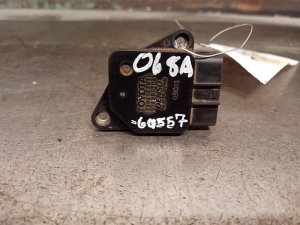
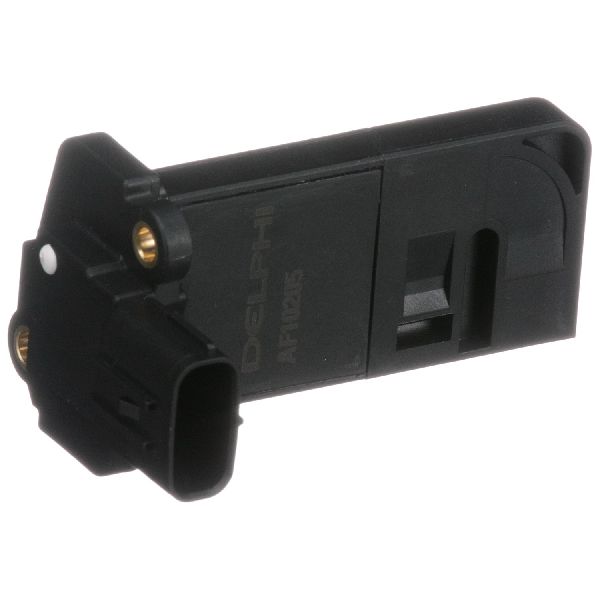
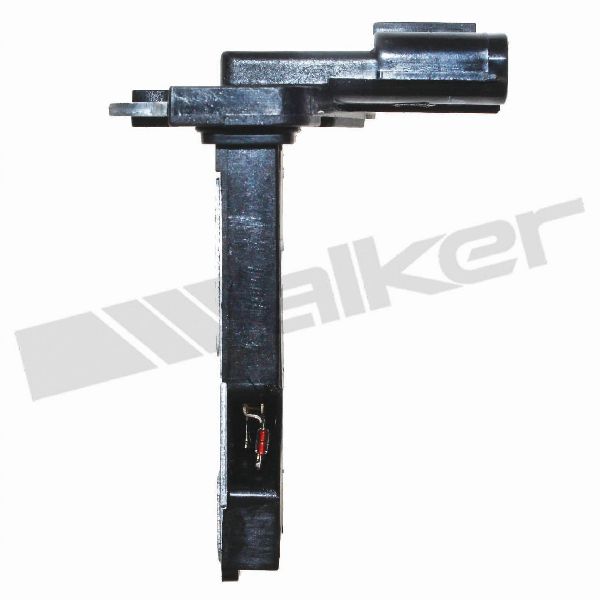
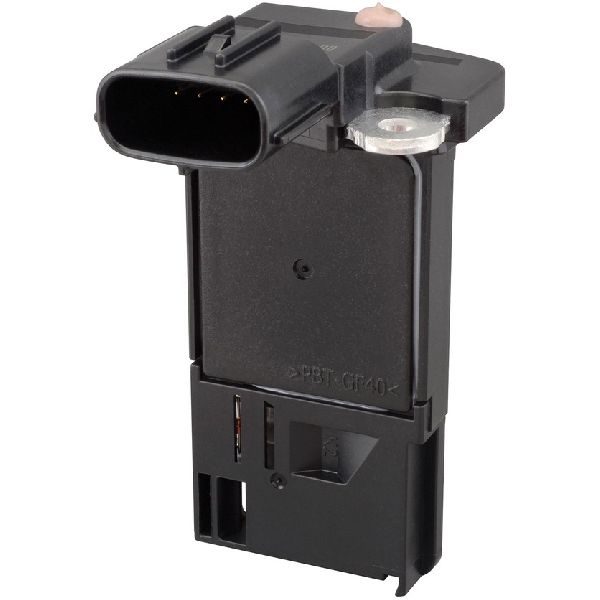
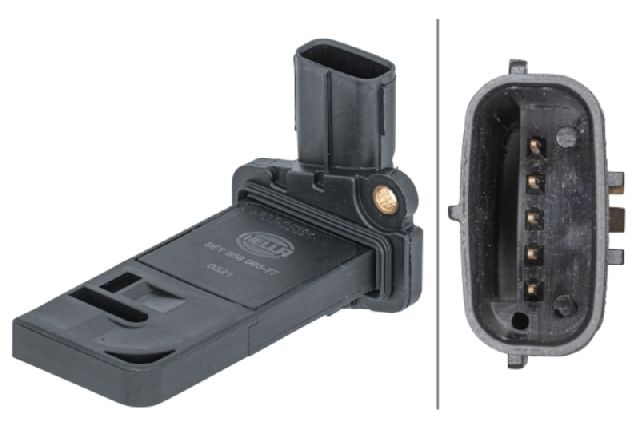
Est. part cost: $90-$220 - Dirty or Faulty Mass Airflow (MAF) Sensor 🟡 Medium Probability → Shop Fuel Injection Air Flow Meter The MAF sensor can become contaminated with dirt, debris, or oil (especially if an aftermarket oiled air filter is used), causing it to under-report the amount of air entering the engine. The ECM then injects too much fuel for the actual amount of air, creating a rich condition across both banks (P0172 and P0175).
How to confirm: Visually inspect the MAF sensor wires for contamination. You can also monitor the MAF reading (g/s) on a scan tool at idle and while driving to see if it responds correctly. A dirty sensor is a very common cause of rich codes after driving in dusty conditions.
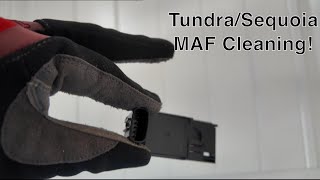
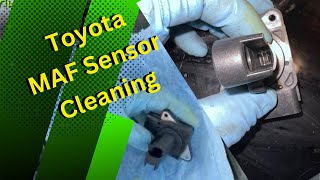
Typical fix: First, try cleaning the sensor with a dedicated MAF sensor cleaner spray. 🎬 See this walkthrough on cleaning your Tundra's MAF sensor. Do not touch the delicate wires. If cleaning doesn't resolve the issue, the sensor must be replaced.
Est. part cost: $10 for cleaner, $70-$150 for a new sensor. - Leaking Fuel Injector(s) on Bank 2 ⚪ Low Probability → Shop Fuel Injector A fuel injector can get stuck partially open or have a worn seal, causing it to leak fuel into a cylinder even when it's not supposed to. This adds extra, uncommanded fuel to Bank 2.
How to confirm: Perform a fuel pressure leak-down test. After shutting the engine off, the fuel rail pressure should hold steady. A rapid drop in pressure can indicate a leaking injector. You can also pull the spark plugs on Bank 2 and look for one that is wet with fuel or excessively black and sooty.
Typical fix: Replace the leaking fuel injector. It is often recommended to replace all injectors on that bank as a set to ensure even performance.
Est. part cost: $50-$150 per injector.
Rare But Worth Checking
- High Fuel Pressure: A faulty fuel pressure regulator or a restricted fuel return line can cause system-wide high fuel pressure, forcing too much fuel through the injectors. This usually triggers codes for both banks (P0172 and P0175).
- Faulty EVAP Purge Solenoid: → Shop Vapor Canister If the EVAP purge solenoid gets stuck open, it can allow unmetered fuel vapors from the charcoal canister to be drawn into the intake manifold at the wrong time, creating a rich condition.
Diagnosis Steps
- Use an OBD-II scanner to confirm P0175 and check for any other codes, like P0172.
- Observe live data on the scanner. Look at Short-Term Fuel Trim (STFT) and Long-Term Fuel Trim (LTFT) for Bank 1 and Bank 2. For P0175, you will see significantly negative numbers for LTFT on Bank 2 (e.g., -15% to -30%).
- If you have a Flex Fuel (3UR-FBE) model: The most important next step is to find the 'Alcohol Density' or 'Fuel Density' value in your scan tool's data list. If it's high (e.g., >20%) and you use regular gas, this is almost certainly your problem. If so, use a bidirectional tool to perform the 'Fuel Density Learning Value Reset'.
- Inspect the air intake system from the air filter to the throttle body for any blockages or dirt. Check the air filter itself, as a clogged filter can cause rich codes.
- Remove and inspect the Mass Airflow (MAF) sensor. If it appears dirty, clean it with dedicated MAF cleaner and re-test.
- Monitor the Bank 2, Sensor 1 (upstream) Air/Fuel Ratio sensor's voltage. It should fluctuate rapidly. If it's stuck or slow to respond, it's likely faulty.
- If other causes are ruled out, perform a fuel pressure test to ensure pressure is within specification.
- Check for leaking fuel injectors, either with a fuel pressure leak-down test or by inspecting the spark plugs on Bank 2 for signs of excessive fuel.
Parts You'll Likely Need
- Air/Fuel Ratio Sensor (Bank 2, Sensor 1)
(OEM #89467-0C050)— This is the primary sensor for fuel mixture control on the driver's side and is a common failure point leading to rich or lean conditions. Bank 2 is the driver's side.
Trusted brands: Denso (OEM supplier)
OEM price range: $150-$220
Aftermarket price range: $90-$140 - Mass Airflow (MAF) Sensor
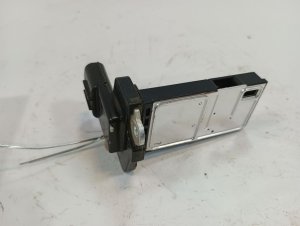
(OEM #22204-0F030)— A dirty or failed MAF sensor will under-report airflow, causing the ECU to command too much fuel. It affects both banks, so it's a primary suspect if P0172 is also present.
Trusted brands: Denso (OEM supplier)
OEM price range: $120-$160
Aftermarket price range: $70-$110 - MAF Sensor Cleaner — Often the MAF sensor is just dirty and does not need replacement. A $10 can of dedicated cleaner can often solve the problem.
Trusted brands: CRC
Aftermarket price range: $10-$15
Related Codes That Often Appear With This One
- P0172 — System Too Rich (Bank 1). If both P0172 and P0175 are present, it points to a problem common to both engine banks, such as the MAF sensor, fuel pressure, or the alcohol density issue on Flex Fuel models.
- P0430 — Catalyst System Efficiency Below Threshold (Bank 2). A long-term rich condition can overheat and destroy the catalytic converter, leading to this code.
- P1604 — Startability Malfunction. This code is specifically mentioned in Toyota TSBs T-SB-0166-19 and T-SB-0058-13 alongside P0175 for the Flex Fuel alcohol density issue.
Technical Service Bulletins (TSBs) & Recalls

- T-SB-0166-19_Rev: Mentions P0175 in a list of DTCs related to fuel trim issues.
- T-SB-0058-13 Rev: Specifically addresses P0175 on 3UR-FBE engines due to incorrect alcohol density calculation and advises an ECM logic modification (reprogram).
Platform-Specific Known Issues
- Flex Fuel (3UR-FBE) Alcohol Density Issue: As detailed in Toyota Technical Service Bulletin T
Mechanic-Grade Diagnostic Values
- Fuel Pressure (3UR-FBE Flex Fuel models) — expected: Low pressure setting: 270 to 330 kPa. High pressure setting: 370 to 430 kPa.. Failure: Pressure below 270 kPa (low) or 370 kPa (high) can indicate a leak or regulator issue.
- Mass Airflow (MAF) Sensor Reading at Idle — expected: Approximately 5.0 to 6.5 g/s for a warmed-up 5.7L engine. A rule of thumb is about 1 g/s per liter of displacement.. Failure: A significantly lower reading (e.g., 4.7 g/s) can indicate a dirty or failing sensor, causing the ECU to calculate less air and create a rich condition.
- Fuel Pressure Leak-Down Test — expected: Pressure should hold steady after the engine is turned off.. Failure: A pressure drop of more than 5 psi can indicate a leaking fuel injector or a faulty check valve in the fuel pump.
Scan Tool Commands That Help
- Toyota Techstream: Fuel Density Learning Value Reset — This is the primary fix for P0175 on 3UR-FBE (Flex Fuel) engines when the 'Alcohol Fuel Density' PID is erroneously high. It resets the learned ethanol content to zero.
- Toyota Techstream: Control the Select Cylinder Fuel Cut — This active test allows a technician to shut off fuel to individual cylinders to isolate a leaking or malfunctioning fuel injector on Bank 2. If cutting fuel to a specific cylinder has little effect on the idle, that injector may be the source of the rich condition.
- Toyota Techstream: A/F Control — This active test allows the user to manually command a lean (-12.5%) or rich (+25%) mixture and observe the A/F and O2 sensor responses. It is used to verify if the A/F sensor on Bank 2 is responding correctly to commanded changes.
- Toyota Techstream: Activate the Fuel Pressure Switching Valve — On 3UR-FBE engines, this test manually switches the fuel pressure between the 'High' and 'Low' settings to confirm the fuel pressure switching valve and regulator are functioning correctly.
Wiring & Ground Locations
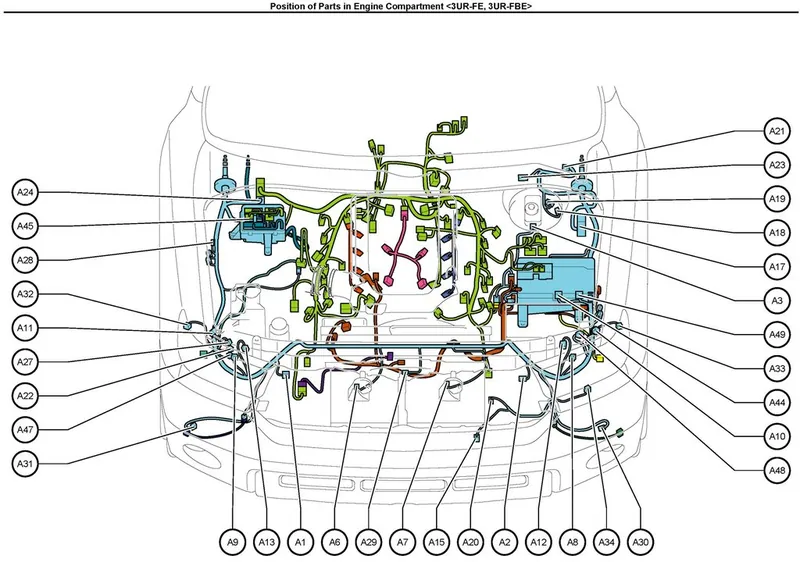
- Main Engine Grounds — The main engine grounds are located on the rear of each cylinder head, near where the engine mates to the transmission.. A poor ground connection for the engine block can affect sensor readings, including the A/F ratio sensors and knock sensors, potentially leading to incorrect fuel calculations. The coil pack ground bolts are also critical.
- ECM Location — The Engine Control Module (ECM) is located in the right rear of the engine compartment.. This is the location for performing pin-out voltage tests on sensor circuits (like the A/F sensor) if a wiring issue is suspected.
- Driver Side J/B (Junction Block) — Located on the left side of the dash.. This junction block contains fuses and relays critical to the engine control system, including ECU-IG No. 2, which powers components related to fuel and emissions.
Real Owner Repair Stories
- Online automotive blog user report (2013 Toyota Tundra 5.7L Flex Fuel (3UR-FBE) with 67,500 miles) — Hard starting (extended cranking), stumble on startup, strong fuel smell, reduced gas mileage, and Check Engine Light with rich codes.
❌ Tried (didn't work) Taking it to the dealer, who quoted $1200 for a TSB-related repair involving a fuel pump that was on backorder.
✅ What actually fixed it The owner purchased a bidirectional scan tool (Launch CRP919E), confirmed the 'Alcohol Fuel Density' was erroneously high, and used the 'Fuel Density Learning Value Reset' function. This reset the value to zero, immediately resolving all symptoms. The long-term fuel trim went from -23% to 0 after the reset.
OEM Part Supersession History
89467-22030→89467-0C050— Updated part for the Air/Fuel Ratio Sensor (Bank 2, Sensor 1).
Heads up: The part is specified for Tundras from March 2012 onwards. Using the older part number on a newer model may not be appropriate.22204-75030→22204-0F030— Updated part for the Mass Airflow (MAF) Sensor.
Model Year Variations Within This Range
- 2012-2013: These model years with the 3UR-FBE engine were the initial focus of TSB T-SB-0058-13 for the MIL 'ON' condition with P0175 and other codes related to the alcohol density issue.
- 2014-2015: These model years with the 3UR-FBE engine were addressed by a revised TSB, T-SB-0058-13 Rev, indicating a continuing issue with the alcohol density calculation.
- 2016: The 2016 model year is included under the latest superseding TSB, T-SB-0166-19_Rev, which covers a broader range and may involve a different repair procedure (potential ECM reflash and fuel pump replacement) compared to just a reset.
Helpful Videos

Used OEM Parts in Stock
New Aftermarket Parts Available


The information in this article is provided for general reference and educational purposes only. Vehicle specifications, procedures, and part compatibility can vary by production date, trim level, and region. Always consult your vehicle's factory service manual and verify part numbers before purchasing or performing repairs. Safety-critical components such as airbags, seat belts, and braking systems should be installed by a qualified professional.
- Toyota TUNDRA:
- 🧭 Diagnostic Flowchart
- 🎬 Helpful Videos
- 🛍️ Shop This Part
- What's Unique About the 2009-2016 Toyota TUNDRA
- Symptoms You May Notice
- Most Likely Causes
- Rare But Worth Checking
- Diagnosis Steps
- Parts You'll Likely Need
- Related Codes That Often Appear With This One
- Technical Service Bulletins (TSBs) & Recalls
- Platform-Specific Known Issues
- Mechanic-Grade Diagnostic Values
- Scan Tool Commands That Help
- Wiring & Ground Locations
- Real Owner Repair Stories
- OEM Part Supersession History
- Model Year Variations Within This Range
- 🎟️ Get 5% Off