

P0175 on 2007-2014 Volvo XC90 3.2L I6: System Too Rich Bank 2 Causes and Fixes
P0175 on a Volvo XC90 3.2L most often points to a failing upstream oxygen sensor on Bank 2 (the rear, firewall side) or a leaking fuel injector. The O2 sensor is the more probable cause for a single-bank rich condition. Expect to pay $100-$200 for an OEM-quality sensor. Before replacing parts, verify with live data from a scan tool.
- P0175 on this Volvo means Bank 2 (rear cylinders 4-6) is running too rich.
- The most probable cause is a faulty upstream O2 sensor on Bank 2, which is difficult to access.
- A leaking fuel injector on one of the rear three cylinders is the second most likely cause.
- Before replacing any parts, use a scan tool to analyze live fuel trim and O2 sensor data.
- Check the common-to-fail PCV system for whistling noises or signs of leaks, even though it usually causes lean codes.
What's Unique About the 2003-2014 Volvo XC90
The 3.2L inline-6 in the XC90 is a transverse-mounted engine, making access to Bank 2 components (at the rear) more challenging than Bank 1. This can complicate diagnosis and repair of the Bank 2 O2 sensor. Additionally, this engine has a well-documented issue with the PCV system diaphragm tearing. While this typically causes a whistling noise and lean codes (P0171/P0174) from a vacuum leak, any fault in the crankcase ventilation system can disrupt fuel trims and should be inspected.
Generation note: This guide specifically covers the first-generation Volvo XC90, but only for the model years 2007-2014, which were equipped with the B6324S 3.2L I6 engine. Models from 2003-2006 used different engines and this guide does not apply to them.
Symptoms You May Notice
- Check Engine Light is on
- Poor fuel economy
- Strong smell of gasoline from the exhaust
- Rough or unstable idle
- Engine hesitation or sluggish acceleration
- In some cases, black smoke from the tailpipe
- Failing an emissions test
- Replacing the MAF sensor when the issue is a bank-specific O2 sensor or injector.
- Replacing the downstream (post-catalyst) O2 sensor instead of the upstream (pre-catalyst) sensor that is responsible for fuel trim adjustments.
- Assuming a vacuum leak is the cause, which typically leads to lean codes (P0171/P0174), not rich codes.
Most Likely Causes
- Failing Upstream Oxygen (O2) Sensor on Bank 2 🔴 High Probability → Shop Oxygen Sensor O2 sensors are wear items with a finite lifespan. A lazy or failing sensor on Bank 2 can send a false 'lean' signal (low voltage) to the ECM, which then over-enriches the fuel mixture to compensate, causing a true rich condition.
How to confirm: Use a diagnostic scan tool to graph the live voltage for the Bank 2, Sensor 1 O2 sensor. A healthy sensor's voltage should fluctuate rapidly in a sine-wave pattern between approximately 0.1V and 0.9V. A failing sensor may be stuck at a low voltage (<0.3V) or switch very slowly.
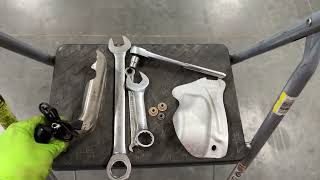
Typical fix: Replace the Bank 2 upstream (pre-catalytic converter) oxygen sensor. Access is tight as it's on the firewall side of the engine. A special slotted O2 sensor socket is highly recommended. 🎬 Watch: This walkthrough shows how to access and replace the O2 sensor.
Est. part cost: $100-$220 - Leaking Fuel Injector on Bank 2 🟡 Medium Probability → Shop Fuel Injector An injector can become stuck partially open due to internal wear or contamination, continuously dripping excess fuel into one of the cylinders (4, 5, or 6). This platform has a documented history of fuel injector issues.
How to confirm: After the engine has been off for at least 30 minutes, pull the spark plugs from cylinders 4, 5, and 6. A plug that is black, sooty, and smells of raw fuel indicates a leaking injector in that cylinder. Compare them to the plugs from Bank 1. A fuel pressure gauge can also be used; if pressure drops after the engine is shut off, it can indicate a leak.
Typical fix: Replace the faulty fuel injector. It is often recommended to replace all three on that bank (or all six) at the same time for long-term reliability.
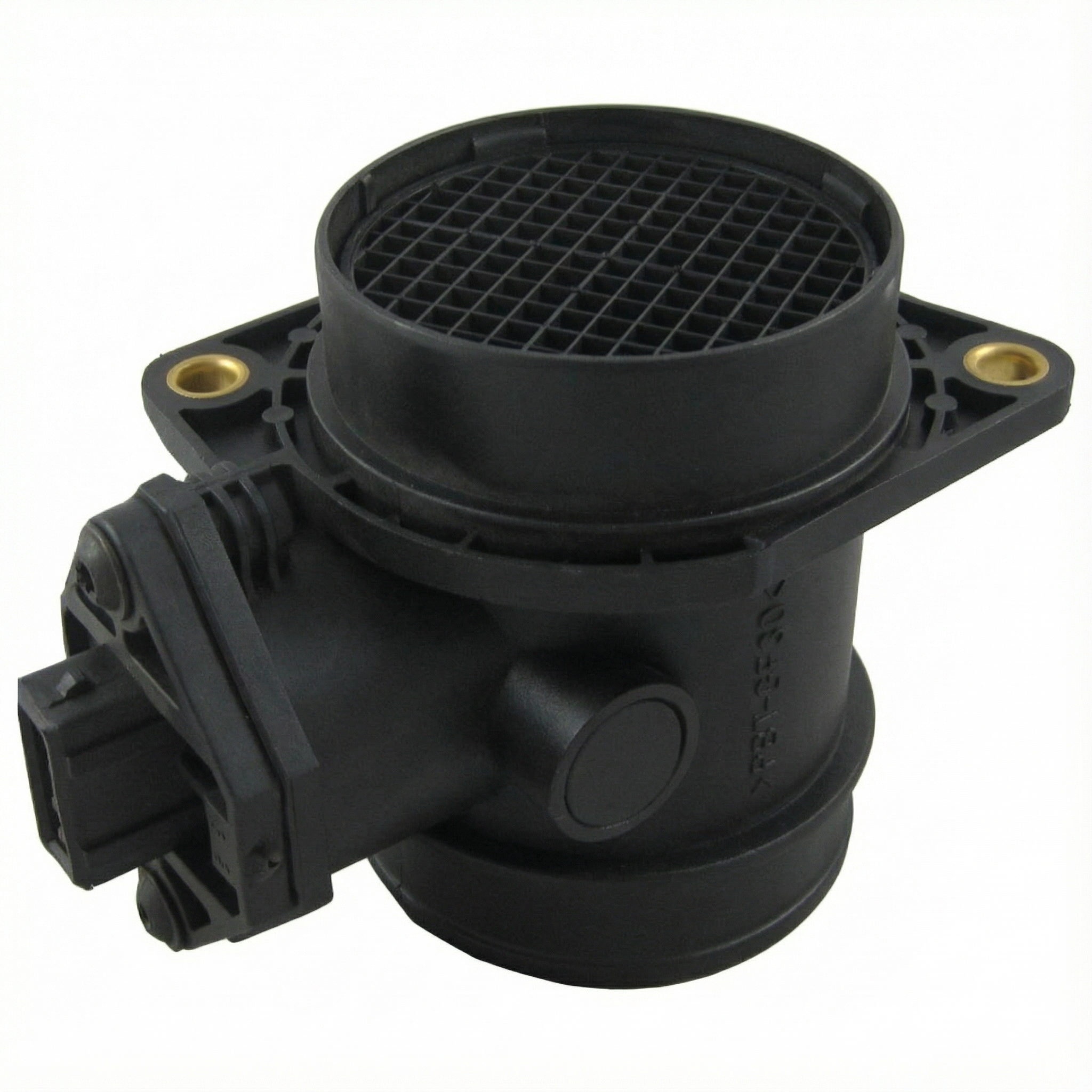
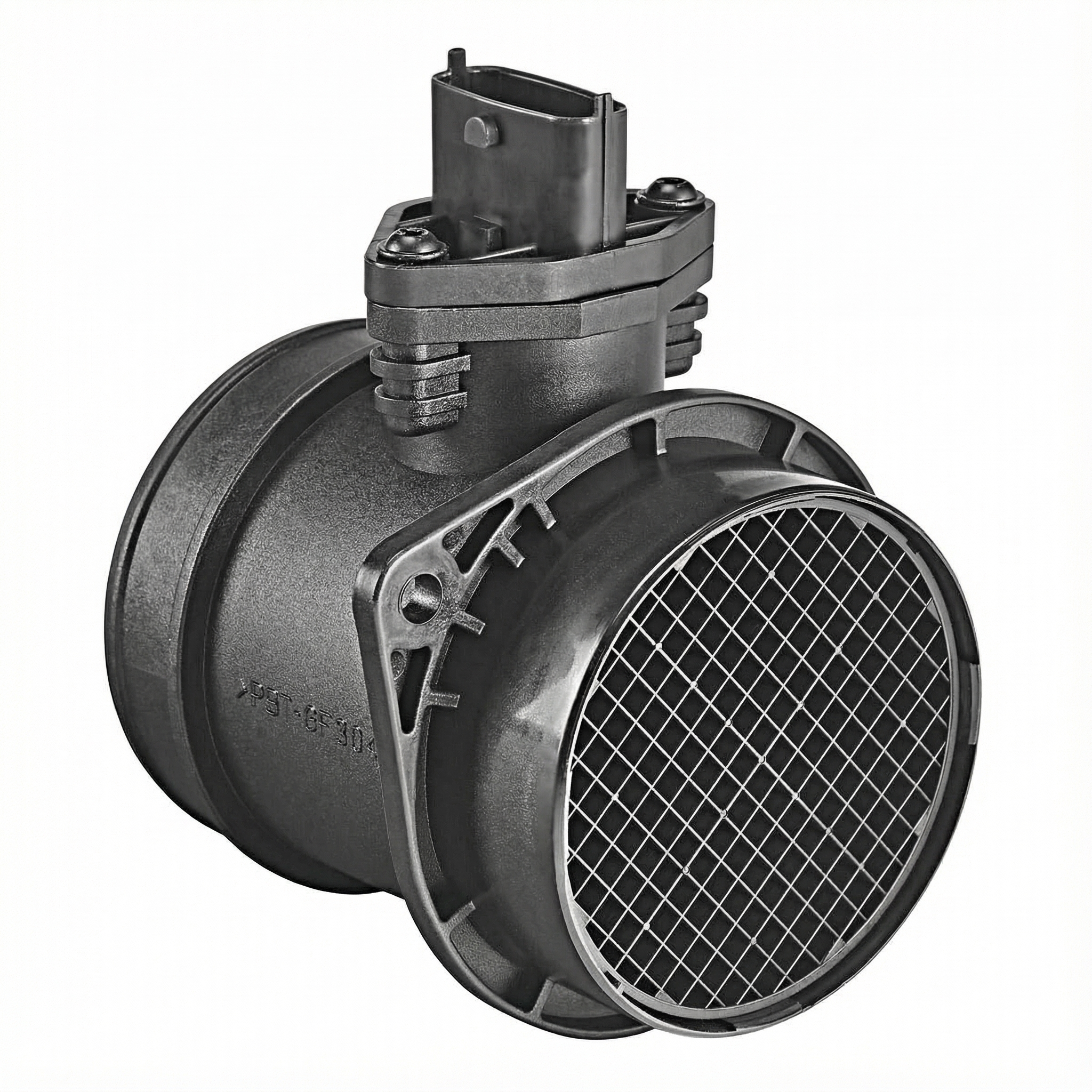
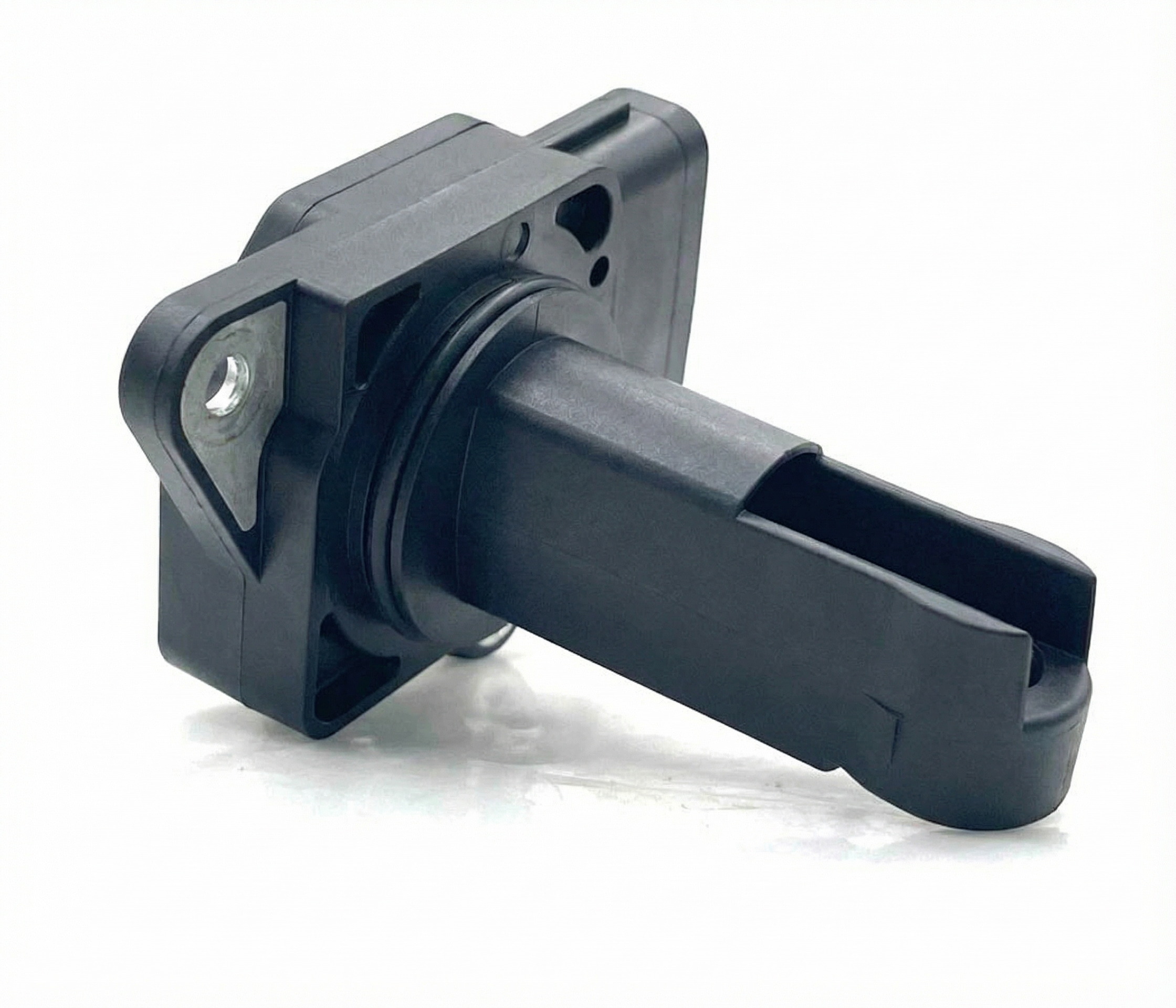
Est. part cost: $50-$150 per injector - Dirty or Faulty Mass Airflow (MAF) Sensor ⚪ Low Probability → Shop Fuel Injection Air Flow Meter While a faulty MAF sensor usually affects both engine banks (triggering P0172 and P0175), oil from aftermarket air filters (like K&N) or general contamination can provide inaccurate airflow readings that lead to incorrect fuel calculations. Sometimes this can initially manifest as a code on only one bank.
How to confirm: Inspect the MAF sensor element for dirt or oil contamination. You can try cleaning it with a dedicated MAF sensor cleaner as a first step. Monitor MAF readings (g/s) with a scan tool; at a stable warm idle, it should read around 4-6 g/s. Readings significantly outside this range suggest a problem.
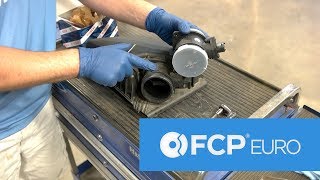
Typical fix: First, attempt to clean the sensor with a specialized MAF cleaner spray. 🎬 See how easy it is to replace the MAF sensor yourself. Do not touch the sensor element. If cleaning doesn't resolve the issue, replace the MAF sensor assembly.
Est. part cost: $150-$300
Rare But Worth Checking
- Faulty PCV System / Torn Diaphragm: This is a very common failure on the 3.2L engine, usually causing a loud whistle. It typically creates a vacuum leak and lean codes (P0171/P0174). However, any major disruption to the crankcase pressure and air metering system could potentially lead to incorrect fuel trims as the ECM struggles to compensate. It's worth inspecting regardless.
- High Fuel Pressure: A faulty in-tank fuel pressure regulator can cause high fuel pressure, but this would almost always affect both banks, triggering P0172 as well. A faulty fuel pressure sensor on the rail is also possible but usually sets its own specific codes (like P0087).
- Stuck-Open EVAP Purge Valve: → Shop Vapor Canister The evaporative emissions purge valve can fail and stick open, creating a constant flow of fuel vapors into the intake manifold. This acts like a vacuum leak but introduces fuel vapors instead of just air, which can lead to a rich condition. This would typically affect both banks but can manifest on one first.
Diagnosis Steps
- Use an OBD-II scanner to confirm P0175 and check for any other codes. Note the freeze frame data, paying close attention to engine temperature and load.
- With a scan tool, observe Long Term Fuel Trim (LTFT) and Short Term Fuel Trim (STFT) for both Bank 1 and Bank 2. For P0175, you will see a significantly negative LTFT value for Bank 2 (e.g., -15% or lower), while Bank 1 should be relatively normal.
- Graph the voltage of the Bank 2, Sensor 1 (upstream) O2 sensor. It should fluctuate rapidly between approximately 0.1V and 0.9V. If it's stuck low, switching very slowly, or has a flat-line reading, it is likely faulty.
- Inspect the air intake system between the MAF sensor and the throttle body for any loose connections or obvious damage.
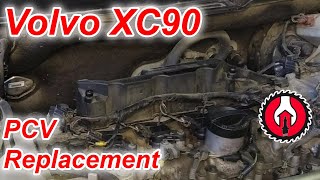
- Inspect the PCV oil trap housing (on top of the engine) for a torn diaphragm. A loud whistling noise at idle that stops when you pull the oil dipstick is a classic sign of failure. 🎬 Watch: Step-by-step guide to replacing the PCV oil trap housing.
- If the O2 sensor appears to be working, the next step is to check for a leaking fuel injector. Let the vehicle sit overnight, then remove the spark plugs from cylinders 4, 5, and 6. Inspect the tips for signs of being wet with fuel or heavy black soot compared to the plugs from Bank 1.
- Locate the EVAP purge valve and listen for a constant ticking or clicking noise. With the engine running, disconnect its vacuum line to see if there is constant suction; there should not be at idle.
- As a simple maintenance step, consider cleaning the MAF sensor with dedicated MAF sensor cleaner. Do not touch the sensor wires.
- If all else fails, check fuel pressure using a gauge attached to the fuel rail's service port to rule out a faulty regulator, although this is less likely for a single-bank code.
Parts You'll Likely Need
- Upstream Oxygen Sensor (Bank 2, Sensor 1)
(OEM #30756122)— This is the primary sensor responsible for fuel mixture control on Bank 2 and is a common failure point leading to rich or lean conditions.
Trusted brands: Bosch, Denso (OEM Supplier)
OEM price range: $180-$250
Aftermarket price range: $100-$170 - Fuel Injector
(OEM #30757534)— A leaking fuel injector is a direct cause of a rich condition in a specific cylinder. Bosch is the OEM supplier.
Trusted brands: Bosch (0280158096)
OEM price range: $120-$200
Aftermarket price range: $50-$150 - Mass Air Flow (MAF) Sensor
(OEM #30751293)— Less common for a single-bank code, but a possible cause if fuel trims on both banks are abnormal or if cleaning doesn't help.
Trusted brands: Bosch
OEM price range: $250-$350
Aftermarket price range: $150-$250
Related Codes That Often Appear With This One
- P0172 — System Too Rich (Bank 1). If both P0172 and P0175 are present, the cause is likely a component that affects both banks, such as the MAF sensor, fuel pressure issue, or a stuck EVAP purge valve.
- P0304, P0305, P0306 — Cylinder Misfire codes for Bank 2. An excessively rich mixture can foul the spark plug in a specific cylinder, leading to a misfire.
Technical Service Bulletins (TSBs) & Recalls
- TSB TJ26138: References a potential ECM (Engine Control Module) software update to improve the calculation of fuel trim adaptations. This could be a dealer-level fix if no hardware faults are found.
- TSB TJ21163: Addresses issues related to high oil consumption, which can be linked to the PCV system. A faulty PCV system can indirectly affect fuel trims.
Platform-Specific Known Issues
- The PCV breather box diaphragm is known to fail, causing a loud whistling sound. While this usually results in a vacuum leak and lean codes, it indicates a problem in the engine's air management system that should be addressed.
- Access to the Bank 2 (firewall side) O2 sensor is notoriously difficult and may require removing other components for clearance.
Mechanic-Grade Diagnostic Values
- Fuel Rail Pressure (at idle, engine warm) — expected: Approx. 55 PSI (3.8 bar). Failure: Pressure that is significantly higher can cause a rich condition. Pressure that drops off immediately after engine shutdown indicates a leak in the system (e.g., a leaky injector).
- Fuel Injector Coil Resistance — expected: 11.8 - 12.3 ohms. Failure: A reading outside this range, or a variance of more than 0.5 ohms between injectors on the same bank, points to a faulty injector.
- Fuel Injector Pulse Width (at idle, engine warm) — expected: 1.5 ms - 2.9 ms. Failure: Values significantly higher than this range indicate the ECM is commanding extra fuel, which could be due to a false sensor reading (like a bad O2 sensor).
- Fuel Pressure Sensor Signal Voltage — expected: 0 - 5 V analog signal. Failure: The voltage is proportional to pressure. A sensor that is stuck at a high voltage could trick the ECM into thinking pressure is lower than it is, causing issues. A diagnostic check should compare this voltage to actual pressure measured with a mechanical gauge.
Scan Tool Commands That Help
- Volvo VIDA or compatible advanced scanner (e.g., YOUCANIC, Launch X431): Air/Fuel Adaptation Reset (or similar wording like 'Resetting adaptation of fuel and air mixture') — This is critical after replacing a major air/fuel component (MAF, O2 sensor, fuel injectors) or after fixing a significant vacuum leak (like a torn PCV diaphragm). Failure to reset adaptations can cause the ECM to use old, incorrect fuel trim values, leading to temporary rich or lean codes immediately after the repair.
- Volvo VIDA: ECM Adaptation of Throttle Unit — While not a direct fix for P0175, incorrect throttle position can affect air metering. This function, found in VIDA under ECM/Advanced, recalibrates the electronic throttle module. It should be performed if throttle body work has been done or if throttle-related codes are also present.
Wiring & Ground Locations
- Engine Compartment Fuse Box — On the driver's side of the engine bay, under a plastic cover near the positive battery terminal post.. Contains primary fuses for the ECM and potentially the O2 sensor heater circuits. A blown fuse here can cause an O2 sensor to become inactive, leading to incorrect fuel trim adjustments.
- Passenger Compartment Fuse Boxes (2) — One is on the driver's side, on the end of the dashboard accessible when the door is open. The other is in the driver's footwell, above the pedals.. These boxes contain fuses for various control modules that communicate with the ECM. While less likely to be a direct cause, they are part of the overall electrical system diagnosis.
- Rear Cargo Compartment Fuse Box — In the rear cargo area, behind a panel on the driver's side.. This fuse box, also known as the Rear Electronic Module (REM), controls components like the fuel pump on some models. A fault here could potentially affect fuel delivery.
- Fuel Pressure Sensor — Located on the end of the fuel rail, visible after removing the top plastic engine cover.. Provides the primary fuel pressure reading to the ECM. A faulty sensor or corroded connector here can cause system-wide rich or lean conditions. The OEM part number is 31272732.
Real Owner Repair Stories
- Club Volvo Québec & volvoXC.com forum user 'Turbo_Boss' (2008 Volvo XC90 3.2L AWD with 75,000 km) — Initially had lean codes (P0171, P0174) and a noticeable hissing/suction from the oil cap.
❌ Tried (didn't work) Initially diagnosed a vacuum leak from the PCV system.
✅ What actually fixed it The user replaced the PCV oil trap assembly (Part No. 31319642) which fixed the lean codes. However, this immediately caused rich codes (P0172 and P0175) to appear. Another user explained this is due to the ECM's long-term fuel trims being adapted to the vacuum leak. After fixing the leak, the old adaptations cause a rich condition. The final step was to clear the codes, allowing the ECM to relearn the fuel trims, which resolved the new rich codes. - Volvo Owners Club Forum user 'jamesholley' (2006 (likely typo, 3.2L started in 2007) Volvo XC90 3.2L) — Check Engine Light with codes P0087 (Fuel Rail/System Pressure Too Low), P0172 (Rich Bank 1), and P0175 (Rich Bank 2).
❌ Tried (didn't work) Clearing codes, which returned after four weeks.
✅ What actually fixed it A local garage diagnosed a faulty fuel pressure sensor. They replaced the sensor and cleaned the fuel rail, which resolved all codes.
"I Checked Everything" — The Actual Cause
- A very common scenario on this engine is replacing the failed PCV oil trap (which causes lean codes P0171/P0174) and then immediately getting rich codes P0172/P0175. This happens because the ECM has learned high positive fuel trims to compensate for the vacuum leak. When the leak is suddenly fixed, those learned trims cause a massive rich condition. The fix is not another part, but rather performing a fuel adaptation reset with a scan tool or allowing the car to relearn over several drive cycles.
When the Usual Fixes Don't Work
- In one forum case where both P0172 and P0175 were present, the owner had already replaced the MAF sensor, O2 sensors, and fuel pressure regulator without success. The final fix was determined to be a faulty fuel pressure sensor located on the fuel rail, a part distinct from the regulator. This highlights that when both banks are rich, the fuel pressure *sensor* can be the culprit, not just the regulator or a component common to both banks like the MAF.
OEM Part Supersession History
30713979→30756122— Standard part revision for the Bank 2 Upstream Oxygen Sensor.8653891, 8653892→30757534— Standard part revision for a fuel injector.
Heads up: CRITICAL: While Pass 2 and some vendors list PN 30757534 for the 3.2L engine, many parts catalogs explicitly state this injector is for the 2.5L Turbo engine. The Bosch cross-reference is 0280158096. Extreme caution is advised; verify the correct injector part number for the B6324S engine via VIN with a dealer to avoid purchasing an incompatible part.
Model Year Variations Within This Range
- 2007-2010: These years used the initial B6324S engine version. These earlier engines are noted for having a less robust needle bearing in the Rear End Accessory Drive (READ) unit, which was a potential failure point.
- 2011-2014: These years used the updated B6324S5 engine. To reduce internal friction and improve reliability, this version featured a Diamond-like Carbon (DLC) coating on valvetrain parts, different Denso spark plugs, revised ECM software, and a more durable ball bearing in the READ unit.
Diagnostic Flowchart
Other Known Issues on This Vehicle
Issues unrelated to this code that are worth knowing about as an owner of this generation:
- Rear Engine Accessory Drive (READ) Bearing Failure 🔴 High — Common on vehicles over 100,000 miles. Presents as a whining or growling noise from the transmission-side of the engine. Failure requires engine/transmission removal for repair. (Ref: Volvo TSB 21-9 describes the noise and failure of the drive gear.)
- PCV System / Oil Trap Diaphragm Failure 🟠 Medium — Very common failure. Often occurs around 80,000-120,000 miles. Results in a loud whistling or howling noise at idle, which stops when the dipstick is pulled. Usually causes lean codes (P0171/P0174).
- Alternator / Water Pump / Power Steering Pump Drive Belt System 🟠 Medium — The complex belt system driven by the READ unit has a service interval of ~150,000 miles. Failure of the belt, tensioner, or decoupler pulley can cause overheating and loss of power steering.
- Rear Differential Pinion Bearing Failure 🟠 Medium — A known weak point on AWD models, presenting as a whining or humming noise from the rear of the vehicle that changes with speed. Can occur at any mileage but more common over 75,000 miles.
- Cracked or Leaking Intercooler Hoses 🟡 Low — While more common on turbocharged models, the intake plumbing on all models can develop cracks or leaks at connection points, leading to unmetered air and fuel trim issues.
Used vs. New Parts: Buying Guide for This Vehicle
When a used part is the smart pick: For this specific repair, used parts are generally not recommended for the primary failure components. A used fuel rail or intake manifold would be acceptable if needed during a larger repair, but the sensors and injectors themselves should be new.
Donor-vehicle mileage cap: roughly under 100000 miles for the part to have meaningful remaining life.
What to inspect on the donor part:
- For any used part, check for a vehicle history report to avoid parts from flood or major accident vehicles.
- Inspect plastic components for brittleness or cracking.
- Check electrical connectors for corrosion, bent pins, or damaged locking tabs.
OEM-only on this vehicle (don't cheap out):
- PCV Oil Trap Assembly: The diaphragm inside is sensitive and crucial for correct crankcase pressure. Aftermarket versions are known to fail prematurely.
- Fuel Injectors: Due to the high precision required and documented issues with aftermarket quality, using OEM (Volvo) or the original supplier (Bosch) is strongly advised. Part number compatibility is a known issue, so VIN verification is essential.
Aftermarket brands forum-validated for this vehicle:
- Denso (for Oxygen Sensors - OEM supplier)
- Bosch (for Oxygen Sensors, Fuel Injectors, MAF Sensor - OEM supplier)
Brands owners have reported issues with on this vehicle:
- Unbranded, 'white-box' oxygen sensors and fuel injectors from online marketplaces. These often fail quickly or are out-of-spec from the start, leading to recurring codes and wasted diagnostic time.
Real Owner Stories
Aggregated from forums and TSBs cited above. Mileages and costs reflect what owners reported in those sources.
2008 Volvo XC90 3.2L
Symptoms: The vehicle was throwing both P0172 and P0175 rich codes simultaneously.
What fixed it: Replacing the faulty Mass Airflow (MAF) sensor.
Source hint: swedespeed.com/threads/p0172-p0175-on-my-08-xc90-3-2.599819/
Related OBD-II Codes
Frequently Asked Questions
Could TSB TJ26138 resolve the P0175 code on my XC90 without replacing parts?
My 3.2L engine is making a loud whistling noise at idle along with the rich code; is this related?
Is it true that the Bank 2 O2 sensor is harder to reach on the XC90 B6324S?
Can an aftermarket air filter cause a P0175 code on this vehicle?
Should I replace all my fuel injectors if only one is leaking on Bank 2?
Helpful Videos

We Have This Part in Stock

The information in this article is provided for general reference and educational purposes only. Vehicle specifications, procedures, and part compatibility can vary by production date, trim level, and region. Always consult your vehicle's factory service manual and verify part numbers before purchasing or performing repairs. Safety-critical components such as airbags, seat belts, and braking systems should be installed by a qualified professional.
- Volvo XC90:
- 🧭 Diagnostic Flowchart
- 🎬 Helpful Videos
- 🛍️ Shop This Part
- What's Unique About the 2003-2014 Volvo XC90
- Symptoms You May Notice
- Most Likely Causes
- Rare But Worth Checking
- Diagnosis Steps
- Parts You'll Likely Need
- Related Codes That Often Appear With This One
- Technical Service Bulletins (TSBs) & Recalls
- Platform-Specific Known Issues
- Mechanic-Grade Diagnostic Values
- Scan Tool Commands That Help
- Wiring & Ground Locations
- Real Owner Repair Stories
- "I Checked Everything" — The Actual Cause
- When the Usual Fixes Don't Work
- OEM Part Supersession History
- Model Year Variations Within This Range
- Other Known Issues on This Vehicle
- Used vs. New Parts: Buying Guide for This Vehicle
- Real Owner Stories
- 2008 Volvo XC90 3.2L
- Related OBD-II Codes
- Frequently Asked Questions
- 🎟️ Get 5% Off