

P0191 on 2012-2016 Cadillac SRX 3.6L: Fuel Pressure Sensor Causes and Fixes
On a 2012-2016 Cadillac SRX with the 3.6L engine, code P0191 most often points to a failing Fuel Rail Pressure Sensor or a weak High-Pressure Fuel Pump (HPFP). Replacing the sensor is a common, affordable fix (~$50-$100 for the part), while a new HPFP is a more involved and expensive repair. In many cases, owners report replacing the sensor first, only to find the HPFP was the true culprit.
- P0191 on your SRX means the fuel pressure at the engine is not what the computer expects.
- The most likely cause is a bad Fuel Rail Pressure Sensor, which is a relatively easy DIY fix located on the driver's side of the engine.
- Do not rule out a failing High-Pressure Fuel Pump (HPFP), a more expensive but common issue on this engine. Check your oil dipstick for a gasoline smell, which is a definitive sign of HPFP failure.
- A scan tool that can read live fuel pressure data is the most important tool for diagnosing this code correctly.
- If replacing the HPFP, you must also replace the single-use high-pressure fuel line.
What's Unique About the 2012-2016 Cadillac SRX

The 3.6L LFX engine in your SRX uses a Gasoline Direct Injection (GDI) system. This system has two fuel pumps: a low-pressure pump in the tank and a high-pressure fuel pump (HPFP) driven by the camshaft. Code P0191 is often an early indicator that the HPFP is beginning to fail, as it struggles to maintain the pressure commanded by the ECM. While the sensor itself can fail, it's crucial to consider the entire high-pressure system, as simply replacing the sensor may not fix the underlying problem of a weak pump. This is a common misdiagnosis reported by many owners of LFX-equipped vehicles.
Symptoms You May Notice
- Check Engine Light is on
- "Reduced Engine Power" message on the dashboard (limp mode)
- "Service Stabilitrak" warning message may appear 🎬 Watch: How to fix the Reduced Engine Power and Stabilitrak warnings.
- Hesitation or stumbling during acceleration
- Rough or unstable idle
- Engine may stall, especially when coming to a stop or idling at a traffic light
- Longer than normal engine cranking time to start
- Decreased fuel economy
- Engine runs fine for a short period after clearing the code, but the issue returns
- Replacing the in-tank (low-pressure) fuel pump when the high-pressure fuel pump (HPFP) is actually the cause.
- Replacing the fuel rail pressure sensor when the high-pressure fuel pump is weak and causing the erratic readings. This is a very common scenario described by owners online.
Most Likely Causes

- Faulty Fuel Rail Pressure Sensor 🔴 High Probability → Shop Fuel Pressure Sensor The sensor operates in a high-heat, high-pressure environment and its electronics can fail over time. The connector pigtail is also a known point of failure due to heat and vibration.
How to confirm: Using a scan tool, compare the desired fuel rail pressure with the actual fuel rail pressure reading from the sensor. At idle, pressure should be around 500-600 PSI. Under acceleration, it should rise to 1600 PSI or more. If the reading is erratic, stuck, or drops to zero when coming to a stop, the sensor is a likely suspect. A visual inspection for fuel leaks at the sensor body is also recommended. The sensor is located on the driver's side fuel rail, under a foam sound insulator.
Typical fix: Replace the fuel rail pressure sensor. On the SRX, some owners have successfully replaced it without removing the intake manifold by using a small wrench, though access is tight. 🎬 Watch: This easy walkthrough shows how to replace the sensor. On other LFX platform-mates, removing the upper intake manifold is required.
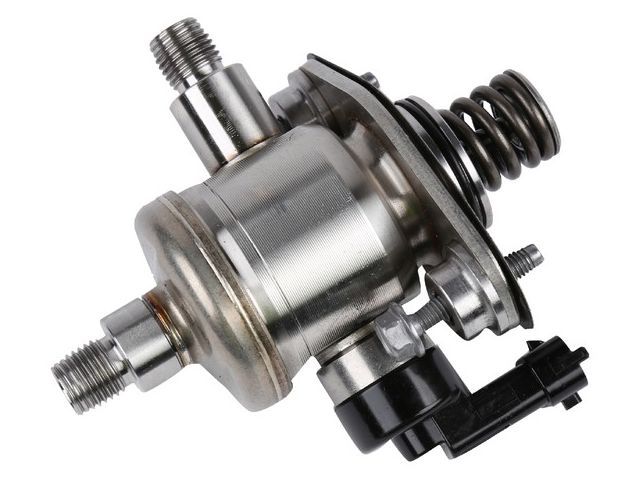
Est. part cost: $45-$110 - Failing High-Pressure Fuel Pump (HPFP) 🟡 Medium Probability → Shop Fuel Pump The HPFP is a known failure point on the GM 3.6L LFX engine. Internal wear or issues, sometimes exacerbated by fuel type (see TSBs), can lead to its failure. Many owners report this as the ultimate fix after first replacing the sensor.
How to confirm: A professional scan tool is needed to monitor both low-side (from the in-tank pump) and high-side (from the HPFP) fuel pressure. If low-side pressure is stable but high-side pressure fails to meet the desired pressure under load, the HPFP is the likely culprit. Another critical sign is a strong smell of gasoline on the oil dipstick, indicating the pump's internal seal has failed and is leaking fuel into the crankcase, which requires immediate attention.
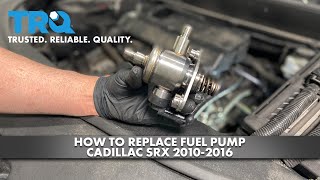
Typical fix: Replace the high-pressure fuel pump and the associated single-use high-pressure fuel line. This is a more labor-intensive job, typically requiring 2-3 hours. 🎬 See this step-by-step guide for replacing the fuel pump. The pump is located on the rear of the driver's side cylinder head.
Est. part cost: $250-$600 - Wiring or Connector Issue ⚪ Low Probability The wiring harness connector for the fuel pressure sensor can become corroded or damaged from engine heat and vibration. Some forum posts show evidence of previous repairs to this specific connector pigtail.
How to confirm: Visually inspect the connector and wiring leading to the fuel rail pressure sensor for any signs of corrosion, damage, or loose pins. Wiggle the connector with the engine running to see if it affects the fuel pressure reading on a scan tool. A multimeter can be used to check for continuity and proper voltage between the sensor and the ECM. GM Technical Service Bulletin 20-NA-197 specifically addresses P0191 caused by corrosion at this connector.
Typical fix: Repair the damaged wiring or replace the connector pigtail.
Est. part cost: $20-$40
Rare But Worth Checking
- Failing In-Tank Low-Pressure Fuel Pump: → Shop Fuel Pump While P0191 is a high-side pressure code, a failing low-pressure pump can starve the HPFP, causing it to underperform and trigger this code. This should be ruled out by checking low-side fuel pressure with a scan tool or manual gauge; it should be stable around 45-60 PSI.
- Clogged Fuel Filter: → Shop Fuel Filter The fuel filter is integrated with the in-tank fuel pump module and is considered non-serviceable. A severely clogged filter would cause low-pressure supply issues, similar to a failing in-tank pump.
- Faulty Engine Control Module (ECM): → Shop Engine Control Module (ECM) This is extremely rare. The ECM should only be considered after all other possibilities, including sensors, pumps, and wiring, have been exhaustively tested and ruled out.
Diagnosis Steps

- Connect an OBD-II scanner and check for P0191 and any other accompanying codes (e.g., P0087, P0089, P228C). Note the freeze-frame data.
- Using the live data function on the scanner, monitor 'Desired Fuel Rail Pressure' and 'Actual Fuel Rail Pressure'.
- At idle, the values should be very close, around 500-600 PSI. Rev the engine; both values should rise together, with actual pressure reaching 1,600+ PSI under load. If the actual pressure lags, is erratic, or drops to zero upon deceleration/stopping, it points to a problem.
- Turn the engine off. Locate the fuel rail pressure sensor on the driver's side of the engine, under a black foam sound insulator. Inspect the electrical connector and wiring for any damage, corrosion, or looseness.
- If wiring seems okay, the next step is to differentiate between a bad sensor and a bad pump. A common failure story involves replacing the sensor, only for the problem to return, indicating the HPFP was the real issue. If the sensor reading drops to zero or an obviously false number, the sensor is a strong suspect.
- If the sensor reading seems plausible but just can't keep up with the desired pressure, especially under load, the high-pressure fuel pump is the primary suspect.
- As a critical check, pull the engine oil dipstick and smell it for gasoline. A strong fuel smell indicates a failed internal seal on the high-pressure fuel pump, requiring immediate replacement to prevent engine damage.
- Before replacing the HPFP, verify the low-pressure fuel system is working correctly. Use a scan tool or gauge to check the low-side pressure; it should be steady around 45-60 PSI.
- Based on the findings, replace the faulty component. If replacing the HPFP, it is critical to also replace the one-time-use high-pressure fuel line that connects to it.
Parts You'll Likely Need
- Fuel Rail Pressure Sensor
(OEM #12635273 (Superseded by 12651990))— This is the most common and least expensive component to fail in the system that directly causes this code.
Trusted brands: ACDelco, Bosch
OEM price range: $70-$110
Aftermarket price range: $45-$80 - High-Pressure Fuel Pump
(OEM #12677329 (Also listed as HPM1029))— This is the second most common cause and a known issue on the 3.6L LFX engine. Its failure directly leads to the pressure performance issues that trigger P0191.
Trusted brands: ACDelco, Bosch
OEM price range: $400-$600
Aftermarket price range: $250-$450 - High-Pressure Fuel Pipe (Pump to Rail)
(OEM #12632365)— This is a one-time-use, torque-to-yield part that MUST be replaced anytime the high-pressure fuel pump is disconnected or replaced to ensure a proper seal.
Trusted brands: ACDelco
Related Codes That Often Appear With This One
- P0087 — This code means "Fuel Rail/System Pressure - Too Low" and often appears with P0191 when the high-pressure fuel pump cannot supply enough fuel.
- P0089 — This code for "Fuel Pressure Regulator Performance" can be set when the system struggles to maintain stable pressure, often pointing back to a weak HPFP or faulty sensor.
- P228C — This is another GM-specific code for "Fuel Pressure Regulator 1 Exceeded Control Limits - Pressure Too Low," which is directly related to the performance of the high-pressure fuel system and is mentioned in TSBs for this engine.
- P0171/P0174 — "System Too Lean (Bank 1/2)" codes can appear alongside P0191 when the low fuel pressure condition prevents the engine from achieving the correct air/fuel mixture.
Technical Service Bulletins (TSBs) & Recalls
- 18-NA-106: While the title of this TSB is "Vibration or Rough Idle", a previous version (PIP5547) which it replaces, and related TSBs like 12-06-04-002B, address DTC P228C on the 3.6L LFX engine. They note that excessive E85 fuel use could cause a plunger internal to the high-pressure fuel pump to stick, leading to low fuel pressure. The fix involves inspecting the fuel for contamination.
- 21-NA-116: This TSB addresses multiple DTCs setting, which can sometimes occur with complex fuel system faults.
- 18-NA-355: Although this TSB relates to torque converter shudder, it is an example of common drivability issues on GM platforms that can sometimes be misdiagnosed or overlap with fuel system symptoms.
Platform-Specific Known Issues
- The high-pressure fuel pump on the 3.6L LFX engine is a known failure item. Symptoms often begin with hesitation under load and can progress to hard-starting and stalling.
- A strong smell of gasoline in the engine oil is a tell-tale sign of a severe internal failure of the high-pressure fuel pump, which can damage the engine if not addressed promptly.
- On the SRX specifically, some owners have been able to replace the fuel rail pressure sensor without removing the upper intake manifold, which is a significant time saver compared to other vehicles with the same engine. This involves using a 27mm or adjustable wrench in a very tight space.
- The 2012 model year LFX engine may have a less reliable timing chain design carried over from the previous LLT engine; models from 2013 onwards have an improved design. While not directly related to P0191, it's a point of concern for overall engine reliability.
Mechanic-Grade Diagnostic Values
- Fuel Rail Pressure Sensor (FRPS) Signal Voltage — expected: Typically 0.5V at 0 PSI and 4.5V at maximum pressure. With key on, engine off, voltage should be around 1.0V.. Failure: Voltage that is stuck at 5V (indicating an open circuit) or 0V, or readings that do not correspond to pressure changes.
- FRPS 5V Reference Voltage at Connector — expected: A steady 5V on the reference wire from the ECM.. Failure: Voltage below 5V or no voltage indicates a wiring or ECM issue.
- FRPS Ground Circuit Voltage Drop — expected: Less than 0.1V (100mV) between the sensor ground wire and chassis ground.. Failure: A reading higher than 0.1V indicates a poor ground connection, which can cause incorrect sensor readings.
- Low-Side Fuel Pressure (In-tank pump) — expected: Stable pressure between 45-60 PSI, controlled by the Fuel Pump Control Module (FPCM).. Failure: Pressure that is unstable, drops under load, or is significantly below 45 PSI, indicating a weak in-tank pump or FPCM issue.
Scan Tool Commands That Help
- GDS2 (GM Dealer Tool): Fuel System Tests — A dealer-level tool like GDS2 allows for bidirectional control, such as commanding specific fuel pressures to test the response of the HPFP and sensor, and can perform automated fuel system diagnostic routines that are not available on standard OBD-II scanners.
- GDS2 (GM Dealer Tool): Module Software Update/Calibration — According to TSB #PIP5018B for a similar GM vehicle, checking for and applying an updated ECM calibration may be a required first step before further diagnosis, as software logic changes can resolve some performance-related codes.
Wiring & Ground Locations

- G100 — On the engine, at the front of the left cylinder head.. This is a primary engine ground. A poor connection here can affect various sensors and modules, including the ECM which processes the fuel pressure sensor signal.
- G101 — At the left rear of the engine compartment.. Another key engine compartment ground. Verifying its integrity is crucial when diagnosing any electrical fault, as a bad ground can cause erratic sensor behavior.
- J136 (Splice) — In the engine harness, located on the left side of the engine, approximately 46.5 cm from the breakout to the high-pressure fuel pump.. This splice is part of the Pink/Black ignition voltage circuit that powers multiple engine components. Corrosion or a fault at this splice could potentially affect the power supply related to the fuel system controls.
- FRPS Connector — On the driver's side fuel rail, under a foam sound insulator.. This is the direct connection to the sensor. GM TSB 20-NA-197 identifies corrosion or damage at this specific connector as a direct cause for code P0191.
Real Owner Repair Stories
- YouTube channel 'Waqas Azmat' (2012 Chevrolet Equinox (similar GM GDI fuel system)) — Check Engine Light with code P0191.
❌ Tried (didn't work) A previous shop had already replaced the High-Pressure Fuel Pump (HPFP) based on the code, but the problem returned.
✅ What actually fixed it The actual cause was a failing in-tank low-pressure fuel pump. A manual gauge test revealed the low-side pressure was inadequate and unstable, starving the HPFP and causing the P0191 code. Replacing the low-pressure pump resolved the issue.
OEM Part Supersession History
12635273→12651990— Standard part update and revision by the manufacturer.
Heads up: No known incompatibility. 12651990 is the direct replacement for 12635273.
Diagnostic Flowchart
Real Owner Stories
Aggregated from forums and TSBs cited above. Mileages and costs reflect what owners reported in those sources.
2014 Buick Enclave 3.6L V6 (LFX Platform-Mate)
Symptoms: Replaced the fuel rail pressure sensor, but the problem persisted. Live data showed the fuel pressure dropping to zero when coming to a stop.
What fixed it: Diagnosed as a failing high-pressure fuel pump (HPFP) after the sensor replacement failed to resolve the pressure drops at idle.
Source hint: Reddit r/MechanicAdvice thread regarding 2014 Enclave P0191
2013 Cadillac SRX 3.6L V6 (LFX)
Symptoms: Check Engine Light illuminated with code P0191.
What fixed it: Replaced the fuel rail pressure sensor without removing the upper intake manifold by using a 27mm wrench in the tight space on the driver's side fuel rail.
Source hint: YouTube video demonstrating fuel rail pressure sensor replacement on a 2013 SRX
Cadillac SRX 3.6L V6 (LFX)
Symptoms: Hesitation under load that progressively worsened into hard-starting and stalling.
What fixed it: Replaced the high-pressure fuel pump (HPFP) and the associated single-use high-pressure fuel line.
Source hint: Cadillacforums.com discussions on LFX high-pressure fuel pump failures
Related OBD-II Codes
Frequently Asked Questions
Can I replace the fuel rail pressure sensor on my SRX without removing the intake manifold?
I have code P0191 and smell gas on my engine oil dipstick. What does this mean?
Does TSB 20-NA-197 apply to my 2012-2016 SRX?
I replaced the fuel pressure sensor but the P0191 code came back. What is the real issue?
Why did my SRX go into 'Reduced Engine Power' mode and show a 'Service Stabilitrak' message?
Does TSB 18-NA-106 regarding E85 fuel apply to my P0191 diagnosis?
Helpful Videos
Used OEM Parts in Stock
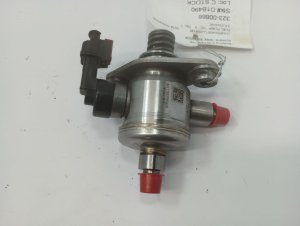
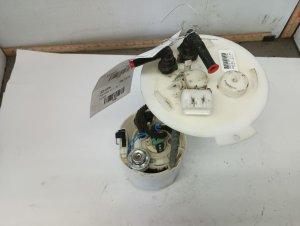
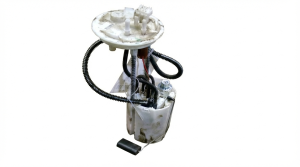
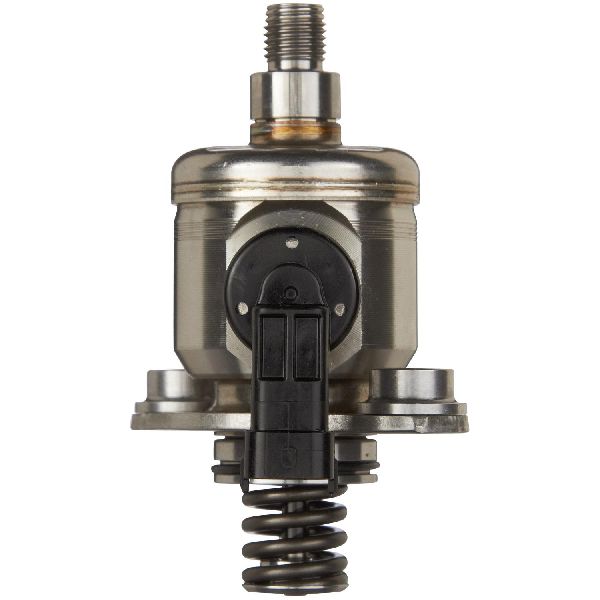
New Aftermarket Parts Available


The information in this article is provided for general reference and educational purposes only. Vehicle specifications, procedures, and part compatibility can vary by production date, trim level, and region. Always consult your vehicle's factory service manual and verify part numbers before purchasing or performing repairs. Safety-critical components such as airbags, seat belts, and braking systems should be installed by a qualified professional.
- Cadillac SRX:
- 🧭 Diagnostic Flowchart
- 🎬 Helpful Videos
- 🛍️ Shop This Part
- What's Unique About the 2012-2016 Cadillac SRX
- Symptoms You May Notice
- Most Likely Causes
- Rare But Worth Checking
- Diagnosis Steps
- Parts You'll Likely Need
- Related Codes That Often Appear With This One
- Technical Service Bulletins (TSBs) & Recalls
- Platform-Specific Known Issues
- Mechanic-Grade Diagnostic Values
- Scan Tool Commands That Help
- Wiring & Ground Locations
- Real Owner Repair Stories
- OEM Part Supersession History
- Real Owner Stories
- 2014 Buick Enclave 3.6L V6 (LFX Platform-Mate)
- 2013 Cadillac SRX 3.6L V6 (LFX)
- Cadillac SRX 3.6L V6 (LFX)
- Related OBD-II Codes
- Frequently Asked Questions
- 🎟️ Get 5% Off