

P0191 on 2015-2018 Chevrolet Express: Fuel Pressure Sensor Performance Fixes
Code P0191 on a 2015-2018 Chevy Express usually indicates a problem with the fuel rail pressure sensor's reading. The most likely causes, backed by GM service bulletins, are fuel system contamination or a faulty fuel rail pressure sensor. A complete diagnosis, including checking fuel quality and the sensor's electrical connector for corrosion, is needed before replacing parts.
- P0191 on a 2015-2018 Express means the fuel rail pressure sensor reading is out of the expected range.
- Before replacing any parts, inspect the fuel for contamination, as this is a known issue documented in GM Technical Service Bulletins.
- Common fixes include replacing a faulty fuel rail pressure sensor, replacing a weak fuel pump, or cleaning the fuel system due to contamination.
- Always verify actual fuel pressure with a mechanical gauge to determine if the problem is the sensor itself or the fuel supply system.
- Check the sensor's electrical connector for corrosion, especially on 2017 and newer models.
What's Unique About the 2015-2018 Chevrolet EXPRESS
For this generation of Chevrolet Express and its twin, the GMC Savana, General Motors has issued multiple Technical Service Bulletins (TSBs) directly linking code P0191 to fuel system contamination. Unlike many other vehicles where a P0191 code often points directly to a failed sensor, on the Express, debris in the fuel is a well-documented root cause. This contamination can come from various sources, including water intrusion from condensation or bad seals, rust from aging tanks, or microbial growth ('diesel bugs,' which can also affect gasoline). This debris can clog filters, damage the fuel pump, or foul the fuel rail pressure sensor itself, leading to the performance code. This makes inspecting the fuel quality and cleaning the system a critical diagnostic step, not just a part replacement.
Diagnostic Flowchart
Tap your situation to follow the diagnostic path that matches what you're seeing on this vehicle.
Symptoms You May Notice
- Check Engine Light is on
- Hard starting or no-start condition
- Rough running or rough idle
- Engine stalling, especially at stops
- Hesitation or stumbling during acceleration
- Reduced engine power and sluggish performance
- Decreased fuel economy
- Engine goes into 'limp mode' or reduced power mode
- Replacing the fuel rail pressure sensor without checking for fuel contamination first. If debris is the root cause, the new sensor may also fail or the code will return.
- Confusing the Fuel Rail Pressure Sensor (on the engine's fuel rail) with the Fuel Tank Pressure (FTP) Sensor, which is part of the EVAP system and located on or near the fuel tank.
- Replacing the high-pressure fuel pump on Direct Injection models when the fault lies with the low-pressure in-tank pump not supplying it adequately.
Most Likely Causes
- Fuel System Contamination 🔴 High Probability Multiple manufacturer TSBs (#PIP5151F, #16-NA-102) specifically call out debris, water, and other contaminants in the fuel system as a primary cause for P0191 on these vehicles.
How to confirm: Take a fuel sample from the fuel rail's Schrader valve (if equipped) or by disconnecting a fuel line into a clean glass jar. Let it sit and inspect the sample for dirt, rust, water (which will separate at the bottom), or a cloudy/milky appearance.
Typical fix: If contamination is found, the entire fuel system must be cleaned, including dropping and cleaning the fuel tank, flushing the fuel lines, and cleaning the fuel rail. The fuel filter must be replaced.
Est. part cost: $20-$60 for a fuel filter. - Faulty Fuel Rail Pressure Sensor (FRPS) 🟡 Medium Probability → Shop Fuel Pressure Sensor The sensor itself can fail internally, providing incorrect voltage signals to the ECM. Contamination from the fuel can also foul the sensor's diaphragm, causing inaccurate readings.
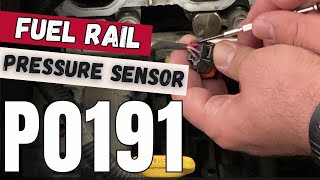
How to confirm: With the engine running, compare the fuel pressure reading from an OBD-II scan tool's live data with the reading from a mechanical fuel pressure gauge connected to the fuel rail. If the readings differ significantly, the sensor is likely faulty. 🎬 Watch: How to test and fix the fuel pressure sensor
Typical fix: Replace the fuel rail pressure sensor. Be sure to relieve fuel system pressure before removal. Ensure the O-ring is properly seated on the new sensor.
Est. part cost: $50-$130 - Failing Fuel Pump 🟡 Medium Probability → Shop Fuel Pump The in-tank fuel pump can weaken over time, failing to provide adequate pressure to the fuel rail, especially under load. This can cause the actual pressure to fall below the desired pressure, triggering P0191.
How to confirm: Perform a fuel pressure and volume test using a mechanical gauge. At idle, pressure should be steady around 58-62 PSI. If the pressure is below the manufacturer's specification or drops off significantly under load (e.g., during a wide-open throttle run), the fuel pump is weak.
Typical fix: Replace the in-tank fuel pump module assembly. This requires dropping the fuel tank. 🎬 See this step-by-step fuel pump replacement walkthrough
Est. part cost: $200-$450 - Damaged Wiring or Connector for FRPS ⚪ Low Probability TSB #20-NA-197 (for 2017+ models) notes that corrosion at the sensor's electrical connector is a known issue that can cause this code. The underbody harness where the sensor is located is exposed to road salt, moisture, and debris, leading to corrosion on the connector pins.
How to confirm: Visually inspect the sensor's connector and wiring for green or white corrosion, chafing, or loose pins. Unplug the connector and check for moisture. Use a multimeter to check for the correct reference voltage (typically 4.8-5.2V) and ground at the connector with the ignition on.
Typical fix: Clean the connector terminals with electrical contact cleaner and apply dielectric grease. If damaged, repair the wiring or replace the connector pigtail.
Est. part cost: $15-$40 for a new pigtail connector.
Rare But Worth Checking
- Clogged Fuel Filter: → Shop Fuel Filter While related to contamination, a severely clogged filter can cause low pressure and trigger P0191 on its own, even without widespread debris in the tank. It's a critical maintenance item that is often overlooked.
- Faulty Engine Control Module (ECM): → Shop Engine Control Module (ECM) This is a very rare cause. All other possibilities, including wiring, should be exhaustively ruled out before considering ECM replacement.
- Faulty Camshaft Position Sensor: In a rare case documented on iATN for a GM vehicle, a faulty exhaust cam sensor was sending erratic RPM signals to the ECM after the engine was shut off, which indirectly caused a P0191 code to set. This is highly unusual but possible.
Diagnosis Steps
- Connect an OBD-II scanner and check for any other stored trouble codes, paying close attention to P0087, P0088, and P128E. 🎬 Watch: Diagnosing P0191 symptoms and common fixes
- View live data on the scanner to monitor the 'Fuel Rail Pressure' PID and 'Desired Fuel Rail Pressure' PID. Note the readings with the key on, engine off, and at idle. At idle, the pressure should be around 58-62 PSI.
- Perform a visual inspection of the fuel rail pressure sensor and its electrical connector for any signs of damage, corrosion, or loose connections, as per TSB #20-NA-197.
- Connect a mechanical fuel pressure gauge to the service port on the fuel rail. Compare the gauge reading to the scanner's live data reading. A significant discrepancy points to a bad sensor.
- With the gauge still connected, start the engine. Verify that the fuel pressure is within the manufacturer's specified range (approx. 58-62 PSI) at idle and does not drop significantly under load (by briefly snapping the throttle).
- As recommended by GM TSBs, carefully take a fuel sample from the system into a clean glass container. Inspect for dirt, debris, water, or other contaminants.
- If contamination is found, address the source and clean the entire fuel system before replacing any parts. This includes dropping and cleaning the tank.
- If pressure is good and the sensor reading matches the mechanical gauge, test the sensor's wiring harness. Check for 4.8-5.2V reference, good ground, and signal wire integrity back to the ECM.
Parts You'll Likely Need
- Fuel Rail Pressure Sensor
(OEM #12679394)— This sensor provides the pressure reading to the ECM. It can fail internally or provide inaccurate readings due to contamination or electrical failure.
Trusted brands: ACDelco (OEM), Bosch, Standard Motor Products (SMP)
OEM price range: $80-$130
Aftermarket price range: $50-$90 - Fuel Pump Module Assembly
(OEM #M10235)— A weak or failing fuel pump cannot supply the pressure demanded by the engine, leading to low pressure conditions that trigger P0191.
Trusted brands: ACDelco (OEM), Delphi
OEM price range: $300-$450
Aftermarket price range: $200-$350 - Fuel Filter — A clogged fuel filter restricts fuel flow, causing low pressure. It should be replaced as part of a fuel contamination cleaning procedure or as routine maintenance.
Trusted brands: ACDelco, Wix
OEM price range: $30-$60
Aftermarket price range: $20-$40
Related Codes That Often Appear With This One
- P0087 — Indicates 'Fuel Rail/System Pressure - Too Low,' which is a direct mechanical symptom that can cause the P0191 performance code. TSBs #PIP5151F, #16-NA-102, and #PIP4949E list them together.
- P0088 — Indicates 'Fuel Rail/System Pressure - Too High,' another mechanical fault that can trigger the P0191 performance code. Also cited in the same TSBs.
- P128E — This is a GM-specific code often related to fuel rail pressure sensor performance, and it is explicitly mentioned alongside P0191 in TSBs #PIP5151F, #16-NA-102, and #PIP4949E.
Technical Service Bulletins (TSBs) & Recalls
- PIP5151F: Notes fuel system contamination as a cause for P0191 and other fuel codes.
- 16-NA-102: Addresses hard/no-start issues and P0191 caused by fuel system debris.
- PIP4949E: Links P0191 with hard/no-start conditions and directs technicians to standard diagnostic procedures.
- 20-NA-197: Mentions corrosion on the fuel pressure sensor connector as a possible cause on 2017+ models.
Platform-Specific Known Issues
- Fuel System Contamination: TSB #PIP5151F states that if P0191 is found with symptoms like hard start or low fuel pressure, and contamination is discovered during inspection, the 'complete fuel system will need to be cleaned'. This is the most heavily documented issue for this platform.
- Debris Causing No-Start: TSB #16-NA-102 provides a procedure to inspect and replace fuel components to correct a hard start/no-start concern with P0191 caused by the 'fuel system being contaminated with debris'.
- Connector Corrosion: For 2017+ models, TSB #20-NA-197 explicitly points to corrosion at the fuel pressure sensor's electrical connector as a cause for P0191. The fix involves cleaning and applying dielectric grease or replacing the connector. Owners on forums confirm this is a common failure point due to its location.
- Owner Experience: Sensor vs. Pump: On a Chevrolet forum, an owner with a 5.3L engine (similar to the Express) experienced P0191 with pressure dropping from 58 PSI to 45 PSI while driving. This points towards a weak fuel pump or clogged filter rather than a sensor that is simply reading incorrectly. This highlights the importance of using a mechanical gauge to verify actual pressure under different conditions.
Mechanic-Grade Diagnostic Values
- Fuel Rail Pressure Sensor (FRPS) Signal Voltage, Key On Engine Off (KOEO) — expected: ~0.5 V. Failure: Voltage significantly higher or lower, or at 0V or 5V, indicates a sensor or wiring fault.
- Fuel Rail Pressure Sensor (FRPS) Signal Voltage, at Idle — expected: ~1.2 V. Failure: Voltage that is erratic or does not correspond to a stable mechanical pressure reading.
- Fuel Rail Pressure Sensor (FRPS) 5-Volt Reference Circuit — expected: 4.8 V - 5.2 V. Failure: Voltage below 4.8V or above 5.2V indicates a problem with the ECM or a short in the harness.
- Fuel Rail Pressure (Mechanical Gauge) — expected: 58 - 62 PSI at idle. Failure: Pressure below this range indicates a fuel delivery problem (pump, filter, leak). Pressure significantly above may indicate a regulator issue.
- FRPS Ground Circuit Resistance — expected: < 0.5 Ω. Failure: Higher resistance indicates a corroded or loose ground connection, which can cause erratic sensor readings.
Scan Tool Commands That Help
- GDS2 (GM Dealer Tool): Fuel Pump ON/OFF Command — To test the functionality of the fuel pump and its circuit independently of the engine running. This helps verify if the pump can build pressure when commanded by the ECM.
- GDS2 (GM Dealer Tool): Fuel System Test — This automated test runs the fuel pump and monitors the pressure sensor reading to check for leaks and pressure-holding capability, which can help differentiate a mechanical fault from a sensor fault.
Wiring & Ground Locations
- G102 / G103 — On the rear of the left (G102) and right (G103) cylinder heads of the V8 engines.. These are primary engine-to-chassis grounds. A loose or corroded ground at these points can cause floating or incorrect readings for multiple engine sensors, including the fuel rail pressure sensor, leading to performance-based codes like P0191.
- ECM Connector X1 — The main 56-pin connector at the Engine Control Module.. This connector contains the specific pins for the fuel pressure sensor. According to wiring diagrams, the 5V reference, low reference (ground), and signal wires for the sensor terminate here. Back-probing at these pins can confirm signal integrity directly at the ECM.
- FRPS Connector Pin 1 (Varies) — At the Fuel Rail Pressure Sensor connector.. This pin should have a 5-volt reference signal from the ECM when the key is on. Lack of 5V points to a wiring open circuit or an ECM issue.
- FRPS Connector Pin 2 (Varies) — At the Fuel Rail Pressure Sensor connector.. This is the signal wire that sends a variable voltage back to the ECM. This wire can be back-probed to watch for erratic voltage.
- FRPS Connector Pin 3 (Varies) — At the Fuel Rail Pressure Sensor connector.. This is the low reference or ground wire provided by the ECM. A continuity test to a known good ground should show very low resistance (<0.5 ohms).
Model Year Variations Within This Range
- 2018: For 2018, the base engine changed from the 4.8L V8 to a new 4.3L EcoTec3 V6. The optional 6.0L V8 remained available. While the P0191 code's meaning is the same, sensor location and some diagnostic specifics may differ between the V6 and V8 engines.
- 2017-2018: TSB #20-NA-197, which specifically calls out corrosion at the FRPS electrical connector, is noted as applying to 2017 and newer models, suggesting a potential change in connector materials or harness routing that made these years more susceptible.
- 2016 (and surrounding years, for context): Around 2016, other GM vehicles with LT-family engines began switching from a 4-pin analog fuel pressure sensor to a 3-pin digital sensor. While the Express primarily used the 6.0L L96 (a non-DI engine), technicians working on a variety of GM trucks should be aware that sensor types are not always interchangeable across different engine families of the same era.
Helpful Videos
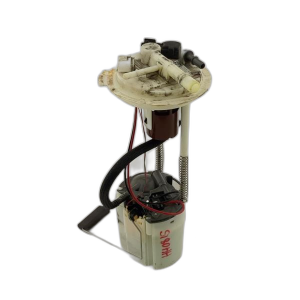
Used OEM Parts in Stock
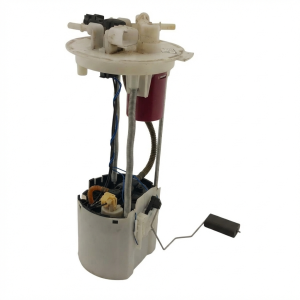
New Aftermarket Parts Available

The information in this article is provided for general reference and educational purposes only. Vehicle specifications, procedures, and part compatibility can vary by production date, trim level, and region. Always consult your vehicle's factory service manual and verify part numbers before purchasing or performing repairs. Safety-critical components such as airbags, seat belts, and braking systems should be installed by a qualified professional.
- Chevrolet EXPRESS:
- 🧭 Diagnostic Flowchart
- 🎬 Helpful Videos
- 🛍️ Shop This Part
- What's Unique About the 2015-2018 Chevrolet EXPRESS
- Symptoms You May Notice
- Most Likely Causes
- Rare But Worth Checking
- Diagnosis Steps
- Parts You'll Likely Need
- Related Codes That Often Appear With This One
- Technical Service Bulletins (TSBs) & Recalls
- Platform-Specific Known Issues
- Mechanic-Grade Diagnostic Values
- Scan Tool Commands That Help
- Wiring & Ground Locations
- Model Year Variations Within This Range
- 🎟️ Get 5% Off