

P0191 on 2013-2016 Chevrolet Malibu 2.0L Turbo: Fuel Pressure Causes and Fixes
P0191 on a 2.0L Turbo Malibu usually means the high-pressure fuel pump (HPFP) is failing or the fuel rail pressure sensor is bad. A failing HPFP is the most common cause, often confirmed by a strong smell of fuel in the engine oil. Expect to pay $250-$500 for an OEM pump, with DIY difficulty at 4/5 due to its location and the need to depressurize the fuel system.
- P0191 on this car points to a mismatch between desired and actual fuel pressure, most often caused by a failing High-Pressure Fuel Pump (HPFP).
- Use a scan tool to watch live fuel pressure data; if the actual pressure is much lower than desired, the HPFP is the prime suspect.
- If you replace the HPFP, you MUST also replace the single-use high-pressure fuel line to prevent dangerous leaks.
- While less common, a faulty Fuel Rail Pressure Sensor or its wiring can also trigger this code.
- This is not a beginner-friendly DIY repair due to the extreme pressures in the GDI fuel system. Professional service is recommended.
What's Unique About the 2013-2016 Chevrolet Malibu
On the GM 2.0L Turbo (LTG) engine, the direct injection system operates at very high pressures, sometimes over 2,000 PSI, controlled by a cam-driven high-pressure fuel pump (HPFP). Unlike simpler fuel systems, a P0191 code on this engine frequently points to a mechanical failure of this HPFP. A very common failure mode for the LTG's HPFP is an internal seal leak, which allows gasoline to enter the crankcase and mix with the engine oil. This fuel-in-oil contamination is a key diagnostic clue and a major weak point that leads to this specific code.
Generation note: The 2013-2016 year range covers the end of the 8th generation (2013-2015, plus the 2016 'Malibu Limited') and the start of the 9th generation (2016). The 2.0L LTG engine and its direct injection fuel system were used in both generations, so the causes and diagnostics for P0191 are consistent across this period.
Symptoms You May Notice
- Check Engine Light is on
- Hesitation or stumbling during acceleration
- Significant loss of engine power
- Engine enters 'Reduced Engine Power' or 'Limp Mode'
- Long crank time before the engine starts
- Engine stalls, especially at low RPM or idle
- Rough idle
- Strong smell of gasoline from the engine oil dipstick
- Black smoke from the exhaust
- Replacing the fuel injectors. While injectors are part of the fuel system, they are unlikely to cause a P0191 range/performance code unless one is stuck wide open, which would typically present with other codes like P0172 (System Too Rich).
- Replacing the Fuel Rail Pressure Sensor when the High-Pressure Fuel Pump is the actual cause. This is a common mistake made when diagnostics stop after seeing a code that names a sensor. Checking for fuel in the oil is a critical step to avoid this.
Most Likely Causes
- Failing High-Pressure Fuel Pump (HPFP) 🔴 High Probability → Shop Fuel Pump The cam-driven HPFP is a widely documented failure point on GM's LTG direct injection engines. A common failure is the internal seals degrading, which not only prevents the pump from building adequate pressure but also allows raw fuel to leak directly into the engine crankcase, contaminating the oil.
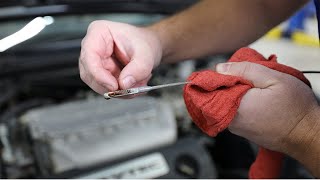
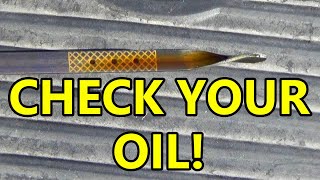
How to confirm: The most definitive sign is a strong smell of gasoline on the engine oil dipstick. 🎬 Watch: How to accurately check your oil for contamination. If this is present, the HPFP has failed. Otherwise, use a scan tool to monitor 'Desired Fuel Rail Pressure' vs. 'Actual Fuel Rail Pressure'. At idle, desired pressure is often around 400-500 PSI (approx. 27-34 bar). If the actual pressure is significantly lower, fails to rise with RPM, or fluctuates wildly, the HPFP is the primary suspect.
Typical fix: Replace the high-pressure fuel pump, the one-time-use high-pressure fuel line, and perform an engine oil and filter change to remove the contaminated oil. It is also wise to check the camshaft follower (lifter) that drives the pump for wear.
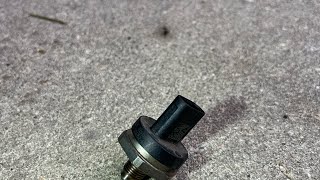
Est. part cost: $250-$500 - Faulty Fuel Rail Pressure (FRP) Sensor 🟡 Medium Probability → Shop Fuel Pressure Sensor The sensor operates in a high-heat, high-vibration environment on the engine's fuel rail. Internal electronics can fail, causing it to send an incorrect or irrational voltage signal to the ECM.
How to confirm: With the key on and engine off, a scan tool should show a plausible baseline pressure. If the reading is stuck at an extreme high or low value, or if the voltage is stuck at 0V or 5V, the sensor is likely faulty. A more definitive test is to compare the scan tool's pressure reading to a mechanical gauge; if the readings differ significantly, the sensor is bad. A failing sensor may also show a signal voltage of around 1.5 - 1.8V at KOEO (Key On, Engine Off) but then fail to fluctuate with engine RPM.
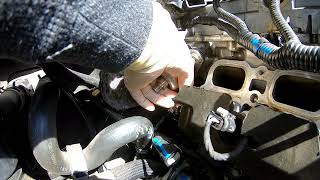
Typical fix: Replace the fuel rail pressure sensor. 🎬 See this step-by-step fuel rail sensor replacement guide. The fuel system must be depressurized before removal.
Est. part cost: $50-$150 - Wiring or Connector Issue ⚪ Low Probability The wiring harness to the FRP sensor can be exposed to heat and vibration, potentially causing chafing, breaks, or corrosion in the connector pins. GM has issued TSB #20-NA-197 for similar engines that identifies poor terminal tension or corrosion at the FRP connector as a cause for P0191.
How to confirm: Visually inspect the wiring harness leading to the fuel rail pressure sensor for any signs of damage. Disconnect the connector and check for corrosion, moisture, or bent/loose pins. Use a multimeter to check for the correct reference voltage (typically 5V) and ground at the connector.
Typical fix: Repair the damaged section of the wiring harness or replace the connector pigtail. Clean any corrosion from the connector pins and apply dielectric grease.
Est. part cost: $20-$60 - Weak Low-Pressure Fuel Pump ⚪ Low Probability → Shop Fuel Pump The in-tank low-pressure pump is responsible for feeding the HPFP. If its output is weak, the HPFP will be starved of fuel and cannot reach its target pressure, triggering P0191. This can be misdiagnosed as a bad HPFP.
How to confirm: Test the low-pressure fuel system pressure. The pressure should be stable, typically between 45-62 PSI on these GM systems. If the pressure is low, erratic, or drops under load, the in-tank pump or its control module is suspect.
Typical fix: Replace the in-tank fuel pump assembly or the Fuel Pump Control Module (FPCM), which is known to corrode on some GM platforms.
Est. part cost: $200-$400
Rare But Worth Checking
- Fuel Contamination:
Diagnosis Steps
- Connect a professional scan tool capable of reading live engine data.
- Check for any accompanying codes, paying close attention to P0087, P228C, and P0172.
- CRITICAL STEP: Check the engine oil dipstick for a strong smell of gasoline. If a gas smell is present, the High-Pressure Fuel Pump (HPFP) has failed internally and must be replaced. Proceed to step 9.
- Observe the 'Desired Fuel Rail Pressure' and 'Actual Fuel Rail Pressure' PIDs (Parameter IDs).
- With the engine idling, compare the two values. They should be very close (e.g., around 40-50 bar or 580-725 PSI). If the 'Actual' pressure is significantly lower than 'Desired', it points towards a mechanical fuel delivery issue.
- Rev the engine. The 'Actual' pressure should rise and fall, closely tracking the 'Desired' pressure. If it is slow to respond or cannot reach the commanded pressure, this further suggests a weak HPFP.
- If the 'Actual' pressure reading is stuck at a fixed value, or is clearly irrational (e.g., reading maximum pressure with the engine off), suspect the Fuel Rail Pressure sensor itself or its wiring.
- Visually inspect the wiring and connector for the Fuel Rail Pressure sensor. Look for any signs of chafing, melting, or corrosion on the pins, as noted in TSBs for similar GM engines.
- If the sensor seems okay and there is no fuel in the oil, test the low-pressure fuel system. The pressure from the in-tank pump should be stable and within the 45-62 PSI range.
- Based on the findings, replace the component identified as faulty. The HPFP is the most common failure for these symptoms. Always replace the one-time-use high-pressure fuel line when replacing the pump.
Parts You'll Likely Need
- High-Pressure Fuel Pump
(OEM #12676415)— This is the most common mechanical failure that causes P0191 on the 2.0L LTG engine, typically by failing to produce commanded pressure and often leaking fuel into the engine oil.
Trusted brands: ACDelco, GM Genuine, Bosch
OEM price range: $300-$500
Aftermarket price range: $180-$350
Related Codes That Often Appear With This One
- P228C — This code means 'Fuel Pressure Regulator 1 Exceeded Control Limits - Force Low'. It often appears with P0191 when the high-pressure fuel pump cannot build enough pressure to meet the ECM's target.
- P0089 — 'Fuel Pressure Regulator Performance'. This is another code that points to a general disagreement between commanded and actual fuel pressure, often logged alongside P0191.
- P0087 — 'Fuel Rail/System Pressure - Too Low'. This code directly indicates low pressure and frequently accompanies P0191 when the HPFP is failing mechanically.
- P0172 — 'System Too Rich (Bank 1)'. This code is a strong indicator of a failed HPFP that is leaking fuel into the crankcase. The fuel vapors are drawn into the intake through the PCV system, creating a rich condition.
Technical Service Bulletins (TSBs) & Recalls
- TSB #20-NA-197: While for different models, this GM bulletin is highly relevant as it addresses P0191 caused by corrosion or poor terminal tension at the fuel rail pressure sensor connector, suggesting a known electrical failure point in the system design.
- TSB #PIP5151F: Discusses fuel system contamination as a cause for P0087 and related codes on GM direct injection engines, a possible root cause for a P0191 performance issue.
Mechanic-Grade Diagnostic Values
- Fuel Rail Pressure Sensor (FRP) Signal Voltage, Key On Engine Off (KOEO) — expected: ~1.5 - 1.8 Volts. Failure: Voltage is stuck high (e.g., 4.8V) or low, or does not change with engine RPM when running.
- Low-Side Fuel Pressure (In-tank pump) — expected: 45-62 PSI. Failure: Pressure is below 45 PSI or drops significantly under load.
- ECM Ground Circuit Resistance — expected: Less than 1.0 Ohm. Failure: Resistance higher than 1.0 Ohm between the ECM ground pin and the negative battery terminal indicates a poor ground connection.
- High-Side Fuel Pressure (HPFP Output) at Idle — expected: Approx. 400-725 PSI (27-50 Bar). Failure: Actual pressure on scan tool is significantly lower than desired pressure, or fluctuates wildly.
Scan Tool Commands That Help
- GDS2 (GM Techline Connect): Fuel System Tests — To command the low-pressure fuel pump on/off to isolate it for testing. It also allows for monitoring of high and low side fuel pressure PIDs, fuel trims, and regulator command percentages, which are essential for differentiating a sensor fault from a mechanical pressure problem.
Wiring & Ground Locations
- G103 — Located at the left rear of the engine compartment on the cowl, above the brake booster.. This is a major ground point for the Body Control Module (BCM) and Engine Control Module (ECM). A poor connection here can cause erratic behavior and false codes from various engine sensors, including the fuel rail pressure sensor.
- Fuel Rail Pressure Sensor Connector — On the high-pressure fuel rail, mounted to the cylinder head, typically underneath the intake manifold, making access difficult.. This 3-wire connector (5V reference, signal, ground) is in a high-heat, high-vibration area. Corrosion or poor pin tension is a known cause of P0191, as documented in GM TSB #20-NA-197 for similar engines.
- G102 — Located at the left rear of the engine, grounds the ignition coils.. While not directly tied to the fuel sensor, a poor ground here can cause misfires and erratic engine data that could potentially confuse ECM diagnostics related to fuel pressure performance.
Real Owner Repair Stories
- GM Forum user @carfixer007 (2013 Buick Regal 2.0L Turbo (same LTG engine and fuel system)) — Stabilitrak warning and 'Engine Performance Reduced' message appear around 30 mph, logging code P0191.
❌ Tried (didn't work) Replaced the fuel rail pressure sensor., Replaced the high-pressure fuel pump.
✅ What actually fixed it The user reported that after replacing both the sensor and the HPFP, the problem persisted. When the code was thrown, scan tool data showed fuel pressure dropping to only 70 PSI. The final fix was not posted, highlighting that this code can be complex and may point to issues beyond the most common components, such as a wiring fault, a weak low-pressure pump, or an ECM issue.
OEM Part Supersession History
12641740, 12669005→12676415 (also sold as ACDelco HPM1011)— GM often updates parts to improve reliability or address known failure modes. The HPFP for the LTG engine has gone through several revisions.
Heads up: While physically interchangeable, always use the latest part number for improved longevity. Ensure the correct part is ordered for the LTG engine, as pumps for other GM engines (like the V6) look similar but are not compatible.
Model Year Variations Within This Range
- 2013-2015 vs 2016: The 2013-2015 models produced 259 horsepower. For 2016, the engine was slightly detuned to 250 horsepower, partly due to emissions requirement changes. The core fuel system and common causes for P0191 remain the same, but be aware of the 8th-gen 'Malibu Limited' sold in 2016 alongside the new 9th-gen model, both using the LTG engine.
Diagnostic Flowchart
Other Known Issues on This Vehicle
Issues unrelated to this code that are worth knowing about as an owner of this generation:
- Cracked Pistons / Low-Speed Pre-Ignition (LSPI) 🔴 High — More common on earlier LTG engines (pre-2016) and tuned vehicles, but can occur on stock engines. Often happens at lower mileage (<60k miles). (Ref: GM Service Bulletin 17-NA-039 advised using specific low-calcium dexos1 oil to mitigate this issue.)
- PCV System Failure / Clogged Orifice 🟠 Medium — Common across GM turbo engines, including the LTG. Can lead to oil leaks (crankshaft seals), high oil consumption, and related codes like P1101. (Ref: TSB 20-NA-047 addresses a clogged PCV orifice on the related 1.5L engine, but the principle applies to the 2.0L's integrated PCV system.)
- Timing Chain Stretch / Guide Failure 🟠 Medium — Can occur around 100,000 miles, often exacerbated by infrequent oil changes. Symptoms include a rattling noise on startup.
- Turbocharger Failure 🟠 Medium — Failure is often linked to oil starvation or contamination. Sticking to 5,000-mile oil change intervals with quality synthetic oil is key to prevention.
- Leaking Timing Cover / Valve Cover Gasket 🟡 Low — Slow oil seeps from the front timing cover or valve cover gasket are a common annoyance on the LTG engine due to heat degrading the seals over time.
Used vs. New Parts: Buying Guide for This Vehicle
When a used part is the smart pick: For this specific fault, using used parts is generally not recommended for the core components. A used Fuel Rail Pressure (FRP) sensor could be a cost-effective gamble if from a very low-mileage donor, but its electronic nature makes its remaining lifespan unknown. A used High-Pressure Fuel Pump (HPFP) is a very high-risk purchase due to it being a known major failure point.
Donor-vehicle mileage cap: roughly under 40000 miles for the part to have meaningful remaining life.
What to inspect on the donor part:
- For an FRP sensor, ensure the connector pins are clean, straight, and free of any corrosion.
- For an HPFP, avoid any part that shows signs of external corrosion or damage to the electrical connector or fuel fittings.
- Verify the donor vehicle did not have a P0191 or related fuel code.
- Ask for the VIN to confirm the donor vehicle's mileage and history.
OEM-only on this vehicle (don't cheap out):
- High-Pressure Fuel Pump (HPFP): This part is a critical failure point. Aftermarket pumps have a poor reputation for failing prematurely, often causing the code to return within months. Sticking with GM Genuine or ACDelco is the most reliable long-term fix.
- High-Pressure Fuel Line: This is a one-time-use, torque-to-yield part. It MUST be replaced with a new OEM part whenever the HPFP is serviced to prevent catastrophic, high-pressure fuel leaks.
Aftermarket brands forum-validated for this vehicle:
- Bosch: Bosch is an OEM supplier for many GM fuel components and is a trusted alternative to ACDelco/GM Genuine parts.
- Nostrum, Xtreme-DI: For owners seeking higher performance or E85 compatibility, these brands offer upgraded HPFPs that flow significantly more fuel than stock, but they require ECU tuning.
Brands owners have reported issues with on this vehicle:
- Unnamed/white-box brands: Avoid generic, low-cost HPFPs from online marketplaces. Forum discussions frequently mention these parts failing quickly, making the initial savings worthless after paying for labor a second time.
Real Owner Stories
Aggregated from forums and TSBs cited above. Mileages and costs reflect what owners reported in those sources.
2013 Buick Regal 2.0T
Symptoms: Reduced engine power and the car was only showing 70 psi of fuel pressure when the code triggered.
What fixed it: The owner replaced the fuel pressure sensor and the high-pressure fuel pump, though the diagnosis remained difficult as the initial replacements did not immediately resolve the low-pressure readings.
Source hint: GM Forum - 'P0191 code help please!'
2014 Cadillac XTS
Symptoms: Reduced engine power mode and a check engine light for fuel rail pressure sensor performance.
What fixed it: The report identifies the P0191 code appearing alongside other communication codes across the GM family using similar direct injection systems.
Source hint: Reddit r/Cadillac - '2014 CADI XTS REDUCED POWER ENGINE PROBLEM/ CHECK ENGINE LIGHT!!! HELP!!!!'
Related OBD-II Codes
Frequently Asked Questions
I have a 2013-2016 Malibu 2.0L Turbo with P0191; is there a TSB for the sensor wiring?
Why does my Malibu's oil smell like gasoline when the P0191 code is active?
What should the fuel rail pressure be at idle for my 2.0L Turbo Malibu?
Can a bad in-tank pump cause a P0191 on my Chevrolet Malibu?
Do I need to replace the fuel line when fixing the HPFP on my LTG engine?
What voltage should I see at the fuel rail pressure sensor with the key on and engine off?
Helpful Videos



Used OEM Parts in Stock
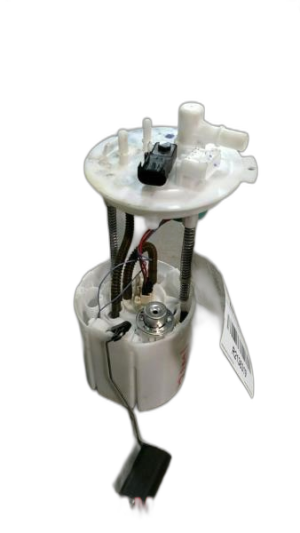
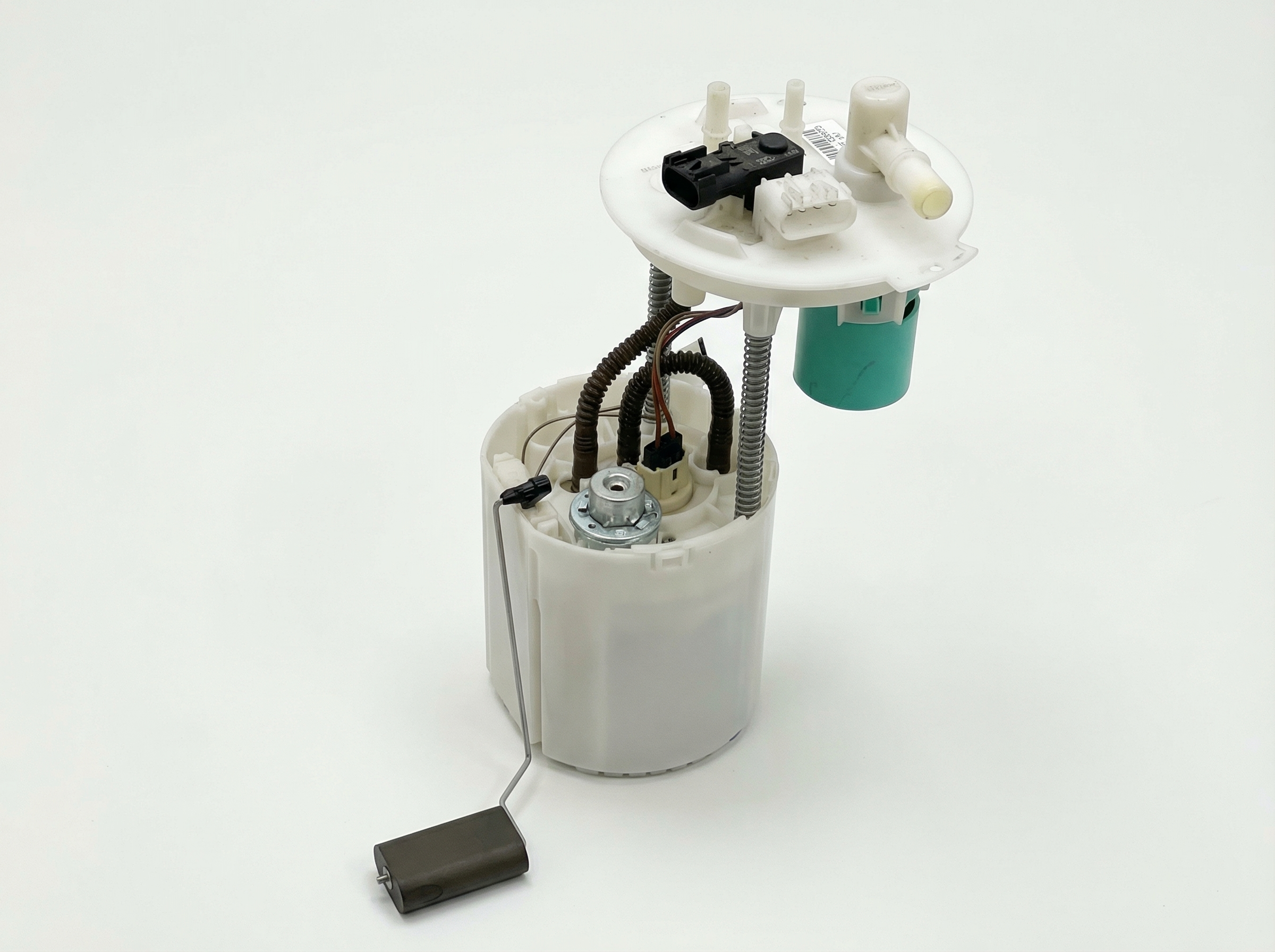
New Aftermarket Parts Available




The information in this article is provided for general reference and educational purposes only. Vehicle specifications, procedures, and part compatibility can vary by production date, trim level, and region. Always consult your vehicle's factory service manual and verify part numbers before purchasing or performing repairs. Safety-critical components such as airbags, seat belts, and braking systems should be installed by a qualified professional.
- Chevrolet Malibu:
- 🧭 Diagnostic Flowchart
- 🎬 Helpful Videos
- 🛍️ Shop This Part
- What's Unique About the 2013-2016 Chevrolet Malibu
- Symptoms You May Notice
- Most Likely Causes
- Rare But Worth Checking
- Diagnosis Steps
- Parts You'll Likely Need
- Related Codes That Often Appear With This One
- Technical Service Bulletins (TSBs) & Recalls
- Mechanic-Grade Diagnostic Values
- Scan Tool Commands That Help
- Wiring & Ground Locations
- Real Owner Repair Stories
- OEM Part Supersession History
- Model Year Variations Within This Range
- Other Known Issues on This Vehicle
- Used vs. New Parts: Buying Guide for This Vehicle
- Real Owner Stories
- 2013 Buick Regal 2.0T
- 2014 Cadillac XTS
- Related OBD-II Codes
- Frequently Asked Questions
- 🎟️ Get 5% Off