

P0191 on 2003-2007 Ford F-350 6.0L Power Stroke: Fuel Rail Pressure Sensor Causes and Fixes
On a 6.0L Power Stroke, code P0191 is most often caused by clogged fuel filters or a failing Fuel Rail Pressure (FRP) sensor. Always replace both fuel filters first, as this is a cheap and common fix. If the problem persists, check for adequate fuel pressure (45+ PSI). If pressure is good, the FRP sensor or its connector is the next likely culprit. A popular and recommended preventative upgrade is the 'Blue Spring' kit to increase fuel pressure and injector longevity.
- Always start your diagnosis by replacing both fuel filters, especially if their service history is unknown. This is the most common and cheapest fix.
- Use a scan tool to differentiate between a mechanical fuel pressure problem and an electrical sensor problem. Check actual fuel pressure with a mechanical gauge if possible.
- The code P0191 refers to the Fuel Rail Pressure (FRP) sensor, not the Injection Control Pressure (ICP) sensor. Do not confuse the two.
- If filters are new and fuel supply pressure is good (45-55 PSI), the Fuel Rail Pressure (FRP) sensor or its connector is the next most likely cause of P0191.
What's Unique About the 2003-2007 Ford F-350 Super Duty
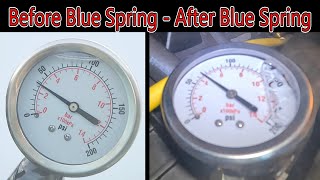
On the 6.0L Power Stroke, the fuel system is robust but highly sensitive to maintenance. Unlike gasoline engines, this diesel has two fuel filters—a primary on the frame and a secondary in the engine bay—and both must be clean for proper pressure. P0191 is often the first sign of a fuel delivery issue, which owners frequently trace back to overdue filter changes or a weak lift pump in the Horizontal Fuel Conditioning Module (HFCM). It's also critical not to confuse the Fuel Rail Pressure (FRP) sensor with the Injection Control Pressure (ICP) sensor; they are different parts with different functions, though both are vital to this engine's operation. Many owners proactively install a 'Blue Spring' upgrade (Ford Part No. 3C3Z-9T517-AG) in the fuel pressure regulator to increase base fuel pressure from the stock ~50 PSI to a healthier 60-65 PSI, which helps improve injector life and performance.
Symptoms You May Notice
- Check Engine Light is on
- Hard starting or long crank times, especially when the engine is hot
- Loss of power, especially under load or during acceleration
- Rough or erratic idle
- Engine stalling, particularly when coming to a stop or when engaging drive/reverse
- Reduced fuel economy
- Excessive white or black smoke from the exhaust
- Hesitation or surging while driving
- Replacing the Injection Control Pressure (ICP) sensor. The ICP sensor measures high-pressure *oil* for the injectors, not fuel. While a bad ICP sensor can cause a no-start or rough run, it typically sets different codes (e.g., P2285, P2290). P0191 is specific to the *fuel* side.
- Condemning the high-pressure fuel pump (HPOP). The HPOP is part of the high-pressure *oil* system. P0191 is a low-pressure fuel side code and does not directly indicate an HPOP issue.
Most Likely Causes
- Clogged Fuel Filters 🔴 High Probability → Shop Fuel Water Separator Filter The 6.0L has two filters that require regular changes (every 15,000 miles). Neglecting them is a very common cause of fuel pressure restriction. The primary filter in the HFCM can get particularly dirty.
How to confirm: Check maintenance records. If the filter change history is unknown, replace them. They are a routine maintenance item and the most likely cause. A fuel pressure test at the test port on the secondary filter housing showing below 45 PSI confirms a supply issue.
Typical fix: Replace both the primary (in the HFCM 🎬 Watch: Step-by-step guide to replacing both fuel filters. on the frame rail) and secondary (on top of the engine) fuel filters. Use quality filters like Motorcraft (FD-4616) or Racor, as cheap filters can cause issues.
Est. part cost: $50-$80 - Faulty Fuel Rail Pressure (FRP) Sensor 🔴 High Probability → Shop Fuel Pressure Sensor The sensor operates in a high-heat, high-pressure environment and can fail electrically over time, sending erratic or biased signals to the PCM.
How to confirm: After confirming fuel supply pressure is good (45-55 PSI), use a scan tool to monitor the FRP sensor voltage (FRP V) and pressure (FRP PSI) with the key on, engine off, and while running. If the voltage is erratic, or if the pressure reading is nonsensical (e.g., high pressure with engine off), the sensor is likely bad. A reading below 0.5V or above 4.5V with KOEO (Key On, Engine Off) points to a sensor or wiring fault.
Typical fix: Replace the Fuel Rail Pressure sensor. It is located on the driver's side fuel rail. The OEM part number is 3F2Z-9G756-AC.
Est. part cost: $90-$150 - Weak Fuel Pump / Failing HFCM 🟡 Medium Probability → Shop Fuel Pump The lift pump is located in the Horizontal Fuel Conditioning Module (HFCM) on the driver's side frame rail. These pumps can weaken with age or fail due to contamination, failing to supply the required 45-55 PSI to the secondary filter and high-pressure system. The module itself can also get clogged with debris. An owner report in NHTSA ODI #10780588 noted a failure where the internal fuel pump bolts had broken off, resulting in no fuel pressure.
How to confirm: Perform a fuel pressure test at the test port on the secondary fuel filter housing. If pressure is below 45 PSI with clean filters, the pump is the primary suspect. Listen for the pump to prime for several seconds when the key is turned on. A healthy pump with the 'blue spring' upgrade should show 60-65 PSI at KOEO.
Typical fix: Replace the fuel pump, which is typically part of the HFCM assembly. Some owners remove and clean the HFCM module before replacing the pump.
Est. part cost: $200-$400 - FRP Sensor Wiring or Connector Damage ⚪ Low Probability → Shop Fuel Pressure Sensor The 6.0L engine bay is known for harness chafing. The wiring to the FRP sensor can become frayed from heat and vibration, or the connector pins can corrode, causing an intermittent or lost signal. Manufacturer Bulletin #TSB 19-2231 notes that P0191 can be caused by an engine harness chafe on the powertrain control module (PCM) bracket.
How to confirm: Visually inspect the wiring harness leading to the FRP sensor for any signs of rubbing, melting, or damage. Unplug the connector and check for corrosion or backed-out pins. Wiggle the harness with the engine running while monitoring FRP data on a scan tool to see if the reading fluctuates.
Typical fix: Repair the damaged section of the harness or replace the connector pigtail (Motorcraft P/N AU2Z-14S411-LB or 5C3Z-12224-A).
Est. part cost: $20-$50 - Failing Fuel Pressure Regulator ⚪ Low Probability → Shop Fuel Injection Pressure Regulator The stock fuel pressure regulator spring is known to weaken over time, causing low base fuel pressure. This is a very common issue, though it may not always set a P0191 code immediately.
How to confirm: If fuel pressure is consistently low (e.g., below 50 PSI at idle) with a good pump and clean filters, the regulator spring is the likely cause. Pressure should not drop below 45 PSI at Wide Open Throttle (WOT).
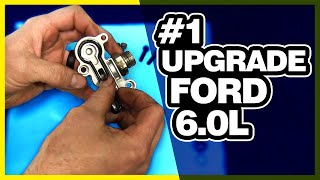
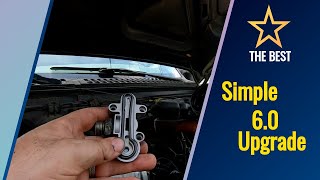
Typical fix: Install the 'Blue Spring' upgrade kit (Ford P/N 3C3Z-9T517-AG). This is a highly recommended 🎬 Watch: How to install the Blue Spring regulator upgrade. preventative maintenance item for all 6.0L owners. It includes a new, stiffer spring and housing seals to raise pressure to a more optimal 60-65 PSI.
Est. part cost: $60-$85
Rare But Worth Checking
- Leaking Fuel Injectors: → Shop Fuel Injector While less common to cause P0191 specifically, a severe injector leak could potentially affect rail pressure. This is more likely to be accompanied by other codes related to injector performance or misfires.
- Aerated Fuel: Air entering the fuel system due to a cracked pickup foot in the tank or a bad seal can cause pressure fluctuations and trigger this code. A 'bubble test' in the secondary fuel filter housing can help diagnose this.
- Powertrain Control Module (PCM) Fault: → Shop Engine Control Module (ECM) In rare cases, the PCM itself can be the source of the problem, either through a software calibration issue or internal hardware failure. Manufacturer Bulletin #TSB 18-2326 indicates that P0191 may be stored in the PCM alongside other codes, requiring specific service procedures to correct the module condition.
Diagnosis Steps
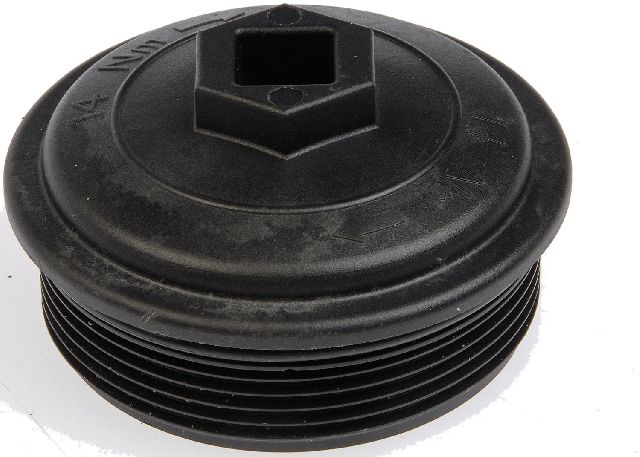
- Check and Replace Fuel Filters: This is the most common and cheapest first step. If their age is unknown, replace both the primary filter on the frame rail and the secondary filter on top of the engine. Use only Motorcraft or Racor filters (P/N FD-4616). Ensure the secondary filter cap is not cracked and the o-ring is properly seated.
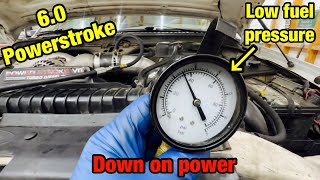
- Verify Low-Pressure Fuel System Pressure: Connect a fuel pressure gauge to the test port on the secondary fuel filter housing. With the key on, engine off (KOEO), the pump will prime for a few seconds. Pressure should be at least 45 PSI; with the common 'Blue Spring' upgrade, it should be 60-65 PSI. If pressure is low, suspect a weak fuel pump (HFCM), clogged HFCM, or a failing regulator. Pressure should not drop below 45 PSI under load (WOT).
- Monitor FRP Sensor with a Scan Tool: Connect a diagnostic scanner and monitor the PIDs for Fuel Rail Pressure (FRP) and FRP Voltage (FRP V). With KOEO, the pressure should be near 0 PSI. During cranking and idle, observe if the readings are stable or fluctuating wildly. An erratic reading with stable mechanical pressure points to a bad sensor.
- Inspect Sensor and Connector: Visually inspect the FRP sensor and its electrical connector, located on the driver's side fuel rail. Look for signs of fuel leaks,
Parts You'll Likely Need
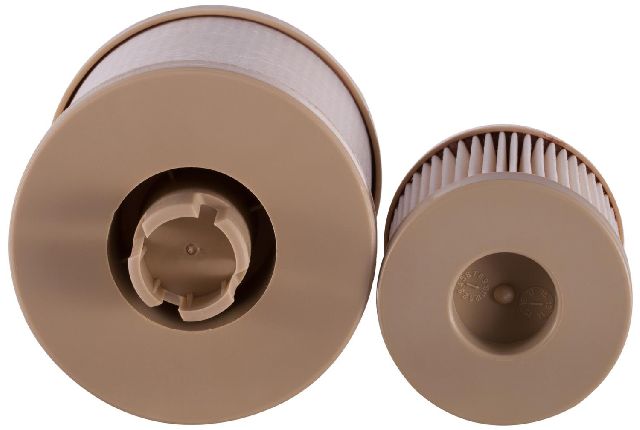
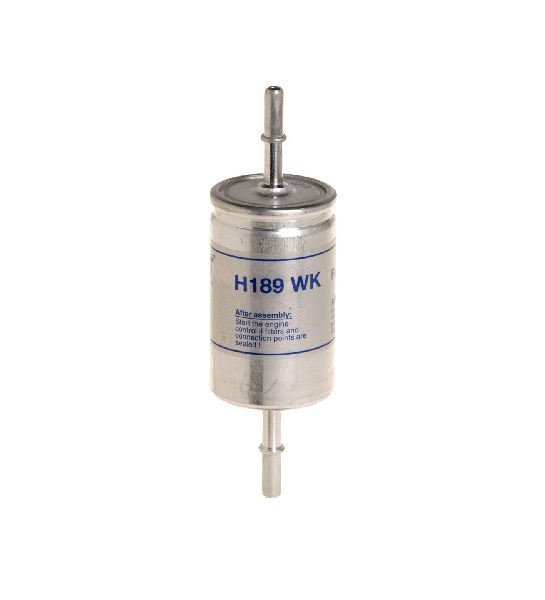
- Fuel Filter Kit (Primary and Secondary)
(OEM #FD-4616)— Clogged filters are the #1 cause of low fuel pressure and P0191 on the 6.0L Power Stroke.
Trusted brands: Motorcraft, Racor
OEM price range: $50-$80
Aftermarket price range: $30-$60 - Fuel Rail Pressure (FRP) Sensor
(OEM #3F2Z-9G756-AC)— The sensor can fail electrically, sending incorrect data to the PCM. This is a common failure after filters and fuel supply have been ruled out.
Trusted brands: Motorcraft, Bosch, Standard Motor Products
OEM price range: $90-$150
Aftermarket price range: $50-$100 - Fuel Pressure Regulator 'Blue Spring' Upgrade Kit
(OEM #3C3Z-9T517-AG)— A highly recommended upgrade to fix low fuel pressure caused by a weak stock regulator spring. It raises pressure to a healthier level, improving injector life and performance.
Trusted brands: Motorcraft
OEM price range: $60-$85
Aftermarket price range: $40-$60 - Horizontal Fuel Conditioning Module (HFCM) Fuel Pump
(OEM #6C3Z-9C407-A)— The factory lift pump can weaken over time, failing to provide the minimum 45 PSI required for the system, especially under load.
Trusted brands: Motorcraft, AirDog, FASS
OEM price range: $200-$400
Aftermarket price range: $250-$700
Related Codes That Often Appear With This One
- P0087 — P0087 ('Fuel Rail/System Pressure - Too Low') is often seen with P0191 as it indicates a confirmed low-pressure condition, whereas P0191 can mean the sensor reading is simply out of its expected range (erratic, too high, or too low).
- P1664 — A TSB for some Ford models mentions that P0191 can appear alongside P1664 (related to the IDM/PCM) and may indicate a module malfunction rather than a fuel system fault.
Technical Service Bulletins (TSBs) & Recalls
- SSM (Special Service Message) - In 2008, Ford issued a message for 2003-2005 vehicles stating that DTC P0191 does not specifically indicate a failed sensor and should not be replaced on the code alone; full PC/ED pinpoint testing is required.
- TSB 08-18-6 - For 2005-2008 E-Series vans, addresses hard start/no-start conditions related to the high-pressure oil system (ICP), which can sometimes be confused with fuel-side issues.
- TSB 08-2-7 - Discusses how excessive coking deposits from poor fuel quality can cause a lack of power, smoke, and no-starts, which can be related to overall fuel system health.
- TSB 19-2231 - Identifies that P0191 may be triggered by an engine harness chafe on the powertrain control module (PCM) bracket.
- TSB 18-2326 - Notes that P0191 may be stored in the powertrain control module (PCM) alongside other codes like P06EA and P0401, requiring specific service procedures.
Mechanic-Grade Diagnostic Values
- FRP Sensor Voltage (KOEO, engine off, fuel system depressurized) — expected: 0.352 V - 0.65 V. Failure: Voltage below 0.352V suggests high resistance in signal or VREF circuits. Voltage above 0.65V suggests high resistance in the low reference (ground) circuit.
- FRP Sensor 5V Reference (VREF) — expected: 4.8 V - 5.2 V. Failure: Voltage outside this range indicates a problem with the PCM or a short in the harness.
- FRP, MAP, and Barometric Pressure Sensor readings (KOEO) — expected: All three pressure readings should be within 0.5 PSI of each other.. Failure: If one sensor deviates significantly, it points to a fault in that specific sensor or its circuit, not necessarily a systemic pressure issue.
Scan Tool Commands That Help
- Ford IDS / FORScan: KOEO (Key On, Engine Off) Injector Electrical Self-Test ('Buzz Test') — While not directly for P0191, this test is a fundamental health check for the 6.0L. A failed buzz test can indicate FICM or wiring issues that can sometimes manifest as other electrical codes. It's a good baseline test to run when diagnosing any electronic fault code.
- Ford IDS / FORScan: KOER (Key On, Engine Running) Self-Test — This test runs the engine and cycles various actuators to check for faults under operational conditions. It can help uncover intermittent issues that don't appear during a static KOEO test.
- Professional Scan Tool (e.g., Snap-on, Autel): Fuel Pump Command / Bi-Directional Control — Allows the technician to command the fuel pump on, independent of the key cycle, to test for consistent fuel pressure delivery without the engine running. This helps isolate a weak pump from other system issues.
Wiring & Ground Locations
- G100 — In the driver's side kick panel area, serving as a central grounding point for many cabin and powertrain components.. A corroded or loose G100 ground can cause a host of electrical issues, including erratic sensor readings for the PCM. It is a known source of intermittent electrical gremlins on this platform.
- G110 — On the passenger side fender, near the battery. It is a primary ground point for the engine harness.. The PCM and several engine sensors rely on this ground path. A wiring diagram shows the FRP sensor shield wire terminates near this ground, making its integrity crucial for a clean sensor signal.
- Engine-to-Firewall Ground Strap — A braided cable running from the back of the passenger side cylinder head to the firewall.. This strap grounds the main body tub to the engine block. Degradation of this strap can cause voltage potential differences, leading to strange electrical behavior and sensor signal noise.
- FRP Sensor Connector — On the driver's side fuel rail, connected to the FRP sensor.. The three pins are: Pin 1 - Low Reference (Ground), Pin 2 - Signal, Pin 3 - 5V Reference (VREF). Testing voltage and resistance at these pins is key to diagnosing a sensor vs. wiring issue.
Real Owner Repair Stories
- YouTube user comment (Ford Powerstroke (model unspecified, but common rail diesel)) — Check Engine Light with P0191, long crank times, poor accelerator response.
❌ Tried (didn't work) Mechanic recommended replacing the entire Fuel Rail Pressure sensor based on the code.
✅ What actually fixed it The owner insisted the mechanic first try cleaning the sensor. The mechanic cleaned the small orifice on the tip of the FRP sensor with a MAF sensor cleaner spray. After reinstallation, the code was cleared and the engine ran normally. The issue was a physical blockage of the sensor's pressure port, not an electrical failure. - NHTSA ODI #11478786 — An owner reported multiple equipment failures in the fuel system resulting in P0191 codes appearing two to three times per day, even on a vehicle with very low mileage.
- NHTSA ODI #10446792 — One owner replaced the Fuel Rail Pressure sensor to address a P0191 code, though they noted the issue remained unresolved, suggesting the root cause was elsewhere in the fuel system.
OEM Part Supersession History
3C3Z-9T517-AA, 3C3Z-9T517-AE, etc.→3C3Z-9T517-AG— The -AG kit is the well-known 'Blue Spring Upgrade'. Ford updated the fuel pressure regulator spring to be stiffer, increasing fuel pressure by 10-15 PSI to improve injector longevity and performance.
Heads up: The kit for F-Series trucks is different from the one for E-Series vans. Ensure you have the correct kit for your chassis.
Model Year Variations Within This Range
- 2003-2004.5: Early model 6.0L trucks had a different Horizontal Fuel Conditioning Module (HFCM) design compared to later models. While functionally similar, the mounting and some internal components may vary, which is important to know when ordering a replacement assembly or specific service parts for the module.
Diagnostic Flowchart
Other Known Issues on This Vehicle
Issues unrelated to this code that are worth knowing about as an owner of this generation:
- Head Gasket Failure 🔴 High — Very common, especially on tuned or hard-worked engines. Caused by weak factory Torque-to-Yield (TTY) head bolts stretching under high cylinder pressure.
- Clogged Oil Cooler / EGR Cooler Failure 🔴 High — Extremely common. The stock oil cooler's small passages clog with casting sand and debris, which then starves the EGR cooler of coolant, causing it to overheat, rupture, and leak coolant into the exhaust.
- Fuel Injection Control Module (FICM) Failure 🔴 High — Common failure. The FICM's power supply is prone to failure from heat, vibration, and low battery voltage, resulting in a no-start, hard-start (especially cold), rough running, and smoke.
- High-Pressure Oil System Leaks (STC Fitting, Standpipes, Dummy Plugs) 🔴 High — Very common. The Snap-to-Connect (STC) fitting on the HPOP (2005-2007 models) is a major failure point. Leaks at the standpipes and dummy plugs in the oil rails are also frequent causes of hard-start or no-start when hot.
- Sticking VGT Turbo Actuator 🟠 Medium — Common, especially on trucks that are not driven hard. Soot and carbon build-up can cause the variable geometry vanes in the turbo to stick, leading to over-boost or under-boost conditions (lag) and codes like P0299.
Used vs. New Parts: Buying Guide for This Vehicle
When a used part is the smart pick: For this repair, used parts are generally not recommended for core components. However, sourcing a used wiring harness pigtail for the FRP sensor from a junkyard vehicle can be a viable option if you need to repair a damaged connector and a new pigtail is unavailable or backordered. Inspect the donor vehicle for signs of fire or flood damage.
Donor-vehicle mileage cap: roughly under 150000 miles for the part to have meaningful remaining life.
What to inspect on the donor part:
- For a wiring pigtail, ensure the plastic is not brittle and the locking tab is intact.
- Check connector pins for any signs of green corrosion or being bent/pushed back.
- Ensure there is at least 6 inches of wire attached to the connector for splicing.
OEM-only on this vehicle (don't cheap out):
- Fuel Rail Pressure (FRP) Sensor: Aftermarket sensors have a very high failure rate and often read inaccurately out of the box. Stick with a genuine Motorcraft sensor.
- Fuel Filters: Use only Motorcraft (FD-4616) or Racor (the OEM supplier) filters. Cheaply made filters can come apart, sending media into the fuel system, and often have poor water separation capabilities, leading to injector damage.
Aftermarket brands forum-validated for this vehicle:
- Racor (PFP58752, PFP58054): OEM supplier for fuel filters and offers quality replacement fuel pumps.
- FASS / AirDog: For a full fuel system upgrade, these brands are highly regarded in the Powerstroke community for their superior filtration and air-separation capabilities.
- FICMRepair.com: Known for high-quality wiring and grounding upgrades, including fuel pressure sensor adapters.
Brands owners have reported issues with on this vehicle:
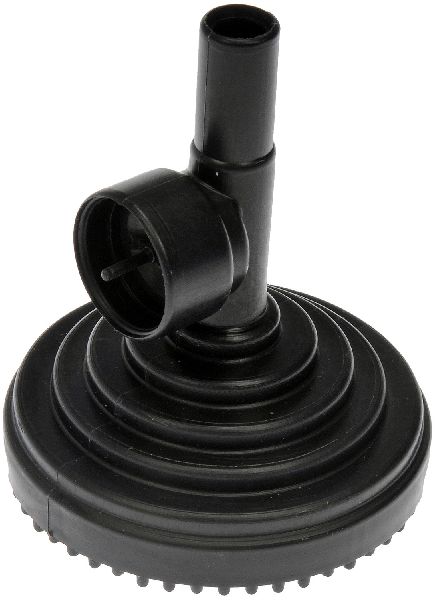
- Dorman (for electronic components): While Dorman offers many direct-fit replacement parts, their electronic sensors and complete HFCM assemblies have mixed reviews in forums. Some users report success, while others experience premature failure. Their upgraded HFCM drain plug (904-495) is generally well-regarded as a standalone part, but some users have reported it can still allow air intrusion.
Real Owner Stories
Aggregated from forums and TSBs cited above. Mileages and costs reflect what owners reported in those sources.
2003-2007 Ford F-350 Super Duty 6.0L Power Stroke
Symptoms: High and low fuel pressure issues, seeking to understand the relationship between the two systems.
What fixed it: The context discusses performing a fuel pressure test at the secondary filter housing and monitoring FRP PIDs to distinguish between mechanical pump failure and sensor error.
Source hint: https://www.reddit.com/r/powerstroke/comments/16p8j2p/60_high_and_low_fuel_pressure_help_me_understand/
2003-2007 Ford F-350 Super Duty 6.0L Power Stroke
Symptoms: General fuel pressure concerns and questions regarding proper PSI levels for the 6.0L engine.
What fixed it: Verification of fuel pressure at the test port; ensuring pressure stays above 45 PSI at Wide Open Throttle (WOT).
Source hint: https://www.ford-trucks.com/forums/1463101-6-0-fuel-pressure-question.html
Related OBD-II Codes
Frequently Asked Questions
Does Ford have any specific guidance for a P0191 on my 2003-2005 F-350?
What fuel filters should I use for my 6.0L Power Stroke to avoid pressure issues?
How often should I change the fuel filters on my F-350 to prevent P0191?
My F-350 has a hard start when hot; could this be related to the fuel system?
What is the 'Blue Spring' upgrade I see mentioned for the 6.0L?
Where is the Fuel Rail Pressure (FRP) sensor located on my engine?
Helpful Videos
We Have This Part in Stock

The information in this article is provided for general reference and educational purposes only. Vehicle specifications, procedures, and part compatibility can vary by production date, trim level, and region. Always consult your vehicle's factory service manual and verify part numbers before purchasing or performing repairs. Safety-critical components such as airbags, seat belts, and braking systems should be installed by a qualified professional.
- Ford F-350 Super Duty:
- 🧭 Diagnostic Flowchart
- 🎬 Helpful Videos
- 🛍️ Shop This Part
- What's Unique About the 2003-2007 Ford F-350 Super Duty
- Symptoms You May Notice
- Most Likely Causes
- Rare But Worth Checking
- Diagnosis Steps
- Parts You'll Likely Need
- Related Codes That Often Appear With This One
- Technical Service Bulletins (TSBs) & Recalls
- Mechanic-Grade Diagnostic Values
- Scan Tool Commands That Help
- Wiring & Ground Locations
- Real Owner Repair Stories
- OEM Part Supersession History
- Model Year Variations Within This Range
- Other Known Issues on This Vehicle
- Used vs. New Parts: Buying Guide for This Vehicle
- Real Owner Stories
- 2003-2007 Ford F-350 Super Duty 6.0L Power Stroke
- 2003-2007 Ford F-350 Super Duty 6.0L Power Stroke
- Related OBD-II Codes
- Frequently Asked Questions
- 🎟️ Get 5% Off