

P0191 on 2009-2016 GMC Acadia 3.6L: Fuel Pressure Sensor Causes and Fixes
Code P0191 on a 2009-2016 GMC Acadia most often points to a failing high-pressure fuel pump (HPFP) or a bad fuel rail pressure sensor (FRPS). A failing HPFP is a very common issue on this engine and should be suspected first, especially if accompanied by stalling, hard starts, and a 'Reduced Engine Power' warning. Expect costs of $300-$600+ for a pump replacement.
- P0191 on your Acadia means there's a problem with the fuel pressure reading.
- The most likely cause is a failing high-pressure fuel pump (HPFP), a known weak point on this engine.
- Before any repair, check your engine oil for a gasoline smell. If present, the HPFP has failed and must be replaced along with an oil change.
- If the oil is clean, the fuel rail pressure sensor (FRPS) or its wiring are the next most likely culprits.
- Do not ignore this code, as it can lead to dangerous stalling in traffic and potential engine damage.
What's Unique About the 2009-2016 GMC Acadia

The 3.6L V6 engine (both LLT and LFX versions) used in the Acadia is a direct-injection (GDI) design, which uses two fuel pumps: a low-pressure pump in the tank and a high-pressure fuel pump (HPFP) driven by the camshaft. This high-pressure pump is a widely documented failure point on this platform, leading GM to issue a Special Coverage bulletin (14329) for many models due to high failure rates. While the P0191 code can be a simple sensor fault, it is very frequently a symptom of a failing HPFP that can no longer meet the pressure demanded by the ECM, leading to serious drivability issues like stalling and reduced power.
🎬 Watch: Diagnosing a P0191 code and engine stalling issues.Symptoms You May Notice
- Check Engine Light is on
- "Reduced Engine Power" message on the dashboard
- "Service Stabilitrak" warning may appear with the CEL
- Engine stalling, especially at idle or when coming to a stop
- Hard starting or extended cranking time
- Hesitation or stumbling during acceleration
- Rough idle
- Noticeable decrease in fuel economy
- Strong smell of gasoline in the engine oil
- Replacing the fuel rail pressure sensor when the high-pressure fuel pump is actually the cause. This is a common mistake, as seen in forum posts where the problem persists after sensor replacement. It's critical to diagnose whether the issue is an incorrect reading (bad sensor) or an actual lack of pressure (bad pump).
- Replacing the in-tank low-pressure fuel pump when the issue is with the high-pressure system. A scan tool that can read both low-side and high-side pressure is needed for proper diagnosis.
Most Likely Causes

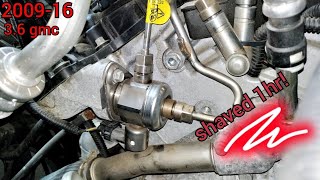
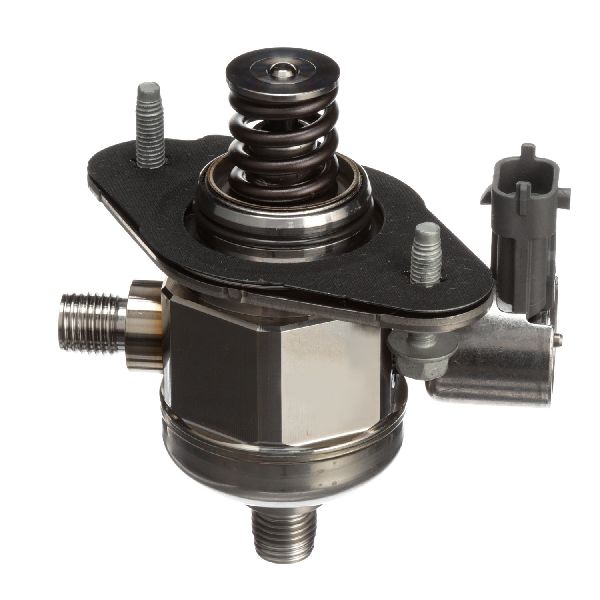
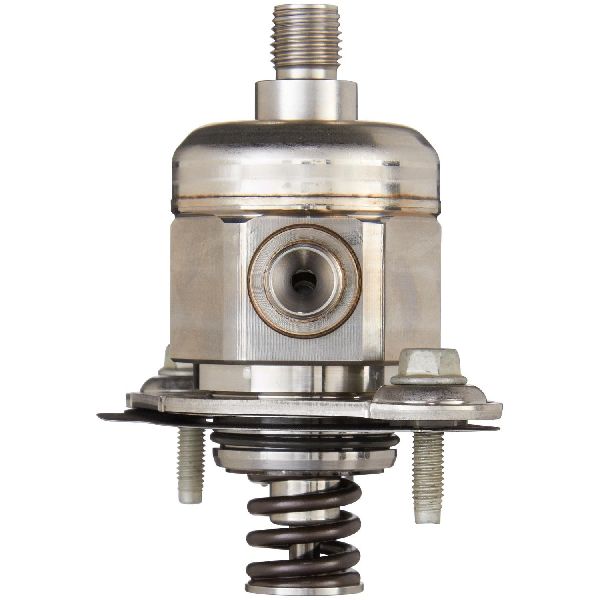
- Failing High-Pressure Fuel Pump (HPFP) 🔴 High Probability → Shop Fuel Pump The HPFP is a known, widespread failure point on the GM 3.6L V6 engine, leading to GM Special Coverage 14329. It is mechanically driven by a specific lobe on the camshaft and is subject to significant wear. The internal seals can fail, causing a loss of pressure and leaking fuel into the crankcase.
How to confirm: Use a scan tool to monitor 'Desired Fuel Rail Pressure' vs. 'Actual Fuel Rail Pressure'. If the actual pressure is significantly lower than desired (e.g., hundreds of PSI difference at idle or thousands under load), the HPFP is likely weak. A critical sign is smelling gasoline in the engine oil; this definitively indicates the pump's internal diaphragm has failed and is leaking fuel into the crankcase.
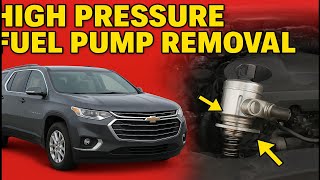
Typical fix: Replace the high-pressure fuel pump and the single-use high-pressure fuel line that connects to it. An oil change is mandatory if fuel has contaminated the oil. Inspect the camshaft roller/follower for wear 🎬 See this walkthrough on removing the high pressure fuel pump. during replacement.
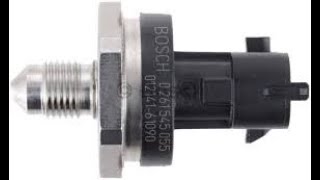
Est. part cost: $250-$500 - Faulty Fuel Rail Pressure Sensor (FRPS) 🟡 Medium Probability → Shop Fuel Pressure Sensor The sensor operates in a high-heat, high-vibration environment under the intake manifold and can fail electrically over time, sending incorrect data to the ECM.
How to confirm: If a scan tool shows fuel pressure readings that are erratic (jumping wildly), stuck at one value, or clearly implausible (e.g., 2000+ PSI with the engine off), the sensor is the likely culprit. The sensor is located under the intake manifold, requiring its removal for access.
Typical fix: Replace the fuel rail pressure sensor. This requires removing the upper intake manifold. It is advisable to replace the intake manifold gaskets 🎬 Watch: Step-by-step fuel rail pressure sensor replacement guide. at the same time.
Est. part cost: $50-$120 - Damaged FRPS Wiring or Connector ⚪ Low Probability The wiring harness can be exposed to heat and vibration, potentially leading to chafed wires or corrosion in the connector pins over time. GM has issued TSB 20-NA-197 for multiple models regarding connector corrosion causing this code. In some cases, the harness can rub through on the frame.
How to confirm: Visually inspect the fuel rail pressure sensor's electrical connector and surrounding wires for any signs of corrosion (green or white powder), melted plastic, or broken/chafed insulation. Wiggle the connector with the engine running to see if it affects the idle or fuel pressure readings on a scan tool. One owner found a chafed 5V reference wire under the driver's floorboard that was causing the code.
Typical fix: Clean the connector terminals with electrical contact cleaner or, if damage is severe, replace the connector pigtail by splicing in a new one. Repair any chafed sections of the wiring harness.
Est. part cost: $20-$40
Rare But Worth Checking
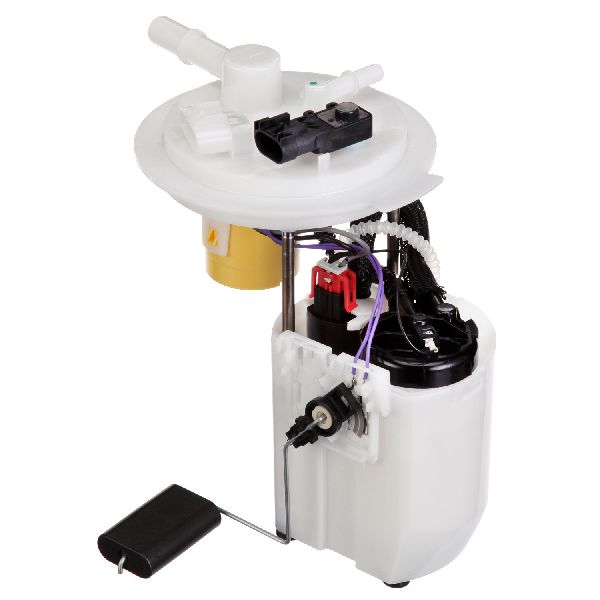
- Weak In-Tank Low-Pressure Fuel Pump: → Shop Fuel Pump The high-pressure pump cannot function correctly if the low-pressure pump in the tank isn't supplying it with adequate fuel (typically 50-65 PSI). This would usually also set a P0087 or P008A code.
- Clogged Fuel Filter: → Shop Fuel Filter The fuel filter is integrated with the in-tank fuel pump module and is not serviced separately. A severely clogged filter can starve the HPFP of fuel, but this is less common than HPFP failure.
- Worn Camshaft Lobe: The HPFP is driven by a special lobe on the camshaft. In very high-mileage or poorly maintained engines, this lobe can wear down, reducing the pump's stroke and its ability to generate pressure. The cam follower should be inspected when the pump is replaced.
- Faulty Engine Control Module (ECM): → Shop Engine Control Module (ECM) This is very rare, but the ECM can fail internally and misinterpret the sensor's signal. All other possibilities, including wiring, should be exhausted before considering ECM replacement.
- Fuel System Contamination: As noted in manufacturer bulletin #PIP5151F for related GMC platforms, fuel system contamination can lead to a hard start, rough running, or low fuel pressure, potentially triggering P0191 alongside P0087 or P0088. If contamination is found, the complete fuel system may require cleaning.
Diagnosis Steps

- Connect an OBD-II scanner and check for any other accompanying codes, especially P0087, P0089, or P228C, which strongly point to the HPFP.
- Monitor live data on the scan tool. Observe 'Desired Fuel Rail Pressure' and 'Actual Fuel Rail Pressure' at idle, during a snap throttle, and while holding RPM steady (e.g., 2500 RPM). A significant and consistent lag or drop in actual pressure points towards a pump issue.
- Turn the engine off. Pull the oil dipstick and smell it carefully for any trace of a gasoline odor. A strong fuel smell is a definitive sign of a failed high-pressure fuel pump leaking into the crankcase and requires immediate replacement of the pump and an oil change.
- If no fuel smell is present and pressure readings are erratic, nonsensical, or frozen, the next step is to inspect the fuel rail pressure sensor (FRPS) and its wiring.
- Locate the FRPS under the intake manifold. Visually inspect its electrical connector and nearby wiring for any signs of corrosion, damage, or loose connections. Consider GM TSB 20-NA-197 which highlights this as a potential problem.
- As a rare check, inspect the wiring harness that runs under the driver's side floorboard for chafing against the frame, which has been reported to cause a short on the 5V reference circuit for this sensor.
- If the wiring appears intact, the fault is likely either the FRPS itself or the HPFP. Given the high failure rate of the HPFP on this engine, it remains the primary suspect if drivability symptoms like stalling are present. Many owners have replaced the sensor first only to find the pump was the real issue.
- Both the sensor and the pump require removal of the intake manifold for access.
Parts You'll Likely Need

- High-Pressure Fuel Pump
(OEM #12677329 (Superseded by 12691016))— This is the most common cause of P0191 accompanied by drivability issues on the 3.6L V6 engine. The original part number 12677329 is widely available, but 12691016 is the updated GM part.
Trusted brands: ACDelco (GM Genuine), Bosch
OEM price range: $350-$500
Aftermarket price range: $200-$350 - Fuel Rail Pressure Sensor
(OEM #12621292)— The second most likely cause, especially if scan tool readings are erratic or frozen. It is located under the intake manifold, so it is often replaced alongside the HPFP as a preventative measure.
Trusted brands: ACDelco (GM Genuine), Bosch, Standard Motor Products
OEM price range: $70-$120
Aftermarket price range: $40-$80 - Upper Intake Manifold Gasket Set
(OEM #12673300)— These gaskets are single-use and must be replaced anytime the upper intake manifold is removed to access the HPFP or FRPS.
Trusted brands: ACDelco, Fel-Pro, Mahle
OEM price range: $40-$60
Aftermarket price range: $20-$40
Related Codes That Often Appear With This One
- P0087 — This code means 'Fuel Rail/System Pressure - Too Low' and directly indicates a mechanical problem with fuel delivery, often caused by the same failing high-pressure fuel pump that triggers P0191.
- P0089 — This code for 'Fuel Pressure Regulator Performance' can appear when the ECM struggles to control fuel pressure due to a failing HPFP or erratic sensor readings.
- P0171 / P0174 — These 'System Too Lean' codes can appear if inconsistent fuel pressure leads to a lack of fuel, causing long-term fuel trims to spike. A Reddit user reported these codes alongside P0191 before discovering the HPFP was the issue.
- P228C — 'Fuel Pressure Regulator 1 Exceeded Control Limits - Pressure Too Low' is another code that points directly to the high-pressure fuel system's inability to maintain pressure, often seen with a failing HPFP.
Technical Service Bulletins (TSBs) & Recalls
- GM Special Coverage 14329: Not a formal TSB, but a special coverage program acknowledging high failure rates of the HPFP on 3.6L engines, extending warranty coverage for this specific component on many vehicles.
- GM TSB 20-NA-197: Addresses MIL illumination with P0191 (and other fuel codes) caused by corrosion or damage at the fuel pressure sensor electrical connector. Recommends inspection and replacement of the connector pigtail if necessary.
- GM TSB PIP5029H: While primarily for carbon buildup on valves causing misfires, it's relevant as severe fuel system issues can sometimes be misdiagnosed or related to fuel quality, which this TSB touches on.
- Bulletin #PIP5151F: Notes that vehicles may experience a hard start, no start, or rough running with codes P0191, P0087, or P0088. If fuel system contamination is identified during inspection, the entire fuel system must be cleaned.
Platform-Specific Known Issues
- The 3.6L V6 (LLT and LFX) engines are known for premature failure of the high-pressure fuel pump, which can lead to fuel contaminating the engine oil. This requires an immediate oil change along with pump replacement to prevent severe engine damage.
- Accessing either the HPFP or the FRPS requires removing the upper intake manifold, making the repair moderately difficult and labor-intensive.
Mechanic-Grade Diagnostic Values
- Low-Pressure Fuel System (In-Tank Pump) — expected: 50-65 PSI (345-448 kPa). This is controlled by the Fuel Pump Control Module (FPCM).. Failure: Pressure below 50 PSI indicates a weak in-tank pump or clogged filter, which can starve the HPFP.
- High-Pressure Fuel System (HPFP) - Idle — expected: Desired vs. Actual pressure should match closely, around 4 MPa (approx. 580 PSI).. Failure: If 'Actual' pressure is significantly lower than 'Desired' (e.g., 1-2 MPa when 4 MPa is commanded), the HPFP is weak.
- Fuel Rail Pressure Sensor (FRPS) Signal Voltage - KOEO — expected: Approximately 1.5V to 1.8V with Key On, Engine Off.. Failure: A reading of 0V, 5V, or a wildly fluctuating voltage with KOEO points to a faulty sensor or wiring issue. A reading of nearly 5V indicates an open in the signal circuit or a faulty sensor.
- FRPS Sensor Connector Voltages (Unplugged, KOEO) — expected: Power wire (Red): 5V. Signal wire (Orange): 5V. Ground wire (Green): Good ground continuity to chassis.. Failure: Lack of 5V on the power or signal wire, or high resistance on the ground wire, indicates a wiring or ECM problem, not a sensor fault.
Scan Tool Commands That Help
- GDS2 / Tech2: Fuel Pressure Control — A technician can use this bidirectional command to command specific fuel pressures and observe if the HPFP and FRPS respond accordingly. This helps isolate whether the pump is unable to build pressure or if the sensor is not reading it correctly.
- GDS2 / Tech2: Fuel System Depressurize — This is a critical safety function to be used before servicing any high-pressure fuel system components, like the HPFP or FRPS. It commands the system to bleed off the high pressure (which can be over 2000 PSI) to prevent injury.
Wiring & Ground Locations
- FRPS Sensor Wires — At the Fuel Rail Pressure Sensor connector under the intake manifold.. For testing, the wire colors are typically Green (Sensor Ground from ECM), Orange (Signal to ECM), and Red (5V Reference from ECM). Verifying voltage and ground here is a key step in differentiating a sensor failure from a wiring failure.
- G112 — Rear of the engine, mounted to the rear of the cylinder head.. This is a primary engine ground. A loose or corroded connection at G112 can cause a host of erratic sensor readings and engine control issues, including problems with the fuel pressure sensing system.
- G103 — On the left inner fender panel in the engine compartment.. This is a major chassis ground point in the engine bay. The ECM and other critical engine components rely on solid ground paths. A problem here could introduce electrical noise or voltage offsets affecting sensor readings.
- G305 — Under the vehicle, near the battery's location inside the cabin.. This ground is located near the battery and is crucial for the main power distribution. An owner found that this ground point was painted over from the factory, causing intermittent electrical issues.
Real Owner Repair Stories
- Reddit user on r/MechanicAdvice (2012 GMC Acadia Denali) — Initially had code P0191. After replacing the fuel rail pressure sensor, the car developed more codes (P0463, P0171, P0174), the 'STABILITRAK WARNING' came on, and the engine began stalling at traffic lights.
❌ Tried (didn't work) Replacing the fuel rail pressure sensor (FRPS).
✅ What actually fixed it The user did not post a final resolution, but the symptoms strongly point to the classic failure pattern where the P0191 was caused by a failing High-Pressure Fuel Pump (HPFP), not the sensor. Replacing the sensor did nothing, and the pump's continued degradation led to lean conditions (P0171/P0174) and stalling. - YouTube video by 'Repairs and Stuff' (2014 GMC Acadia) — Crank no-start condition, lost throttle control on the highway. Codes P0191.
❌ Tried (didn't work) Replacing the fuel rail pressure sensor (FRPS) under the intake., Replacing the high-pressure fuel pump (HPFP).
✅ What actually fixed it The final cause was a faulty fuel pressure sensor related to the EVAP system/vapor canister, which was unexpectedly preventing the vehicle from starting. The technician also noted a known issue with a gray 5-volt reference wire chafing under the driver's side kick panel/floorboard area on some Acadias.
Model Year Variations Within This Range
- 2009-2011 (LLT) vs 2012-2016 (LFX): The engine was updated from the LLT to the LFX around 2012. While both are 3.6L V6 GDI engines, they have key differences. The LFX uses a different, higher-volume High-Pressure Fuel Pump (HPFP), a composite intake manifold instead of aluminum, and a Delphi ECM instead of a Bosch ECM. While the P0191 failure pattern is similar, parts like the HPFP and intake gaskets may not be interchangeable across the LLT/LFX split.
Diagnostic Flowchart
Real Owner Stories
Aggregated from forums and TSBs cited above. Mileages and costs reflect what owners reported in those sources.
2012 GMC Acadia Denali 3.6L V6
Symptoms: P0191 appearing with lean codes (P0171/P0174) and engine stalling.
What fixed it: The shop initially replaced the fuel rail pressure sensor, but the problem persisted. The actual culprit was the High-Pressure Fuel Pump (HPFP).
Source hint: Reddit - r/MechanicAdvice - '2012 GMC Acadia Denali'
2009-2016 GMC Acadia 3.6L V6
Symptoms: Reduced Engine Power message with codes P0089, P0174, and P228C.
What fixed it: Diagnosed by comparing desired vs. actual fuel pressure; replaced the High-Pressure Fuel Pump (HPFP).
Source hint: YouTube - Automotive Insight - '09-16 GMC Acadia Reduced Engine Power... High Pressure Fuel Pump Replacement'
2014 GMC Acadia 3.6L V6
Symptoms: Engine cranks with no start and throws code P0191.
What fixed it: After replacing the FRPS and HPFP with no success, the final culprit was found to be a chafed 5V reference wire in the harness under the driver's floorboard.
Source hint: YouTube - Nate Olson - 'p0191 2014 GMC Acadia cranks with no start...'
Related OBD-II Codes
Frequently Asked Questions
Is the High-Pressure Fuel Pump failure covered under any GM warranty or recall for my Acadia?
Why does my engine oil smell like gasoline when I have code P0191?
Does TSB 20-NA-197 apply to my 2009-2016 GMC Acadia?
I replaced the Fuel Rail Pressure Sensor (FRPS) but P0191 came back. What else could it be?
Why am I getting a 'Service Stabilitrak' and 'Reduced Engine Power' message with this code?
How difficult is it to replace the Fuel Rail Pressure Sensor or HPFP on the 3.6L V6?
Helpful Videos


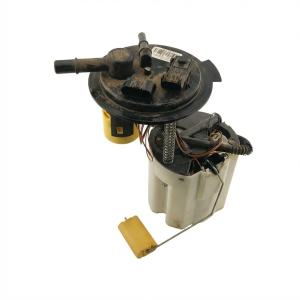
Used OEM Parts in Stock
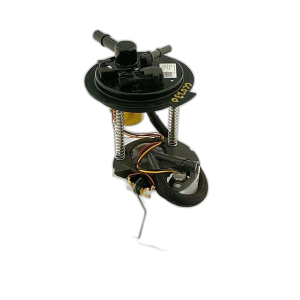
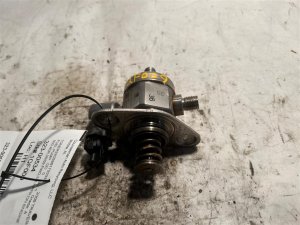
New Aftermarket Parts Available


The information in this article is provided for general reference and educational purposes only. Vehicle specifications, procedures, and part compatibility can vary by production date, trim level, and region. Always consult your vehicle's factory service manual and verify part numbers before purchasing or performing repairs. Safety-critical components such as airbags, seat belts, and braking systems should be installed by a qualified professional.
- GMC Acadia:
- 🧭 Diagnostic Flowchart
- 🎬 Helpful Videos
- 🛍️ Shop This Part
- What's Unique About the 2009-2016 GMC Acadia
- Symptoms You May Notice
- Most Likely Causes
- Rare But Worth Checking
- Diagnosis Steps
- Parts You'll Likely Need
- Related Codes That Often Appear With This One
- Technical Service Bulletins (TSBs) & Recalls
- Platform-Specific Known Issues
- Mechanic-Grade Diagnostic Values
- Scan Tool Commands That Help
- Wiring & Ground Locations
- Real Owner Repair Stories
- Model Year Variations Within This Range
- Real Owner Stories
- 2012 GMC Acadia Denali 3.6L V6
- 2009-2016 GMC Acadia 3.6L V6
- 2014 GMC Acadia 3.6L V6
- Related OBD-II Codes
- Frequently Asked Questions
- 🎟️ Get 5% Off