

P0191 on 2011-2015 Kia Optima: Fuel Rail Pressure Sensor Causes and Fixes
For a 2011-2015 Kia Optima with a GDI engine, code P0191 most often points to a faulty Fuel Rail Pressure Sensor (FRPS) or a failing High-Pressure Fuel Pump (HPFP). The sensor is the cheaper part to replace, but diagnosis is critical as the HPFP is a known failure point on these engines. Wiring issues are also a significant possibility and should be checked before replacing expensive components.
- P0191 on a GDI Optima points to a serious fuel delivery problem that can cause stalling and requires prompt attention.
- The two most likely culprits are the Fuel Rail Pressure Sensor (FRPS) and the High-Pressure Fuel Pump (HPFP).
- Always diagnose before replacing parts. Use a scan tool to watch live fuel pressure data; this is the most critical step.
- Do not overlook the possibility of a damaged wire or loose connector, especially since the harness is in a hard-to-reach area under the intake manifold.
- Due to the extremely high pressures of the GDI system, diagnosis and repair are best left to professionals if you are not experienced with these systems.
What's Unique About the 2011-2015 Kia Optima
The 2.4L and 2.0T GDI (Gasoline Direct Injection) engines in this generation Optima use a complex dual-pump fuel system: a low-pressure pump in the tank and a high-pressure fuel pump (HPFP) driven by the camshaft. This high-pressure system, operating at thousands of PSI, is sensitive. Both the Fuel Rail Pressure Sensor (FRPS) and the HPFP are common failure points, making P0191 a frequent code for owners. The Theta II GDI engines are notorious for issues related to the fuel system and internal wear, making accurate diagnosis crucial.
Symptoms You May Notice
- Check Engine Light is on
- Engine hesitation, sputtering, or bucking, especially during acceleration
- Significant loss of engine power or entering 'limp mode'
- Engine stalling, especially when coming to a stop or at idle
- Hard starting, long crank times, or a no-start condition
- Reduced fuel economy
- Rough or unstable idle
- Noticeable fuel smell near the engine bay, which could indicate a leak in the high-pressure lines.
- Replacing the Fuel Rail Pressure Sensor when the actual cause is a failing High-Pressure Fuel Pump (HPFP).
- Replacing the HPFP when the actual cause is a simple wiring or connector fault.
- Replacing only the sensor without checking live data to see if the fuel pressure is actually out of range, indicating a mechanical pump issue.
- Ignoring the low-pressure fuel pump in the tank, which could be failing to supply the HPFP with enough fuel.
Most Likely Causes
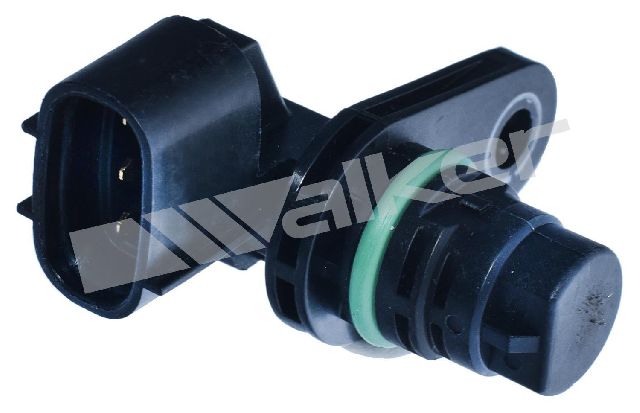
- Faulty Fuel Rail Pressure Sensor (FRPS) 🔴 High Probability → Shop Fuel Pressure Sensor The sensor is a sensitive electronic component in a high-heat, high-vibration environment under the intake manifold. It's a frequently cited failure point for this code on Kia/Hyundai GDI engines.
How to confirm: With a scan tool, compare the 'commanded' fuel rail pressure to the 'actual' fuel rail pressure reading from the sensor. If the reading is erratic, stuck on one value (e.g., 0 PSI or max PSI), or clearly incorrect for the engine's state (e.g., reading high pressure when the engine is off), the sensor is likely bad. This assumes wiring has been checked. A typical operating voltage range for the sensor is 0.5V to 4.5V.
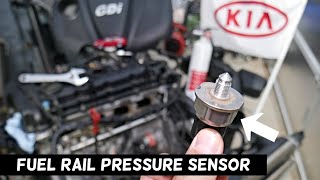
Typical fix: Replace the fuel rail pressure sensor. This requires removing the intake manifold to access the fuel rail. It is critical to relieve fuel pressure before starting this job. 🎬 See this walkthrough for replacing the fuel rail pressure sensor
Est. part cost: $60-$150 - Failing High-Pressure Fuel Pump (HPFP) 🔴 High Probability → Shop Fuel Pump The HPFP is a mechanical pump subject to wear, especially the internal components and the camshaft follower (tappet) that drives it. It is a widely documented failure point on the Theta II GDI engines, often leading to low fuel pressure under load.
How to confirm: If the FRPS and its wiring are confirmed good, but the actual fuel pressure (monitored via scan tool) cannot meet the commanded pressure, the HPFP is the primary suspect. This is especially true if code P0087 (Fuel Rail Pressure Too Low) is also present. A worn cam follower (tappet) is also a strong indicator.
Typical fix: Replace the high-pressure fuel pump and the associated cam follower (tappet). The high-pressure fuel pipe is often a one-time-use part and should also be replaced.
Est. part cost: $250-$700 - Wiring or Connector Issue 🟡 Medium Probability The sensor wiring is routed under the intake manifold and can be subject to heat damage, corrosion, or loose pins at the connector. Technicians report finding broken or chafed wires in the harness as the root cause after parts have been replaced.
How to confirm: Visually inspect the FRPS connector for corrosion or damage. Perform a continuity test on the power (5V reference), ground, and signal wires from the sensor connector back to the ECM. Wiggle the harness during testing to check for intermittent breaks.
Typical fix: Repair the damaged section of the wiring harness or replace the connector pigtail.
Est. part cost: $10-$50
Rare But Worth Checking
- Failing Low-Pressure Fuel Pump or Clogged Filter: → Shop Fuel Pump While less common to set a 'Range/Performance' code, a weak in-tank pump can starve the HPFP, causing it to underperform and trigger P0191. The low-pressure system should be tested to confirm it is supplying adequate pressure (approx. 65 PSI) to the HPFP.
- Damaged High-Pressure Fuel Pipe: → Shop Fuel Line Kia issued a recall (SC172) for the high-pressure fuel pipe on vehicles that had prior engine replacement work, as it could be damaged or misaligned, causing a leak and affecting pressure. A leak here is a significant fire hazard.
- Worn Camshaft Follower (Tappet): The small metal follower that sits between the camshaft and the HPFP can wear down, reducing the pump's stroke and causing low pressure. It should always be inspected and typically replaced whenever the HPFP is serviced. 🎬 Watch: How to replace the high-pressure pump and cam follower
Diagnosis Steps
- Connect an OBD-II scanner and check for any other accompanying codes, such as P0087 or misfire codes.
- Use the scanner's live data function to monitor 'Commanded Fuel Rail Pressure' and 'Actual Fuel Rail Pressure'.
- Observe the data at key-on-engine-off (KOEO), idle, and during a test drive with acceleration. Does the actual pressure track with the commanded pressure? Is the signal erratic, stuck, or does it drop out?
- Perform a thorough visual inspection of the Fuel Rail Pressure Sensor (FRPS) connector and its wiring harness for any signs of damage, melting, or corrosion. The sensor is located on the fuel rail, under the intake manifold.
- If wiring looks suspicious, disconnect the sensor and test for 5V reference, good ground, and continuity on the signal wire back to the ECM. Wiggle the harness while testing for intermittent faults.
- If the sensor reading is irrational (e.g., 2000 PSI with engine off) but the wiring is good, the FRPS is faulty and should be replaced.
- If the sensor reading accurately shows pressure that is too low compared to what is commanded (especially under load), and the wiring is good, the issue is mechanical. First, test the low-pressure fuel pump's output to ensure it's supplying the HPFP (target ~65 PSI).
- If the low-pressure side is healthy, suspect the High-Pressure Fuel Pump (HPFP). Before replacing the HPFP, inspect the camshaft follower (tappet) for wear, as a worn follower can cause low pressure and will need to be replaced with the pump.
Parts You'll Likely Need
- Fuel Rail Pressure Sensor
(OEM #35342-2GGA0 (Note: Multiple part numbers exist, VIN verification is critical. Other potential PNs include 35342-03AC0, 35342-2E500, 35342-2M400, 35342-2S000).)— This sensor is a common failure point and often sends erratic or incorrect signals, directly causing the P0191 code.
Trusted brands: Bosch, Delphi, Hyundai/Kia Genuine
OEM price range: $100-$180
Aftermarket price range: $60-$120 - High-Pressure Fuel Pump (HPFP)
(OEM #35320-2G740 (Supersedes 35320-2G720, 35320-2G730).)— This is the second most likely cause. Mechanical wear prevents the pump from generating the high pressure required by the GDI system, especially under load.
Trusted brands: Bosch, Hyundai/Kia Genuine
OEM price range: $500-$700
Aftermarket price range: $250-$450 - Camshaft Follower / Tappet
(OEM #35325-2G700)— This small part sits between the camshaft and the HPFP and is a known wear item. A worn follower will cause low fuel pressure even with a new pump. It should always be replaced when replacing the HPFP.
Trusted brands: Hyundai/Kia Genuine
OEM price range: $20-$40
Aftermarket price range: $15-$30
Related Codes That Often Appear With This One
- P0087 — This code for 'Fuel Rail/System Pressure - Too Low' often appears with P0191 when the High-Pressure Fuel Pump is failing and cannot generate the pressure commanded by the ECM.
- P0300-P0304 — Misfire codes can occur because incorrect fuel pressure leads to a lean or rich air/fuel mixture, causing poor combustion in one or more cylinders.
- P0088 — 'Fuel Rail/System Pressure - Too High' can sometimes be set if the FRPS fails and sends a falsely low signal, causing the ECM to command the HPFP to over-pressurize the rail.
Platform-Specific Known Issues
- Recall SC172 was issued for the high-pressure fuel pipe for vehicles that had a prior engine replacement.
Mechanic-Grade Diagnostic Values
- Low-Pressure Fuel Pump (in-tank) output pressure — expected: ~65 PSI. Failure: Significantly lower pressure indicates a failing in-tank pump, which can starve the HPFP.
- High-Pressure Fuel System operating pressure — expected: Can exceed 1,900 - 2,000 PSI under load.. Failure: Failure to reach commanded pressure under load points to a weak HPFP or worn tappet. Pressure far exceeding commanded pressure can point to a faulty HPFP regulator or FRPS issue.
- Fuel Rail Pressure Sensor (FRPS) signal voltage — expected: 0.5V - 4.5V. Failure: Voltage that is stuck, erratic, or outside this range with the key on suggests a failed sensor or wiring issue.
Wiring & Ground Locations
- Fuel Rail Pressure Sensor (FRPS) Connector — On the fuel rail, located underneath the intake manifold.. This is the primary sensor connector. It is in a high-heat area and is prone to wiring damage, which can directly cause a P0191 code.
- High-Pressure Fuel Pump (HPFP) Connector — On top of the HPFP, which is mounted on the cylinder head.. This connector powers the pump's internal fuel pressure regulator. A bad connection can cause incorrect pressure control, leading to P0191.
- Engine Block Ground — Main ground strap from the engine block to the chassis frame.. A poor engine ground can cause floating voltage references for all engine sensors, including the FRPS, leading to erratic readings and codes.
- Interior Fuse Panel Ground Bolt — A silver bolt to the right of the interior fuse panel (driver's side dash) with multiple ground wires attached.. This is a central grounding point for interior electronics and can affect the ECM's ground reference if loose or corroded.
OEM Part Supersession History
35320-2G720, 35320-2G730→35320-2G740— Part revision and improvement by the manufacturer.
Heads up: The newer part number is the correct replacement for the older versions.
Model Year Variations Within This Range
- 2011-2013: These model years use a specific Engine Ground Wiring Assembly, part number 918602T011. This suggests the part may differ for the 2014-2015 facelift models.
Diagnostic Flowchart
Other Known Issues on This Vehicle
Issues unrelated to this code that are worth knowing about as an owner of this generation:
- Catastrophic Engine Failure (Rod Bearing) 🔴 High — Widespread across 2011-2014 models. A class-action lawsuit and massive recalls were initiated. Failure can occur at various mileages, often preceded by a knocking sound. (Ref: Recalls 17V-224 (SC147), lifetime warranty extension for short block assembly for qualifying failures.)
- MDPS Steering Coupler Wear 🟠 Medium — Very common. Owners report a clicking or clunking noise from the steering column when turning the wheel, especially at low speeds or when stopped. (Ref: TSB CHA-073 / Customer Satisfaction Program CS1604 extended the warranty for this part to 10 years/unlimited mileage.)
- GDI Intake Valve Carbon Buildup 🟠 Medium — An inherent issue with all GDI engines, including the Theta II. Over time (typically 60k-100k miles), carbon deposits build up on the back of intake valves, leading to rough idle, misfires, and reduced performance. (Ref: TSB 23-FL-003H for newer models recommends using Techron fuel system cleaner, though this does not clean the intake valves directly on a GDI engine.)
Used vs. New Parts: Buying Guide for This Vehicle
When a used part is the smart pick: A used part can be a cost-effective choice for a wiring harness pigtail if the connectors and wires are in good condition. A used Fuel Rail Pressure Sensor (FRPS) is a gamble but can be a cheap diagnostic tool to see if it resolves the code before buying a new one.
Donor-vehicle mileage cap: roughly under 75000 miles for the part to have meaningful remaining life.
What to inspect on the donor part:
- For wiring, ensure insulation is not brittle, cracked, or melted.
- Check that all connector locking tabs are intact and pins are clean and straight.
- For a used HPFP (High-Risk), inspect for any signs of fuel leaks, heavy corrosion, or physical damage to the housing or connector.
OEM-only on this vehicle (don't cheap out):
- High-Pressure Fuel Pump (HPFP)
- Camshaft Follower (Tappet)
- High-Pressure Fuel Pipe (one-time use)
Aftermarket brands forum-validated for this vehicle:
- Bosch (often the OEM supplier for the HPFP)
- Denso (reputable OE-equivalent for fuel system components)
- Delphi
Real Owner Stories
Aggregated from forums and TSBs cited above. Mileages and costs reflect what owners reported in those sources.
2013 Kia Optima 2.0T
Symptoms: The car was throwing codes P0191 and P0087. The owner attempted a repair with a new High-Pressure Fuel Pump, but the issue persisted until they realized the replacement pump itself was defective.
What fixed it: Replacing the defective (new) High-Pressure Fuel Pump with a functional one.
Source hint: Reddit r/AskAMechanic
2015 Hyundai Sonata 2.4L GDI
Symptoms: The vehicle exhibited codes P0087 and P0191, indicating fuel rail pressure issues.
What fixed it: Replacement of the high-pressure fuel pump.
Source hint: YouTube - 'HYUNDAI SONATA CODE P0087 & P0191 FIX' by Dave's Automotive Services
Documented NHTSA Reports
An owner of a Kia vehicle reported that after leaving a service appointment, the car did not feel right, and the system triggered codes P0171 and P0191 for the third time (NHTSA ODI #11597574).
In another instance, a Kia owner reported that their vehicle displayed a P0191 Fuel Rail Pressure Sensor Range/Performance code, but the dealer performed minimal investigation with no resolution (NHTSA ODI #11682506).
A report involving a Kia engine noted that warning lights for P0171, P0174, and P0191 were triggered, with the owner expressing concern that carbon buildup was the underlying cause of the failure (NHTSA ODI #11716465).
Related OBD-II Codes
Frequently Asked Questions
Is there a recall for the high-pressure fuel system on my 2011-2015 Kia Optima?
Where is the Fuel Rail Pressure Sensor located on the 2.4L or 2.0T GDI engine?
My Optima is making a clicking noise when I turn the steering wheel; is this related to the P0191 code?
Can I just use a fuel additive like Techron to fix the performance issues associated with this code?
What should the fuel pressure be on the low-pressure side before I replace the expensive high-pressure pump?
What is the typical voltage range I should see for a healthy Fuel Rail Pressure Sensor on this vehicle?
Helpful Videos


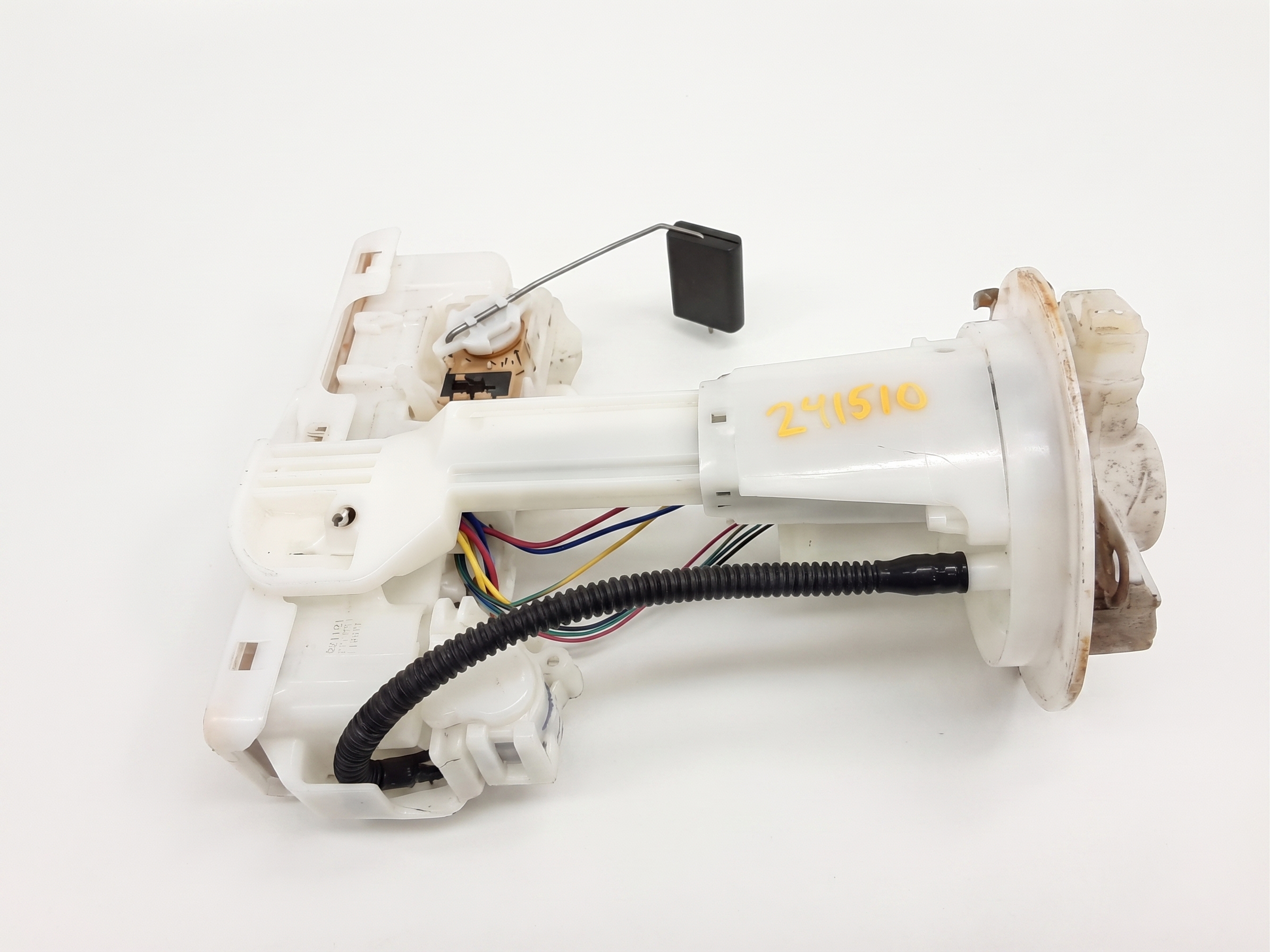
Used OEM Parts in Stock
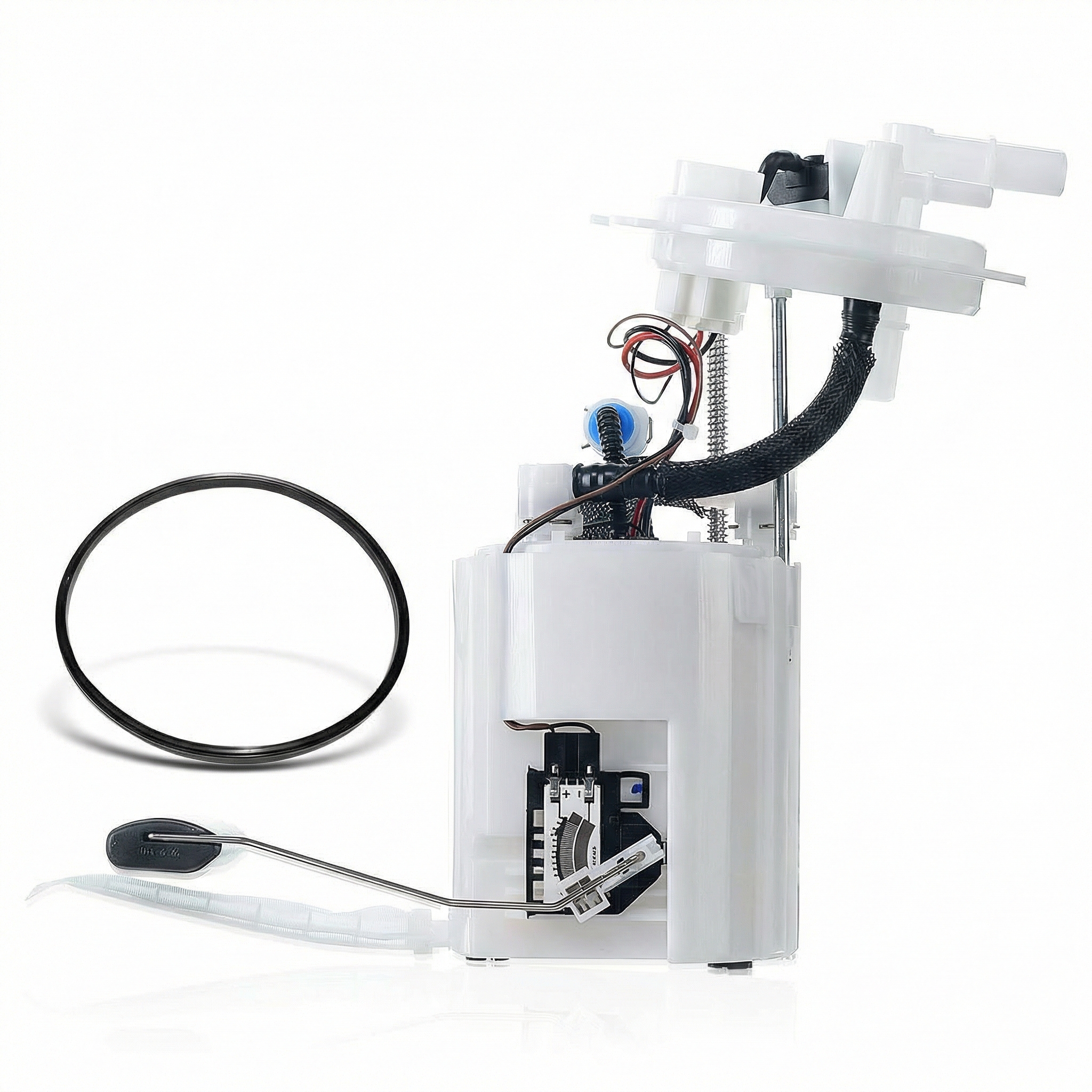
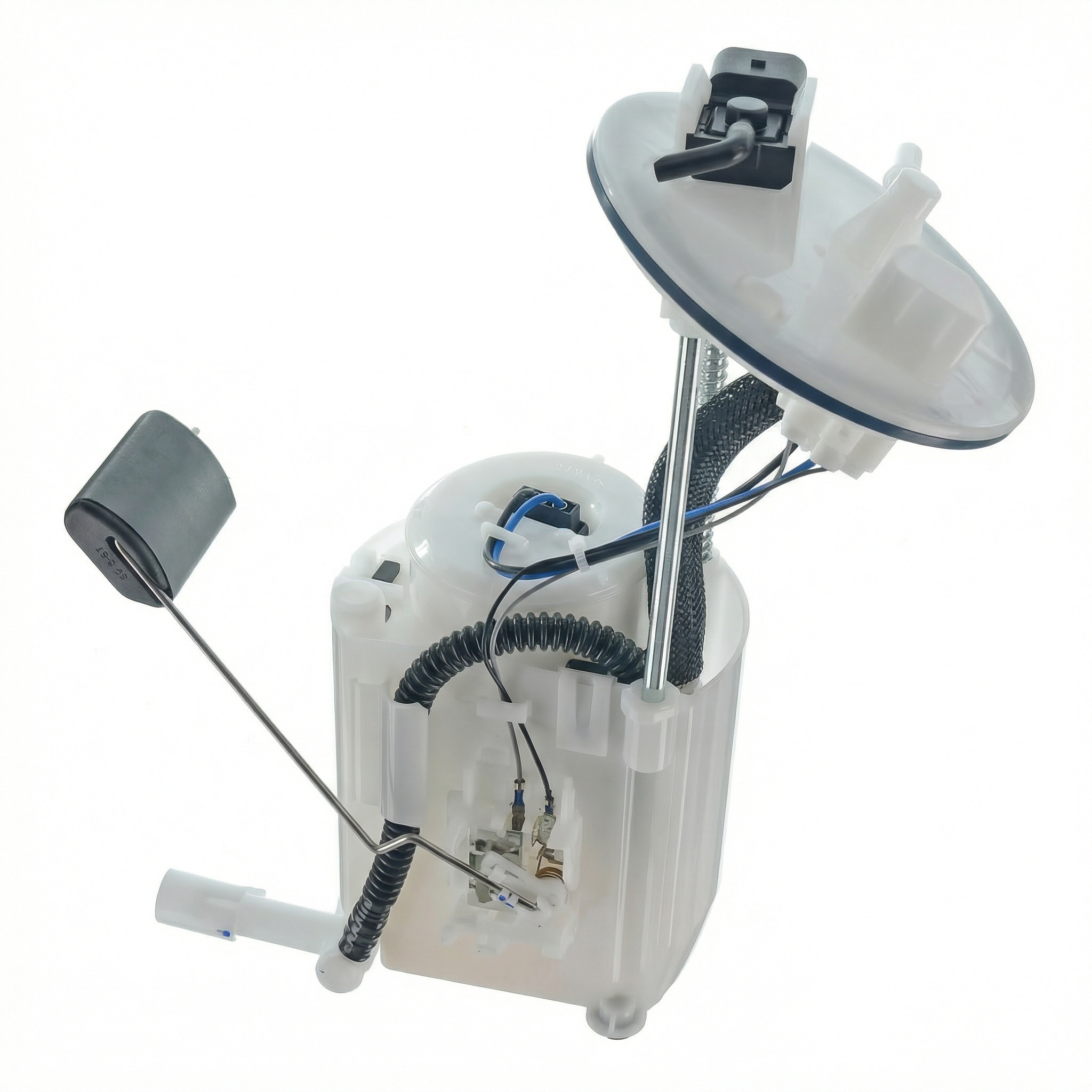
New Aftermarket Parts Available
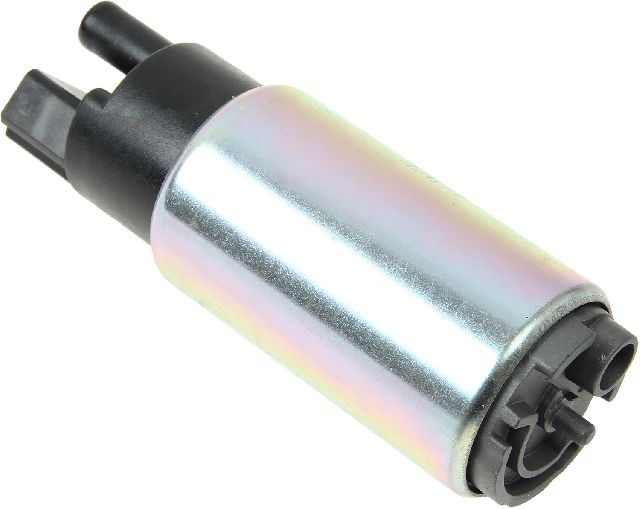
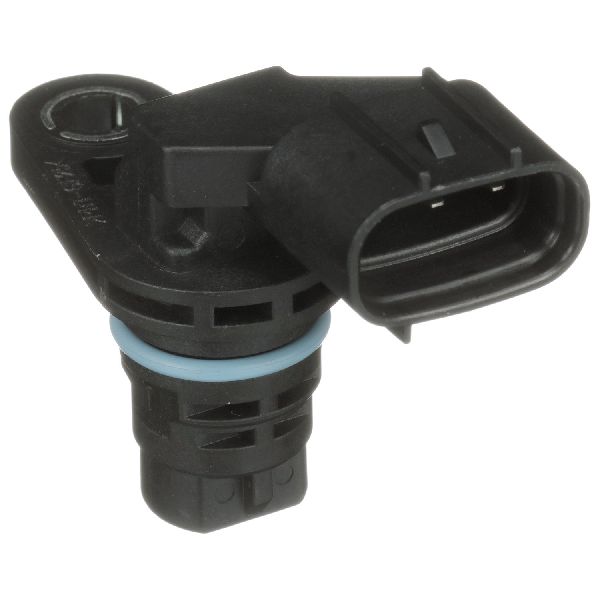


The information in this article is provided for general reference and educational purposes only. Vehicle specifications, procedures, and part compatibility can vary by production date, trim level, and region. Always consult your vehicle's factory service manual and verify part numbers before purchasing or performing repairs. Safety-critical components such as airbags, seat belts, and braking systems should be installed by a qualified professional.
- Kia Optima:
- 🧭 Diagnostic Flowchart
- 🎬 Helpful Videos
- 🛍️ Shop This Part
- What's Unique About the 2011-2015 Kia Optima
- Symptoms You May Notice
- Most Likely Causes
- Rare But Worth Checking
- Diagnosis Steps
- Parts You'll Likely Need
- Related Codes That Often Appear With This One
- Platform-Specific Known Issues
- Mechanic-Grade Diagnostic Values
- Wiring & Ground Locations
- OEM Part Supersession History
- Model Year Variations Within This Range
- Other Known Issues on This Vehicle
- Used vs. New Parts: Buying Guide for This Vehicle
- Real Owner Stories
- 2013 Kia Optima 2.0T
- 2015 Hyundai Sonata 2.4L GDI
- Documented NHTSA Reports
- Related OBD-II Codes
- Frequently Asked Questions
- 🎟️ Get 5% Off