

P0191 on 2011 Saab 9-5 2.0T: Fuel Rail Pressure Sensor Performance Causes and Fixes
On the 2011 Saab 9-5 2.0T, P0191 usually indicates a problem with the low-pressure fuel pump in the tank or its control module (FPCM), not the high-pressure sensor itself. This is a common issue on GM platforms with this engine. Expect reduced engine power, hesitation, and possible stalling.
- P0191 on your Saab 9-5 indicates a fuel pressure performance problem, not necessarily a bad sensor.
- Before replacing any parts, diagnose the low-pressure fuel system. A weak in-tank pump or faulty Fuel Pump Control Module (FPCM) is the most likely cause.
- Use a scan tool to monitor both low and high-pressure fuel system data to pinpoint where the pressure is being lost.
- Driving with this code can lead to stalling and leave you stranded, so it should be addressed promptly.
What's Unique About the 2011-2011 Saab 9-5
The 2011 Saab 9-5 with the 2.0L Turbo engine (GM LHU) is built on the GM Epsilon II platform. Its direct injection fuel system has two fuel pumps: a low-pressure electric pump in the fuel tank and a high-pressure mechanical pump (HPFP) driven by the engine's camshaft. The low-pressure pump is controlled by a dedicated Fuel Pump Control Module (FPCM). A failure in this low-pressure delivery system is a very common cause for P0191, even though the code name points to the high-pressure rail sensor. Mechanics and owners frequently find that the in-tank pump or the FPCM is at fault, starving the high-pressure pump of the fuel it needs to function correctly. This failure pattern is shared with its platform mates, the Buick Regal Turbo/GS.
🎬 Watch: Diagnosing a P0191 caused by the low pressure pump.Symptoms You May Notice
- Check Engine Light is on
- Message on the display indicating 'Reduced Engine Power'
- Engine hesitation or stumbling, especially during acceleration
- Engine stalling or cutting out while driving, sometimes intermittently
- Difficulty starting the engine or prolonged cranking
- Rough or unstable idle
- Reduced fuel economy
- Abnormal smell from the exhaust due to a rich or lean condition
- Immediately replacing the Fuel Rail Pressure (FRP) sensor without testing the low-pressure fuel system. The code name is misleading, and the problem is often upstream in the low-pressure pump or its control module. This is a frequent mistake noted by both mechanics and DIYers.
Most Likely Causes
- Failing In-Tank (Low-Pressure) Fuel Pump 🔴 High Probability → Shop Fuel Pump The high-pressure system is entirely dependent on a steady supply from the low-pressure pump. These pumps can weaken over time, failing to provide the necessary volume and pressure to the HPFP, especially under load. The internal motor can wear out or the housing can develop issues.
How to confirm: Use a scan tool to monitor the low-pressure fuel sensor data while driving. More definitively, connect a mechanical fuel pressure gauge to the low-pressure line's service port and verify the pressure is within specification (typically 50-65 PSI on these GM systems). If pressure drops significantly under acceleration, the pump is weak.
Typical fix: Replace the in-tank fuel pump module. It is recommended to use a high-quality OEM or OES replacement like ACDelco or Delphi to avoid premature failure.
Est. part cost: $250-$450 - Faulty Fuel Pump Control Module (FPCM) 🟡 Medium Probability → Shop Fuel Pump This electronic module, often mounted on the vehicle's frame or underbody, controls the voltage to the in-tank pump. Its location makes it vulnerable to corrosion from road salt and moisture, a known failure point on many GM platforms of this era. Internal electronic failure is also common.
How to confirm: Diagnose using a high-end scan tool that can communicate with the FPCM. Check for FPCM-specific codes (like P069E or P025A). Monitor the commanded vs. actual duty cycle of the pump. A lack of response or erratic behavior points to a faulty module or wiring.
Typical fix: Replace the Fuel Pump Control Module. On many GM vehicles, this module requires programming to the vehicle's VIN using dealership-level software (like ACDelco TDS) to function correctly.
Est. part cost: $100-$250 - Defective Fuel Rail Pressure (FRP) Sensor 🟡 Medium Probability → Shop Fuel Pressure Sensor
How to confirm: With the key on and engine off, check the sensor's reading on a scan tool; it should show a plausible baseline pressure. Compare the sensor's readings at idle and under load to the desired pressure values. If the readings are erratic, stuck, or do not change with engine demand while actual pressure is verified as good, the sensor is likely faulty. The Saab WIS notes that the sensor voltage should be between 4.8-5.2V on the reference circuit, and a jumpered signal circuit should read >4.96V.
Typical fix: Replace the fuel rail pressure sensor. High-side fuel pressure must be properly relieved before servicing to avoid injury. Tightening torque for the sensor is 33 Nm (25 lb ft). 🎬 Watch: Troubleshooting rough idle and P0191 codes on GM engines.
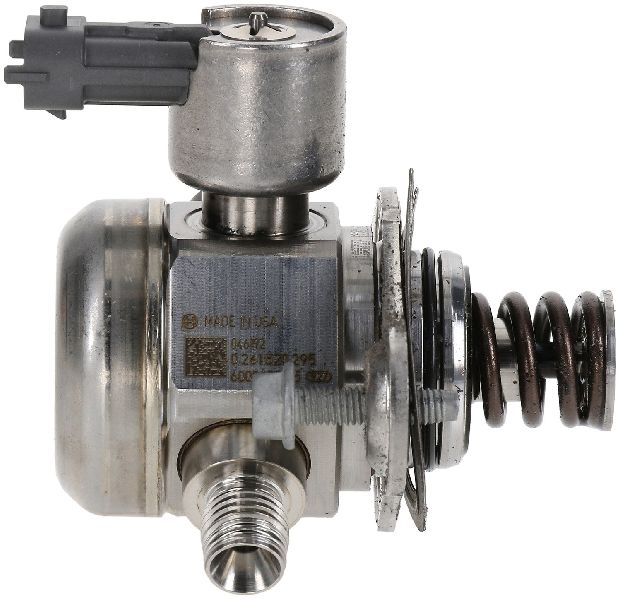
Est. part cost: $50-$150 - Failing High-Pressure Fuel Pump (HPFP) ⚪ Low Probability → Shop Fuel Pump The HPFP is a mechanical pump driven by a lobe on the camshaft. Over time, the internal components or the camshaft follower can wear, leading to an inability to generate the required high pressure (which can exceed 2,250 PSI). This is less common than low-side failures but does occur.
How to confirm: This is usually diagnosed after confirming the entire low-pressure system (pump, FPCM, filter) is working correctly. Use a scan tool to watch commanded vs. actual fuel rail pressure. If the low-pressure supply is good but the high pressure consistently fails to meet the target under load, the HPFP is suspect. Check the engine oil for a strong gasoline smell, which indicates a failed internal seal on the HPFP.
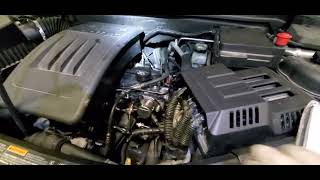
Typical fix: Replace the high-pressure fuel pump and its associated seals/gaskets. This is a more labor-intensive job. It is highly recommended to use an OEM GM/ACDelco part, as aftermarket pumps are known to cause repeat failures. 🎬 See this walkthrough on diagnosing a high pressure pump fault.
Est. part cost: $300-$600
Rare But Worth Checking
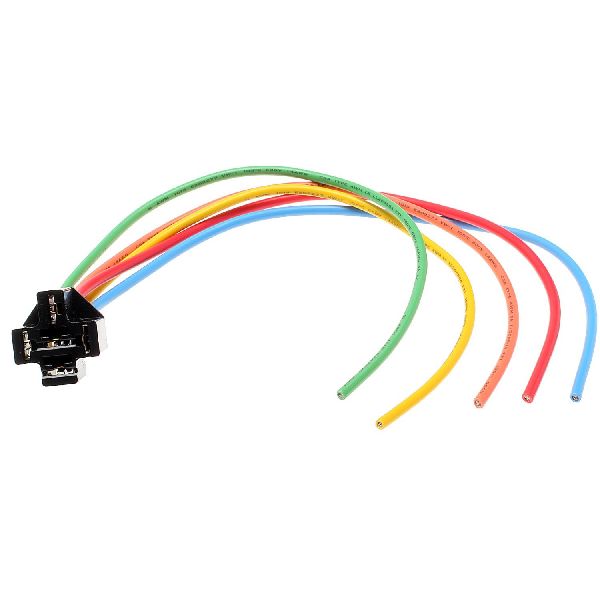
- Wiring or Connector Issue: The wiring harness to the fuel rail pressure sensor, FPCM, or in-tank pump can become damaged from heat, vibration, or chafing, causing an intermittent open or short. Corrosion in the connectors is also a common culprit, especially for the frame-mounted FPCM. Always inspect the connectors for green/white corrosion or loose pins before replacing parts.
- Clogged Fuel Filter: → Shop Fuel Filter The fuel filter is integrated into the in-tank fuel pump module on this vehicle. While not a separate part to replace, a severely clogged filter (due to contaminated fuel or tank debris) will cause the same symptoms as a weak pump.
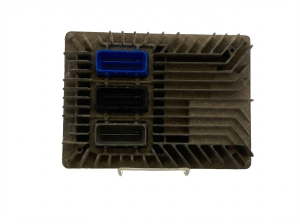
- Faulty Engine Control Module (ECM): → Shop Engine Control Module (ECM) In very rare cases, the ECM's internal circuitry for interpreting the fuel pressure signal can fail. This should only be considered after all other possibilities, including wiring, have been exhaustively ruled out. The Saab WIS diagnostic tree suggests replacing the K20 ECM if all circuit tests pass but the fault persists.
Diagnosis Steps
- Connect a professional scan tool. Record all freeze frame data and check for any other accompanying trouble codes, especially P069E, P0087, or P0089.
- Observe the 'Fuel Rail Pressure' and 'Desired Fuel Rail Pressure' PIDs. Note the discrepancy, especially under load (during a test drive, if safe).
- Observe the 'Low Side Fuel Pressure' PID. This value should be stable and within the GM specification of approximately 50-65 PSI. If it's low or drops significantly during acceleration, the low-pressure system is the primary area of concern.
- To confirm the low-pressure reading, connect a mechanical fuel pressure gauge to the service port on the low-pressure fuel line. Compare the gauge reading to the scan tool data to verify the low-pressure sensor's accuracy.
- If low-side pressure is confirmed to be low, inspect the FPCM and its connector for corrosion or damage. Test the FPCM's power and ground circuits. If circuits are good, the in-tank pump is the most likely culprit.
- If low-side pressure is good and stable, inspect the wiring and connector at the high-pressure fuel rail sensor (FRP) for any signs of damage, heat exposure, or corrosion. The sensor uses a 3-pin oval connector.
- If wiring is okay, test the FRP sensor circuits per the Saab WIS. Check for 4.8-5.2V on the 5V reference circuit (Pin A to Ground) and <5Ω on the low reference circuit (Pin C to Ground).
- If a new FRP sensor does not resolve the issue and the entire low-pressure system is confirmed to be healthy, the high-pressure fuel pump (HPFP) becomes the primary suspect. Check the engine oil for a gasoline smell.
Parts You'll Likely Need
- Fuel Pump Module (In-Tank)
(OEM #GM 13503670 (ACDelco MU2101))— This is the most frequent point of failure leading to P0191 on this platform, as it fails to supply the high-pressure pump with adequate fuel. Hard starting and stalling are classic symptoms.
Trusted brands: ACDelco (OES), Delphi
OEM price range: $300-$450
Aftermarket price range: $200-$350 - Fuel Pump Control Module (FPCM)
(OEM #GM 13582434)— This module controls the in-tank pump and is a known failure point due to corrosion or internal faults. Often throws P069E in conjunction with P0191. Replacement requires programming.
Trusted brands: ACDelco (OES), Dorman
OEM price range: $100-$200
Aftermarket price range: $75-$150 - Fuel Rail Pressure Sensor — Though less common than fuel supply issues, the sensor itself can fail, providing erratic readings to the ECM. It is a 3-pin sensor that mounts directly to the high-pressure fuel rail.
Trusted brands: Bosch, ACDelco
OEM price range: $70-$150
Aftermarket price range: $40-$90 - High Pressure Fuel Pump (HPFP)
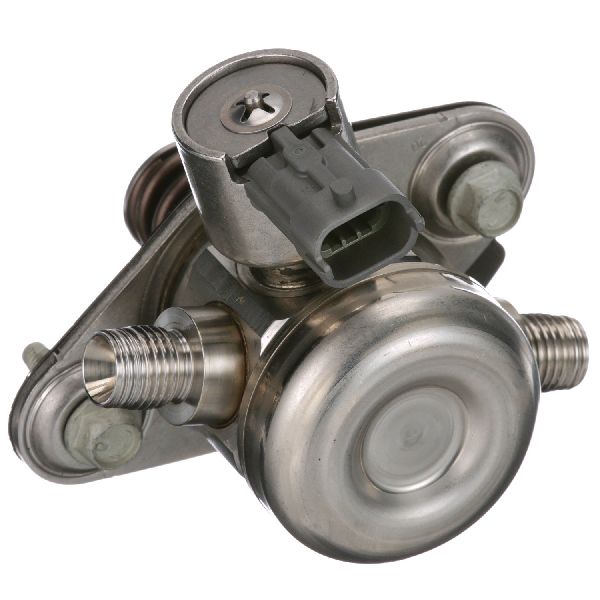
(OEM #GM 12641847 (ACDelco HPM1006))— Can fail mechanically, unable to generate the required pressure, or leak fuel into the crankcase. It is strongly recommended to use only OEM parts for this component, as aftermarket versions are known to fail prematurely.
Trusted brands: ACDelco (OES)
OEM price range: $300-$500
Aftermarket price range: $150-$300
Related Codes That Often Appear With This One
- P0089 — This code for 'Fuel Pressure Regulator Performance' often appears with P0191 because both relate to the ECM's inability to control fuel pressure correctly.
- P069E — This code, 'Fuel Pump Control Module Requested MIL Illumination', is a strong indicator that the FPCM has self-diagnosed a fault. Seeing it with P0191 points directly to the low-pressure pump control system as the source of the problem.
- P0087 — 'Fuel Rail/System Pressure - Too Low'. This code is a direct companion to P0191, specifically indicating that the pressure is below the minimum threshold, reinforcing the diagnosis of a fuel delivery issue.
- P0172 — This code for 'System Too Rich' can occur if the fuel pressure sensor is failing and reporting a lower-than-actual pressure, causing the ECM to command more fuel than necessary. It can also occur if the HPFP is leaking fuel into the crankcase.
Technical Service Bulletins (TSBs) & Recalls
- While no specific Saab TSB for P0191 was found, related GM TSBs like #16-NA-102 and #PIP5151F on other platforms point to fuel system contamination causing similar codes (P0087, P0088, P0191), suggesting that cleaning the fuel tank during pump replacement is a critical step.
Platform-Specific Known Issues
- Real-World Repair Story: Chasing the Wrong Parts: A user on a 2CarPros forum with a P0191 code replaced the sensor, then the fuel filter and pump, which seemed to work temporarily. When the code returned, they replaced the pump again with a higher quality one and the sensor again, but the car wouldn't start and showed no fuel pressure. The final diagnosis pointed towards a wiring or control issue, illustrating how throwing parts at the problem, even the 'correct' parts, can fail if the root cause (like a bad FPCM or wiring) is missed.
Mechanic-Grade Diagnostic Values
- Low-Side Fuel Pressure (In-tank pump) — expected: 50-65 PSI (Key On, Engine Off). Failure: Pressure below this range, or pressure that drops significantly under load, indicates a weak in-tank pump or FPCM issue.
- High-Side Fuel Pressure (HPFP) — expected: Up to 2,250 PSI (or 15,513 kPa) under load. Failure: Failure to meet the 'Desired Fuel Rail Pressure' PID on a scan tool under load, assuming low-side pressure is good.
- FRP Sensor 5V Reference Circuit Voltage — expected: 4.8-5.2 V (at sensor connector Pin A to ground). Failure: Voltage outside this range indicates a problem with the ECM or the wiring.
- FRP Sensor Low Reference Circuit Resistance — expected: < 5 Ω (at sensor connector Pin C to chassis ground). Failure: Resistance higher than 5 Ω indicates a bad ground connection for the sensor.
- FRP Sensor Signal Circuit Jumper Test — expected: > 4.96 V (on scan tool when jumping Pin A and Pin B at the sensor connector with a 3A fused wire). Failure: Voltage less than 4.96 V indicates an open, high resistance, or short to ground in the signal wire to the ECM.
- FRP Sensor Tightening Torque — expected: 33 Nm (25 lb ft). Failure: Improper torque can lead to leaks or damage to the sensor or fuel rail.
Scan Tool Commands That Help
- Tech 2 / GDS2 (GM Dealer Tool): Service Programming System (SPS) -> CCM Fuel Pump Flow Control Module - Programming — This function is required after replacing the Fuel Pump Control Module (FPCM) to load the correct calibration software and program it to the vehicle's VIN.
- Tech 2 / GDS2 (GM Dealer Tool): Fuel Pump Flow Test / Fuel Pump Activation — This is a bidirectional control used to manually command the in-tank fuel pump to run for a set period (e.g., 30 seconds). It allows a technician to verify the pump operates and to check for fuel pressure without starting the engine.
Wiring & Ground Locations
- B47 Fuel Rail Pressure Sensor Connector — Mounted on the high-pressure fuel rail on the engine.. This is the primary sensor for the code. Pin A is the 5V reference, Pin B is the signal wire, and Pin C is the low reference/ground. Testing at these pins is crucial for diagnosis.
- G7 (on older 9600 chassis) — On the side of the intake manifold.. Engine-mounted grounds are critical for sensor accuracy. While this is from the previous 9-5 generation, a poor engine ground in a similar location on the 9650 chassis could cause erratic sensor readings.
- FPCM Connector — Typically mounted on the vehicle's frame or underbody, often near the fuel tank.. This connector is exposed to the elements and is a common point for corrosion, which can interrupt power to the low-pressure fuel pump and trigger P0191.
- G25 (on older 9600 chassis) — Main battery ground cable connection point on the gearbox.. A poor main ground connection between the powertrain and the battery can cause widespread electrical issues, including faulty sensor readings and module communication errors.
Real Owner Repair Stories
- YouTube video, 'Running Rough, Engine Misfire - Buick Regal...' (2015 Buick Regal 2.4L (similar GM architecture)) — Misfiring and sputtering, especially at a stop light. Codes P0172 and P0191.
❌ Tried (didn't work) Replacing the fuel rail pressure sensor.
✅ What actually fixed it The vehicle had a recently installed aftermarket high-pressure fuel pump (HPFP). The problem was only resolved by replacing the aftermarket HPFP with a genuine OEM GM part. The aftermarket pump was unable to regulate pressure correctly. - Technician video diagnosis summary (Chevrolet with 2.4L Ecotec (shared architecture)) — P0191 code present.
❌ Tried (didn't work) Initial assumption that the high-pressure fuel pump or sensor was at fault.
✅ What actually fixed it Diagnosis revealed the fault was on the low-pressure side of the fuel system. Replacing the failing in-tank low-pressure fuel pump resolved the code.
Diagnostic Flowchart
Used vs. New Parts: Buying Guide for This Vehicle
When a used part is the smart pick: For this repair, a used Fuel Pump Control Module (FPCM) from a reputable salvage yard can be a cost-effective option, provided it comes from a low-mileage vehicle and the connector pins are free of corrosion. Other electronic sensors are generally inexpensive enough to buy new.
Donor-vehicle mileage cap: roughly under 80000 miles for the part to have meaningful remaining life.
What to inspect on the donor part:
- For an FPCM, inspect the module's casing for physical damage or swelling.
- Check the electrical connector pins on the module for any signs of green or white corrosion or bent pins.
- If possible, source from a vehicle in a dry, salt-free climate to minimize the risk of corrosion damage.
OEM-only on this vehicle (don't cheap out):
- High-Pressure Fuel Pump (HPFP): Forum and technician reports strongly indicate that aftermarket HPFPs for this engine are unreliable and often fail quickly, causing the code to return. Stick with genuine GM or ACDelco parts.
Aftermarket brands forum-validated for this vehicle:
- ACDelco (OES for GM)
- Delphi (Often an OES for fuel system components)
Brands owners have reported issues with on this vehicle:
- Generic or unbranded High-Pressure Fuel Pumps sold on online marketplaces have a high failure rate for this application.
Real Owner Stories
Aggregated from forums and TSBs cited above. Mileages and costs reflect what owners reported in those sources.
2011 Saab 9-5 2.0L Turbo
Symptoms: Owner experienced a P0191 code and replaced the HPFP, fuel rail, sensor, injectors, and even the ECM without fixing the issue.
What fixed it: The issue was not resolved by replacing multiple components. The community suggested the likely root cause was a wiring harness issue causing high resistance, which had been overlooked.
Source hint: Reddit r/saab: 'I need some help with P0191'
2013 Buick Regal Turbo
Symptoms: P0191 code appeared along with 'Stabilitrak' and 'Reduced Power' messages on the display. A scanner showed fuel pressure was only 70 PSI when the code was triggered.
What fixed it: The owner had already replaced the FRP sensor and HPFP with no success. The low pressure reading strongly pointed the diagnosis towards a low-pressure side failure (e.g., in-tank pump or FPCM) as the actual root cause.
Source hint: GM Forum: 2013 Buick Regal Turbo P0191
Saab 9-5 (model year not specified)
Symptoms: After replacing a sensor and fuel pump for a P0191 code, the code returned. After replacing the parts again, the car would not start and showed no fuel pressure.
What fixed it: The final diagnosis pointed towards a wiring or control issue, such as a bad Fuel Pump Control Module (FPCM), indicating that replacing parts without diagnosing the underlying electrical system failed to fix the problem.
Source hint: 2CarPros forum cited in 'Real-World Repair Story'
GM vehicle (model not specified)
Symptoms: Codes P0191 and P069E appeared immediately after installing a new aftermarket fuel pump.
What fixed it: The problem was not yet fixed, but the appearance of the P069E code (Fuel Pump Control Module related) immediately after the pump replacement strongly suggested that the FPCM needed to be reprogrammed for the new pump.
Source hint: GM-Trucks Forum: P0191 and P069E after new fuel pump
Related OBD-II Codes
Frequently Asked Questions
My mechanic wants to replace the high-pressure fuel pump (HPFP) first. Is this the most likely cause for P0191 on my 2011 9-5?
If I need to replace the Fuel Pump Control Module (FPCM), can I just install a new one myself?
I smell a strong odor of gasoline in my engine oil. Is this related to the P0191 code?
What brand of fuel pump should I use if the in-tank pump is bad?
Are there any official Saab TSBs for code P0191?
My scan tool shows the low-side fuel pressure is only 70 PSI and dropping. What does this mean?
Helpful Videos
Used OEM Parts in Stock
New Aftermarket Parts Available


The information in this article is provided for general reference and educational purposes only. Vehicle specifications, procedures, and part compatibility can vary by production date, trim level, and region. Always consult your vehicle's factory service manual and verify part numbers before purchasing or performing repairs. Safety-critical components such as airbags, seat belts, and braking systems should be installed by a qualified professional.
- Saab 9-5:
- 🧭 Diagnostic Flowchart
- 🎬 Helpful Videos
- 🛍️ Shop This Part
- What's Unique About the 2011-2011 Saab 9-5
- Symptoms You May Notice
- Most Likely Causes
- Rare But Worth Checking
- Diagnosis Steps
- Parts You'll Likely Need
- Related Codes That Often Appear With This One
- Technical Service Bulletins (TSBs) & Recalls
- Platform-Specific Known Issues
- Mechanic-Grade Diagnostic Values
- Scan Tool Commands That Help
- Wiring & Ground Locations
- Real Owner Repair Stories
- Used vs. New Parts: Buying Guide for This Vehicle
- Real Owner Stories
- 2011 Saab 9-5 2.0L Turbo
- 2013 Buick Regal Turbo
- Saab 9-5 (model year not specified)
- GM vehicle (model not specified)
- Related OBD-II Codes
- Frequently Asked Questions
- 🎟️ Get 5% Off