

P0192 on 2011-2019 Ford Explorer 3.5L EcoBoost: Fuel Pressure Sensor Circuit Low Causes and Fixes
P0192 on a 3.5L EcoBoost Explorer almost always means the high-pressure fuel rail sensor has failed or its wiring is damaged, often right at the connector. Due to its location under the intake manifold against the firewall, replacement is labor-intensive. Expect a shop repair to cost between $400 and $850, with a significant portion being labor.
- P0192 on your Explorer points to an electrical fault with the high-pressure fuel sensor, not usually the fuel pump.
- The most likely cause is a failed Fuel Rail Pressure (FRP) sensor.
- Due to the sensor's location under the intake manifold, replacement is a difficult and labor-intensive job (DIY Difficulty: 5/5).
- Always use a high-quality OEM (Motorcraft) or premium aftermarket sensor to avoid repeating this high-labor repair.
What's Unique About the 2011-2019 Ford Explorer
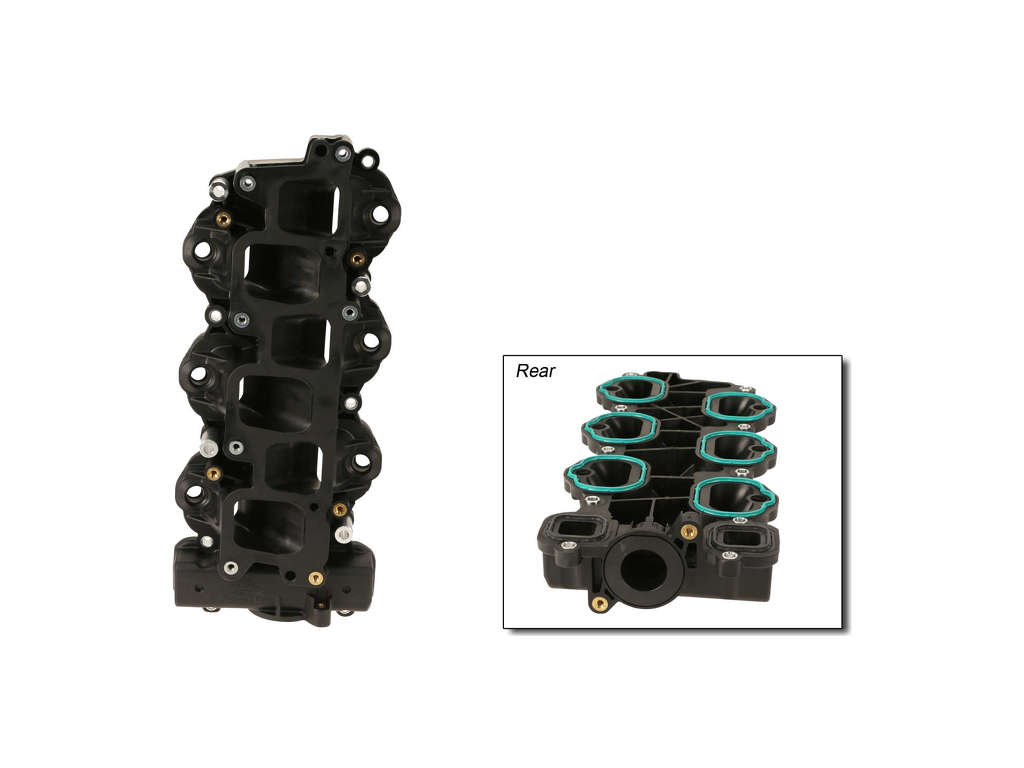
The 3.5L EcoBoost engine uses a high-pressure direct injection fuel system that relies on accurate sensor readings for performance and efficiency. The fuel rail pressure (FRP) sensor is a known failure point on this platform, often due to the high-heat environment under the intake manifold, tucked against the firewall. Because accessing the sensor requires removing the entire intake manifold, the repair is significantly more labor-intensive than on many other engines, making a correct diagnosis crucial to avoid unnecessary work.
Symptoms You May Notice
- Check Engine Light is on
- Engine is hard to start or will not start
- Longer than normal crank time
- Hesitation or stumbling during acceleration
- Rough or unstable idle
- Engine stalling, especially at low speeds or when stopping
- Reduced engine power and performance, possibly entering 'limp mode'
- Increased fuel consumption
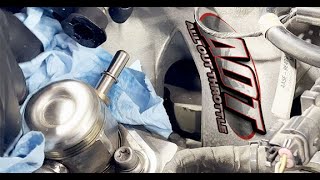
- Replacing the high-pressure fuel pump without verifying the sensor circuit first. 🎬 Watch: How to replace the high pressure fuel pump P0192 is an electrical code, and replacing expensive mechanical parts without proper diagnosis is a common mistake.
- Mistaking the symptoms for a transmission failure. Severe hesitation and stalling caused by a bad FRP sensor can mimic transmission problems, leading to incorrect and costly repairs.
Most Likely Causes
- Faulty Fuel Rail Pressure (FRP) Sensor 🔴 High Probability → Shop Fuel Pressure Sensor The sensor is located in a high-heat area under the intake manifold and is a common failure item on this engine due to constant heat cycling.
How to confirm: Using a scan tool, verify the fuel rail pressure sensor voltage (PID) is below the specified threshold (typically <0.5V) with the key on, engine off. If the voltage is low and the wiring is confirmed good, the sensor is faulty.
Typical fix: Replace the fuel rail pressure sensor. This requires removing the upper intake manifold for access. 🎬 See: 3.5L fuel rail pressure sensor replacement walkthrough It is critical to relieve fuel system pressure before attempting replacement.
Est. part cost: $60-$135 - Damaged Wiring or Connector 🟡 Medium Probability The wiring harness to the sensor is exposed to intense engine heat and vibration. This causes wires to become brittle and break, or insulation to melt, often right at the connector itself, leading to a short to ground.
How to confirm: Visually inspect the sensor's wiring harness and connector for any signs of melting, chafing, corrosion, or loose pins. Perform a continuity test on the signal, reference, and ground wires between the sensor connector and the PCM. Check the signal wire for a short to ground, a common cause of this code.
Typical fix: Repair the damaged section of the wiring harness or replace the connector pigtail. Protect the new harness from heat with appropriate loom or shielding.
Est. part cost: $15-$50
Rare But Worth Checking
- Powertrain Control Module (PCM) Failure: → Shop Engine Control Module (ECM) This is very uncommon, but if the sensor and wiring have been proven to be good and the code persists, a faulty PCM could be the cause. This should be the last component to consider.
- Failed Fuel Pump Driver Module (FPDM): → Shop Fuel Pump On some Ford platforms, a corroded or failing FPDM (often located near the spare tire) can cause erratic fuel pressure and symptoms that mimic a bad FRP sensor. While less common for a pure P0192 electrical code, it's worth considering if fuel delivery symptoms are present.
Diagnosis Steps
- Connect an OBD-II scanner and confirm P0192 is the active code. Note any other codes present.
- Monitor the live data stream for the Fuel Rail Pressure (FRP) sensor voltage. With the key on and engine off, the reading should not be near zero. A reading below 0.5V typically confirms the 'Circuit Low' condition.
- Turn the ignition off and disconnect the FRP sensor connector. Inspect the connector and sensor pins for corrosion, damage, or moisture.
- With the connector unplugged and key on, check for a 5-volt reference signal at the connector's reference wire using a multimeter.
- Check for a good ground signal at the connector's ground wire.
- If the 5V reference or ground is missing, there is a wiring issue between the connector and the PCM that must be traced and repaired.
- Check the signal wire for a short to ground using a multimeter. This is a very common cause for a 'Circuit Low' code.
- If reference and ground are present and there is no short, the issue is likely the sensor itself. Use a jumper wire to connect the 5V reference wire to the signal wire at the connector. The scan tool reading should jump to 5V. This confirms the wiring integrity to the PCM and points towards a faulty sensor.
- If all wiring tests pass, the fuel rail pressure sensor is the most likely culprit. Before replacing, be sure to safely relieve the high-pressure fuel system pressure.
Parts You'll Likely Need
- Fuel Rail Pressure Sensor
(OEM #BU5Z-9F972-B (supersedes BU5Z-9F972-A, CM-5226))— This is the most common failure point for code P0192 on the 3.5L EcoBoost engine.
Trusted brands: Motorcraft (CM-5250), Bosch
OEM price range: $70-$135
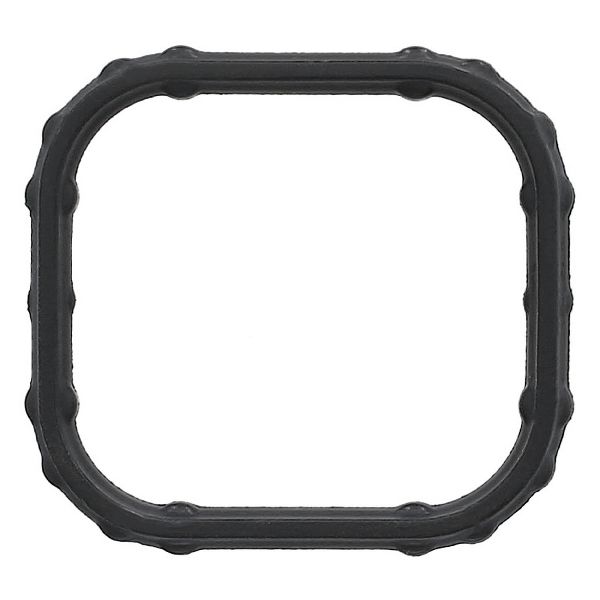
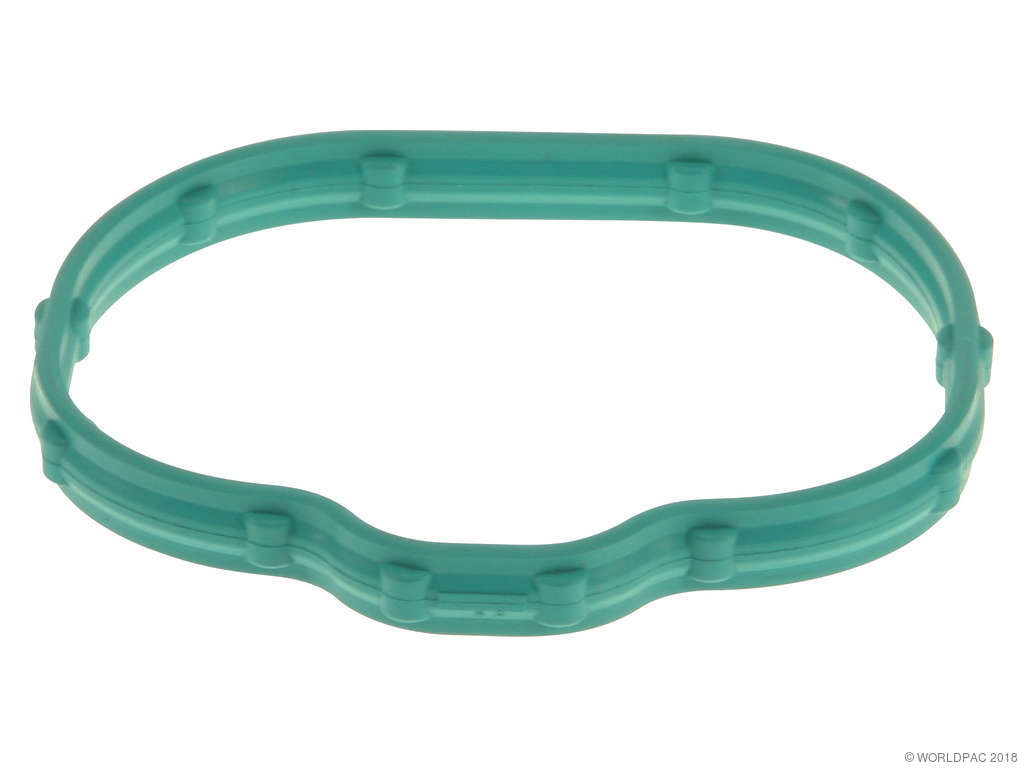
Aftermarket price range: $45-$120 - Upper Intake Manifold Gaskets — These must be replaced whenever the intake manifold is removed to access the fuel rail pressure sensor to prevent vacuum leaks.
Trusted brands: Motorcraft, Fel-Pro
OEM price range: $30-$50
Aftermarket price range: $20-$40 - FRP Sensor Connector Pigtail — The original connector often becomes brittle and fails from heat exposure. Replacing the pigtail is often necessary when the wiring is damaged right at the connector.
Trusted brands: Motorcraft, Dorman
OEM price range: $25-$45
Aftermarket price range: $15-$30
Related Codes That Often Appear With This One
- P0087 — This code for 'Fuel Rail/System Pressure - Too Low' can sometimes appear with P0192 if the sensor fails in a way that causes an erratic signal or if there is an intermittent mechanical pressure issue.
- P0193 — This code for 'Fuel Rail Pressure Sensor Circuit High' can appear if the sensor is failing erratically, causing the voltage to fluctuate between being too high and too low.
Technical Service Bulletins (TSBs) & Recalls
- TSB 14-0216: While written for the 1.5L GTDI engine in the Fusion, this TSB details the official Ford diagnostic procedure for P0191 and P0192, which involves checking the sensor build date and replacing the FRP sensor if it's an older version. This confirms the sensor itself is a known failure point that Ford has addressed.
Platform-Specific Known Issues
- Recall 18S35 / NHTSA 18V779000 was issued for some 2018 Ford Explorers with the 3.5L GTDI engine due to an improperly assembled fuel pressure sensor that could leak. While the main concern was a fire risk from a fuel leak, it highlights a known issue with this component from the manufacturer.
- On related platforms like the Mustang EcoBoost, owners have reported cases where physical damage caused the P0192 code. One owner reported that a clamp from a blown turbo boot physically damaged the FRP sensor wiring, severing the connection and triggering the code.
Mechanic-Grade Diagnostic Values
- FRP Sensor Signal Voltage (Key On, Engine Off) — expected: 0.5V to 1.0V. Failure: A reading below 0.5V, often near 0.2V, confirms the 'Circuit Low' condition and triggers P0192.
- FRP Sensor Reference Voltage (VREF) at connector — expected: 4.8V - 5.2V. Failure: Low or no voltage indicates a wiring problem between the PCM and sensor, or a rare PCM fault.
- FRP Sensor Signal Wire Resistance to Ground — expected: Greater than 10,000 ohms (10kΩ). Failure: A low resistance reading indicates a short to ground in the signal wire.
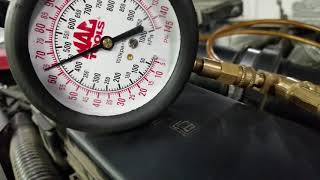
- Low-Side Fuel Pressure (Scan Tool, KOEO) — expected: Approximately 60 PSI (400 kPa). Failure: This reading confirms the in-tank pump is supplying the high-pressure pump; a good reading helps isolate the fault to the high-pressure side.
Scan Tool Commands That Help
- Ford IDS (or equivalent): FRP PID Monitoring during Jumper Test — To definitively confirm wiring integrity. A technician jumpers the 5V reference pin to the signal pin at the disconnected sensor harness; the scan tool's FRP voltage PID should jump to >4.5V. If it does, the wiring and PCM are good, condemning the sensor.
- Ford IDS (or equivalent): On-Demand Self-Test — After clearing codes, this test is run to see if P0192 returns immediately. A quick return indicates a 'hard fault' (like a short circuit), as opposed to an intermittent connection.
- Ford IDS (or equivalent): Relative Injector Flow Test — While not a direct test for P0192, this function demonstrates the PCM's reliance on a stable FRP sensor reading. The test pulses each injector and measures the pressure drop via the FRP sensor. An erratic FRP sensor will cause this test to fail or provide invalid results.
Wiring & Ground Locations
- G103 / G104 — G103 is at the left front corner of the engine compartment; G104 is on the right side of the engine compartment.. These are primary engine bay ground points. A corroded or loose ground at these locations can introduce electrical noise or voltage drops, potentially affecting the PCM's reference voltage and sensor ground circuits, which could mimic a sensor fault.
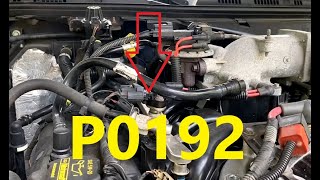
- FRP Sensor Connector — On the high-pressure fuel rail, under the intake manifold, near the firewall.. This is the most common point of failure for wiring issues. The wires, especially the signal wire, can become brittle from heat and break inside the insulation or right at the back of the connector, causing the P0192 code.
Real Owner Repair Stories
- Go-Parts.com / YouTube Comment Section (2011 Ford F-150 3.5L EcoBoost (same engine family)) — Check Engine Light with code P0192, engine stalling, and poor performance.
❌ Tried (didn't work) Initially suspected the sensor itself was faulty.
✅ What actually fixed it Found the signal wire was broken right at the back of the FRP sensor connector. The heat and vibration had made the wire brittle and it snapped. Repairing the wire/pigtail resolved the code.
OEM Part Supersession History
BU5Z-9F972-A, CM-5226→BU5Z-9F972-B— Likely an internal revision for improved reliability or manufacturing consistency, as this is a known failure point.
Heads up: The new part number (BU5Z-9F972-B) is the correct and backward-compatible replacement. Using old stock of the '-A' version is not recommended.
Model Year Variations Within This Range
- 2013-2016: First-generation 3.5L EcoBoost engines from 2013-2016 used a Bosch direct fuel-injection system, differing from the Hitachi system used in 2011-2012 F-150s. Explorers received the EcoBoost starting in 2013, so they would primarily use the Bosch system. This change in suppliers can affect the specific design of fuel system components, though the replacement part number appears to cover all years.
- 2016-2019: The 2016 model year brought a significant facelift to the Explorer, including the introduction of the Sync 3 infotainment system. While the core 3.5L EcoBoost engine remained a first-generation design through 2019 in the Explorer platform, minor wiring harness or PCM calibration changes could exist between the 2013-2015 and 2016-2019 models.
Diagnostic Flowchart
Other Known Issues on This Vehicle
Issues unrelated to this code that are worth knowing about as an owner of this generation:
- Internal Water Pump Failure 🔴 High — Commonly occurs around 80,000-120,000 miles. Failure can cause coolant to mix with engine oil, leading to catastrophic engine damage if not caught early.
- Timing Chain Rattle / VCT Phaser Wear 🔴 High — Prevalent in earlier models (approx. 2011-2015), causing a loud rattle on cold startups for 2-5 seconds. If ignored, can lead to timing jump and engine damage. (Ref: TSB 18-2305, TSB 21-2119)
- Power Transfer Unit (PTU) Overheating/Failure 🔴 High — The PTU fluid is considered 'lifetime' by Ford, but it often degrades due to heat from the nearby exhaust, causing failure between 80,000-100,000 miles. Replacement is expensive.
- Electronic Throttle Body Malfunction 🟠 Medium — Can cause sudden power loss, hesitation, and the vehicle entering 'limp mode,' often with codes P2111 or P2112. Ford extended the warranty for this part on many vehicles. (Ref: Customer Satisfaction Program 13N03)
- Carbon Monoxide Intrusion into Cabin 🔴 High — A known safety issue, particularly in early 5th-gen models, where exhaust fumes can enter the cabin through unsealed body seams or vents, causing driver drowsiness or nausea. (Ref: NHTSA Investigation PE 16-013, Ford Customer Satisfaction Program 17N03)
Used vs. New Parts: Buying Guide for This Vehicle
When a used part is the smart pick: A used Fuel Rail Pressure Sensor is NOT recommended. The part is a high-failure electronic component and the labor cost to access it is extremely high, making the risk of using a used part illogical. A used connector pigtail from a junkyard is a viable option if a new one is unavailable, but it must be inspected carefully.
What to inspect on the donor part:
- For a used pigtail: ensure the plastic isn't brittle, the locking tab is intact, and the wires are flexible with no signs of cracking insulation.
OEM-only on this vehicle (don't cheap out):
- Fuel Rail Pressure (FRP) Sensor
- High-Pressure Fuel Pump (HPFP)
Aftermarket brands forum-validated for this vehicle:
- Bosch (often an OEM supplier to Ford)
Brands owners have reported issues with on this vehicle:
- Unbranded or 'white-box' sensors from online marketplaces. The potential for premature failure is high, and the intensive labor to replace it makes cheaping out on this part a very costly mistake.
Real Owner Stories
Aggregated from forums and TSBs cited above. Mileages and costs reflect what owners reported in those sources.
2013 Ford Explorer 3.5L EcoBoost
Symptoms: Severe hesitation and stumbling that felt like the transmission was failing.
What fixed it: Replacement of the Fuel Injection Pressure Sensor after checking fuel rail pressure data via OBD-II.
Source hint: AliExpress Blogs / 'Is Your 2013 Ford Explorer Transmission Problem Caused by a Failing Fuel Injection Pressure Sensor?'
2012 Ford F-150 3.5L EcoBoost
Symptoms: P0192 code triggered by a sensor located in an extremely difficult-to-reach location against the firewall.
What fixed it: Replacement of the fuel rail pressure sensor using specialized sockets and a borescope for access.
Source hint: Ford F150 Forum / '2012 F150 3.5 Fuel rail pressure sensor'
Ford Mustang EcoBoost
Symptoms: P0192 code triggered after a turbo boot clamp blew off.
What fixed it: Repairing the FRP sensor wiring harness which had been physically severed by a loose turbo boot clamp.
Source hint: vehicle_specific_issues
Related OBD-II Codes
Frequently Asked Questions
Is there a recall for the fuel pressure sensor on my 2018 Ford Explorer 3.5L EcoBoost?
Why is the labor for replacing the FRP sensor so high on the 3.5L EcoBoost?
Can a bad fuel rail pressure sensor on my Explorer feel like a transmission problem?
Does Ford have a specific diagnostic procedure for P0192 on these engines?
What causes the FRP sensor wiring to fail so often on this vehicle?
Are there other major issues I should watch for on my high-mileage 3.5L EcoBoost Explorer?
Helpful Videos
We Have This Part in Stock


The information in this article is provided for general reference and educational purposes only. Vehicle specifications, procedures, and part compatibility can vary by production date, trim level, and region. Always consult your vehicle's factory service manual and verify part numbers before purchasing or performing repairs. Safety-critical components such as airbags, seat belts, and braking systems should be installed by a qualified professional.
- Ford Explorer:
- 🧭 Diagnostic Flowchart
- 🎬 Helpful Videos
- 🛍️ Shop This Part
- What's Unique About the 2011-2019 Ford Explorer
- Symptoms You May Notice
- Most Likely Causes
- Rare But Worth Checking
- Diagnosis Steps
- Parts You'll Likely Need
- Related Codes That Often Appear With This One
- Technical Service Bulletins (TSBs) & Recalls
- Platform-Specific Known Issues
- Mechanic-Grade Diagnostic Values
- Scan Tool Commands That Help
- Wiring & Ground Locations
- Real Owner Repair Stories
- OEM Part Supersession History
- Model Year Variations Within This Range
- Other Known Issues on This Vehicle
- Used vs. New Parts: Buying Guide for This Vehicle
- Real Owner Stories
- 2013 Ford Explorer 3.5L EcoBoost
- 2012 Ford F-150 3.5L EcoBoost
- Ford Mustang EcoBoost
- Related OBD-II Codes
- Frequently Asked Questions
- 🎟️ Get 5% Off