

P0193 on 2015-2020 GMC Yukon: Fuel Rail Pressure Sensor Circuit High Causes and Fixes
On a 2015-2020 GMC Yukon, P0193 almost always means the high-pressure Fuel Rail Pressure (FRP) sensor has failed. Because the sensor is located under the intake manifold, replacement is labor-intensive. Expect a shop to charge between $460 and $650 for the repair. A wiring harness issue is the second most likely cause.
- P0193 on a 2015-2020 Yukon indicates a high voltage signal from the Fuel Rail Pressure sensor, which is most often caused by the sensor itself failing.
- The repair is labor-intensive because the sensor is located under the intake manifold, making professional service highly recommended.
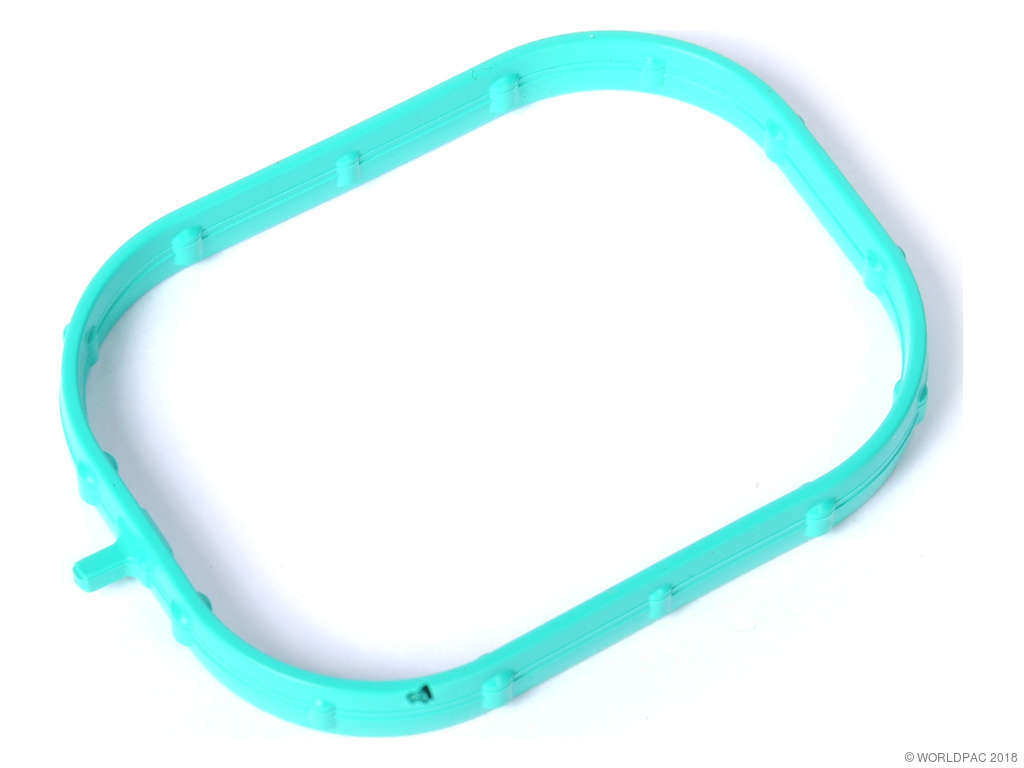
- Always replace the intake manifold gaskets when replacing the sensor to prevent future vacuum leaks.
- Before replacing the sensor, it's wise to perform a quick check of the sensor's live data with a scan tool to confirm it's sending an illogical, maxed-out signal.
- If other fuel system work was recently performed, double-check all nearby wiring and ground connections before assuming the sensor is bad.
What's Unique About the 2015-2020 GMC Yukon
On the EcoTec3 V8 engines used in this generation of Yukon, the direct injection system's Fuel Rail Pressure (FRP) sensor is located in the engine valley, under the intake manifold. This placement makes what would be a simple sensor swap on many other vehicles a much more involved and labor-intensive job, as the entire intake manifold must be removed for access. GM has also issued a Technical Service Bulletin (PIP5279A) that points towards replacing this specific sensor if diagnostics for P0193 and related codes are inconclusive, acknowledging it as a common failure point on this platform and its mates.
Symptoms You May Notice
- Check Engine Light is on
- Engine runs rough or hesitates during acceleration
- Hard starting or long crank times
- Stalling, especially at stops
- Reduced engine power or 'limp mode'
- Increased fuel consumption
- Strong fuel smell
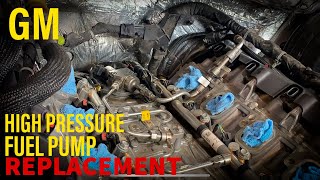
- Replacing the high-pressure fuel pump when the issue is electrical 🎬 See this high-pressure fuel pump replacement walkthrough (sensor or wiring).
- Replacing the fuel pressure regulator without confirming the sensor and its circuit are functioning correctly.
Most Likely Causes
- Faulty Fuel Rail Pressure (FRP) Sensor 🔴 High Probability → Shop Fuel Pressure Sensor A GM Technical Service Bulletin (PIP5279A) specifically advises replacing this sensor if diagnostics for P0193 are inconclusive, indicating it's a known failure item on this platform. The sensor's location under the intake manifold subjects it to significant heat cycles which can contribute to premature failure.
How to confirm: With the key on and engine off (KOEO), use a scan tool to monitor the FRP sensor's live data. A voltage reading stuck near 5.0V or a maxed-out pressure reading points to a failed sensor. A normal KOEO reading should be much lower, around 0.5V to 1.8V.
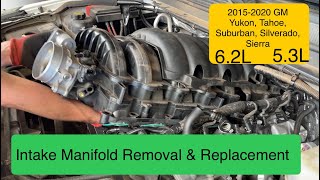
Typical fix: Replace the Fuel Rail Pressure Sensor. This requires removing the intake manifold to gain access. The intake manifold gaskets must also be replaced at the same time. 🎬 Watch: Step-by-step intake manifold removal and replacement guide
Est. part cost: $50-$200 - Wiring Harness or Connector Issue 🟡 Medium Probability Engine harnesses can become brittle from heat cycles, and wires can chafe or break. A short between the signal wire and the 5-volt reference wire will cause a constant high reading. There are also reports of poor ground connections at the fuel injector harness causing this code after other repairs have been performed.
How to confirm: Visually inspect the wiring harness leading to the FRP sensor for any signs of damage, melting, or corrosion. With the sensor disconnected, use a multimeter to check for 5 volts on the reference wire and a good ground. Test the signal wire for a short to voltage. On some GM direct injection engines, the wire colors are typically Red (5V Reference), Orange (Signal), and Green (Ground).
Typical fix: Repair the damaged section of the wiring harness or replace the connector pigtail.
Est. part cost: $15-$50
Rare But Worth Checking
- Faulty Fuel Pump Driver Module (FPDM): → Shop Fuel Pump While less common for a 'circuit high' code, the FPDM is a known failure point on these GM trucks and can cause erratic fuel pressure control, sometimes contributing to this code, especially if seen with P0089.
- Faulty Powertrain Control Module (PCM): This is very rare. The PCM's internal circuits can fail, causing it to misinterpret a normal sensor signal. This should only be considered after all other possibilities have been exhaustively ruled out.
Diagnosis Steps
- Connect an OBD-II scanner and confirm P0193 is the active code. Note any other codes present and check freeze frame data.
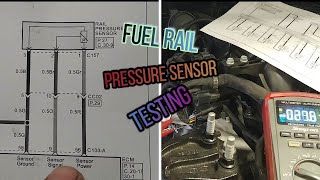
- Using the scanner's live data feature, observe the Fuel Rail Pressure (FRP) sensor voltage and pressure readings with the Key On, Engine Off (KOEO). A voltage reading stuck near 5V or a maxed-out pressure reading strongly suggests a sensor or circuit fault. 🎬 Watch: How to diagnose a fuel rail pressure sensor
- Turn the vehicle off. Visually inspect the FRP sensor's electrical connector and wiring harness for any obvious damage, corrosion, or loose connections. The sensor is located under the intake manifold.
- Disconnect the sensor connector. With the key on, use a multimeter to verify a 5-volt reference and a good ground are present at the connector.
- Check the signal wire for any short to voltage. If the wiring checks out, the FRP sensor itself is the most likely cause of the problem.
- A user on Reddit reported solving a persistent P0193 by finding and correcting a loose ground pin in the fuel injector harness, which can be disturbed during other repairs.
- If the sensor and wiring are confirmed to be good, further diagnosis of the Fuel Pump Driver Module (FPDM) or PCM may be necessary, which is best left to a professional.
Parts You'll Likely Need
- Fuel Rail Pressure Sensor
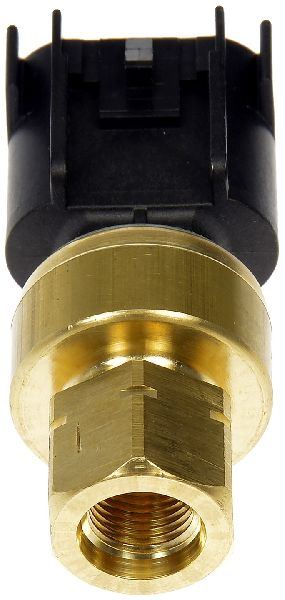
(OEM #12651990)— This is the most common failure part for a P0193 code on this vehicle, as identified by repair data and a GM Technical Service Bulletin. This part number also supersedes 12611873.
Trusted brands: ACDelco, Bosch, Standard Motor Products
OEM price range: $100-$190
Aftermarket price range: $50-$120 - Intake Manifold Gaskets
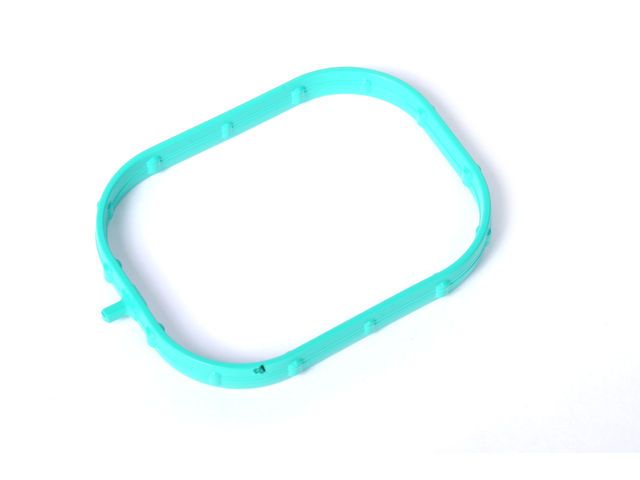
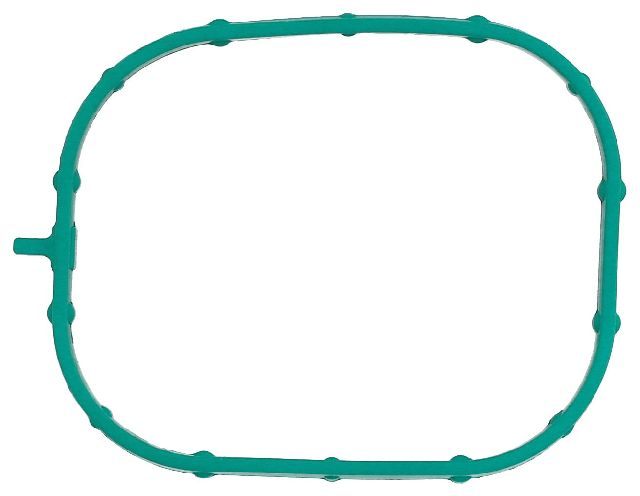
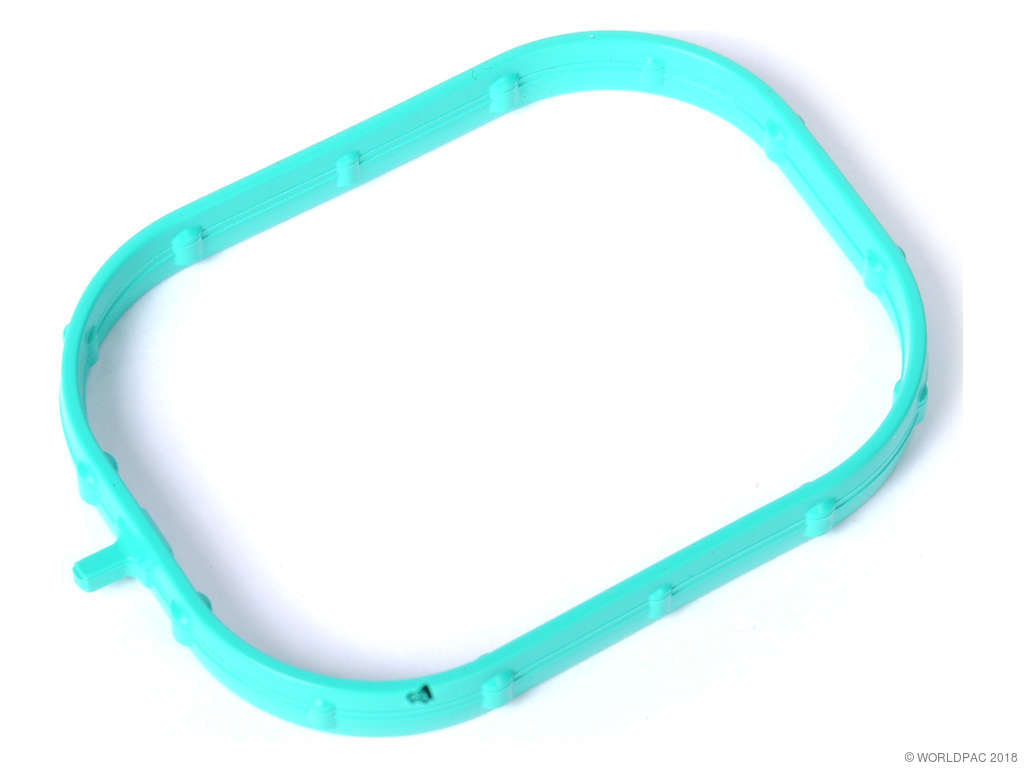
(OEM #12626354 (Set of 8))— These must be replaced whenever the intake manifold is removed to access the fuel rail pressure sensor. Reusing old gaskets will cause vacuum leaks.
Trusted brands: ACDelco, Fel-Pro
OEM price range: $40-$70
Aftermarket price range: $25-$50
Related Codes That Often Appear With This One
- P0192 — This is the code for 'Fuel Rail Pressure Sensor Circuit Low'. Seeing both codes can indicate an intermittent wiring problem or a sensor that is failing erratically.
- P0089 — This code for 'Fuel Pressure Regulator 1 Performance' often appears with FRP sensor codes because the PCM uses the sensor's data to control the regulator. TSB PIP5279A lists these codes together.
- P228C / P228D — These codes relate to the fuel pressure regulator control circuit. They are also mentioned in TSB PIP5279A as being related to a faulty FRP sensor.
Technical Service Bulletins (TSBs) & Recalls
- PIP5279A: Addresses a Service Engine Soon lamp with various fuel rail pressure codes (P0089, P0192, P0193, P228C, P228D, etc.). It recommends replacing the fuel rail pressure sensor if standard diagnostics do not lead to a clear cause. This TSB applies to 2014-2016 GM trucks and SUVs with 4.3L, 5.3L, and 6.2L engines. Manufacturer Bulletin #PIP5279A specifically notes that technicians may find Diagnostic Trouble Codes P0089, P127C, P127D, P0192, P0193, P228C, P228D, and P006C stored.
Platform-Specific Known Issues
- Owner Experience: Ground Wire Fault: A Buick Enclave owner (which shares a similar engine architecture) on Reddit chased a P0193 code after replacing fuel injectors. After replacing the FRP sensor and high-pressure fuel pump with no success, the issue was traced to a loose ground pin on the fuel injector harness. Re-seating the pin resolved the code, highlighting the importance of checking all related connections after a repair.
Diagnostic Flowchart
Other Known Issues on This Vehicle
Issues unrelated to this code that are worth knowing about as an owner of this generation:
- Active Fuel Management (AFM/DFM) Lifter Failure 🔴 High — Common issue, can occur at various mileages, sometimes even below 50,000 miles. Leads to misfires (P0300-P0308), ticking noises, and can require camshaft replacement. (Ref: Multiple TSBs exist, but no universal recall.)
- 8-Speed (8L90) Transmission Shudder/Harsh Shifting 🟠 Medium — Widespread on 2015-2019 models. Feels like driving over rumble strips, especially under light throttle. Often caused by contaminated transmission fluid. (Ref: TSB 18-NA-355 recommends a specific fluid flush with Mobil 1 Synthetic LV ATF HP (Blue Label).)
- A/C Condenser Leak 🟠 Medium — Very common failure on 2015-2017 models. A crack forms in the condenser where it's combined with the transmission cooler, causing refrigerant to leak out and the A/C to blow warm air. (Ref: GM Special Coverage Adjustment 17336 extended the warranty for this specific failure.)
- Brake Assist Vacuum Pump Failure 🔴 High — The engine-driven vacuum pump can fail, leading to a hard brake pedal and significantly increased stopping distances. This was subject to a recall. (Ref: NHTSA Recall 19V761000)
Real Owner Stories
Aggregated from forums and TSBs cited above. Mileages and costs reflect what owners reported in those sources.
Silverado (engine code LZ0)
Symptoms: Check engine light with codes P127D and P0193, specifically on cold starts around 35°F. The codes clear after the engine warms up and is restarted. The issue also prevents remote start from engaging.
What fixed it: No resolution reported; the owner suspected a weak fuel pump or a problem in the fuel line after a dealer technician and a GM wiring harness bulletin were ineffective.
Source hint: Reddit r/Silverado thread 'LZ0 w/Code P127D Fuel Injector Voltage High & P0193 Fuel Pressure Sensor'
Buick Enclave (similar GM engine architecture)
Symptoms: Persistent P0193 code after replacing fuel injectors. The owner replaced the FRP sensor and high-pressure fuel pump with no success.
What fixed it: Tracing and re-seating a loose ground pin on the fuel injector harness that had been disturbed during the previous injector repair.
Source hint: Reddit r/MechanicAdvice 'P0193 after replacing fuel injectors'
Related OBD-II Codes
Frequently Asked Questions
Does GM Technical Service Bulletin PIP5279A apply to my 2015 GMC Yukon with the 5.3L EcoTec3 V8?
Where is the Fuel Rail Pressure (FRP) sensor located on the EcoTec3 V8 engine?
What are the typical voltage readings for a healthy FRP sensor on this vehicle?
Could a recent fuel injector repair on my Yukon be related to a new P0193 code?
Is there a recall for the brake issues I'm experiencing alongside my engine codes?
What are the wire colors for the FRP sensor harness on GM direct injection engines?
Helpful Videos
We Have This Part in Stock

The information in this article is provided for general reference and educational purposes only. Vehicle specifications, procedures, and part compatibility can vary by production date, trim level, and region. Always consult your vehicle's factory service manual and verify part numbers before purchasing or performing repairs. Safety-critical components such as airbags, seat belts, and braking systems should be installed by a qualified professional.
- GMC Yukon:
- 🧭 Diagnostic Flowchart
- 🎬 Helpful Videos
- 🛍️ Shop This Part
- What's Unique About the 2015-2020 GMC Yukon
- Symptoms You May Notice
- Most Likely Causes
- Rare But Worth Checking
- Diagnosis Steps
- Parts You'll Likely Need
- Related Codes That Often Appear With This One
- Technical Service Bulletins (TSBs) & Recalls
- Platform-Specific Known Issues
- Other Known Issues on This Vehicle
- Real Owner Stories
- Silverado (engine code LZ0)
- Buick Enclave (similar GM engine architecture)
- Related OBD-II Codes
- Frequently Asked Questions
- 🎟️ Get 5% Off