

Chrysler 200 P0197 Engine Oil Temperature Sensor Circuit Low: Causes and Fixes (2015-2017)
P0197 on a 2015-2017 Chrysler 200 2.4L most often means the engine oil temperature sensor has failed. This sensor is part of the MultiAir actuator assembly. The fix involves replacing the sensor, which can be costly for the OEM part. Always check wiring first.
- P0197 specifically points to an electrical problem with the Engine Oil Temperature sensor circuit, not necessarily the oil itself.
- The most likely cause is a failed sensor, which on the 2.4L MultiAir engine is part of the MultiAir actuator assembly on top of the engine.
- Do not confuse this with the oil *pressure* sensor located on the back of the engine block, which is a common misdiagnosis.
- Before replacing the expensive sensor, always inspect the wiring harness for visible damage, as this can also cause the code.
- This is a very common issue across many Chrysler, Dodge, Jeep, and Fiat vehicles that use the 2.4L MultiAir engine.
What's Unique About the 2015-2017 Chrysler 200
On the 2.4L MultiAir engine, the oil temperature reading is critical for the proper function of the electro-hydraulic variable valve timing system. Unlike many engines where the EOT sensor is a simple, inexpensive part screwed into the oil pan or engine block, on this platform, the sensor is integrated into the MultiAir actuator assembly itself (often called the 'MultiAir brick'). This can lead to confusion, as there is another sensor on the back of the engine block for oil *pressure*, and many DIY guides mistakenly identify it as the cause for all oil-related codes. For P0197, the issue is almost always with the temperature sensor in the MultiAir system.
Symptoms You May Notice
- Check Engine Light is on
- Oil temperature gauge on the dashboard reads incorrectly, often staying on the coldest reading or showing an illogical value like -40°F/-40°C.
- Possible rough idle or hesitation, especially on a cold start
- Reduced fuel efficiency
- Vehicle may enter a limp or fail-safe mode with reduced power.
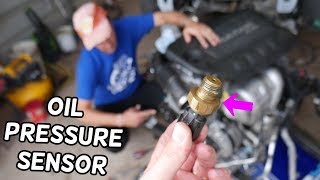
- Replacing the oil pressure sensor/switch on the back of the engine block. While this sensor can fail and cause codes like P0520 or P0522, it is not the source of the P0197 Engine Oil Temperature code 🎬 See the difference: Oil pressure sensor location and replacement guide. on the 2.4L MultiAir engine.
Most Likely Causes
- Failed Engine Oil Temperature Sensor 🔴 High Probability The sensor is located in a high-heat area within the MultiAir actuator and is a common failure point across multiple Chrysler/Jeep/Dodge vehicles using this engine, including the Dodge Dart and Jeep Cherokee.
How to confirm: With a scan tool, observe the live data for Engine Oil Temperature. If it reads an illogical, fixed low temperature (e.g., -40°F or -40°C) even when the engine is warm, the sensor or its circuit is faulty. A 'Circuit Low' code points strongly to the sensor itself being internally shorted.
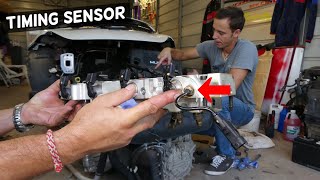
Typical fix: Replace the engine oil temperature sensor. 🎬 Watch: How to test and replace the oil temperature sensor. On this engine, the sensor is sold as a separate part but is physically located inside the MultiAir actuator assembly on top of the engine.
Est. part cost: $200-$350 - Wiring or Connector Issue 🟡 Medium Probability The engine bay is a harsh environment, and wires can become brittle, chafed, or contaminated with oil over time, leading to a short to ground.
How to confirm: Visually inspect the wiring harness leading to the MultiAir actuator for any signs of damage, melting, or oil saturation. Unplug the connector and check for corrosion or bent pins. Use a multimeter to check for a short to ground on the signal wire.
Typical fix: Repair the damaged section of the wiring harness or clean/replace the connector.
Est. part cost: $5-$50
Rare But Worth Checking
- Powertrain Control Module (PCM) Failure: → Shop Engine Control Module (ECM) This is very rare. Before condemning the PCM, all other possibilities (sensor and wiring) must be exhaustively ruled out. A PCM failure would likely be accompanied by other trouble codes.
Diagnosis Steps
- Connect an OBD-II scanner and confirm P0197 is the primary code. Note any other codes present, especially P0196 or P0198.
- View live data on the scanner. Check the 'Engine Oil Temperature' reading. A reading that is stuck at a very low value (like -40°F/C) strongly points to a circuit low fault.
- Turn the engine off. Locate the MultiAir actuator on top of the engine, under the plastic engine cover.
- Carefully inspect the wiring harness and connector going to the actuator. Look for any visible signs of damage, chafing against other components, or oil contamination.
- If wiring looks good, the next step is to test the sensor. This requires accessing the sensor within the MultiAir brick. An alternative is to test the wiring from the PCM connector to the sensor connector to rule out a wiring fault before replacing the sensor.
- If the sensor is confirmed to be faulty, it must be replaced. This involves removing the MultiAir actuator to access and swap the sensor.
- If replacing the sensor does not resolve the code, a more advanced diagnosis of the wiring continuity back to the PCM and checking for a faulty PCM would be required.
Parts You'll Likely Need
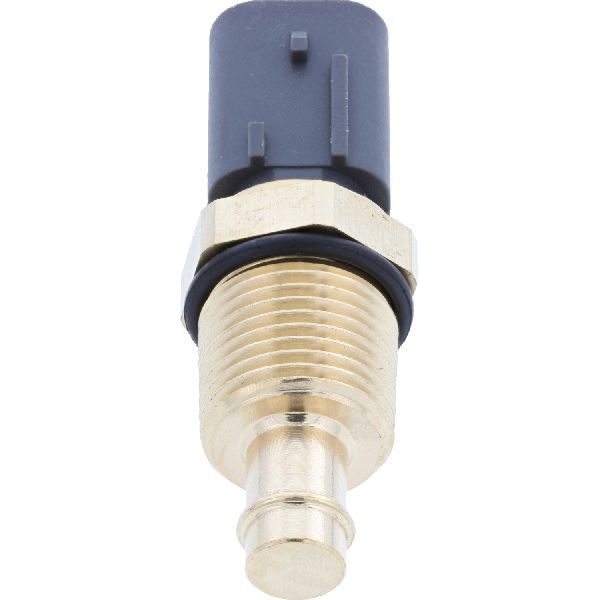
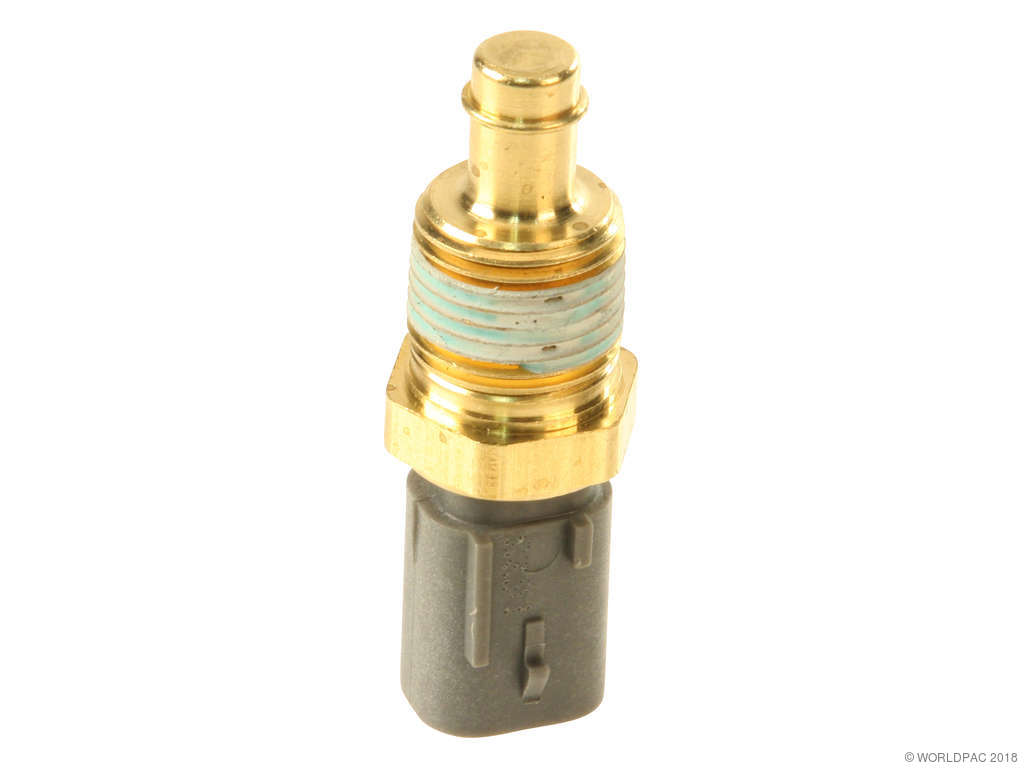
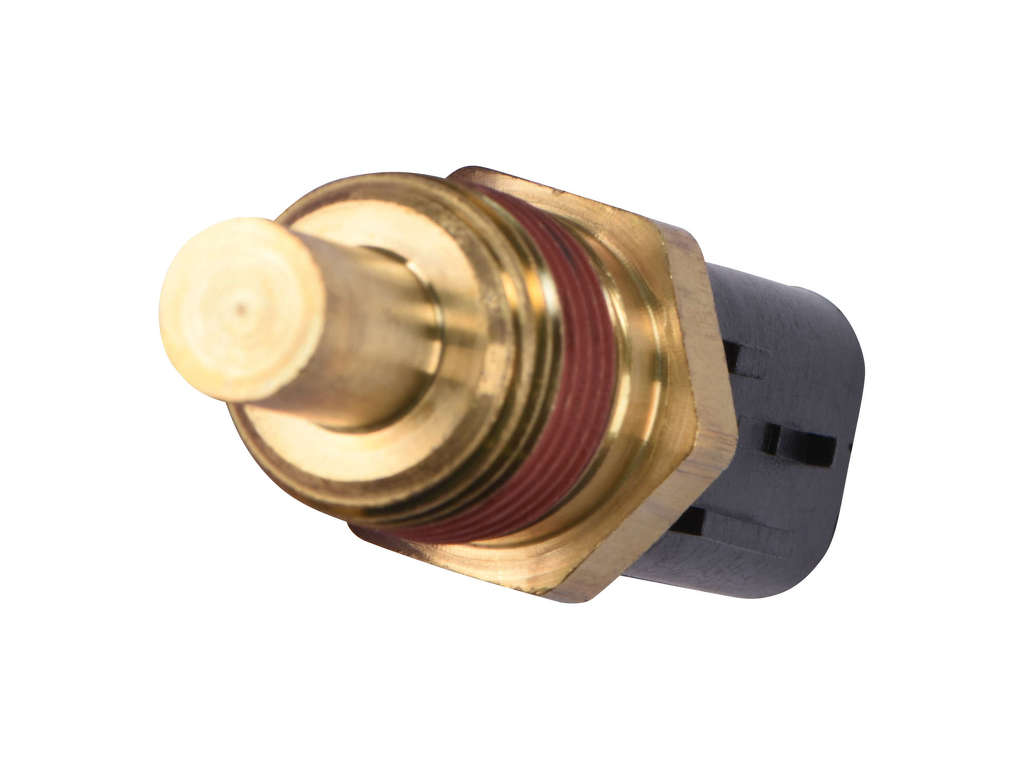
- Engine Oil Temperature Sensor
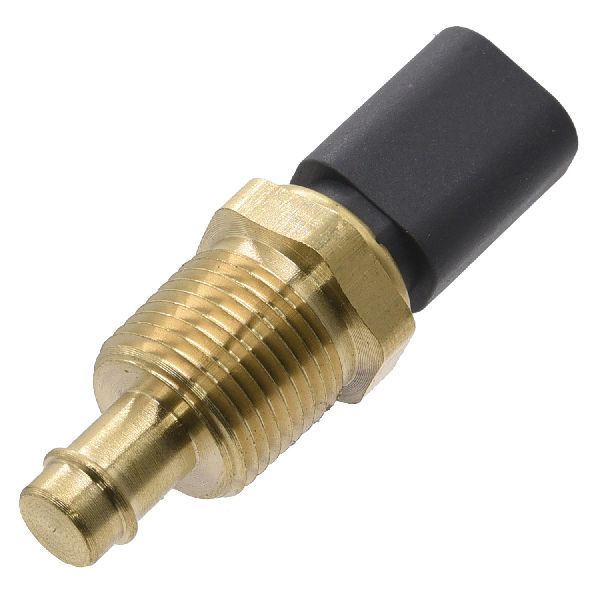
(OEM #68088241AA)— This is the most common cause for P0197. It is a temperature sensor located within the MultiAir actuator assembly that provides the oil temperature reading to the PCM. This part number supersedes 68119586aa.
Trusted brands: Mopar
OEM price range: $210-$330
Aftermarket price range: $180-$250
Related Codes That Often Appear With This One
- P0196 — This code indicates an 'Engine Oil Temperature Sensor Range/Performance' issue, which can be triggered by the same failing sensor giving erratic but not fully shorted/open readings.
- P0198 — This code for 'Engine Oil Temperature Sensor Circuit High' is the opposite of P0197 but relates to the same sensor and wiring, pointing to an open circuit instead of a short.
Technical Service Bulletins (TSBs) & Recalls
- TSB 09-006-20: This technical service bulletin provides the official procedure for dealerships to perform an oil consumption verification test on the 2.4L MultiAir engine, which is a common related problem for this platform.
- TSB 09-003-23: This bulletin references a warranty extension (XB1) for excessive oil consumption on the 2.4L engine, acknowledging the widespread nature of the issue.
Platform-Specific Known Issues
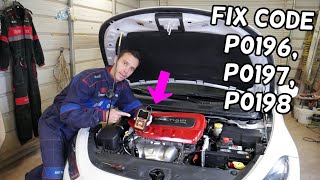
- Mechanic Confirmation and Platform-Wide Issue: Multiple automotive repair channels on YouTube have created videos specifically addressing the P0196, P0197, and P0198 codes on the 2.4L MultiAir engine across its various platforms (Chrysler 200, Dart, Cherokee, etc.). They consistently confirm the cause is the temperature sensor located in the MultiAir actuator and warn against misdiagnosing it as the oil pressure switch. 🎬 Watch this mechanic's walkthrough for fixing P0196, P0197, and P0198 codes.
Mechanic-Grade Diagnostic Values
- EOT Sensor Signal Voltage — expected: A P0197 is typically set when voltage drops below 0.5V, with some systems flagging it as low as 0.14V or 0.17V.. Failure: A voltage reading stuck below 0.5V, even when the engine is warm, indicates a short to ground or a faulty sensor.
- EOT Sensor Resistance — expected: Resistance changes with temperature. While a specific chart for this part is not readily available, a typical thermistor might show ~2,500 Ohms at 68°F (20°C) and ~300 Ohms at 176°F (80°C).. Failure: An open circuit (infinite resistance) or a short (zero resistance) indicates a failed sensor.
- PCM Reference Voltage — expected: The PCM should supply a steady 5V reference signal to the sensor circuit.. Failure: If the 5V reference is missing, it could indicate a problem with the PCM or the wiring between the PCM and the sensor.
Scan Tool Commands That Help
- wiTECH 2.0 (OEM Dealer Tool): View live EOT sensor data and check for PCM software updates (flashes). — This is the definitive tool for diagnosis. It can be used to monitor the sensor's voltage in real-time to confirm the fault and to check if a software update is available that might address false codes, a known issue on some Chrysler platforms for other sensors.
Wiring & Ground Locations
- EOT Sensor Connector at MultiAir Actuator — On top of the engine, connected to the MultiAir actuator assembly ('brick').. This is the primary connection point for the sensor. The connector or its wiring is a common point of failure due to heat and vibration. A visual inspection here is a critical first step.
- PCM Connector — On the right side of the engine bay, near the battery. The EOT sensor wires connect to this module.. This is where you would perform advanced continuity and short-to-ground tests on the wiring harness between the sensor and the PCM, ruling out a wiring issue before condemning the PCM itself. While specific pin numbers for the EOT on the 2.4L were not found, similar sensors like the ECT run to connector C2.
- G105 (Right side of engine compt) — A primary ground point located on the right side of the engine compartment.. A poor or corroded main engine ground can cause floating voltages and erratic behavior in various sensor circuits, including the EOT sensor. While not a direct cause of a 'Circuit Low' code, ensuring this ground is clean and tight is good practice during any electrical diagnosis.
Real Owner Repair Stories
- YouTube - Scotties Hobbies (Dodge Charger with 5.7L HEMI (Note: Different engine, but same P0197 code and diagnostic principle)) — Check Engine Light with code P0197.
❌ Tried (didn't work) The technician was prepared to replace the sensor.
✅ What actually fixed it Upon inspection, the technician found a bulge and a crack in the insulation of the signal wire right at the sensor connector, causing a short. The problem was the wiring, not the sensor itself. A scan tool reading stuck at -40° was a key clue pointing to a circuit fault rather than just a bad sensor.
OEM Part Supersession History
68119586AA→68088241AA— Standard part revision by the manufacturer. The new part is the current service replacement.
Heads up: No incompatibility is noted; 68088241AA is the correct and direct replacement for the earlier part number.
Diagnostic Flowchart
Other Known Issues on This Vehicle
Issues unrelated to this code that are worth knowing about as an owner of this generation:
- ZF 9-Speed Automatic Transmission Faults 🔴 High — Very common, especially in the 2015 model year. Can manifest as harsh/jerky shifting (particularly 2-3 shift), lurching, unexpected shifts to neutral, or complete failure. (Ref: Multiple software updates and recalls were issued, including NHTSA recall 16V-529 (S55) for unexpected shifts to neutral.)
- Excessive Engine Oil Consumption 🔴 High — A widespread and well-documented issue where the 2.4L Tigershark engine may consume as much as a quart of oil every 1,000 miles. This is often due to piston rings not sealing properly against the cylinder walls. (Ref: TSB 09-006-20 outlines an oil consumption test, and TSB 09-003-23 refers to a warranty extension (XB1) for this issue. A class-action lawsuit was also filed regarding this defect.)
- Engine Stalling / Shutting Off While Driving 🔴 High — Numerous owner complaints filed with the NHTSA describe the engine stalling without warning. This can be a consequence of the transmission shifting to neutral, low oil levels from excessive consumption, or other electrical issues. (Ref: Related to both transmission and oil consumption issues which have associated recalls and TSBs.)
- Random Deployment of Active Head Restraints (AHR) 🟠 Medium — The plastic brackets holding the AHR can become brittle and break, causing the head restraint to deploy without a collision. This affects 2011-2017 models. (Ref: A class-action lawsuit was filed regarding this issue.)
Used vs. New Parts: Buying Guide for This Vehicle
When a used part is the smart pick: For this repair, buying a used part is generally NOT recommended. The EOT sensor is integrated into the MultiAir actuator ('brick'). While you could theoretically pull just the sensor from a used actuator, the entire MultiAir assembly is highly sensitive to oil quality and maintenance. A used actuator carries a high risk of inheriting problems or having a short remaining life.
Donor-vehicle mileage cap: roughly under 50000 miles for the part to have meaningful remaining life.
What to inspect on the donor part:
- If forced to buy a used MultiAir actuator, seek one from a vehicle with documented, low mileage.
- Ask for the VIN of the donor car to check its service history for regular oil changes.
- Avoid parts from engines that show signs of heavy oil sludge or coolant contamination.
OEM-only on this vehicle (don't cheap out):
- Engine Oil Temperature Sensor (Mopar 68088241AA)
- MultiAir Actuator Assembly
Brands owners have reported issues with on this vehicle:
- No-name or unverified brands for the sensor or the complete MultiAir actuator. The complexity and criticality of the MultiAir system mean that an OEM part is the safest choice to ensure compatibility and longevity.
Real Owner Stories
Aggregated from forums and TSBs cited above. Mileages and costs reflect what owners reported in those sources.
Chrysler 200 2.4L MultiAir
Symptoms: The Check Engine Light came on, and the scanner pulled codes P0196, P0197, and P0198. The oil temperature gauge on the dash was showing an illogical, fixed low temperature.
What fixed it: The problem was resolved by replacing the engine oil temperature sensor, which is located inside the MultiAir actuator.
Source hint: YouTube - Electrical Car Repair LIVE: 'FIX CODE P0198, P0196, P0197 DODGE DART, CHRYSLER 200 JEEP CHEROKEE RENEGADE COMPASS, FIAT 500X TORO'
Related OBD-II Codes
Frequently Asked Questions
Where is the engine oil temperature sensor located on my 2016 Chrysler 200 2.4L?
My scanner shows P0197 and the oil temperature gauge is stuck at -40°F. Is it definitely a bad sensor?
I heard this P0197 problem is common on other cars. Which other vehicles share this issue?
My 2015 Chrysler 200 is also burning a lot of oil. Is this related to the P0197 code?
Can I fix this by installing a used MultiAir actuator from a junkyard?
What other codes should I look for along with P0197?
Helpful Videos

We Have This Part in Stock


The information in this article is provided for general reference and educational purposes only. Vehicle specifications, procedures, and part compatibility can vary by production date, trim level, and region. Always consult your vehicle's factory service manual and verify part numbers before purchasing or performing repairs. Safety-critical components such as airbags, seat belts, and braking systems should be installed by a qualified professional.
- Chrysler 200:
- 🧭 Diagnostic Flowchart
- 🎬 Helpful Videos
- 🛍️ Shop This Part
- What's Unique About the 2015-2017 Chrysler 200
- Symptoms You May Notice
- Most Likely Causes
- Rare But Worth Checking
- Diagnosis Steps
- Parts You'll Likely Need
- Related Codes That Often Appear With This One
- Technical Service Bulletins (TSBs) & Recalls
- Platform-Specific Known Issues
- Mechanic-Grade Diagnostic Values
- Scan Tool Commands That Help
- Wiring & Ground Locations
- Real Owner Repair Stories
- OEM Part Supersession History
- Other Known Issues on This Vehicle
- Used vs. New Parts: Buying Guide for This Vehicle
- Real Owner Stories
- Chrysler 200 2.4L MultiAir
- Related OBD-II Codes
- Frequently Asked Questions
- 🎟️ Get 5% Off