

P0198 on 2016-2018 Volkswagen Passat: Engine Oil Temperature Sensor Causes and Fixes
On a 2016-2018 VW Passat, code P0198 is almost always caused by a failed oil level and temperature sensor located in the oil pan. The fix requires draining the engine oil to replace the sensor, which costs about $40-$100 for the part. This is a well-documented issue across many VW and Audi models with the same engine family.
- P0198 on your Passat points directly to an electrical fault in the oil temperature sensor circuit, not necessarily hot oil.
- The most common cause is a failed oil level/temperature sensor (G266), a known issue covered by VW service bulletins.
- The fix involves replacing this sensor, which is located on the bottom of the oil pan and requires an oil change to access. You must also replace the single-use plastic drain plug.
- Always inspect the wiring and connector for damage or looseness before replacing the sensor, as this is a common and cheaper-to-fix cause.
What's Unique About the 2016-2018 Volkswagen PASSAT
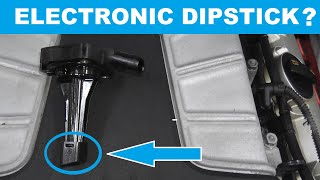
Unlike vehicles with separate sensors, the 2016-2018 Passat uses a combined oil level and temperature sensor, often called an "Oil Level Thermal Sensor". This sensor is mounted to the bottom of the oil pan, making it susceptible to damage from road debris and moisture. Volkswagen has issued Technical Service Bulletins (TSBs) that directly link the P0198 code with this specific sensor and the illumination of the yellow oil warning light, confirming it as a known issue on this platform and its relatives like the Golf, Jetta, and Tiguan.
Diagnostic Flowchart
Tap your situation to follow the diagnostic path that matches what you're seeing on this vehicle.
Symptoms You May Notice
- Check Engine Light illuminated
- Yellow oil warning light is on (may be solid, not flashing)
- "Oil Sensor: Workshop!" message on the Multi-Function Display (MFD)
- Inaccurate or missing oil temperature reading on the dashboard display (may be blank or show a default low value)
- In rare cases, poor engine performance or the engine cooling fan running constantly
- With a scan tool, live data for oil temperature may show an impossible value, like -48°C or over 140°C, on a cold engine
- Replacing the wrong temperature sensor (e.g., the coolant temperature sensor). The P0198 code is specific to the engine oil temperature circuit.
- Assuming the engine oil is actually overheating without checking live data, which usually shows an impossible temperature reading due to the electrical fault.
Most Likely Causes
- Faulty Oil Level / Temperature Sensor 🔴 High Probability This is a known issue documented in VW Technical Service Bulletins (TSBs). The sensor is a combined unit located on the bottom of the oil pan, exposed to the elements and moisture. Aftermarket sensors are also reported to be a common source of failure.
How to confirm: Check live data with a scan tool. A P0198 code is often triggered by an impossibly high or low temperature reading (due to high voltage/open circuit) even when the engine is cold. If the wiring is intact, the sensor is the cause. The sensor itself is difficult to test with a multimeter as it requires significant heat to show a change in resistance. 🎬 Watch: How to test and replace the oil temperature sensor
Typical fix: Replace the oil level/temperature sensor. This requires draining the engine oil, removing the three 10mm bolts holding the sensor to the oil pan, swapping the sensor and its O-ring gasket, and refilling with fresh oil. 🎬 See this walkthrough for replacing the VW oil level sensor It is highly recommended to use a new gasket and an OEM or reputable OEM-supplier (e.g., Hella) part.
Est. part cost: $40-$100 - Wiring or Connector Damage 🟡 Medium Probability The sensor's location at the bottom of the engine makes its wiring harness vulnerable to road debris, moisture, and corrosion, which can cause an open or short circuit. In some cases, the connector's locking tab breaks, allowing it to vibrate loose and cause an intermittent or constant fault.
How to confirm: Visually inspect the wiring harness and 3-pin connector leading to the oil pan sensor. Check for frayed wires, corrosion on the pins, or a loose connection. A user on the Ross-Tech forums fixed their P0198 code by simply pushing the connector back on securely after a previous mechanic had broken the locking tab. Use a multimeter to test for continuity between the ECM and the sensor connector.
Typical fix: Repair the damaged section of the wiring harness or clean/replace the connector. If the locking tab is broken, secure the connector with a zip tie or safety wire to prevent it from coming loose again. Ensure a secure connection to the new sensor.
Est. part cost: $5-$50
Rare But Worth Checking
- Faulty Powertrain Control Module (ECM): → Shop Engine Control Module (ECM) This is extremely rare. The ECM should only be considered as a potential cause after the sensor and wiring have been thoroughly tested and ruled out.
Diagnosis Steps
- Read Fault Codes: Use an OBD-II scanner to confirm P0198 is present, and check for related codes like P0196 or B104129/B104135.
- Check Engine Oil Level: Ensure the engine oil is at the correct level and in good condition. While not a direct cause of a circuit fault, it's a fundamental first step.
- Analyze Live Data: With a capable scan tool (like VCDS), view the live data for Engine Oil Temperature. If it shows an extremely high or nonsensical value (e.g., -48°C or 140°C on a cold engine), it strongly suggests a sensor or circuit fault. A normal reading should correspond roughly to ambient temperature when cold.
- Inspect Sensor and Wiring: Raise the vehicle safely and locate the oil level/temperature sensor on the bottom of the oil pan. Visually inspect the 3-pin connector and wiring harness for any signs of damage, corrosion, oil contamination, or looseness. Pay close attention to the connector's locking tab, as they are known to break.
- Test the Circuit: If wiring appears intact, disconnect the sensor and check for 5V reference voltage at the connector with the ignition on. If voltage is correct, the wiring is likely good. If wiring appears damaged, perform a continuity test between the sensor connector and the ECM. If the wiring is confirmed to be good, the sensor itself is faulty.
- Replace the Sensor: If the sensor is deemed the cause, proceed with replacement. This involves draining the engine oil, removing the three 10mm bolts holding the sensor, installing the new one with a new gasket/O-ring, reconnecting the harness, and refilling the oil. Torque the new bolts carefully, as the oil pan may be plastic.
Parts You'll Likely Need
- Engine Oil Level and Temperature Sensor
(OEM #06L907660C (supercedes 06L919501))— This is the component identified in manufacturer TSBs as the primary cause for the P0198 fault on this vehicle. The part is a combined level and temperature sensor (G266).
Trusted brands: Hella, Bosch, NTK, VEMO, VW Genuine Part
OEM price range: $80-$120
Aftermarket price range: $40-$80 - Engine Oil Drain Plug
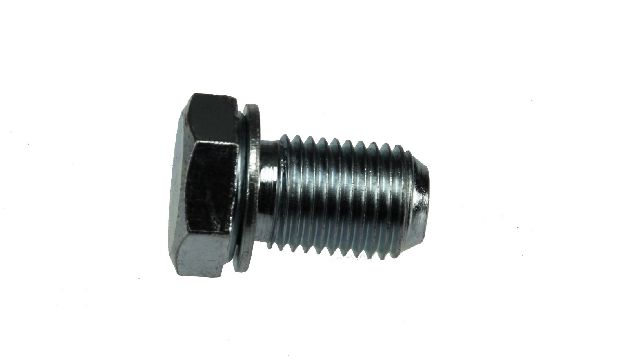
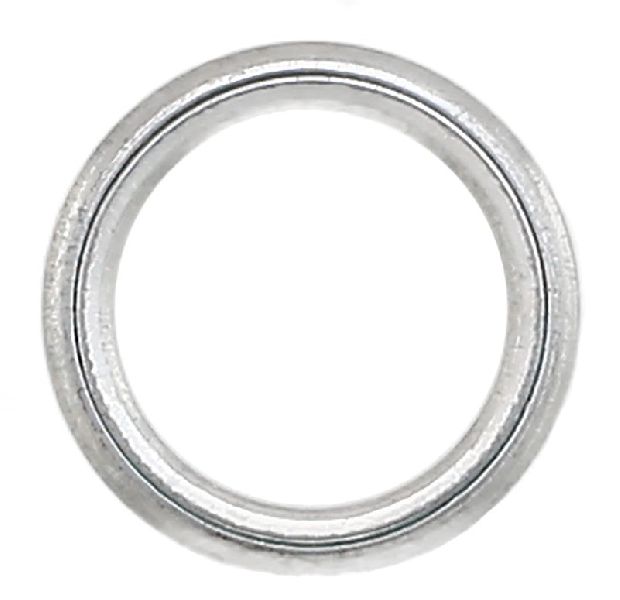
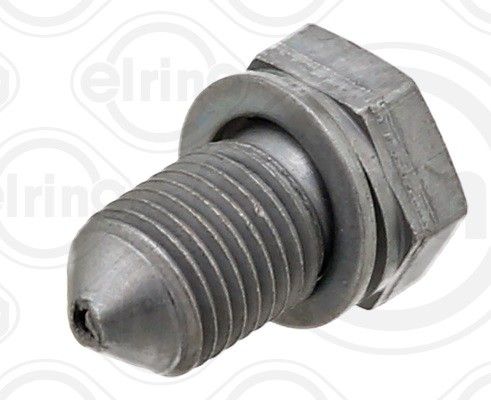
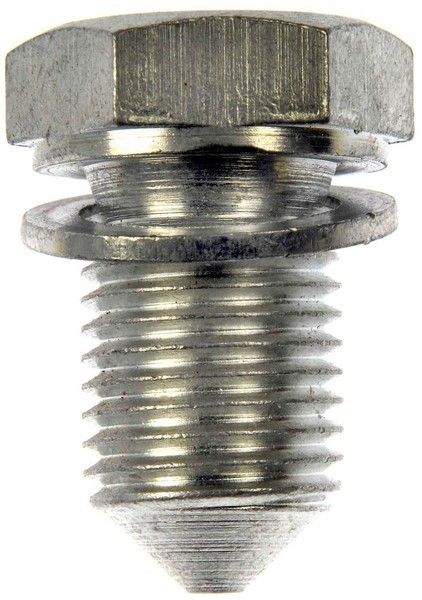
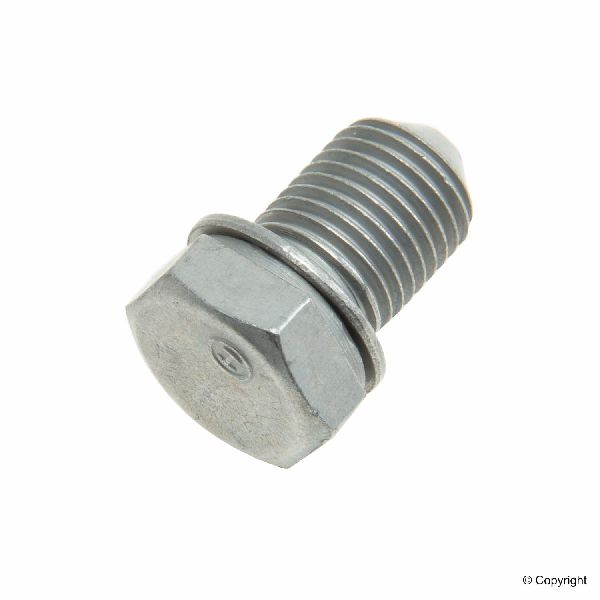
(OEM #06L103801)— Required for the oil change needed to access the sensor. The Passat uses a single-use plastic drain plug that must be replaced during every oil service.
Trusted brands: VW Genuine Part, Vaico
OEM price range: $5-$10
Aftermarket price range: $3-$7
Related Codes That Often Appear With This One
- P0196 — P0196 indicates 'Engine Oil Temperature Sensor Range/Performance'. VW TSBs list P0196 and P0198 together as common faults related to a failing Oil Level Thermal Sensor.
- B104129 / B104135 — These are Volkswagen-specific body control module codes for the 'Oil Level Thermal Sensor'. They are explicitly mentioned in TSBs alongside P0198, indicating a fault with the same component.
- 00562 — This is an older VAG-specific fault code for the 'Sensor for Oil Level/Temperature (G266)'. It points to the same component and is often caused by wiring issues.
Technical Service Bulletins (TSBs) & Recalls
- VIN-4-A-PIN-2018 / MC-10150840-9999: Mentions 'Yellow oil warning light on with any of the following faults P0196 P0198 B104129 B104135' for 2016-2018 VW models including the Passat, identifying the Oil Level Thermal Sensor as the issue. 🎬 Watch a diagnostic overview of the P0198 sensor fault The bulletin notes the warning light must be solid, not flashing.
Platform-Specific Known Issues
- Volkswagen issued Technical Service Bulletins for 2016-2018 models (including Passat) with 1.8T and 2.0T engines, noting that a yellow oil warning light with fault P0198 or P0196 points to a problem with the 'Oil Level Thermal Sensor'.
- A common real-world failure point is the wiring connector becoming loose. A user on a Ross-Tech forum reported fixing both P0196 and P0198 codes on a 2015 Golf by simply re-securing a loose connector where the locking tab had been broken by a previous mechanic.
Mechanic-Grade Diagnostic Values
- G266 Sensor Connector Pin 1 Voltage (Key On, Engine Off) — expected: +12V DC. Failure: 0V or significantly less than 12V indicates a power supply issue (e.g., blown fuse, broken wire).
- G266 Sensor Connector Pin 2 Resistance to Chassis Ground — expected: < 1 Ohm. Failure: High or infinite resistance indicates a bad ground connection.
- G266 Sensor Live Data Voltage (Scan Tool) — expected: ~0.5V (cold) to ~4.0V (hot). Failure: A fixed reading above 4.5V confirms a 'Circuit High' condition.
Scan Tool Commands That Help
- VCDS (VAG-COM): Instrument (17) -> Coding -> Long Coding Helper -> Byte 10 -> Bit 1 — To enable the oil temperature display on the Multi-Function Display (MFD) after replacing the sensor or to verify it is enabled. If this is not checked, the sensor may be working but the reading will not be displayed.
- VCDS (VAG-COM) / ODIS: Instrument (17) -> Coding -> Disable Oil Level/Temperature Sensor — This is not a repair, but a workaround used if an incorrect oil pan without a sensor has been fitted. It involves changing the instrument cluster coding to ignore the missing sensor, which will clear the P0198 code but also remove the oil level and temperature monitoring function.
- Dealer-Level Scan Tool (e.g., ODIS): PCM Self-Test / ECU Check — As a final step if a new sensor and verified wiring do not resolve the code. This internal test can check the analog-to-digital converter and reference voltage circuits within the ECM itself to rule out a rare module failure.
Wiring & Ground Locations
- G266 Sensor Connector — On the bottom of the engine oil pan.. This is the 3-pin connector for the sensor itself. Pin 1 is +12V power, Pin 2 is ground, and Pin 3 is the signal wire to the instrument cluster/ECM. All voltage and continuity tests start here.
- Ground Connection 15 — On the cylinder head.. A primary engine ground point. A loose or corroded connection here can cause floating grounds and erratic behavior for multiple engine sensors, including the G266.
- Ground Connection 652 — Main ground strap for the engine and transmission to the chassis.. This is the main ground path for the entire engine block. Degradation of this strap can lead to a wide range of electrical issues and sensor faults.
When the Usual Fixes Don't Work
- In some cases, simply replacing the G266 sensor does not resolve the P0198 code. One documented instance in a Ross-Tech forum showed that even with a new sensor, the fault '00562 - Open or Short to Plus' remained. The recommended next step from an expert was not to suspect the new sensor, but to perform a loaded circuit test by checking for voltage drop on the power (Pin 1) and ground (Pin 2) wires. This suggests that a simple continuity test with a multimeter can be insufficient to find a high-resistance fault in the wiring that only becomes apparent under electrical load. Checking the specific 5A fuse for the circuit (often labeled SB7 or similar) was also a critical step before condemning the wiring or ECM.
Helpful Videos

We Have This Part in Stock

The information in this article is provided for general reference and educational purposes only. Vehicle specifications, procedures, and part compatibility can vary by production date, trim level, and region. Always consult your vehicle's factory service manual and verify part numbers before purchasing or performing repairs. Safety-critical components such as airbags, seat belts, and braking systems should be installed by a qualified professional.
- Volkswagen PASSAT:
- 🧭 Diagnostic Flowchart
- 🎬 Helpful Videos
- 🛍️ Shop This Part
- What's Unique About the 2016-2018 Volkswagen PASSAT
- Symptoms You May Notice
- Most Likely Causes
- Rare But Worth Checking
- Diagnosis Steps
- Parts You'll Likely Need
- Related Codes That Often Appear With This One
- Technical Service Bulletins (TSBs) & Recalls
- Platform-Specific Known Issues
- Mechanic-Grade Diagnostic Values
- Scan Tool Commands That Help
- Wiring & Ground Locations
- When the Usual Fixes Don't Work
- 🎟️ Get 5% Off