

P0201 on 2016-2019 Chevrolet Cruze 1.4L Turbo: Injector Circuit Malfunction Causes and Fixes
P0201 on a 2016-2019 Cruze almost always means the cylinder 1 fuel injector has failed internally. This is a common, well-documented issue on the 1.4L LE2 engine. Expect to pay between $70-$120 for a new OEM ACDelco injector (PN 55577403). The second most likely cause is a wiring or connector problem, though this is less frequent than outright injector failure.
- P0201 on your Cruze indicates an electrical problem with the cylinder 1 fuel injector, not a different component.
- The most likely cause is a failed fuel injector, a common issue for this engine.
- Always use the correct OEM part number (55577403) for the injector and replace the seals.
- While driving is possible, it should be minimized to avoid damaging the catalytic converter.
What's Unique About the 2016-2019 Chevrolet Cruze
The 2016-2019 Cruze with the 1.4L LE2 engine uses a Gasoline Direct Injection (GDI) system. Unlike older port injection systems, GDI injectors operate under extremely high pressure (over 2,000 PSI) and spray fuel directly into the combustion chamber. This makes them more precise but also more complex and sensitive components. While the P0201 code itself is standard, diagnosing and replacing a GDI injector is more involved than on a port-injected engine and requires special care due to the high fuel pressures which must be properly relieved before service.
Symptoms You May Notice
- Check Engine Light is on (may be flashing if the misfire is severe)
- Rough, shaky idle
- Engine misfire, which can be felt as a stumble or vibration
- Poor acceleration and loss of power
- Reduced fuel economy
- Vehicle may enter 'limp mode' with reduced power
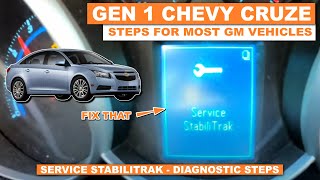
- "Service Stabilitrak" message may appear on the dash along with the CEL 🎬 Watch: How to diagnose the Service StabiliTrak message
- Replacing the spark plug or ignition coil. While these can cause a misfire code (P0301), they will not cause an injector circuit code (P0201). P0201 is specifically an electrical fault related to the injector circuit. It's common to get both codes together, but the P0201 is the root cause.
Most Likely Causes
- Failed Cylinder 1 Fuel Injector 🔴 High Probability → Shop Fuel Injector Based on mechanic reports and extensive owner forum discussions, the direct injectors on this platform are a very common failure item, with the internal electronic coil failing and creating an open circuit.
How to confirm: The most reliable DIY method is to swap the cylinder 1 injector with another cylinder (e.g., cylinder 2). Clear the codes and run the engine. If the code changes to P0202 (Injector Circuit Malfunction - Cylinder 2), the injector is faulty. A professional can use a lab scope to observe the voltage and current pattern from the injector, definitively confirming an internal failure 🎬 Watch: Diagnostic steps for a Cylinder 1 injector circuit fault if the pattern is absent or incorrect. A multimeter can also check resistance; a reading of 'OL' (Open Loop) or infinite resistance indicates a failed coil, while a good injector should read around 1.7-2.5 ohms.
Typical fix: Replace the failed fuel injector. It is often recommended to replace all four injectors at the same time, as they have all operated under the same conditions and are prone to similar failure. At a minimum, the single-use Teflon seal and O-ring for the injector must be replaced.
Est. part cost: $70-$120 for a single OEM injector. - Wiring Harness or Connector Issue 🟡 Medium Probability Engine vibration and heat can cause wires to chafe, break, or corrode over time. The injector connector itself can also become loose, contaminated with oil, or have its terminals spread, causing a poor connection.
How to confirm: Visually inspect the wiring harness leading to the cylinder 1 injector for any signs of damage, chafing, or melting. Unplug the connector and check for corrosion or bent/spread pins. Use a noid light to verify that the ECM is sending a pulse signal to the connector. If the noid light flashes, the wiring to the connector is likely good.
Typical fix: Repair the damaged section of wire or replace the injector pigtail connector. Ensure the connection is secure. An ACDelco pigtail connector is available under part number PT2384.
Est. part cost: $15-$30 for a new pigtail connector.
Rare But Worth Checking
- Faulty Engine Control Module (ECM): → Shop Engine Control Module (ECM) This is very rare. The ECM's internal driver for the injector can fail. This should only be considered after the injector and wiring have been definitively ruled out as the cause. This is the least likely cause.
Diagnosis Steps
- Read the trouble codes with an OBD-II scanner. Confirm P0201 is present. Note any other codes, especially P0301, which is expected.
- Visually inspect the wiring harness and electrical connector for cylinder 1's fuel injector. Look for obvious damage, corrosion, or loose connections. Ensure the connector is fully seated.
- If the wiring looks good, use a noid light to test for a signal at the injector connector. If the light flashes when the engine is cranked, the ECM and wiring are sending a signal, pointing strongly to the injector itself.
- If you have a multimeter, unplug the injector and measure the resistance across its two pins. A good injector should have a resistance of approximately 1.7 to 2.5 ohms. Compare the reading from cylinder 1 to an adjacent injector. A reading of 'OL' or infinite resistance on cylinder 1 confirms a bad injector coil.
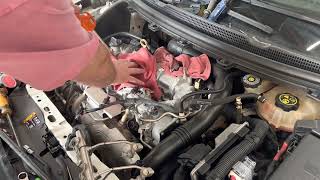
- The most definitive DIY step is to swap the cylinder 1 fuel injector with the cylinder 2 injector. This is labor-intensive on this GDI engine. 🎬 See this walkthrough for replacing the fuel injectors After swapping, clear the codes, start the vehicle, and see if the fault code changes to P0202. If it does, the injector is confirmed bad.
- If the code stays as P0201 after the swap, the problem is in the wiring or the ECM. A continuity test of the two wires from the ECM connector to the injector connector is the next step to rule out a broken wire.
- If wiring is confirmed to be good and the injector is good, the ECM is the last remaining possibility, though it is highly unlikely.
Parts You'll Likely Need
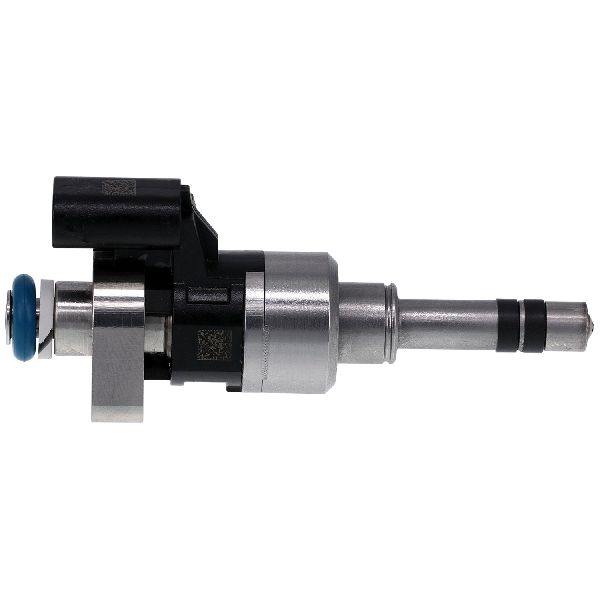
- Gasoline Direct Fuel Injector
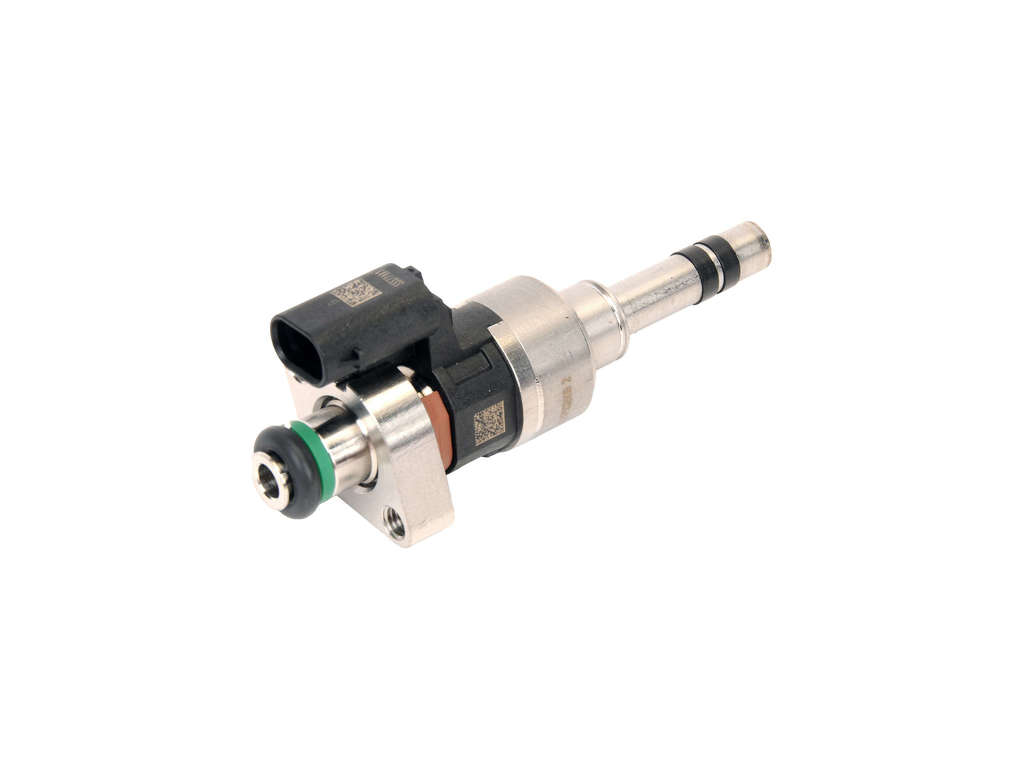
(OEM #55577403)— This is the most common cause of a P0201 code on this engine. Part number 55577403 is the correct OEM replacement for the LE2 engine. The older part number 12644767 was superseded by 55577403. GM issued bulletin 20-NA-098 warning against using incorrect injectors.
Trusted brands: ACDelco (OEM), Bosch, Standard Motor Products
OEM price range: $70-$120
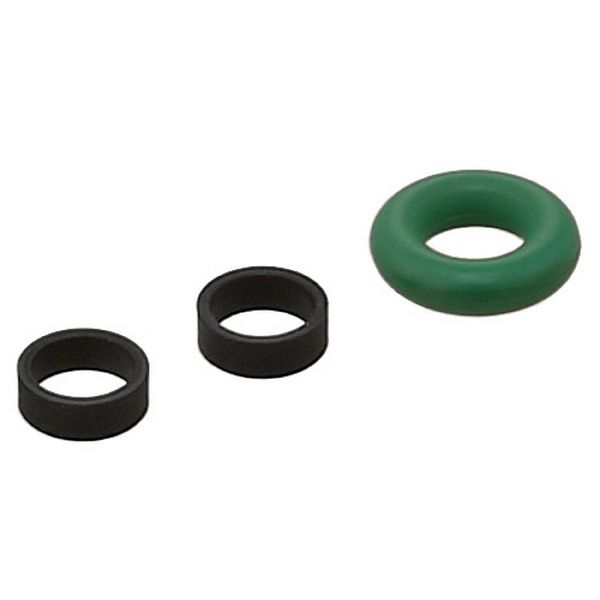
Aftermarket price range: $50-$90 - Fuel Injector Seal Kit
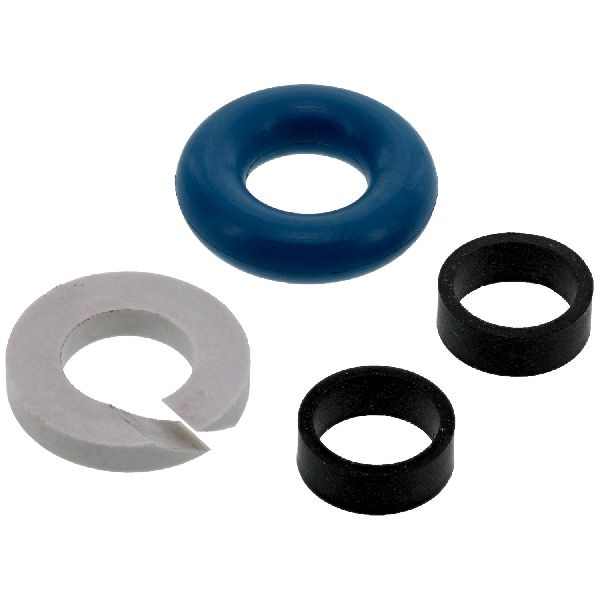
(OEM #12673056)— The high-pressure Teflon seal and rubber O-rings for the GDI injector are single-use and MUST be replaced anytime an injector is removed or installed to prevent dangerous high-pressure fuel leaks.
Trusted brands: ACDelco (OEM), MAHLE, Fel-Pro
OEM price range: $15-$25
Aftermarket price range: $10-$20 - Injector Pigtail Connector
(OEM #ACDelco PT2384)— If the electrical connector or its immediate wiring is damaged, replacing the pigtail is the standard repair.
Trusted brands: ACDelco (OEM), Duralast, Standard Motor Products
OEM price range: $25-$40
Aftermarket price range: $15-$30
Related Codes That Often Appear With This One
- P0301 — P0301 means "Cylinder 1 Misfire Detected". Since a P0201 circuit fault prevents the injector from delivering fuel, a misfire in that cylinder is the direct and immediate result.
- P0300 — This code for a "Random/Multiple Cylinder Misfire" can sometimes accompany P0201 if the engine is running very poorly and the instability is detected across other cylinders.
Technical Service Bulletins (TSBs) & Recalls
- GM Bulletin 20-NA-098: A general service bulletin warning technicians to use the exact correct part number when replacing injectors, as using the wrong one can cause fuel trim imbalances and other issues.
- GM Bulletin 18-NA-171: Addresses the condition of a rough running engine with misfire DTCs (like P0300) which may be caused by a damaged/cracked piston, a known issue on the LE2 engine.
- GM Bulletin #22-NA-087: While issued for other models in the manufacturer's lineup, this bulletin outlines a procedure to replace the fuel injector and the wiring harness to correct a Malfunction Indicator Lamp (MIL) illuminated with DTC P0201.
Platform-Specific Known Issues
- source — A user on the r/Cruze subreddit with a 2017 Cruze at 103k miles reported the car suddenly began to misfire with a flashing CEL and Stabilitrak message immediately after making a right turn. The codes were P0201 and P0301. After confirming the misfire did not follow the coil pack when swapped, the owner was concerned about the known cracked piston issue. However, the final resolution was a new fuel injector for cylinder 1, which fixed the problem. A shop confirmed the piston was fine via a compression test and borescope inspection.
Mechanic-Grade Diagnostic Values
- Fuel Injector Coil Resistance — expected: 1.7 - 2.5 ohms. Failure: A reading of 'OL' (Open Loop/infinite resistance) or a value significantly outside the expected range indicates a failed injector coil.
- High-Pressure Fuel System Pressure (at rail) — expected: Can exceed 2,000 PSI during operation.. Failure: While a specific range isn't provided for a P0201 test, a scan tool can monitor desired vs. actual rail pressure. Significant deviations could indicate a pump or sensor issue, but P0201 is an electrical circuit code, not a pressure code.
Scan Tool Commands That Help
- GDS2 (or advanced bidirectional scanner): Fuel Injector Balance Test — This test allows the technician to individually disable each fuel injector while the engine is running and monitor the RPM drop. If disabling cylinder 1 causes no change in RPM, it confirms that injector was not firing, pointing to a fault in that circuit or the injector itself.
- GDS2 (or advanced bidirectional scanner): Crankshaft Variation Relearn — After replacing an injector and resolving a misfire, it is good practice to perform a crankshaft position system variation learn procedure. This resets the baseline for misfire detection. A technician performed this step after replacing the injector.
Wiring & Ground Locations
- G103 / G105 — Located on the driver's side shock tower or on the cowl above the brake booster in the engine bay.. These are primary ground points for the Engine Control Module (ECM). A loose or corroded ground here can cause erratic behavior in the entire fuel control system, potentially leading to false injector circuit codes.
- Cylinder 1 Injector Connector (X131) — On the fuel injector for the cylinder closest to the accessory belt side of the engine.. This is the primary connection point for the injector. The two wires are the control circuit and the voltage supply. A diagnostic video shows the control wire for cylinder 1 is Yellow. Testing for signal and resistance happens at this connector.
- ECM (K20) Connector X2 — The Engine Control Module is typically located on the driver's side of the engine compartment. Connector X2 is one of the main harness connections to it.. The control signal for the fuel injector originates from a specific pin on this connector. If the injector and its wiring test good, a technician would then test for a signal directly at the ECM pin to rule out an internal ECM driver failure.
Real Owner Repair Stories
- YouTube channel 'Lakes Automotive Diagnostics' (2019 Chevrolet Cruze RS, 53k miles) — Check Engine Light on, engine misfiring.
❌ Tried (didn't work) Initial thought was a wiring issue due to the 'control circuit' nature of the code.
✅ What actually fixed it The technician measured the resistance of the cylinder 1 injector and found it was an open circuit ('OL'). Comparing it to other injectors which read ~2.5 ohms confirmed the injector had failed internally. Replacing the single fuel injector (Part No. 55577403) resolved the P0201 code and the misfire. - YouTube channel 'Pine Hollow Auto Diagnostics' (2018 Chevrolet Cruze 1.4L Turbo) — Misfire complaint with codes P0201 and P0300.
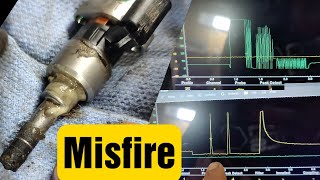
✅ What actually fixed it Using a lab scope, the technician observed the voltage pattern at the cylinder 1 injector connector. While voltage was present, the characteristic pattern showing the injector firing was absent, unlike on other cylinders. This confirmed an internal failure of the injector. Replacing the injector and performing a crankshaft variation relearn fixed the vehicle. - NHTSA ODI #10860704 — An owner reported their vehicle began misfiring on cylinder 1 with codes P0201 and P0301. While driving home, the car began to jerk and lose power.
- NHTSA ODI #10705647 — A report describes sputtering of the engine and losing power. Diagnostic testing returned codes P0300, P0204, P0203, P0202, and P0201. In this instance, the manufacturer recommended replacing the ECM to resolve the issue.
OEM Part Supersession History
12644767→55577403— Standard part lifecycle update by the manufacturer.
Heads up: Part 55577403 is the correct current service part for the LE2 engine.
Model Year Variations Within This Range
- 2018: Certain 2018 Cruze models with the 1.4L LE2 engine were part of GM Customer Satisfaction Program N182199610 for a high-pressure fuel pump that could crack and leak fuel. While this does not directly cause a P0201 electrical code, a failing HPFP could cause related driveability symptoms.
Diagnostic Flowchart
Other Known Issues on This Vehicle
Issues unrelated to this code that are worth knowing about as an owner of this generation:
- Cracked Pistons 🔴 High — Most common on 2016-2018 models, often appearing under 50,000 miles. Can cause a misfire (e.g., P0301) and low compression. (Ref: GM TSB 18-NA-171 / PIP5490D)
- PCV Orifice Clogging 🟠 Medium — A common cause for code P1101. The PCV orifice in the camshaft cover gets plugged, causing high crankcase pressure and potential oil leaks. (Ref: GM TSB 20-NA-047)
- Loose/Corroded Negative Battery Cable 🟠 Medium — Can cause a wide range of seemingly unrelated electrical issues, including no-start conditions, flickering lights, and random warning messages. The ground connection at the body is a known weak point. (Ref: GM TSB 16-NA-358)
- Coolant Leaks 🟠 Medium — Leaks are commonly reported from the water pump, thermostat housing, and coolant hose flanges as the vehicle ages.
Used vs. New Parts: Buying Guide for This Vehicle
When a used part is the smart pick: For this specific repair, buying a used fuel injector is generally not recommended. GDI injectors are sensitive, high-precision components. The failure is electronic and common, so a used part from a donor vehicle has an unknown history and a high likelihood of either being faulty or having a limited remaining lifespan.
Donor-vehicle mileage cap: roughly under 30000 miles for the part to have meaningful remaining life.
What to inspect on the donor part:
- If considering used, source from the lowest-mileage, accident-damaged vehicle possible.
- Ensure the injector tip is protected and clean.
- Verify the part number (55577403) matches exactly.
- Ask for a resistance measurement before purchase; it should be between 1.7-2.5 ohms.
OEM-only on this vehicle (don't cheap out):
- Gasoline Direct Fuel Injector
- Fuel Injector Seal Kit
Aftermarket brands forum-validated for this vehicle:
- ACDelco (OEM)
- Bosch (Often the original equipment manufacturer)
- Standard Motor Products (SMP)
Brands owners have reported issues with on this vehicle:
- No-name, unbranded injectors from online marketplaces should be avoided due to inconsistent quality control and high failure rates for GDI components.
Real Owner Stories
Aggregated from forums and TSBs cited above. Mileages and costs reflect what owners reported in those sources.
2017 Chevrolet Cruze 1.4L — 103000 miles
Symptoms: Car started to misfire after a right turn, with a flashing CEL and Stabilitrak message. Codes P0201 (injector circuit open Cyl 1) and P0301 (misfire cyl 1) were present.
What fixed it: A new injector on cylinder 1 was replaced, which resolved the issue. A shop confirmed the pistons were fine via compression test and borescope.
Source hint: Reddit (r/Cruze) - '17 1.4L P0201 P0301'
Related OBD-II Codes
Frequently Asked Questions
My 2017 Cruze is showing P0201 and P0301; could this be the cracked piston issue mentioned in TSB 18-NA-171?
What is the specific resistance range I should look for when testing the Cylinder 1 injector on my 1.4L Turbo?
Is there a specific replacement part for the injector wiring connector if I find damage?
Should I replace just the Cylinder 1 injector or all four on my Cruze?
Does GM Bulletin 20-NA-098 apply when I'm fixing a P0201 code?
Why did my 'Service Stabilitrak' message come on at the same time as the P0201 code?
Helpful Videos
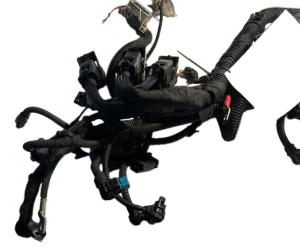
Used OEM Parts in Stock
New Aftermarket Parts Available


The information in this article is provided for general reference and educational purposes only. Vehicle specifications, procedures, and part compatibility can vary by production date, trim level, and region. Always consult your vehicle's factory service manual and verify part numbers before purchasing or performing repairs. Safety-critical components such as airbags, seat belts, and braking systems should be installed by a qualified professional.
- Chevrolet Cruze:
- 🧭 Diagnostic Flowchart
- 🎬 Helpful Videos
- 🛍️ Shop This Part
- What's Unique About the 2016-2019 Chevrolet Cruze
- Symptoms You May Notice
- Most Likely Causes
- Rare But Worth Checking
- Diagnosis Steps
- Parts You'll Likely Need
- Related Codes That Often Appear With This One
- Technical Service Bulletins (TSBs) & Recalls
- Platform-Specific Known Issues
- Mechanic-Grade Diagnostic Values
- Scan Tool Commands That Help
- Wiring & Ground Locations
- Real Owner Repair Stories
- OEM Part Supersession History
- Model Year Variations Within This Range
- Other Known Issues on This Vehicle
- Used vs. New Parts: Buying Guide for This Vehicle
- Real Owner Stories
- 2017 Chevrolet Cruze 1.4L — 103000 miles
- Related OBD-II Codes
- Frequently Asked Questions
- 🎟️ Get 5% Off