

P0202 on 2009-2011 Cadillac STS: Injector Circuit Malfunction Causes and Fixes
P0202 indicates an electrical fault in the cylinder 2 fuel injector circuit. On the 2009-2011 STS, this is most often a failed fuel injector or a wiring issue, particularly harness chafing. Expect to pay $250-$450 for a shop to replace a single injector.
- P0202 is an electrical circuit code for the cylinder 2 fuel injector, not a mechanical problem.
- The most likely causes are a bad fuel injector or a wiring fault, with harness chafing being a known issue per GM TSB PIP4924D.
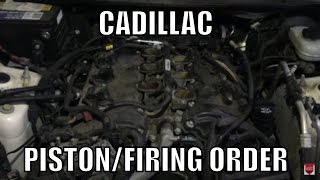
- Cylinder 2 is located on the driver's side, closest to the front of the vehicle, for both the V6 and V8 engines.
- A simple way to confirm a bad injector is to swap it with another cylinder and see if the code follows.
What's Unique About the 2009-2011 Cadillac STS
The 2009-2011 Cadillac STS was available with two distinct engines: a 3.6L direct-injected V6 (LLT) and a 4.6L port-injected Northstar V8 (LH2). For the more common 3.6L V6, the injectors are located under the intake manifold, which requires more labor to access. Being a direct injection engine, it is also prone to carbon buildup on intake valves, which can cause misfires but will not directly cause a P0202 circuit code. For the 4.6L Northstar, while injector access is more direct, the engine family has a known history of complex maintenance, such as head bolt issues. In both cases, cylinder 2 is the front-most cylinder on the driver's side of the engine. GM Technical Service Bulletin PIP4924D specifically addresses injector circuit codes like P0202 on these engines due to wiring harness chafing against engine components.
Diagnostic Flowchart
Tap your situation to follow the diagnostic path that matches what you're seeing on this vehicle.
Symptoms You May Notice
- Check Engine Light is on (may be flashing if misfire is severe)
- Engine running rough or unstable idle
- Engine hesitation or stumbling during acceleration
- Reduced engine power and 'limp mode' in some cases
- Noticeable engine misfire
- Decreased fuel economy
- Stabilitrak Disabled message on the dash, as seen in related platforms
- Replacing the spark plug or ignition coil for cylinder 2. While these can cause a misfire (P0302), they will not cause an injector circuit code like P0202. If you have both P0302 and P0202, the injector circuit is the root cause of the misfire.
Most Likely Causes
- Faulty Cylinder 2 Fuel Injector 🔴 High Probability → Shop Fuel Injector Injectors are wear items. The internal coil winding can fail over time, creating an open circuit or incorrect resistance that triggers the P0202 code. This is a common failure on many GM vehicles of this era.
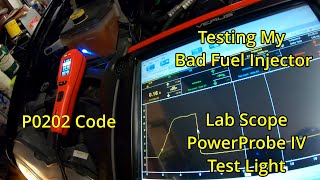
How to confirm: Measure the resistance of the injector with a multimeter and compare it to other injectors. A reading that is significantly different (or shows an open circuit) confirms a bad injector. For the 3.6L LLT direct injectors, the resistance should be between 1.5-2.5 ohms. For the 4.6L LH2 port injectors, the resistance should be around 12 ohms. Alternatively, swap the cylinder 2 injector with another (e.g., cylinder 4) and see if the fault code follows to the new cylinder (e.g., P0204). This is a very effective diagnostic step. 🎬 See three ways to test an injector circuit code
Typical fix: Replace the faulty fuel injector. It is often recommended to replace injectors as a set, especially on higher mileage vehicles, as a new injector running more efficiently can stress older ones.
Est. part cost: $40-$150 - Wiring Harness or Connector Issue 🟡 Medium Probability GM issued TSB #PIP4924D specifically for this issue on the 3.6L and other engines. The fuel injector wiring harness is prone to chafing against the intake plenum, valve cover bolts, fuel lines, or the side of the cylinder head, causing an open or short in the circuit. Engine vibration and heat cycles accelerate this wear.
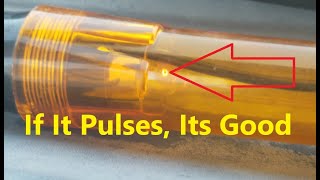
How to confirm: Visually inspect the wiring going to the cylinder 2 injector for any signs of rubbing, melting, or bare wires, especially in the locations mentioned in TSB PIP4924D. Use a noid light to confirm if the PCM is sending a pulse signal to the injector connector. If there is no pulse, the problem is in the wiring or the PCM. Check for continuity from the injector connector back to the PCM.
Typical fix: Repair the damaged section of wire or replace the injector pigtail connector. In severe cases, the entire injector harness may need replacement.
Est. part cost: $15-$40 - Faulty Powertrain Control Module (PCM) ⚪ Low Probability → Shop Engine Control Module (ECM) While not common, the internal driver circuit in the PCM that controls the injector can fail. This is an electronic failure within the computer itself. This is very rare and should be the last item to be considered.
How to confirm: This is a diagnosis of exclusion. If the injector and wiring have both been tested and confirmed to be good (including a load test of the wiring), the PCM is the likely culprit. A professional-level scan tool may be able to perform an injector driver self-test.
Typical fix: Replace and reprogram the Powertrain Control Module.
Est. part cost: $300-$800
Diagnosis Steps
- Scan the vehicle's computer for trouble codes. Confirm P0202 is present and note any other codes, such as P0302 or P2152.
- Identify cylinder 2. On both the 3.6L V6 and 4.6L V8, this is the front-most cylinder on the driver's side (Bank 2).
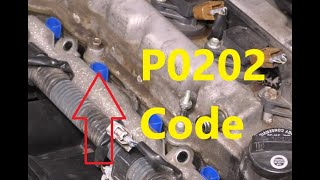
- Visually inspect the wiring harness and connector for the cylinder 2 fuel injector. Per TSB PIP4924D, pay close attention to areas where the harness may chafe against the intake plenum, valve cover bolts, and fuel lines.
- Disconnect the injector and test for a pulse signal using a noid light. Crank the engine; a flashing light indicates the PCM and wiring up to the connector are sending a signal.
- If a signal is present, test the fuel injector itself. Turn the ignition off. Measure its resistance with a multimeter set to Ohms. For the 3.6L DI engine, expect a reading of 1.5-2.5 ohms. For the 4.6L V8, expect ~12 ohms. Compare the reading to an adjacent injector (e.g., cylinder 4). A reading that is open (OL) or significantly different points to a failed injector.
- A common diagnostic trick is to swap the cylinder 2 injector with the cylinder 4 injector (the next one back on the driver's side). Clear the codes and run the engine. If the code changes to P0204, the injector is definitively faulty.
- If the code remains P0202 after swapping injectors, the problem lies in the wiring harness or the PCM.
- If no signal was detected with the noid light, check for 12V power on one pin of the injector connector with the key on. Then, check for continuity on the other wire (the control wire) from the injector connector back to the PCM connector 🎬 Watch: How to test injector circuits with a test light to find a potential break in the wire.
Parts You'll Likely Need
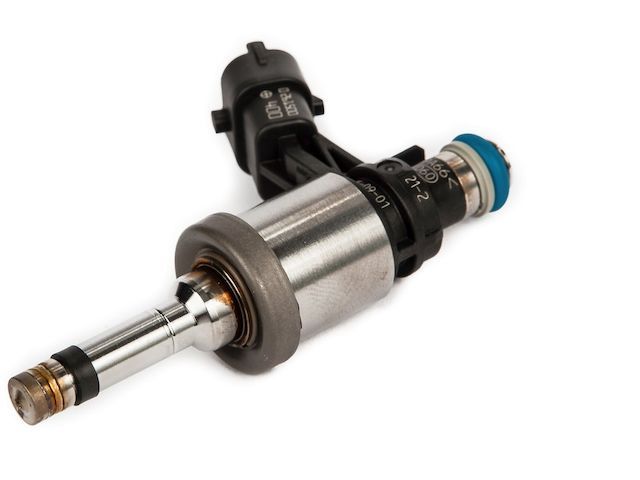
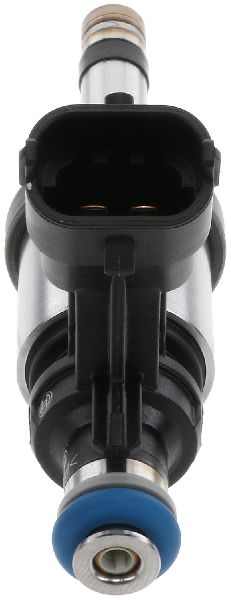
- Fuel Injector (3.6L V6 LLT)
(OEM #12638530)— This is the most common cause of a P0202 code. The internal electronics of the direct injector fail over time.
Trusted brands: ACDelco (OEM), Bosch, Standard Motor Products
OEM price range: $90-$150
Aftermarket price range: $40-$90 - Fuel Injector (4.6L V8 LH2)
(OEM #12577869 (Also cross-references to ACDelco 217-2443))— The port fuel injector is the most likely component to fail in the circuit for the V8 engine. Part numbers can vary, so confirm with VIN.
Trusted brands: ACDelco (OEM), Bosch
OEM price range: $70-$120
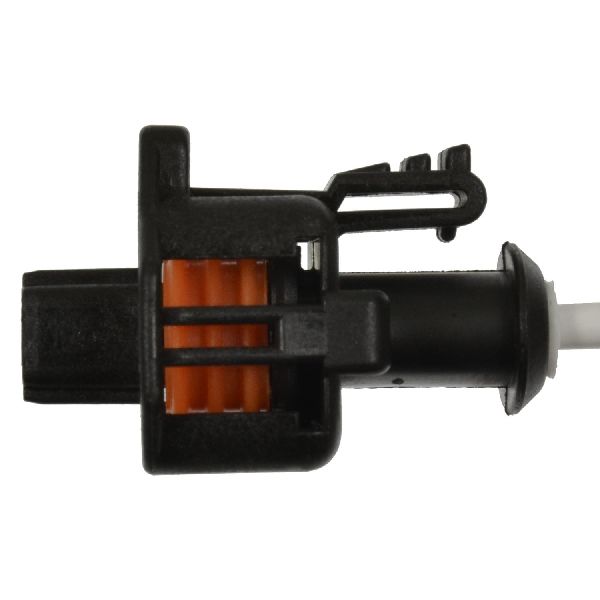
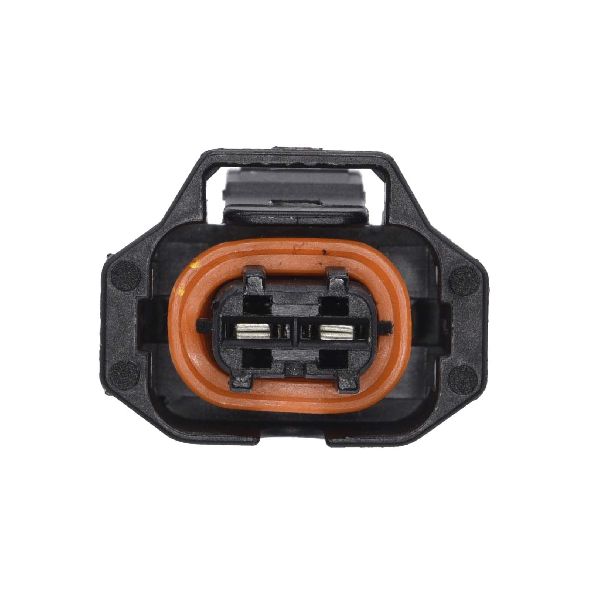
Aftermarket price range: $30-$80 - Fuel Injector Connector Pigtail
(OEM #ACDelco PT2183 (Confirm connector style))— If the wiring is damaged right at the connector, or the connector's locking tab is broken, replacing the pigtail is the standard repair. This is a common fix for harness chafe issues.
Trusted brands: ACDelco, Dorman
OEM price range: $25-$40
Aftermarket price range: $15-$30
Related Codes That Often Appear With This One
- P0302 — P0302 means 'Cylinder 2 Misfire Detected'. Since the P0202 code indicates the injector isn't being controlled correctly, that cylinder won't get the right amount of fuel, causing it to misfire.
- P0200 — P0200 stands for 'Injector Circuit Malfunction' and is a general code for the entire injector system. It may appear alongside a more specific code like P0202 if there's a widespread electrical issue, like a problem with the main power feed to the injectors.
- P2146, P2149, P2152, or P2155 — These codes indicate a fault in the fuel injector group voltage supply circuit for Bank 1 (P2146/P2149) or Bank 2 (P2152/P2155). Since cylinder 2 is on Bank 2 (driver's side), a P2152 or P2155 might appear with P0202 if there is a broader wiring issue affecting that entire bank of injectors, as noted in TSB PIP4924D.
Technical Service Bulletins (TSBs) & Recalls
- Bulletin #PIP4924D: Directly addresses SES light and misfire with injector codes P0201-P0206. It advises inspecting the injector harness for rub-through at common contact points like the intake plenum, valve covers, and fuel lines, and to repair the harness as needed. This applies directly to the 2009-2011 STS with the 3.6L engine.
Platform-Specific Known Issues
- The official GM Technical Service Bulletin #PIP4924D is highly relevant. It instructs technicians to carefully inspect the fuel injector wiring harness for rubbing or chafing against the intake plenum, valve cover bolts, fuel lines, and the side of the cylinder head. This TSB confirms that wiring damage is a known and common cause for P0202 and related codes on the 3.6L LLT engine.
- On the Camaro5 forum, a user with a 2010 Camaro (sharing the LLT V6 engine) experienced a P0302 misfire that then became a P0202 open circuit code, confirming the injector had failed electrically. This is a real-world example of the injector being the root cause.
Mechanic-Grade Diagnostic Values
- Fuel Injector Coil Resistance (3.6L V6 LLT - Direct Injection) — expected: 1.5 to 2.5 ohms. Failure: A reading near zero ohms indicates a shorted injector. A significantly higher or infinite (OL) reading indicates an open circuit.
- Fuel Injector Coil Resistance (4.6L V8 LH2 - Port Injection) — expected: Approximately 12 ohms (High Impedance). Failure: A reading significantly different from the other injectors, or an open (OL) or shorted (near 0) reading.
- Injector Circuit Voltage (3.6L V6 LLT - Initial Pulse) — expected: 55 to 65 volts. Failure: Failure to reach this boosted voltage indicates a problem with the ECM's internal boost capacitor or driver circuit.
- Injector Circuit Voltage (3.6L V6 LLT - Hold Phase) — expected: Approximately 12-14 volts (Battery/System Voltage). Failure: A consistent low voltage reading could indicate a short to ground in the control circuit or a failing ECM driver.
Scan Tool Commands That Help
- GM GDS2 / Tech2: Injector Test (AFIT - Active Fuel Injector Tester) — This function performs a more precise flow characteristics test than a simple resistance check or balance test. It can identify injectors that are electrically functional but performing poorly, which is useful if a P0202 is intermittent or accompanied by performance issues without a hard fault.
- GM GDS2 / Tech2: Cylinder Power Balance — This bidirectional test allows the user to disable one cylinder at a time to observe the corresponding drop in engine RPM. If disabling cylinder 2 results in little or no change in RPM, it confirms that cylinder is not contributing power, reinforcing the P0202 diagnosis.
- GM GDS2: Control Functions — Within the Engine Control Module diagnostics, the 'Control Functions' menu allows for individual component tests. A technician can attempt to activate the cylinder 2 injector and monitor circuit data to see if the command is being sent and received, helping to isolate the fault between the ECM, wiring, and injector.
Wiring & Ground Locations
- G103 / G104 — On the 3.6L V6, grounds G103 and G104 are located on the rear of the cylinder heads (G104 on the left/driver side, G103 on the right/passenger side).. A loose or corroded engine ground can cause erratic behavior in sensor and actuator circuits. While not a direct ground for the injector circuit itself (which is grounded through the ECM), a poor engine-to-chassis ground can create voltage offsets that affect the ECM's operation and diagnostics, potentially leading to false codes.
- ECM/PCM Main Ground — Often designated G101 or G102, typically located on the engine block or cylinder head near the front of the engine.. The Engine Control Module relies on a clean, solid ground connection to the engine block. Any resistance in this primary ground can affect the injector driver circuits, which the ECM switches to ground to activate the injectors. A faulty ground here can cause a host of injector and sensor codes.
- Injector Connector Pins (3.6L V6) — At the fuel injector connector for cylinder 2.. One pin is the high voltage supply from the ECM, and the other is the high voltage control (ground) circuit, also from the ECM. When testing, you must check for voltage/signal at both pins relative to a known good ground and check continuity of both wires back to their respective pins at the ECM connector.
Real Owner Repair Stories
- YouTube channel 'Auto Repair Guys' (Vehicle with a GM engine, demonstrating a P0204 code (same principle as P0202).) — Engine light on, rough running, and a misfire.
❌ Tried (didn't work) Initial assumption was a bad fuel injector.
✅ What actually fixed it The injector connector was not fully seated and the locking clip was missing/broken. After taking the intake manifold off, they discovered the loose connector, re-secured it, and cleared the code, which resolved the issue. This highlights the importance of checking simple connections before replacing parts, especially after recent engine work.
OEM Part Supersession History
12611545, 12632255→12638530— Part consolidation and potential design improvements.
Heads up: These part numbers are generally interchangeable for the 2008-2011 3.6L LLT engine, but it is always best practice to use the latest part number (12638530) when replacing. Aftermarket cross-references include ACDelco 217-3445 and Bosch 0261500114.
Helpful Videos
We Have This Part in Stock


The information in this article is provided for general reference and educational purposes only. Vehicle specifications, procedures, and part compatibility can vary by production date, trim level, and region. Always consult your vehicle's factory service manual and verify part numbers before purchasing or performing repairs. Safety-critical components such as airbags, seat belts, and braking systems should be installed by a qualified professional.
- Cadillac STS:
- 🧭 Diagnostic Flowchart
- 🎬 Helpful Videos
- 🛍️ Shop This Part
- What's Unique About the 2009-2011 Cadillac STS
- Symptoms You May Notice
- Most Likely Causes
- Diagnosis Steps
- Parts You'll Likely Need
- Related Codes That Often Appear With This One
- Technical Service Bulletins (TSBs) & Recalls
- Platform-Specific Known Issues
- Mechanic-Grade Diagnostic Values
- Scan Tool Commands That Help
- Wiring & Ground Locations
- Real Owner Repair Stories
- OEM Part Supersession History
- 🎟️ Get 5% Off