

P0202 on 2009-2014 GMC Acadia & Platform Mates: Injector Circuit Malfunction Causes and Fixes
P0202 on a 2009-2014 GMC Acadia indicates an electrical fault in the cylinder 2 fuel injector circuit. The most common causes are a faulty fuel injector or a damaged wiring harness. While the injector part costs $90-$150, the repair is labor-intensive, requiring intake manifold removal and bringing shop costs to $900-$1400+. Wiring issues are also very common on this platform per GM TSB #PIP4924D.
- P0202 is an electrical code, not a fuel pressure or mechanical engine problem. Focus diagnosis on the injector, its connector, and its wiring.
- On this 3.6L V6, any work on the fuel injectors is a major job requiring removal of the intake manifold, which dramatically increases labor costs and DIY difficulty.
- Always check for a P0302 (Cylinder 2 Misfire) code, which is an expected companion to P0202.
- If P0202, P0204, and P0206 appear together, the fault is almost certainly in the shared wiring harness for that cylinder bank, not three failed injectors.
What's Unique About the 2009-2014 Gmc ACADIA
For the 2009-2014 GMC Acadia and its platform-mates with the 3.6L V6 engine, electrical issues are a known concern. General Motors issued Technical Service Bulletin #PIP4924D, which specifically includes the P0202 code 🎬 Watch: How to fix P0202 codes on GMC and Chevy engines. for this vehicle family. The bulletin advises technicians to carefully inspect the fuel injector wiring harness for damage where it might rub against specific points, including the intake plenum, valve cover bolts, fuel lines, and on the side of the cylinder head under the plenum. This TSB suggests that wiring faults are a more common cause on this platform than on others.
Diagnostic Flowchart
Tap your situation to follow the diagnostic path that matches what you're seeing on this vehicle.
Symptoms You May Notice
- Check Engine Light is on
- Rough or unstable idle
- Engine misfire (may feel like a shake or stumble)
- Hesitation or loss of power during acceleration
- Reduced fuel economy
- Engine may stall
- Replacing the spark plug or ignition coil for cylinder 2. While these can cause a misfire (P0302), they do not cause an injector circuit code like P0202. The P0202 code is specifically for the electrical circuit, not the combustion event.
Most Likely Causes
- Faulty Cylinder 2 Fuel Injector 🔴 High Probability → Shop Fuel Injector The direct injection (DI) injectors on the LLT engine operate under high pressure and are a common failure item. However, replacement is a significant job.
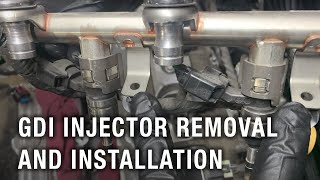
How to confirm: Swap the cylinder 2 fuel injector with one from another cylinder (e.g., cylinder 4). If the trouble code changes to P0204, the injector is faulty. Alternatively, check the resistance of the injector with a multimeter; it should be within spec and similar to the other injectors. This requires accessing the injector, which involves removing the intake manifold.
Typical fix: Replace the faulty fuel injector. Due to the high labor involved, many owners and shops recommend replacing all injectors on the affected bank (or all six) at the same time.
Est. part cost: $90 - $150 for one OEM injector. - Wiring Harness Issue 🔴 High Probability GM TSB #PIP4924D specifically calls out wiring harness chafe points on this engine platform, including against the intake, valve covers, and fuel lines. The harness is also often disturbed or damaged during other major repairs like timing chain service, a common job on this engine.
How to confirm: Visually inspect the wiring harness leading to the cylinder 2 injector for any signs of rubbing, melting, or broken wires. Pay close attention to the areas mentioned in the TSB. Perform a 'wiggle test' on the harness with the engine running to see if it induces a misfire. Use a multimeter to check for continuity and shorts in the circuit between the ECM and the injector connector.
Typical fix: Repair the damaged section of the wiring harness or replace the harness if the damage is extensive.
Est. part cost: $10 - $400 - Poor Connection at Injector 🟡 Medium Probability The connector is located under the intake manifold, exposed to heat cycles which can make the plastic brittle over time.
How to confirm: Once the intake manifold is removed, inspect the electrical connector at the fuel injector for corrosion, bent pins, or a loose fit. Disconnect and reconnect it to ensure it's seated properly.
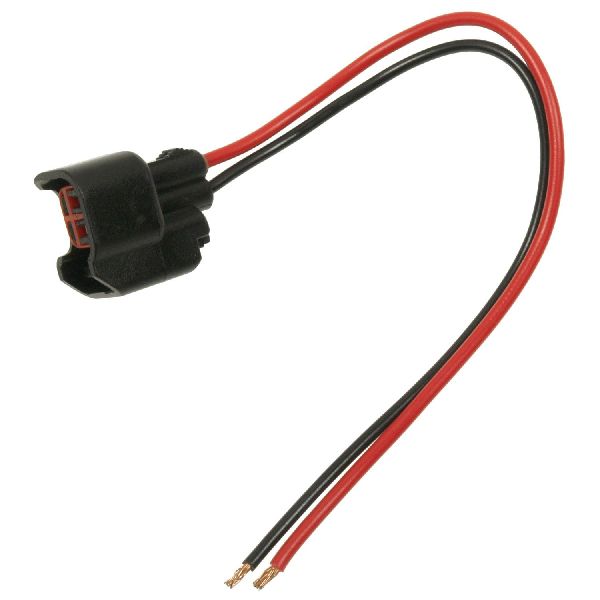
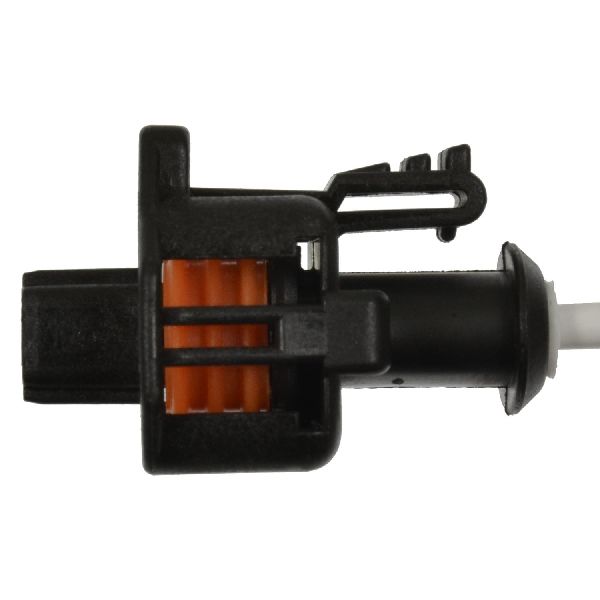
Typical fix: Clean the connector terminals with electrical contact cleaner or replace the connector pigtail if it's damaged.
Est. part cost: $5 - $25
Rare But Worth Checking
- Faulty Engine Control Module (ECM): → Shop Engine Control Module (ECM) This is the least likely cause. The ECM's internal injector driver can fail, but all other possibilities (injector, wiring) should be exhaustively ruled out before condemning the ECM. A Reddit user with a 2,4,6 misfire suspected the ECM after verifying no pulse signal was being sent, but this is a last resort diagnosis.
Diagnosis Steps
- Scan the vehicle for all stored trouble codes. Confirm P0202 is present and note any other codes, especially P0302 or other injector codes like P0204 and P0206.
- Visually inspect the wiring harness and connector for fuel injector #2. This is difficult as it is under the intake manifold. However, inspect the visible portions of the engine harness for obvious signs of damage, melting, or corrosion, paying close attention to the chafe points mentioned in TSB #PIP4924D (against intake, valve covers, fuel lines).
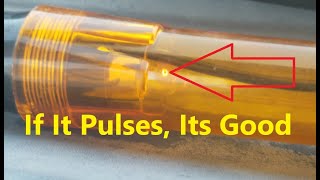
- Use a noid light to test the injector signal. This requires removing the intake manifold to access the injector connector. Disconnect the injector and plug the noid light into the connector. Have an assistant crank the engine. The light should flash steadily, indicating the ECM is sending a signal. If it doesn't flash, the problem is in the wiring or the ECM. If it does flash, the injector is the likely culprit.
- If the noid light flashes, confirm the injector is bad by swapping it. Exchange the cylinder 2 injector with the cylinder 4 injector. Reassemble, clear the codes, and run the engine. If the code returns as P0204, the injector is confirmed faulty. Note: This is very labor-intensive due to the intake removal.
- If the noid light does not flash, or if the code remains P0202 after swapping injectors, the issue is in the wiring or ECM. Turn the ignition off.
- With the ECM and injector disconnected, check for continuity on the two wires running from the ECM to the injector connector. Check for a short to ground or a short to power on the control wire.
- If the wiring tests good, the final and least likely possibility is a failed injector driver within the Engine Control Module (ECM).
Parts You'll Likely Need
- Fuel Injector
(OEM #12638530 (superseded by 12669384))— This is the most common component to fail internally, causing an electrical circuit fault.
Trusted brands: ACDelco, Bosch, Standard Motor Products
OEM price range: $110 - $155
Aftermarket price range: $50 - $120 - Fuel Injector Connector Pigtail — If the connector itself is corroded, melted, or has a broken locking tab, it will need to be replaced to ensure a solid connection.
Trusted brands: ACDelco, Dorman
OEM price range: $20 - $40
Aftermarket price range: $10 - $25 - Intake Manifold Gasket Set — Required for re-installing the intake manifold after accessing the fuel injectors. These are a one-time use part.
Trusted brands: Fel-Pro, ACDelco
OEM price range: $40 - $70
Aftermarket price range: $20 - $40
Related Codes That Often Appear With This One
- P0302 — This code means "Cylinder 2 Misfire Detected." A P0202 fault directly prevents the injector from delivering fuel, which is a primary cause for the cylinder to misfire.
- P0204, P0206 — If other injector codes for the same cylinder bank (Bank 2 includes cylinders 2, 4, and 6) appear simultaneously, it strongly points to a shared wiring or power/ground issue as described in TSB #PIP4924D, rather than multiple individual injector failures. Forum posts frequently show these codes appearing together.
Technical Service Bulletins (TSBs) & Recalls
- Bulletin #PIP4924D: Addresses Service Engine Soon light and misfires with various injector codes (including P0202) and recommends inspecting the injector wiring harness for damage at several common chafe points like the intake plenum, valve cover bolts, and fuel lines.
Platform-Specific Known Issues
- Wiring Harness Chafing: TSB #PIP4924D highlights a known issue with the fuel injector wiring harness chafing against engine components, leading to open or shorted circuits. Common rub spots are against the intake plenum, valve cover bolts, and fuel lines.
- Post-Repair Faults: Forum discussions show that injector circuit codes (P0202, P0204, P0206) often appear after major engine work, such as timing chain replacement. This suggests the engine harness is fragile and easily damaged or improperly re-routed during reassembly, causing new faults.
Mechanic-Grade Diagnostic Values
- Fuel Injector Coil Resistance (2009-2011 LLT Engine) — expected: 11 - 14 ohms. Failure: A reading significantly outside this range, or OL (Open Loop/infinite resistance), indicates a faulty injector coil.
- Fuel Injector Coil Resistance (2012+ LFX Engine) — expected: 1.5 - 2.5 ohms. Failure: A reading outside this very low range indicates a faulty injector. Note the significant difference from the earlier LLT engine.
- Injector Circuit Voltage (Key On, Engine Off) — expected: ~12V (Battery Voltage). Failure: Significantly lower or no voltage suggests a problem in the power supply wire to the injector.
- Injector Control Voltage (Boost Phase) — expected: ~65 Volts. Failure: This is a very brief, high-voltage pulse from the ECM to open the direct injector. It can only be accurately measured with an oscilloscope. Absence of this pulse points to an ECM driver or wiring issue.
Scan Tool Commands That Help
- GM GDS2 / Tech2 / High-End Aftermarket: Automated Injector Balance / Cylinder Power Balance — This test commands the ECM to sequentially disable each injector and measures the corresponding drop in fuel rail pressure or change in crankshaft speed. It's used to identify a mechanically clogged or poorly flowing injector, which might not always set a circuit code. If all injectors show a similar drop in pressure/RPM except for cylinder 2, it points to a mechanical injector fault rather than an electrical one.
Wiring & Ground Locations
- G112 — Rear of the engine, mounted to the rear of the cylinder head.. This is a critical engine ground. While not directly for the injector circuit itself, a poor connection at G112 can introduce electrical noise and unstable sensor readings for the ECM, potentially contributing to or causing misdiagnosis of various engine codes.
- G114 — Left rear of the engine.. Similar to G112, this is another primary engine ground. The ECM and its related sensors rely on clean grounds. TSBs often mention checking all engine grounds as a preliminary step for difficult electrical diagnoses.
- ECM (Engine Control Module) — Located in the left front corner of the engine compartment.. This is the source of the control signal for the fuel injector. All wiring continuity and short-to-ground/power tests for the injector circuit originate or terminate at the ECM's connectors.
- Injector Wiring Harness Connectors (X160 / X161) — At the rear of the intake manifold.. These are intermediate connectors between the main engine harness and the injector sub-harness. A diagnostic procedure in the service manual involves disconnecting these to isolate and test the wiring on the ECM side versus the injector side.
Real Owner Repair Stories
- acadiaforum.net user report (2011 GMC Acadia) — Engine misfiring, Check Engine Light on.
❌ Tried (didn't work) Diagnosis went straight to wiring inspection based on the combination of codes.
✅ What actually fixed it A broken wire was found inside the main engine harness that runs across the front of the engine. The wire was repaired, which resolved all codes (P0202, P0204, P0206, and P2149). This aligns perfectly with the known chafe issues described in TSB PIP4924D.
OEM Part Supersession History
12638530→12669384— Unspecified, but part supersessions are common for design improvements, material changes, or manufacturing updates.
Heads up: Aftermarket sellers note that genuine and aftermarket injectors should not be mixed on the same engine due to potential differences in flow and atomization. It is recommended to replace all injectors as a set if moving to aftermarket parts.
Model Year Variations Within This Range
- 2009-2011: These years primarily used the 3.6L LLT V6 engine. The correct fuel injector has a resistance of approximately 11-14 ohms.
- 2012-2014: While many Acadias in this range still had the LLT, the LFX engine variant was being introduced on other GM platforms and may be present. The LFX uses a different fuel injector with a much lower resistance of 1.5-2.5 ohms. It is critical to verify the engine type and use the correct injector, as they are not interchangeable.
Helpful Videos

We Have This Part in Stock

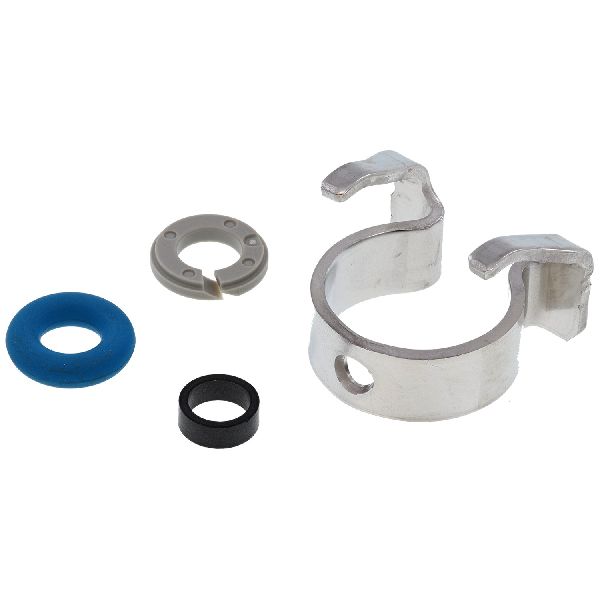
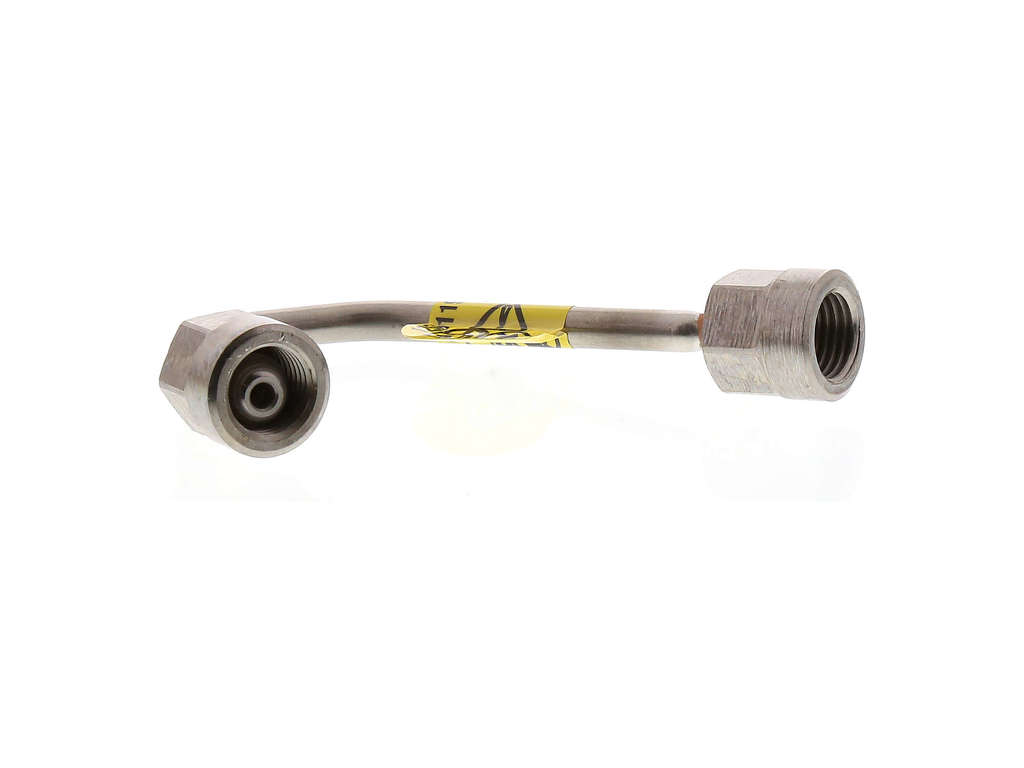

The information in this article is provided for general reference and educational purposes only. Vehicle specifications, procedures, and part compatibility can vary by production date, trim level, and region. Always consult your vehicle's factory service manual and verify part numbers before purchasing or performing repairs. Safety-critical components such as airbags, seat belts, and braking systems should be installed by a qualified professional.
- Gmc ACADIA:
- 🧭 Diagnostic Flowchart
- 🎬 Helpful Videos
- 🛍️ Shop This Part
- What's Unique About the 2009-2014 Gmc ACADIA
- Symptoms You May Notice
- Most Likely Causes
- Rare But Worth Checking
- Diagnosis Steps
- Parts You'll Likely Need
- Related Codes That Often Appear With This One
- Technical Service Bulletins (TSBs) & Recalls
- Platform-Specific Known Issues
- Mechanic-Grade Diagnostic Values
- Scan Tool Commands That Help
- Wiring & Ground Locations
- Real Owner Repair Stories
- OEM Part Supersession History
- Model Year Variations Within This Range
- 🎟️ Get 5% Off