

P0203 on 2010-2014 Cadillac CTS: Injector Circuit Malfunction Causes & Fixes
P0203 on a 2010-2014 Cadillac CTS indicates an electrical fault with the cylinder 3 fuel injector circuit. The most common causes are a failed fuel injector, a wiring issue, or a faulty ECM. On the 3.0L and 3.6L V6, cylinder 3 is the middle cylinder on the passenger side. Expect to pay a professional $1,000+ for injector replacement due to the labor involved in removing the intake manifold.
- P0203 is an electrical circuit code for the cylinder 3 fuel injector, not a fuel pressure or mechanical issue.
- On these V6 engines, cylinder 3 is the middle cylinder on the passenger side.
- The most likely causes are a bad fuel injector or a problem in the wiring harness. Carefully check the harness for chafing at points listed in TSB PIP4924D before replacing parts.
- Do not immediately replace the spark plug or ignition coil; this code specifically points to the fuel injector circuit.
- Because the injectors are under the intake manifold on the V6 engines, replacement is a labor-intensive job, leading to high professional repair costs.
- Driving with this code can cause serious damage to your catalytic converter, turning a potentially moderate fix into a very costly one.
What's Unique About the 2010-2014 Cadillac CTS
For the 2010-2014 Cadillac CTS, equipped with direct-injection V6 engines (3.0L LF1 or 3.6L LLT/LFX), this code often points to one of three main culprits: the injector itself, the wiring harness, or the injector driver in the ECM. 🎬 Watch: Understanding P0203 causes and common circuit fixes. A GM Technical Service Bulletin (TSB PIP4924D) is highly relevant for these vehicles, highlighting that injector circuit codes are often caused by the wiring harness rubbing through in specific locations, such as against the intake plenum, valve cover bolts, or fuel lines. The injectors on these direct-injection engines are located under the intake manifold, making replacement a more involved and costly job than on older port-injected engines.
Diagnostic Flowchart
Tap your situation to follow the diagnostic path that matches what you're seeing on this vehicle.
Symptoms You May Notice
- Check Engine Light is on (may be flashing if misfire is severe)
- Engine misfire or rough idle
- Poor acceleration and reduced engine performance
- Increased fuel consumption
- Engine may be difficult to start
- Noticeable fuel smell from the exhaust
- Replacing the spark plug or ignition coil for cylinder 3. While these parts can cause a misfire (P0303), they will not cause an injector circuit code like P0203. The P0203 code specifically points to an electrical fault in the injector circuit.
Most Likely Causes
- Faulty Cylinder 3 Fuel Injector 🔴 High Probability → Shop Fuel Injector Direct injectors operate under high pressure and temperature, leading to eventual failure of the internal coil. These injectors can fail electrically (open or shorted coil) or mechanically (clogged).
How to confirm: Measure the resistance of the fuel injector with a multimeter. A good injector on these engines should have a resistance of approximately 1.5 to 1.6 ohms. All injectors should measure within 0.5 ohms of each other. A reading of infinity (OL) indicates an open circuit. The most definitive test is to swap the cylinder 3 injector with one from another cylinder (e.g., cylinder 1). If the code changes to P0201, the injector is confirmed to be faulty.
Typical fix: Replace the faulty fuel injector. Since access requires removing the intake manifold, it is strongly recommended to replace all injectors on that bank (or all six) at the same time, along with their seals.
Est. part cost: $60 - $120 per injector - Wiring or Connector Issue 🟡 Medium Probability GM TSB #PIP4924D specifically calls out wiring harness issues for these codes. Engine heat and vibration can cause the harness to chafe against other components. Common chafe points are against the intake plenum, at valve cover bolts, against the fuel line, and on the side of the cylinder head under the plenum.
How to confirm: Visually inspect the wiring harness leading to the cylinder 3 injector, paying close attention to the chafe points listed in TSB #PIP4924D. Use a 'noid light' to test for a pulse signal at the injector connector. The light should flash while the engine is cranked or running. If there is no pulse, check for continuity and shorts between the ECM and the connector.
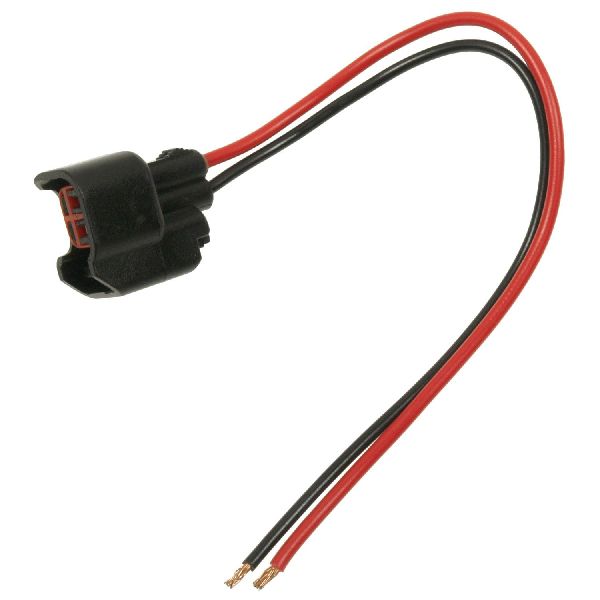
Typical fix: Repair the damaged section of the wire or replace the injector pigtail connector. In some cases of extensive damage, the entire engine wiring harness may need replacement.
Est. part cost: $15 - $50 for a pigtail, more for harness repair - Faulty Engine Control Module (ECM) ⚪ Low Probability → Shop Engine Control Module (ECM)
How to confirm: This should be the last resort after confirming the injector and wiring are both in good condition. An ECM failure is confirmed if there is no pulse signal coming out of the ECM pin for the cylinder 3 injector, despite the wiring being intact. This diagnosis is best left to a professional.
Typical fix: Replace and reprogram the Engine Control Module.
Est. part cost: $400 - $1000+
Diagnosis Steps
- Read the trouble codes with an OBD-II scanner to confirm P0203 and check for any other related codes like P0303.
- Identify cylinder 3. On the 3.0L/3.6L V6, this is the middle cylinder on the passenger side (right bank).
- Perform a visual inspection of the cylinder 3 fuel injector wiring and connector. Look for obvious damage, corrosion, or loose connections. Pay special attention to the known chafe points identified in TSB PIP4924D (against the intake, valve covers, and fuel lines).
- If accessible, disconnect the cylinder 3 injector and test for a pulse signal using a noid light. The light should flash while the engine is cranked or running.
- If a pulse is present, turn off the engine and measure the internal resistance of the fuel injector using a multimeter. It should be around 1.5-1.6 ohms. If it reads as open (OL) or is significantly different from the other injectors, it has failed.
- If the resistance is good but the noid light did not flash, check the wiring harness for continuity and shorts between the ECM and the injector connector.
- A common diagnostic trick is to swap the suspect injector with an adjacent one (e.g., swap injector 3 and 1). Clear the codes and run the engine. If the fault code moves to the new cylinder (e.g., P0201), the injector is bad. If P0203 returns, the problem is in the wiring or ECM.
- If both the injector and wiring are confirmed to be good, the issue may be with the injector driver circuit in the ECM, which requires professional diagnosis.
Parts You'll Likely Need
- Fuel Injector
(OEM #12638530)— This is the most common component to fail, causing an electrical circuit fault. Part number 12638530 is for the 3.6L V6 (LLT) engine. Always verify the part number with your vehicle's VIN.
Trusted brands: ACDelco (OEM), Bosch, Standard Motor Products
OEM price range: $80-$120
Aftermarket price range: $50-$80 - Intake Manifold Gaskets
(OEM #12629953 (Upper), 12610241 (Lower))— Required for reinstallation of the intake manifold, which must be removed to access the fuel injectors on the V6 engines. These are single-use gaskets and must be replaced.
Trusted brands: ACDelco, Fel-Pro
OEM price range: $40-$60
Aftermarket price range: $20-$40
Related Codes That Often Appear With This One
- P0303 — P0303 means "Cylinder 3 Misfire Detected." Since a P0203 fault prevents the injector from delivering fuel correctly, it directly causes a misfire on that cylinder. These two codes almost always appear together.
- P0201, P0202, P0204, etc. — If multiple injector circuit codes appear at once, it strongly suggests a common problem like a damaged wiring harness, a faulty fuse/relay, or a power supply issue to the ECM, as noted in manufacturer TSBs.
Technical Service Bulletins (TSBs) & Recalls
- PIP4924D: Directly addresses SES lights with misfires and injector circuit codes (P0201-P0206) on 2010-2014 CTS models with V6 engines. It instructs technicians to carefully inspect the fuel injector wiring harness for rubbing or open wires at common contact points like the intake plenum, valve cover bolts, and fuel lines before replacing components.
Platform-Specific Known Issues
- A known GM issue, documented in TSB #PIP4924D, mentions that codes P0201 through P0206 can be set due to wiring harness issues. It specifically advises technicians to inspect for the harness rubbing through against the intake plenum, valve cover bolts, fuel lines, and the side of the cylinder head.
- Owners performing this repair themselves have noted that the small red retaining clips on the injector electrical connectors can become very brittle with age and may break during removal.
Mechanic-Grade Diagnostic Values
- Fuel Injector Resistance (2012-2014 3.6L LFX) — expected: 1.25 - 1.75 ohms. Failure: A reading of OL (open circuit), near 0 ohms (short circuit), or outside the specified range.
- Fuel Injector Resistance (2010-2011 3.0L LF1 / 3.6L LLT) — expected: ~11 - 15 ohms. Failure: A reading of OL (open circuit), near 0 ohms (short circuit), or significantly outside this range.
- Injector Power Pin Voltage (Key On, Engine Off) — expected: 11V - 14.5V (Battery Voltage). Failure: 0V or significantly low voltage, indicating a problem in the power supply circuit.
- Injector Pulse Width (at warm idle) — expected: 2 - 4 milliseconds (ms). Failure: A value of 0 ms on cylinder 3 while other cylinders show a normal pulse width.
Scan Tool Commands That Help
- GM GDS2 / Tech2: Fuel Injector Balance Test — To functionally test and compare injectors without removing them. The tool commands each injector to fire and measures the resulting fuel pressure drop. An inconsistent drop for cylinder 3 indicates a faulty injector. This test should be performed with the engine cool (below 140°F / 60°C).
- Professional Scan Tool: Cylinder Power Balance / Injector Deactivation — To confirm if cylinder 3 is contributing power. While the engine is idling, the scan tool deactivates the cylinder 3 injector. If there is no change in engine RPM or smoothness, it confirms the cylinder was already dead, pointing to a fault in that circuit.
Wiring & Ground Locations
- ECM Connector X1 — The Engine Control Module (ECM) is located in the left front of the engine compartment. X1 is one of the main multi-pin connectors on the ECM, often color-coded blue on LFX models.. The control circuit wire for the cylinder 3 injector runs from the ECM to the injector through this connector. A corroded or loose pin at this location can cause an open or high-resistance fault.
- G102 — Located on the rear of the driver's side (Bank 1) cylinder head.. This is a primary ground for the Engine Control Module. A loose or corroded connection here can disrupt the ECM's reference voltage, leading to a variety of phantom electrical codes, including injector circuit faults.
- G103 / G104 — Located on the front of the passenger's side (Bank 2) cylinder head.. These are primary engine-to-chassis grounds for the bank containing cylinder 3. A poor connection can cause erratic behavior for all components on this bank.
- Cylinder 3 Injector Control Wire — On some GM V6 engines, the control wire for injector 3 is Pink/Black and located at Pin 16 of the ECM's X1 connector. Always verify with a vehicle-specific wiring diagram.. This is the specific wire that must be tested for continuity, shorts to ground, or shorts to voltage between the ECM and the injector connector to diagnose a wiring fault.
OEM Part Supersession History
12638530→12669384— Standard part update/revision by the manufacturer.
Heads up: This high-impedance (~12 Ohm) injector is ONLY for 2010-2011 models with the 3.0L LF1 or 3.6L LLT engine. It is NOT compatible with 2012-2014 LFX engines.12634126→N/A— N/A
Heads up: This low-impedance (~1.5 Ohm) injector is ONLY for 2012-2014 models with the 3.6L LFX engine. It is NOT compatible with 2010-2011 LLT engines. Using the wrong type can damage the ECM.
Model Year Variations Within This Range
- 2010-2011: These models use the 3.0L LF1 or 3.6L LLT V6. They require high-impedance fuel injectors (~12 ohms), part number 12638530 or its successor 12669384. The LLT engine specifically uses paired injector drivers for cylinders 3 and 6, which can affect diagnosis.
- 2012-2014: These models use the updated 3.6L LFX V6. They require low-impedance fuel injectors (~1.25-1.75 ohms), part number 12634126. Using the earlier high-impedance injectors on an LFX will cause immediate running issues and may damage the ECM's injector driver circuit.
Helpful Videos

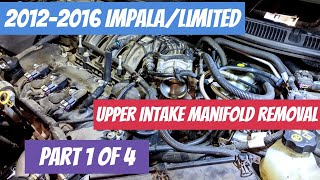
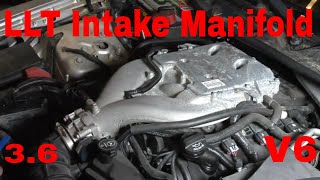
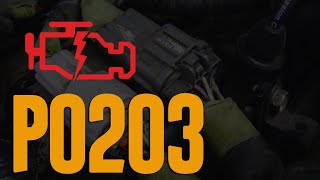
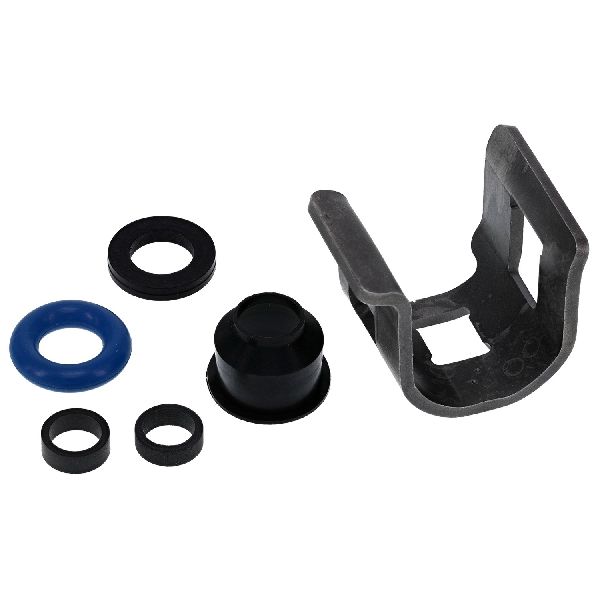
We Have This Part in Stock


The information in this article is provided for general reference and educational purposes only. Vehicle specifications, procedures, and part compatibility can vary by production date, trim level, and region. Always consult your vehicle's factory service manual and verify part numbers before purchasing or performing repairs. Safety-critical components such as airbags, seat belts, and braking systems should be installed by a qualified professional.
- Cadillac CTS:
- 🧭 Diagnostic Flowchart
- 🎬 Helpful Videos
- 🛍️ Shop This Part
- What's Unique About the 2010-2014 Cadillac CTS
- Symptoms You May Notice
- Most Likely Causes
- Diagnosis Steps
- Parts You'll Likely Need
- Related Codes That Often Appear With This One
- Technical Service Bulletins (TSBs) & Recalls
- Platform-Specific Known Issues
- Mechanic-Grade Diagnostic Values
- Scan Tool Commands That Help
- Wiring & Ground Locations
- OEM Part Supersession History
- Model Year Variations Within This Range
- 🎟️ Get 5% Off