

P0203 on 2009-2011 Cadillac STS: Injector Circuit Malfunction Causes and Fixes
On the 2009-2011 Cadillac STS with the 3.6L V6, code P0203 is most frequently caused by a chafed fuel injector wiring harness, a well-documented issue covered by GM Technical Service Bulletin #PIP4924D. Before replacing parts, carefully inspect the harness where it can rub against the intake plenum or valve cover bolts. The second most likely cause is a failed fuel injector for cylinder #3. Expect a professional repair to cost between $553 and $769.
- Before buying any parts, thoroughly inspect the fuel injector wiring harness for cylinder #3 (middle cylinder, passenger side) for signs of rubbing or damage, as this is a known issue.
- The easiest way to confirm a bad injector is to swap it with an adjacent one and see if the trouble code follows the injector.
- This code indicates an electrical fault, so do not replace ignition components like spark plugs or coils to try and fix it.
- Due to the direct injection system, replacing a fuel injector on the 3.6L V6 is a more complex job than on older engines and may require removing the intake manifold.
What's Unique About the 2009-2011 Cadillac STS
For the 2009-2011 STS, particularly with the common 3.6L V6 (LLT) engine, this code is frequently linked to a specific problem with the wiring harness. General Motors issued Technical Service Bulletin #PIP4924D warning technicians that the fuel injector harness is prone to rubbing through its insulation at several common points in the engine bay. The bulletin specifically mentions chafe points against the intake plenum, at valve cover bolts, against the fuel line, and on the side of the head under the plenum. While a failed injector is always possible, this known wiring vulnerability makes it the primary suspect on this platform. The 4.6L Northstar V8 can also log a P0203, but the diagnosis is more traditional (injector, connector, PCM) as it is not known for the same specific harness chafe issue as the 3.6L V6.
Diagnostic Flowchart
Tap your situation to follow the diagnostic path that matches what you're seeing on this vehicle.
Symptoms You May Notice
- Check Engine Light is on or flashing
- Engine misfire, which may feel like a shake or shudder
- Rough or unstable idle
- Poor acceleration and reduced engine power
- Increased fuel consumption
- Noticeable smell of unburned fuel from the exhaust
- Replacing the spark plug or ignition coil for cylinder 3. While these can cause a misfire code (P0303), they will not cause an injector circuit code (P0203). P0203 is specifically an electrical circuit fault. 🎬 See this video for a breakdown of P0203 causes and fixes.
Most Likely Causes
- Chafed or Damaged Injector Wiring Harness 🔴 High Probability → Shop Engine Wiring Harness GM TSB #PIP4924D specifically identifies this as a common problem on the 3.6L LLT engine used in the STS and its platform mates. The harness routing makes it susceptible to rubbing against engine components due to engine vibration.
How to confirm: Carefully inspect the entire fuel injector wiring harness for cylinder 3. Per the TSB, pay close attention to points where it might contact the intake plenum, valve cover bolts, fuel lines, or the side of the cylinder head. Look for any signs of worn insulation, exposed copper wires, or black tape that has been rubbed through. Wiggling the harness in these areas with the engine running may cause the misfire to appear or disappear.
Typical fix: Repair the damaged section of wire and protect it with high-temperature wire loom or re-route it to prevent future chafing. In severe cases with multiple chafe points, the entire injector harness may need to be replaced.
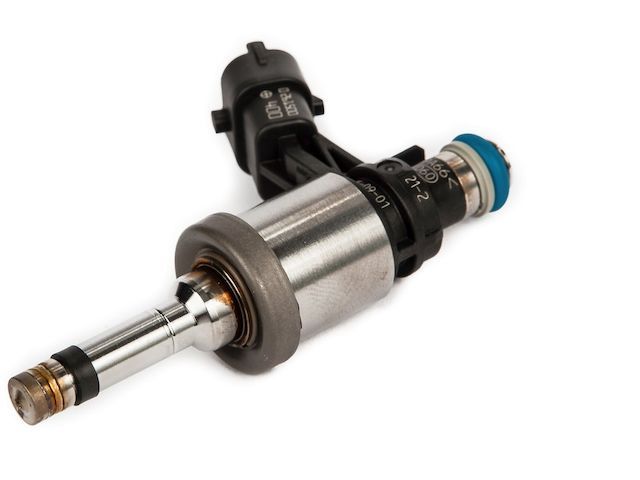
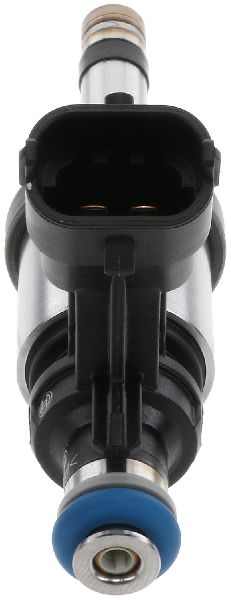
Est. part cost: $5-$20 for repair materials, $150-$300 for a new harness - Failed Fuel Injector 🟡 Medium Probability → Shop Fuel Injector Direct injection injectors operate under high pressure and can fail internally over time. The internal coil can develop an open circuit, which triggers the P0203 code.
How to confirm: Swap the cylinder 3 fuel injector with an adjacent one (e.g., cylinder 1 or 5). Clear the codes and drive the vehicle. If the code changes to P0201 or P0205, the injector is faulty. Alternatively, test the injector's internal resistance with a multimeter; it should typically be between 1.5-1.6 ohms when cold. Compare to a known good injector on the same engine for the most accurate reading.
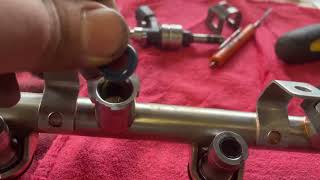
Typical fix: Replace the failed fuel injector. Since the 3.6L V6 uses direct injection, this is more involved than on older engines and requires removing the intake manifold and dealing with a high-pressure fuel system. 🎬 Watch: Step-by-step guide to removing the intake and replacing injectors.
Est. part cost: $90-$250 - Faulty Injector Connector ⚪ Low Probability
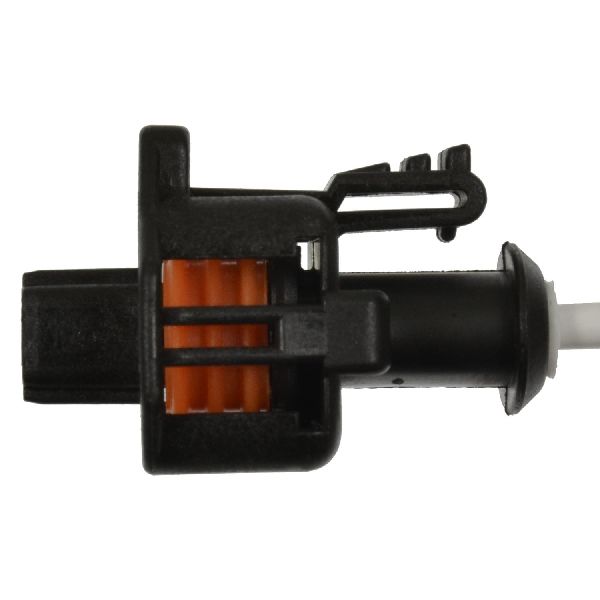
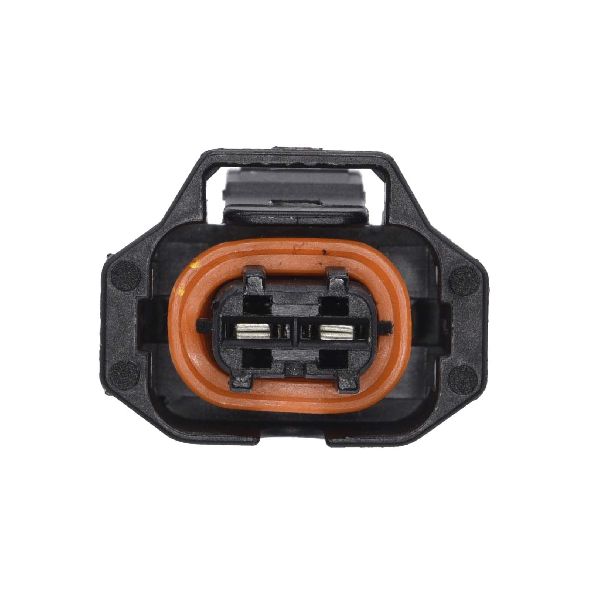
How to confirm: Visually inspect the electrical connector at the #3 fuel injector for corrosion, bent or spread pins, or a loose fit. The locking tab can become brittle and break. Wiggle the connector with the engine running to see if it causes the misfire to change.
Typical fix: Clean the connector terminals with electrical contact cleaner or replace the connector pigtail if it's damaged or won't stay securely connected.
Est. part cost: $10-$30 - Failed Powertrain Control Module (PCM) ⚪ Low Probability → Shop Engine Control Module (ECM)
How to confirm: This is diagnosed by exclusion. If the injector, wiring, and connector are all confirmed to be good, the injector driver circuit inside the PCM is the likely culprit. A professional diagnosis using a scope to check the driver signal at the PCM connector is the definitive test. A YouTube video for a similar Cadillac 3.6L with P0203 confirmed a bad injector driver in the PCM was the cause.
Typical fix: Replace and reprogram the Powertrain Control Module. This requires specialized tools for programming.
Est. part cost: $400-$800
Diagnosis Steps
- Read the codes with an OBD-II scanner to confirm P0203 and any other related codes like P0303.
- Identify Cylinder 3. On the 3.6L V6, this is the middle cylinder on the passenger side (Bank 1).
- Perform a thorough visual inspection of the injector wiring harness. Following TSB #PIP4924D, focus on known chafe points: against the intake plenum, valve cover bolts, and fuel lines. Manipulate the harness in these areas while the engine is idling to see if the misfire changes.
- Inspect the electrical connector on the #3 injector for damage, corrosion, or a broken locking tab.
- To quickly test the injector, swap it with the injector from cylinder 1 (front passenger side). Clear the codes and run the engine. If the code returns as P0201, the injector is bad. If P0203 returns, the problem is in the wiring or PCM.
- If the problem remains with cylinder 3, test the circuit. Disconnect the injector and use a multimeter to check for 12V power on one of the pins in the connector with the key on.
- Use a 'noid light' on the injector connector and crank the engine. The light should flash, indicating the PCM is sending a signal. If it doesn't flash, the problem is in the wiring between the connector and the PCM, or the PCM itself.
- If wiring and the injector test good, the final possibility is a failed injector driver in the PCM, which typically requires professional diagnosis and replacement.
Parts You'll Likely Need
- Fuel Injector (Direct Injection)
(OEM #12669384)— This is the second most common cause after wiring issues. The internal coil of the injector can fail, creating an open circuit.
Trusted brands: ACDelco (OEM), Bosch, Standard Motor Products, GP Sorensen
OEM price range: $150-$250
Aftermarket price range: $80-$150 - Fuel Injector Wiring Harness — Often the harness is damaged beyond a simple repair, especially if chafing has occurred in multiple spots as noted in the TSB. Sometimes a repair is not durable and replacement is the better long-term fix.
Trusted brands: ACDelco (OEM), Dorman
OEM price range: $150-$300
Aftermarket price range: $100-$200
Related Codes That Often Appear With This One
- P0303 — P0303 means 'Cylinder 3 Misfire Detected'. Since P0203 indicates the cylinder 3 injector isn't firing, the cylinder will naturally misfire, logging P0303 as a direct result.
- P0300 — This code means 'Random/Multiple Cylinder Misfire'. Sometimes, the instability caused by one cylinder being completely down can lead the PCM to detect misfires on other cylinders as well, or the wiring chafe may be affecting multiple injector circuits.
Technical Service Bulletins (TSBs) & Recalls
- PIP4924D: SES Light And Misfire With Injector Codes - This is the key bulletin for this issue. It points to a chafed wiring harness as a primary cause for P0201-P0206 codes on the 3.6L LLT engine and lists specific locations to inspect.
Platform-Specific Known Issues
- A GM Technical Service Bulletin (PIP4924D) specifically addresses P020x codes on this vehicle's 3.6L LLT engine. It advises technicians to 'Carefully inspect the fuel injector wiring harness for rub through or internal wire opens. Some common spots are against the intake plenum, at valve cover bolts, against the fuel line and on the side of the head under the plenum.' This makes a wiring inspection the most critical first step in diagnosis.
Mechanic-Grade Diagnostic Values
- Fuel Injector Circuit Resistance — expected: 1.5 - 1.6 Ohms. Failure: A reading of OL (Open Loop/infinite resistance) or a value significantly outside the expected range indicates a problem in the wiring or the injector coil.
- Injector Balance Test (Pressure Drop) — expected: Pressure drop should be within 1.5 to 3.0 PSI of the average of all other cylinders.. Failure: A significantly smaller or larger pressure drop for cylinder 3 indicates a flow problem (clogged or leaking injector).
- Low-Side Fuel Pressure — expected: 345-690 kPa (50-100 psi). Failure: Pressure below this range indicates a problem with the in-tank fuel pump or its control module, not the injector circuit itself.
Scan Tool Commands That Help
- GM Tech 2 / GDS2: Injector Balance Test — Use this bidirectional command to compare the flow rate of the cylinder 3 injector against the others. The tool commands the injector to open for a precise duration and measures the resulting drop in fuel rail pressure. A deviation from the average indicates a flow issue, helping to differentiate a clogged/leaking injector from a purely electrical fault.
- GM AFIT (Active Fuel Injector Tester): Automated Injector Test — This is the modern, more accurate GM-approved tool (GM-47976) that supersedes the Tech 2 balance test. It performs a more sophisticated, automated analysis of injector electrical integrity and flow, reducing the chance of misdiagnosis.
- GM Tech 2 / GDS2: Fuel Pump Enable — Used to manually run the in-tank (low pressure) fuel pump with the engine off. This allows for safe and accurate testing of the low-side fuel pressure to rule out fuel supply issues before diagnosing the high-pressure direct injection system.
Wiring & Ground Locations
- ECM (Engine Control Module) — On the front of the engine, mounted on the right (passenger side) valve cover for the 3.6L V6.. This is the control center for the fuel injectors. The final diagnostic step involves testing for the injector control signal directly at the ECM's connector pins.
- G106 (ECM Ground) — On the rear side of the right (passenger side) cylinder head.. This is a primary ground point for the Engine Control Module. A poor or corroded connection here can cause erratic ECM behavior and a wide range of phantom electrical codes, including injector circuit faults. Verifying this ground is tight and clean is a critical step.
- Injector 3 Control Circuit at ECM — Based on data for a similar GM 3.6L engine, the wire is likely Pink/Black (PK/BK) at Pin 38 of the X1 (black) connector on the ECM.. This is the specific pin a technician needs to back-probe with a multimeter or oscilloscope to confirm if the ECM's internal driver is sending the control signal. A lack of signal here when the wiring and injector are known to be good confirms a faulty ECM.
Real Owner Repair Stories
- YouTube channel 'Super Auto Dent' (2004 Cadillac 3.6L (Same engine family)) — Check Engine Light with codes P0203, P0300, and P0303.
❌ Tried (didn't work) Initial diagnosis pointed away from simple parts like plugs or coils due to the specific P0203 circuit code.
✅ What actually fixed it Diagnosis with a Snap-on Verus scanner determined the injector driver for cylinder 3 inside the ECM was at fault. The final repair was replacing and reprogramming the ECM. - YouTube channel 'HP Automotive' (Holden Commodore VZ (with GM 3.6L engine)) — Check Engine Light with P0205 (Injector Circuit Malfunction on Cylinder 5).
❌ Tried (didn't work) A resistance test on the injector would have shown it was good., A continuity test on the wiring would have shown it was good.
✅ What actually fixed it Using an oscilloscope on the injector command wire at the PCM confirmed that the PCM was not sending the ground signal to fire the injector. The wiring and injector were good; the fault was a failed driver inside the PCM, which required replacement.
Helpful Videos

We Have This Part in Stock


The information in this article is provided for general reference and educational purposes only. Vehicle specifications, procedures, and part compatibility can vary by production date, trim level, and region. Always consult your vehicle's factory service manual and verify part numbers before purchasing or performing repairs. Safety-critical components such as airbags, seat belts, and braking systems should be installed by a qualified professional.
- Cadillac STS:
- 🧭 Diagnostic Flowchart
- 🎬 Helpful Videos
- 🛍️ Shop This Part
- What's Unique About the 2009-2011 Cadillac STS
- Symptoms You May Notice
- Most Likely Causes
- Diagnosis Steps
- Parts You'll Likely Need
- Related Codes That Often Appear With This One
- Technical Service Bulletins (TSBs) & Recalls
- Platform-Specific Known Issues
- Mechanic-Grade Diagnostic Values
- Scan Tool Commands That Help
- Wiring & Ground Locations
- Real Owner Repair Stories
- 🎟️ Get 5% Off